
Industry News
Curation by industry experts
Hot Articles
Popular Tags
When industrial automation drive systems become hard to scale
As production lines expand across regions, many manufacturers discover that industrial automation drive systems are far harder to scale than expected. Rising demands for uptime, energy efficiency, component compatibility, and maintenance visibility often expose hidden weaknesses in transmission design. For business evaluation teams, understanding these constraints is essential to judging long-term cost, operational resilience, and the real strategic value of automation investments.
Why do industrial automation drive systems become difficult to scale?
At a pilot-line level, an automation project may look stable, efficient, and financially justified. The challenge appears when that same architecture must support multiple plants, different operating loads, local supplier variations, and stricter maintenance targets.
Industrial automation drive systems sit at the intersection of motors, reducers, couplings, belts, bearings, sealing elements, sensors, and control logic. If even one layer lacks standardization, scale quickly turns into a reliability and procurement problem.
For business evaluation personnel, the issue is not simply technical complexity. It is whether the drive architecture can maintain predictable cost, interchangeable parts, and service continuity over several years and across several operating environments.
- A system designed around one production speed often struggles when throughput rises and torque peaks become more frequent.
- Components sourced from different regions may appear equivalent on paper but differ in tolerance, material grade, lubrication behavior, or sealing life.
- Maintenance teams may lack unified condition-monitoring rules, creating inconsistent replacement cycles and hidden downtime risk.
- Energy cost volatility can make an originally acceptable drive solution unattractive over the full life cycle.
Scaling failure usually starts before the line is expanded
Many procurement decisions still prioritize initial equipment cost over torque reserve, alignment tolerance, contamination resistance, and future spare-part availability. That approach may work for a single installation but becomes expensive when duplicated across a regional manufacturing footprint.
In practical terms, industrial automation drive systems become hard to scale when design assumptions are narrower than the business model. A system intended for stable output often fails to match the variability of modern production.
What business evaluation teams should assess before approving expansion
Before extending industrial automation drive systems to new lines or plants, evaluation teams should move beyond supplier brochures and focus on comparable operating evidence. The most useful review framework combines technical durability with financial and supply-chain practicality.
The table below summarizes core dimensions that frequently determine whether scaling creates operational leverage or recurring hidden cost.
This framework is especially useful in mixed-industry environments where lines process different materials, operate under different contamination levels, or face seasonal demand swings. A scalable drive system must perform under those realities, not only under ideal commissioning conditions.
The procurement view should connect hardware and market intelligence
That is where GPT-Matrix becomes relevant for decision makers. Its strategic intelligence model links material science, power transmission logic, and commercial insight, helping evaluation teams understand not only what a component does, but how raw material trends, energy costs, and lifecycle demand affect purchasing decisions.
For industrial automation drive systems, this broader view matters because mechanical scaling failure is often rooted in market-side variables such as elastomer supply, alloy availability, lubrication quality, or regional maintenance capability.
Which components usually limit scalability first?
Not every part in industrial automation drive systems creates the same level of scaling risk. Some components fail gradually and visibly. Others degrade silently while causing alignment drift, heat loss, vibration, or contamination ingress.
Mechanical transmission bottlenecks
- Gear reducers may become bottlenecks when duty cycles increase but thermal dissipation and lubrication planning remain unchanged.
- Belts and pulleys can lose scalability when line extensions add speed variation, misalignment, or contamination that was absent in the original installation.
- Couplings often look simple but become critical where repeated starts, torque shocks, or shaft tolerances vary across equipment batches.
- Mechanical seals and bearing protection systems frequently determine whether a drive system survives dusty, wet, or chemically aggressive environments.
Digital visibility bottlenecks
A growing number of industrial automation drive systems fail to scale not because hardware is inadequate, but because teams cannot see wear progression early enough. Without vibration tracking, temperature trends, and lubrication records, maintenance remains reactive.
Business evaluation teams should therefore ask a simple question: can the selected architecture support both mechanical continuity and decision-grade operating data over time?
Comparison analysis: standardized drive architecture vs site-by-site customization
One common debate in scaling industrial automation drive systems is whether to standardize aggressively or allow each site to optimize around local needs. The answer depends on risk tolerance, maintenance maturity, and spare-part strategy.
The comparison below helps business evaluation personnel judge when standardization creates value and when limited customization is justified.
In many industries, the modular hybrid model is the most practical. It preserves interchangeability for core industrial automation drive systems while allowing approved variants for sealing, mounting, duty cycle, or environmental protection.
How to build a procurement guide for scalable industrial automation drive systems
Procurement teams need more than a technical datasheet. They need a repeatable decision process that filters suppliers and configurations according to lifecycle value. A good procurement guide translates engineering parameters into business consequences.
A practical five-step evaluation process
- Define operating reality, including load profile, speed range, ambient temperature, dust, moisture, and maintenance staffing level.
- Map critical components in the industrial automation drive systems that directly affect downtime, such as reducers, bearings, couplings, belts, and sealing interfaces.
- Request lifecycle data from suppliers, not only nameplate ratings. Useful evidence includes service intervals, replacement logic, lubrication needs, and regional parts support.
- Assess standardization potential across plants by identifying which interfaces can remain common and which require local adaptation.
- Quantify total cost of ownership using downtime risk, energy usage, spare inventory, and maintenance hours rather than purchase price alone.
Parameters worth confirming early
The following parameter guide helps teams prevent late-stage surprises when selecting industrial automation drive systems for broader deployment.
For evaluation teams, the key insight is simple: scalable procurement starts with scalable specifications. If requirements are vague, every new site introduces fresh interpretation and fresh risk.
Cost, alternatives, and the hidden economics of scaling
When industrial automation drive systems become hard to scale, the first visible symptom is often budget pressure. Yet the largest costs rarely come from the quoted component price. They emerge from downtime, repeated engineering changes, inventory duplication, and energy inefficiency.
Where hidden costs accumulate
- Separate spare kits for each site increase warehouse complexity and tie up working capital.
- Shorter-than-expected service intervals raise labor cost and disrupt production planning.
- Unoptimized transmission efficiency increases energy spend, especially in high-duty applications.
- Frequent substitutions made during shortages can create new reliability variables and compliance review effort.
Alternatives should therefore be compared on application fit, maintainability, and market continuity. In some cases, a higher-grade belt, improved sealing package, or digitally monitorable reducer costs more upfront but lowers the total scaling burden.
GPT-Matrix supports this perspective by connecting component evolution, tribology insight, and commercial demand analysis. That combination helps buyers identify which premium features are justified by lifecycle savings and which are simply over-specification.
Standards, certification, and compliance questions that should not be ignored
Industrial automation drive systems often cross borders, industries, and operating regimes. As a result, compliance review should not be treated as a final paperwork step. It affects supplier approval, interchangeability, audit readiness, and sometimes equipment acceptance.
What to verify in general terms
- Whether the drive components are documented according to relevant application standards and installation instructions.
- Whether material, lubrication, and sealing choices match the intended environmental and safety conditions.
- Whether replacement components can be validated without redesigning adjoining interfaces.
- Whether traceability records are good enough for maintenance audits and procurement governance.
For business evaluation teams, compliance is not only a legal or quality issue. It is a scaling issue. Weak documentation and unclear substitution rules can slow deployment even when the mechanical design itself is sound.
FAQ: common questions about industrial automation drive systems
How do I know whether a drive system is truly scalable?
Check whether the industrial automation drive systems can maintain performance under higher duty cycles, broader environmental conditions, and multi-site maintenance practices. If service intervals, spare strategies, and approved substitutions are unclear, scalability is still unproven.
What should procurement focus on first: price, efficiency, or reliability?
Start with reliability under actual load and environment, then assess efficiency and commercial continuity. A low-price option that increases downtime or inventory complexity often becomes more expensive within one operating cycle.
Are standardized industrial automation drive systems always better?
Not always. Standardization supports training, inventory control, and faster rollout, but harsh local conditions may require approved variants. The best approach is usually a controlled modular platform rather than total uniformity.
What are the most common scaling mistakes?
Typical errors include copying pilot-line specifications without revisiting duty cycle, ignoring sealing and contamination risk, accepting loosely defined substitutions, and evaluating cost without including maintenance labor or downtime impact.
Why choose us when evaluating industrial automation drive systems?
GPT-Matrix is built for decision makers who need more than product descriptions. Our platform connects industrial power transmission, motion control, and critical sealing intelligence with the commercial realities that shape sourcing and scale-up decisions.
Through our Strategic Intelligence Center, business evaluation teams can examine evolutionary trends in reducers, high-performance belts, sealing reliability, material behavior, and cost-side market signals. This helps turn industrial automation drive systems from a fragmented hardware topic into a clearer investment decision.
- Request support for parameter confirmation, including load assumptions, service factor questions, and environmental suitability review.
- Discuss product selection logic for belts, reducers, couplings, bearings, and sealing interfaces across different operating scenarios.
- Ask about delivery-cycle risk, approved substitution strategy, and regional supply considerations before expansion begins.
- Explore customized evaluation frameworks for lifecycle cost, maintenance visibility, and standardization planning.
- Open quotation discussions with clearer technical boundaries, reducing rework and improving sourcing efficiency.
If your team is reviewing industrial automation drive systems for multi-line deployment, retrofit planning, or cross-region procurement, contact GPT-Matrix with your operating parameters, target throughput, maintenance constraints, and compliance questions. That conversation is often the fastest way to identify whether a drive solution can truly scale without eroding margin or uptime.
Recommended News
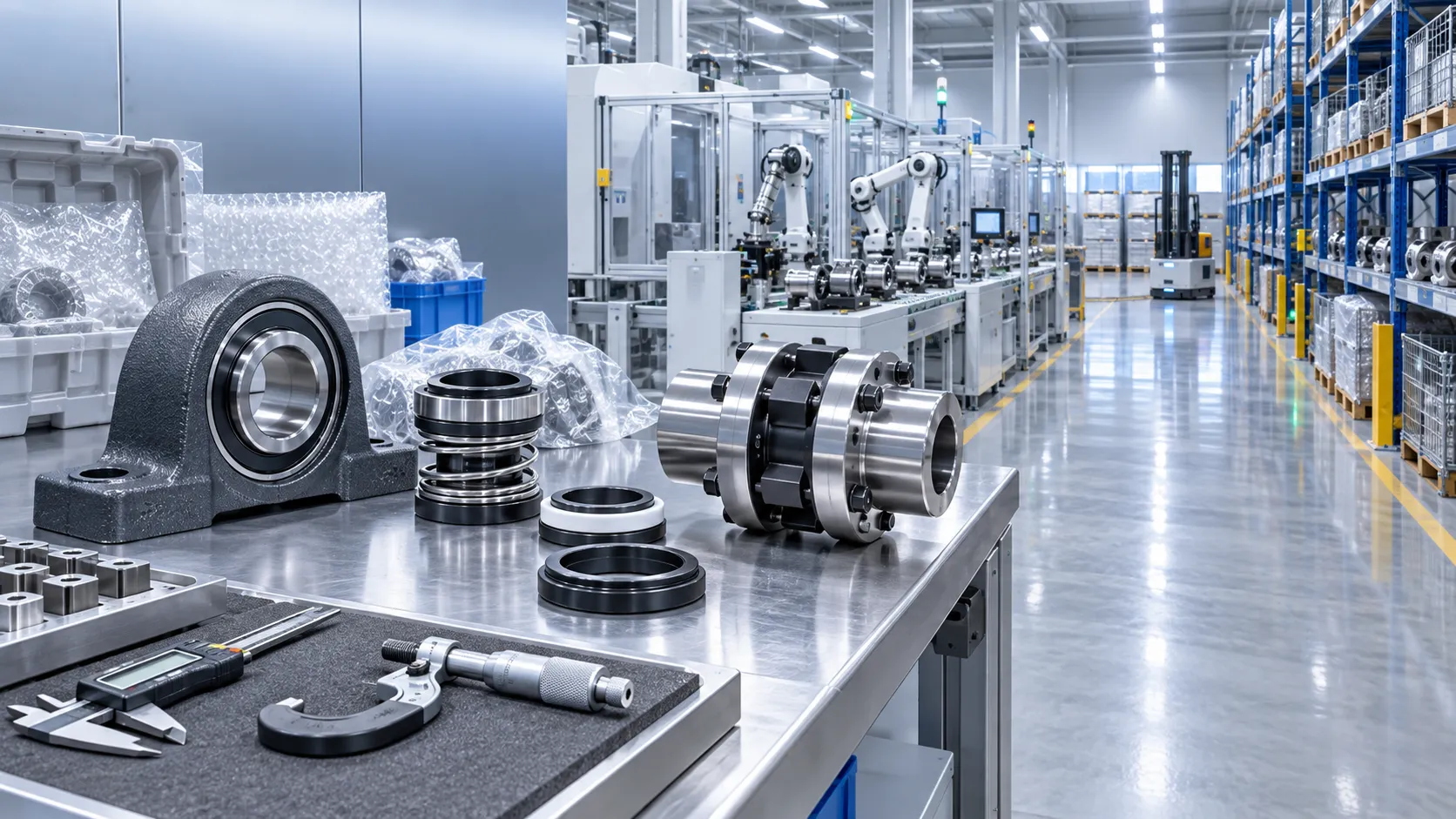
How to Qualify an Industrial Component Supplier for Critical Production Parts
Industrial component supplier qualification guide: reduce downtime risk, verify quality, traceability, change control, and total cost for critical production parts.
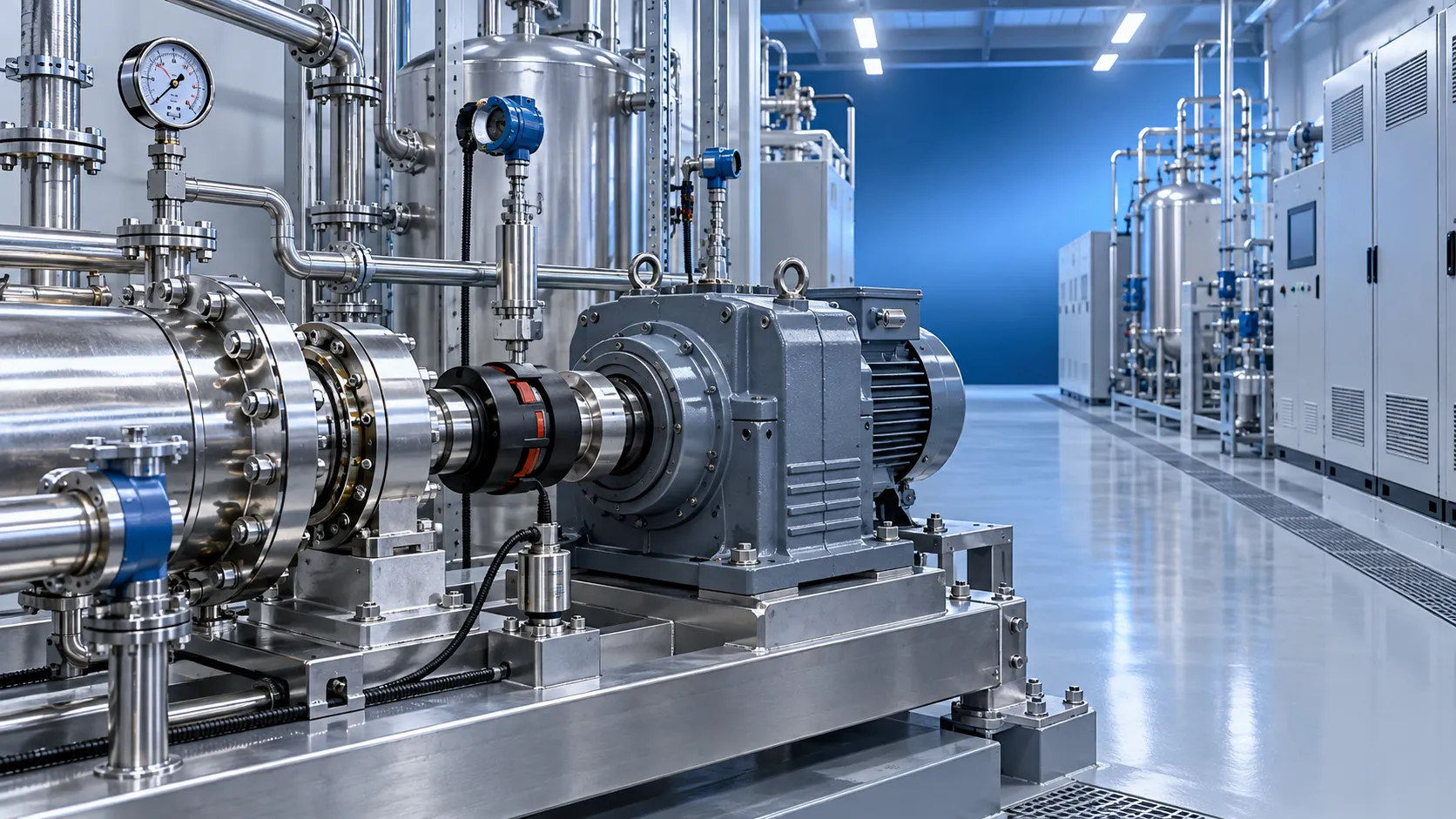
How to Evaluate an Extreme-Condition System Supplier for High-Risk Operations
Extreme condition system supplier evaluation guide: compare engineering evidence, material control, testing, and lifecycle support to reduce high-risk operational failures.
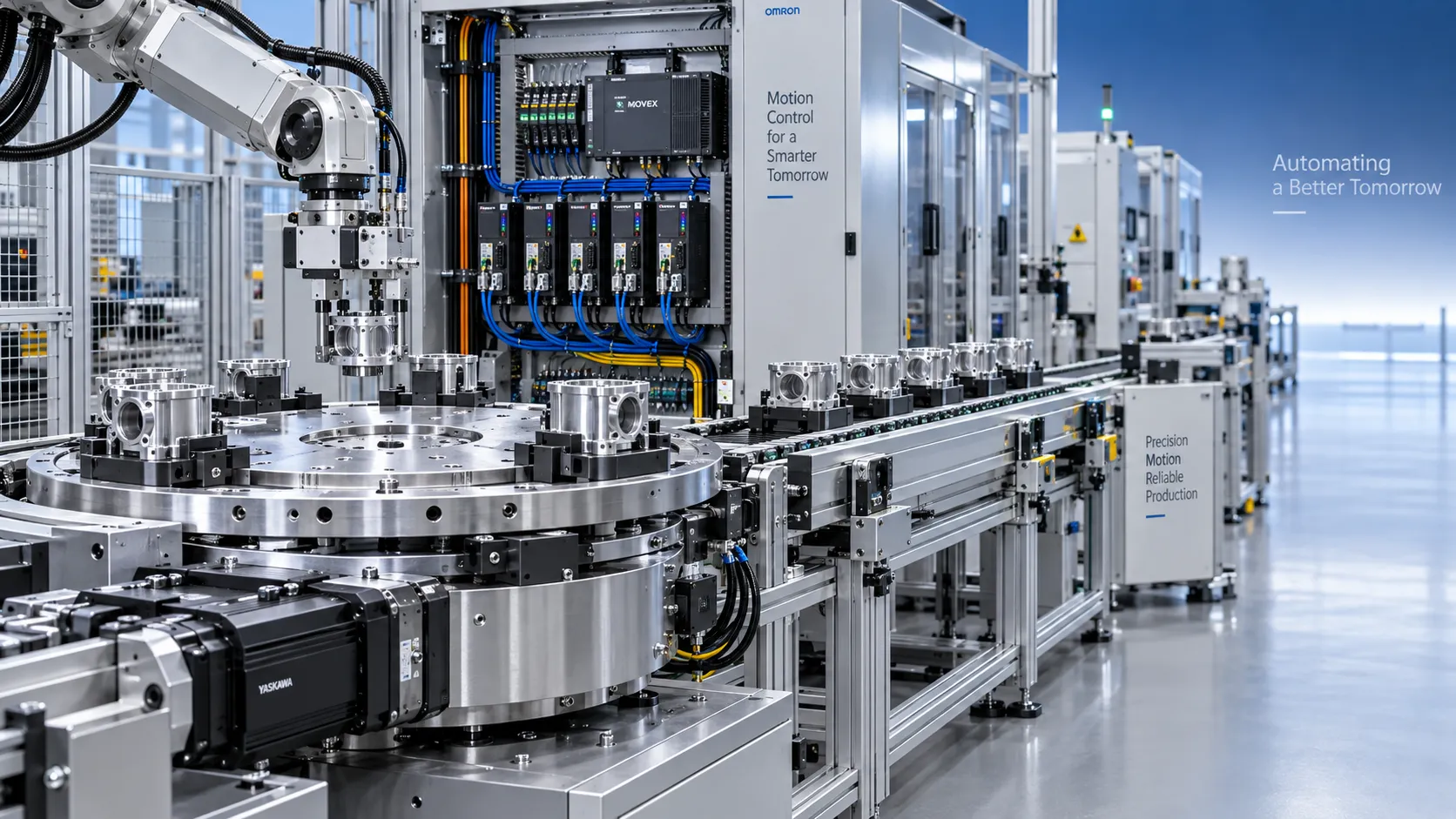
Motion Control Reference Projects: How to Adapt Proven Solutions to Your Machine
Industrial solution references motion control guide: learn how to adapt proven servo architectures, validate machine-specific risks, and accelerate reliable commissioning.
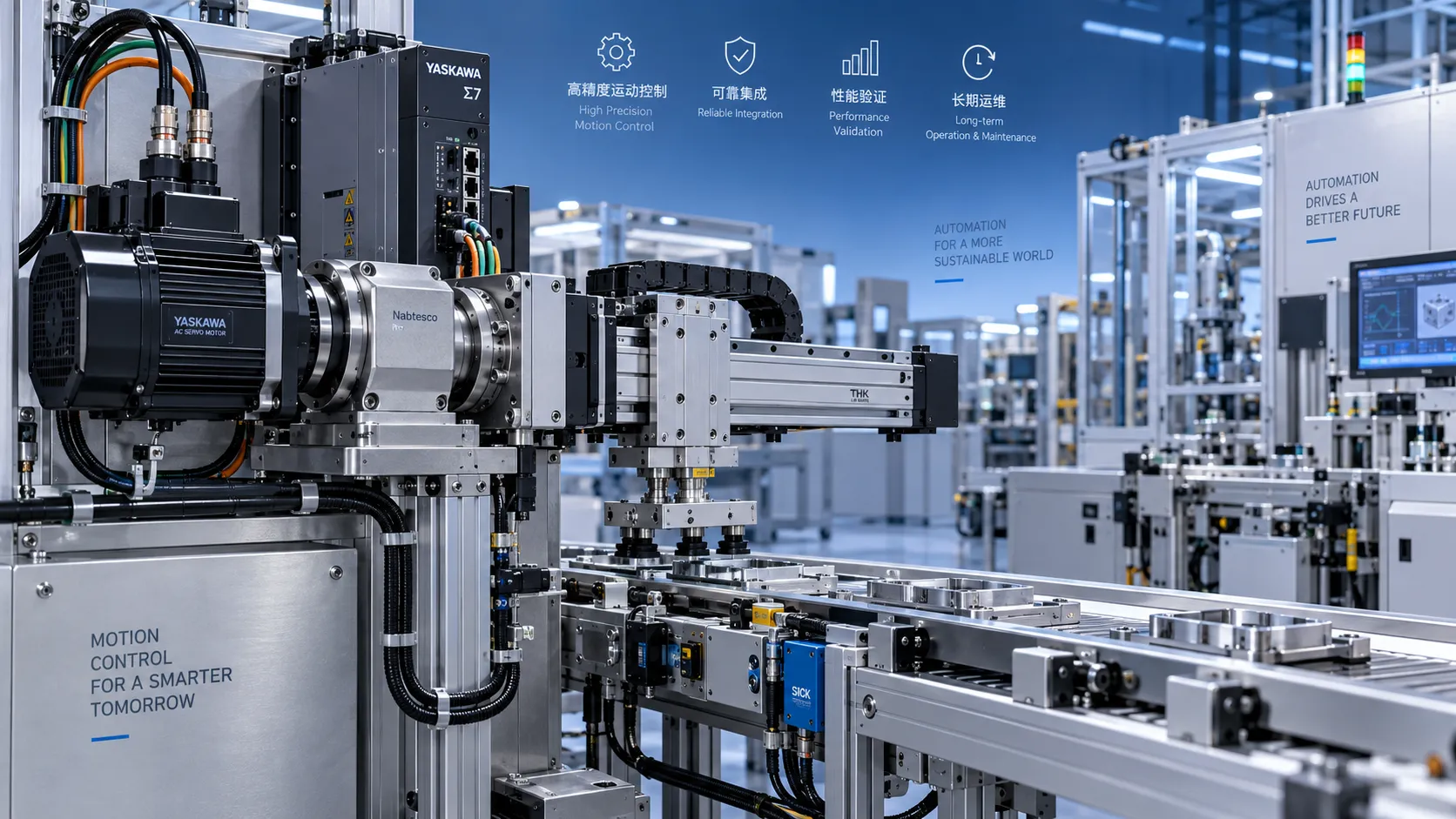
How to Evaluate an Industrial Motion Control Solutions Supplier for Automation Projects
Evaluate an industrial motion control solutions supplier with confidence. Compare sizing, integration, quality, support, and lifecycle value for reliable automation projects.
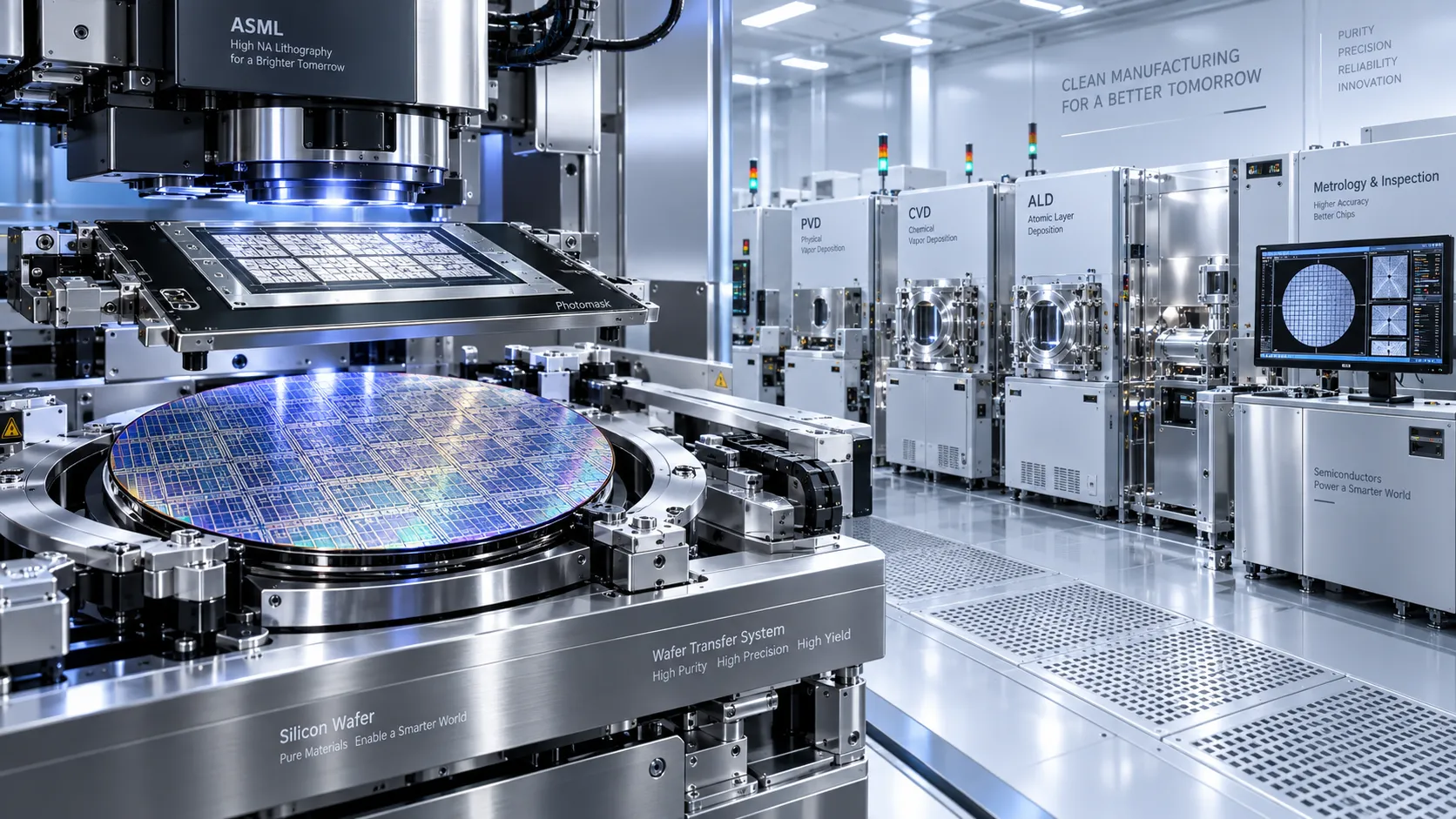
Key Semiconductor Industry Components and Their Roles in Chip Manufacturing
Semiconductor industry components explained: explore wafers, lithography, deposition, etching, packaging, and the critical roles that drive chip quality and yield.
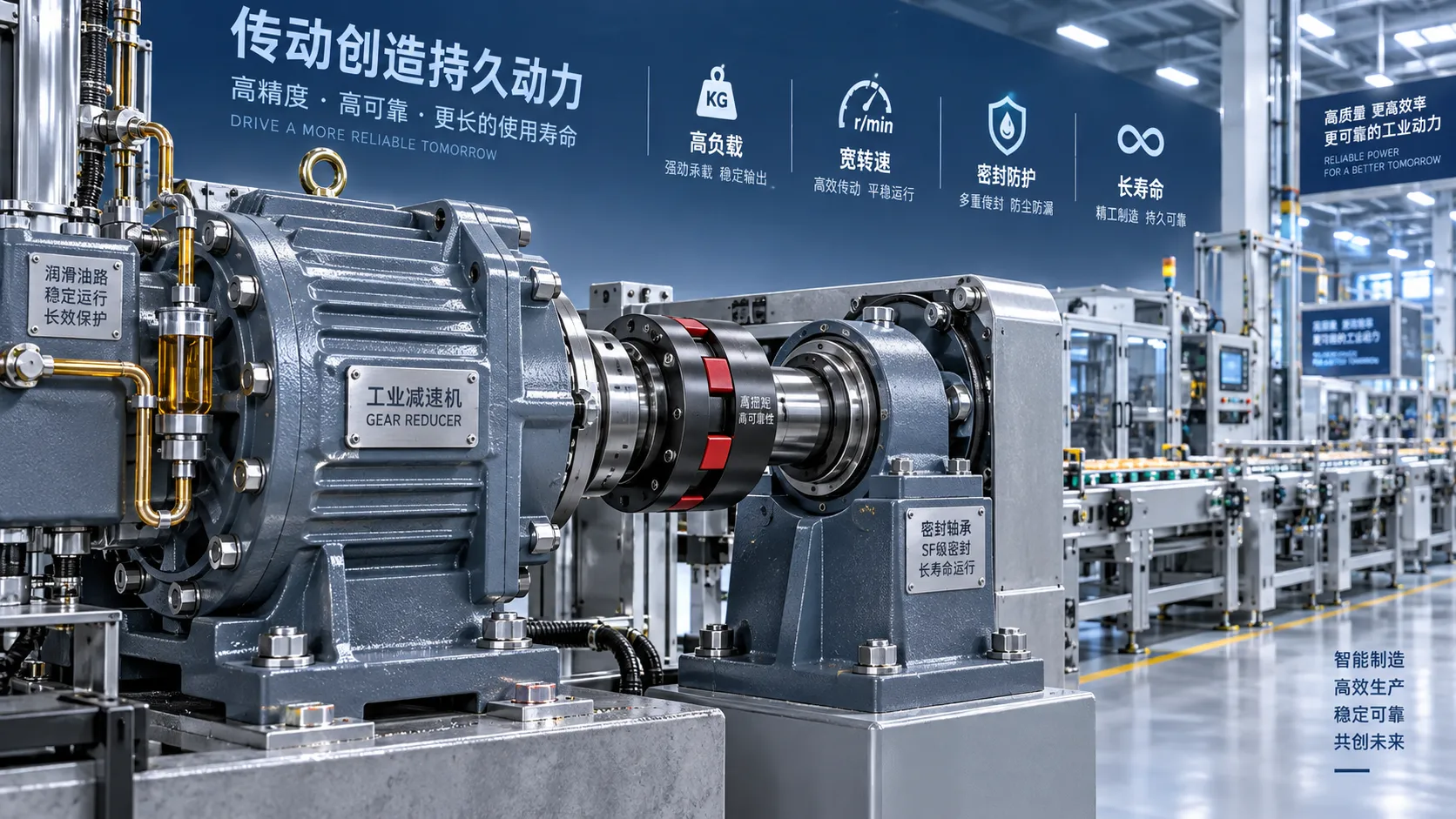
Mechanical Component Selection: Key Criteria for Load, Speed, Environment, and Service Life
Mechanical component selection made practical: evaluate load, speed, environment, lubrication, and service life to improve reliability, reduce downtime, and control lifecycle costs.
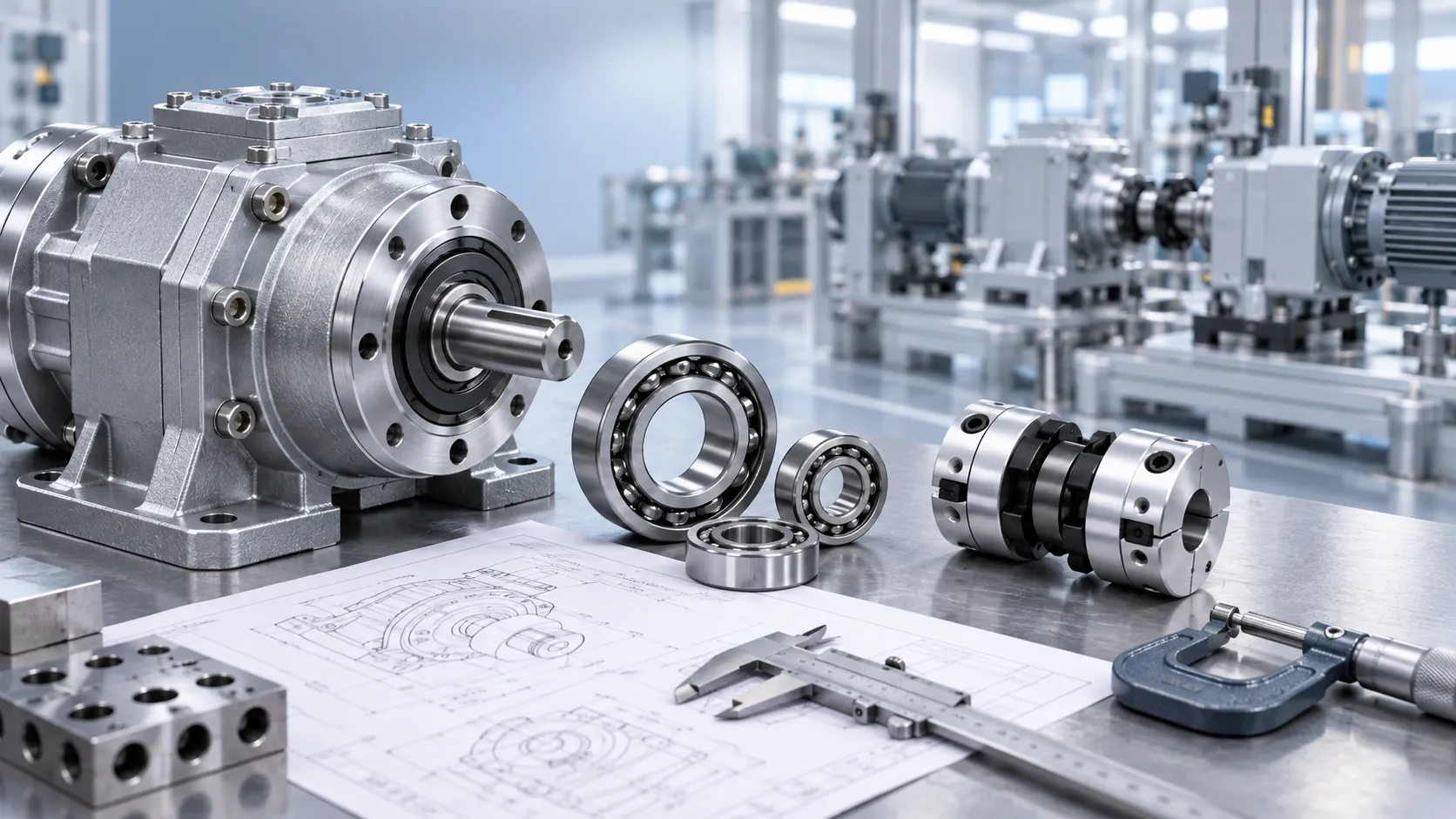
What to Request in Component Specification Resources Before Choosing a Supplier
Industrial component specification resources supplier guide: request drawings, material data, ratings, validation, and change control to choose reliable suppliers and reduce lifecycle risk.
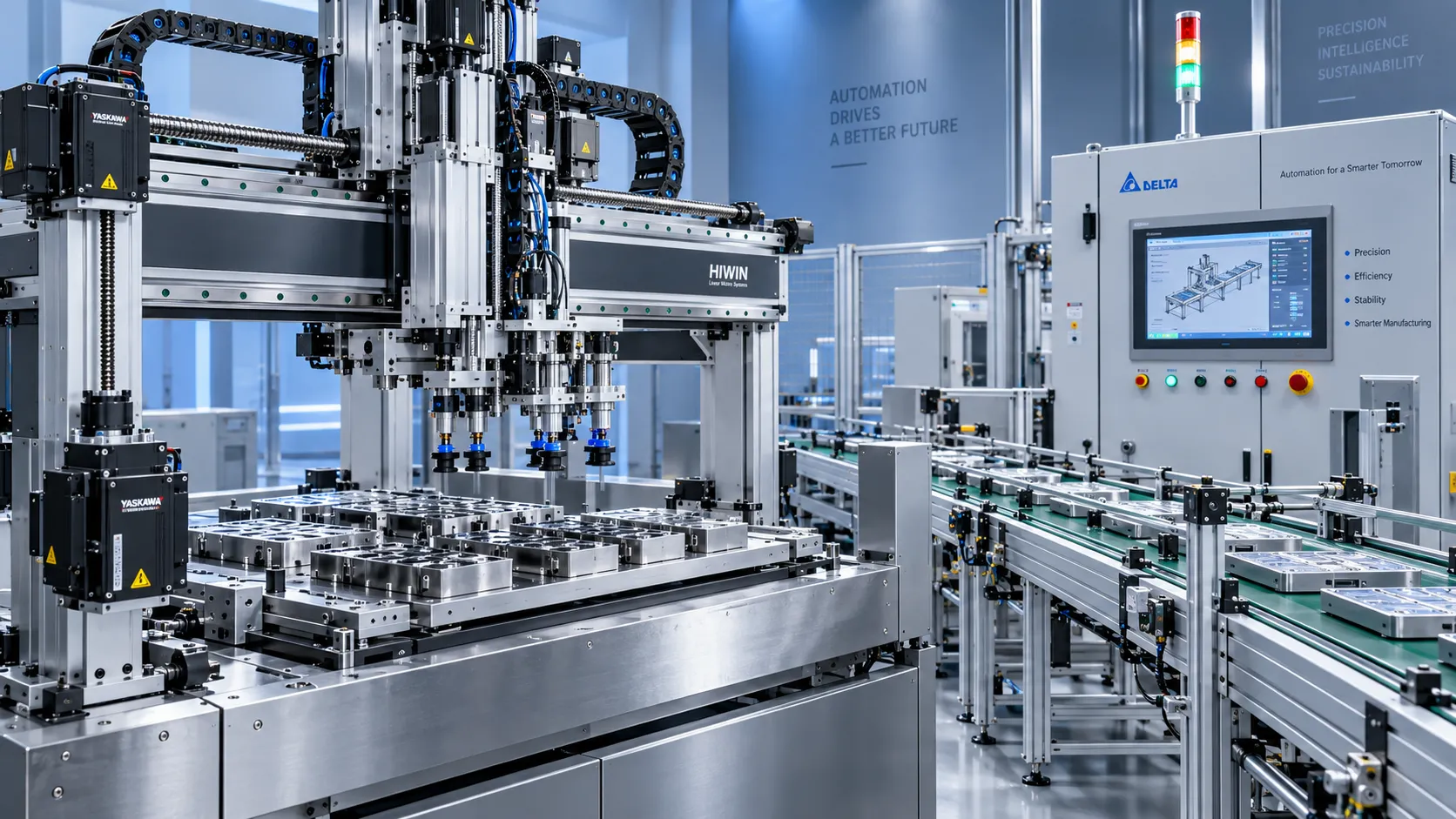
How to Specify Multi-Axis Motion Control for High-Precision Automated Machines
Master multi axis motion control for high-precision automation—optimize synchronization, feedback, mechanics, safety, and lifecycle reliability.
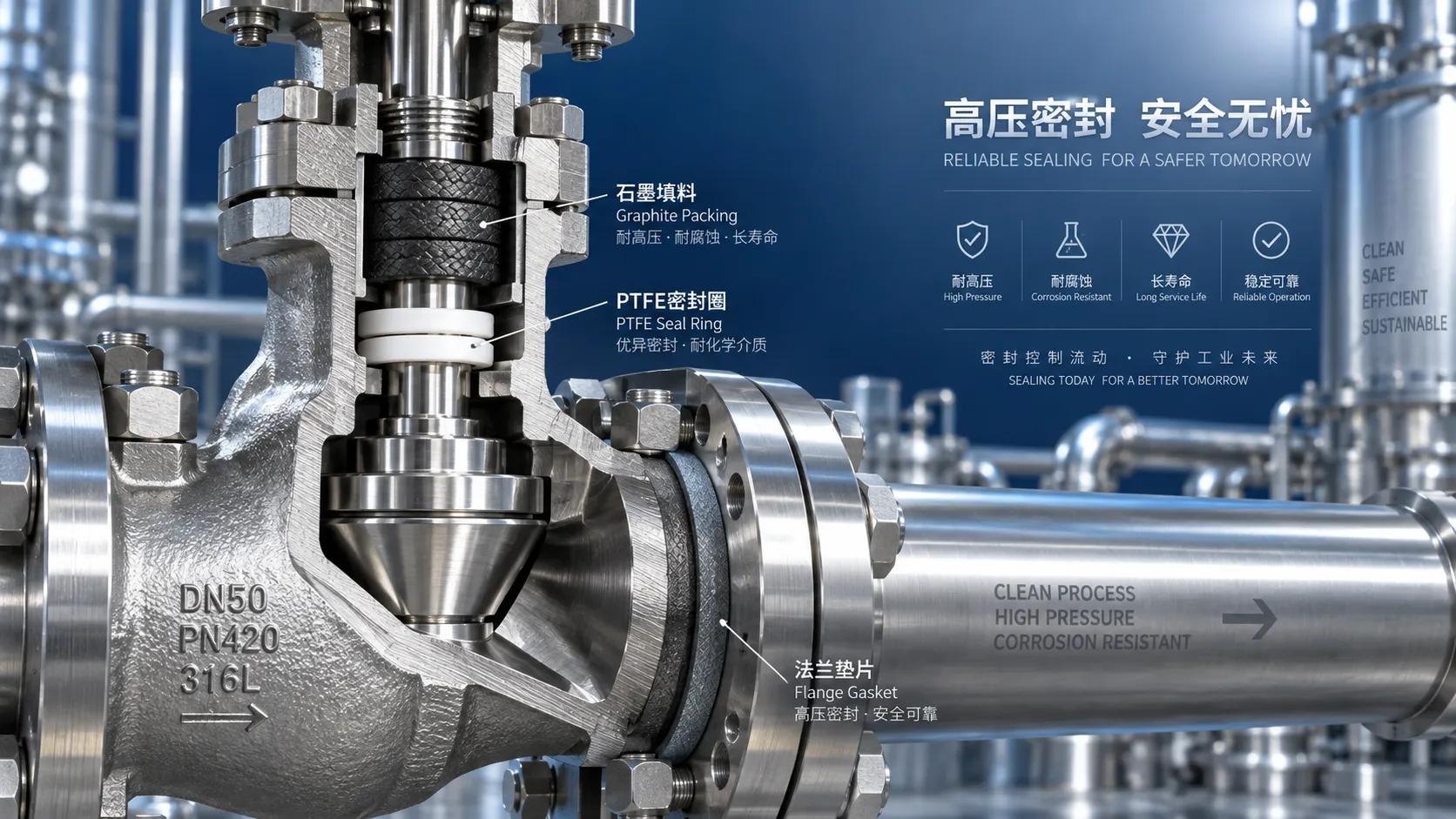
Selecting Valve Sealing Solutions for High-Pressure and Corrosive Service
Industrial sealing solutions for valves: learn how to select reliable systems for high-pressure, corrosive service, control fugitive emissions, and reduce lifecycle leakage risks.