
Industry News
Curation by industry experts
Hot Articles
Popular Tags
Where tribology research is changing mechanical component life
For technical evaluators, tribology research in mechanical components is now central to lifecycle judgment. It shapes how friction, wear, lubrication, heat, and surface fatigue are assessed across modern industrial systems.
As operating loads rise and maintenance windows shrink, tribology research in mechanical components helps explain why similar parts can deliver very different service lives. It also improves decisions involving bearings, gears, seals, couplings, chains, and belt-driven equipment.
Within broad industrial sectors, this field connects material science, lubrication chemistry, surface engineering, and condition monitoring. That is why tribology research in mechanical components has become a practical reference for durability, efficiency, and lifecycle cost control.
Foundation of tribology research in mechanical components
Tribology studies friction, wear, and lubrication between interacting surfaces. In mechanical systems, these interactions determine energy loss, contact stability, contamination sensitivity, and failure progression.
The value of tribology research in mechanical components lies in moving beyond simple hardness comparisons. It examines contact mechanics, film formation, roughness behavior, debris generation, and thermal response under real operating conditions.
This matters because mechanical life rarely depends on one property alone. A gear tooth, rolling element, or seal face performs through a balance of load, speed, lubrication regime, material pair, and environmental exposure.
Key mechanisms that influence component life
- Adhesive wear from direct surface contact
- Abrasive wear caused by particles or rough asperities
- Surface fatigue under repeated stress cycles
- Corrosive or tribochemical degradation
- Lubricant starvation, oxidation, or viscosity collapse
- Thermal distortion that alters contact geometry
When these mechanisms are modeled together, tribology research in mechanical components gives a more realistic picture of service life than static material data alone.
Industry signals shaping current research priorities
Across the comprehensive industrial landscape, several pressures are pushing tribology from a laboratory topic into mainstream engineering evaluation.
These signals explain why tribology research in mechanical components now influences component selection, qualification testing, and asset management strategy across many industries.
How research is changing component evaluation methods
Traditional evaluation often prioritized load rating, tensile strength, or nominal speed. Modern practice adds surface response under mixed lubrication, start-stop cycles, vibration, and contamination exposure.
That shift is one of the clearest outcomes of tribology research in mechanical components. Engineers are increasingly testing systems under realistic duty cycles instead of idealized steady-state conditions.
Areas where research is delivering measurable change
- Advanced coatings reduce scuffing and micro-pitting on gears
- Textured surfaces improve lubricant retention on sliding interfaces
- Synthetic lubricants maintain film strength at broader temperatures
- Additive chemistry controls boundary wear in severe contacts
- Predictive models estimate failure progression before visible damage
- Debris analysis links microscopic wear particles to root causes
The result is a more evidence-based approach to life extension. Instead of replacing parts only after failure, operators can adjust lubrication, alignment, load distribution, or material pairing earlier.
Business value across power transmission and mechanical systems
The business case for tribology research in mechanical components is stronger than a simple wear reduction argument. It supports uptime, energy efficiency, maintenance planning, and reliability consistency at scale.
In power transmission systems, small friction improvements can produce meaningful energy savings over long operating hours. In critical sealing systems, better tribological control can prevent leakage, contamination, and secondary asset damage.
This is especially relevant to the intelligence focus represented by GPT-Matrix. Transmission efficiency, reducer digitalization, belt material evolution, and seal reliability all depend on the tribological behavior of working interfaces.
Practical value areas
- Longer mean time between failures
- Lower friction-related power consumption
- Reduced lubricant waste and replacement frequency
- Improved qualification of premium materials and coatings
- More accurate total cost of ownership comparisons
For long-life industrial assets, tribology research in mechanical components helps separate nominal performance claims from field-relevant durability evidence.
Typical component categories influenced by tribology advances
Not all mechanical parts respond to research in the same way. The highest impact appears in interfaces where motion, load, heat, and contamination combine.
This table shows why tribology research in mechanical components should be interpreted by application class, not treated as a universal material upgrade story.
Implementation considerations for evaluation and selection
Applying tribology findings requires discipline. Performance gains seen in test rigs may not transfer directly if duty cycles, contamination levels, or mounting quality differ in service.
Useful evaluation practices
- Define the actual lubrication regime, not only lubricant type
- Review surface roughness and finishing method together
- Check how temperature shifts viscosity and film thickness
- Account for dust, water, chemicals, and wear debris
- Compare test conditions with real load spectra
- Use failure analysis data to validate selection assumptions
A careful framework avoids overestimating premium materials or underestimating lubrication management. In many cases, the largest life improvement comes from system optimization rather than a single part change.
That is another reason tribology research in mechanical components matters. It links part behavior to the wider mechanical environment, including alignment, sealing integrity, thermal balance, and maintenance discipline.
Next-step reference for industrial decision support
A practical next step is to map critical wear interfaces across core assets, then compare current failure modes with relevant tribology findings. This creates a clearer shortlist for testing, redesign, or lubrication review.
For organizations following transmission, sealing, and motion-control developments, structured intelligence is essential. Trend analysis, field reliability evidence, and material innovation tracking can turn tribology research into usable lifecycle decisions.
As industrial systems move toward higher efficiency and lower maintenance, tribology research in mechanical components will remain a decisive lens for judging component life, risk, and long-term mechanical value.
Recommended News

How to Qualify an Industrial Component Supplier for Critical Production Parts
Industrial component supplier qualification guide: reduce downtime risk, verify quality, traceability, change control, and total cost for critical production parts.

How to Evaluate an Extreme-Condition System Supplier for High-Risk Operations
Extreme condition system supplier evaluation guide: compare engineering evidence, material control, testing, and lifecycle support to reduce high-risk operational failures.

Motion Control Reference Projects: How to Adapt Proven Solutions to Your Machine
Industrial solution references motion control guide: learn how to adapt proven servo architectures, validate machine-specific risks, and accelerate reliable commissioning.
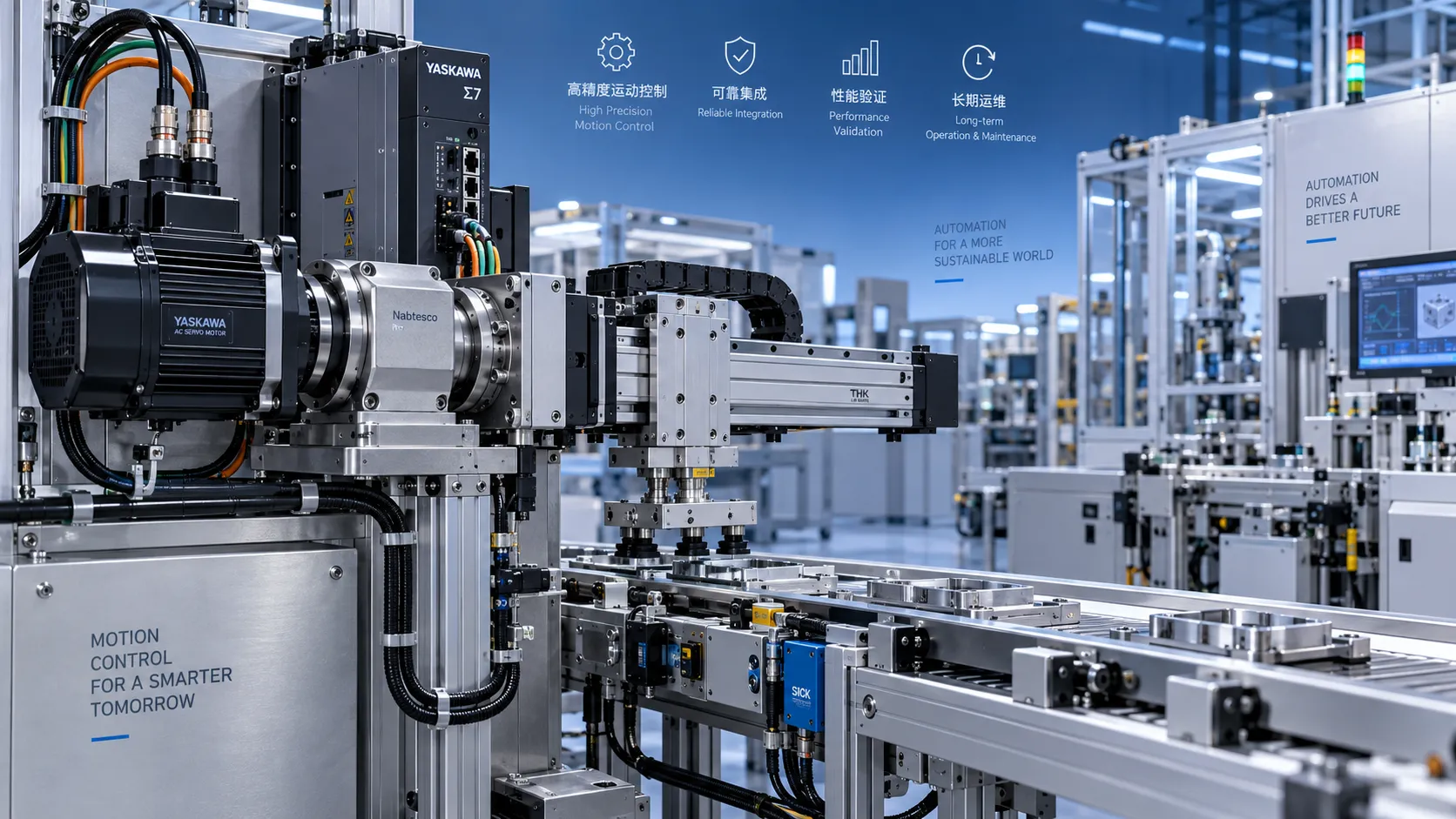
How to Evaluate an Industrial Motion Control Solutions Supplier for Automation Projects
Evaluate an industrial motion control solutions supplier with confidence. Compare sizing, integration, quality, support, and lifecycle value for reliable automation projects.

Key Semiconductor Industry Components and Their Roles in Chip Manufacturing
Semiconductor industry components explained: explore wafers, lithography, deposition, etching, packaging, and the critical roles that drive chip quality and yield.
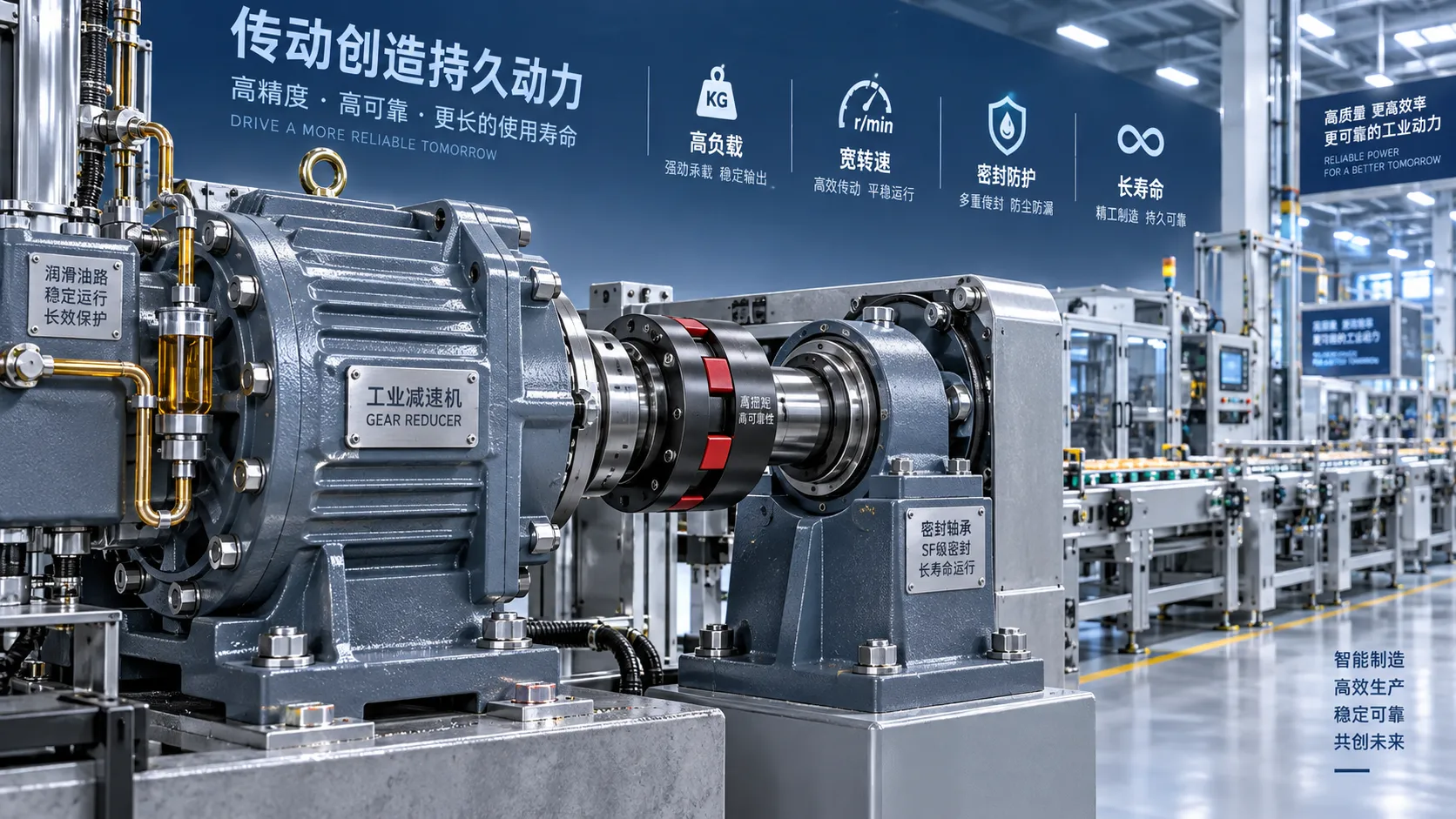
Mechanical Component Selection: Key Criteria for Load, Speed, Environment, and Service Life
Mechanical component selection made practical: evaluate load, speed, environment, lubrication, and service life to improve reliability, reduce downtime, and control lifecycle costs.
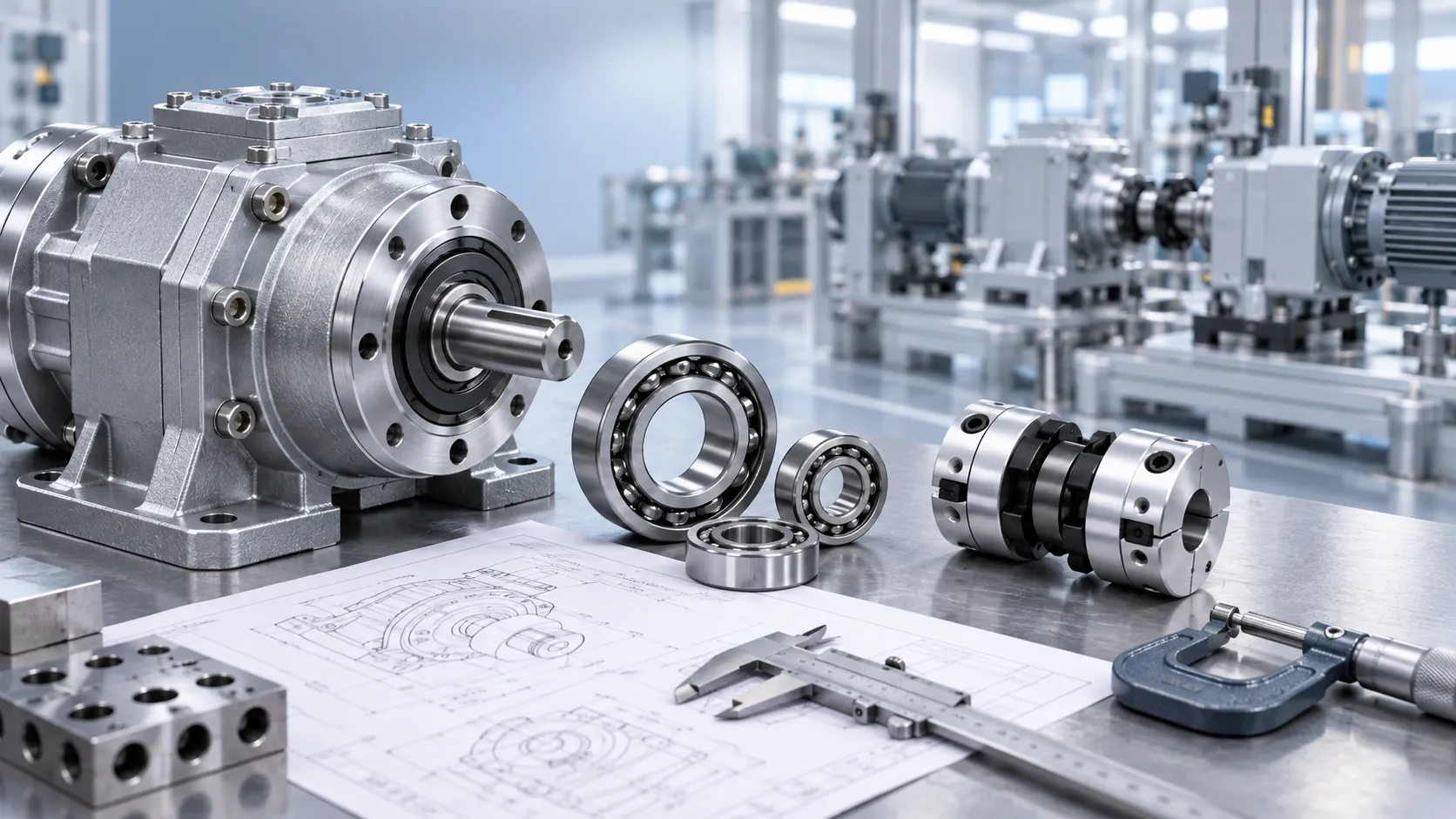
What to Request in Component Specification Resources Before Choosing a Supplier
Industrial component specification resources supplier guide: request drawings, material data, ratings, validation, and change control to choose reliable suppliers and reduce lifecycle risk.
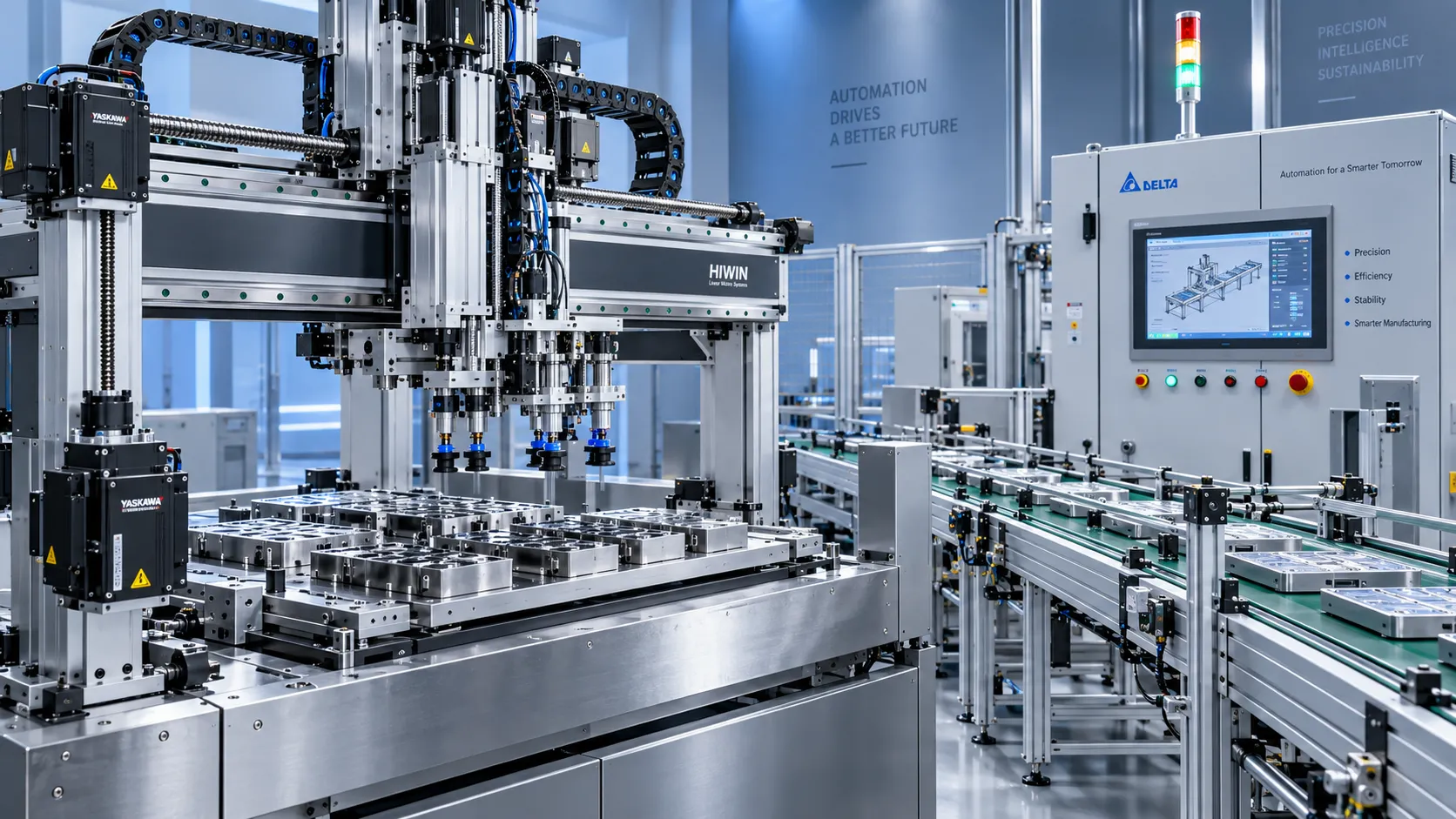
How to Specify Multi-Axis Motion Control for High-Precision Automated Machines
Master multi axis motion control for high-precision automation—optimize synchronization, feedback, mechanics, safety, and lifecycle reliability.
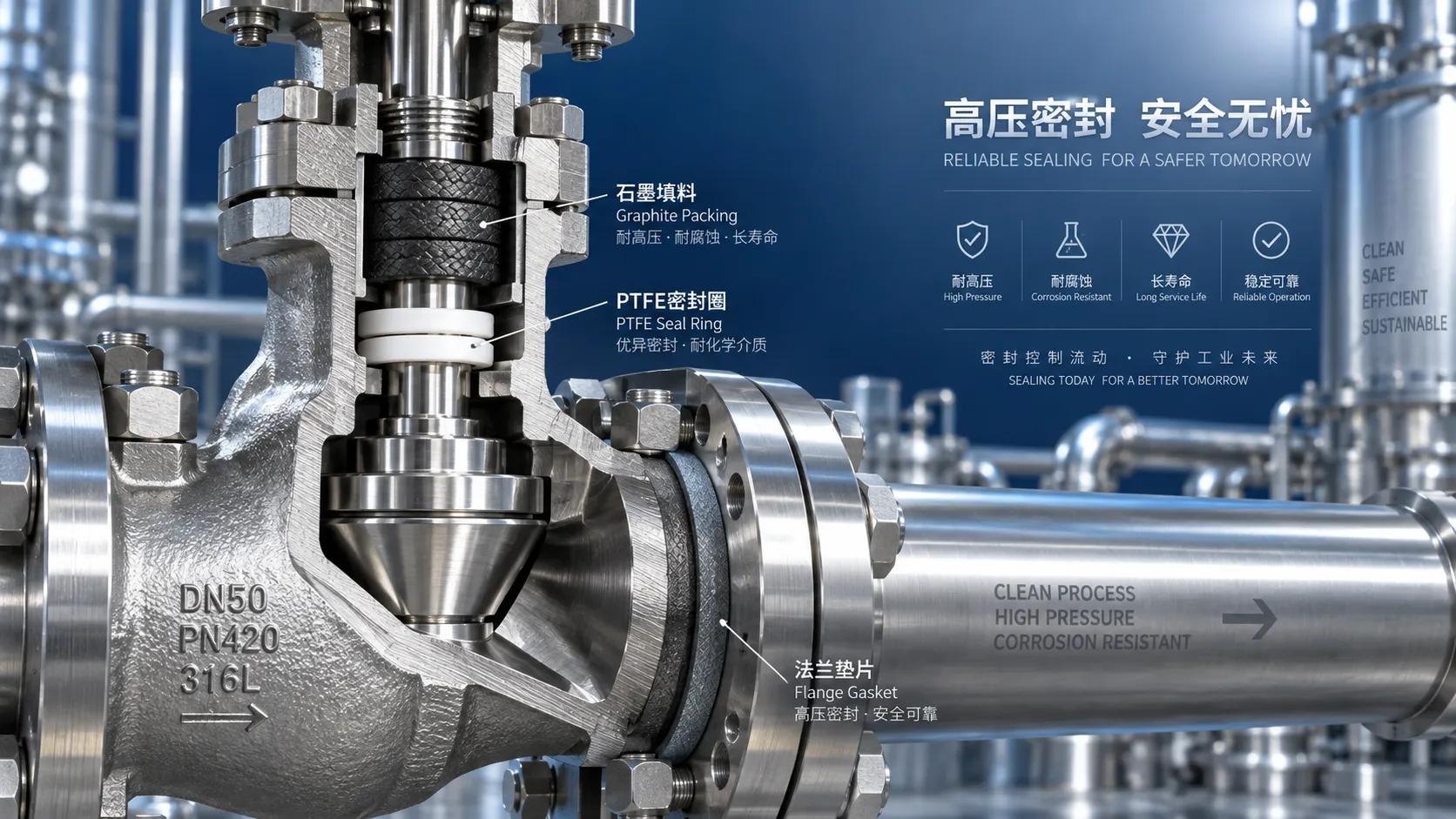
Selecting Valve Sealing Solutions for High-Pressure and Corrosive Service
Industrial sealing solutions for valves: learn how to select reliable systems for high-pressure, corrosive service, control fugitive emissions, and reduce lifecycle leakage risks.