
Industry News
Curation by industry experts
Hot Articles
Popular Tags
What industrial motion solutions reduce downtime most?
Unplanned stoppages can derail timelines, inflate maintenance budgets, and weaken project performance across industrial operations. Choosing effective industrial motion solutions often delivers the fastest reduction in downtime, especially where reliability, speed, precision, and maintainability directly affect output.
Across general industry, the highest-impact upgrades usually combine robust mechanics, condition visibility, and better component matching. The goal is not only motion performance, but predictable uptime under real loads, contamination, heat, vibration, and variable duty cycles.
Core Meaning of Industrial Motion Solutions
Industrial motion solutions include the components and control methods that create, transfer, regulate, and monitor movement in machines. They cover motors, drives, gearboxes, couplings, belts, chains, bearings, actuators, guides, seals, and supporting sensors.
In downtime reduction, the best industrial motion solutions do three things. They prevent failure, simplify service, and stabilize process quality. When motion systems run smoothly, they also reduce scrap, energy loss, and operator intervention.
This is why motion design matters beyond the drive package itself. Shaft alignment, lubrication strategy, contamination control, thermal behavior, and digital diagnostics all influence whether a line stops unexpectedly or keeps running through demanding schedules.
Current Downtime Drivers Across General Industry
Most failures are not caused by one dramatic breakdown. They usually emerge from friction, overload, misalignment, poor sealing, lubrication loss, or component mismatch. These issues build slowly, then trigger sudden stoppages.
These patterns explain why the most effective industrial motion solutions are rarely single products. They are integrated reliability choices built around the machine’s duty profile, environment, maintenance capability, and process criticality.
Industrial Motion Solutions That Reduce Downtime Most
Condition-monitored motors and drives
Motors with vibration, temperature, and load monitoring offer some of the fastest downtime gains. Early fault signals allow planned intervention before winding damage, bearing seizure, or drive trips stop production.
Variable frequency drives also help by smoothing starts, reducing mechanical shock, and matching speed to process demand. Less shock means lower stress on gear reducers, belts, chains, and couplings.
Precision gear reducers with proper load matching
Incorrect reducer sizing is a common root cause of repeated stoppages. Properly selected gear reducers improve torque stability, thermal control, and service life. They also reduce backlash-related quality problems in indexed or synchronized systems.
Where duty cycles are severe, hardened gearing, higher service factors, and better lubrication paths often outperform low-cost alternatives. In harsh environments, sealing quality around the reducer is equally important.
High-performance belt and chain drives
Modern synchronous belts reduce slippage, lower maintenance, and support accurate power transmission. They are especially effective where lubrication-free operation and reduced noise are valuable.
Chain drives remain essential for shock loads and demanding transmission paths. Downtime drops when chain selection includes wear resistance, accurate tensioning, alignment control, and contamination protection.
Flexible couplings and torque limiters
Couplings absorb misalignment and dampen vibration between connected shafts. This directly protects bearings, seals, and gearboxes. Torque limiters add another layer by disengaging or slipping before overload damages critical components.
These industrial motion solutions are often overlooked because they seem secondary. In practice, they prevent cascading failures that turn small disturbances into major production losses.
Linear motion systems with sealed guidance
In positioning, packaging, handling, and automated assembly, linear guides and actuators fail mainly from contamination, poor lubrication, and underspecified loads. Sealed linear systems with recirculating lubrication significantly improve uptime.
When combined with servo control and feedback, these industrial motion solutions also improve repeatability. Better repeatability reduces stoppages linked to jams, mispicks, collisions, and quality inspection rejects.
Advanced sealing technologies
Seals do not create motion, but they protect motion assets. Mechanical seals, radial shaft seals, bearing isolators, and labyrinth arrangements reduce lubricant loss and block contamination entry.
In wet, dusty, hot, or chemically aggressive environments, sealing improvements can outperform many larger capital upgrades. Protected bearings and gearboxes simply fail less often, and failures are easier to predict.
Business Value Beyond Maintenance Reduction
The strongest industrial motion solutions create value beyond fewer breakdowns. They support stable throughput, lower total maintenance hours, reduced spare parts consumption, and better energy efficiency over the asset lifecycle.
- Higher OEE through fewer unscheduled stops
- Lower cost of ownership from longer service intervals
- Improved quality consistency through stable motion control
- Lower energy use through optimized speed and reduced friction
- Safer operation through overload protection and smoother starts
This broader value is why industrial intelligence platforms such as GPT-Matrix focus on material science, tribology, reducer evolution, and sealing reliability together. Downtime is rarely a single-component problem.
Typical Application Paths by Operating Scenario
The right choice depends on failure history. If contamination dominates, sealing and bearing protection may return more value than a motor upgrade. If overload events dominate, torque management usually deserves priority.
Practical Selection and Implementation Guidance
Start with failure mode evidence, not assumptions. Review stoppage logs, maintenance notes, vibration data, lubricant condition, and replaced parts. Then link each failure pattern to the motion element most likely causing repeat events.
- Rank assets by downtime cost, safety impact, and restart complexity.
- Check sizing margins for motors, reducers, belts, chains, and bearings.
- Evaluate alignment, lubrication access, and sealing effectiveness.
- Add condition monitoring where failures develop gradually.
- Standardize critical industrial motion solutions across similar equipment.
- Validate changes with pilot installations and measured uptime results.
Avoid selecting industrial motion solutions only by purchase price. A lower-cost component that requires frequent shutdowns, lubrication, or alignment correction often becomes the most expensive option in operation.
It is also important to consider supply continuity. Components with excellent specifications still create risk if lead times are unstable. Reliability planning should include serviceability, spare strategy, and sourcing resilience.
Next-Step Focus for More Reliable Motion Systems
The industrial motion solutions that reduce downtime most are usually monitored drives, correctly sized reducers, durable belts or chains, protective couplings, sealed linear systems, and advanced sealing technologies. Their value rises further when applied as one reliability strategy.
A practical next step is to audit the top recurring stoppages and map them to motion causes. From there, compare component life, environmental exposure, maintenance effort, and control visibility before prioritizing upgrades.
For deeper benchmarking, GPT-Matrix provides structured intelligence on transmission components, tribology, reducer evolution, and sealing performance. That perspective helps turn industrial motion solutions into measurable uptime gains across diverse operating conditions.
- power transmission
- motion control
- sealing technologies
- mechanical seals
- gear reducers
- tribology
- heavy equipment
- material science
- transmission components
- synchronous belts
- industrial intelligence
- automated production
- automated production lines
- industrial intelligence platform
- industrial motion solutions
Recommended News
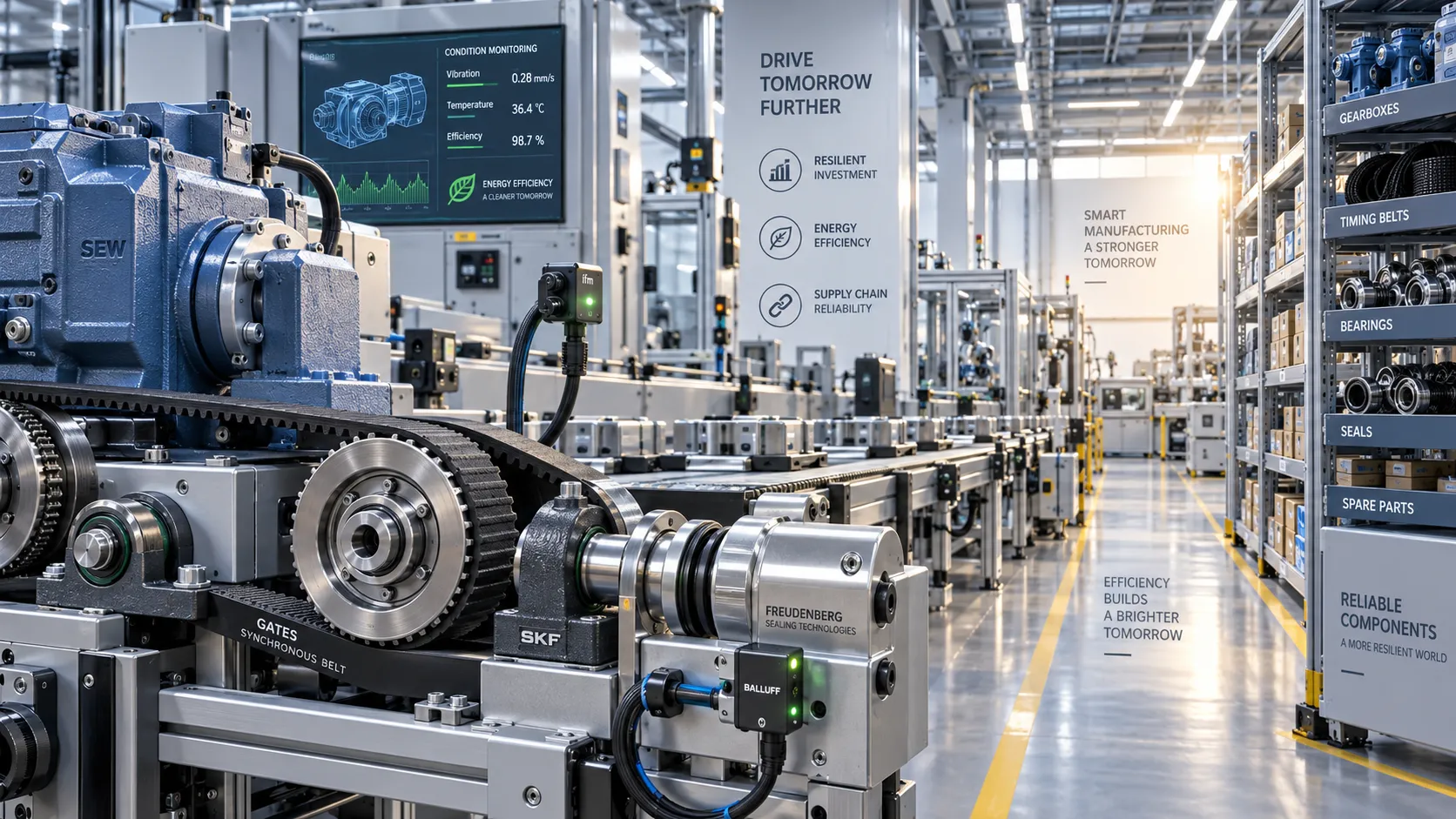
Industrial Economy Trends Shaping Capital Investment and Supply Chain Risk in 2026
Industrial economy trends for 2026 reveal how resilient capital investments, energy efficiency, and supply-chain strategies can protect uptime and strengthen returns.
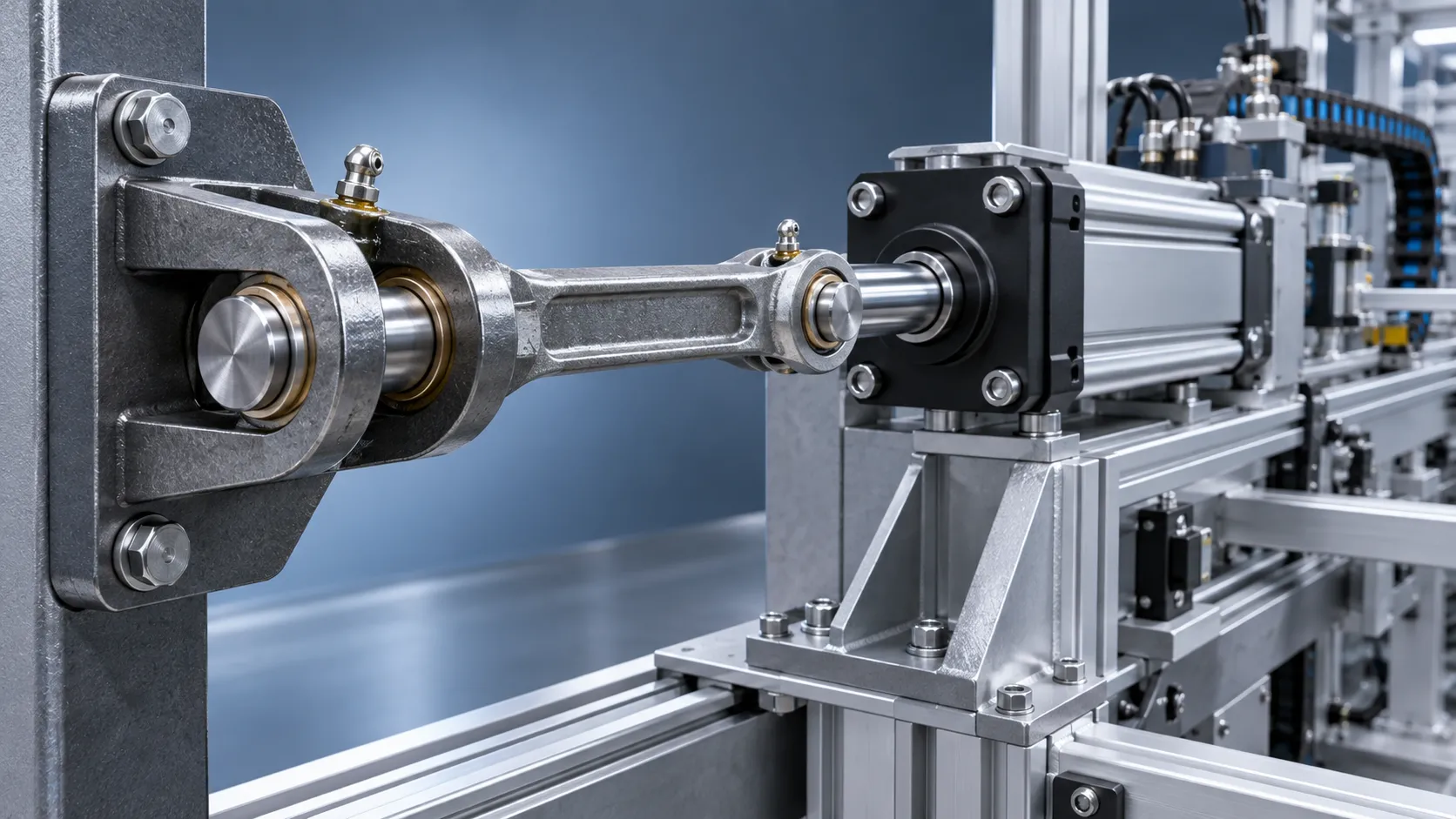
Mechanical Linkage Design: How to Balance Load Capacity, Motion Accuracy, and Wear
Mechanical linkage design guide: balance load capacity, motion accuracy, and wear with practical insights on geometry, joints, tolerances, lubrication, and service life.
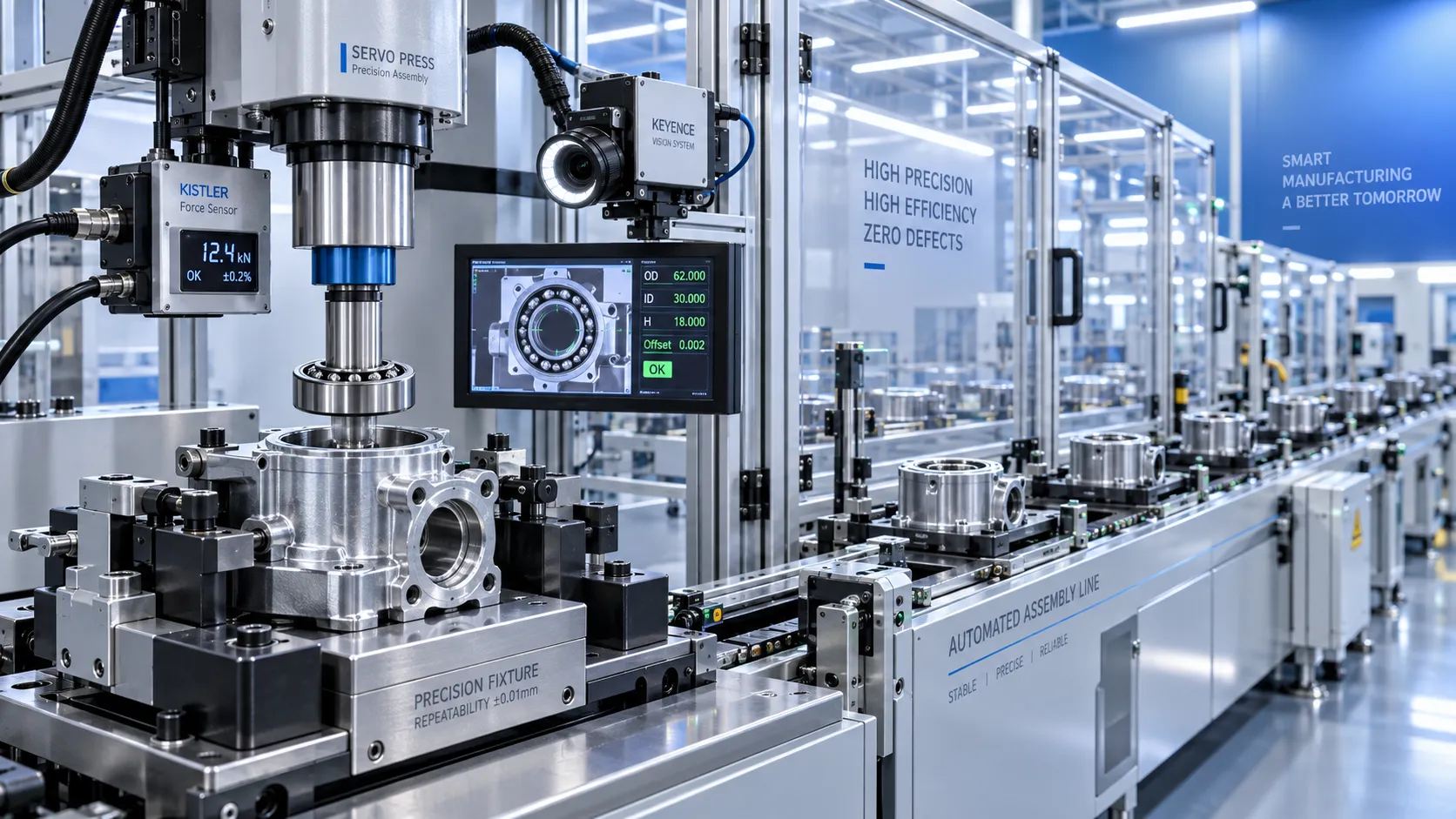
How Precision Automated Production Improves Quality Control in High-Volume Assembly
Precision automated production strengthens quality control in high-volume assembly with real-time verification, traceability, and safer defect containment.
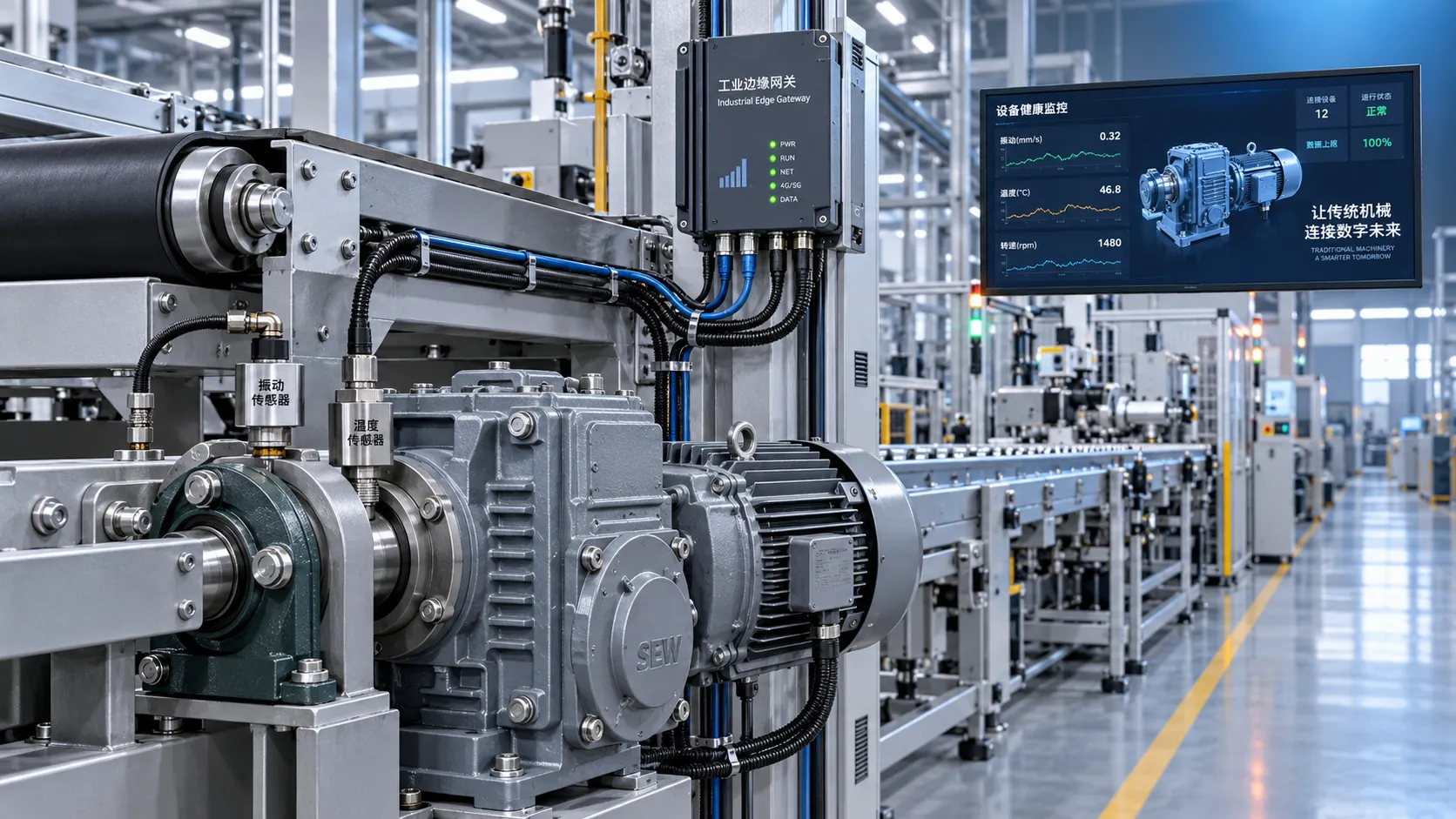
Industry 4.0 Integration: A Roadmap for Connecting Legacy Machines and Data
Industry 4.0 integration roadmap for connecting legacy machines, improving data visibility, reducing downtime, and scaling secure, measurable operational performance.
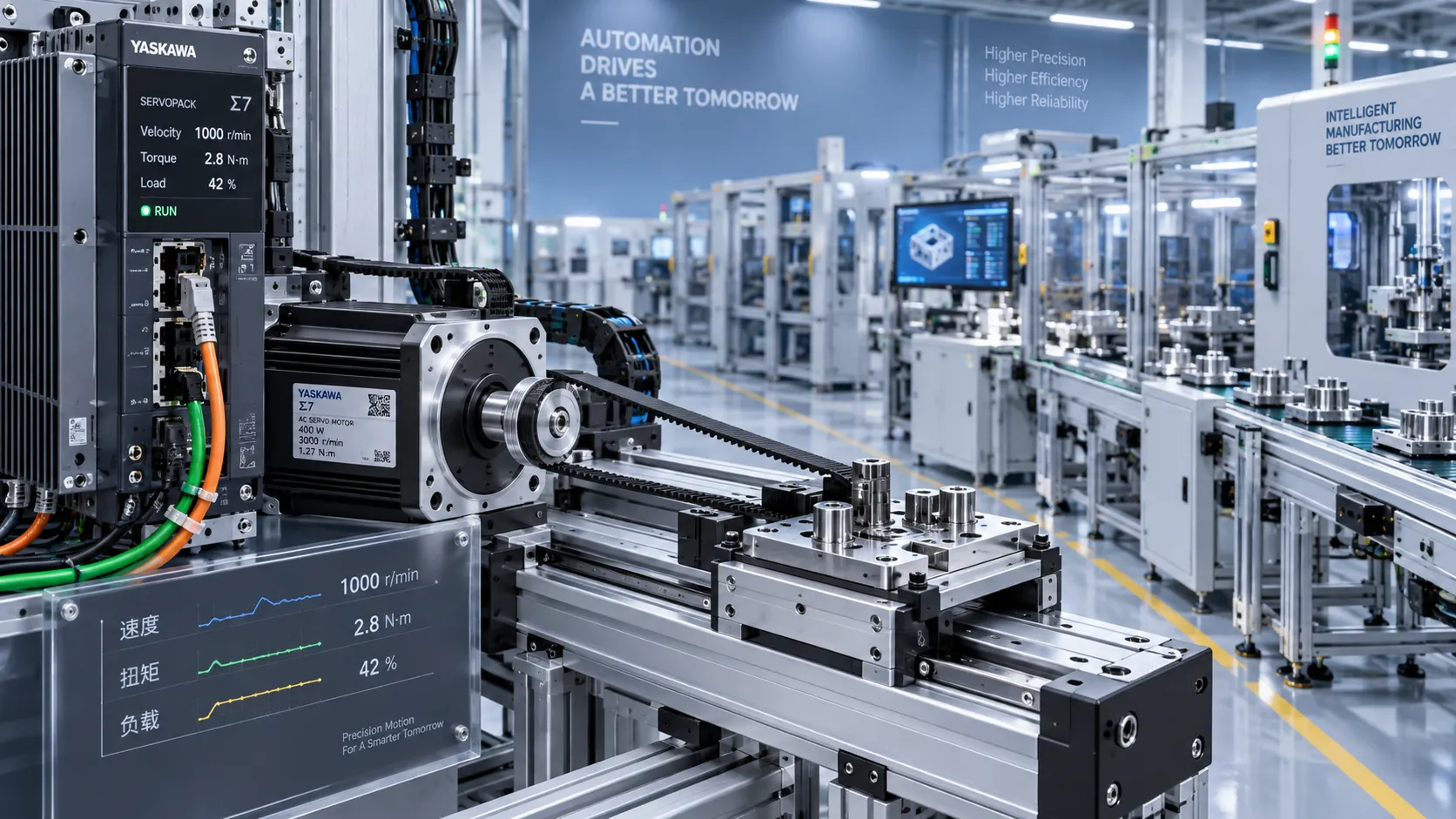
Servo Drive Comparison: Selecting Motion Control for Speed, Torque, and Load
Technical product comparison servo drives: evaluate speed, torque, inertia, safety, and control integration to select a reliable motion system with proven performance margins.
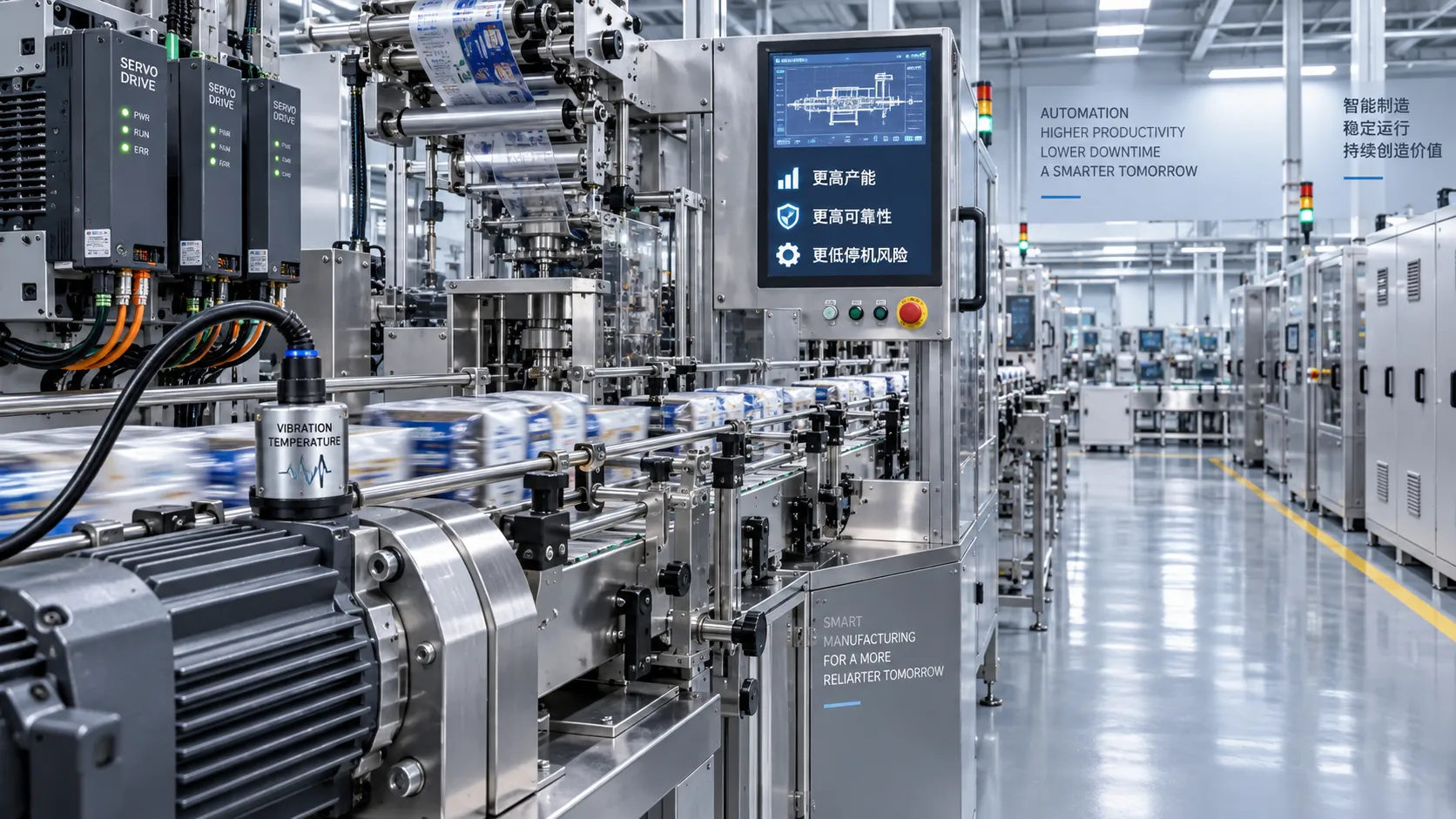
Industrial Automation Technology: How to Prioritize Upgrades by ROI and Downtime Risk
Industrial automation technology upgrades: learn to rank projects by ROI, bottleneck exposure, and downtime risk to reduce losses and make smarter capital decisions.
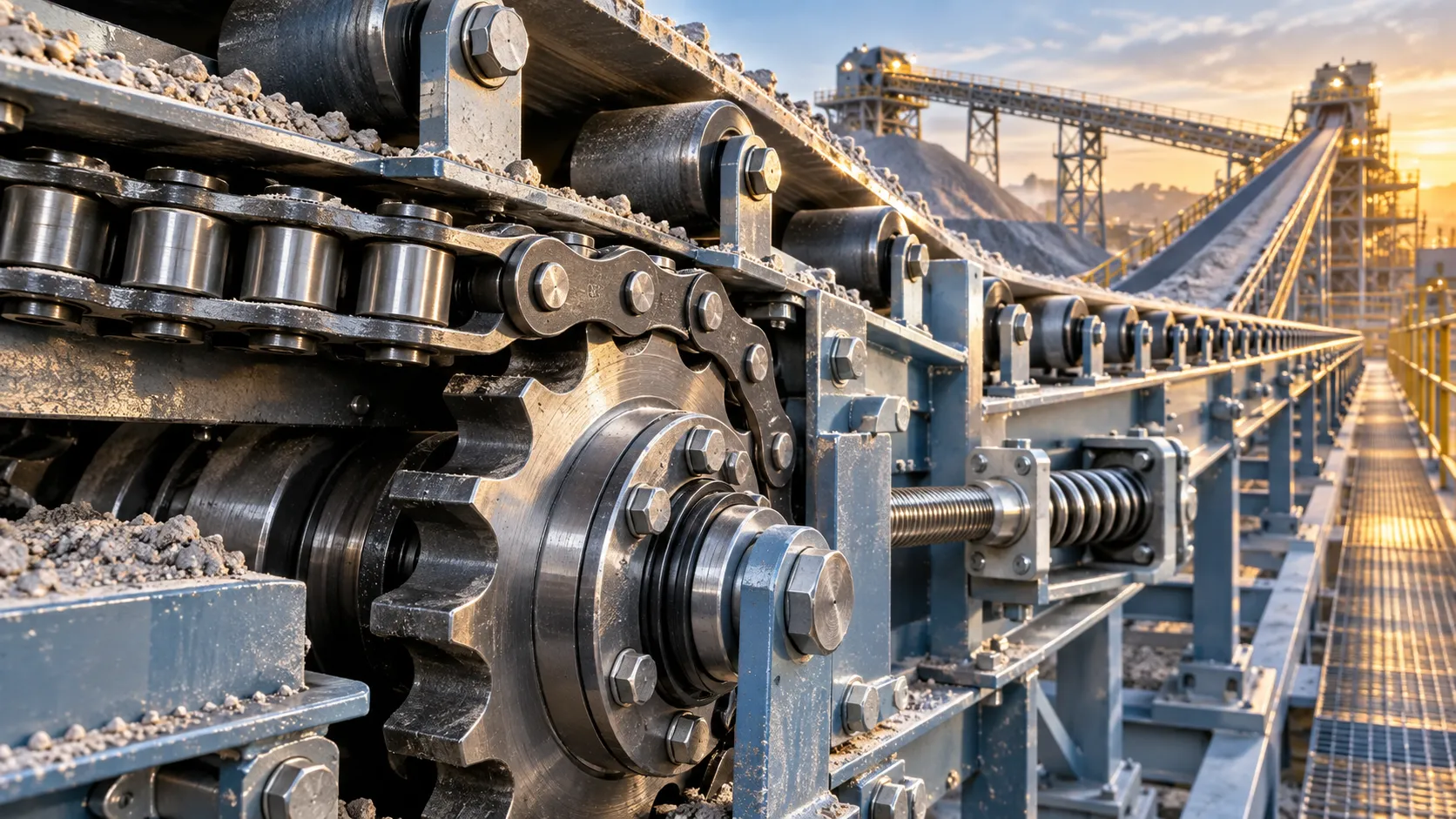
Selecting Low-Maintenance Chain Components for Dusty, High-Load Conveyors
Low maintenance chain components for dusty, high-load conveyors: compare seals, lubrication, materials, sprockets, and load capacity to reduce wear and downtime.
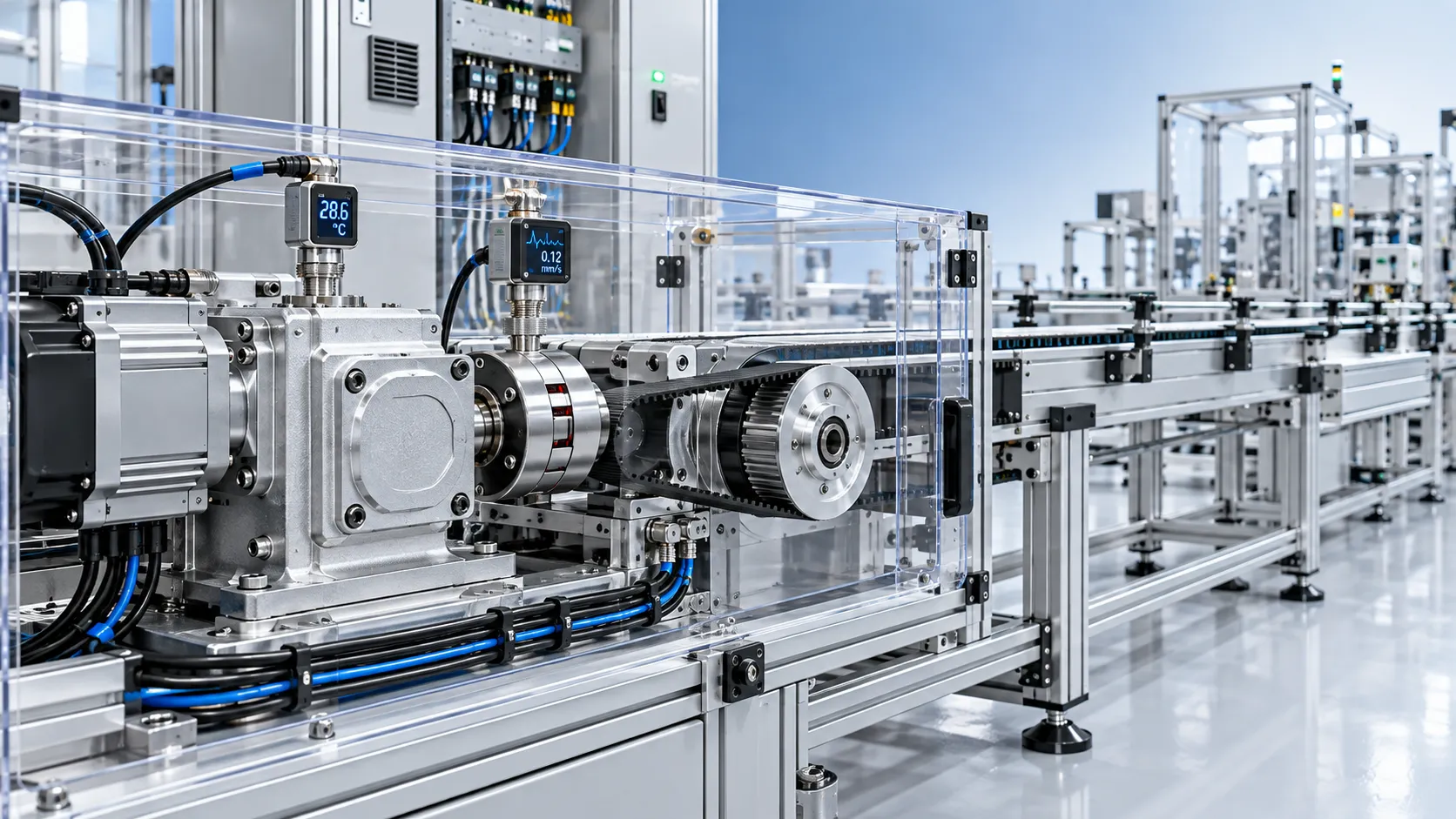
Selecting Smart Transmission Modules for Automated Lines: Control, Load, and Safety
Smart transmission modules for automated lines: evaluate control compatibility, real load demands, safety boundaries, and predictive maintenance value for reliable performance.
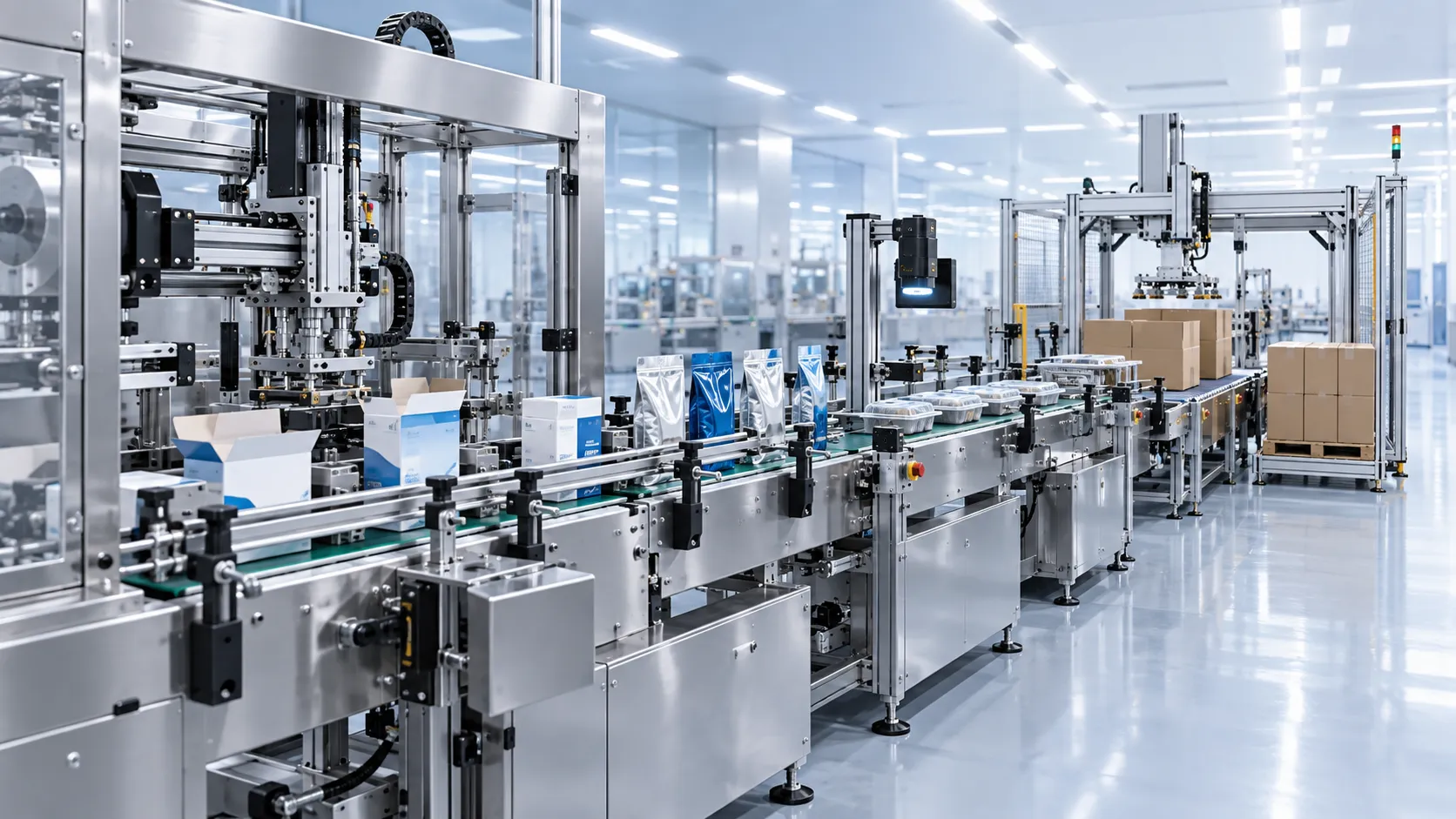
How to Assess Automated Packaging Production for High-Mix Manufacturing Lines
Automated production for packaging: assess changeovers, flexibility, controls, reliability, and lifecycle cost to build high-mix lines that deliver stable output.