
Industry News
Curation by industry experts
Hot Articles
Popular Tags
How high-performance materials change equipment life
In modern industry, equipment lifespan is no longer set only by geometry, power rating, or installation quality. It is increasingly shaped by high-performance materials chosen for real operating conditions.
When maintenance budgets rise and downtime costs accelerate, high-performance materials become a strategic asset decision. They influence wear rates, heat stability, corrosion resistance, sealing reliability, and overall transmission efficiency.
Across heavy industry, automation, energy systems, and mobile equipment, the right material package can extend service intervals, reduce leakage risk, and protect total lifecycle value.
For platforms such as GPT-Matrix, this topic matters because materials science now sits directly inside transmission logic, sealing performance, and mechanical durability.
Why scenario judgment matters before choosing high-performance materials
Not every machine benefits from the same material upgrade. High-performance materials deliver value only when matched with load profile, lubrication regime, contamination level, and thermal stress.
A conveyor in a dusty plant faces different failure drivers than a gearbox in offshore service. One suffers abrasive wear, while the other may fail from corrosion, seal degradation, and lubricant instability.
This is why equipment life should be judged by scenario, not by catalog claims. Material selection must connect operating reality with component behavior over time.
In practical terms, high-performance materials change equipment life through four main channels:
- Lower friction and reduced surface damage
- Higher resistance to heat, chemicals, and fatigue
- Improved sealing integrity and contamination control
- More stable dimensional performance under variable loads
Scenario 1: Heavy-load transmission systems need durability first
In mining, bulk handling, cement, and steel processing, components operate under shock loads, dust exposure, and long duty cycles. Equipment life often depends on how materials absorb stress and resist abrasive attack.
Here, high-performance materials often include advanced alloy steels, surface-hardened gears, reinforced elastomers, and wear-resistant liners. These choices protect load-bearing interfaces where early fatigue usually begins.
Core judgment points in heavy-duty conditions
If pitting, microcracking, or belt edge damage appears early, the issue may be material mismatch rather than poor maintenance. Hardness alone is not enough without toughness and fatigue resistance.
In these settings, high-performance materials extend equipment life by controlling contact stress and slowing crack propagation. That directly improves gearbox reliability, coupling endurance, and drive system stability.
Scenario 2: High-speed automated lines depend on precision and low friction
Automated packaging, electronics assembly, and precision motion systems face different risks. Failures often come from heat buildup, dimensional drift, vibration, and lubrication breakdown at speed.
For these environments, high-performance materials may include engineered polymers, ceramic hybrids, low-friction coatings, and advanced belt compounds with strong flex fatigue performance.
What changes equipment life in fast-cycle production
At high speed, even slight friction increases can raise temperature and shorten bearing grease life. Material quality affects not just wear, but energy draw, motion accuracy, and maintenance frequency.
High-performance materials support smoother surfaces, lower noise, and consistent tolerances. These properties help maintain uptime where small deviations can stop an entire line.
Scenario 3: Corrosive or wet environments require sealing-centered upgrades
Water treatment, food processing, marine systems, and chemical units often fail through corrosion and leakage before structural wear becomes critical.
In these cases, equipment life is strongly linked to seal faces, elastomer compatibility, shaft sleeve performance, and resistance to media attack.
Where sealing integrity changes lifecycle cost
High-performance materials such as FKM, PTFE blends, silicon carbide, duplex stainless steel, and specialty coatings can reduce swelling, hardening, corrosion, and seal-face scoring.
That means fewer leaks, cleaner lubrication zones, and lower contamination entry. Over time, the benefit reaches bearings, couplings, reducers, and surrounding safety systems.
Scenario 4: Energy and thermal stress decide life in continuous operation
Power generation, compressors, process pumps, and HVAC systems often run continuously. Their key challenge is not occasional overload, but stable performance through heat cycles and long service hours.
High-performance materials matter here because thermal expansion, oxidation resistance, and lubricant compatibility shape component aging rates.
Key signs the material system is limiting service life
Frequent seal hardening, varnish formation, coupling element cracks, and efficiency loss often point to temperature-related material limits.
Selecting high-performance materials with better heat resistance can lengthen maintenance cycles and preserve power transmission efficiency under continuous duty.
How different scenarios change material requirements
Practical adaptation advice for extending equipment life
Using high-performance materials effectively starts with failure mapping. The best upgrade is usually the one that targets the dominant damage mechanism, not the most expensive specification.
- Review wear patterns, leakage history, temperature trends, and lubricant condition.
- Identify whether failure begins at contact surfaces, seals, fasteners, or flexible elements.
- Match high-performance materials to the actual stress source.
- Check compatibility with adjacent components and maintenance practices.
- Measure lifecycle gains through uptime, energy use, and replacement frequency.
A material upgrade may involve only one weak link, such as a seal face, belt body, bearing cage, or coated shaft surface. Small changes can create large lifecycle gains.
Common misjudgments when applying high-performance materials
One common mistake is assuming harder materials always last longer. Excess hardness without toughness can increase brittle failure under shock or misalignment.
Another mistake is focusing only on the main component. Equipment life often depends on interfaces, especially seals, lubrication paths, bushings, and coupling elements.
A third error is ignoring process variation. High-performance materials selected for normal conditions may still fail if cleaning chemicals, startup loads, or ambient temperatures shift unexpectedly.
There is also a cost misconception. High-performance materials may raise purchase price, yet reduce total ownership cost through less downtime, fewer replacements, and lower energy loss.
What to do next when lifecycle improvement is the goal
Start with the assets that show repeated wear, leakage, overheating, or unstable maintenance intervals. These are usually the best candidates for high-performance materials review.
Then compare operating scenarios instead of comparing only part numbers. The most useful question is not which material is strongest, but which material fits the real duty cycle best.
This is where market intelligence and technical interpretation become valuable. GPT-Matrix connects material breakthroughs with transmission reliability, sealing evolution, and mechanical efficiency trends across industries.
When high-performance materials are selected through scenario-based judgment, equipment life improves in measurable ways. Reliability rises, maintenance pressure falls, and industrial systems gain stronger long-term resilience.
Recommended News
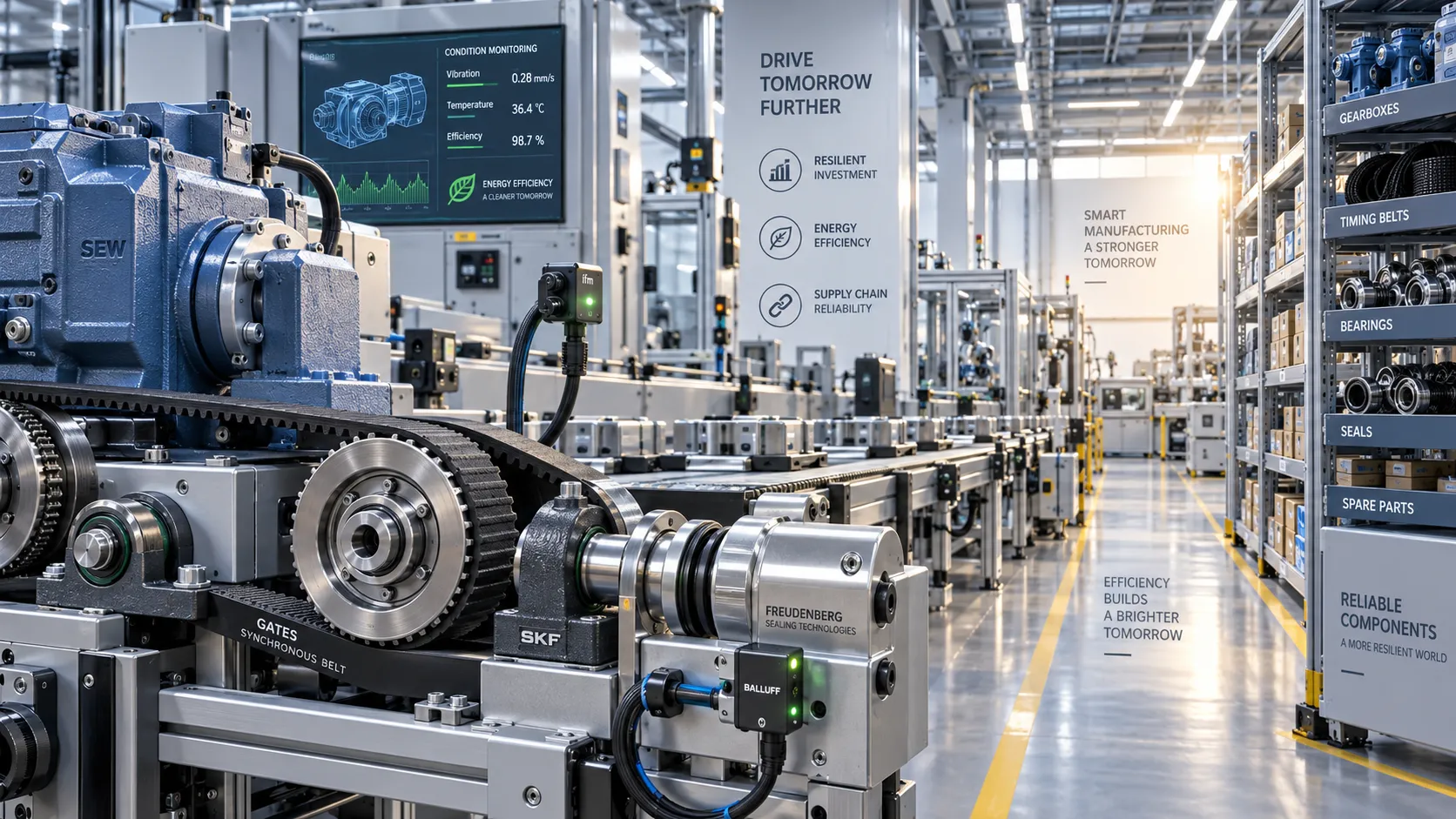
Industrial Economy Trends Shaping Capital Investment and Supply Chain Risk in 2026
Industrial economy trends for 2026 reveal how resilient capital investments, energy efficiency, and supply-chain strategies can protect uptime and strengthen returns.
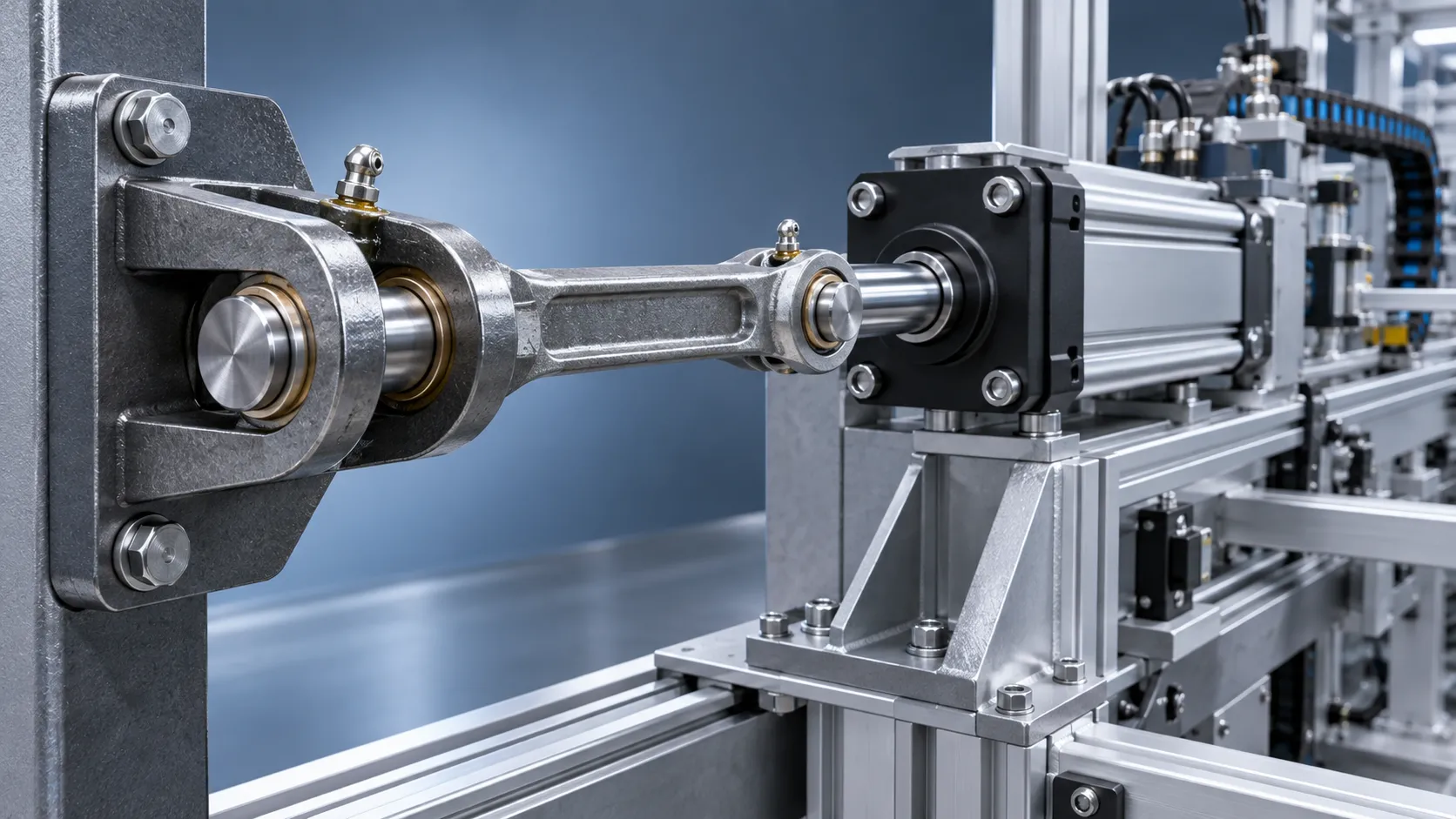
Mechanical Linkage Design: How to Balance Load Capacity, Motion Accuracy, and Wear
Mechanical linkage design guide: balance load capacity, motion accuracy, and wear with practical insights on geometry, joints, tolerances, lubrication, and service life.
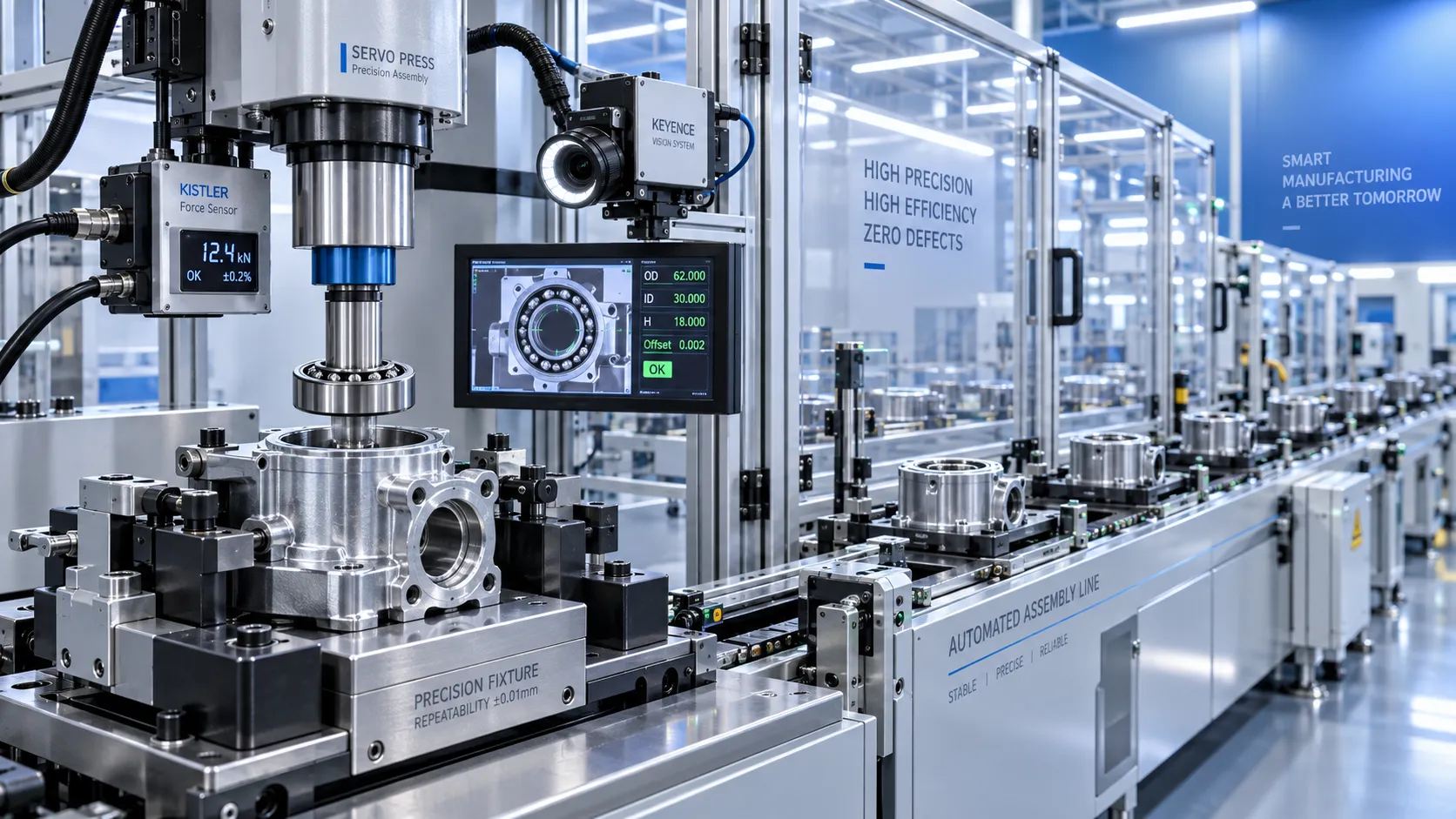
How Precision Automated Production Improves Quality Control in High-Volume Assembly
Precision automated production strengthens quality control in high-volume assembly with real-time verification, traceability, and safer defect containment.
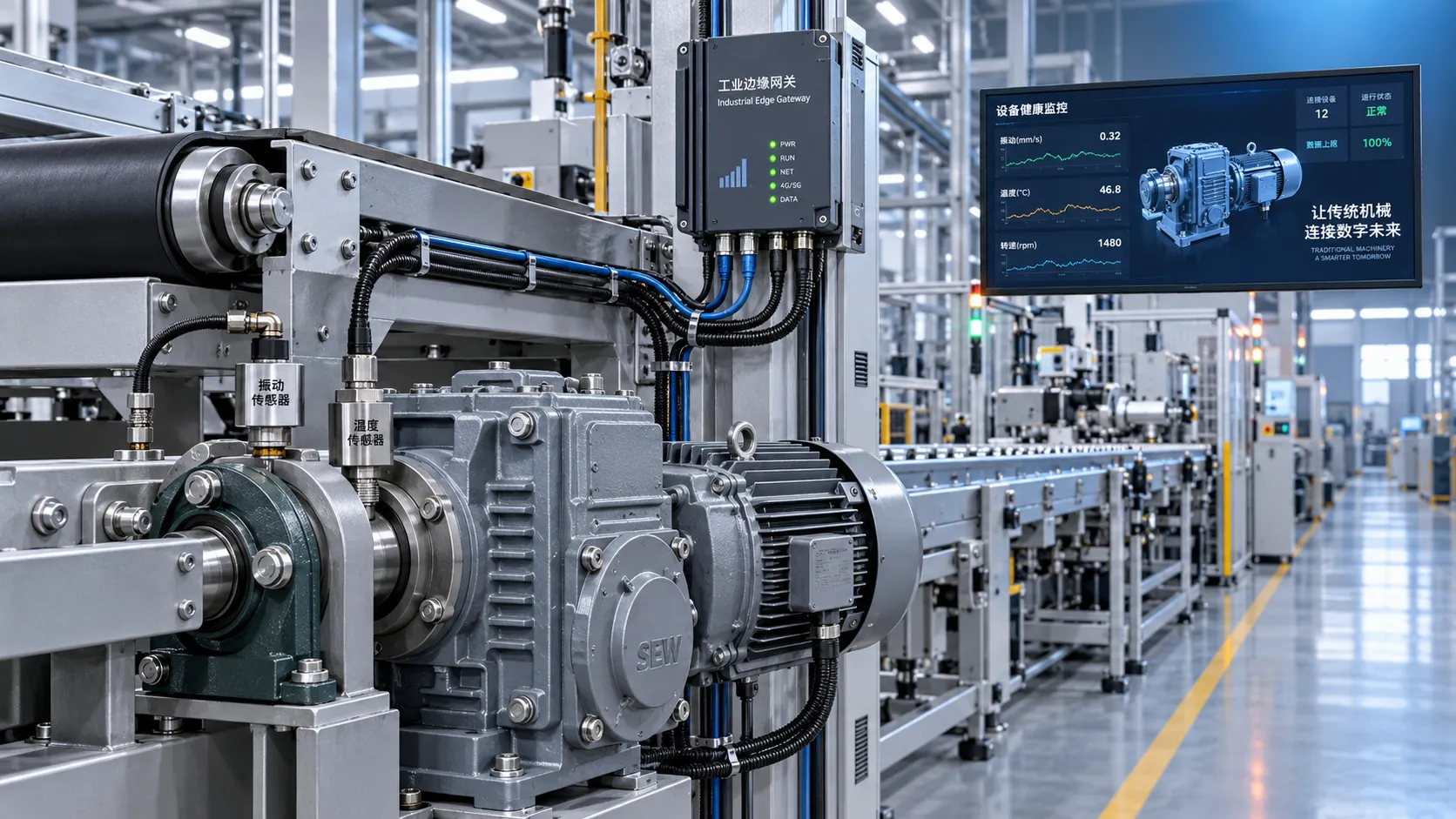
Industry 4.0 Integration: A Roadmap for Connecting Legacy Machines and Data
Industry 4.0 integration roadmap for connecting legacy machines, improving data visibility, reducing downtime, and scaling secure, measurable operational performance.
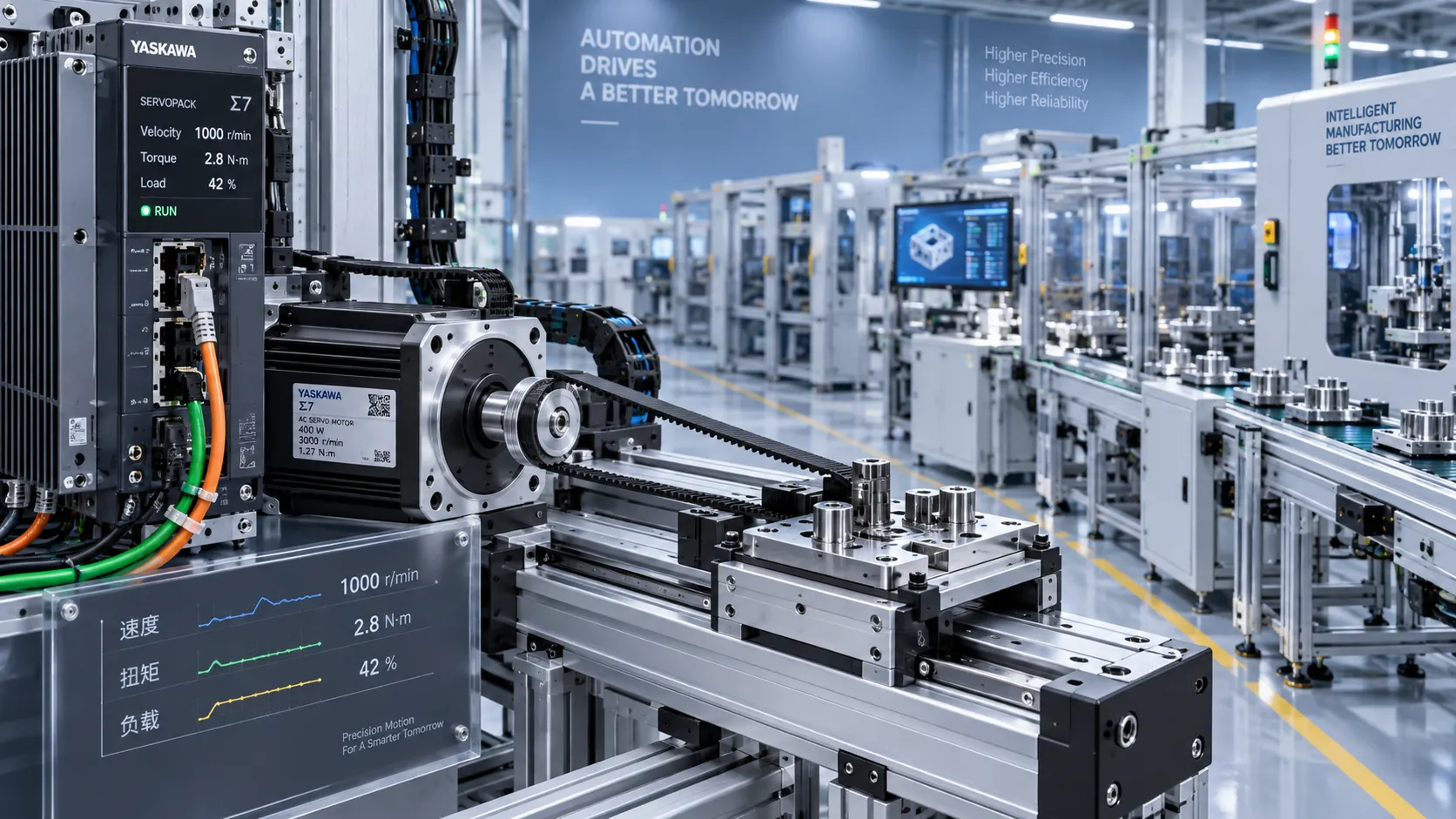
Servo Drive Comparison: Selecting Motion Control for Speed, Torque, and Load
Technical product comparison servo drives: evaluate speed, torque, inertia, safety, and control integration to select a reliable motion system with proven performance margins.
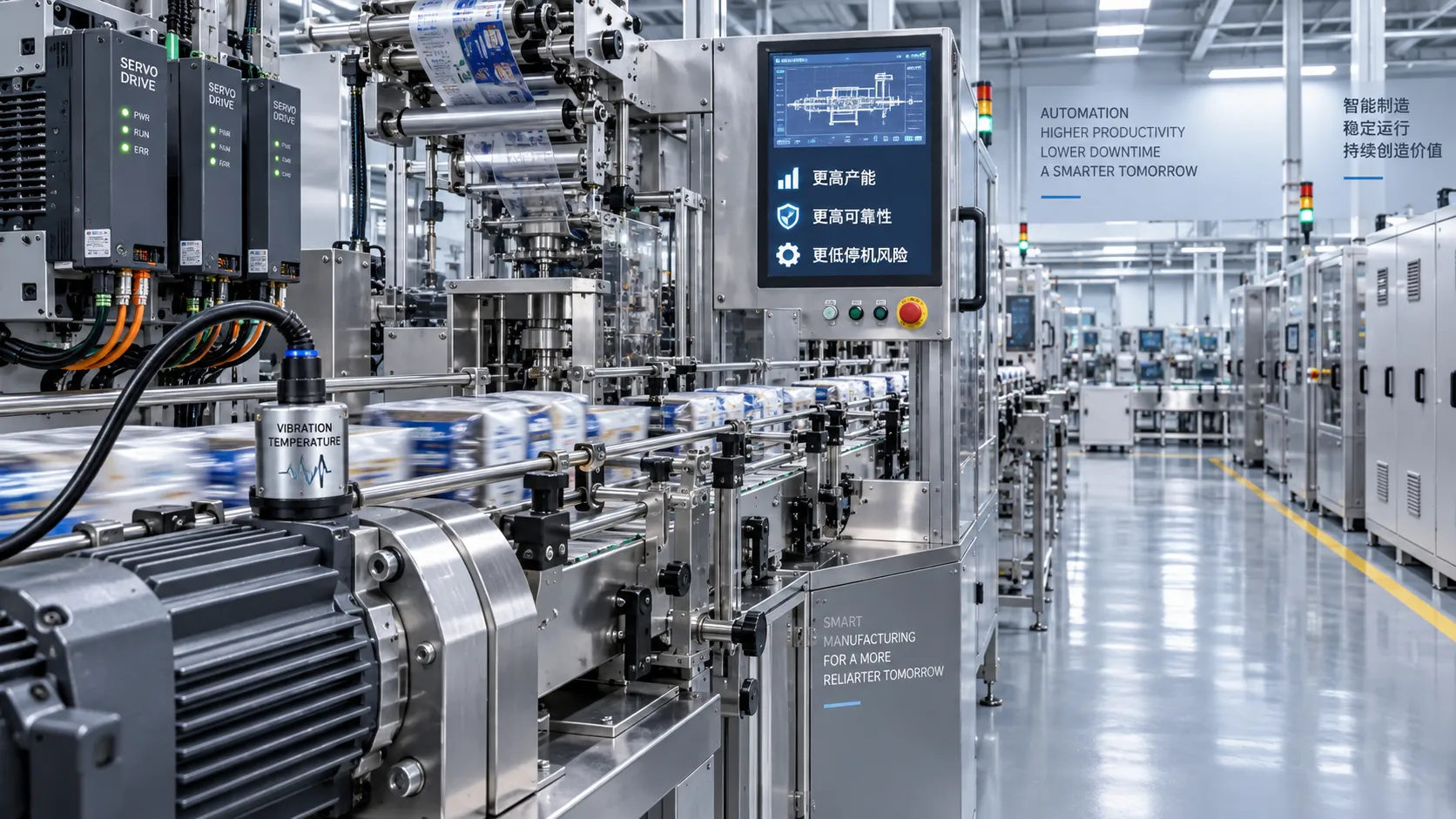
Industrial Automation Technology: How to Prioritize Upgrades by ROI and Downtime Risk
Industrial automation technology upgrades: learn to rank projects by ROI, bottleneck exposure, and downtime risk to reduce losses and make smarter capital decisions.
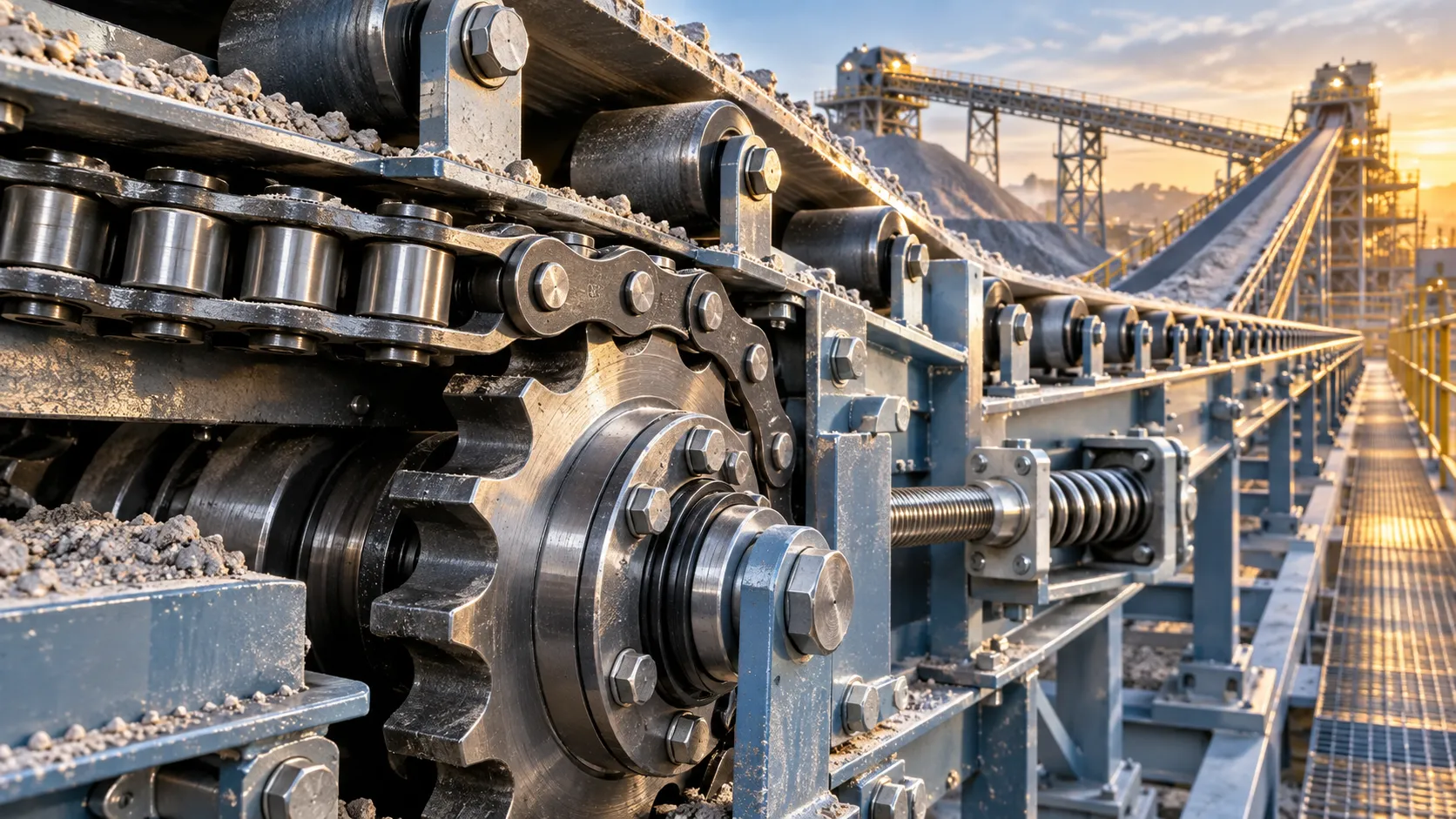
Selecting Low-Maintenance Chain Components for Dusty, High-Load Conveyors
Low maintenance chain components for dusty, high-load conveyors: compare seals, lubrication, materials, sprockets, and load capacity to reduce wear and downtime.
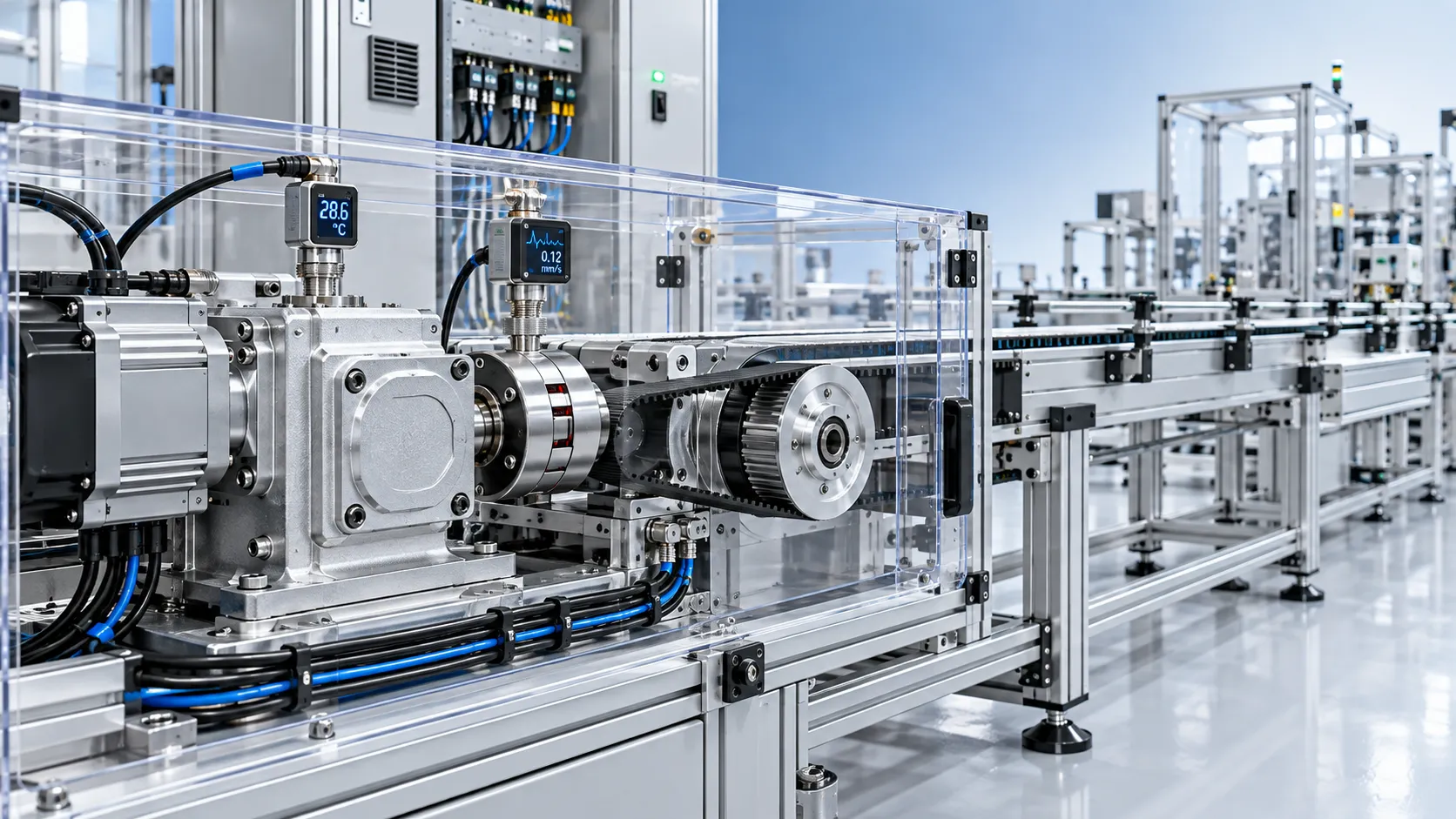
Selecting Smart Transmission Modules for Automated Lines: Control, Load, and Safety
Smart transmission modules for automated lines: evaluate control compatibility, real load demands, safety boundaries, and predictive maintenance value for reliable performance.
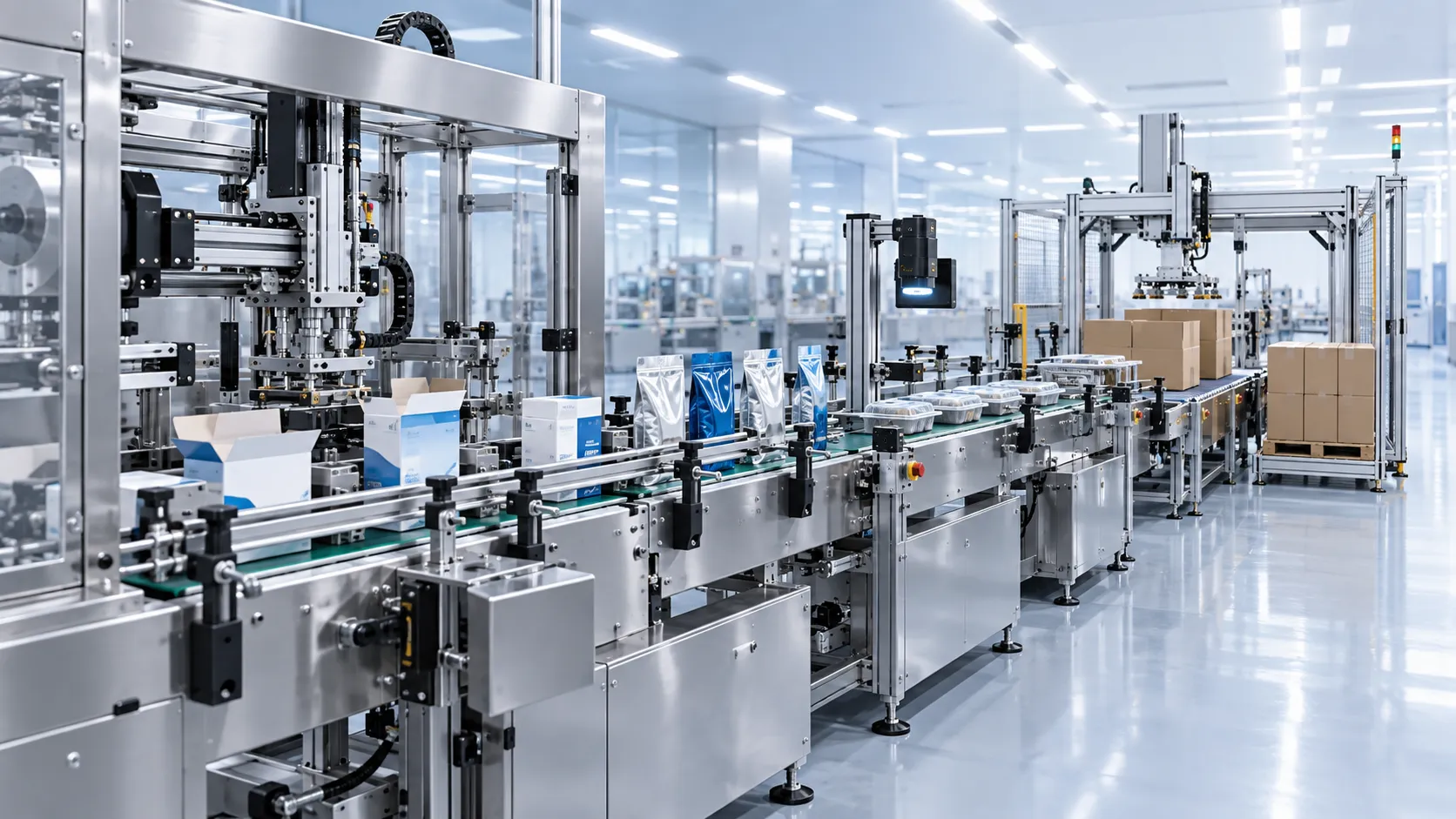
How to Assess Automated Packaging Production for High-Mix Manufacturing Lines
Automated production for packaging: assess changeovers, flexibility, controls, reliability, and lifecycle cost to build high-mix lines that deliver stable output.