
Industry News
Curation by industry experts
Hot Articles
Popular Tags
What reliability really means in mechanical systems
What does reliability in mechanical systems really mean for business leaders? It goes far beyond preventing breakdowns. True reliability reflects how consistently components perform under load, over time, and across changing operating conditions—directly shaping uptime, maintenance costs, energy efficiency, and supply chain resilience. For decision-makers, understanding this distinction is essential to building durable, competitive industrial operations.
Why reliability in mechanical systems needs a checklist view
Reliability in mechanical systems is often misunderstood as simple durability. In practice, it is a performance discipline. It combines load stability, wear resistance, lubrication behavior, sealing integrity, alignment quality, and maintenance predictability.
A checklist approach helps turn abstract engineering language into practical evaluation points. It also supports better comparisons across suppliers, assets, maintenance plans, and operating environments in mixed industrial settings.
For broad industrial operations, this matters because reliability in mechanical systems affects more than one machine. It influences production continuity, spare parts strategy, workforce planning, energy use, and lifecycle cost.
Core checklist: how to judge reliability in mechanical systems
Use the following checklist to evaluate whether a system is truly reliable, not just functioning today.
- Verify load matching. Confirm that shafts, bearings, belts, couplings, seals, and gear elements operate within real torque, speed, shock, and duty-cycle limits.
- Measure alignment accuracy. Check shaft alignment, pulley tracking, gearbox positioning, and mounting flatness because small geometric errors accelerate vibration and premature wear.
- Assess lubrication performance. Review lubricant grade, contamination control, relubrication intervals, film strength, and thermal stability under actual operating temperatures.
- Inspect sealing integrity. Evaluate whether seals resist dust, moisture, chemicals, pressure variation, and misalignment without creating excess friction or leakage risk.
- Track vibration and noise. Rising vibration signatures often reveal imbalance, looseness, resonance, or bearing distress before visible failure appears.
- Review material suitability. Match metals, polymers, elastomers, and surface treatments to corrosion, fatigue, abrasion, and temperature exposure in service.
- Confirm thermal control. Check whether friction heat, ambient heat, and cooling limits push components beyond safe tolerances during peak demand.
- Examine maintenance accessibility. Reliable systems allow inspection, relubrication, tension adjustment, and seal replacement without long shutdowns or unsafe workarounds.
- Validate contamination control. Fine particles, water ingress, and process residue frequently undermine reliability in mechanical systems long before mechanical overload occurs.
- Compare lifecycle data. Use mean time between failures, maintenance history, energy draw, and spare part consumption rather than judging by purchase price alone.
What reliable performance looks like in practice
Power transmission assemblies
In belt drives, chain drives, and geared systems, reliability in mechanical systems means torque is transferred with minimal slip, controlled heat, and stable tension over long service intervals.
A drive may still run while losing efficiency. That is not true reliability. Frequent retensioning, abnormal noise, or high temperature usually signals hidden reliability loss.
Sealing and fluid-facing components
Mechanical seals and related interfaces must maintain separation, pressure control, and leak resistance despite shaft movement, thermal cycling, and fluid contamination.
Here, reliability in mechanical systems includes process stability. Even minor leakage can trigger environmental issues, product loss, safety concerns, and unplanned maintenance escalation.
Automated production equipment
In automated lines, reliability depends on repeatability. Components must perform consistently across thousands of cycles without drift in positioning, friction, or motion quality.
This is where reliability in mechanical systems connects directly with quality output. Mechanical inconsistency often appears first as product variation, not machine stoppage.
Heavy-duty and variable-load operations
In mining, bulk handling, energy, and mobile equipment, shock loads and harsh environments dominate. Reliability means surviving real-world duty, not just laboratory ratings.
Systems in these settings need stronger safety margins, better sealing, tougher materials, and tighter inspection discipline to maintain reliability in mechanical systems.
Commonly ignored factors that weaken reliability
Ignoring installation quality
A premium component installed on a distorted base or misaligned shaft can fail faster than a lower-cost part installed correctly. Installation errors often mimic product defects.
Assuming rated life equals field life
Catalog life values usually depend on controlled assumptions. Real contamination, overload peaks, thermal swings, and maintenance delays can shorten actual service life dramatically.
Separating energy efficiency from reliability
Poor lubrication, rising friction, and misalignment waste power before they cause failure. Energy drift is often an early warning sign for declining reliability in mechanical systems.
Overlooking spare parts consistency
Mixed-quality replacements can change fit, hardness, sealing behavior, or lubrication compatibility. Reliability suffers when parts management is disconnected from engineering control.
Relying only on reactive maintenance
Waiting for obvious failure raises downtime cost and usually damages adjacent parts. Condition monitoring gives earlier, cheaper intervention points.
A practical execution plan
- Map critical assets first. Rank systems by downtime impact, safety exposure, repair complexity, and energy cost sensitivity.
- Define reliability indicators. Combine uptime, vibration trend, lubricant condition, leakage events, temperature behavior, and replacement frequency.
- Standardize inspection routines. Use repeatable checks for alignment, tension, wear pattern, seal condition, and mounting integrity.
- Link maintenance with operating data. Compare failures with load variation, ambient conditions, start-stop cycles, and contamination events.
- Review component selection annually. Reassess whether current materials and configurations still match production intensity and environmental demands.
- Use supplier intelligence strategically. Technical market insight can reveal better-performing designs, emerging materials, and more reliable sourcing options.
Why this matters for long-term industrial competitiveness
Reliability in mechanical systems is not a narrow maintenance topic. It is a business capability. Reliable assets support stable throughput, predictable operating cost, lower waste, and stronger delivery confidence.
It also strengthens supply chain resilience. When systems last longer and fail less unpredictably, spare stock pressure drops and sourcing decisions become more strategic.
Platforms such as GPT-Matrix help connect these decisions with broader sector intelligence. Material innovation, tribology research, transmission trends, and sealing performance data all improve reliability judgment.
Conclusion and next action
What reliability really means in mechanical systems is consistent, efficient, and predictable performance across time and changing conditions. It is not just the absence of failure.
Start with one asset group. Apply the checklist, compare maintenance history with operating reality, and identify the weakest reliability link. That single review often reveals measurable gains in uptime, energy efficiency, and lifecycle cost.
When reliability in mechanical systems is evaluated systematically, better engineering decisions follow naturally. The result is not only fewer interruptions, but stronger industrial performance overall.
Recommended News
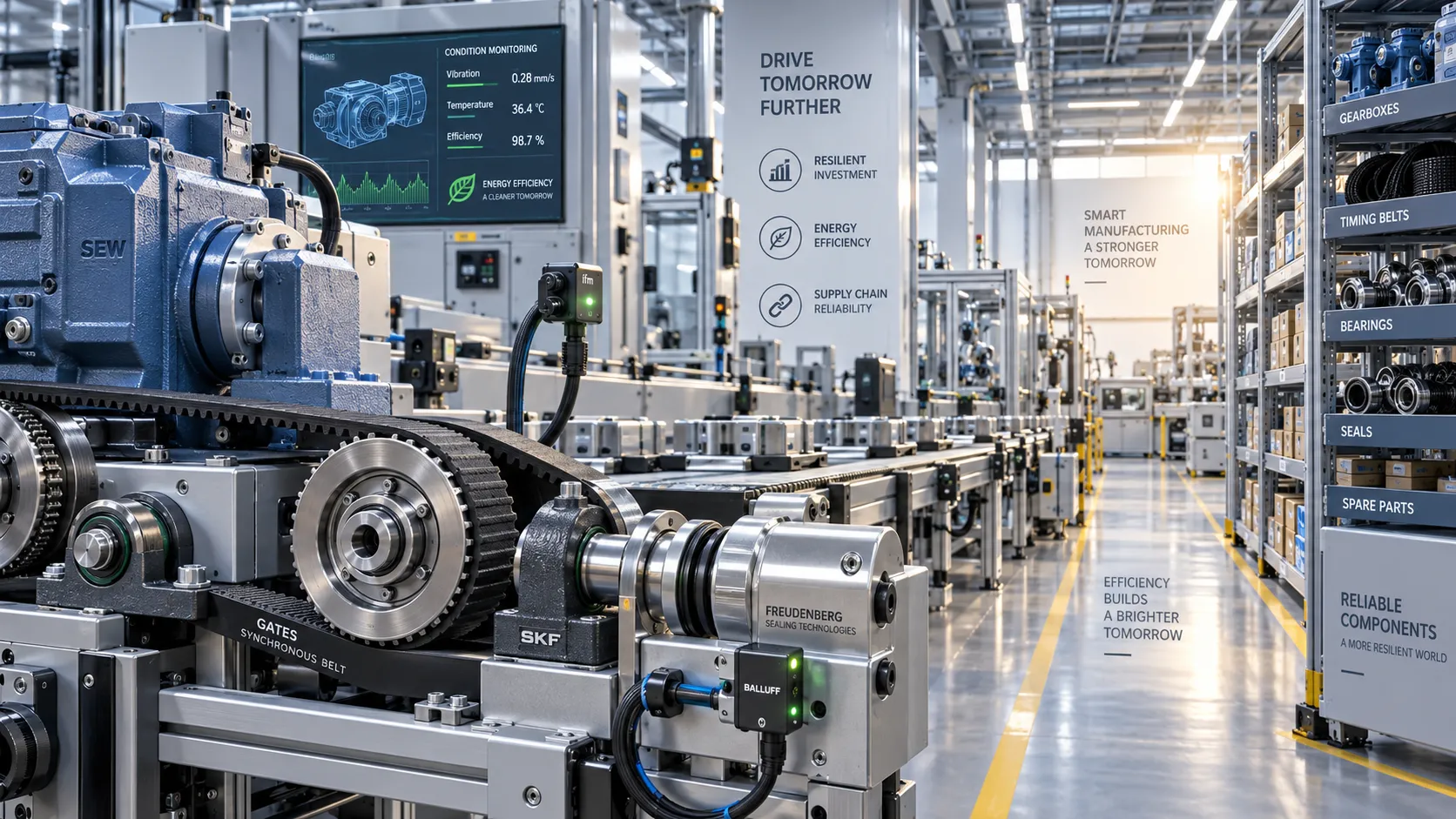
Industrial Economy Trends Shaping Capital Investment and Supply Chain Risk in 2026
Industrial economy trends for 2026 reveal how resilient capital investments, energy efficiency, and supply-chain strategies can protect uptime and strengthen returns.
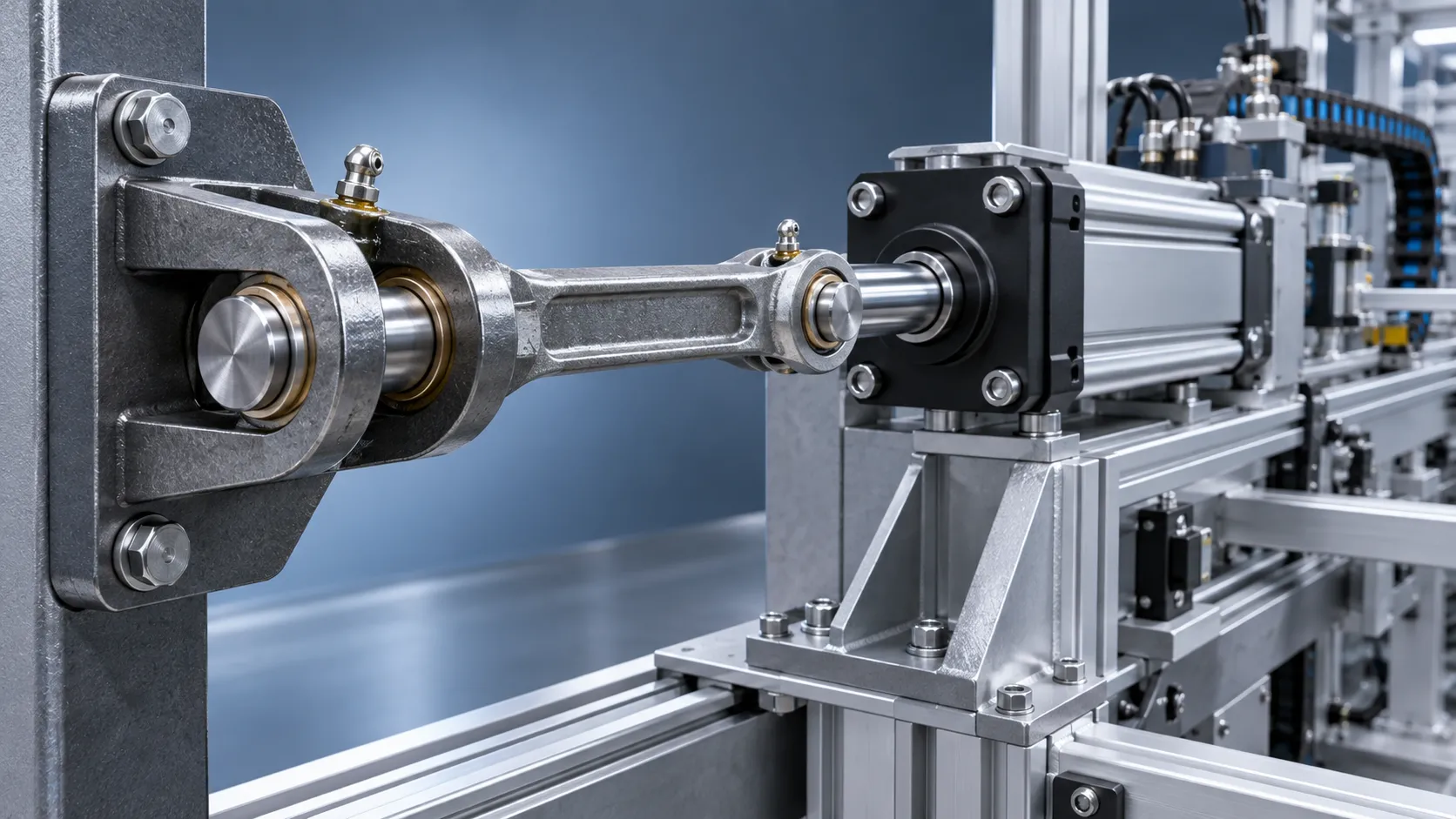
Mechanical Linkage Design: How to Balance Load Capacity, Motion Accuracy, and Wear
Mechanical linkage design guide: balance load capacity, motion accuracy, and wear with practical insights on geometry, joints, tolerances, lubrication, and service life.
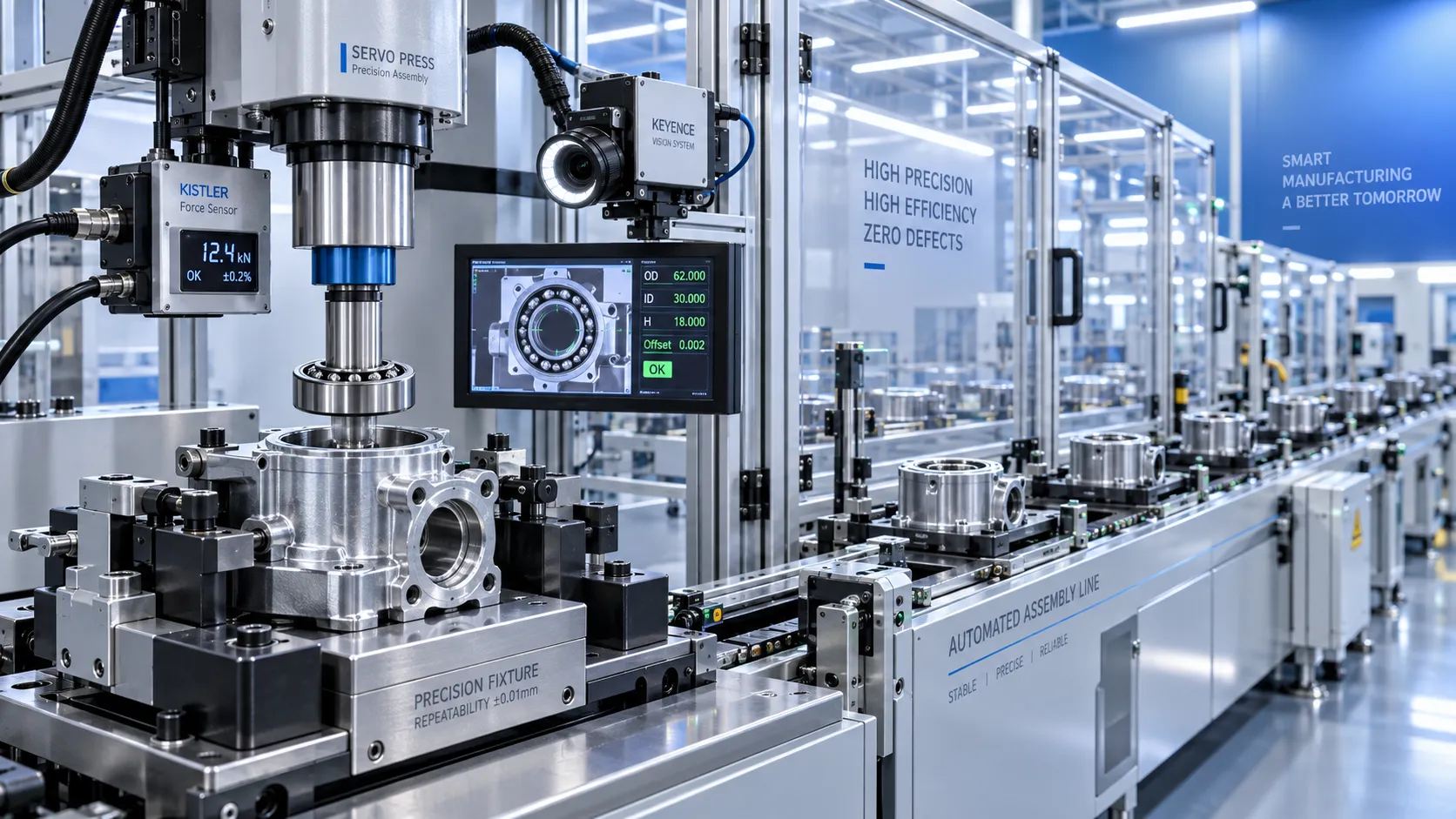
How Precision Automated Production Improves Quality Control in High-Volume Assembly
Precision automated production strengthens quality control in high-volume assembly with real-time verification, traceability, and safer defect containment.
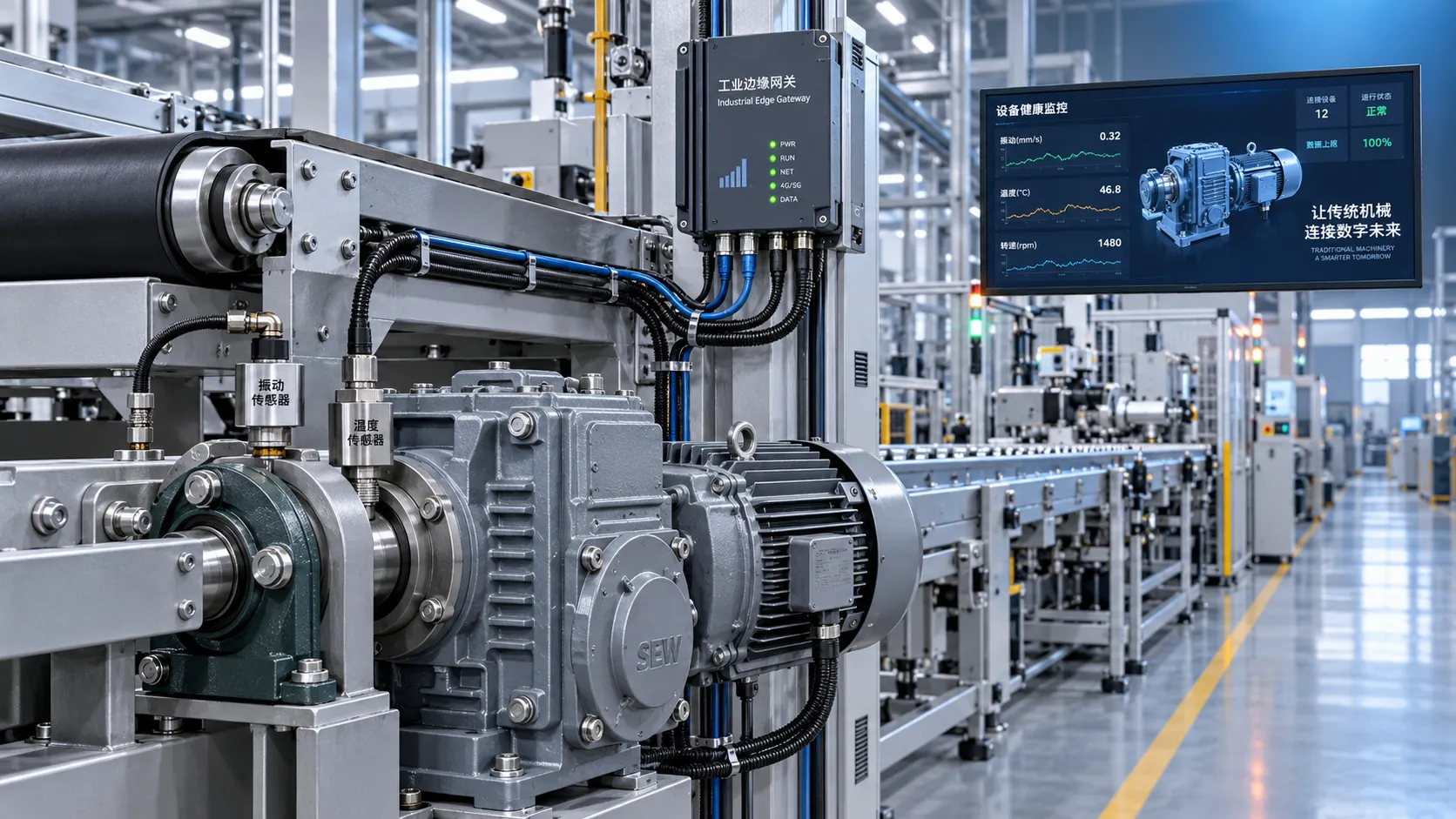
Industry 4.0 Integration: A Roadmap for Connecting Legacy Machines and Data
Industry 4.0 integration roadmap for connecting legacy machines, improving data visibility, reducing downtime, and scaling secure, measurable operational performance.
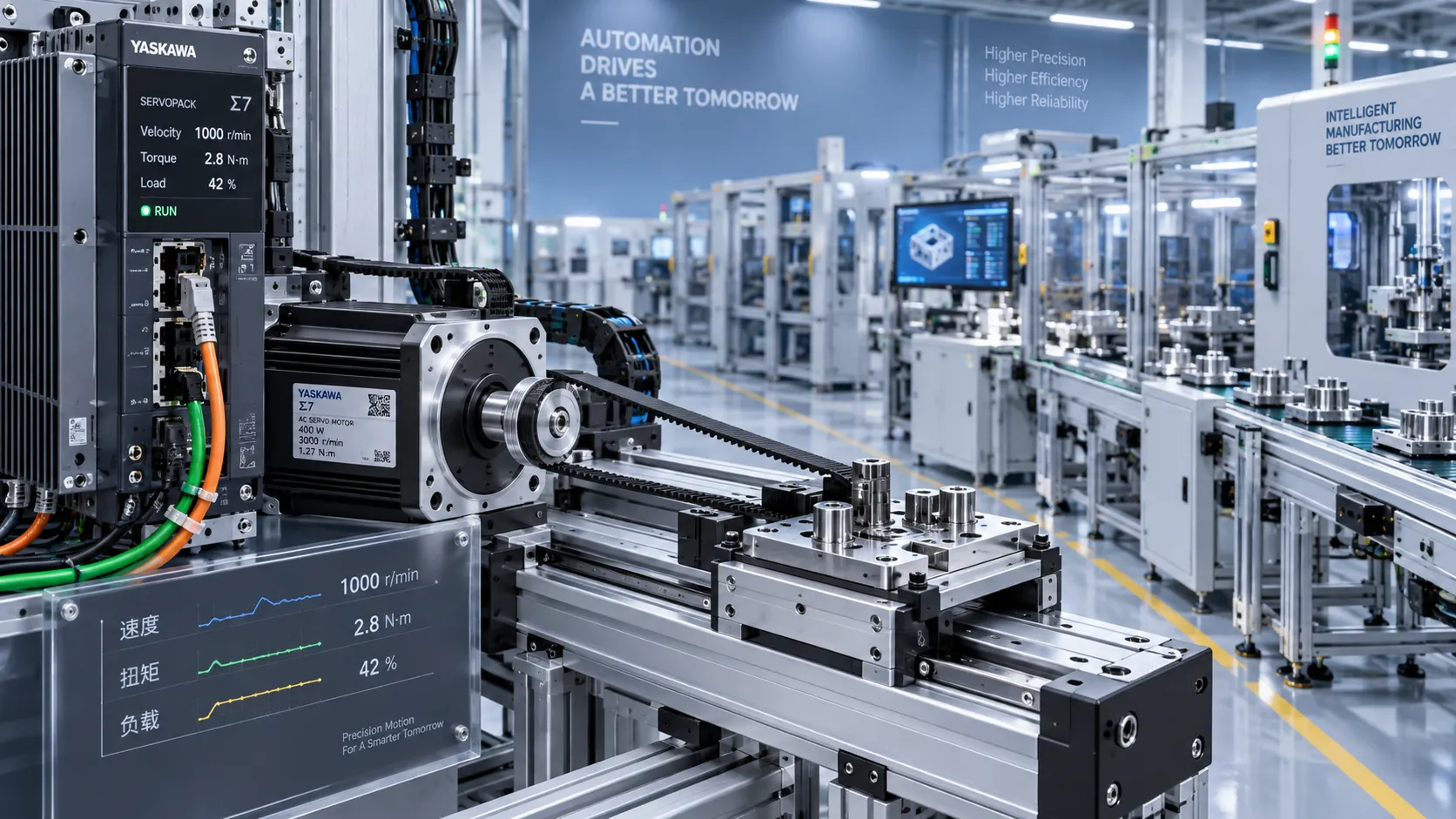
Servo Drive Comparison: Selecting Motion Control for Speed, Torque, and Load
Technical product comparison servo drives: evaluate speed, torque, inertia, safety, and control integration to select a reliable motion system with proven performance margins.
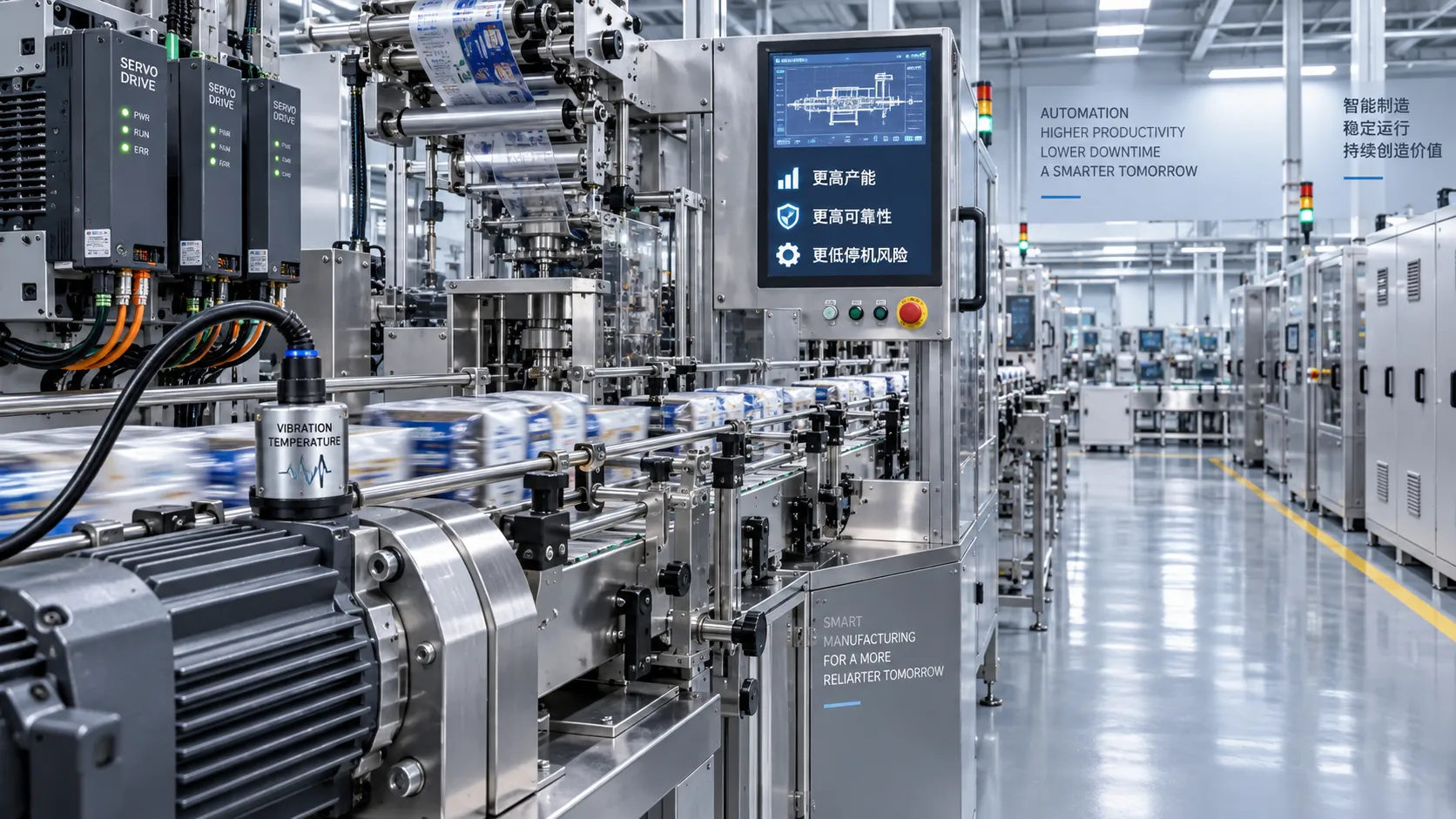
Industrial Automation Technology: How to Prioritize Upgrades by ROI and Downtime Risk
Industrial automation technology upgrades: learn to rank projects by ROI, bottleneck exposure, and downtime risk to reduce losses and make smarter capital decisions.
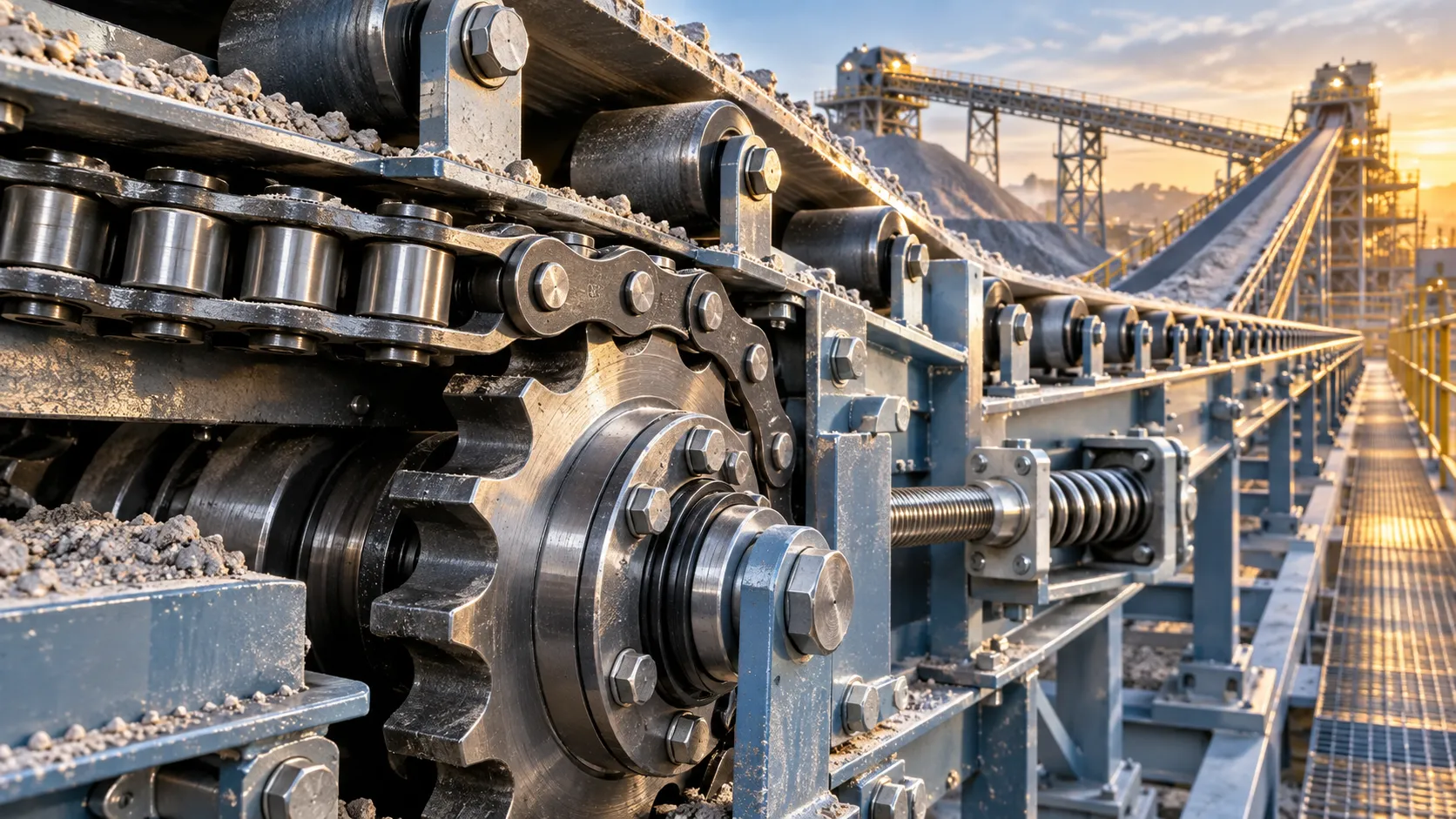
Selecting Low-Maintenance Chain Components for Dusty, High-Load Conveyors
Low maintenance chain components for dusty, high-load conveyors: compare seals, lubrication, materials, sprockets, and load capacity to reduce wear and downtime.
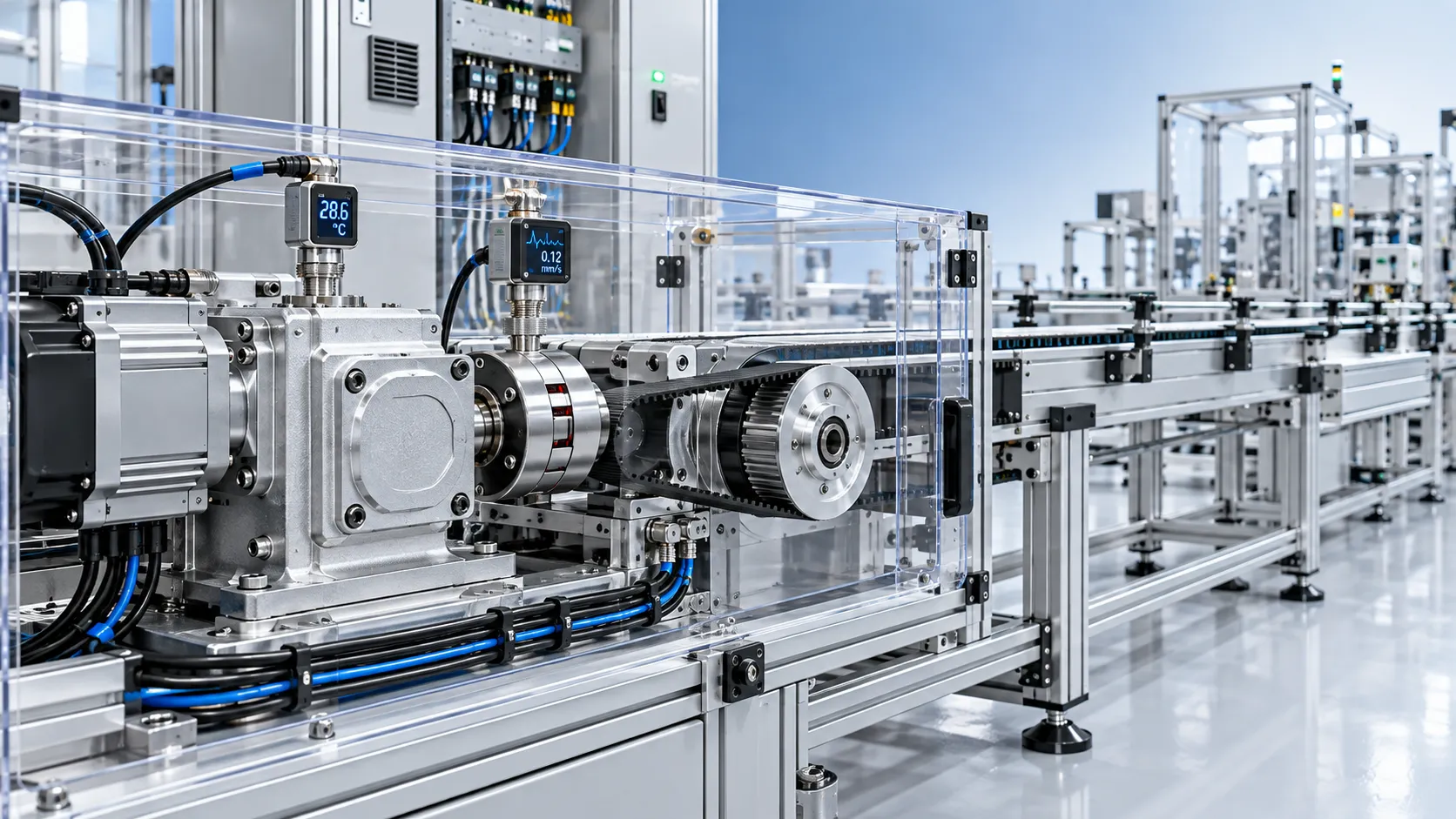
Selecting Smart Transmission Modules for Automated Lines: Control, Load, and Safety
Smart transmission modules for automated lines: evaluate control compatibility, real load demands, safety boundaries, and predictive maintenance value for reliable performance.
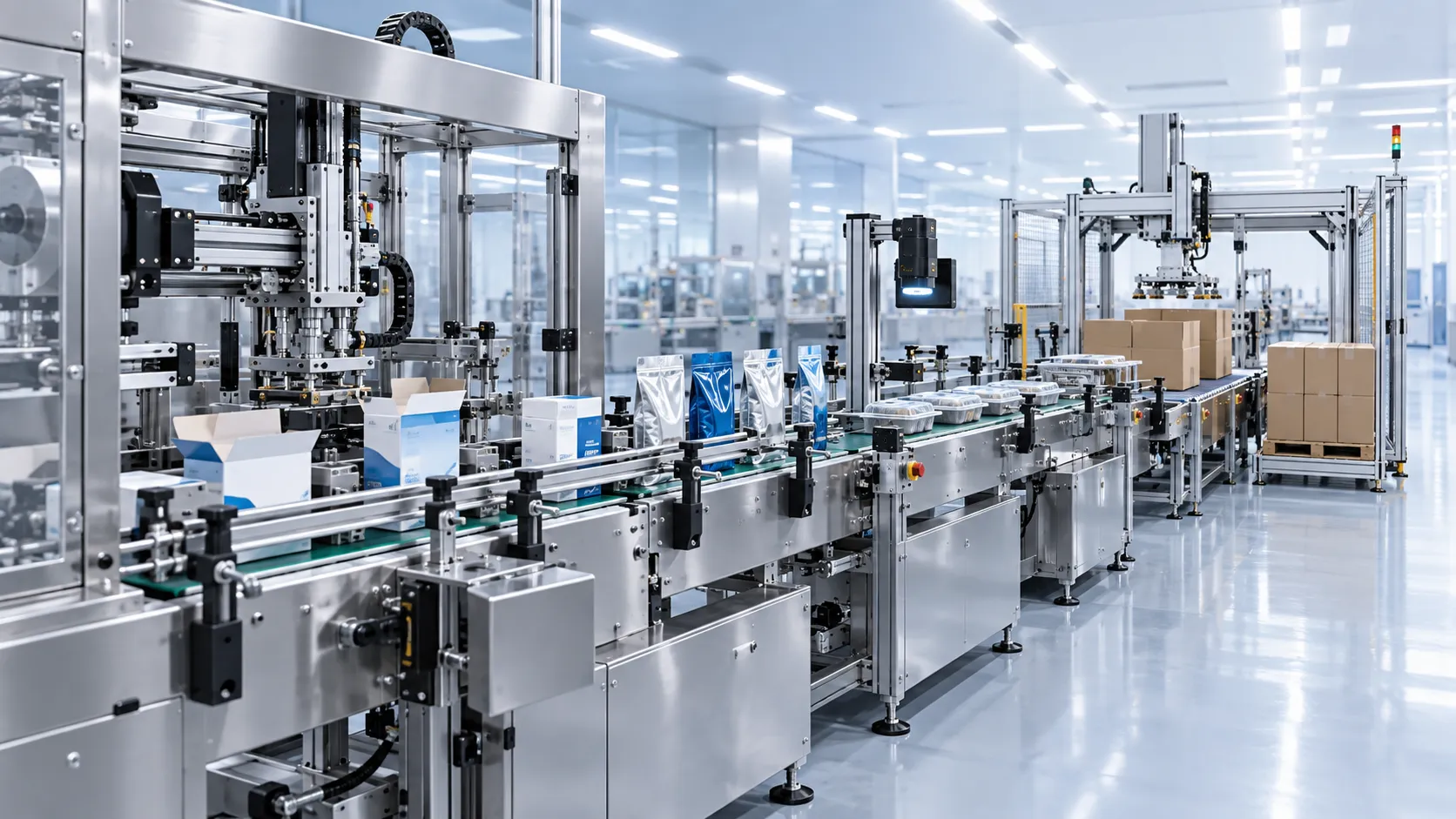
How to Assess Automated Packaging Production for High-Mix Manufacturing Lines
Automated production for packaging: assess changeovers, flexibility, controls, reliability, and lifecycle cost to build high-mix lines that deliver stable output.