
Industry News
Curation by industry experts
Hot Articles
Popular Tags
How aerospace demands change component selection rules
In aerospace, component selection is no longer governed by cost and load alone. Engineers and technical evaluators must weigh extreme temperature shifts, vibration, weight constraints, certification demands, and long-term reliability when assessing mechanical components for aerospace applications. Understanding how these factors reshape traditional selection rules is essential for reducing risk, improving system performance, and supporting smarter decisions across high-stakes manufacturing and supply chain environments.
Why aerospace changes traditional selection logic
In general industry, selection often starts with torque, speed, duty cycle, and price. Aerospace adds more restrictive filters before any final specification is accepted.
Mechanical components for aerospace applications must perform under combined stress. A part may meet load targets yet still fail weight, fatigue, or certification requirements.
This means the selection rulebook shifts from simple adequacy to multi-factor optimization. Material behavior, traceability, and failure mode predictability become central.
The result is a different decision model. Engineers compare total mission risk, not only initial mechanical fit.
Core rule changes
- Weight reduction becomes a performance requirement, not a secondary preference.
- Thermal stability matters across wide operating ranges and rapid transitions.
- Reliability evidence often outweighs lower unit cost.
- Certification and documentation can eliminate otherwise capable options.
- Maintenance access and lifecycle predictability shape component choice early.
Defining mechanical components for aerospace applications
The term includes bearings, seals, couplings, gears, fasteners, bushings, actuated linkages, springs, and motion control interfaces used in aircraft and space systems.
It also covers transmission-related elements in auxiliary systems. These can appear in landing gear, engine support systems, cabin mechanisms, and control assemblies.
Compared with standard industrial parts, mechanical components for aerospace applications need stricter control of mass, tolerance, contamination, and material consistency.
Selection therefore depends on the interaction between design envelope, environment, maintenance strategy, and regulatory expectations.
Common evaluation dimensions
Industry signals shaping current selection priorities
Aerospace programs now push for lighter systems, longer service intervals, and stronger digital verification. These shifts directly influence mechanical component screening.
Across the broader industrial landscape, GPT-Matrix tracks similar patterns in tribology, sealing reliability, and transmission efficiency. Aerospace simply applies them with tighter consequences.
Supply chain volatility also matters. Availability of specialty alloys, advanced polymers, and precision treatments can alter approved component lists.
Key market and engineering signals
- Growing use of titanium, nickel alloys, and engineered composites.
- Higher focus on low-friction surfaces and dry-film lubrication strategies.
- More design validation through simulation and digital twin workflows.
- Stronger demand for lifecycle data and documented field performance.
- Rising attention to part consolidation and assembly simplification.
How environment and mission profile alter material choices
Material selection is often the first major divergence from conventional rules. Aerospace conditions expose weaknesses that ordinary industrial environments may never reveal.
For example, thermal cycling can cause dimensional instability. That changes preload, sealing integrity, and gear meshing accuracy over time.
Corrosion resistance is equally important. Moisture, de-icing chemicals, hydraulic fluids, and salt-laden atmospheres influence alloy and coating decisions.
Mechanical components for aerospace applications also need careful compatibility checks. A strong material can still be unsuitable if galvanic interaction or lubricant incompatibility exists.
Material decision factors
- Specific strength and stiffness relative to weight.
- Fatigue resistance under repeated dynamic loading.
- Thermal expansion behavior across operational extremes.
- Wear and friction behavior with selected surface treatments.
- Chemical stability with fuels, lubricants, and cleaning agents.
The business value of better component selection
Accurate selection reduces redesign cycles and unexpected qualification delays. It also lowers the risk of maintenance disruption after system deployment.
For industrial intelligence platforms, this is where data becomes strategic. Comparative insight across bearings, seals, couplings, and transmission elements improves technical alignment.
Mechanical components for aerospace applications influence more than engineering outcomes. They affect inspection costs, spare strategies, warranty exposure, and long-term fleet readiness.
When selection is evidence-based, organizations gain stronger control over total lifecycle economics, not just component purchase price.
Practical value areas
Typical categories and selection differences
Not all aerospace parts face the same rules. Selection criteria vary by motion type, exposure level, criticality, and maintenance access.
Representative categories
Practical selection guidance and caution points
A disciplined process helps avoid expensive late-stage changes. The strongest approach combines engineering analysis, supplier evidence, and service condition mapping.
Recommended steps
- Define mission profile, load spectrum, and environmental extremes early.
- Screen materials for temperature, corrosion, and compatibility risks.
- Verify fatigue data, wear behavior, and lubrication assumptions.
- Check standards, traceability, and qualification records before approval.
- Review maintenance accessibility and expected service interval impact.
- Compare alternatives using lifecycle cost, not purchase price alone.
Frequent mistakes
- Using industrial reference data without aerospace condition adjustment.
- Ignoring vibration-induced loosening in joint design.
- Selecting coatings without full media compatibility review.
- Overlooking documentation burden for approved component integration.
Moving from selection rules to better decisions
Aerospace changes the logic of component choice because consequences are amplified. Performance, compliance, maintainability, and reliability must be assessed together.
That is why mechanical components for aerospace applications demand deeper intelligence than conventional parts. The correct decision depends on context, evidence, and long-range system thinking.
For teams tracking transmission, sealing, and motion-control trends, structured industry intelligence can shorten evaluation time and improve specification confidence.
Use a selection framework that links materials, mission conditions, qualification data, and lifecycle economics. Better component choices begin with better comparative insight.
Recommended News
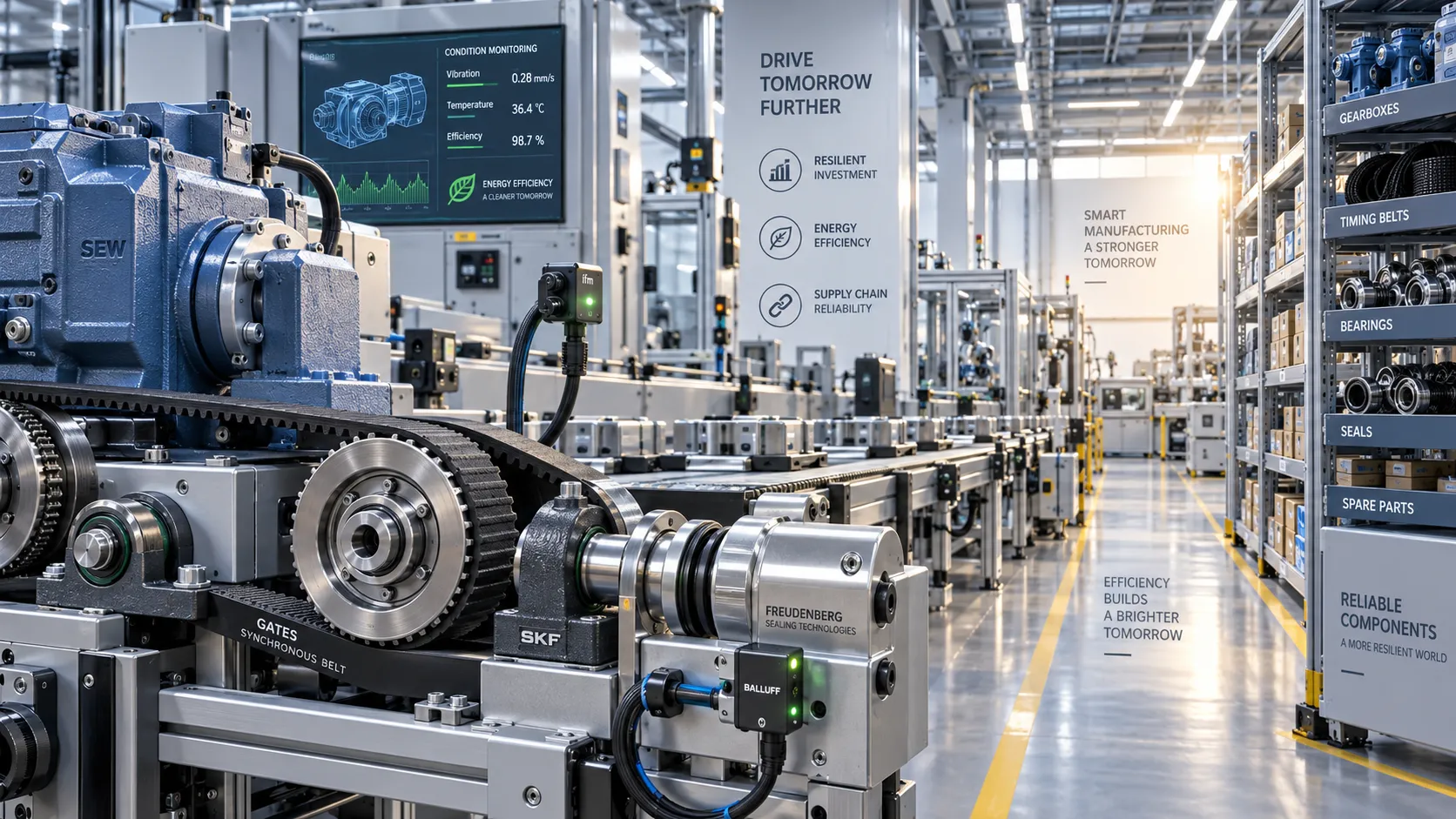
Industrial Economy Trends Shaping Capital Investment and Supply Chain Risk in 2026
Industrial economy trends for 2026 reveal how resilient capital investments, energy efficiency, and supply-chain strategies can protect uptime and strengthen returns.
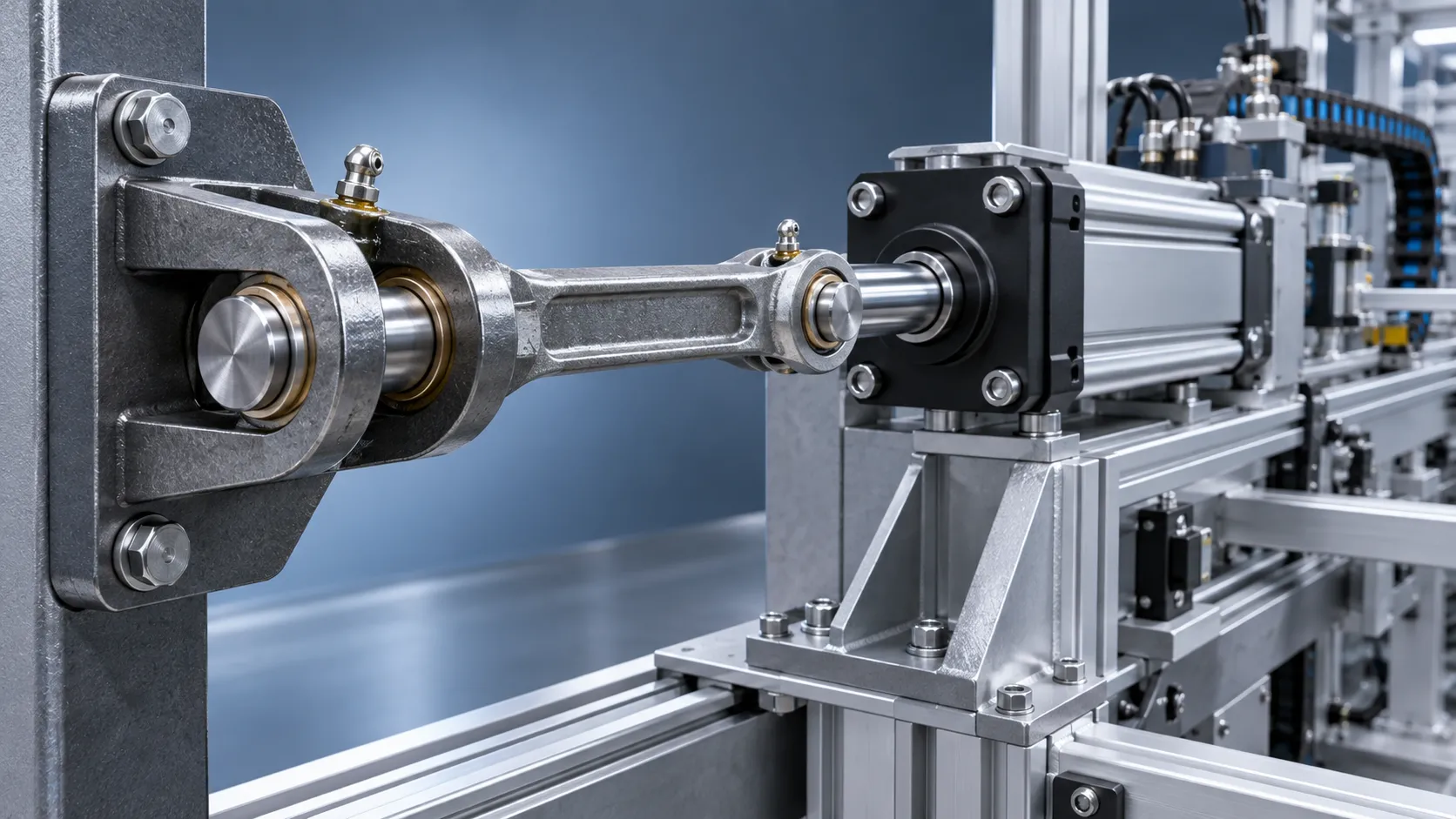
Mechanical Linkage Design: How to Balance Load Capacity, Motion Accuracy, and Wear
Mechanical linkage design guide: balance load capacity, motion accuracy, and wear with practical insights on geometry, joints, tolerances, lubrication, and service life.

How Precision Automated Production Improves Quality Control in High-Volume Assembly
Precision automated production strengthens quality control in high-volume assembly with real-time verification, traceability, and safer defect containment.
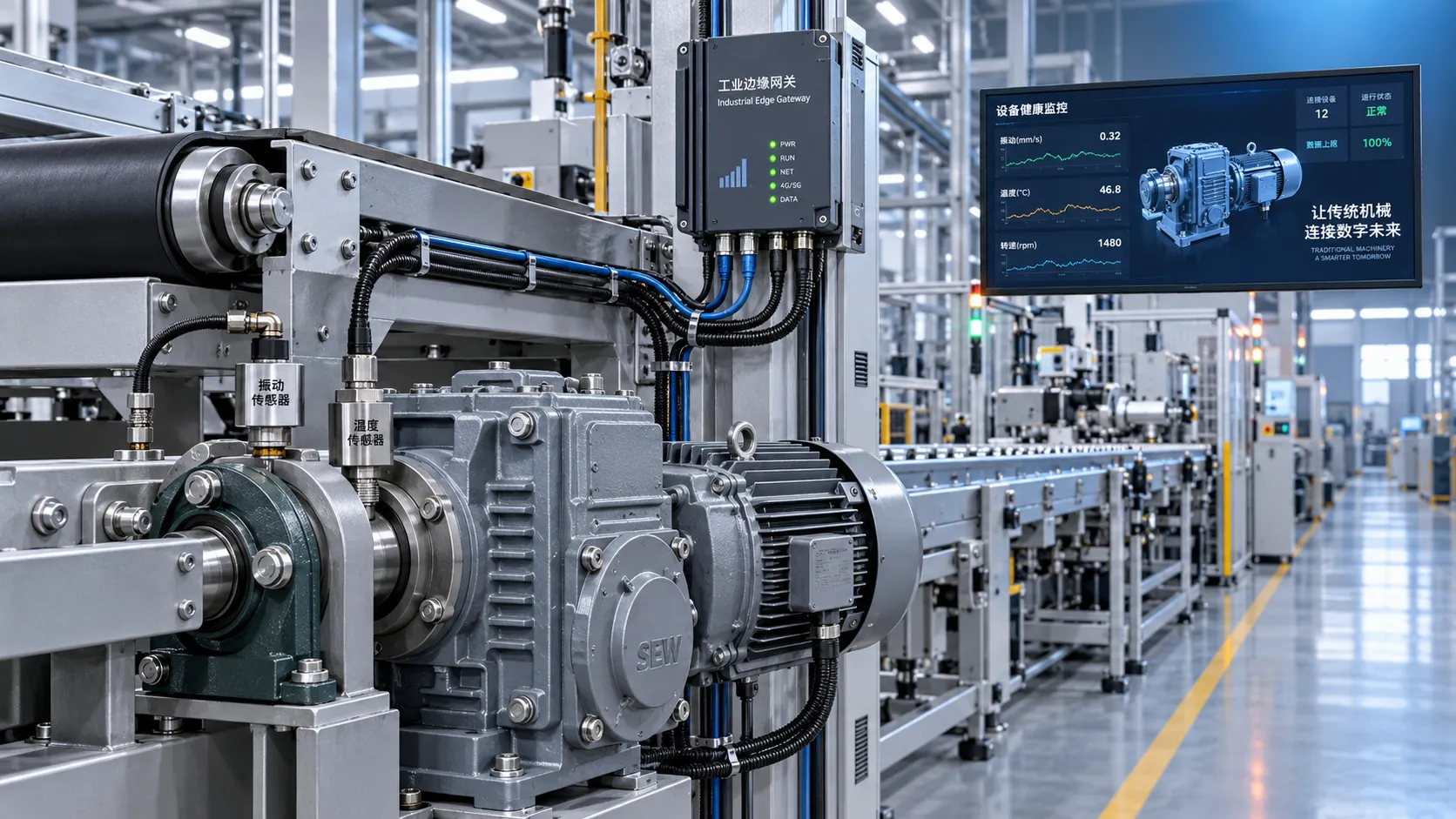
Industry 4.0 Integration: A Roadmap for Connecting Legacy Machines and Data
Industry 4.0 integration roadmap for connecting legacy machines, improving data visibility, reducing downtime, and scaling secure, measurable operational performance.
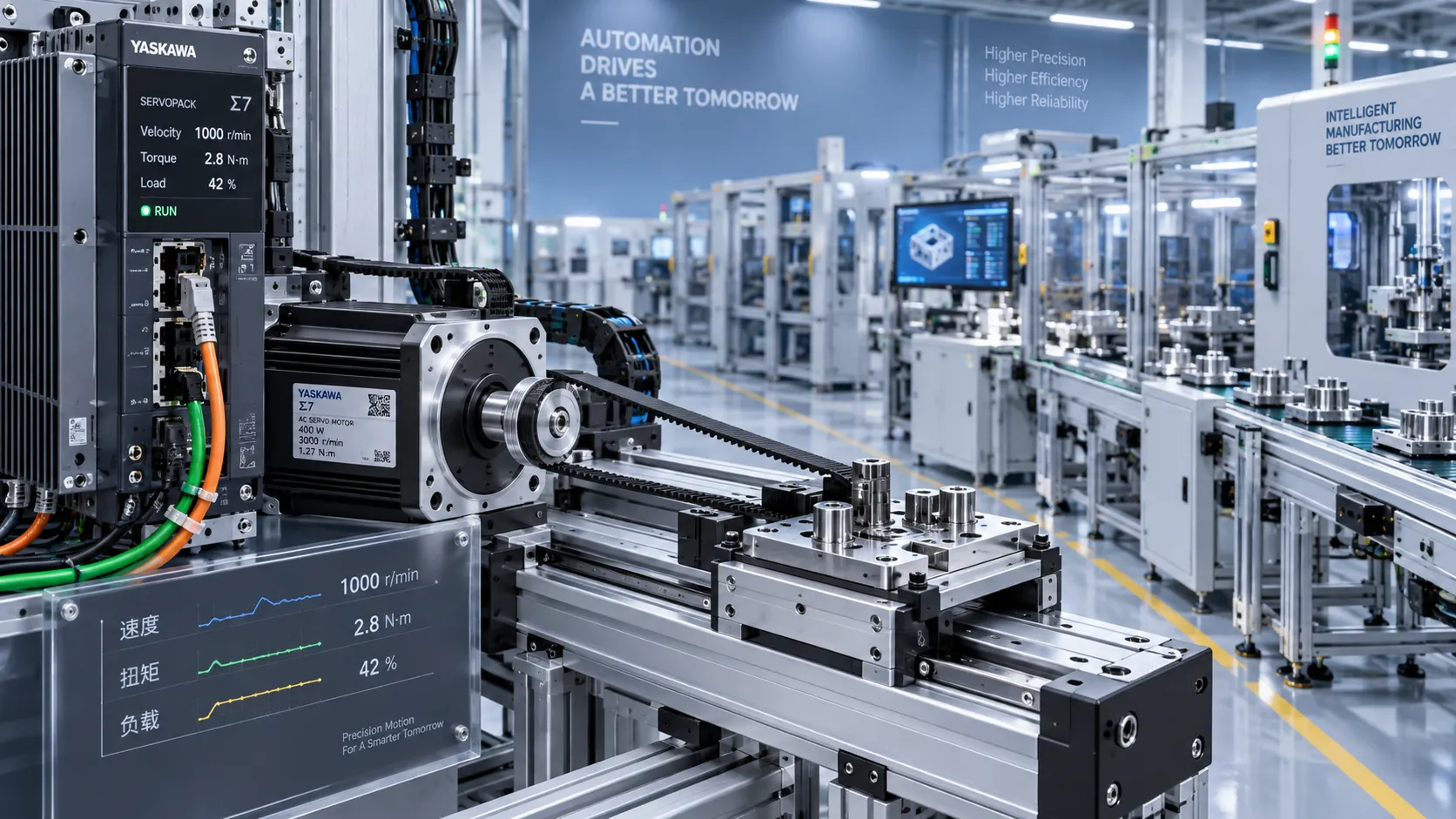
Servo Drive Comparison: Selecting Motion Control for Speed, Torque, and Load
Technical product comparison servo drives: evaluate speed, torque, inertia, safety, and control integration to select a reliable motion system with proven performance margins.

Industrial Automation Technology: How to Prioritize Upgrades by ROI and Downtime Risk
Industrial automation technology upgrades: learn to rank projects by ROI, bottleneck exposure, and downtime risk to reduce losses and make smarter capital decisions.

Selecting Low-Maintenance Chain Components for Dusty, High-Load Conveyors
Low maintenance chain components for dusty, high-load conveyors: compare seals, lubrication, materials, sprockets, and load capacity to reduce wear and downtime.

Selecting Smart Transmission Modules for Automated Lines: Control, Load, and Safety
Smart transmission modules for automated lines: evaluate control compatibility, real load demands, safety boundaries, and predictive maintenance value for reliable performance.

How to Assess Automated Packaging Production for High-Mix Manufacturing Lines
Automated production for packaging: assess changeovers, flexibility, controls, reliability, and lifecycle cost to build high-mix lines that deliver stable output.