
Industry News
Curation by industry experts
Hot Articles
Popular Tags
When do industrial intelligence solutions cut downtime?
When do industrial intelligence solutions truly reduce downtime for modern manufacturers? The answer appears when operating data becomes usable, maintenance decisions become timely, and equipment health is interpreted in the context of production risk. In complex industrial environments, downtime rarely starts as a sudden event. It often begins with small vibration changes, temperature drift, lubrication breakdown, belt misalignment, seal wear, or unstable load patterns that remain unnoticed until output drops or a line stops. Industrial intelligence solutions cut downtime when they transform those weak signals into actions that protect throughput, energy efficiency, and component life.
This matters across the broader industrial landscape, especially where power transmission systems, reducers, bearings, couplings, seals, motors, and conveyors work under continuous pressure. Rising energy costs, volatile raw material supply, and tighter delivery commitments increase the cost of every unplanned stop. As a result, industrial intelligence solutions are most valuable not as abstract digital upgrades, but as operational tools tied directly to failure prevention, maintenance planning, and asset reliability.
Why a checklist is necessary before expecting downtime reduction
Many digital projects fail because they monitor everything but improve nothing. A checklist creates discipline. It helps determine whether industrial intelligence solutions are connected to the actual mechanical failure modes causing stoppages.
A structured review also prevents common mistakes, such as collecting noisy data, ignoring root causes, or deploying dashboards without maintenance response rules. Downtime falls only when insight changes behavior on the shop floor.
Core checklist: when industrial intelligence solutions start cutting downtime
- Map failure modes first, then connect sensors and analytics to real risks such as overheating bearings, slipping belts, gear wear, seal leakage, lubrication contamination, and motor overload.
- Prioritize critical assets where an hour of stoppage affects production flow, energy consumption, downstream quality, safety exposure, or expensive restart procedures.
- Capture baseline operating behavior under stable loads, because industrial intelligence solutions need normal performance patterns before they can flag meaningful deviation.
- Combine condition data with maintenance history, spare part records, and operator observations to distinguish random anomalies from repeatable degradation trends.
- Set alert thresholds by process context, not generic defaults, since a gearbox on a packaging line behaves differently from one in heavy material handling.
- Link alerts to response playbooks that define inspection steps, lubrication checks, alignment verification, component replacement timing, and escalation responsibilities.
- Validate data quality continuously, because inaccurate temperature, vibration, torque, or speed data can produce false alarms and undermine trust in industrial intelligence solutions.
- Measure impact with downtime hours, mean time between failures, maintenance cost per asset, energy loss, and spare consumption instead of dashboard engagement alone.
- Integrate supply chain visibility when critical parts have long lead times, so predicted failure can trigger earlier sourcing and prevent avoidable waiting time.
- Review results monthly and refine models with actual breakdown outcomes, because industrial intelligence solutions improve when operating feedback closes the loop.
Application scenarios across industrial operations
Continuous production lines
On continuous lines, downtime spreads quickly across upstream and downstream equipment. A small issue in a coupling, reducer, or conveyor drive can stop packaging, filling, processing, or palletizing in sequence.
Here, industrial intelligence solutions cut downtime when they detect progressive deterioration early enough to schedule intervention during a planned window. The value comes from preserving line balance, not simply identifying a damaged part.
Heavy-duty and variable-load systems
In crushers, mixers, bulk conveyors, and similar systems, load swings are severe and component stress accumulates unevenly. Traditional time-based maintenance often misses real wear progression.
Industrial intelligence solutions become effective when torque behavior, vibration signatures, and thermal patterns are interpreted together. This helps separate normal load response from the onset of mechanical damage.
Energy-sensitive facilities
Facilities under energy pressure often focus on utility savings first. Yet hidden mechanical inefficiency also drives cost through drag, misalignment, poor lubrication, and worn transmission elements.
In this setting, industrial intelligence solutions reduce downtime indirectly by identifying inefficient operating states before they evolve into failure. Lower friction, better alignment, and timely maintenance improve both uptime and energy performance.
Multi-site operations with inconsistent maintenance practices
Where several plants run similar assets, downtime often varies more because of maintenance discipline than equipment design. One site replaces belts on symptom, another on interval, another after failure.
Industrial intelligence solutions help standardize decision quality across sites. Shared rules for inspection triggers, failure coding, and component condition scoring reduce preventable variation and improve benchmarking.
Commonly overlooked factors that limit results
Ignoring mechanical root cause
A sensor can report abnormal vibration, but it cannot correct poor installation, shaft misalignment, contaminated lubricant, or improper tension by itself. Industrial intelligence solutions fail when teams stop at detection.
Monitoring noncritical assets first
Early projects often start where deployment is easiest, not where downtime is most expensive. This creates weak business evidence and delays support for broader reliability programs.
Using isolated data streams
Condition data without maintenance records, spare availability, and operating context can mislead. A predicted bearing issue matters differently if replacement stock is on site or delayed for six weeks.
Missing response ownership
Alerts that reach no clear owner do not reduce downtime. Every signal needs a decision path, inspection deadline, and closure process, or the system becomes another unattended screen.
Treating all alarms equally
Alarm fatigue is a practical threat. Industrial intelligence solutions work best when alerts are ranked by production criticality, failure probability, and safety or quality consequence.
Practical execution steps for better uptime results
- Start with one production bottleneck and one high-failure component family, such as bearings, reducers, belts, or seals, to prove cause-and-effect quickly.
- Build a simple asset criticality matrix using downtime cost, repair lead time, restart complexity, and historical failure frequency.
- Define three response levels only: observe, inspect, and intervene. Keep the first operating model clear and executable.
- Align digital signals with physical inspections, including lubrication review, thermal scan, tension check, alignment verification, and noise confirmation.
- Track business outcomes for ninety days, then expand only after measurable reductions in unplanned stops or emergency maintenance hours.
For organizations following transmission, motion control, and sealing trends through GPT-Matrix, this execution approach is especially relevant. Mechanical reliability depends on both component science and system context. Better intelligence on material performance, load behavior, lubrication conditions, and supply dynamics supports better intervention timing.
Summary and next action
Industrial intelligence solutions cut downtime when they are attached to critical assets, real failure modes, trustworthy data, and clear maintenance action. They do not reduce stoppages simply by adding visibility. They reduce stoppages by helping operations act earlier and more accurately.
The most effective next step is to audit one critical production path, identify the three most expensive recurring failure mechanisms, and test industrial intelligence solutions against those points first. If alerts lead to earlier intervention, lower emergency repairs, and more stable output, the business case becomes practical, measurable, and scalable.
Recommended News
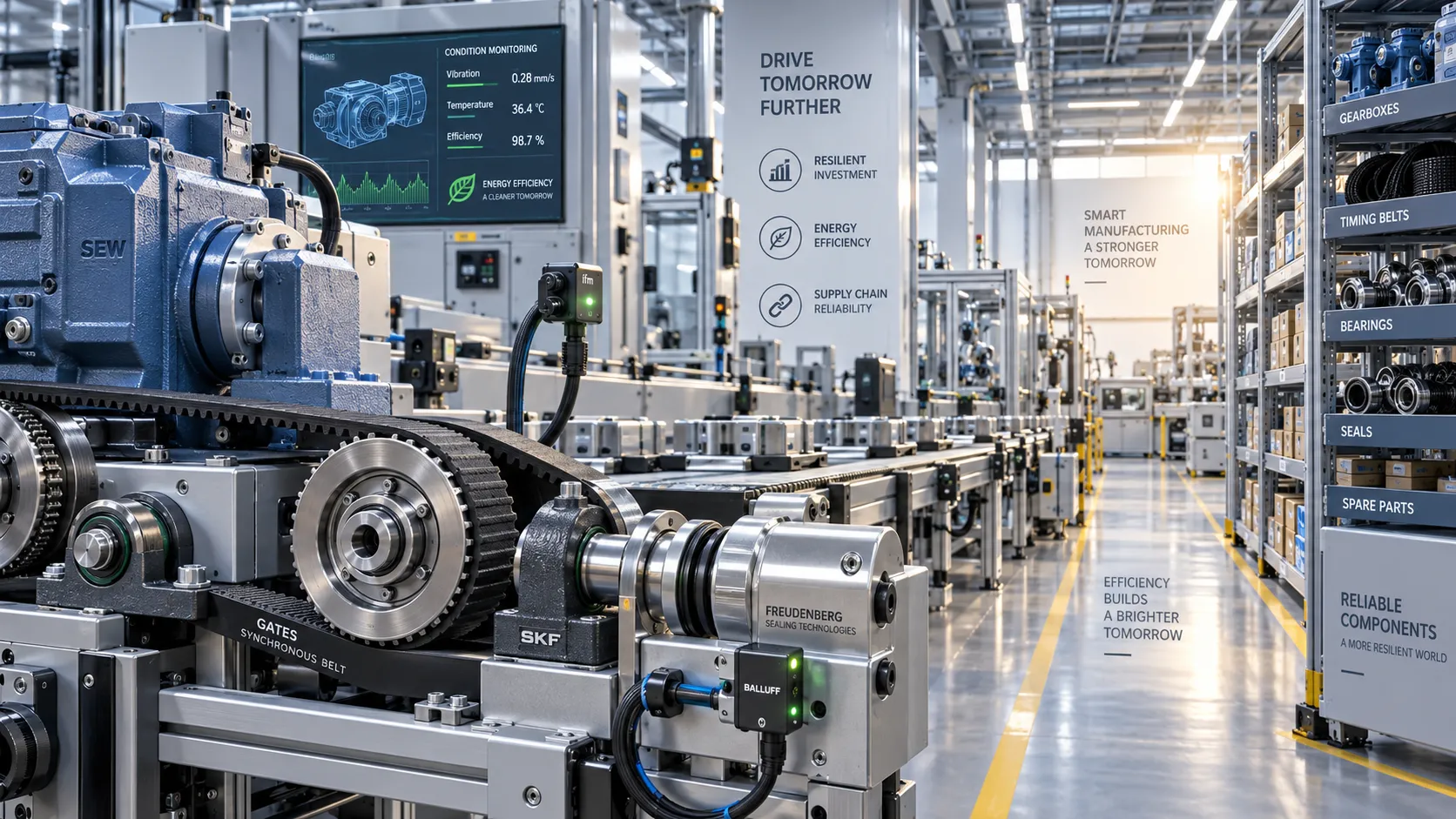
Industrial Economy Trends Shaping Capital Investment and Supply Chain Risk in 2026
Industrial economy trends for 2026 reveal how resilient capital investments, energy efficiency, and supply-chain strategies can protect uptime and strengthen returns.
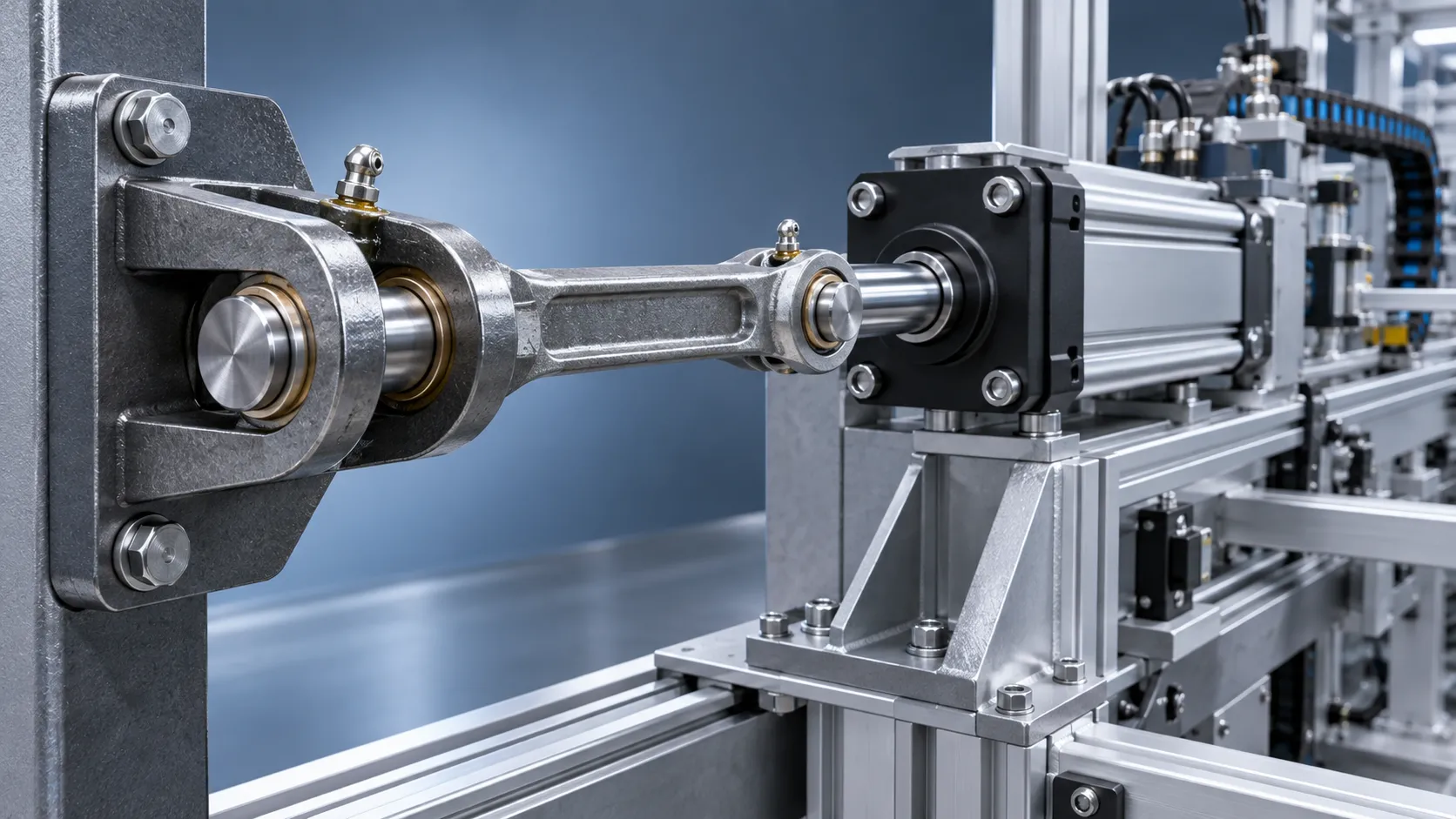
Mechanical Linkage Design: How to Balance Load Capacity, Motion Accuracy, and Wear
Mechanical linkage design guide: balance load capacity, motion accuracy, and wear with practical insights on geometry, joints, tolerances, lubrication, and service life.
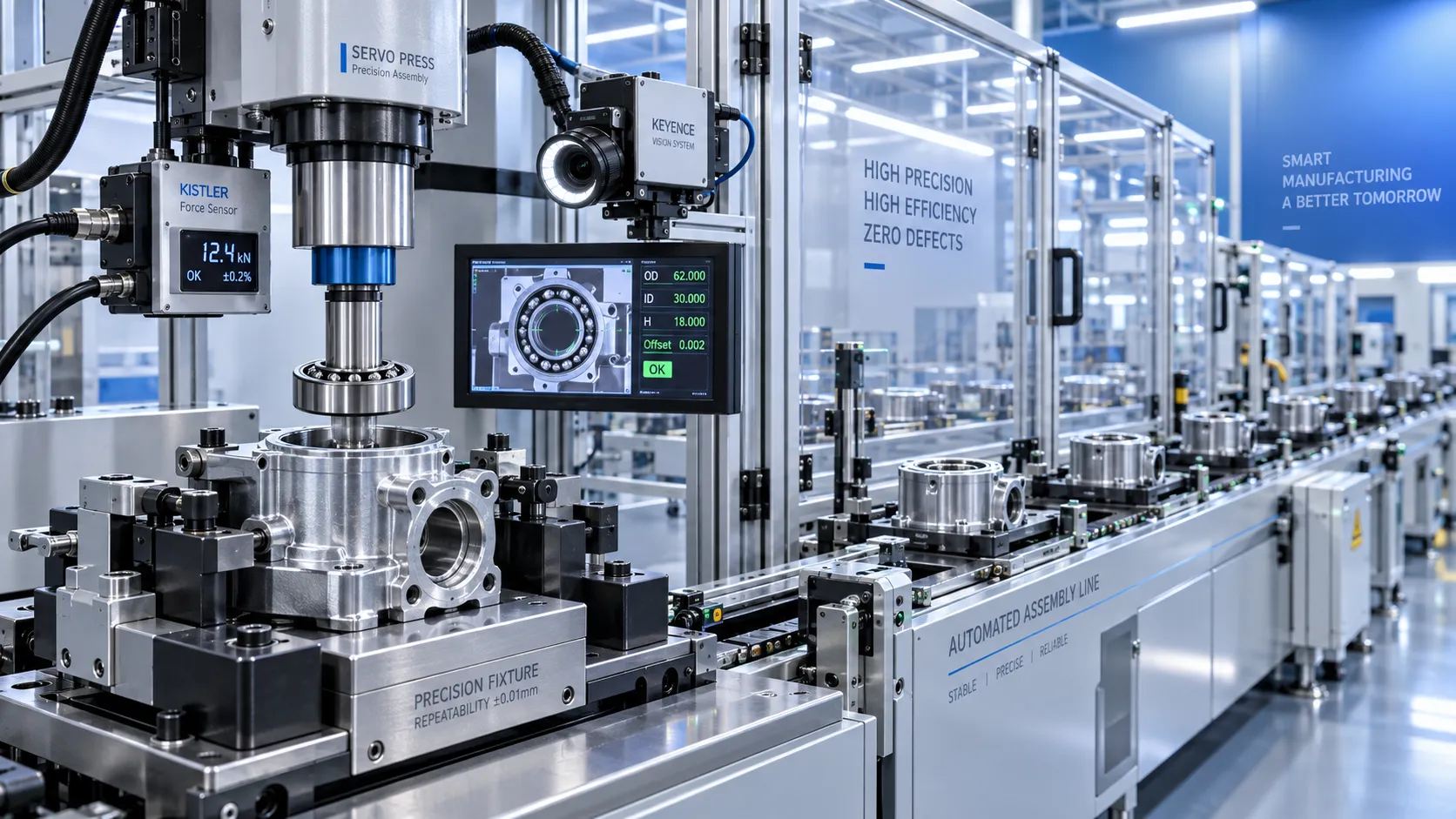
How Precision Automated Production Improves Quality Control in High-Volume Assembly
Precision automated production strengthens quality control in high-volume assembly with real-time verification, traceability, and safer defect containment.
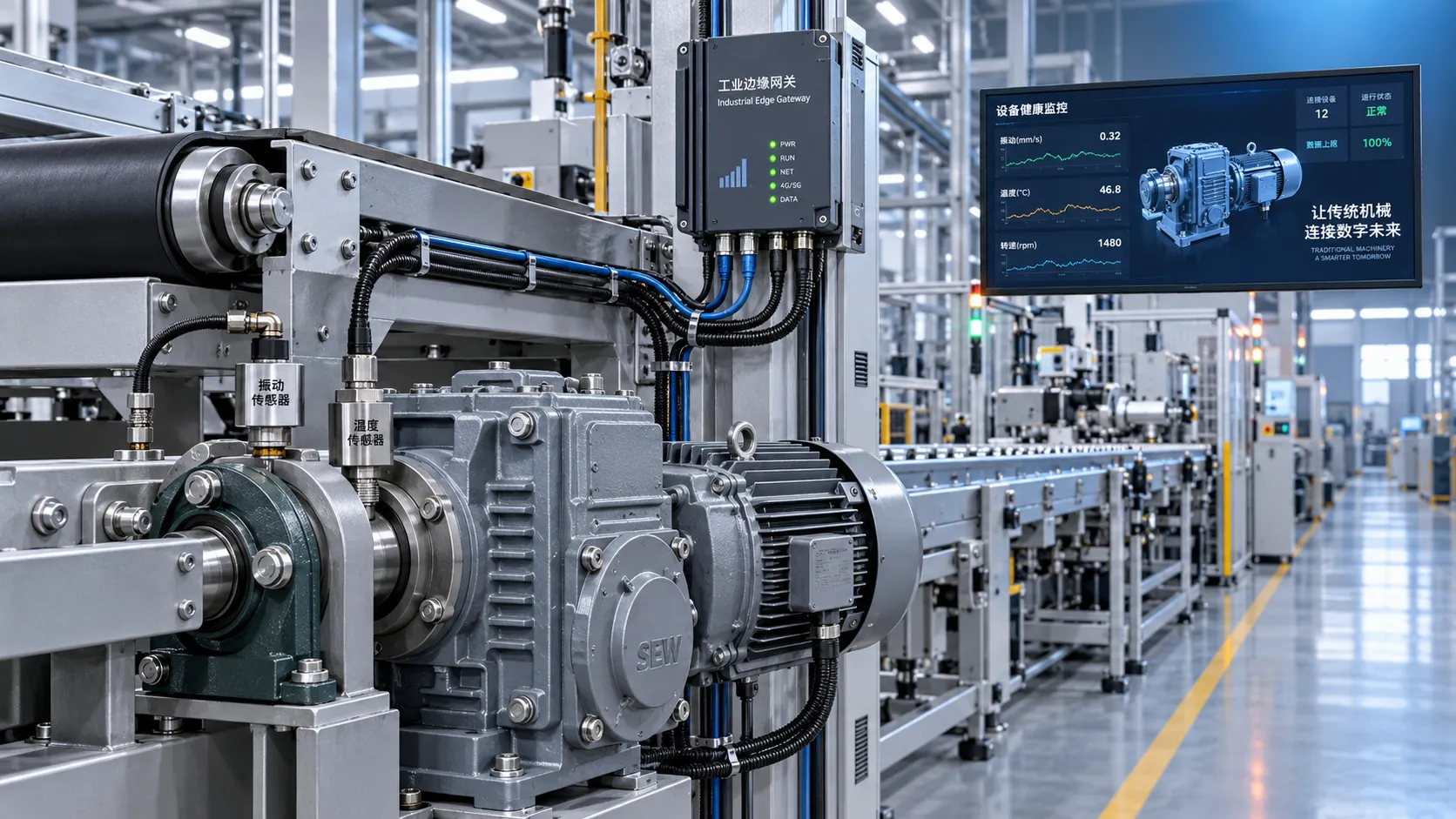
Industry 4.0 Integration: A Roadmap for Connecting Legacy Machines and Data
Industry 4.0 integration roadmap for connecting legacy machines, improving data visibility, reducing downtime, and scaling secure, measurable operational performance.
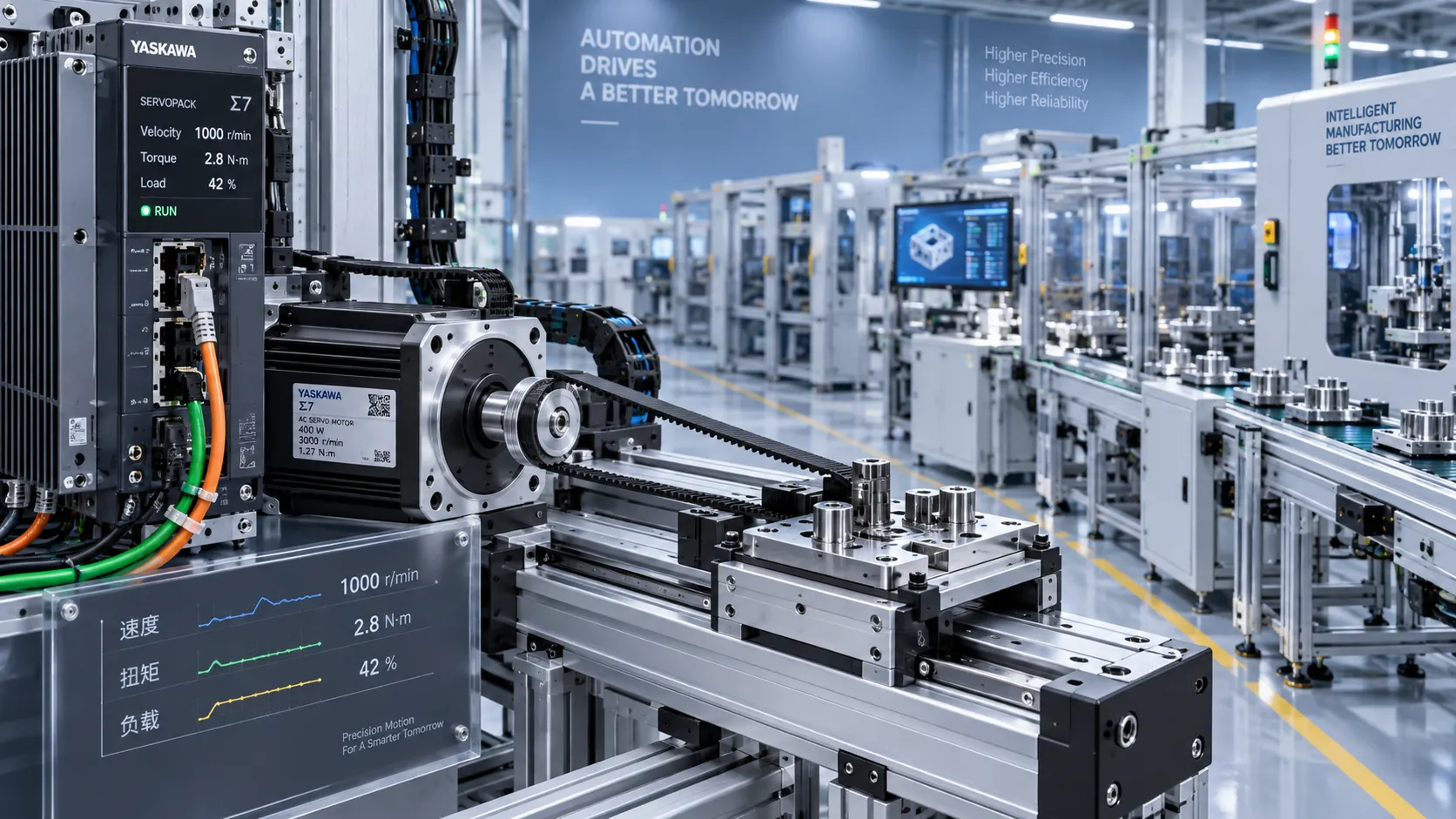
Servo Drive Comparison: Selecting Motion Control for Speed, Torque, and Load
Technical product comparison servo drives: evaluate speed, torque, inertia, safety, and control integration to select a reliable motion system with proven performance margins.
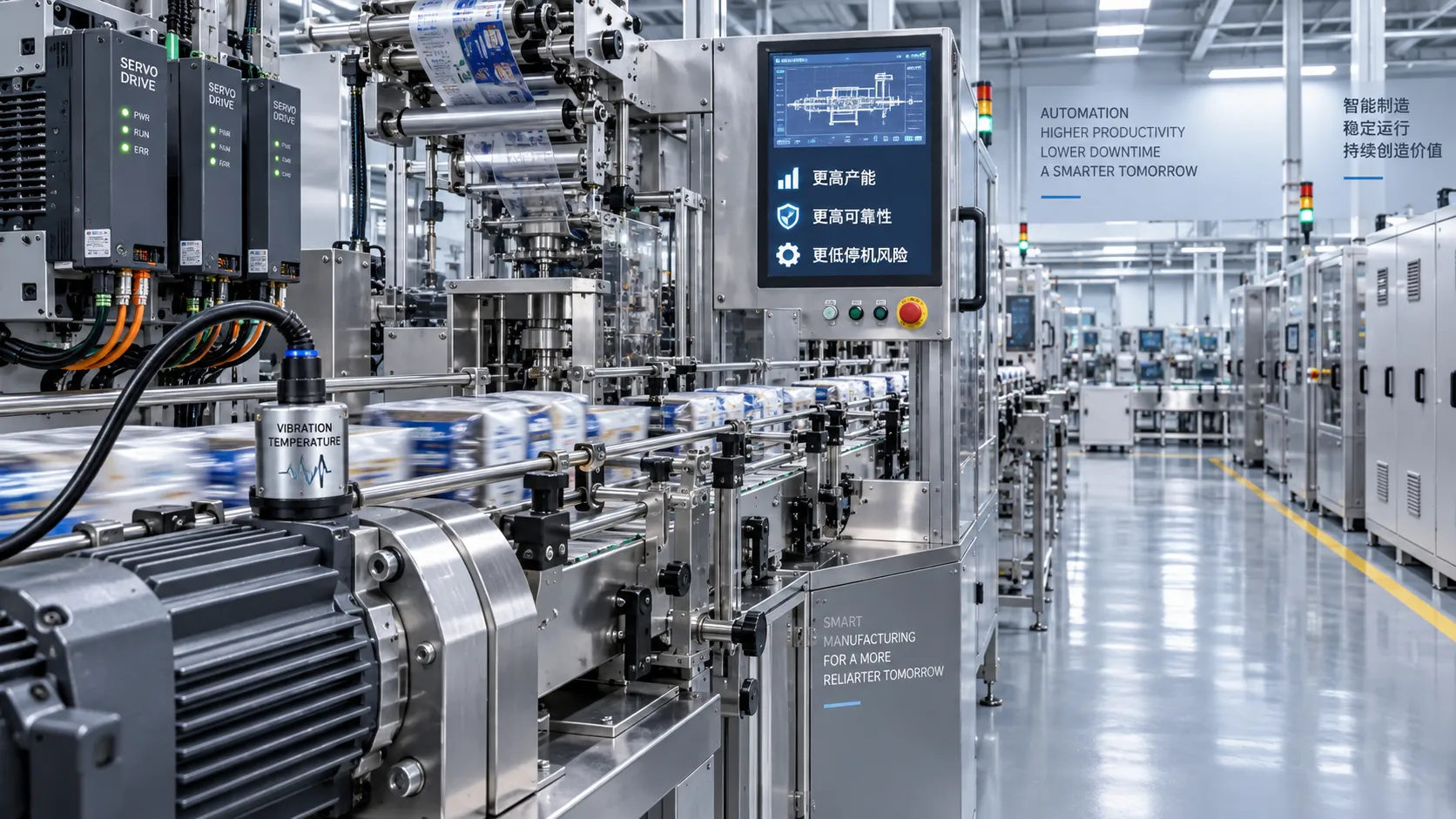
Industrial Automation Technology: How to Prioritize Upgrades by ROI and Downtime Risk
Industrial automation technology upgrades: learn to rank projects by ROI, bottleneck exposure, and downtime risk to reduce losses and make smarter capital decisions.

Selecting Low-Maintenance Chain Components for Dusty, High-Load Conveyors
Low maintenance chain components for dusty, high-load conveyors: compare seals, lubrication, materials, sprockets, and load capacity to reduce wear and downtime.
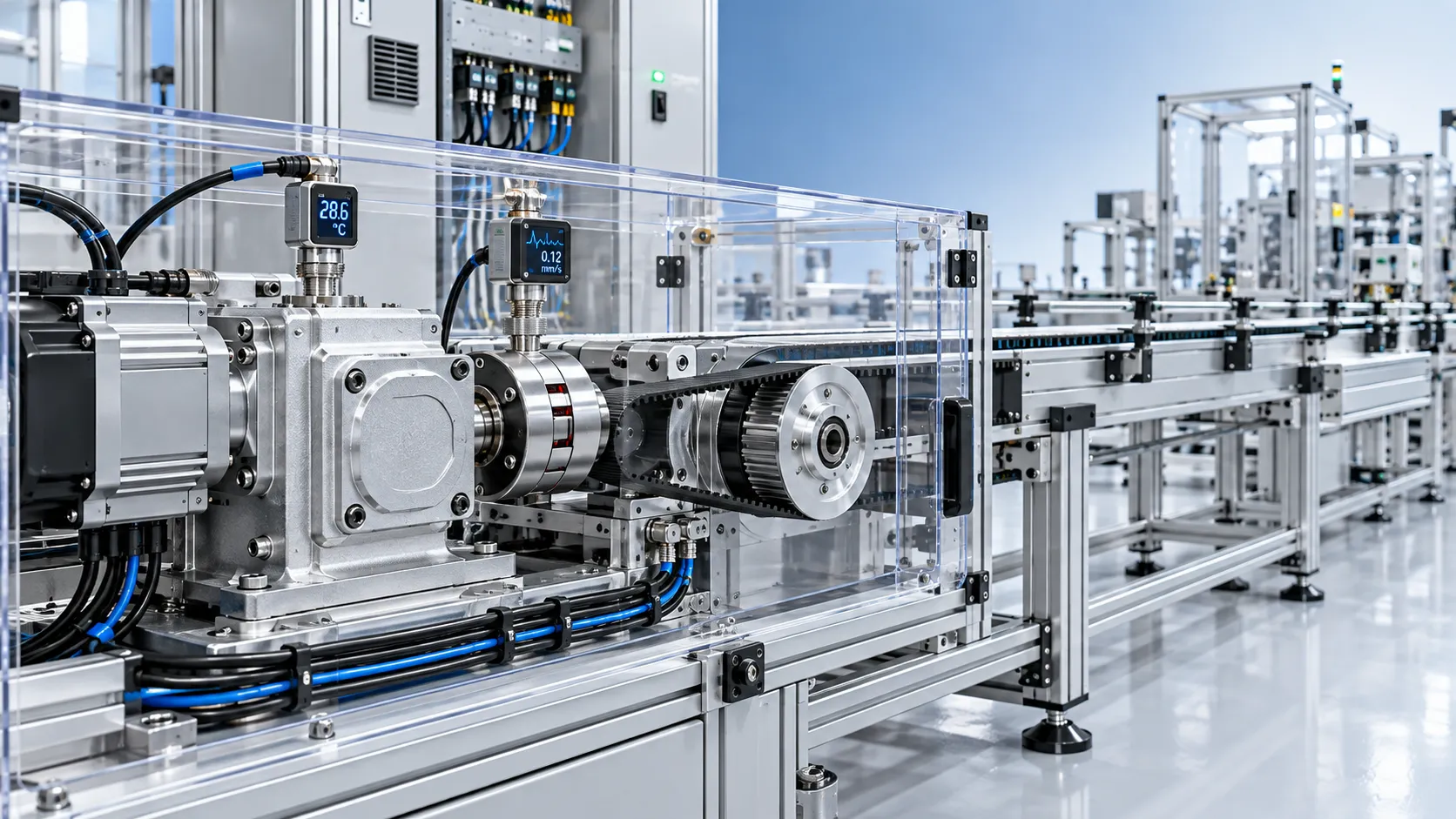
Selecting Smart Transmission Modules for Automated Lines: Control, Load, and Safety
Smart transmission modules for automated lines: evaluate control compatibility, real load demands, safety boundaries, and predictive maintenance value for reliable performance.

How to Assess Automated Packaging Production for High-Mix Manufacturing Lines
Automated production for packaging: assess changeovers, flexibility, controls, reliability, and lifecycle cost to build high-mix lines that deliver stable output.