
Industry News
Curation by industry experts
Hot Articles
Popular Tags
When standardized transmission solutions save more time
For project managers and engineering leads, time lost to custom design, sourcing delays, and installation issues can quickly derail budgets and schedules. That is why standardized transmission solutions are becoming a smarter choice across modern industry. By simplifying component selection, improving compatibility, and reducing maintenance uncertainty, they help teams move from planning to execution with greater speed, consistency, and operational confidence.
Understanding standardized transmission solutions
Standardized transmission solutions refer to drive components built around common sizes, interfaces, materials, and performance expectations. They reduce engineering guesswork across belts, chains, couplings, gear units, bearings, and sealing assemblies.
Instead of starting from zero, teams work from proven formats. This speeds design review, vendor comparison, installation planning, and lifecycle maintenance across mixed industrial environments.
The value is not limited to one sector. In food processing, packaging, mining, energy, logistics, and automated production, standardized transmission solutions support stable uptime and faster replacement cycles.
They also support cleaner communication. Technical drawings, spare lists, torque data, and alignment procedures become easier to share between sites, contractors, and maintenance systems.
What standardization usually includes
- Common shaft sizes and mounting patterns
- Interchangeable belt, chain, and coupling dimensions
- Recognized material and lubrication specifications
- Predictable load, speed, and temperature ratings
- Unified inspection, replacement, and service procedures
When these elements align, standardized transmission solutions save time before equipment starts, while running, and during shutdown or retrofit windows.
Why time pressure is reshaping transmission decisions
Industrial schedules are tighter than ever. Lead times, labor shortages, volatile raw material costs, and energy efficiency targets all influence component strategy.
In this environment, custom solutions still matter in extreme cases. Yet many systems do not need full customization. They need fast, reliable, and repeatable deployment.
This is where standardized transmission solutions gain attention. They lower uncertainty across sourcing, compatibility, training, and maintenance planning.
As highlighted across GPT-Matrix intelligence tracking, transmission decisions increasingly combine mechanical reliability with data clarity, lifecycle economics, and deployment speed.
How standardized transmission solutions save more time
The main benefit is not one dramatic shortcut. It is the removal of delays at every stage of the asset lifecycle.
1. Faster specification and design alignment
Engineering teams spend less time validating dimensions, interfaces, and acceptable tolerances. Standard references reduce revisions and speed internal approvals.
2. Easier sourcing and vendor comparison
When part categories are standardized, equivalent products are easier to identify. That improves supply flexibility during shortages or urgent replacement events.
3. Shorter installation windows
Known mounting points, pre-defined alignment methods, and familiar tools reduce fit-up errors. Shutdown windows become more predictable and easier to manage.
4. Simpler maintenance planning
Technicians can follow repeatable inspection and replacement routines. Spare stock can serve multiple assets instead of sitting in isolated inventory pools.
5. Reduced training time
Teams learn one family of procedures across many machines. That supports safer work, fewer mistakes, and faster recovery after planned or unplanned stoppages.
6. Better documentation and traceability
Standardized transmission solutions fit better into CMMS, ERP, and digital twin workflows. Naming consistency makes history tracking and root-cause analysis easier.
Business value beyond engineering convenience
Time savings matter because they influence cost, output, risk, and customer service. Delays in transmission systems often create wider operational disruption than expected.
Standardized transmission solutions support smoother budgeting. Forecasts become more accurate when maintenance intervals, inventory needs, and replacement costs are easier to model.
They also improve resilience. During supply disruption, teams can switch among approved alternatives without restarting the entire technical validation process.
For organizations pursuing green manufacturing, standardization can help reduce waste. Fewer one-off parts, fewer emergency shipments, and better energy matching support sustainability goals.
- Less downtime from sourcing confusion
- Lower inventory complexity
- Improved asset availability
- Better lifecycle cost visibility
- Higher consistency across sites and contractors
These benefits explain why standardized transmission solutions are now discussed as strategic infrastructure, not just mechanical convenience.
Typical application scenarios across industry
Not every machine requires the same degree of standardization. Still, several recurring scenarios show where the time advantage is strongest.
These scenarios show that standardized transmission solutions are useful across both light-duty automation and demanding process environments.
Practical selection considerations
Standardization works best when it is intentional. Poorly chosen standards can create hidden compromise, especially under high load, contamination, or temperature variation.
Focus on functional boundaries
Define torque, speed, duty cycle, shock load, alignment tolerance, and environmental exposure first. Then select the standard component family that fits those boundaries.
Review interchangeability carefully
Similar dimensions do not always mean equivalent performance. Check fatigue life, lubrication needs, sealing behavior, and material compatibility before approval.
Build a controlled approved list
A limited portfolio of verified parts prevents random substitutions. It also supports better stock control and more reliable maintenance documentation.
Connect mechanical data with business intelligence
Platforms such as GPT-Matrix help connect component trends with energy costs, material developments, and reliability signals across global supply chains.
Implementation steps for faster results
- Map recurring transmission components across assets and sites.
- Identify high-delay items causing repeated sourcing or installation issues.
- Define approved standard sizes, interfaces, and performance ranges.
- Align spare strategy with those approved standard component families.
- Update technical documents, service procedures, and digital records.
- Review outcomes using downtime, lead time, and maintenance cost data.
This stepwise approach keeps standardized transmission solutions practical, measurable, and adaptable to future operating needs.
Conclusion and next step
When schedules tighten, the fastest solution is often the one already proven. Standardized transmission solutions reduce avoidable delays in design, supply, installation, and maintenance.
They support mechanical reliability, cleaner data management, and stronger lifecycle control across diverse industrial settings. Their time-saving value becomes especially clear in repeatable, service-intensive systems.
To move forward, start with one equipment group, compare custom variation against standard options, and document the effect on lead time and downtime. That simple review often reveals where standardized transmission solutions can save more time immediately.
Recommended News
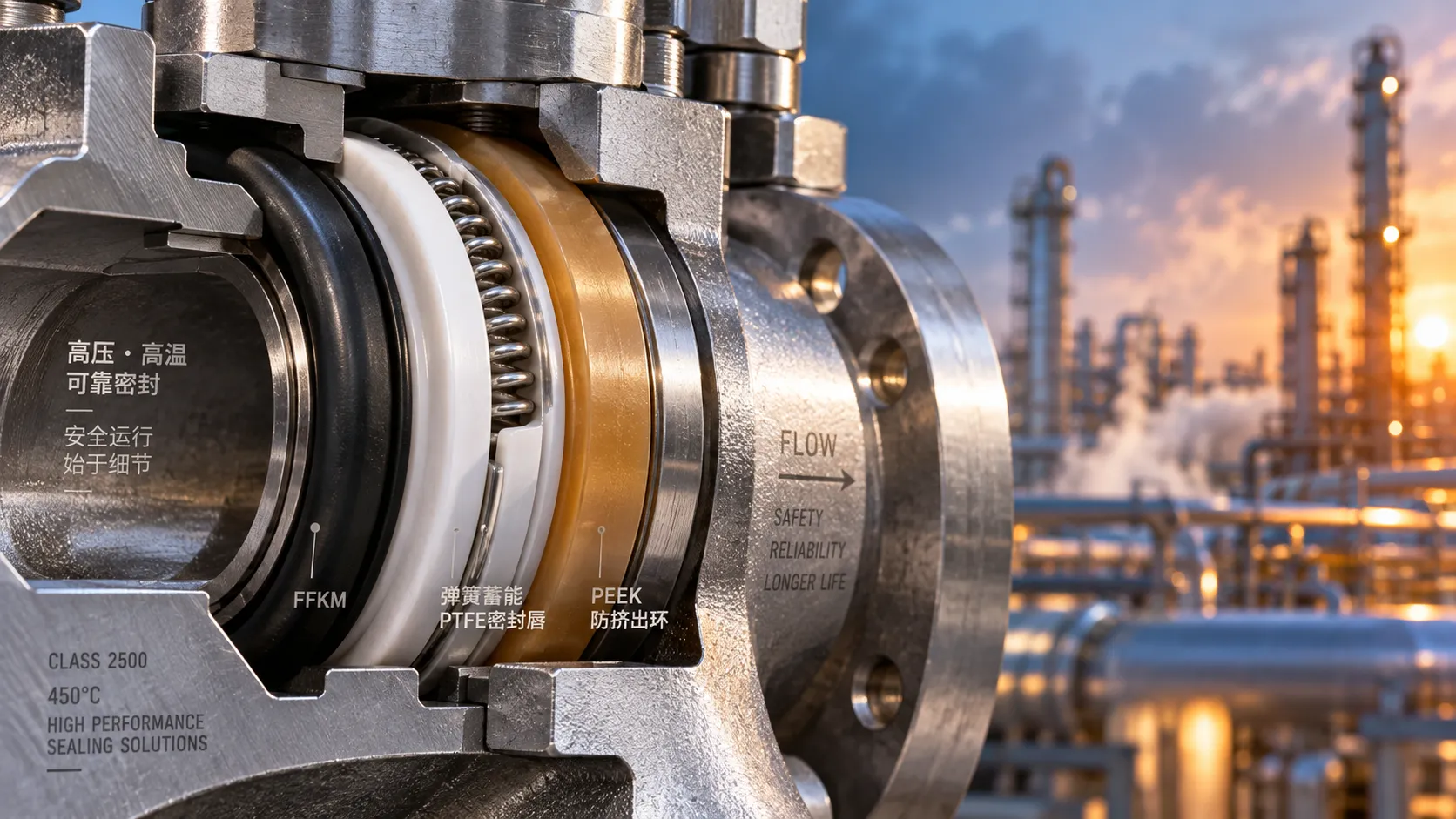
Which New Seal Materials Perform Best in High-Pressure, High-Temperature Service?
Industrial material breakthroughs for seals: compare FFKM, filled PTFE, PEEK, graphite, and metal options for reliable high-pressure, high-temperature service.
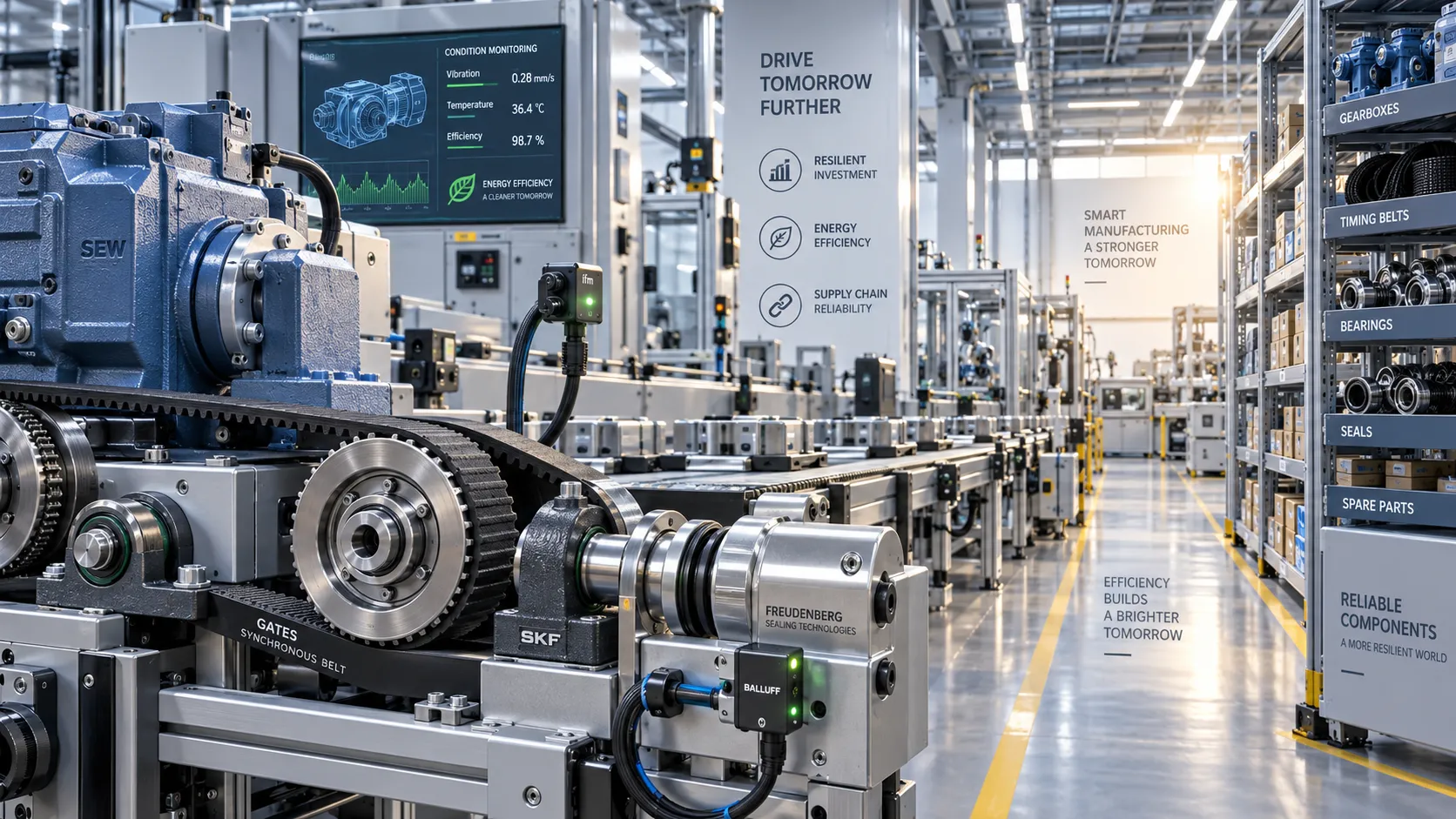
Industrial Economy Trends Shaping Capital Investment and Supply Chain Risk in 2026
Industrial economy trends for 2026 reveal how resilient capital investments, energy efficiency, and supply-chain strategies can protect uptime and strengthen returns.
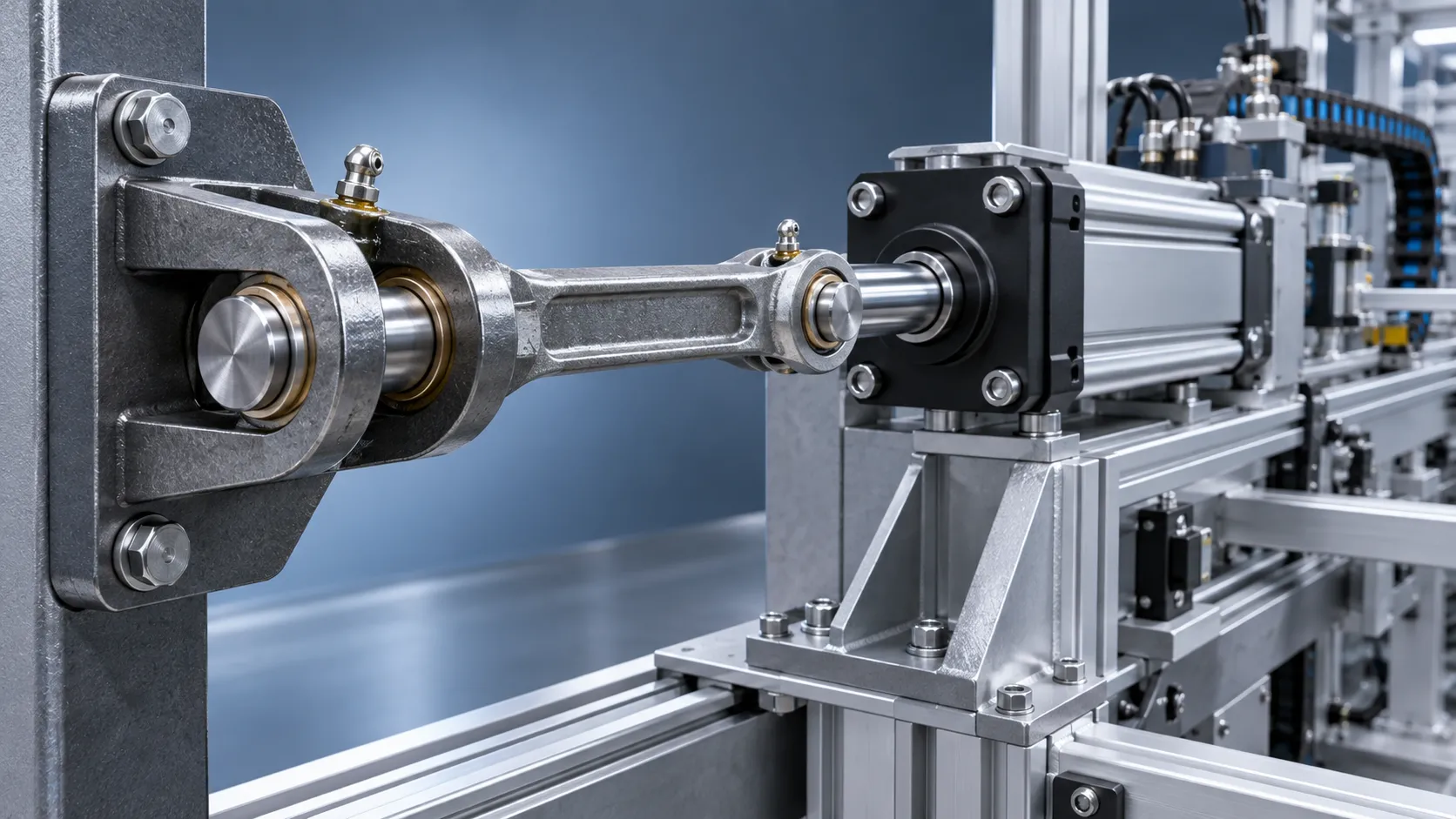
Mechanical Linkage Design: How to Balance Load Capacity, Motion Accuracy, and Wear
Mechanical linkage design guide: balance load capacity, motion accuracy, and wear with practical insights on geometry, joints, tolerances, lubrication, and service life.

How Precision Automated Production Improves Quality Control in High-Volume Assembly
Precision automated production strengthens quality control in high-volume assembly with real-time verification, traceability, and safer defect containment.
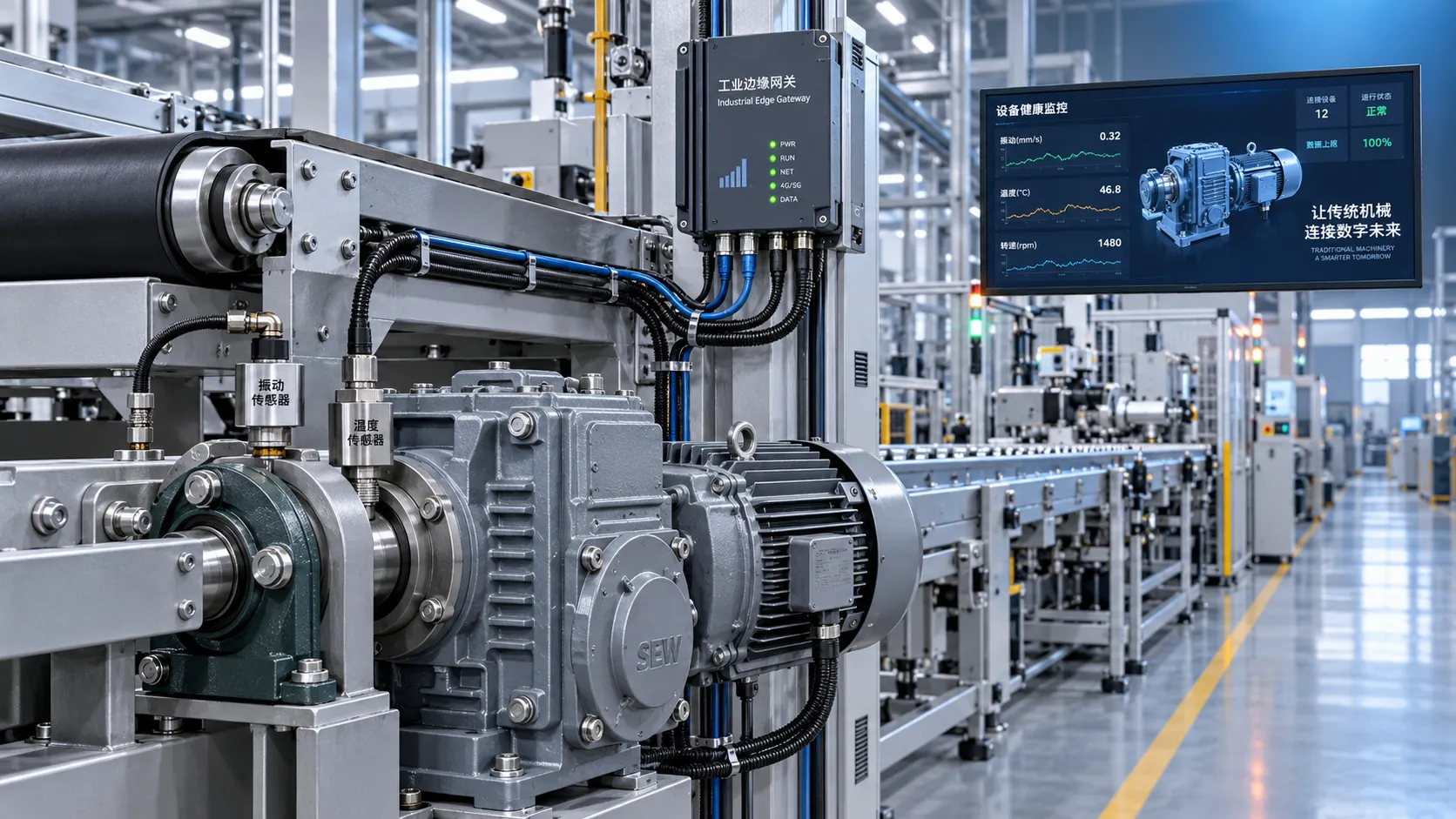
Industry 4.0 Integration: A Roadmap for Connecting Legacy Machines and Data
Industry 4.0 integration roadmap for connecting legacy machines, improving data visibility, reducing downtime, and scaling secure, measurable operational performance.
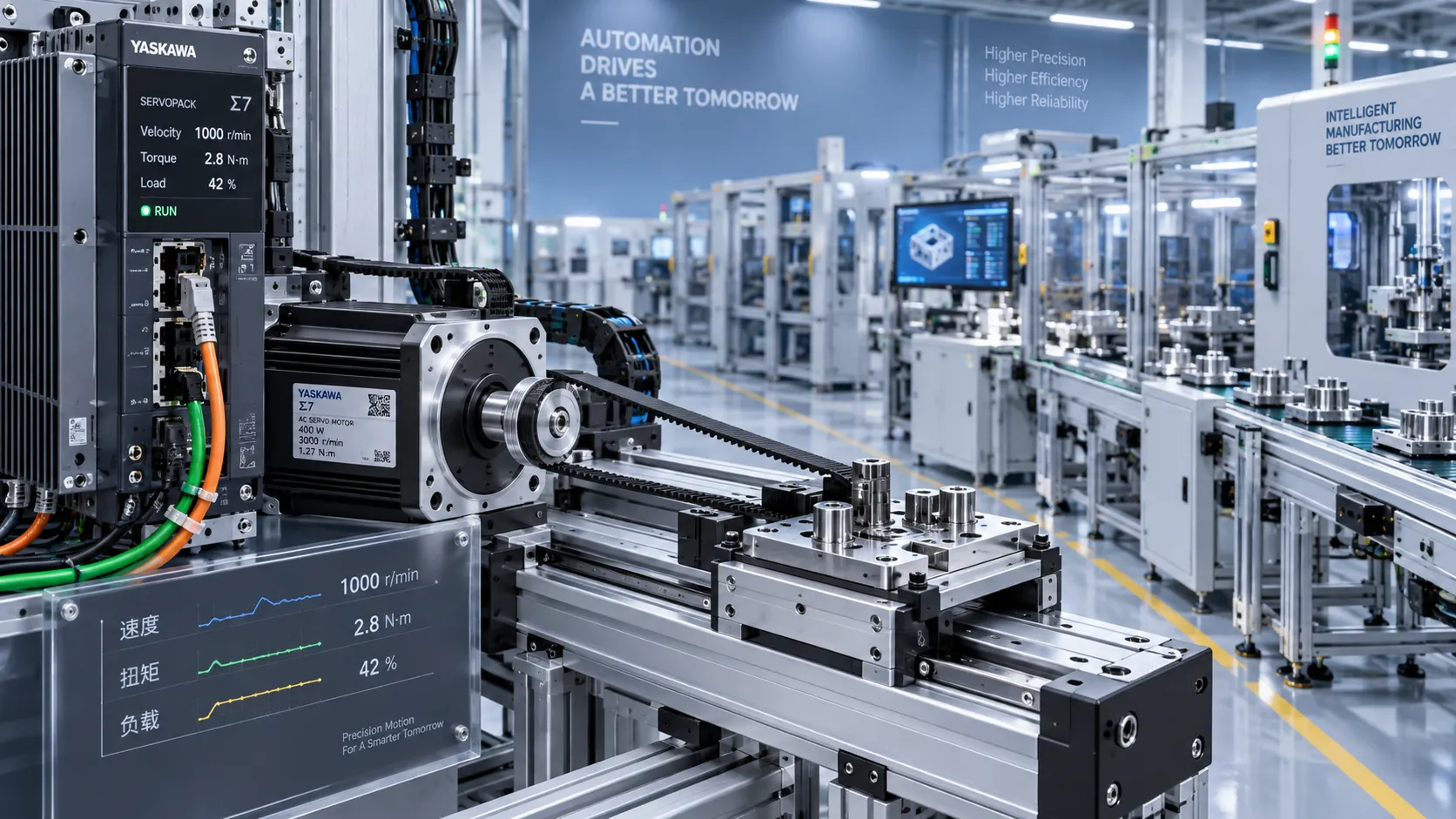
Servo Drive Comparison: Selecting Motion Control for Speed, Torque, and Load
Technical product comparison servo drives: evaluate speed, torque, inertia, safety, and control integration to select a reliable motion system with proven performance margins.

Industrial Automation Technology: How to Prioritize Upgrades by ROI and Downtime Risk
Industrial automation technology upgrades: learn to rank projects by ROI, bottleneck exposure, and downtime risk to reduce losses and make smarter capital decisions.

Selecting Low-Maintenance Chain Components for Dusty, High-Load Conveyors
Low maintenance chain components for dusty, high-load conveyors: compare seals, lubrication, materials, sprockets, and load capacity to reduce wear and downtime.
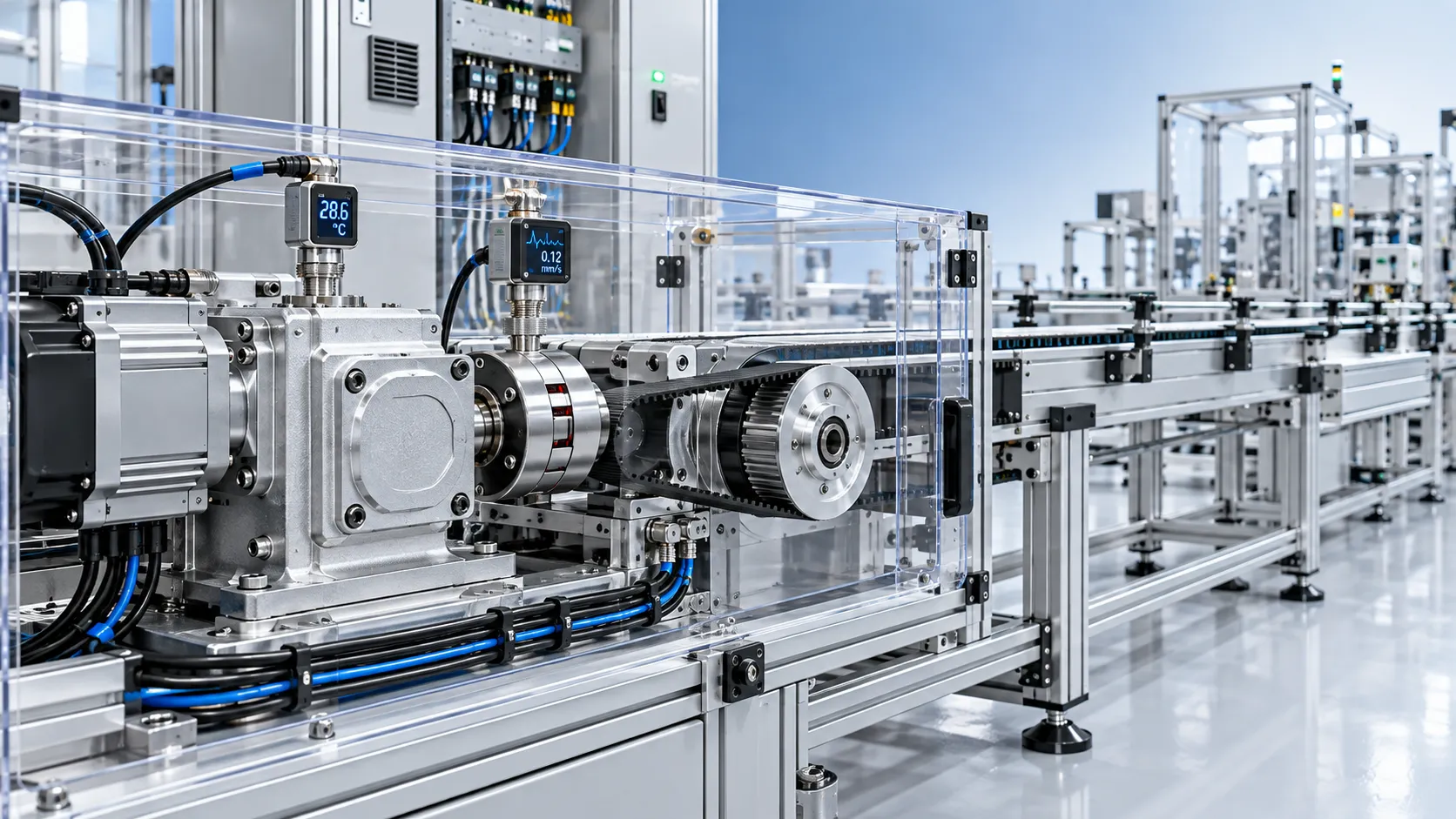
Selecting Smart Transmission Modules for Automated Lines: Control, Load, and Safety
Smart transmission modules for automated lines: evaluate control compatibility, real load demands, safety boundaries, and predictive maintenance value for reliable performance.