
Industry News
Curation by industry experts
Hot Articles
- Commercial InsightsIndustrial Materials Engineering: Selecting Materials for Heat, Wear, and Corrosion
- Mechanical SealsWhich New Seal Materials Perform Best in High-Pressure, High-Temperature Service?
- Evolutionary TrendsIndustrial Economy Trends Shaping Capital Investment and Supply Chain Risk in 2026
Popular Tags
How to compare heavy equipment transmission components
Choosing the right heavy equipment transmission components affects uptime, repair frequency, and total lifecycle cost. A weak comparison process often leads to early wear, energy loss, and avoidable downtime.
In industrial fleets, construction systems, mining machines, and material handling lines, transmission performance shapes daily output. That is why comparing heavy equipment transmission components requires more than a price check.
A sound evaluation should review torque demand, material strength, sealing quality, lubrication behavior, fit tolerance, and supplier consistency. This guide outlines a practical path for comparing heavy equipment transmission components in demanding environments.
Understanding heavy equipment transmission components
Heavy equipment transmission components transfer power from the prime mover to the working system. They regulate speed, torque, direction, and mechanical efficiency under high load conditions.
This category often includes gears, shafts, bearings, couplings, clutches, seals, sprockets, drive chains, belts, gear reducers, and related housings. Each part influences reliability and energy use.
When comparing heavy equipment transmission components, the goal is not simply to find the strongest part. The goal is to match component capability with operating stress, service intervals, and system design.
Core comparison dimensions
- Load capacity and torque transmission stability
- Material grade, heat treatment, and surface hardness
- Sealing performance against dust, mud, moisture, and chemicals
- Lubrication requirements and friction control
- Dimensional accuracy and installation compatibility
- Maintenance cycle, parts availability, and supplier documentation
Industry context and current evaluation priorities
Across the broader industrial market, buyers now compare heavy equipment transmission components through a lifecycle lens. Rising energy costs and tighter maintenance windows have changed selection criteria.
Three market trends are especially important. First, heavier duty cycles demand better metallurgy. Second, digital maintenance planning rewards predictable wear behavior. Third, contamination control is receiving greater attention.
These shifts explain why heavy equipment transmission components are now reviewed as strategic assets, not only spare parts. Better comparison methods improve productivity across construction, mining, agriculture, and industrial processing.
Key factors for comparing component performance
Material durability and manufacturing quality
Material choice is central when evaluating heavy equipment transmission components. Alloy composition, forging quality, heat treatment depth, and machining accuracy all influence fatigue resistance and shock tolerance.
Surface finishing also matters. A polished contact area can reduce friction and wear. In gears and shafts, poor finishing may accelerate pitting, scoring, and uneven load distribution.
Load capacity and operating profile
Do not compare only rated maximum load. Review continuous load, peak load, shock load, speed range, and start-stop frequency. Real operating profiles often differ from catalog summaries.
Heavy equipment transmission components used in crushers or excavators face different stress patterns than those used in conveyors or forestry machines. Context determines the right performance threshold.
Sealing and contamination control
Dust, slurry, water, and abrasive particles shorten component life quickly. Compare seal material, lip design, pressure tolerance, and resistance to thermal cycling before final selection.
For many heavy equipment transmission components, seal failure starts a chain reaction. Lubricant escapes, contaminants enter, friction rises, and adjacent parts wear faster than expected.
Compatibility and dimensional fit
Exact fit reduces installation errors and misalignment. Compare shaft diameter, bore tolerance, keyway standards, housing interfaces, mounting geometry, and service access space.
Even high-grade heavy equipment transmission components can underperform if paired with mismatched housings or improper couplings. Dimensional review should always precede commercial comparison.
Business value of a structured comparison process
A structured method for comparing heavy equipment transmission components improves more than technical selection. It supports budget control, inventory planning, maintenance forecasting, and supplier risk reduction.
In many operations, a lower purchase price is offset by shorter service life. Repeated replacement, unscheduled labor, and production interruption can greatly exceed the initial savings.
Using lifecycle thinking helps rank heavy equipment transmission components by total value. This includes operating efficiency, expected replacement intervals, lubrication cost, and downtime exposure.
- Lower failure frequency in high-load applications
- More stable maintenance budgeting
- Better spare parts standardization across fleets
- Improved energy efficiency through reduced friction loss
- Stronger traceability for compliance and audits
Typical component categories and comparison points
This category-based approach makes it easier to compare heavy equipment transmission components across mixed fleets and multiple operating sites. It also improves internal specification consistency.
Practical evaluation steps before purchase
- Map the actual operating load, environment, and duty cycle.
- Collect technical drawings, tolerances, and replacement history.
- Compare materials, coatings, and heat treatment documents.
- Review sealing design for dust, moisture, and chemical exposure.
- Check certification, traceability, and inspection procedures.
- Estimate lifecycle cost, not only purchase price.
- Request performance data from comparable field applications.
Supplier evaluation is equally important when sourcing heavy equipment transmission components. Consistent quality control, stable lead times, technical support, and after-sales response all affect final value.
It is also wise to verify whether the supplier can support standardization across several machine platforms. Fewer variants can reduce storage pressure and simplify maintenance planning.
Common mistakes and final action path
A frequent mistake is selecting heavy equipment transmission components only by unit cost. Another is ignoring contamination risk, fit tolerance, or lubrication demands during technical review.
It is also risky to compare components from incomplete data sheets. Without hardness values, service limits, seal information, and test evidence, true comparison becomes difficult.
A practical next step is to build a comparison checklist for heavy equipment transmission components. Include torque, material, seal type, dimensions, maintenance interval, warranty, and documented field performance.
For organizations tracking global industrial intelligence, platforms such as GPT-Matrix can support faster benchmarking by connecting transmission technology trends with sourcing and reliability decisions.
When heavy equipment transmission components are compared with technical discipline and lifecycle logic, equipment runs longer, service becomes more predictable, and procurement outcomes gain measurable long-term value.
Recommended News
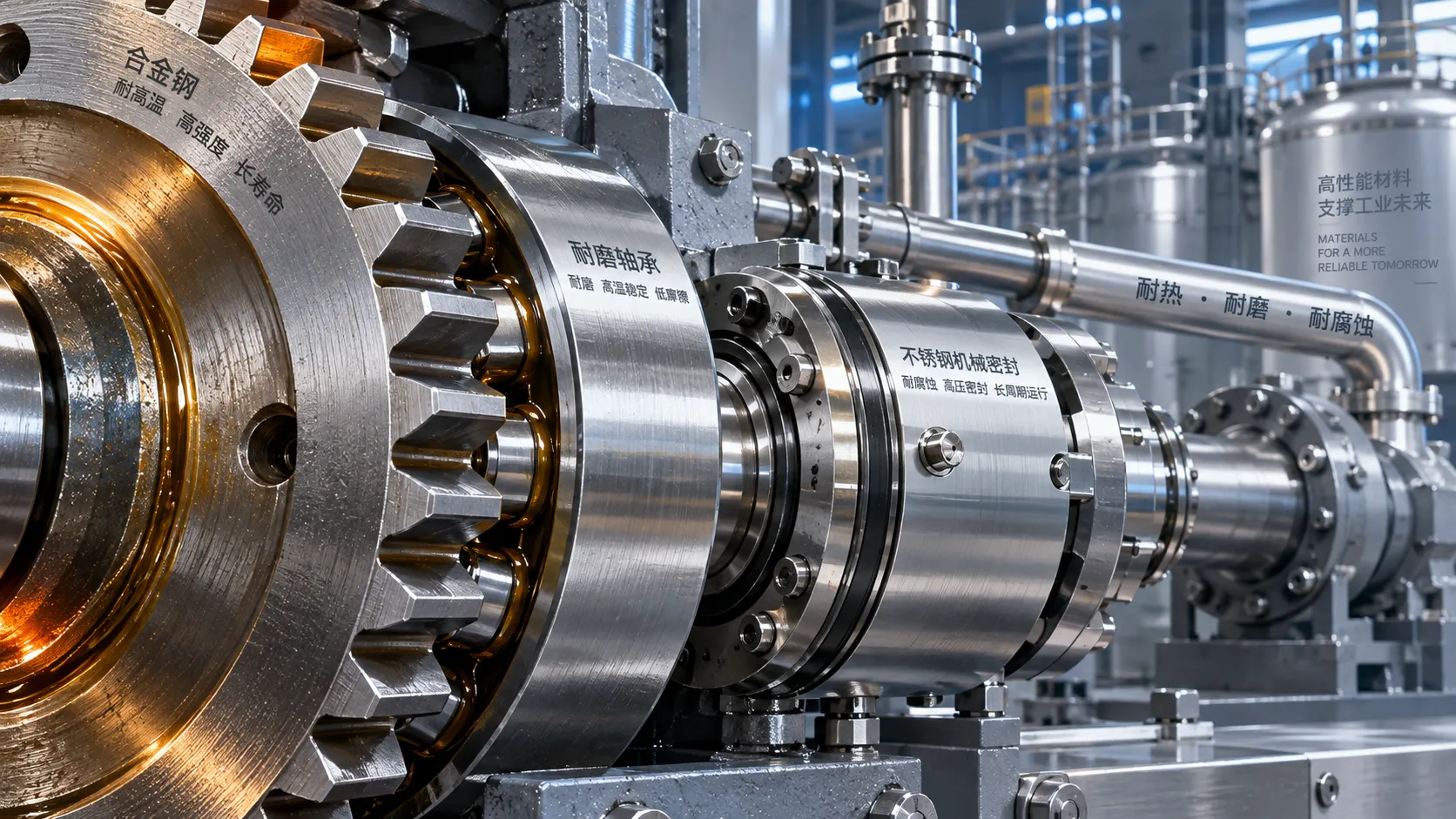
Industrial Materials Engineering: Selecting Materials for Heat, Wear, and Corrosion
Industrial materials engineering guide to selecting reliable materials for heat, wear, and corrosion—improve component life, uptime, and lifecycle value.
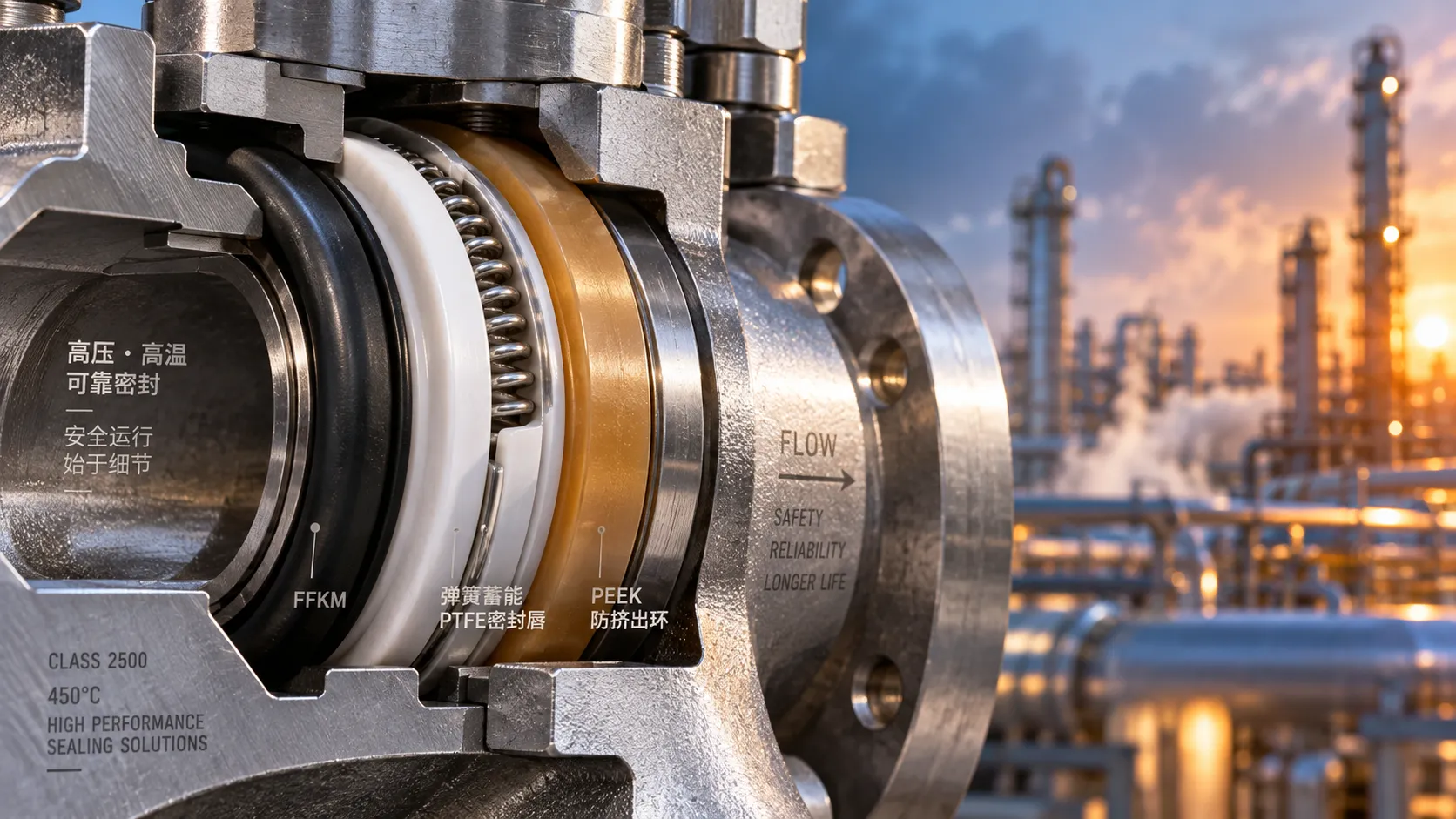
Which New Seal Materials Perform Best in High-Pressure, High-Temperature Service?
Industrial material breakthroughs for seals: compare FFKM, filled PTFE, PEEK, graphite, and metal options for reliable high-pressure, high-temperature service.
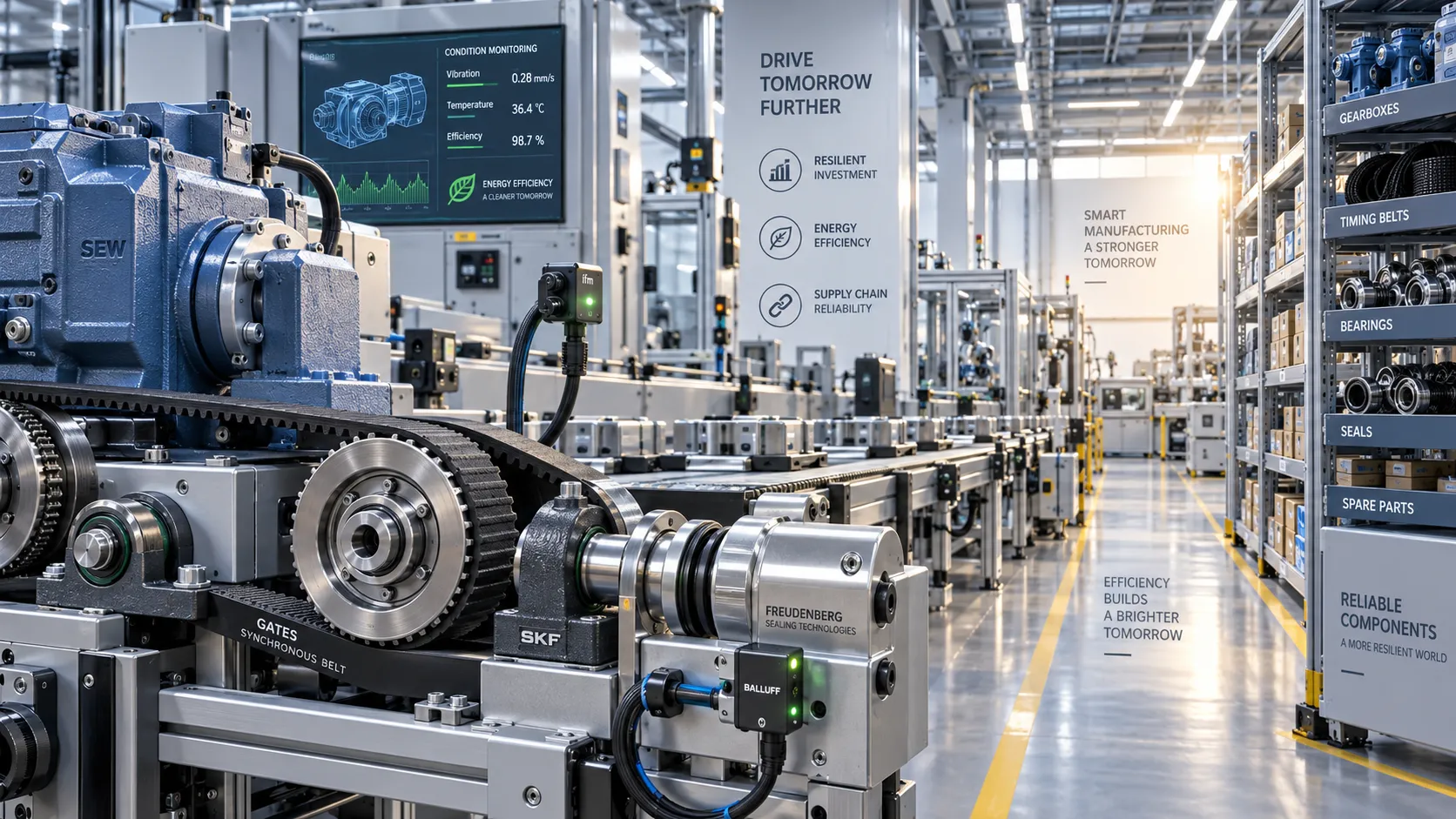
Industrial Economy Trends Shaping Capital Investment and Supply Chain Risk in 2026
Industrial economy trends for 2026 reveal how resilient capital investments, energy efficiency, and supply-chain strategies can protect uptime and strengthen returns.
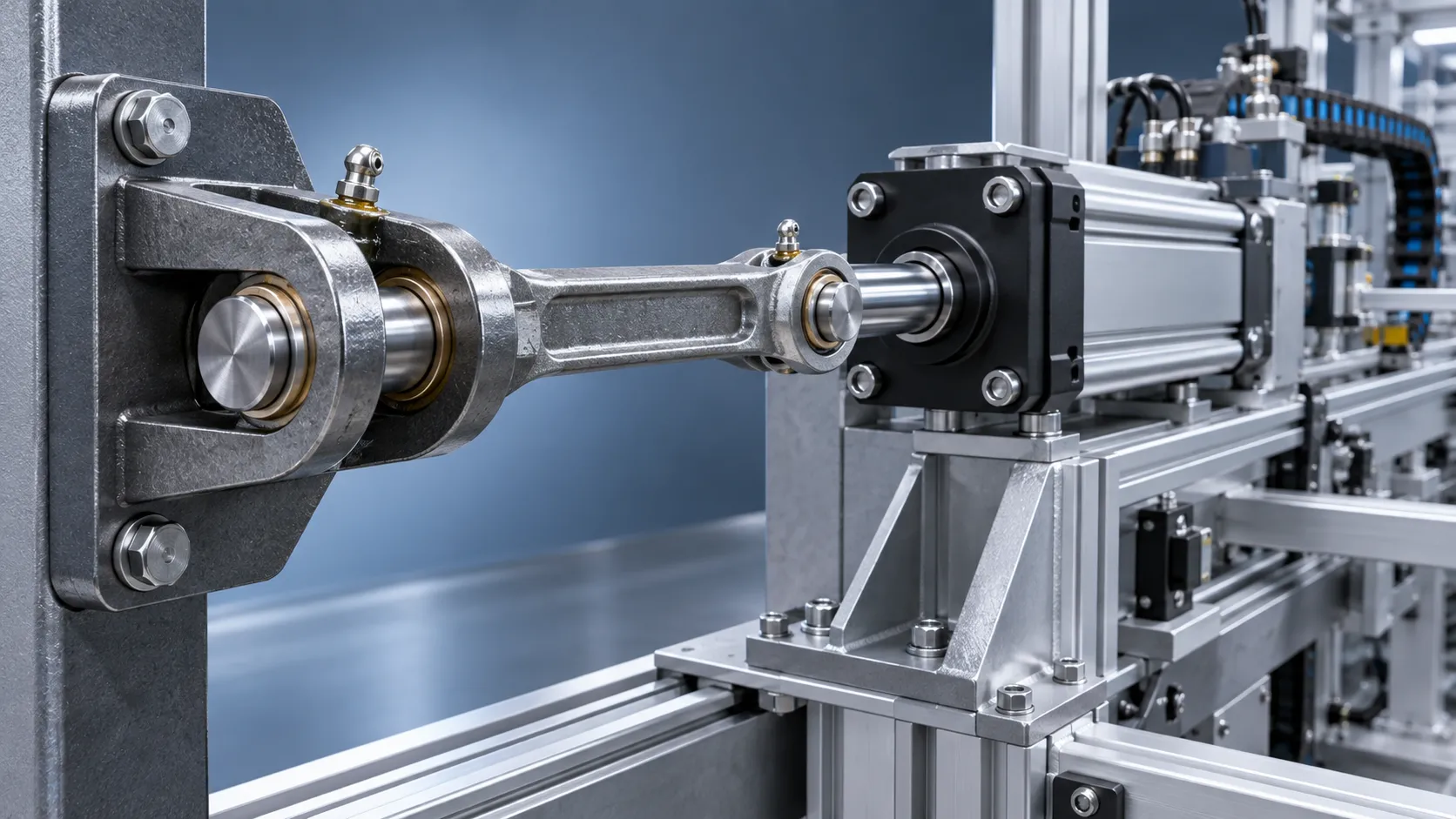
Mechanical Linkage Design: How to Balance Load Capacity, Motion Accuracy, and Wear
Mechanical linkage design guide: balance load capacity, motion accuracy, and wear with practical insights on geometry, joints, tolerances, lubrication, and service life.

How Precision Automated Production Improves Quality Control in High-Volume Assembly
Precision automated production strengthens quality control in high-volume assembly with real-time verification, traceability, and safer defect containment.
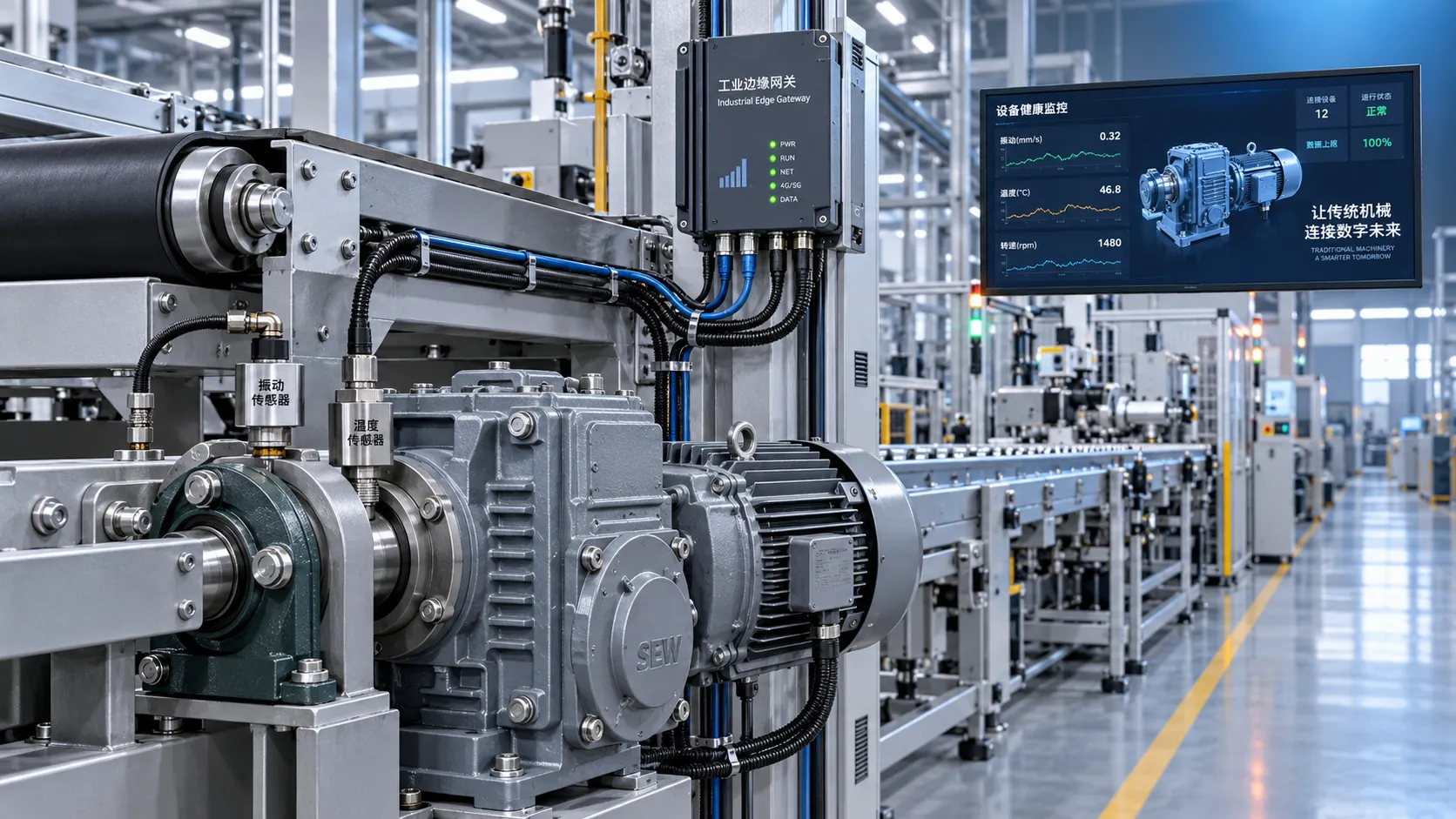
Industry 4.0 Integration: A Roadmap for Connecting Legacy Machines and Data
Industry 4.0 integration roadmap for connecting legacy machines, improving data visibility, reducing downtime, and scaling secure, measurable operational performance.
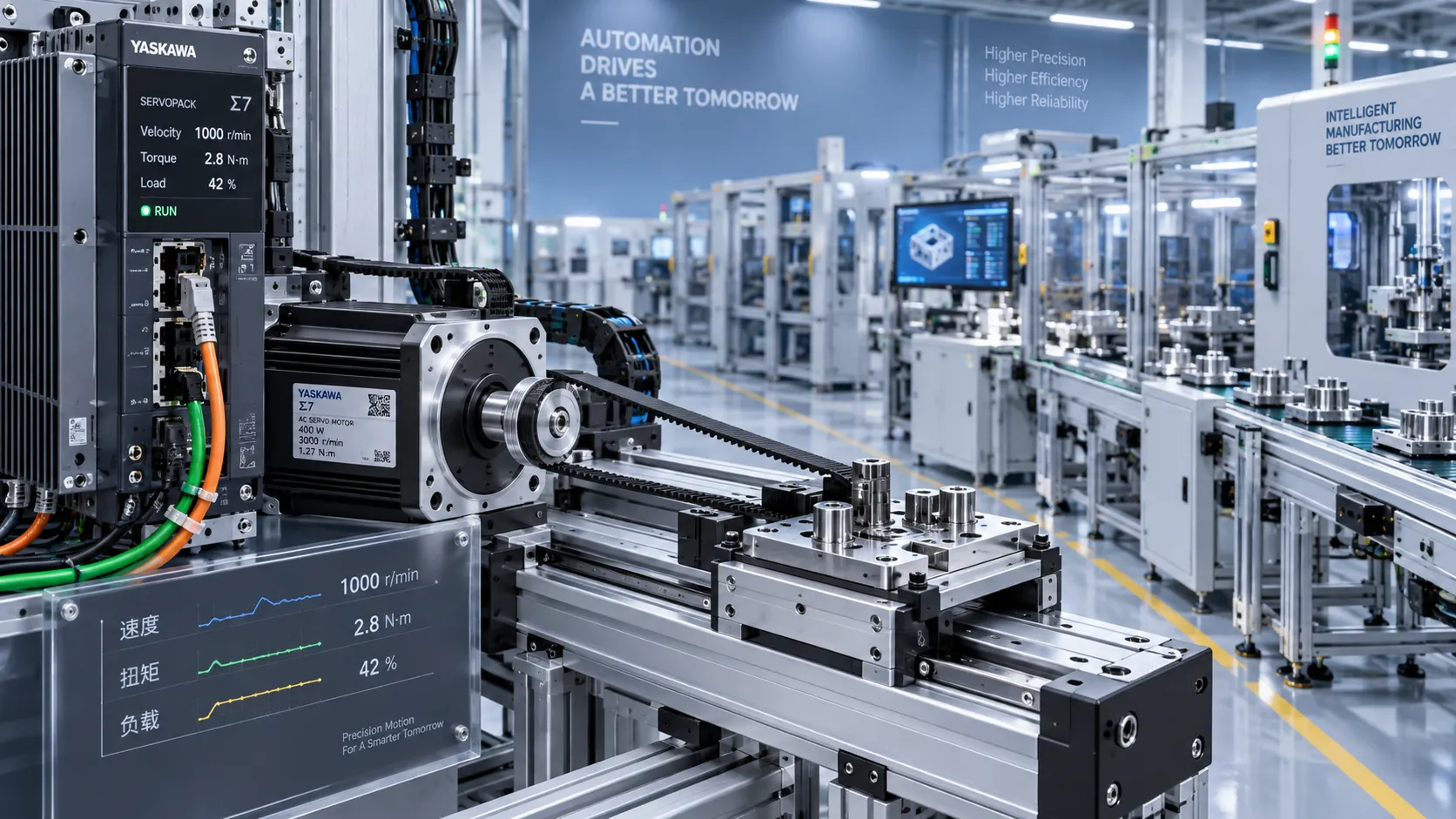
Servo Drive Comparison: Selecting Motion Control for Speed, Torque, and Load
Technical product comparison servo drives: evaluate speed, torque, inertia, safety, and control integration to select a reliable motion system with proven performance margins.

Industrial Automation Technology: How to Prioritize Upgrades by ROI and Downtime Risk
Industrial automation technology upgrades: learn to rank projects by ROI, bottleneck exposure, and downtime risk to reduce losses and make smarter capital decisions.

Selecting Low-Maintenance Chain Components for Dusty, High-Load Conveyors
Low maintenance chain components for dusty, high-load conveyors: compare seals, lubrication, materials, sprockets, and load capacity to reduce wear and downtime.