
Industry News
Curation by industry experts
Hot Articles
Popular Tags
Green manufacturing technologies that cut compliance pressure
As regulatory demands tighten and energy costs remain volatile, green manufacturing technologies are becoming a strategic priority for industrial leaders. For decision-makers navigating compliance, productivity, and long-term competitiveness, the right mix of efficient transmission systems, advanced materials, and data-driven upgrades can reduce environmental pressure while strengthening operational resilience across modern manufacturing.
Green manufacturing technologies are shifting from optional upgrades to operating essentials
Across industrial sectors, compliance pressure no longer comes from one source. It now combines emissions targets, energy audits, waste controls, traceability demands, and customer sustainability expectations.
That shift is changing how facilities evaluate equipment, maintenance plans, and capital investment. Green manufacturing technologies are now linked to risk reduction as much as environmental performance.
In many plants, the biggest opportunities are not dramatic rebuilds. They often start with transmission efficiency, sealing reliability, lubrication control, motor optimization, and digital visibility.
This matters in a comprehensive industry context because every production system depends on connected mechanical assets. Belts, couplings, reducers, bearings, and seals directly affect power use and waste generation.
The strongest trend signals show green manufacturing technologies moving deeper into core operations
Several market signals suggest that green manufacturing technologies are entering a more practical and measurable phase. The focus is shifting from public commitments to operational proof.
- Energy management is becoming equipment-level, not only site-level.
- Lifecycle efficiency is replacing lowest-price sourcing in critical components.
- Leak prevention and contamination control are gaining compliance value.
- Digital monitoring is supporting environmental reporting and maintenance decisions.
- Material selection is increasingly judged by durability, recyclability, and process compatibility.
These signals are especially visible in power transmission and motion systems. Small efficiency losses across rotating assets can create large annual energy penalties and added reporting pressure.
GPT-Matrix closely observes this intersection between mechanical performance and sustainability. The data increasingly shows that efficient mechanical architecture supports both compliance resilience and cost control.
Why compliance pressure is accelerating investment in green manufacturing technologies
The drivers behind green manufacturing technologies are broad, but they follow a clear industrial logic. Environmental performance now affects profitability, continuity, and market access.
This is why green manufacturing technologies are increasingly judged by measurable industrial outcomes. Reduced friction, lower leakage, longer service intervals, and better energy transfer all count.
The most effective green manufacturing technologies often begin with mechanical efficiency
Many sustainability plans focus first on energy generation or carbon accounting. Yet the fastest operational gains often come from improving how power is transmitted, converted, and retained.
High-efficiency transmission components reduce hidden energy loss
Drive belts, gear reducers, couplings, and bearings influence how much motor output becomes useful work. Poor alignment, excessive friction, or worn components quietly increase energy consumption.
Upgrading to precision-engineered transmission systems can lower drag and stabilize performance. That supports green manufacturing technologies by cutting waste without sacrificing throughput.
Advanced sealing systems help control emissions, leaks, and contamination
Sealing technology is often underestimated in sustainability planning. Mechanical seals, gaskets, and related solutions directly affect fluid loss, lubricant retention, and contamination risk.
In regulated environments, better sealing can reduce spill events, maintenance waste, and reporting exposure. It also supports equipment reliability under demanding temperature and pressure conditions.
Smart monitoring turns green manufacturing technologies into verifiable action
Sensors, condition monitoring, and analytics help facilities detect inefficiency before failure occurs. They also create evidence for maintenance optimization and environmental performance reviews.
This is where industrial intelligence platforms add value. Insights on wear trends, lubrication behavior, and component life cycles can guide practical low-risk improvements.
The impact of green manufacturing technologies extends across multiple business functions
The influence of green manufacturing technologies is no longer limited to environmental teams. Their effects are spreading across planning, maintenance, sourcing, finance, and customer-facing operations.
- Operations gain from lower energy intensity and fewer unplanned stoppages.
- Maintenance benefits from predictive interventions and longer component life.
- Sourcing gains better lifecycle visibility when comparing technical alternatives.
- Compliance functions receive stronger documentation and traceable improvements.
- Commercial teams can support customer requirements with credible performance data.
In integrated manufacturing environments, one improvement often creates multiple benefits. A more efficient reducer, for example, can reduce power draw, stabilize output, and lengthen maintenance cycles.
That interconnected value is why green manufacturing technologies deserve cross-functional evaluation rather than isolated environmental review.
The next wave of green manufacturing technologies will favor durability, data, and system integration
The next stage is unlikely to be defined by single technologies alone. It will be shaped by how mechanical systems, digital tools, and material innovations work together inside real production constraints.
Three patterns are becoming clearer. First, durable components will matter more because replacement frequency carries both cost and environmental weight.
Second, data quality will become central. Facilities need trustworthy information to prove that green manufacturing technologies are delivering reductions, not just promises.
Third, integration will outperform isolated upgrades. Efficient motors, optimized reducers, advanced seals, and monitoring systems create stronger results when engineered as a connected whole.
Key priorities now deserve closer attention before compliance costs rise further
The most useful response is disciplined prioritization. Not every site needs a full transformation at once, but every site can identify pressure points with meaningful payback.
- Map energy loss across transmission, motion, and fluid-handling assets.
- Review leak-prone systems and sealing performance under actual loads.
- Compare component price against service life and maintenance burden.
- Use monitoring data to rank upgrades by risk and return.
- Align technical changes with reporting requirements and audit readiness.
- Track supplier intelligence on materials, reliability, and efficiency trends.
These priorities support a realistic path toward green manufacturing technologies that cut compliance pressure while improving plant resilience.
A practical response plan can turn green manufacturing technologies into measurable advantage
The strongest approach is to start where mechanical inefficiency and compliance exposure overlap. That is where green manufacturing technologies usually produce the most defendable returns.
A reliable intelligence base also matters. Platforms such as GPT-Matrix help connect material science, transmission logic, and market signals into decisions that are technically sound and commercially relevant.
Green manufacturing technologies are no longer just environmental upgrades. They are becoming a disciplined strategy for reducing compliance pressure, strengthening equipment reliability, and improving industrial competitiveness.
The next practical step is simple: identify the assets creating the most energy loss, leakage risk, or maintenance waste, then prioritize upgrades supported by measurable data and lifecycle intelligence.
Recommended News
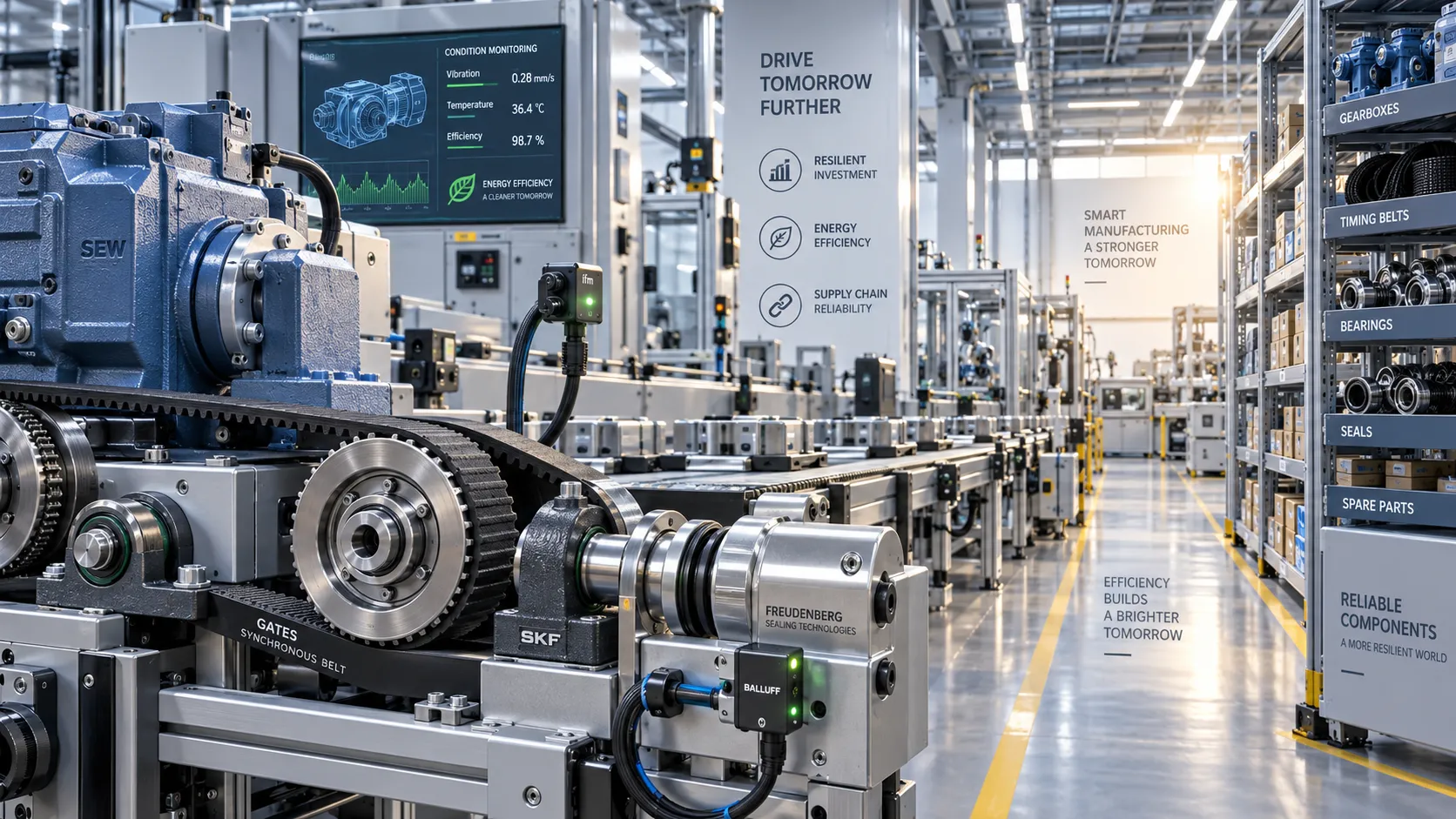
Industrial Economy Trends Shaping Capital Investment and Supply Chain Risk in 2026
Industrial economy trends for 2026 reveal how resilient capital investments, energy efficiency, and supply-chain strategies can protect uptime and strengthen returns.
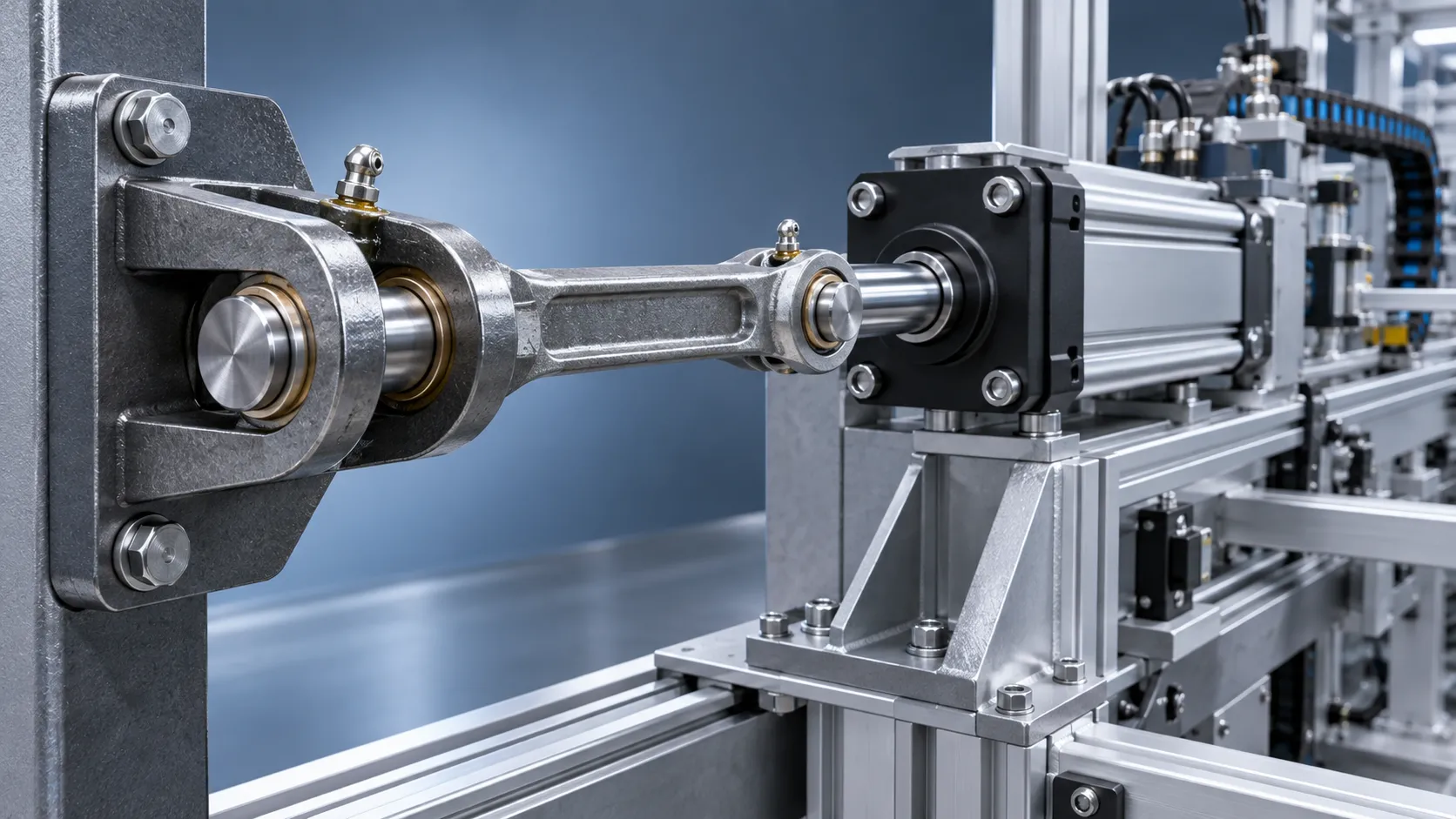
Mechanical Linkage Design: How to Balance Load Capacity, Motion Accuracy, and Wear
Mechanical linkage design guide: balance load capacity, motion accuracy, and wear with practical insights on geometry, joints, tolerances, lubrication, and service life.
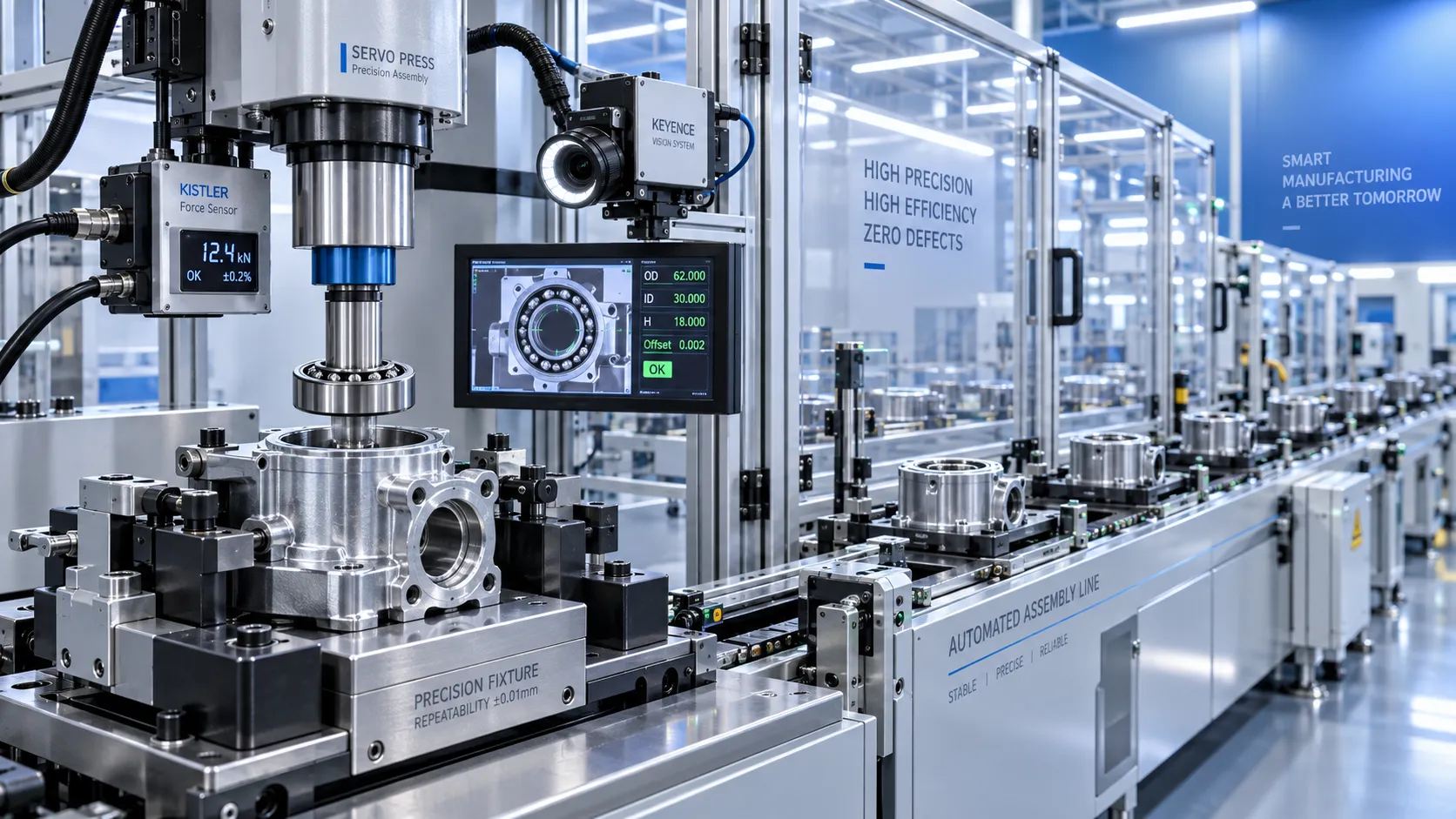
How Precision Automated Production Improves Quality Control in High-Volume Assembly
Precision automated production strengthens quality control in high-volume assembly with real-time verification, traceability, and safer defect containment.
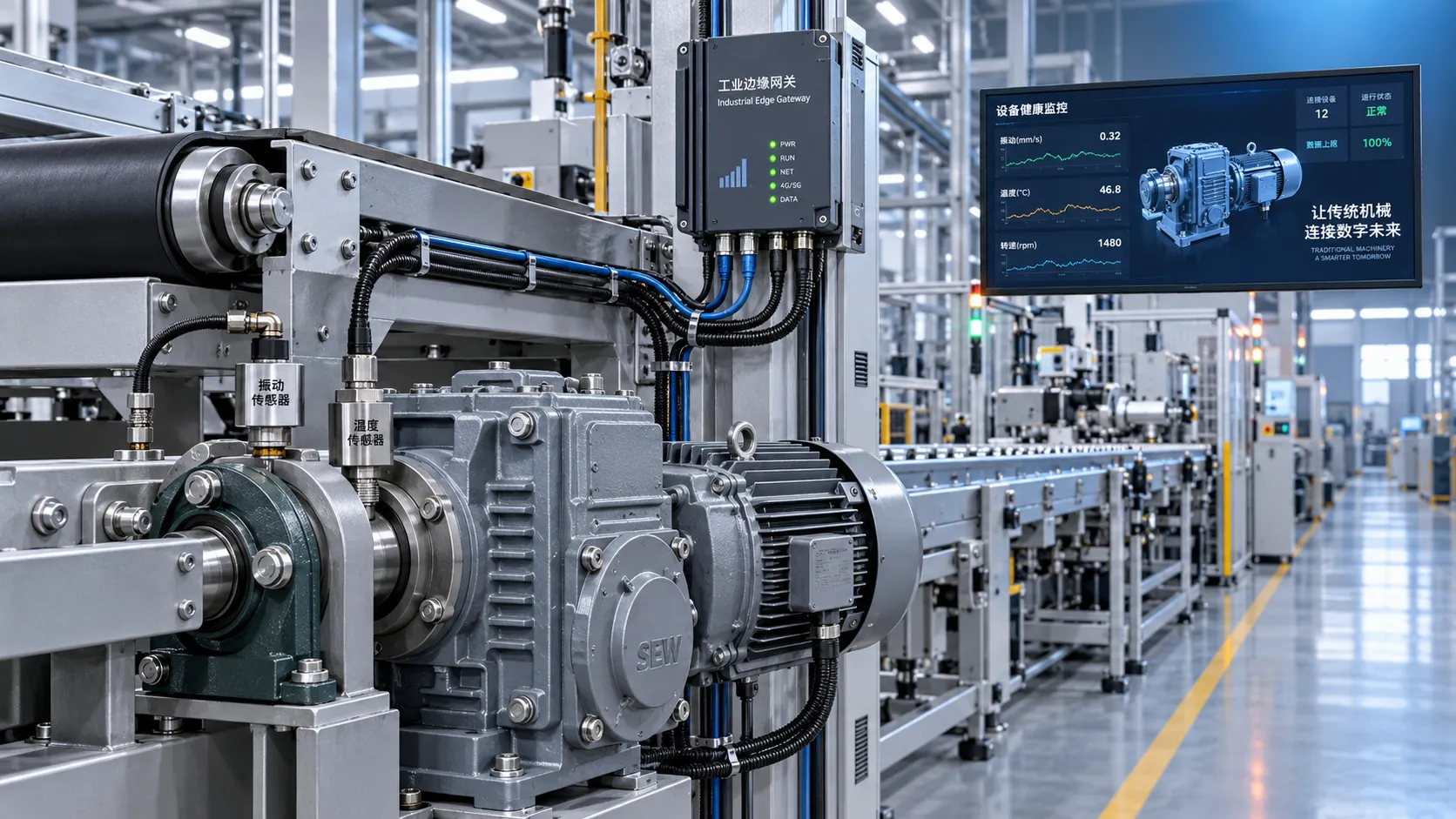
Industry 4.0 Integration: A Roadmap for Connecting Legacy Machines and Data
Industry 4.0 integration roadmap for connecting legacy machines, improving data visibility, reducing downtime, and scaling secure, measurable operational performance.
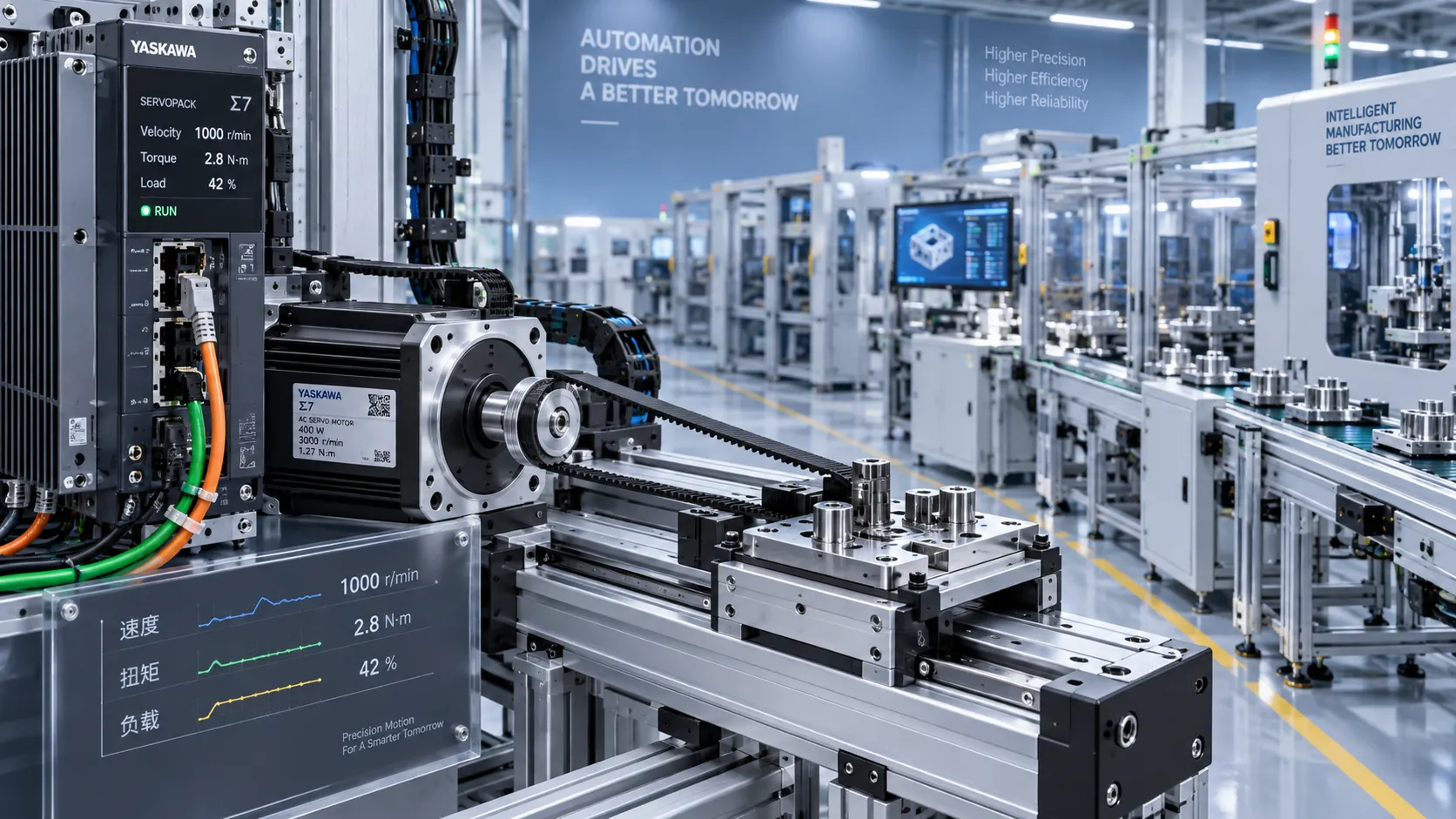
Servo Drive Comparison: Selecting Motion Control for Speed, Torque, and Load
Technical product comparison servo drives: evaluate speed, torque, inertia, safety, and control integration to select a reliable motion system with proven performance margins.
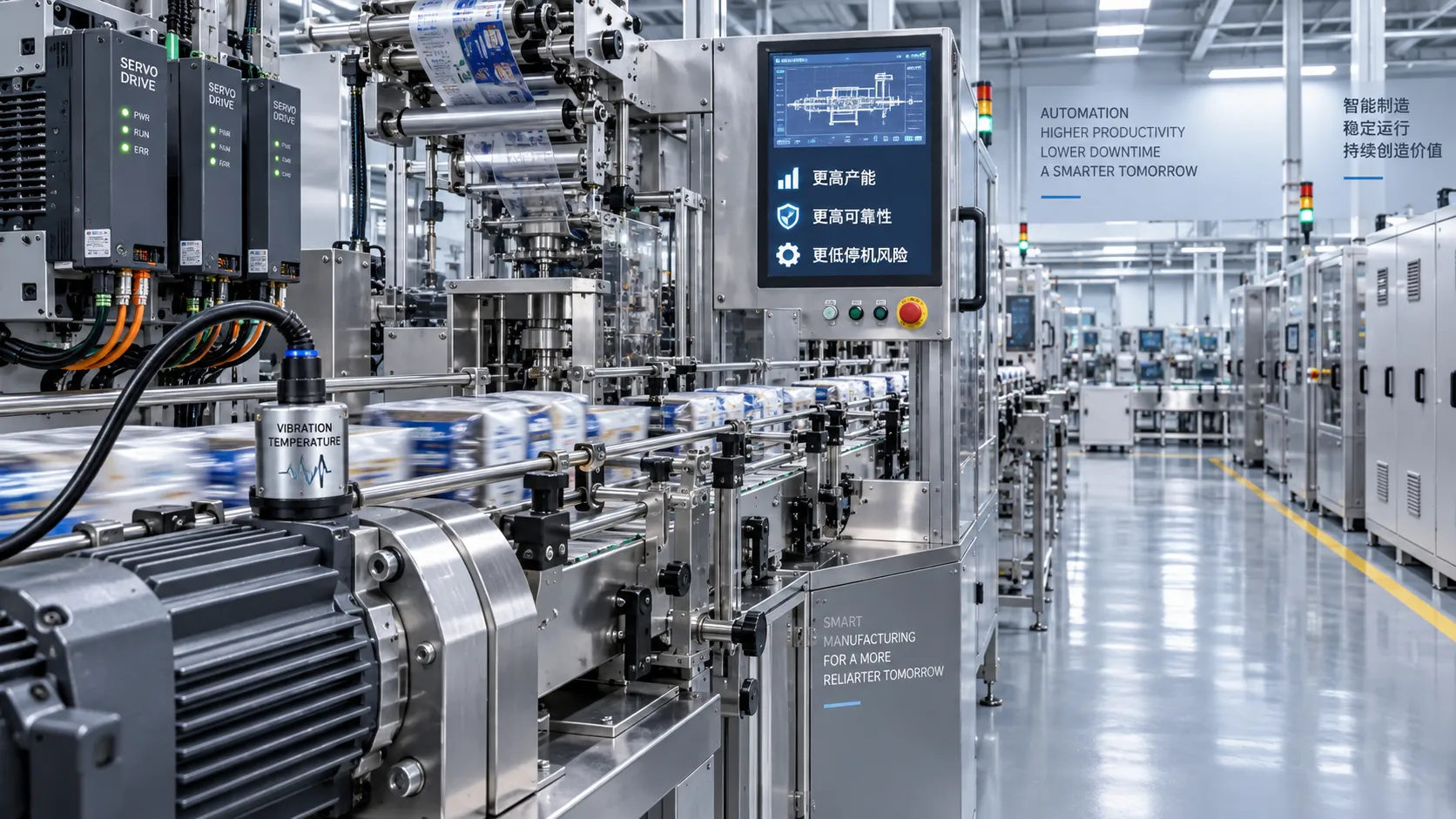
Industrial Automation Technology: How to Prioritize Upgrades by ROI and Downtime Risk
Industrial automation technology upgrades: learn to rank projects by ROI, bottleneck exposure, and downtime risk to reduce losses and make smarter capital decisions.
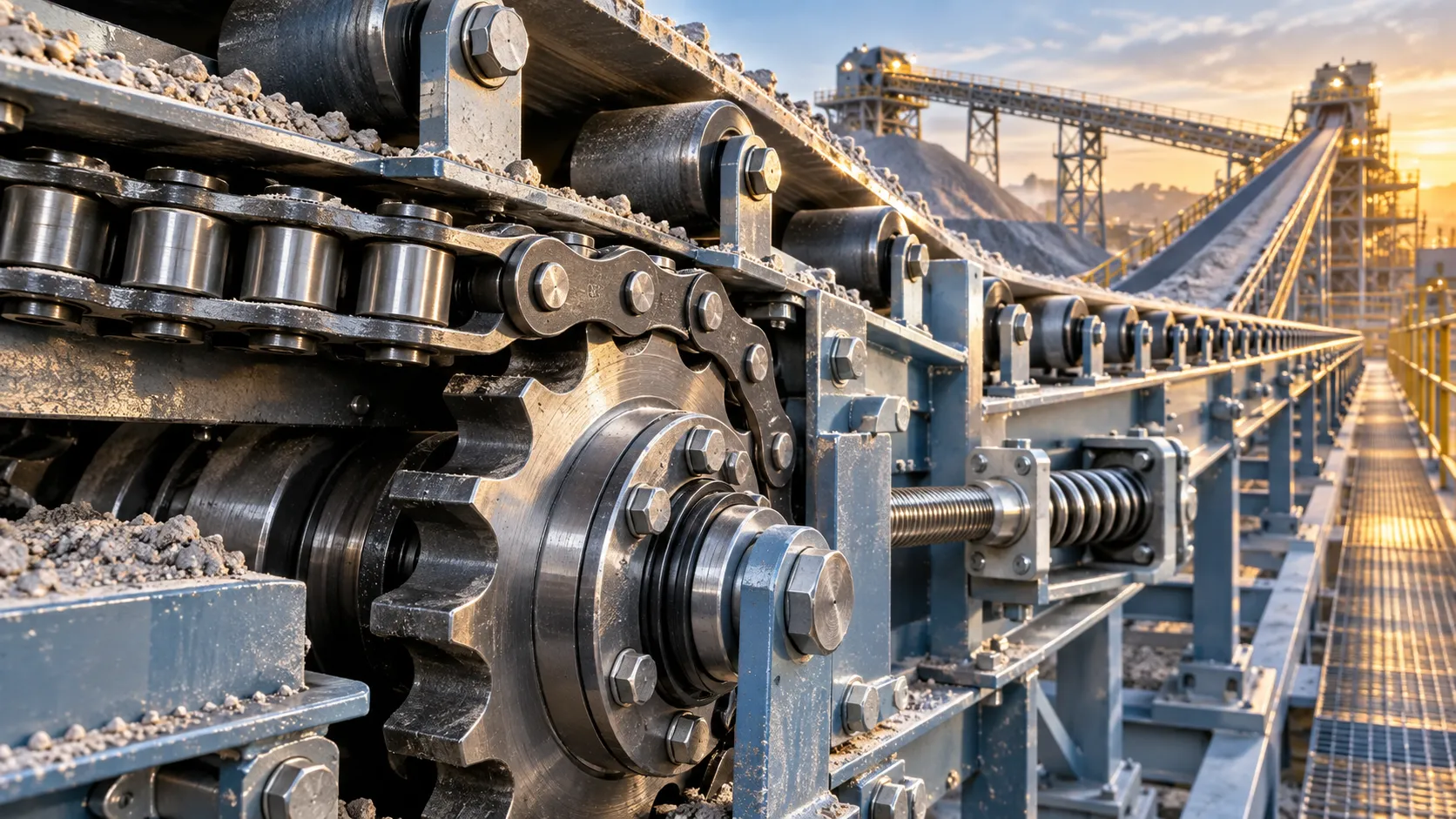
Selecting Low-Maintenance Chain Components for Dusty, High-Load Conveyors
Low maintenance chain components for dusty, high-load conveyors: compare seals, lubrication, materials, sprockets, and load capacity to reduce wear and downtime.
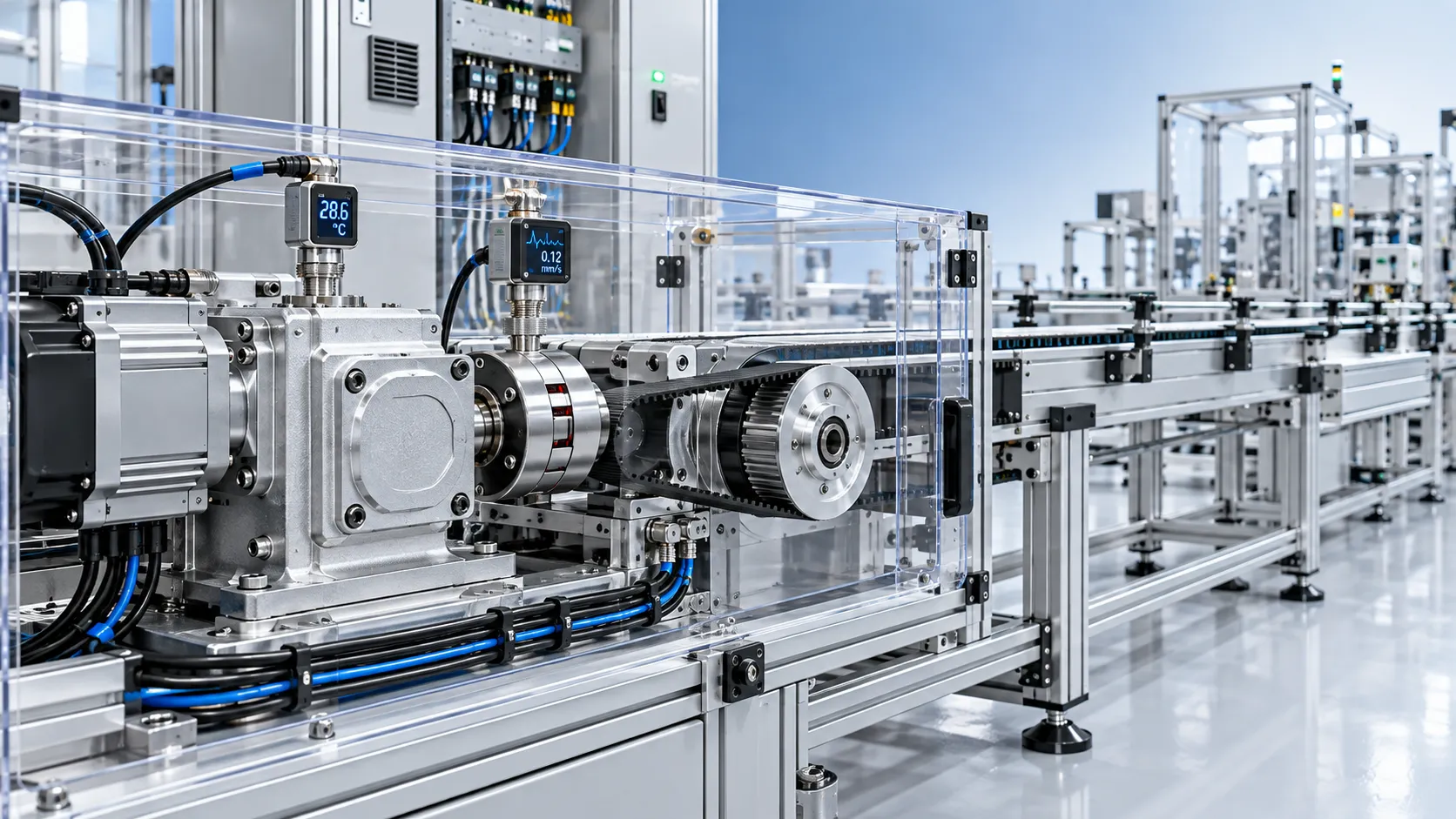
Selecting Smart Transmission Modules for Automated Lines: Control, Load, and Safety
Smart transmission modules for automated lines: evaluate control compatibility, real load demands, safety boundaries, and predictive maintenance value for reliable performance.
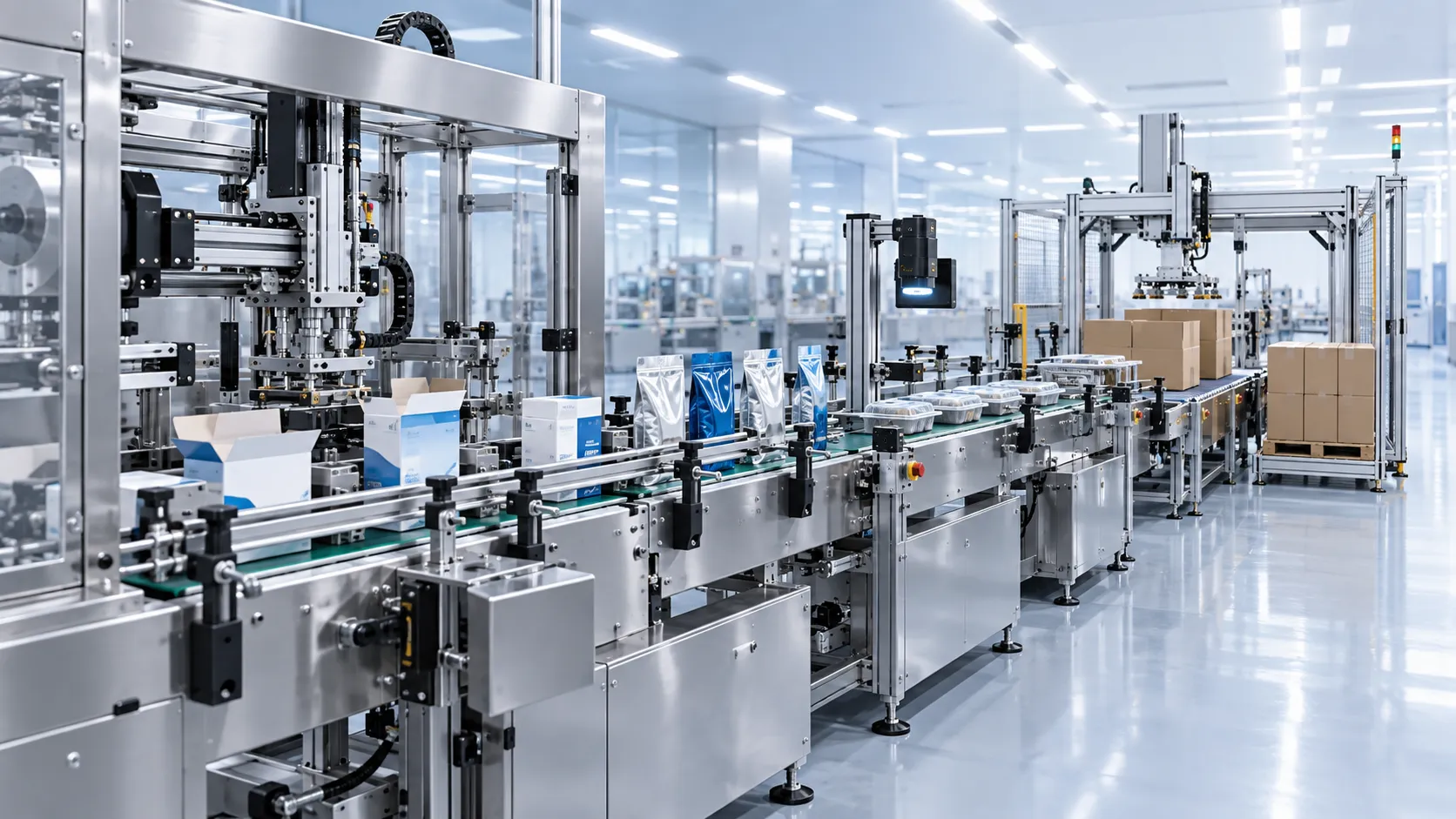
How to Assess Automated Packaging Production for High-Mix Manufacturing Lines
Automated production for packaging: assess changeovers, flexibility, controls, reliability, and lifecycle cost to build high-mix lines that deliver stable output.