
Industry News
Curation by industry experts
Hot Articles
Popular Tags
How the global industrial supply chain shifts sourcing risk
As the global industrial supply chain continues to shift under pressure from energy volatility, raw material disruptions, and regional policy changes, sourcing risk has become a critical concern for business evaluation professionals. Understanding how these forces reshape supplier reliability, cost structures, and component availability is essential for making smarter procurement and investment decisions in modern industrial markets.
Why is the global industrial supply chain creating new sourcing risk?
For business evaluation teams, sourcing risk is no longer a narrow purchasing issue. It now affects margin forecasts, project timing, supplier solvency, maintenance planning, and even the bankability of industrial expansion projects.
The global industrial supply chain has become more fragmented and more regional at the same time. Companies are diversifying suppliers across countries, yet they are also facing localized shocks such as export controls, port congestion, labor shortages, and sudden energy price spikes.
This is especially important in industrial power transmission, motion control, and sealing systems. A delay in belts, reducers, bearings, couplings, seals, or related materials can interrupt production lines, postpone equipment commissioning, and inflate lifecycle cost far beyond the original unit price.
- Energy volatility changes manufacturing cost by region, making a previously competitive supplier less viable within a quarter.
- Raw material disruption affects steel, elastomers, specialty polymers, and alloys used in mechanical transmission and sealing components.
- Regional policy shifts alter tariffs, customs lead times, and local content requirements, forcing procurement strategies to change quickly.
- Demand swings in automation, mining, energy, and heavy equipment sectors create allocation pressure for critical industrial parts.
In this environment, evaluating a supplier only by quoted price is risky. Decision-makers need visibility into the deeper operating logic of the global industrial supply chain, including material dependency, capacity resilience, and replacement flexibility.
What has changed compared with the old sourcing model?
Traditional sourcing favored long-term vendor concentration, annual price negotiation, and stable shipping assumptions. Today, resilience matters as much as cost, and dual-source readiness often matters more than nominal discounts.
Business evaluation professionals now need to ask whether a component can be sourced from alternate regions, whether the material recipe is geographically concentrated, and whether downstream maintenance teams can accept substitute specifications without reliability loss.
Which risk signals should business evaluation professionals track first?
The fastest way to improve sourcing decisions is to separate visible cost from hidden exposure. The table below highlights practical risk signals within the global industrial supply chain that deserve early attention during supplier screening and commercial review.
These signals matter because sourcing risk often emerges before failure reaches the production floor. Early evaluation allows companies to avoid emergency buying, excess expediting fees, and unplanned substitution decisions under time pressure.
Why do component categories matter?
Not all industrial items carry the same exposure. Standard fasteners may be replaceable in days, while engineered seals, synchronous belts, gear reducers, and precision motion parts may require validation, compatibility checks, and field reliability review.
For this reason, commercial teams should categorize purchases by operational criticality, substitution difficulty, and qualification burden, not just annual spend.
How does the global industrial supply chain affect cost, lead time, and reliability?
The most common mistake in industrial sourcing is treating cost, lead time, and reliability as separate variables. In reality, the global industrial supply chain links them tightly. A low-cost source may introduce longer transit time, higher safety stock, and more expensive downtime risk.
The comparison below shows how common sourcing models perform when supply conditions become unstable.
For business evaluation, the right question is not “Which source is cheapest?” but “Which source creates the best risk-adjusted total value?” That includes freight, warehousing, line stoppage probability, technical interchangeability, and warranty exposure.
What does this mean for industrial transmission and sealing parts?
These categories often sit at the intersection of material science and operating reliability. A change in elastomer formulation, heat treatment consistency, surface finish, or lubrication compatibility may alter service life even when the drawing looks unchanged.
That is why technical-commercial intelligence is so valuable. GPT-Matrix tracks not just market headlines, but also the deeper evolution of drive belts, gear reducers, and critical sealing technologies under real industrial conditions.
What procurement framework works best under shifting sourcing conditions?
When the global industrial supply chain becomes less predictable, procurement should move from static bidding to dynamic evaluation. This does not mean abandoning cost discipline. It means building a repeatable framework that connects technical risk with commercial decisions.
A practical five-step evaluation process
- Classify components by operational criticality, failure consequence, and replacement difficulty.
- Map supplier exposure to energy cost, raw material origin, and cross-border logistics dependency.
- Evaluate technical equivalence, including materials, tolerances, lubrication compatibility, and service environment.
- Compare total landed cost with downtime sensitivity and safety stock impact.
- Establish a monitoring cadence using lead time, on-time delivery, claims trend, and substitution readiness indicators.
This framework helps business evaluation professionals turn supply risk into measurable decision criteria. It also reduces conflict between procurement, engineering, operations, and finance because each function can see how trade-offs are being weighed.
Which questions should be asked before approving a supplier?
- Can the supplier explain the origin and volatility profile of its critical materials?
- Is there a validated second manufacturing site or a qualified backup route?
- What is the documented lead time under normal conditions and under allocation conditions?
- How are traceability, testing records, and change notifications managed?
- Which parts can be substituted quickly, and which require engineering approval or field validation?
How can GPT-Matrix support better sourcing decisions?
Business evaluation teams often have fragmented information. One source covers freight. Another covers price. A third covers technical trends. GPT-Matrix is designed to connect these layers for industrial decision-makers focused on transmission efficiency, component reliability, and commercial resilience.
Strategic value for commercial and sourcing review
- Latest sector news helps track energy cost shifts and raw material supply chain pressure before they fully reach quotation cycles.
- Evolutionary trend analysis clarifies where material breakthroughs or design changes may affect long-term sourcing assumptions.
- Commercial insights reveal structural demand patterns in automation lines and heavy equipment markets, helping teams judge whether shortages are temporary or systemic.
- Cross-disciplinary intelligence connects tribology, mechanical linkage performance, and industrial economics in one decision context.
This matters because the global industrial supply chain is not just a logistics system. It is a technical-commercial ecosystem. Understanding why a seal lasts longer, why a belt material changes, or why a reducer platform is digitizing can directly shape procurement risk and supplier strategy.
Where does this intelligence create the most value?
It is particularly useful when evaluating distributors, planning multi-region supply, benchmarking alternative component routes, or preparing sourcing decisions for plants exposed to tight maintenance windows and high downtime cost.
What compliance and qualification points are often overlooked?
In a shifting global industrial supply chain, many teams focus on availability first and compliance second. That sequence can create expensive problems later. For industrial components, documentation quality often predicts supply maturity.
The table below outlines common qualification checkpoints that support both sourcing continuity and commercial defensibility.
No single standard solves every sourcing problem, but disciplined documentation review reduces hidden risk. It is also essential when cross-functional teams must justify supplier approval to management, auditors, or project owners.
Common mistakes and FAQ about the global industrial supply chain
Is the lowest quote still a valid starting point?
Only if the item is truly non-critical and easily replaceable. In many industrial categories, the lowest quote ignores requalification cost, inventory burden, service life uncertainty, and emergency logistics exposure. A better starting point is total risk-adjusted cost.
How many suppliers should be qualified for critical components?
There is no universal number, but for critical transmission and sealing components, at least one credible alternative path is often prudent. That alternative may be a second supplier, a second plant, or an approved substitute specification depending on process sensitivity.
What is the biggest misconception about the global industrial supply chain?
Many assume disruption is mainly a logistics issue. In fact, the deeper problem often begins with material concentration, process capability, or changing sector demand. Logistics is simply where the stress becomes visible.
When should a buyer accept a substitute part?
Only after reviewing fit, function, material behavior, operating limits, and installation impact. For engineered parts, dimensional similarity alone is not enough. The greater the load, heat, speed, or sealing duty, the more careful the validation should be.
Why choose us for industrial sourcing intelligence and evaluation support?
GPT-Matrix helps business evaluation professionals make better decisions across the global industrial supply chain by connecting market movement, material evolution, mechanical performance, and commercial judgment in one place.
If you are assessing supplier stability, comparing sourcing regions, or reviewing industrial power transmission and sealing categories, you can consult us on practical issues that directly affect procurement outcomes.
- Parameter confirmation for application-sensitive components such as belts, reducers, couplings, and seals.
- Product selection support based on operating conditions, maintenance targets, and substitution constraints.
- Lead time and delivery-cycle assessment for multi-region sourcing plans.
- Custom evaluation frameworks for supplier comparison, risk scoring, and commercial review.
- Guidance on documentation readiness, compliance expectations, and sample support considerations.
- Quote communication support that balances price, reliability, and long-term supply continuity.
For companies facing sourcing pressure, delayed projects, or qualification uncertainty, timely intelligence can prevent costly reactive buying. GPT-Matrix is built to help you read the signals earlier, compare options more clearly, and act with greater confidence.
Recommended News
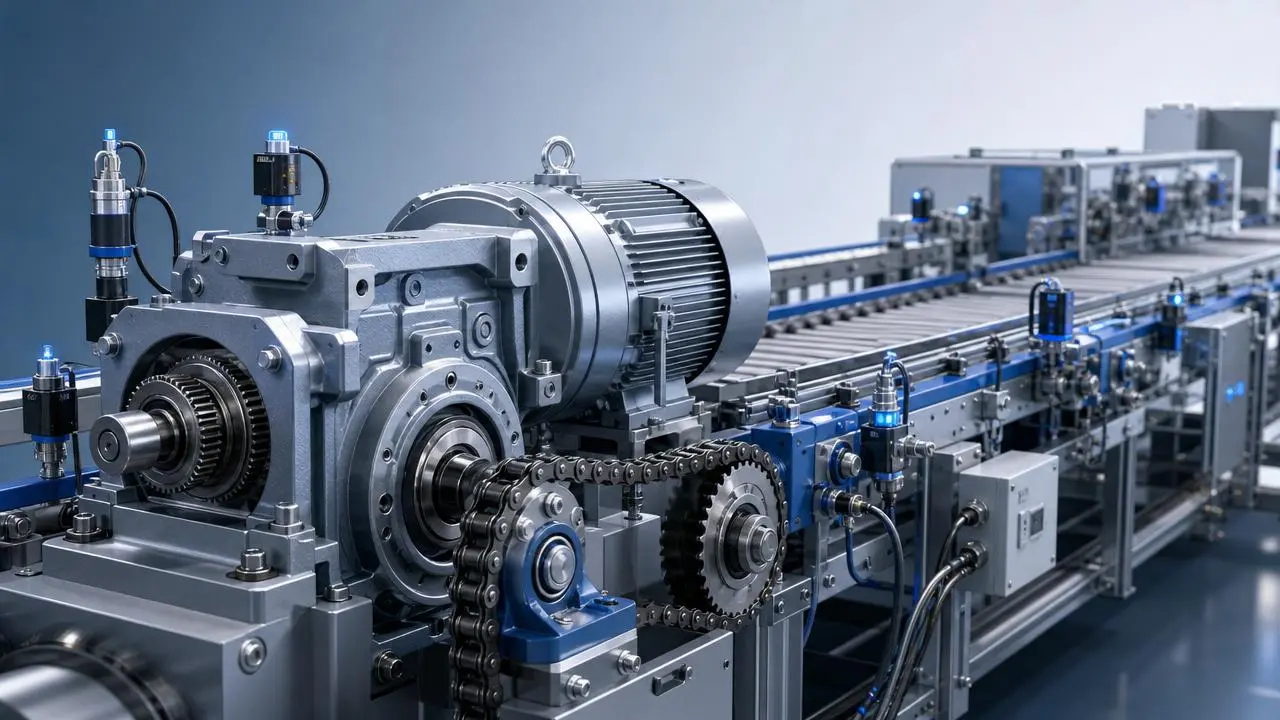
Is Industry 4.0 transmission worth the upgrade now?
Industry 4.0 transmission is worth the upgrade when downtime, energy loss, and maintenance risk keep rising. See how connected systems improve uptime, efficiency, and ROI.
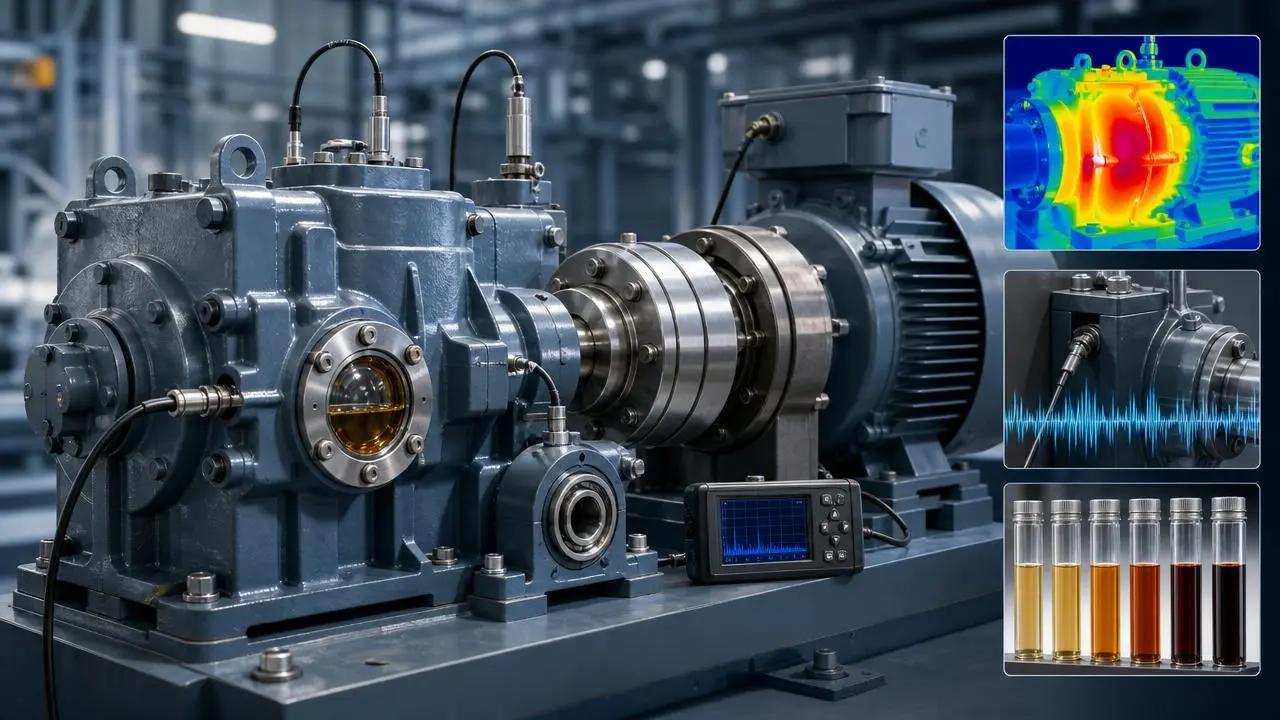
When heavy equipment transmission systems fail, what comes first?
Heavy equipment transmission systems often fail with heat, vibration, noise, or oil changes first. Learn how to spot early warning signs, cut downtime, and make smarter repair decisions.
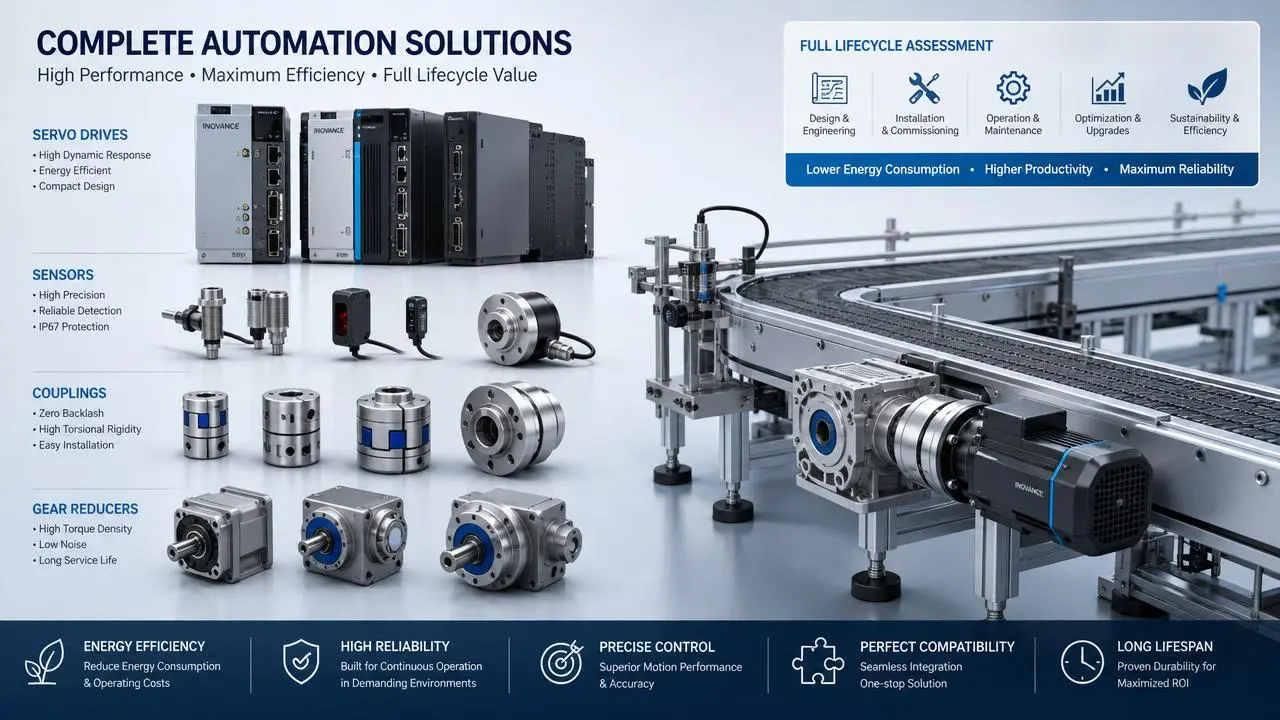
How to compare industrial automation components without overspending
Industrial automation components compared the smart way: learn how to reduce total cost, improve reliability, and avoid overspending with a practical, trend-aware selection framework.

What material science in transmission changes in real use
Material science in transmission changes dramatically in real use. Discover how heat, load, lubrication, and wear shape durability, efficiency, and smarter maintenance decisions.
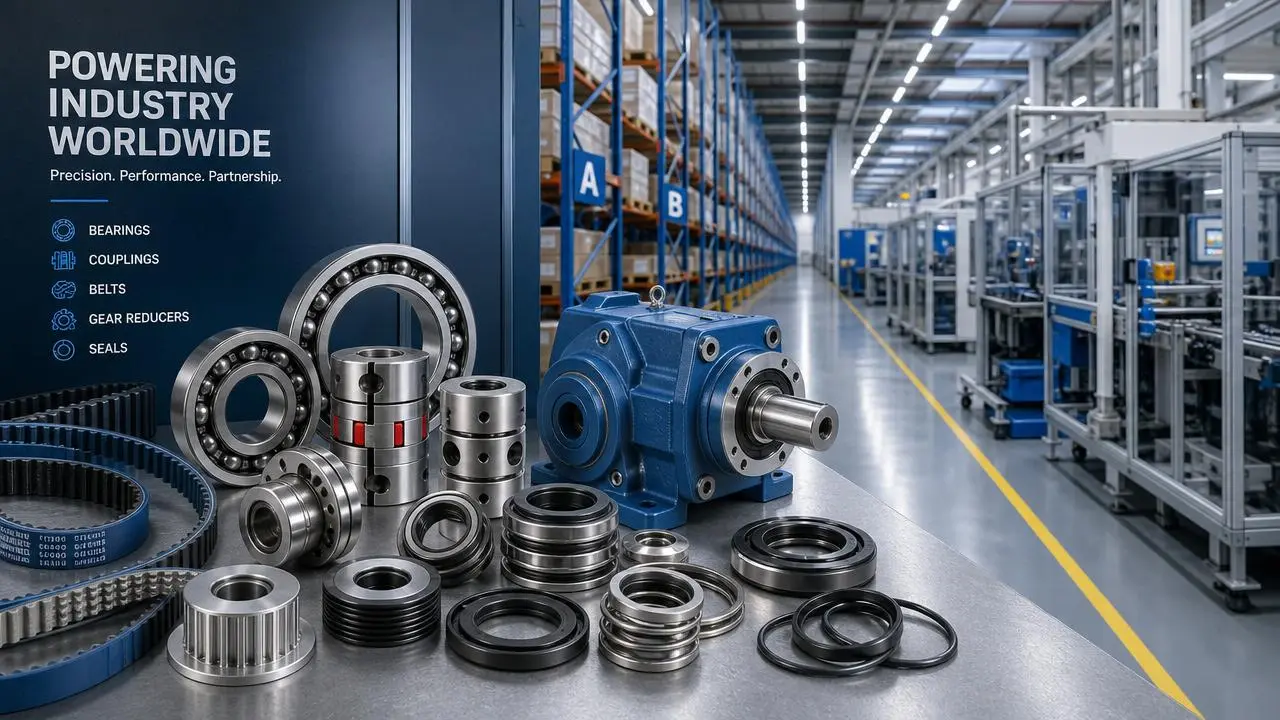
Why global industrial supply chain risks are harder to spot
Global industrial supply chain risks are getting harder to detect. Discover hidden dependencies, blind spots, and practical insights to assess suppliers with more confidence.

Why critical sealing solutions fail in harsh duty cycles
Critical sealing solutions often fail under heat, pressure, contamination, and motion instability. Learn the root causes, warning signs, and how to reduce downtime, safety risk, and lifecycle cost.
Mechanical efficiency optimization mistakes that raise energy use
Mechanical efficiency optimization often fails due to hidden load, lubrication, and alignment mistakes. Learn how to spot real energy-saving opportunities and improve system performance.

Are smart transmission components worth the upgrade now
Smart transmission components are worth a closer look now as downtime, energy costs, and maintenance pressure rise. See where upgrades deliver real ROI and operational gains.
What drives cost gaps in industrial power transmission systems
Industrial power transmission systems vary in cost due to materials, load design, efficiency, maintenance, and supply risk. Learn how buyers can identify real value and avoid costly sourcing mistakes.