
Industry News
Curation by industry experts
Hot Articles
Popular Tags
How material science is changing mechanical design limits
From ultra-durable composites to intelligent alloys, advanced material science in mechanical engineering is redefining machine endurance, load transfer, and lifecycle economics across modern industry.
For power transmission systems, seals, reducers, shafts, and couplings, material selection now shapes design freedom as much as geometry or manufacturing precision.
This shift matters because stronger materials alone do not guarantee better performance. The real value appears when the right material matches the operating scene, stress profile, maintenance target, and energy goal.
In that context, advanced material science in mechanical engineering is not a lab-only topic. It directly influences mechanical design limits in automated lines, heavy equipment, high-speed drives, and harsh sealing environments.
Why scenario-based judgment now matters more than material strength alone
Mechanical systems no longer operate under simple, stable loads. They face vibration, thermal cycling, contamination, speed variation, energy constraints, and longer uptime expectations.
Because of that, advanced material science in mechanical engineering must be evaluated through actual use scenarios, not just tensile strength or hardness charts.
A lightweight composite may outperform steel in dynamic efficiency. Yet the same material may struggle with impact concentration, repair complexity, or cost sensitivity in another setting.
Likewise, a high-entropy alloy may survive heat and corrosion exceptionally well, but may be unnecessary for moderate-duty systems where coating optimization delivers better value.
Key variables that change the right material decision
- Load type: static, cyclic, shock, or mixed
- Operating temperature and thermal gradients
- Surface wear, lubrication quality, and friction regime
- Chemical exposure, moisture, and debris contamination
- Weight reduction targets and rotational efficiency needs
- Inspection intervals, repairability, and lifecycle cost
Scenario 1: High-speed power transmission demands lighter, smarter materials
In high-speed transmission systems, inertia becomes a hidden design limit. Belts, pulleys, couplings, and rotating shafts must balance stiffness, fatigue resistance, and low mass.
Here, advanced material science in mechanical engineering enables thinner sections, improved damping, and reduced energy loss during acceleration and deceleration cycles.
Core judgment points for this scene
Fiber-reinforced composites often help reduce rotational mass. Advanced steels and hybrid metal-polymer structures can also improve vibration control without sacrificing torque capacity.
Material damping matters as much as ultimate strength. Lower vibration supports bearing life, alignment stability, and more consistent transmission efficiency.
Scenario 2: Heavy-load equipment pushes fatigue and wear to the limit
Mining systems, bulk handling equipment, and large reducers face repetitive overloads, abrasive environments, and long duty cycles under limited maintenance windows.
In these cases, advanced material science in mechanical engineering is less about extreme lightness and more about crack resistance, surface durability, and stable microstructure.
What matters most in heavy-duty conditions
- Fatigue strength under fluctuating torque
- Surface hardening depth and wear behavior
- Impact tolerance at stress risers
- Compatibility with lubrication breakdown events
- Resistance to abrasive particles and contamination
Case-hardened alloys, advanced carburized steels, and engineered coatings can raise contact durability significantly. Still, design gains depend on proper heat treatment consistency and residual stress control.
Scenario 3: Extreme sealing environments require chemical and thermal resilience
Mechanical seals and related components face a different design ceiling. Their failure often begins at the interface between heat, friction, fluid chemistry, and dimensional instability.
That is why advanced material science in mechanical engineering is central to sealing performance in chemical processing, energy systems, and harsh industrial circulation loops.
Key material directions for sealing scenes
Ceramics, carbon-based faces, advanced elastomers, and corrosion-resistant alloys improve leakage control and service life. The best combination depends on media aggressiveness and thermal cycling severity.
A seal face that survives high temperature may still fail if thermal expansion mismatch causes distortion. Dimensional compatibility remains a critical judgment factor.
Scenario 4: Automated production lines prioritize precision, uptime, and lower maintenance
In automated lines, downtime costs often exceed component price. Materials must support repeatability, low friction, clean operation, and predictable wear behavior.
For this scene, advanced material science in mechanical engineering contributes through self-lubricating polymers, low-noise composites, precision alloys, and stable low-creep materials.
Typical decision focus
The goal is not maximum strength. The goal is stable precision over millions of cycles, reduced contamination risk, and fewer unplanned interventions.
When viewed this way, advanced material science in mechanical engineering becomes a practical tool for uptime strategy, not only a performance upgrade.
How scenario needs differ across major industrial applications
Practical adaptation advice when selecting advanced materials
A better material should be chosen through operating evidence, not brochure claims. The most useful process links design intent, field loads, and maintenance reality.
- Map real load cycles instead of using only nominal ratings.
- Separate bulk strength needs from surface failure risks.
- Check thermal expansion compatibility across assembled parts.
- Evaluate lubrication sensitivity before changing substrate material.
- Use lifecycle cost, not purchase cost, as the comparison base.
- Validate with accelerated testing that reflects the actual failure mode.
For intelligence-led evaluation, platforms such as GPT-Matrix help connect material progress with transmission logic, reliability trends, and application-specific mechanical constraints.
Common misjudgments that hide true design limits
One common mistake is chasing the strongest material available. Excess stiffness, difficult machining, poor damping, or thermal mismatch can reduce total system performance.
Another mistake is treating coatings as universal fixes. Surface solutions work only when substrate behavior, adhesion, contact stress, and lubrication conditions are aligned.
A third issue is ignoring data from adjacent sectors. Insights from motion control, belt technology, tribology, and sealing reliability often reveal transferable design opportunities.
This is where advanced material science in mechanical engineering becomes strategically important. It creates value when interpreted through system interaction, not isolated material properties.
Next-step actions for turning material innovation into mechanical advantage
Start by identifying where current mechanical design limits truly appear: fatigue life, heat buildup, leakage, energy loss, or maintenance frequency.
Then compare material options by scene, not by general performance rank. That approach reveals where advanced material science in mechanical engineering can deliver measurable gains fastest.
Use cross-disciplinary intelligence covering tribology, power transmission, sealing behavior, and lifecycle economics. This creates a clearer path from research trends to practical design decisions.
As industrial systems pursue efficiency, resilience, and lower maintenance, advanced material science in mechanical engineering will continue expanding what machines can safely and profitably achieve.
For deeper tracking of these changes, GPT-Matrix offers a structured view of material breakthroughs, transmission evolution, and reliability intelligence connecting global mechanical performance trends.
Recommended News
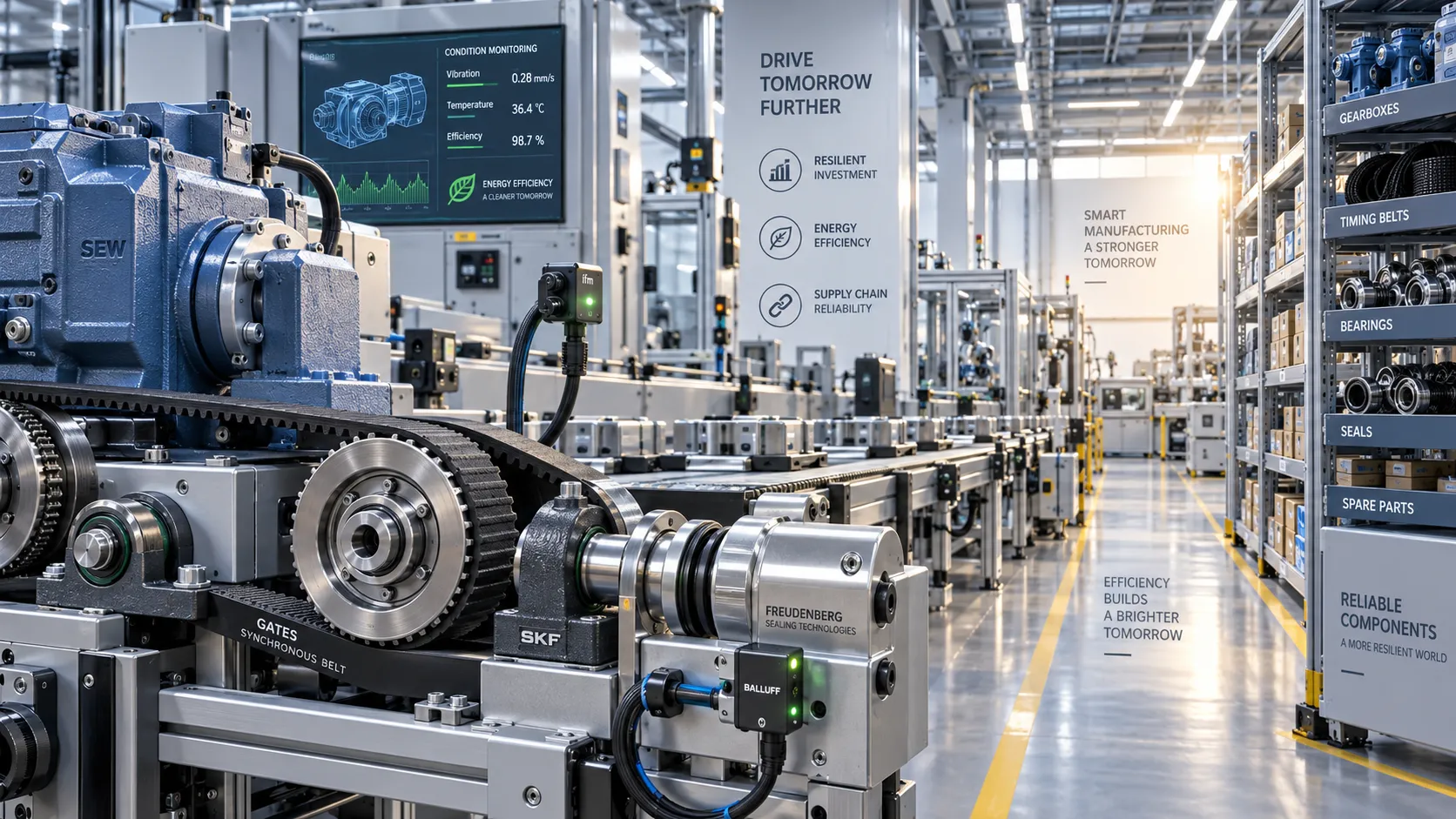
Industrial Economy Trends Shaping Capital Investment and Supply Chain Risk in 2026
Industrial economy trends for 2026 reveal how resilient capital investments, energy efficiency, and supply-chain strategies can protect uptime and strengthen returns.
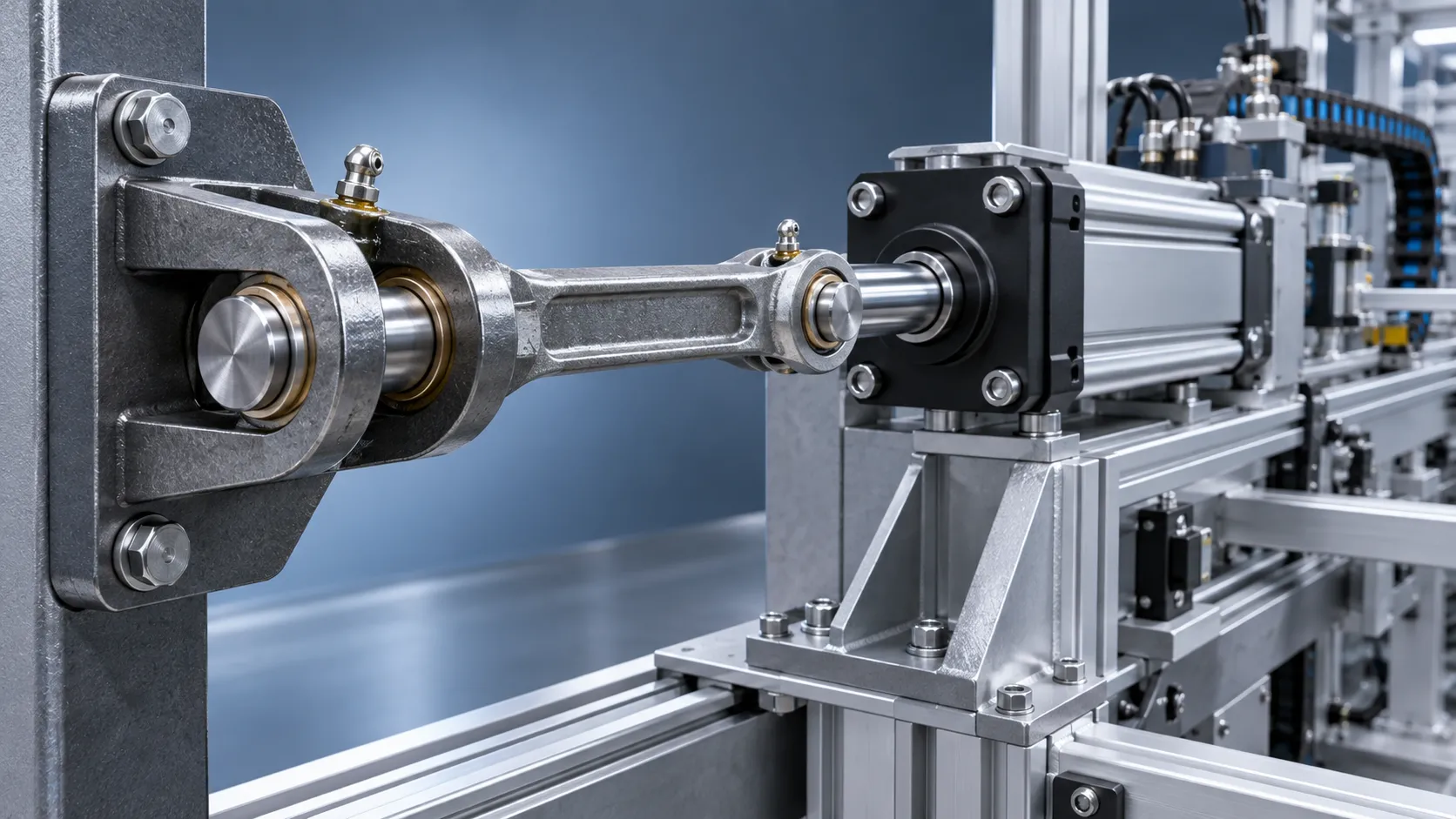
Mechanical Linkage Design: How to Balance Load Capacity, Motion Accuracy, and Wear
Mechanical linkage design guide: balance load capacity, motion accuracy, and wear with practical insights on geometry, joints, tolerances, lubrication, and service life.
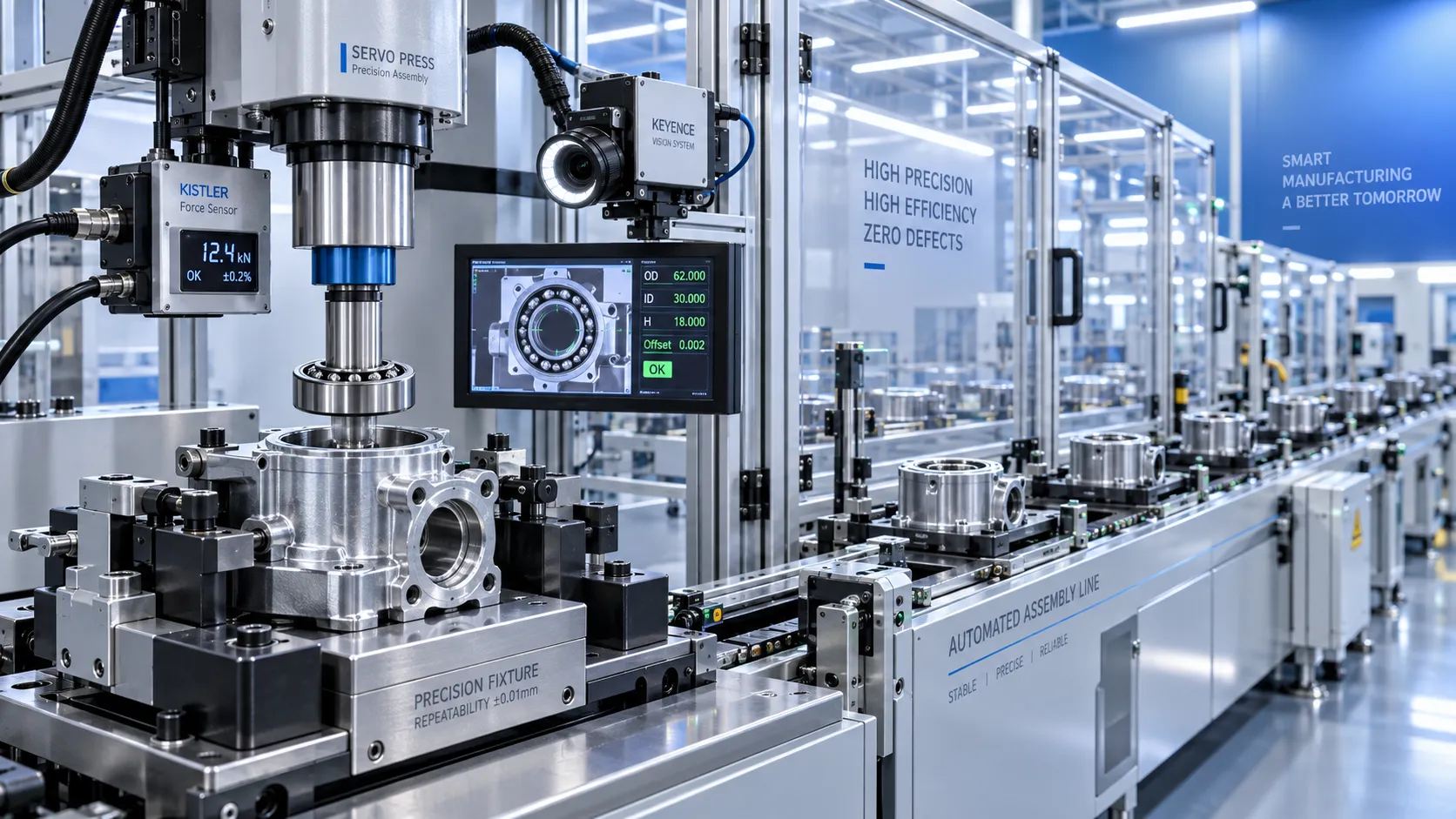
How Precision Automated Production Improves Quality Control in High-Volume Assembly
Precision automated production strengthens quality control in high-volume assembly with real-time verification, traceability, and safer defect containment.
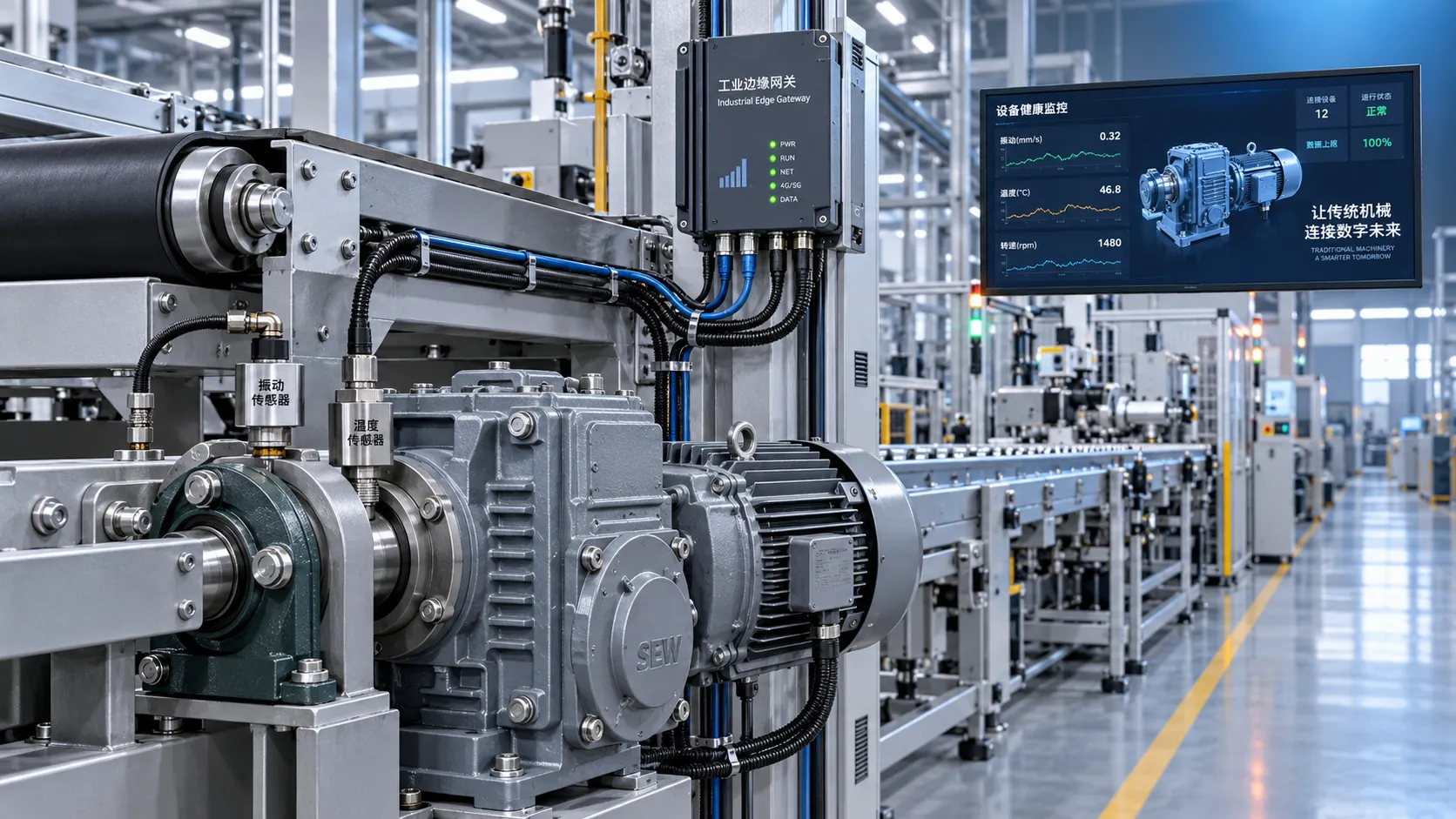
Industry 4.0 Integration: A Roadmap for Connecting Legacy Machines and Data
Industry 4.0 integration roadmap for connecting legacy machines, improving data visibility, reducing downtime, and scaling secure, measurable operational performance.
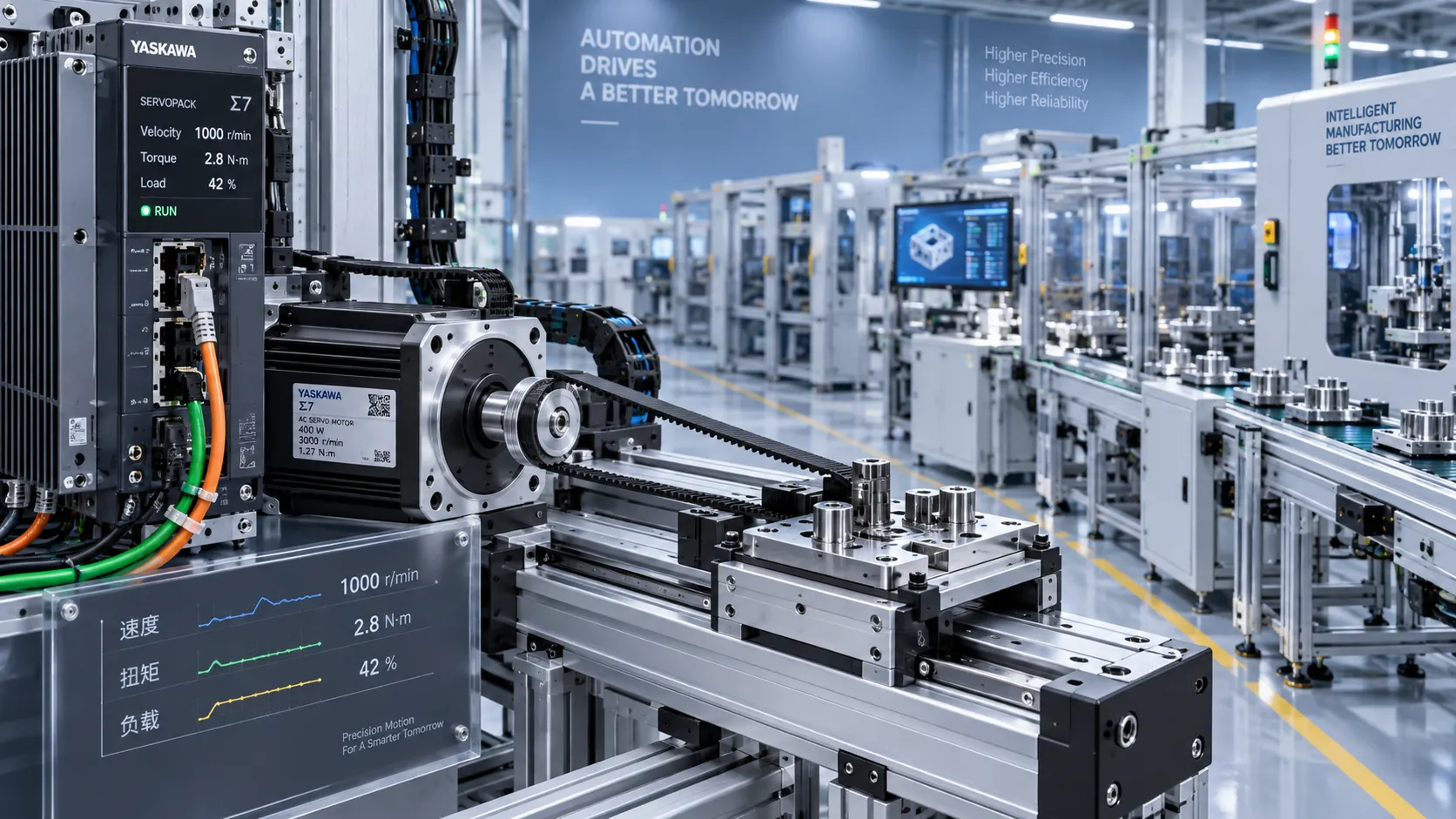
Servo Drive Comparison: Selecting Motion Control for Speed, Torque, and Load
Technical product comparison servo drives: evaluate speed, torque, inertia, safety, and control integration to select a reliable motion system with proven performance margins.
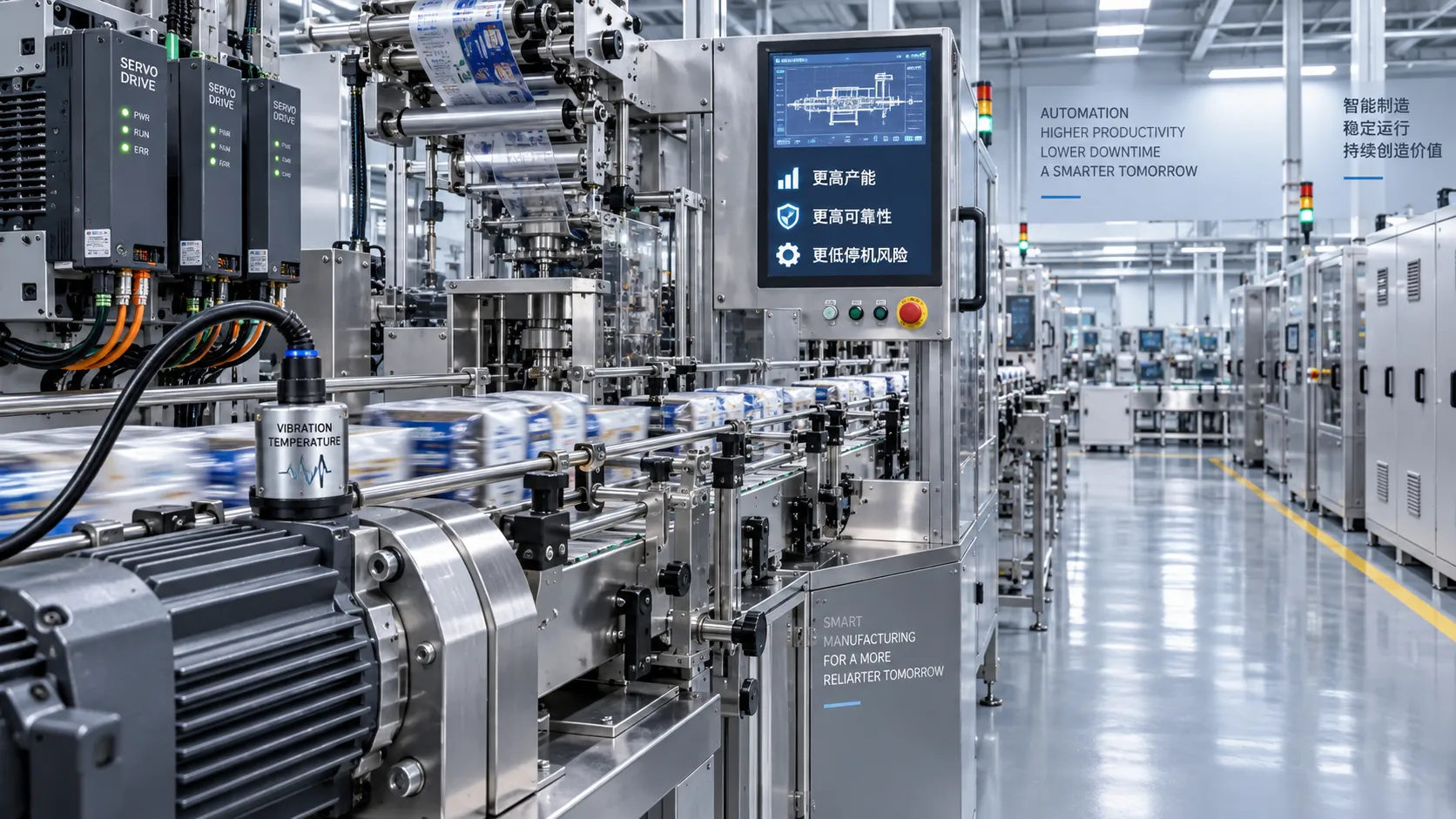
Industrial Automation Technology: How to Prioritize Upgrades by ROI and Downtime Risk
Industrial automation technology upgrades: learn to rank projects by ROI, bottleneck exposure, and downtime risk to reduce losses and make smarter capital decisions.
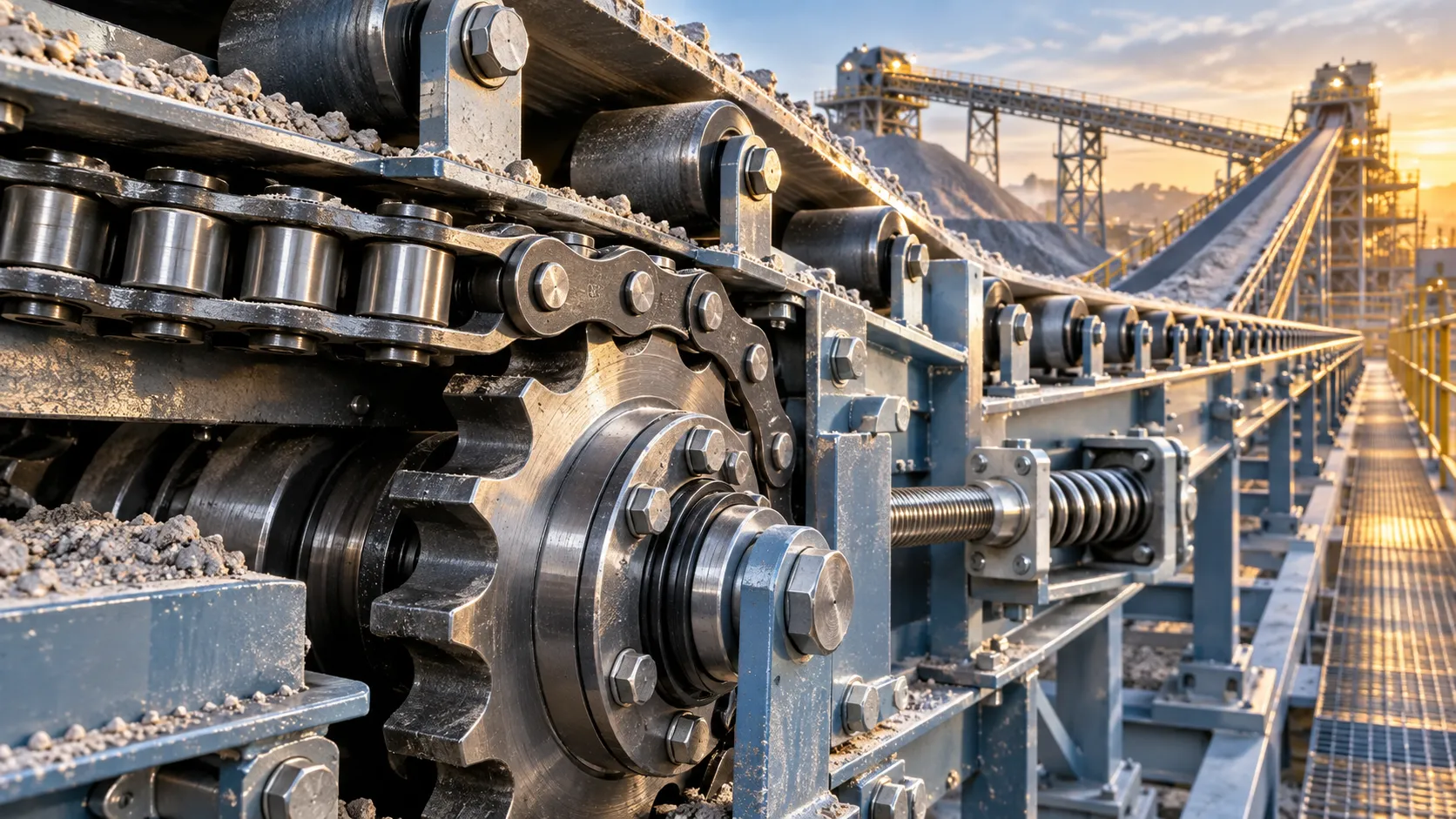
Selecting Low-Maintenance Chain Components for Dusty, High-Load Conveyors
Low maintenance chain components for dusty, high-load conveyors: compare seals, lubrication, materials, sprockets, and load capacity to reduce wear and downtime.
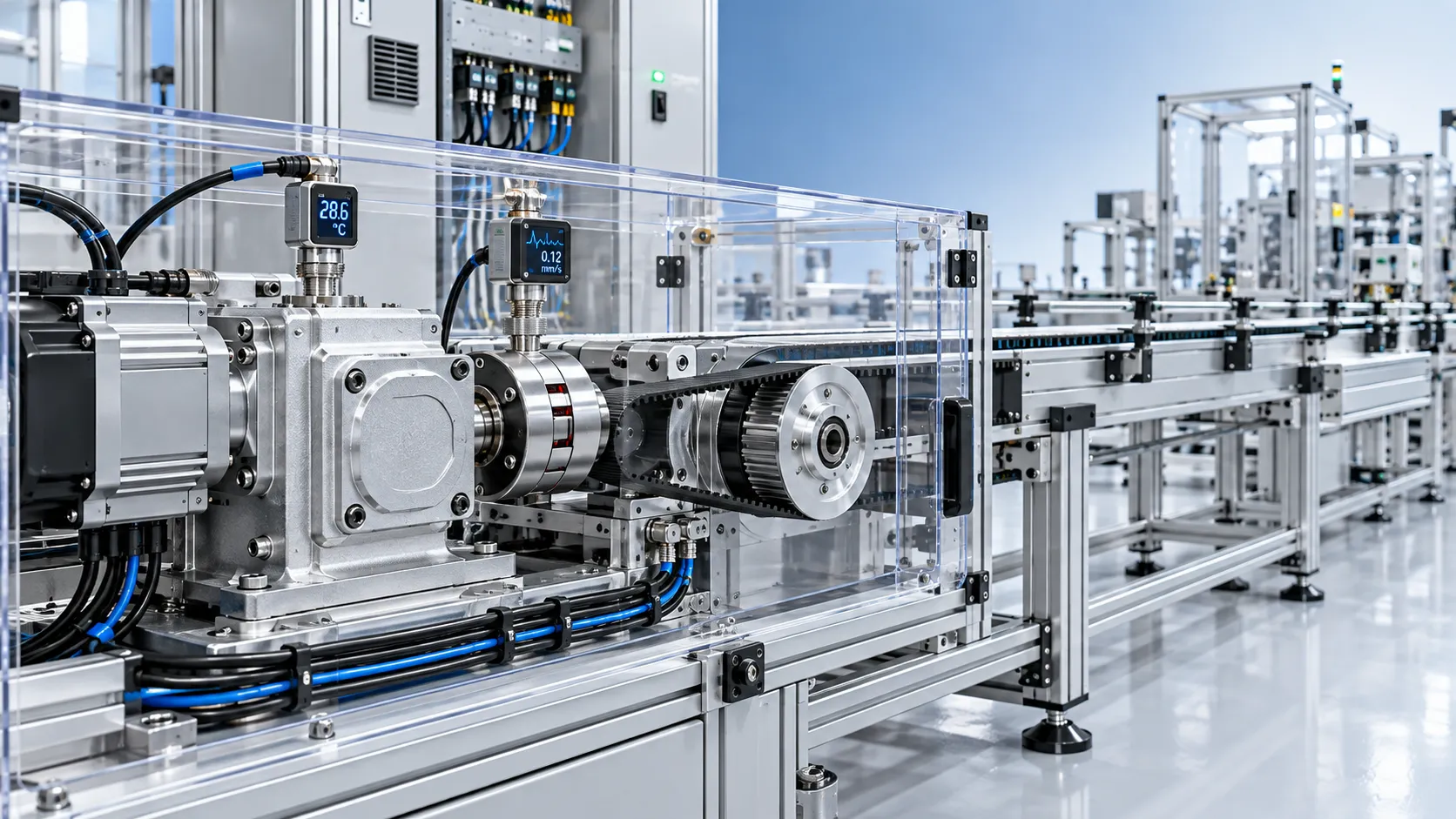
Selecting Smart Transmission Modules for Automated Lines: Control, Load, and Safety
Smart transmission modules for automated lines: evaluate control compatibility, real load demands, safety boundaries, and predictive maintenance value for reliable performance.
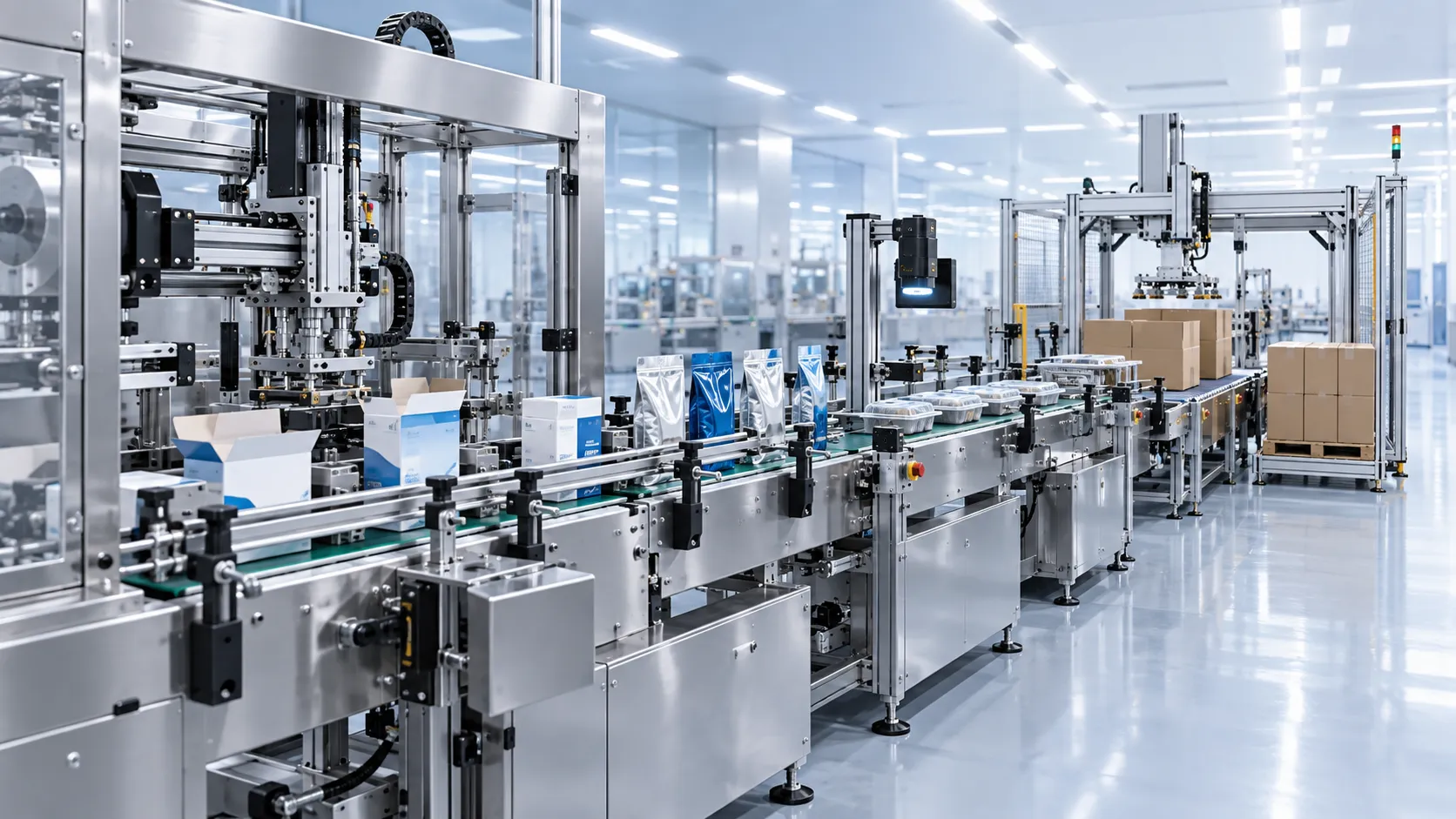
How to Assess Automated Packaging Production for High-Mix Manufacturing Lines
Automated production for packaging: assess changeovers, flexibility, controls, reliability, and lifecycle cost to build high-mix lines that deliver stable output.