Why Reliability in Mechanical Systems Declines Early
When equipment fails sooner than expected, the root cause is often hidden long before a breakdown occurs.
For after-sales maintenance teams, understanding why reliability in mechanical systems declines early helps reduce repeat service calls and protect customer trust.
From misalignment and lubrication errors to fatigue, contamination, and poor installation, early reliability loss reflects operating conditions and maintenance decisions.
This article explains the warning signs and practical failure drivers service professionals should recognize before small defects become costly downtime.
The main reason reliability drops early is not usually one single defect
Early reliability decline usually results from several small weaknesses acting together, rather than one dramatic design or material failure.
For maintenance teams, this matters because replacing the failed part alone may not remove the condition that damaged it.
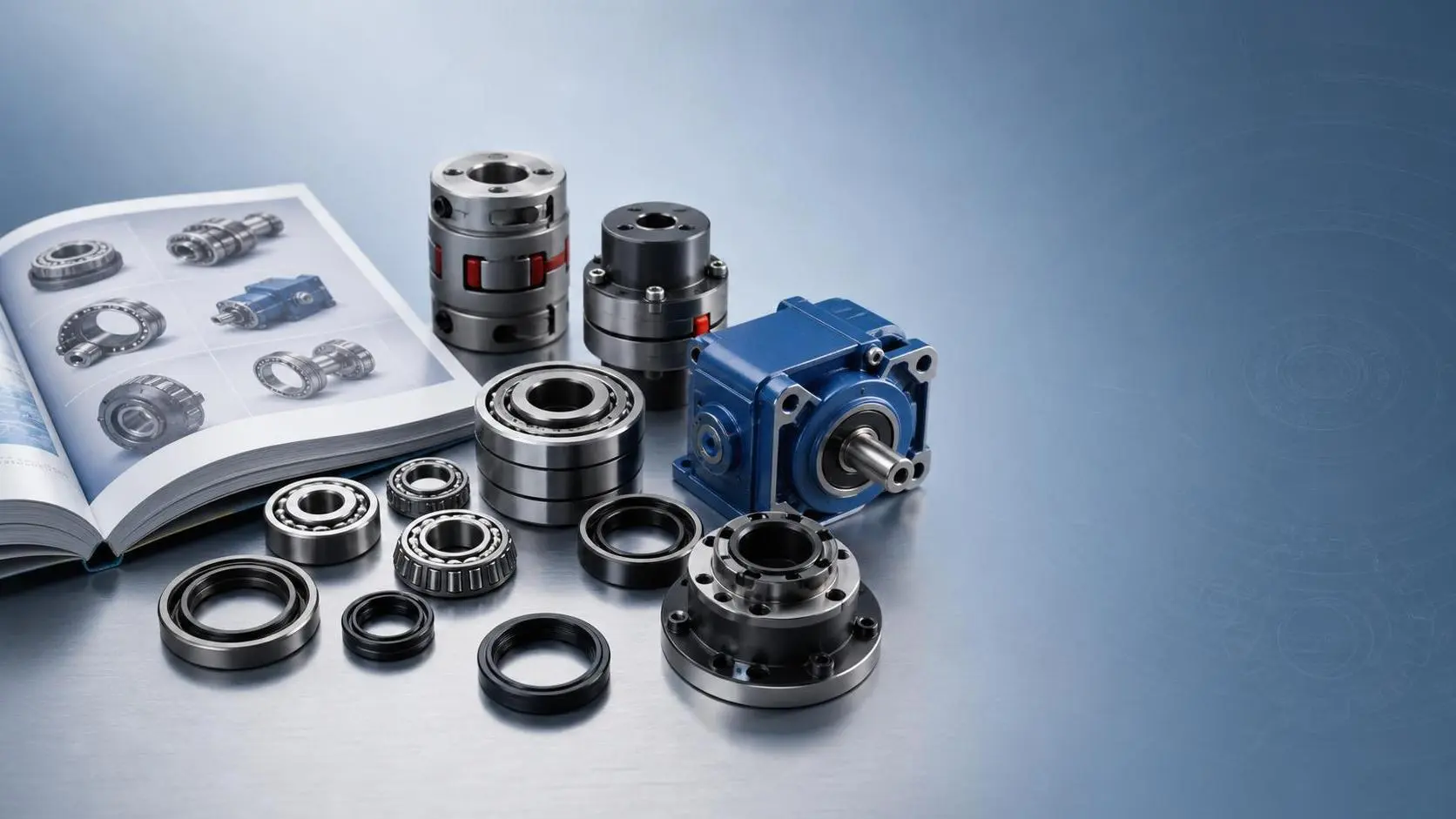
A bearing may be changed, but shaft misalignment, poor lubrication, or contamination can quickly damage the replacement component.
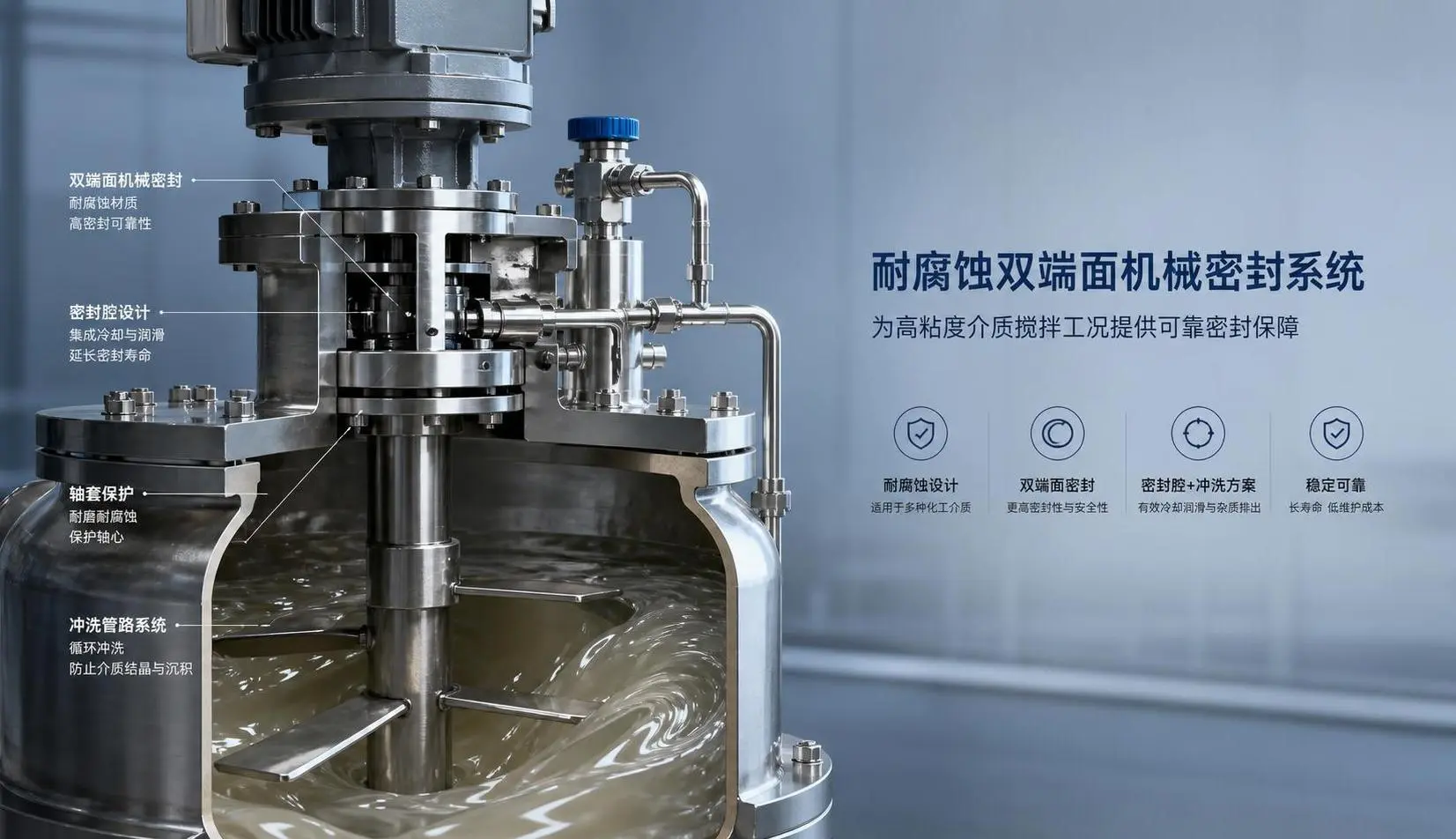
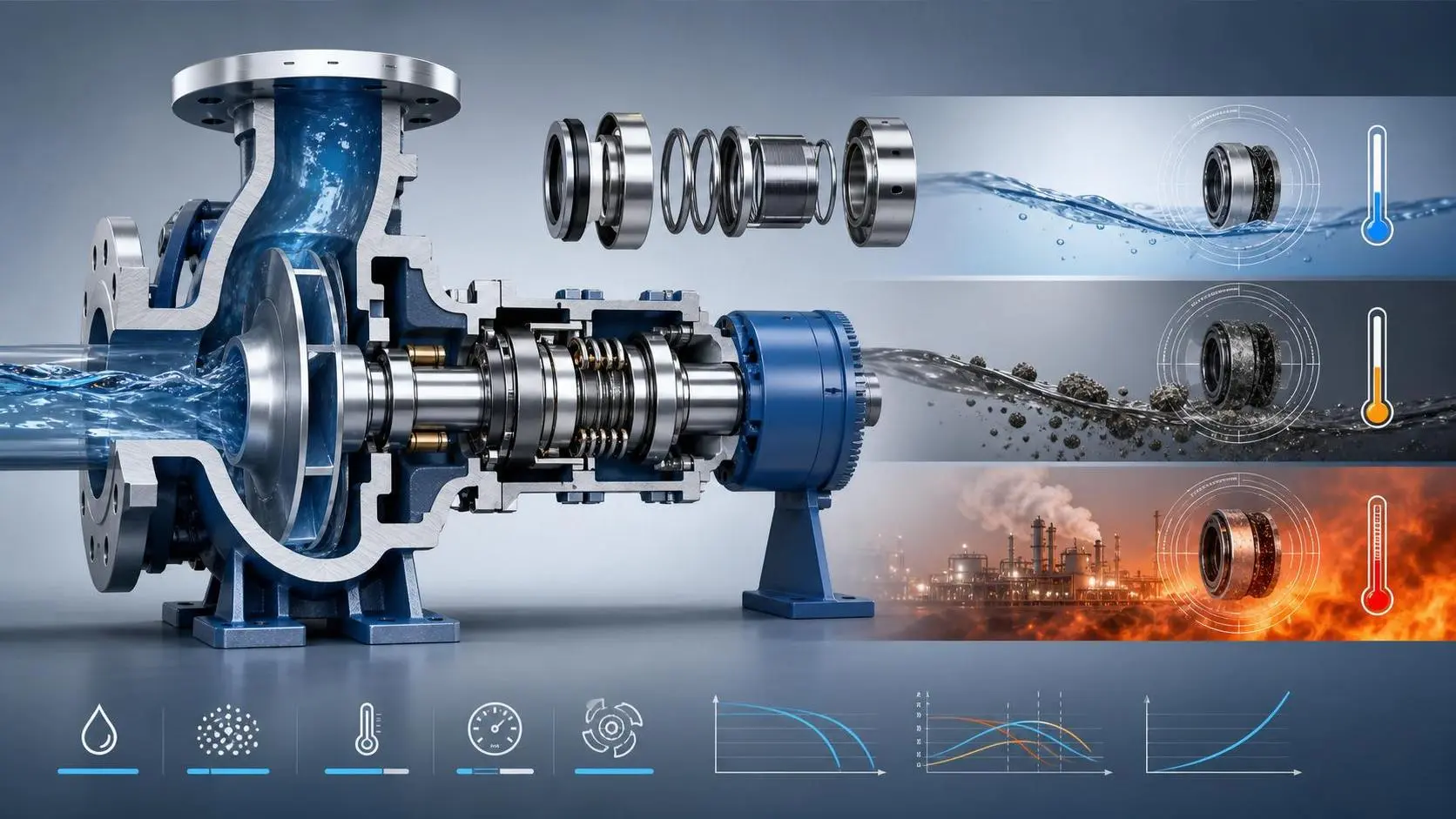
A mechanical seal may be blamed, while dry running, vibration, thermal shock, or improper flushing caused the real failure.
In after-sales service, the most valuable question is not only what failed, but what changed before performance declined.
That shift in thinking helps teams move from emergency repair toward reliability restoration and longer component life.
Early-life failures often trace back to installation quality
Many mechanical systems lose reliability during installation, even when the components are technically correct and properly selected.
Incorrect mounting force, uneven tightening, poor alignment, and careless handling can introduce stress before the machine begins normal operation.
These errors may not stop commissioning, which makes them especially difficult for customers and service teams to detect immediately.
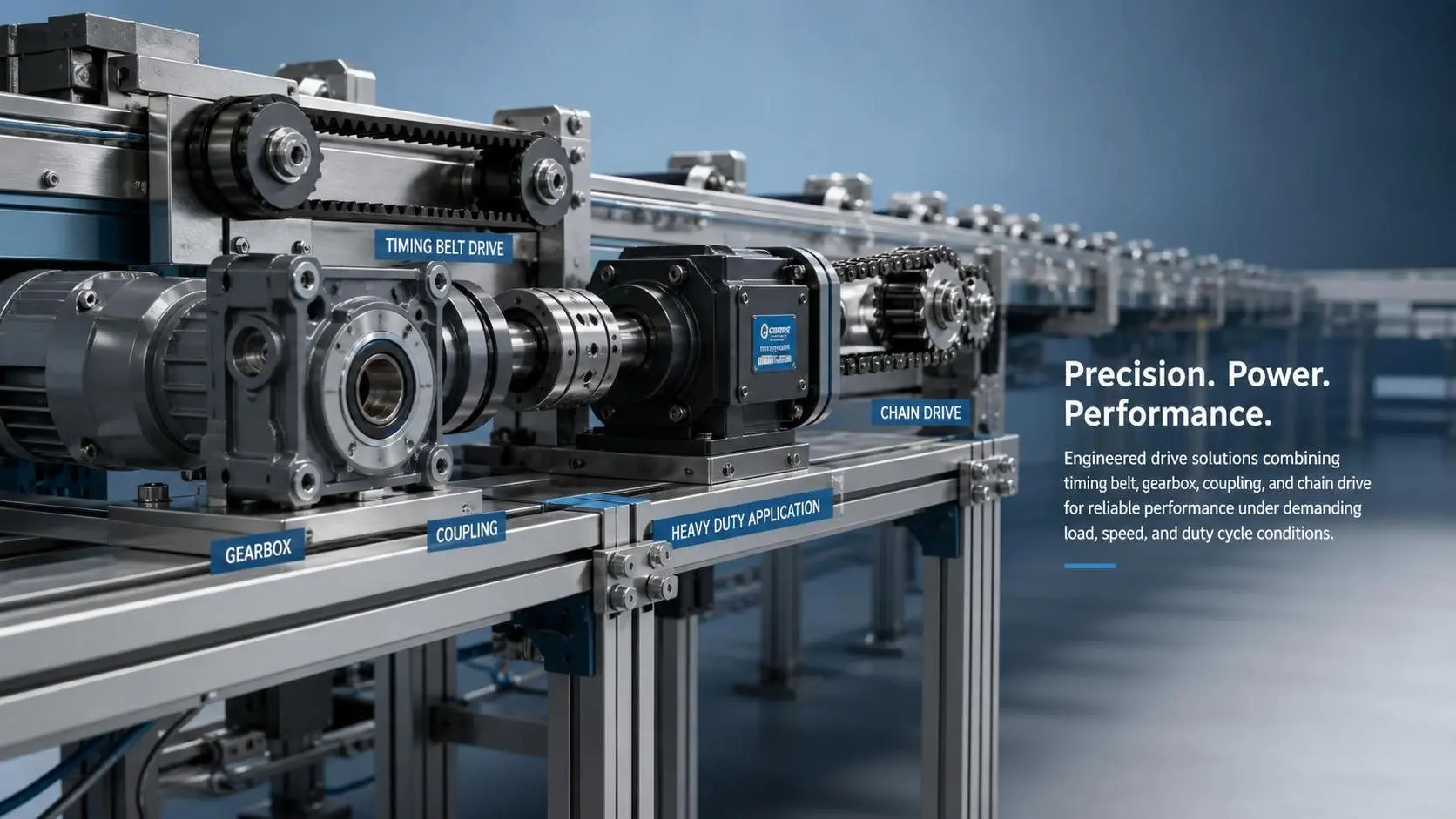
A coupling installed with angular misalignment can run acceptably at first, yet transfer damaging vibration into bearings and seals.
A belt tensioned by feel rather than measurement may suffer heat buildup, tooth wear, or premature cracking.
A gearbox installed without checking soft foot or base flatness may develop housing distortion and uneven gear contact.
After-sales maintenance teams should review installation records, torque values, alignment data, and startup conditions before confirming component failure.
When these records are missing, repeat failures should be treated as a process problem, not only a product problem.
Misalignment quietly accelerates wear across the whole system
Misalignment is one of the most common reasons reliability in mechanical systems declines early after installation or overhaul.
It creates forces that were not intended in the original load path, making healthy components work under distorted conditions.
The first symptoms may appear as temperature rise, abnormal noise, vibration growth, lubricant darkening, or uneven wear patterns.
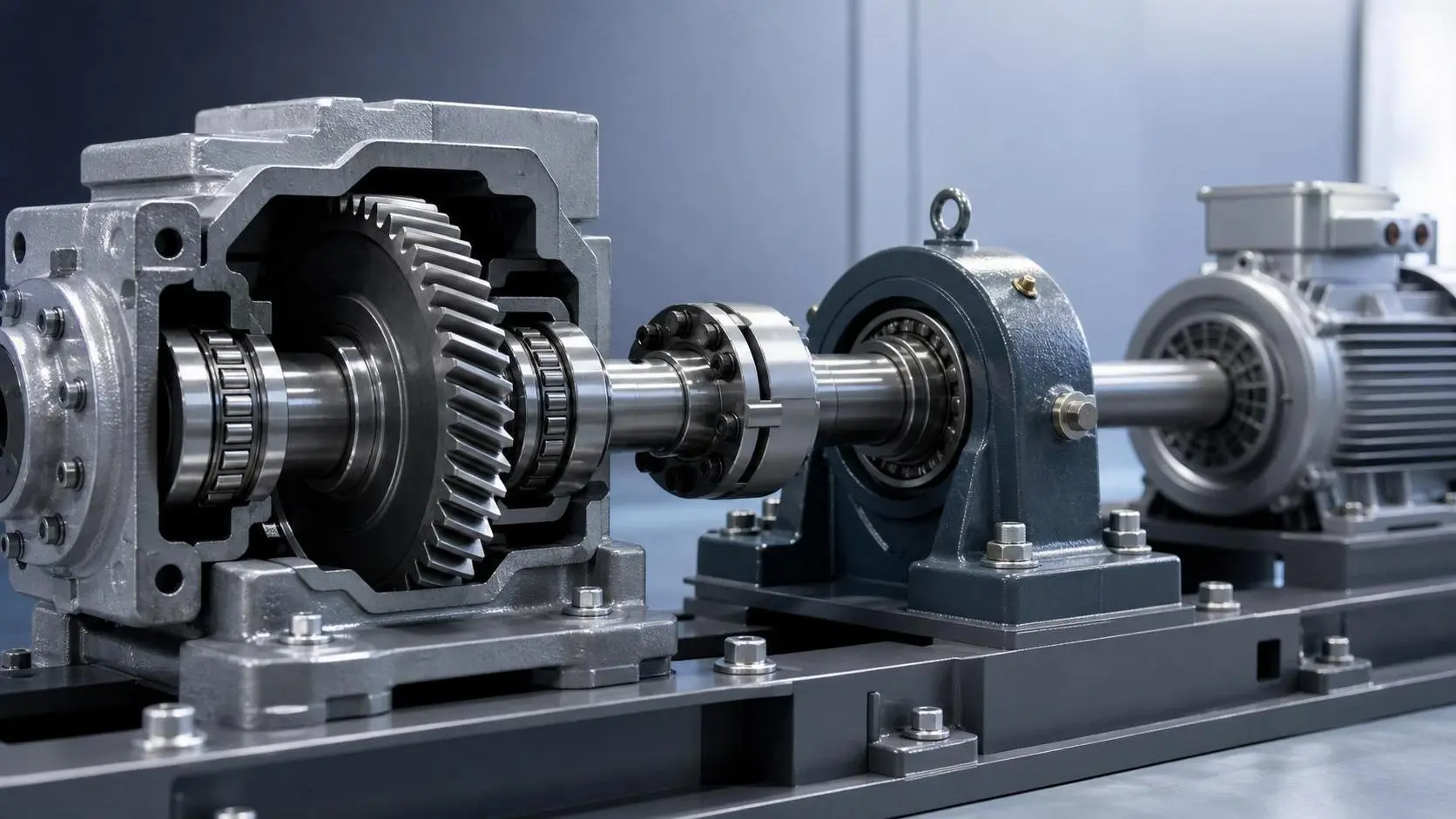
In rotating equipment, shaft misalignment can overload bearings, damage seals, increase coupling wear, and reduce motor efficiency.
In belt drives, pulley misalignment causes edge wear, tracking problems, belt dust, and shortened belt service life.
In chain systems, sprocket misalignment increases side loading, elongation, vibration, and lubrication loss along the contact surfaces.
Service teams should not rely only on visual inspection because small angular or parallel errors can create serious long-term damage.
Laser alignment, dial indicators, tension gauges, and thermal checks provide evidence that helps prevent unnecessary replacement disputes.
Lubrication mistakes can destroy reliability faster than load alone
Lubrication is often treated as routine work, but it is one of the strongest controls over mechanical reliability.
Using the wrong lubricant, applying too much, applying too little, or missing intervals can all shorten system life.
Early lubrication-related decline appears through heat, noise, varnish, discoloration, foaming, corrosion, or metallic particles in drained oil.
Overlubrication can be as harmful as underlubrication, especially in bearings where churning increases temperature and damages seals.
Incorrect viscosity may prevent proper film formation, allowing surface contact between gears, rolling elements, bushings, or sliding faces.
Grease incompatibility is another frequent field problem, particularly when different products are mixed during service or emergency maintenance.
Maintenance teams should verify lubricant type, quantity, cleanliness, relubrication interval, and application method during every failure review.
Oil analysis, grease sampling, and temperature trending can reveal reliability decline before visible damage appears on components.
Contamination turns normal operating stress into early damage
Mechanical components are designed for load, speed, and temperature, but contamination changes those conditions at the contact surface.
Dust, water, metal particles, process chemicals, and degraded lubricant can all reduce the protective margin inside a machine.
Contamination damage often begins microscopically, then grows into abrasion, pitting, corrosion, scoring, or seal face leakage.
For after-sales teams, contamination is a practical clue because it connects failure evidence with the surrounding operating environment.
A failed bearing may show indentations caused by hard particles entering through damaged seals or poor storage practices.
A mechanical seal may leak early because process solids entered the interface or crystallized during intermittent operation.
A gearbox may suffer accelerated wear because breathers, fill points, or maintenance tools introduced moisture and airborne particles.
Reliability improves when teams inspect sealing points, filtration, breathers, lubricant handling, cleaning procedures, and component storage practices.
Material fatigue starts long before the final fracture
Fatigue failure rarely happens suddenly, although the final break may look immediate to the customer or operator.
Repeated stress cycles create microscopic cracks that grow under normal operation until the remaining section can no longer carry load.
This is common in shafts, gears, springs, fasteners, bearing races, couplings, and high-cycle transmission components.
Fatigue risk increases when the system faces shock loads, vibration, resonance, misalignment, corrosion, or unexpected duty cycles.
A component selected for steady operation may fail early when actual field use includes frequent starts, stops, reversals, or overloads.
After-sales maintenance teams should compare real operating patterns with the assumptions used during product selection and commissioning.
Fracture surfaces, beach marks, crack origin points, and discoloration can help distinguish fatigue from one-time overload.
Understanding this distinction prevents incorrect conclusions and supports better recommendations for redesign, derating, damping, or operating changes.
Operating conditions often exceed what the component was asked to tolerate
Mechanical reliability depends on the gap between actual operating stress and the component’s designed capability.
When that gap becomes too narrow, small changes in temperature, load, speed, or contamination can trigger early decline.
Many service cases reveal that the machine is no longer used exactly as originally specified or sold.
Production demand may increase, cycles may shorten, ambient temperature may rise, or operators may bypass protective procedures.
In heavy equipment, shock loading, poor ground conditions, and inconsistent maintenance can quickly reduce bearing and drivetrain life.
In automated lines, high speed, frequent indexing, and emergency stops can stress belts, reducers, guides, and couplings.
Maintenance teams should document actual duty cycles, peak loads, temperature ranges, operating hours, and start-stop frequency.
This evidence helps determine whether the failure is abnormal, expected under changed conditions, or preventable through system adjustment.
Warning signs service teams should not ignore
Early reliability decline usually announces itself before total failure, but the signs may look minor during busy operations.
Temperature increases are especially important because heat often indicates friction, overload, lubrication breakdown, or electrical-mechanical interaction.
Noise changes can reveal impact, misalignment, looseness, cavitation, gear mesh problems, or bearing surface damage.
Vibration growth is another critical signal, especially when trend data shows gradual movement away from the normal baseline.
Leakage around seals, discoloration near couplings, belt dust, loosened fasteners, and unusual lubricant smell deserve immediate attention.
Repeated adjustments are also a warning sign because stable systems should not require constant retensioning, realignment, or tightening.
After-sales teams should ask operators when the first abnormal condition appeared, not only when the machine stopped.
That timeline often reveals the true failure path and identifies where preventive intervention should have occurred.
A practical field checklist for diagnosing early reliability loss
A structured checklist helps maintenance personnel avoid jumping to conclusions based only on the most damaged component.
First, record the failure mode clearly, including location, appearance, running hours, operating load, and recent maintenance actions.
Second, inspect installation conditions such as alignment, foundation condition, shaft runout, mounting torque, belt tension, and coupling fit.
Third, review lubrication evidence, including product type, condition, level, contamination, relubrication history, and application method.
Fourth, examine the surrounding environment for dust, water, chemical exposure, vibration sources, heat, or poor ventilation.
Fifth, compare actual operating duty with the expected duty, including overload events, speed changes, and emergency shutdowns.
Sixth, preserve failed parts carefully because fracture surfaces, wear patterns, and deposits may contain essential diagnostic evidence.
This process turns service visits into reliability investigations and gives customers clearer answers than simple part replacement.
How after-sales teams can reduce repeat failures
Repeat failures damage customer confidence because they suggest that the service provider has not understood the underlying problem.
The best way to reduce repeat visits is to close the loop between repair findings and corrective actions.
If misalignment caused bearing damage, the corrective action must include alignment verification, not only bearing replacement.
If contamination damaged a seal, the solution may require better flushing, filtration, storage, or environmental protection.
If lubrication failed, teams should correct lubricant selection, quantity, interval, handling, labeling, and technician training.
When operating conditions exceed design assumptions, the recommendation may involve derating, redesign, upgraded materials, or process control changes.
After-sales teams should provide customers with clear evidence, practical actions, and measurable follow-up points after every major failure.
This approach improves technical credibility and helps customers see maintenance as risk reduction, not only repair expense.
Building reliability thinking into everyday maintenance work
Reliability improves when maintenance teams treat every abnormal symptom as data, not as an isolated inconvenience.
Simple habits can make a major difference, including baseline readings, photo records, torque logs, and lubricant control sheets.
Condition monitoring does not always require complex systems; consistent temperature, vibration, and visual inspections can be highly effective.
However, digital tools add value when they help teams identify trends rather than collect unused measurements.
Training is equally important because technicians must recognize patterns in wear, leakage, noise, heat, and vibration.
Standardized service procedures also reduce variation between technicians, shifts, branches, and regional support teams.
For distributors and service organizations, this discipline creates stronger technical differentiation in competitive industrial markets.
Reliable maintenance knowledge becomes part of the customer relationship and supports long-term component performance.
Conclusion: early reliability decline is preventable when the failure path is understood
Reliability in mechanical systems declines early when installation errors, misalignment, lubrication problems, contamination, fatigue, and operating stress combine unnoticed.
For after-sales maintenance teams, the priority is to identify the failure path instead of replacing the failed component alone.
The strongest results come from evidence-based diagnosis, disciplined installation checks, lubrication control, contamination prevention, and realistic duty assessment.
When service teams recognize early warning signs and correct root causes, they reduce downtime, repeat claims, and customer frustration.
Mechanical reliability is not only a design outcome; it is protected every day through informed maintenance decisions.