
Industry News
Curation by industry experts
Hot Articles
Popular Tags
Where tribology applications in manufacturing save costs
For financial approvers, tribology applications in manufacturing are not just engineering details—they are cost-control levers hidden inside every bearing, gear, seal, belt, and sliding surface. By reducing friction, wear, heat, downtime, and lubricant waste, smarter tribology decisions can extend asset life and improve energy efficiency across production lines. This article explains where these applications deliver measurable savings, helping procurement, finance, and operations teams evaluate investments in power transmission and mechanical components with clearer ROI logic.
In most factories, friction is paid for repeatedly: through electricity, replacement parts, unplanned stoppages, scrap, overtime maintenance, and expedited procurement. The challenge for finance teams is that these losses often appear in 5 or 6 different budget lines rather than one visible account.
GPT-Matrix views tribology as a practical intelligence layer connecting material science, motion control, seals, belts, chains, bearings, and gear reducers. For capital approval, the question is not whether tribology sounds advanced, but where it changes lifecycle cost within 12–36 months.
Where friction costs hide in manufacturing budgets
Tribology applications in manufacturing focus on the interaction of moving surfaces, lubrication films, coatings, contact pressure, temperature, contamination, and wear. These variables directly affect how long mechanical components remain accurate, efficient, and safe.
For financial approvers, the first step is mapping friction-related cost centers. A gearbox running 2% less efficiently may appear minor, but across 20 drives operating 16 hours per day, energy loss becomes material.
Typical cost leakage points
- Energy consumption from rolling, sliding, and churning losses in gearboxes, bearings, chains, and belt drives.
- Component replacement caused by abrasive wear, adhesive wear, fatigue pitting, corrosion, and thermal degradation.
- Downtime from seized bearings, leaking seals, overheated reducers, misaligned couplings, or contaminated lubrication systems.
- Quality losses when motion instability causes vibration, backlash, poor positioning, or dimensional variation.
- Lubricant waste from over-greasing, incorrect viscosity, incompatible greases, and short oil-change intervals.
A useful finance model separates direct spend from avoided loss. Direct spend includes upgraded components, lubricant analysis, filtration, coatings, installation labor, and monitoring. Avoided loss includes fewer shutdowns, longer service intervals, and lower kWh consumption.
Why small percentages matter
In continuous or high-throughput manufacturing, a 1–3% efficiency gain can be meaningful when motors operate 4,000–6,000 hours annually. A single avoided 8-hour shutdown can also justify a better sealing or lubrication decision.
The strongest cases for tribology applications in manufacturing usually come from assets with high duty cycles, harsh contamination, high torque, thermal stress, or limited maintenance windows.
High-impact applications by component category
Not every mechanical surface deserves the same investment. Financial approval should prioritize components where friction and wear influence output, safety, energy, and replacement frequency at the same time.
The following table shows where tribology applications in manufacturing commonly create measurable savings across power transmission and mechanical component systems.
The key conclusion is that tribology is not a single product purchase. It is a selection discipline affecting material pairs, lubrication regimes, operating temperature, sealing protection, and maintenance behavior.
Bearings: small units, large downtime exposure
Bearings often represent a modest unit cost, yet their failure can stop conveyors, mixers, packaging machines, pumps, fans, or robotic axes. Lubrication selection must match load, speed, temperature, and contamination level.
A finance-friendly metric is cost per operating hour. If a premium sealed bearing extends replacement from 6 months to 18 months, procurement should evaluate labor, downtime, and inventory reduction together.
Gear reducers: efficiency and oil discipline
Gear reducers convert motor power into usable torque, but sliding and rolling contact create heat. Correct viscosity and additive chemistry can reduce scuffing, micropitting, and thermal stress under 24/7 production conditions.
For critical reducers above 5 kW, oil analysis can identify wear metals, water ingress, oxidation, and viscosity shift before failure. This supports planned maintenance instead of emergency replacement.
Seals, belts, and chains: contamination control pays back
Sealing technology is a major part of tribology applications in manufacturing because contaminants destroy lubrication films. Dust, washdown fluids, abrasive powders, and chemical vapors accelerate wear beyond normal design assumptions.
For belts and chains, friction must be controlled rather than simply minimized. A synchronous belt needs stable tooth engagement, while a chain drive needs lubrication that reaches pins and bushings without attracting excessive debris.
How to build an ROI case for approval
Financial approvers need a practical format for comparing baseline costs with improved tribology decisions. The model should include acquisition cost, maintenance hours, production loss, energy use, scrap, and risk exposure.
A robust ROI review does not require perfect data. It needs consistent assumptions, conservative ranges, and a clear link between the component decision and measurable operational behavior.
A 5-step approval framework
- Identify the asset group: bearings, reducers, seals, belts, chains, slides, couplings, or linear guides.
- Define the baseline: failure count, lubricant use, downtime hours, energy draw, and replacement interval.
- Estimate improvement range: 10–30% longer interval, 1–3% energy reduction, or fewer emergency callouts.
- Calculate total lifecycle cost over 12, 24, and 36 months, not only purchase price.
- Set a measurement plan using maintenance records, vibration data, oil tests, and kWh monitoring.
This approach helps procurement avoid false economy. A lower-cost lubricant or seal may pass the invoice test but fail the production test if it shortens service life.
What finance should ask before approval
Before approving tribology applications in manufacturing, finance teams should ask for 4 categories of evidence: operating conditions, compatibility, maintenance impact, and measurable acceptance criteria.
For example, a proposed lubricant change should specify viscosity grade, temperature range, load regime, relubrication interval, and compatibility with existing seals. A coating proposal should explain hardness, surface finish, and expected wear mode.
Procurement criteria that separate value from overspecification
Tribology improvement does not mean selecting the most expensive option. Overspecified components can tie up capital without improving uptime. The best choice aligns contact conditions with operational and financial priorities.
The table below gives finance and procurement teams a structured way to evaluate supplier proposals for tribology applications in manufacturing without relying only on unit price.
The strongest procurement decisions combine engineering fit with lifecycle economics. A proposal should state not only what is being upgraded, but which cost line it is expected to influence.
Common oversights in supplier comparison
One common mistake is comparing components by catalog rating alone. Load rating, chemical resistance, speed limit, or hardness may look adequate while the real failure cause is misalignment or contamination.
Another mistake is treating lubrication as a consumable rather than a reliability system. Storage temperature, dispensing cleanliness, labeling, and technician practice can determine whether a premium lubricant delivers its intended value.
A practical threshold for deeper review
If a component fails more than twice in 12 months, consumes unexpected maintenance hours, or stops a line worth more than its annual purchase cost, a tribology review is financially justified.
For automated production lines, even a 30-minute stoppage can disrupt labor scheduling, upstream buffers, packaging flow, and delivery commitments. This is why hidden friction losses deserve executive visibility.
Implementation roadmap for measurable savings
Successful tribology applications in manufacturing are implemented through controlled pilots, not broad uncontrolled changes. A pilot reduces risk and produces evidence that finance can use for wider approval.
A typical program runs in 3 phases: baseline measurement for 2–4 weeks, controlled application for 1–3 months, and commercial scale-up after performance review.
Pilot selection criteria
- Choose assets with repeat failures, high operating hours, or visible energy consumption.
- Avoid changing more than 1 or 2 variables at the same time during the pilot.
- Use comparable machines where possible, such as two parallel conveyors or identical pump sets.
- Agree on acceptance metrics before installation, including downtime hours, temperature, vibration, leakage, or lubricant use.
For example, a seal upgrade on a process pump may track leakage events, seal face temperature, cleanup time, and bearing condition. A gearbox lubrication change may track oil temperature, wear metals, and energy draw.
Measurement methods that finance can trust
The most credible savings evidence comes from ordinary operating records. Maintenance work orders, spare part withdrawals, oil analysis reports, infrared readings, and energy meter data are usually enough.
For high-value assets, vibration monitoring at weekly or monthly intervals can detect early bearing and gear defects. Temperature changes of 5–10°C may also indicate lubrication or alignment improvement.
Scaling without creating new risk
After a successful pilot, scale by asset family. Do not immediately apply a lubricant or coating plant-wide unless duty cycles, materials, seals, and operating temperatures are comparable.
Documentation matters. Each change should include installation date, component batch, lubricant specification, operating conditions, expected inspection interval, and responsible maintenance owner.
Risk controls and questions financial approvers should raise
Tribology applications in manufacturing can save costs, but poorly managed changes can create compatibility problems. Finance should require disciplined risk controls before approving major shifts in components or lubricants.
The most common risks are lubricant incompatibility, seal swelling, additive conflicts, excessive surface hardness mismatch, improper installation, and contamination during handling.
Approval questions to reduce avoidable failure
- What failure mode are we targeting: wear, leakage, heat, corrosion, vibration, or energy loss?
- Which operating data proves this is a recurring financial issue?
- What compatibility checks are required for elastomers, metals, coatings, and existing lubricants?
- What is the expected payback period: under 6 months, 6–18 months, or longer?
- Who owns post-installation measurement, and when will results be reviewed?
These questions shift discussion from “better component” to “controlled financial outcome.” They also help prevent approvals based on vague reliability claims.
Where GPT-Matrix intelligence adds value
GPT-Matrix supports decision-makers by connecting market intelligence with mechanical reality. Its focus on power transmission, motion control, and sealing technologies helps financial teams understand why certain upgrades deserve attention.
Through sector news, evolutionary trend analysis, and commercial insights, GPT-Matrix helps procurement teams evaluate material breakthroughs, reducer integration, seal reliability, and low-maintenance component demand across global manufacturing.
For distributors and industrial buyers, this intelligence reduces the gap between technical specifications and commercial approval. It supports better decisions in Industry 4.0, green manufacturing, and long-life mechanical systems.
Turning tribology into a finance-ready savings program
The best tribology applications in manufacturing are selected where cost exposure is visible, operating conditions are understood, and savings can be measured with existing records. Bearings, gear reducers, seals, belts, chains, and sliding interfaces are strong starting points.
For financial approvers, the practical goal is not to fund every technical improvement. It is to approve the 20% of changes that remove the most recurring cost from energy use, maintenance labor, downtime, and premature replacement.
A disciplined program should use baseline data, controlled pilots, 12–36 month lifecycle costing, and clear acceptance metrics. This turns friction reduction from an engineering preference into a documented business case.
If your team is evaluating power transmission components, sealing systems, lubrication strategies, or mechanical reliability investments, GPT-Matrix can help clarify the commercial logic behind each option. Contact us to explore tailored intelligence, compare solution pathways, or learn more about cost-saving tribology applications in manufacturing.
- power transmission
- mechanical components
- motion control
- sealing technologies
- mechanical seals
- gear reducers
- tribology
- material science
- Industry 4.0
- green manufacturing
- transmission components
- automated production
- automated production lines
- tribology applications
- tribology applications in manufacturing
Recommended News

How to Evaluate an Automated Production Supplier for a High-Uptime Manufacturing Line
Automated production supplier evaluation guide: assess uptime, maintainability, lifecycle cost, service support, and acceptance criteria for reliable manufacturing.
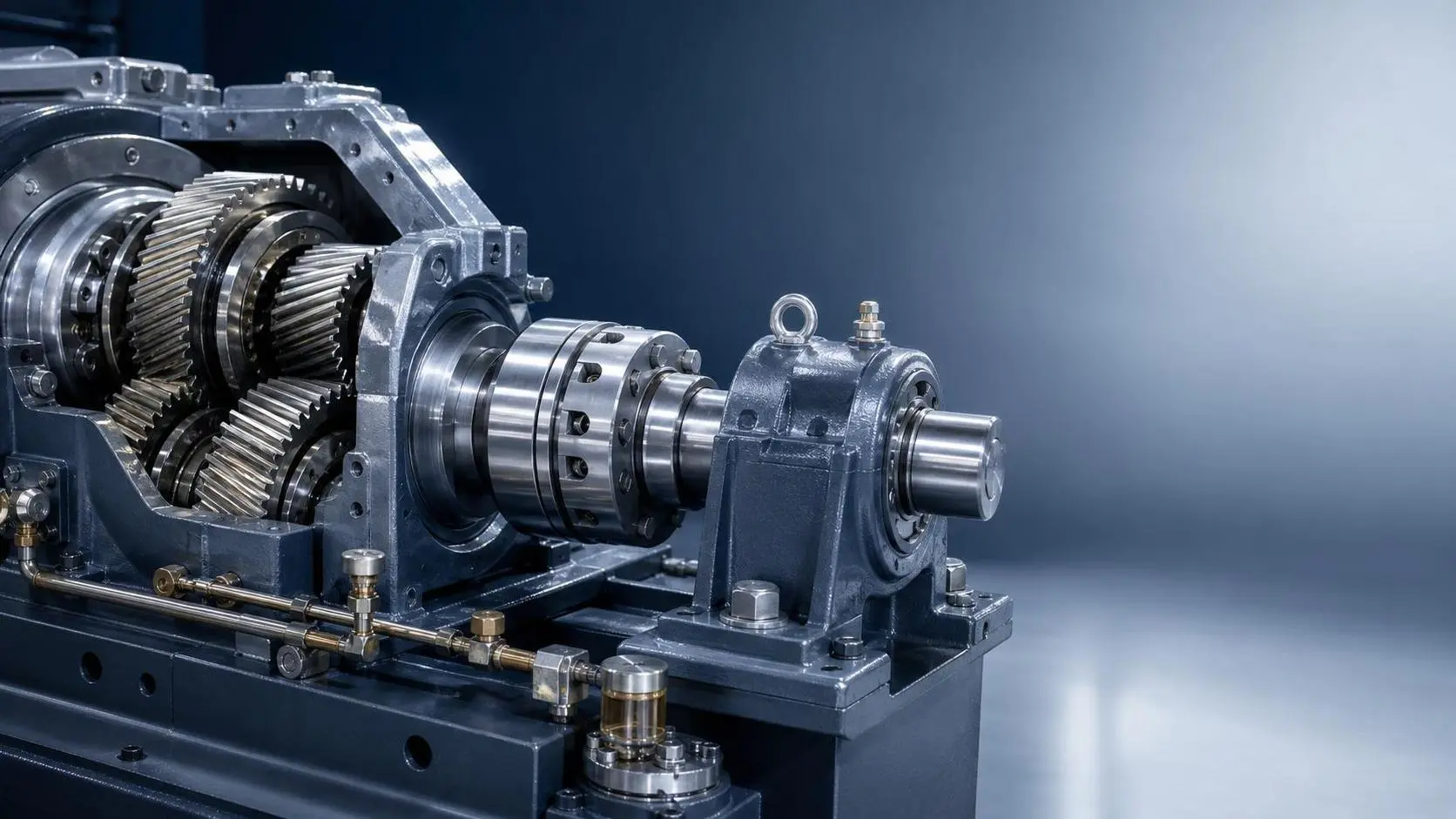
Designing Reliable Mechanical Transmissions: Load, Lubrication, and Fatigue Factors
Reliability in mechanical transmission design starts with real duty cycles. Explore load, lubrication, alignment, and fatigue factors for longer service life.
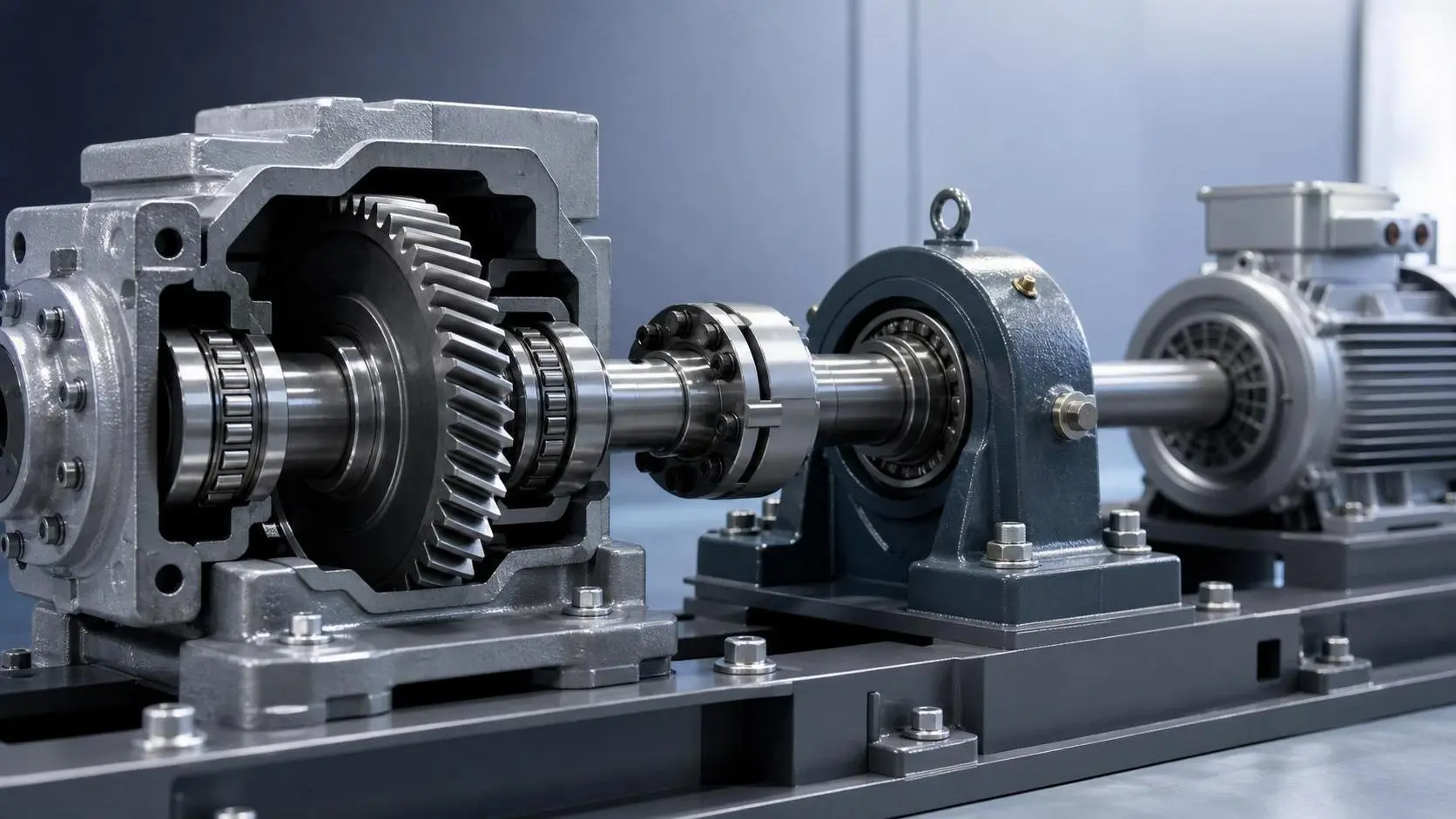
How to Define Load Requirements in Component Specifications for Safe Selection
Component specification guidance for load requirements: define load paths, duty cycles, peaks, environmental limits, and safety margins for safer component selection.
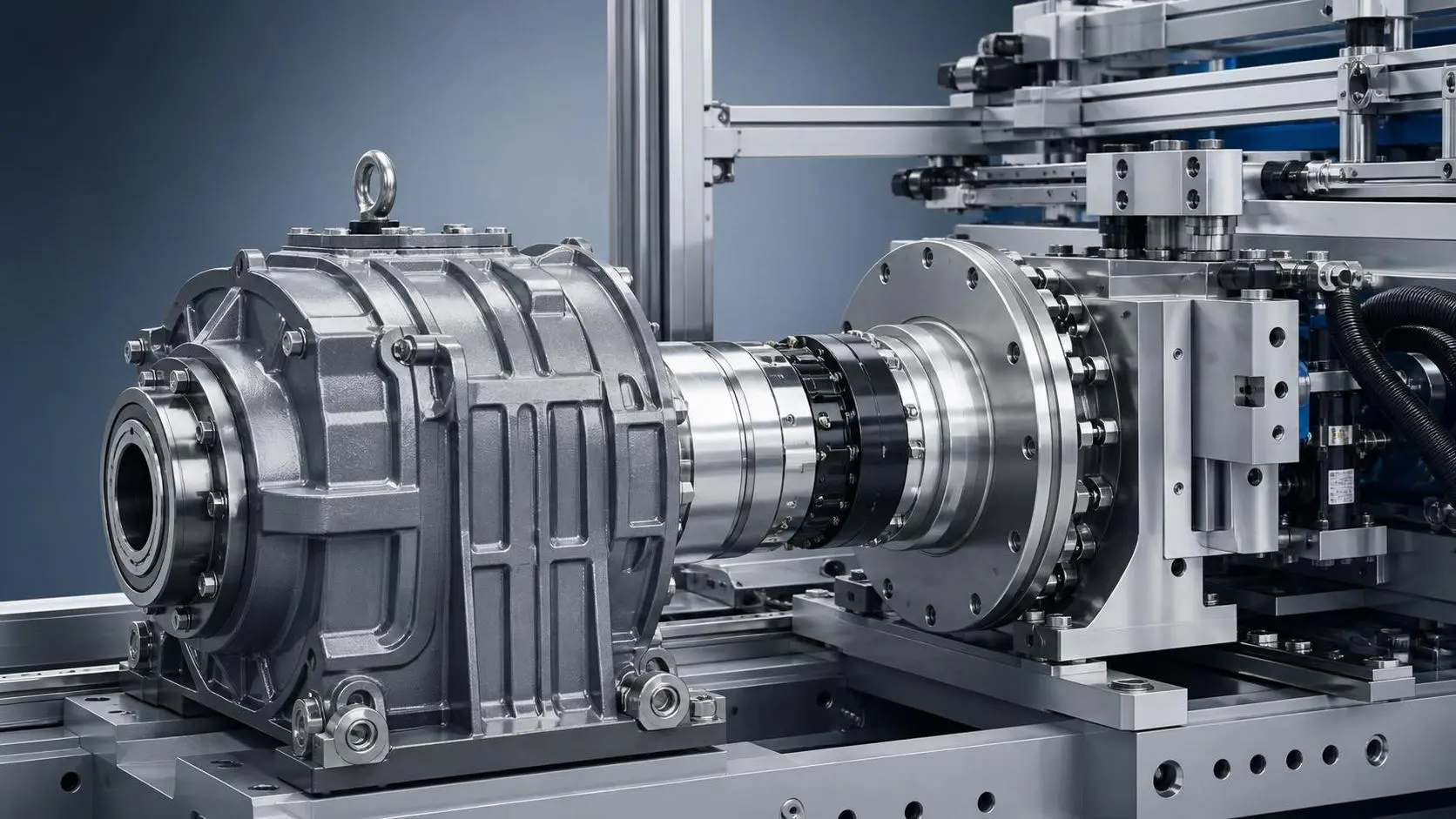
How to Evaluate Precision Engineered Transmissions for High-Load Industrial Systems
Precision engineered transmissions for high-load systems: learn how to assess load profiles, thermal limits, sealing, stiffness, and lifecycle reliability for smarter industrial decisions.
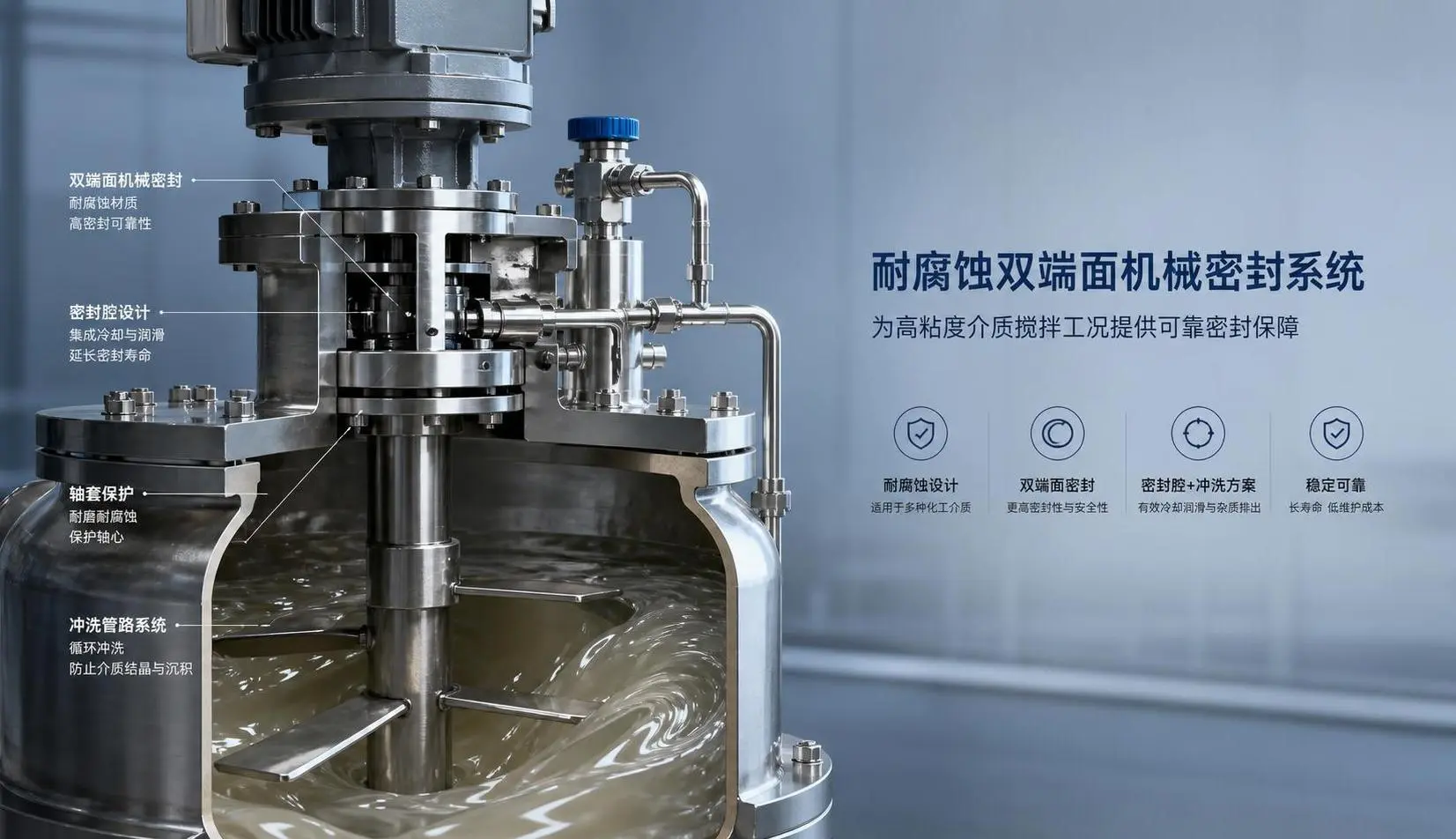
How to Select Mechanical Seals for Mixers in Corrosive or High-Viscosity Processes
Mechanical seals for mixers in corrosive or high-viscosity processes require the right materials, design, and support system. Learn how to choose a reliable seal and reduce leaks, downtime, and maintenance.
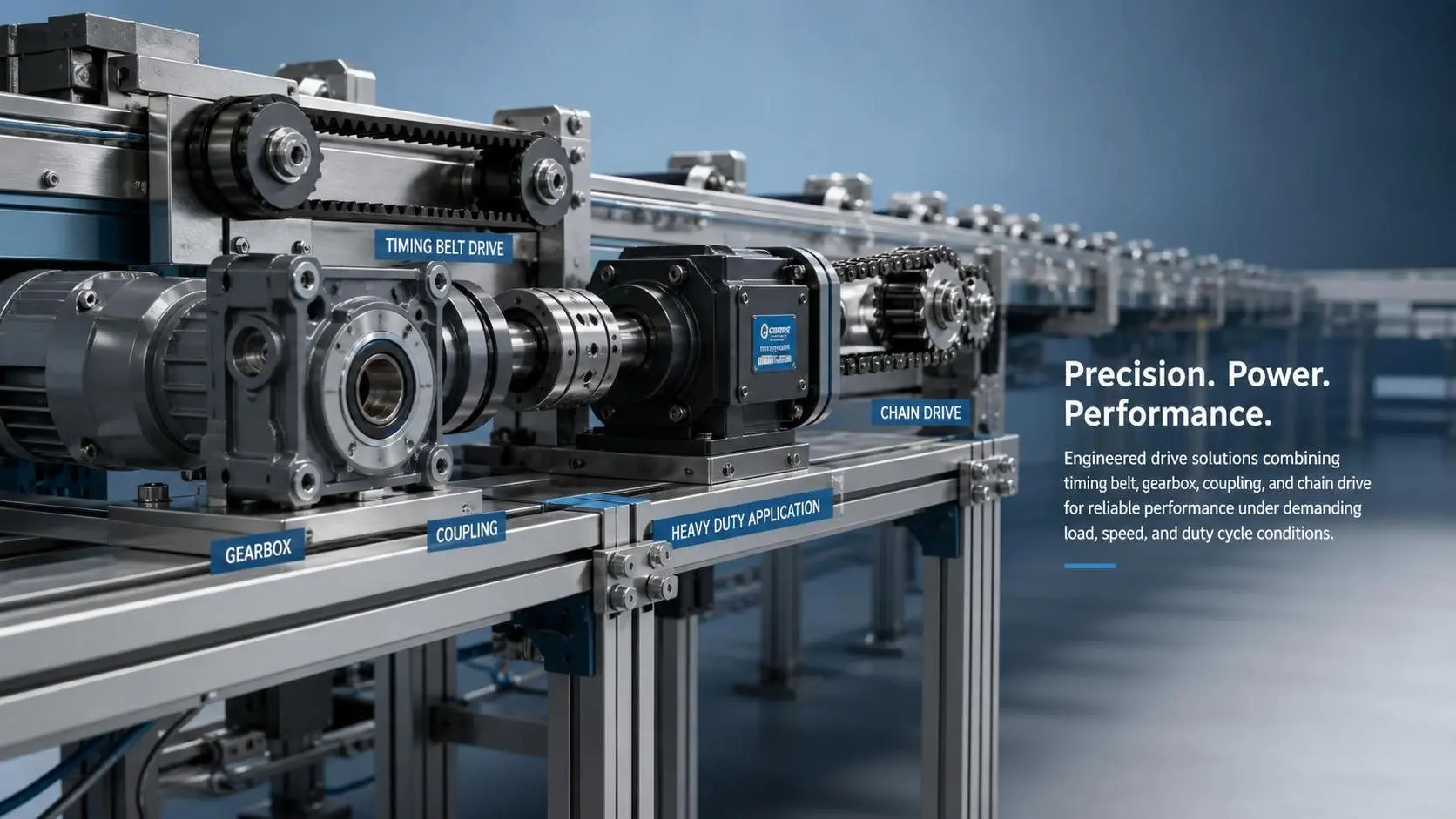
How to Select Automated Line Drive Components for Load, Speed, and Duty Cycle?
Automated line drive components selection starts with real load, speed, and duty cycle analysis. Learn how to reduce failures, improve reliability, and choose smarter for demanding production lines.
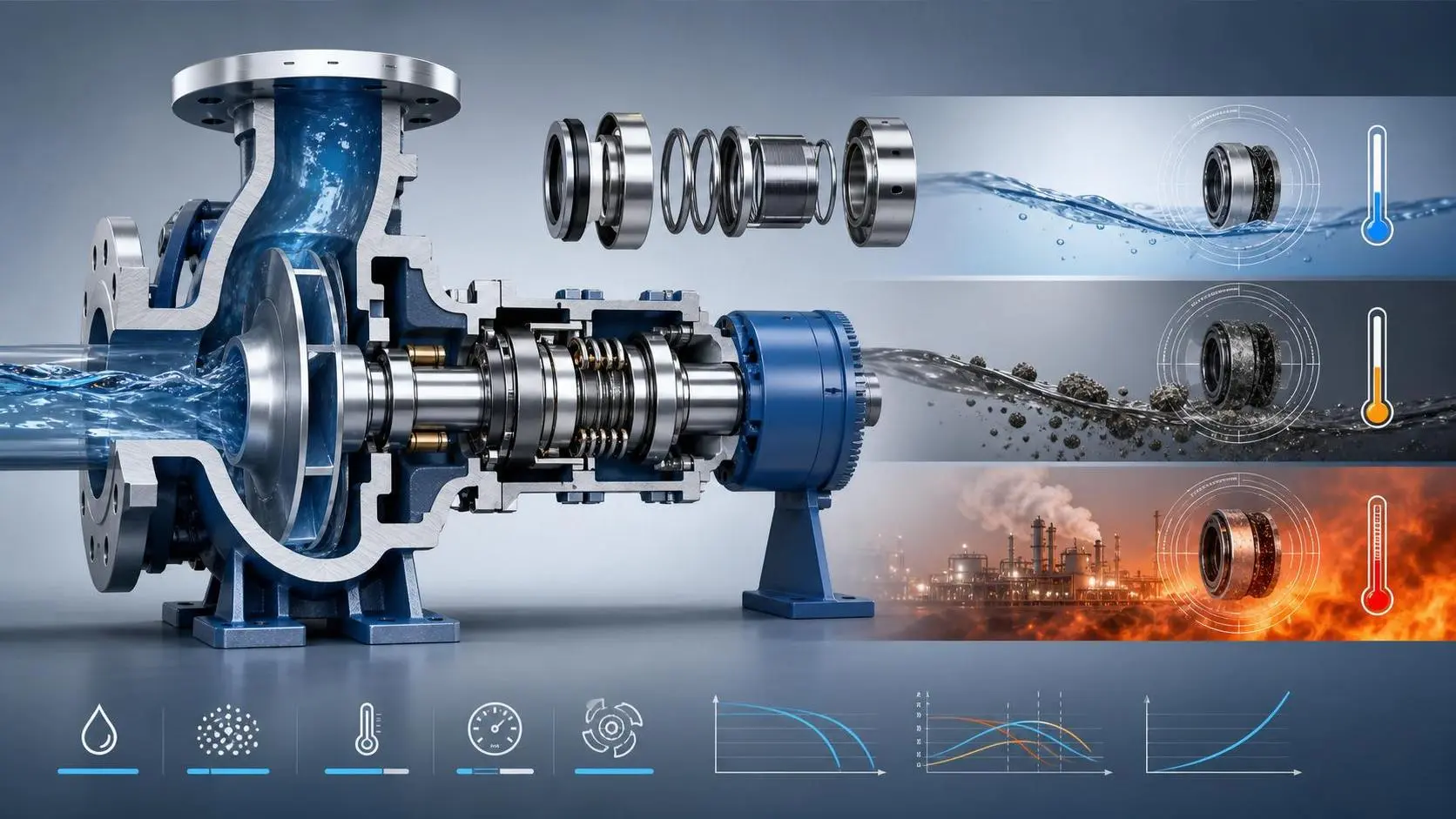
How to Choose Mechanical Seals for Industrial Applications by Fluid and Operating Conditions
Mechanical seals for industrial applications: learn how to match seal types, materials, and support systems to fluid properties, pressure, temperature, speed, and solids for longer service life.
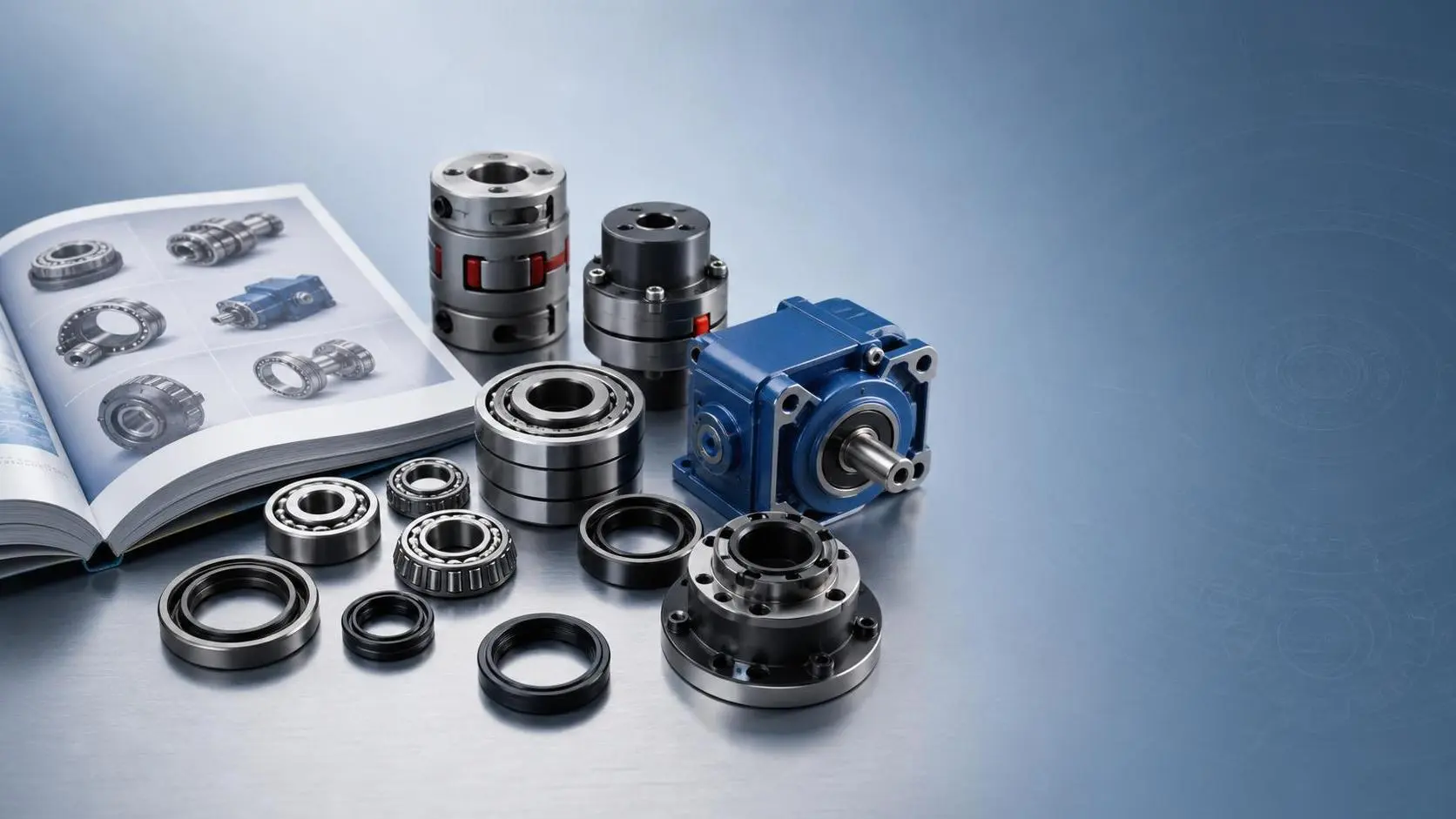
How to Use an Industrial Component Applications Catalog for Faster Part Selection
Industrial component applications catalog guide: learn how to screen parts faster, cut selection errors, and build a smarter shortlist for reliable industrial sourcing.

When Does a Mechanical Efficiency Optimization Service Deliver Real ROI?
Mechanical efficiency optimization service ROI becomes real when it cuts energy waste, downtime, and maintenance costs in critical assets. Learn when optimization truly pays off.