
Industry News
Curation by industry experts
Hot Articles
Popular Tags
What reliability engineering in transmission prevents
In complex industrial systems, reliability engineering in transmission is what prevents costly downtime, unstable performance, and hidden lifecycle risks. For project managers and engineering leaders, understanding how transmission reliability shapes efficiency, maintenance planning, and asset longevity is essential to making smarter decisions in automated production and heavy equipment environments.
Whether the system uses gear reducers, couplings, belts, chains, bearings, or mechanical seals, transmission reliability is never a narrow design issue. It influences project schedules, spare-parts strategy, maintenance labor, safety exposure, and the total cost of ownership over 3–10 years of operation.
For B2B decision-makers, the value of reliability engineering in transmission lies in one practical question: what exactly does it prevent? The answer covers a range of operational failures, from repeated misalignment and vibration to premature lubricant breakdown, torque loss, seal leakage, and unplanned line stoppages that can disrupt output for 4 hours or 4 days.
Why transmission reliability matters at the project level
Reliability engineering in transmission applies structured design, material selection, load analysis, maintenance logic, and failure prevention methods to power transfer systems. Its purpose is not only to keep components running, but to keep the entire process stable under variable load, temperature, speed, contamination, and duty cycle conditions.
In a modern production line, even a single transmission weak point can create a chain reaction. A mis-specified belt tension may increase bearing load by 15%–25%. A coupling selected without shock-load allowance can amplify vibration. A seal exposed to abrasive particles may fail months earlier than expected, leading to lubricant loss and secondary component damage.
The failures it prevents most often
From a project manager’s perspective, reliability engineering in transmission prevents six recurring categories of loss: unplanned downtime, inconsistent process quality, maintenance overrun, unsafe operating conditions, premature capital replacement, and avoidable energy waste. These are not isolated technical events; they affect OEE, budget discipline, and delivery commitments.
- Unplanned stoppages caused by bearing seizure, chain elongation, belt slippage, or gearbox overheating
- Performance instability caused by backlash growth, vibration, torque fluctuation, or speed variation
- Maintenance escalation when inspection intervals shrink from quarterly to monthly or even weekly
- Safety risks linked to overheating surfaces, sudden seizure, rotating element failure, or seal leakage
- Asset life reduction when fatigue, wear, corrosion, or contamination are not controlled early
- Efficiency loss from poor alignment, excess friction, or unsuitable lubrication regimes
Why the issue grows in automated and heavy-duty environments
The more automated the line, the lower the tolerance for unstable transmission performance. In packaging, converting, mining, steel processing, port handling, and bulk material systems, 24/7 duty cycles are common. In these environments, a component that survives 6 months under ideal conditions may underperform within 6–10 weeks if dust, shock loads, or thermal swings are underestimated.
Heavy equipment adds another layer of risk. Start-stop cycles, torque spikes, reversing loads, and contaminated lubrication conditions can shorten service life rapidly. Reliability engineering in transmission prevents these issues by treating the application as a system, not as a list of interchangeable parts.
Typical risk signals before a failure event
Many failures are preventable because they announce themselves early. An increase in vibration, a 10–15°C rise in operating temperature, visible lubricant discoloration, repeated retensioning, or growing noise at specific RPM bands often appears weeks before a shutdown. Teams that monitor these signals can act during planned maintenance windows instead of emergency interventions.
The table below outlines common transmission failure modes and the business consequences they usually create in industrial projects.
The key pattern is clear: transmission failures rarely stay local. A single weak point often expands into multiple cost centers, including overtime labor, spare-part air freight, missed production targets, and accelerated wear of neighboring components.
What reliability engineering in transmission prevents across the lifecycle
Project leaders often focus on commissioning success, but most transmission losses emerge after startup. Reliability engineering in transmission prevents lifecycle drift by aligning design assumptions with real operating conditions, then supporting those assumptions with inspection routines, replacement criteria, and performance thresholds.
1. It prevents under-design and over-design
Under-design leads to early failure. Over-design increases capital cost, installation complexity, and energy demand. A reliability-based approach balances load spectrum, start frequency, ambient conditions, shaft speed, and service factor. In many industrial applications, selecting for the actual duty cycle rather than nameplate power alone can reduce overspecification by 10%–20%.
For example, a transmission system exposed to 30 starts per hour and intermittent overload peaks needs a different design logic than one running at constant speed for 16 hours per day. Reliability engineering prevents selection errors by mapping duty profile before procurement begins.
2. It prevents hidden installation defects
A high-quality component can still fail early if installed poorly. Shaft misalignment beyond typical limits, soft foot, incorrect torque values, belt over-tensioning, and contamination introduced during assembly are frequent causes of first-year failure. In many facilities, installation quality accounts for a substantial share of avoidable defects during the first 3–12 months.
Field controls that matter most
- Verify alignment with the chosen tolerance method before startup
- Document torque values for critical fasteners and locking assemblies
- Check lubrication grade, quantity, and contamination control
- Confirm tension settings for belts and chains after the first run-in cycle
- Inspect guards, seals, and drainage paths in washdown or dusty areas
3. It prevents maintenance strategy mismatch
Not every transmission asset should follow the same maintenance interval. Some systems need condition-based checks every 2–4 weeks; others can run on a quarterly or semiannual schedule. Reliability engineering in transmission prevents over-maintenance, which wastes labor, and under-maintenance, which increases failure exposure.
This is particularly important for plants with mixed asset criticality. A conveyor feeding a furnace, a gearbox in a bottleneck packaging line, and a standby auxiliary drive do not justify identical inspection plans. Reliability thinking prioritizes maintenance where downtime consequences are highest.
The following table shows a practical way to match transmission asset criticality with maintenance intensity.
The practical insight is that reliability engineering is not just about stronger hardware. It is also about assigning the right inspection frequency and decision threshold to the right asset class.
How to evaluate transmission reliability during selection and procurement
For engineering managers, procurement mistakes often begin when evaluation focuses only on purchase price and nominal capacity. Reliability engineering in transmission adds a wider lens: service life expectation, maintainability, contamination tolerance, efficiency under real load, and availability of technical support during commissioning and operation.
Five selection criteria that reduce project risk
- Duty-cycle fit: continuous, intermittent, reversing, shock-loaded, or variable-speed operation
- Environmental resilience: dust, moisture, chemical exposure, washdown, or high ambient temperature
- Serviceability: lubrication access, seal replacement ease, alignment tolerance, spare-parts lead time
- System compatibility: shaft dimensions, mounting arrangement, torque path, and control integration
- Failure visibility: whether early wear can be detected through routine checks before catastrophic breakdown
Questions project teams should ask suppliers
A strong supplier discussion should move beyond catalog ratings. Ask what operating temperature range the solution is intended for, what contamination level it can tolerate, what run-in behavior should be expected, and what maintenance interval is typical under comparable duty. Also ask which installation errors most commonly shorten life by 20% or more.
For organizations working across multiple regions, intelligence platforms such as GPT-Matrix are especially valuable because they connect material trends, component evolution, and supply-chain signals. That matters when lead times shift from 2 weeks to 8 weeks, or when raw material volatility affects the availability of long-life belts, reducers, or sealing elements.
Procurement red flags
Be cautious when technical documentation lacks environmental assumptions, when recommended maintenance intervals seem unrealistically broad, or when no guidance is provided on alignment, lubrication, and startup inspection. Those gaps often indicate that lifecycle reliability has not been fully engineered into the solution.
Implementation steps for project managers and engineering leads
Reliability engineering in transmission becomes effective when it is translated into repeatable project controls. That means defining ownership, acceptable operating windows, inspection routines, and escalation triggers before the asset enters full production.
A practical 5-step reliability roadmap
- Classify transmission assets by production impact, safety exposure, and replacement complexity
- Define operating envelopes for speed, load, temperature, vibration, and lubrication condition
- Standardize installation and commissioning checklists across contractors and plant teams
- Set inspection intervals and alarm thresholds for critical assets during the first 90 days
- Review failures, near misses, and wear patterns every quarter to improve future selection decisions
Common implementation mistakes
One frequent mistake is assuming OEM selection alone guarantees reliability. Another is collecting condition data without action thresholds. A third is failing to coordinate procurement, maintenance, and operations teams. Transmission reliability is strongest when design assumptions, spare-parts planning, and inspection practice all support the same operating reality.
A disciplined approach can prevent repeated reactive work orders, reduce avoidable component swaps, and improve maintenance planning accuracy over 6–12 month periods. For project-based organizations, that translates into fewer schedule disruptions and more predictable lifecycle cost.
Where intelligence adds strategic value
Transmission decisions are increasingly shaped by more than engineering calculation. Material innovation, tribology developments, energy efficiency pressure, and global supply variation now influence reliability outcomes. GPT-Matrix supports this decision process by connecting technical evolution with commercial insight, helping industrial teams compare risks before they become maintenance events.
For project managers responsible for automated lines, heavy equipment, or multi-site industrial assets, the most effective strategy is to combine application-specific engineering with current market intelligence. That combination helps prevent short-life components, poor supplier alignment, and hidden lifecycle costs that are difficult to recover once the project is live.
Reliability engineering in transmission prevents more than mechanical failure. It prevents budget leakage, schedule instability, maintenance overload, energy loss, and avoidable asset replacement. When selection, installation, inspection, and supplier evaluation are aligned, transmission systems deliver steadier output and lower lifecycle risk.
If your team is assessing transmission components, planning an upgrade, or reviewing recurring failure points, use a reliability-based framework from the beginning. To explore deeper industry intelligence, compare evolving component options, or obtain a more tailored decision path for your operating environment, contact GPT-Matrix today and get a customized solution discussion.
Recommended News
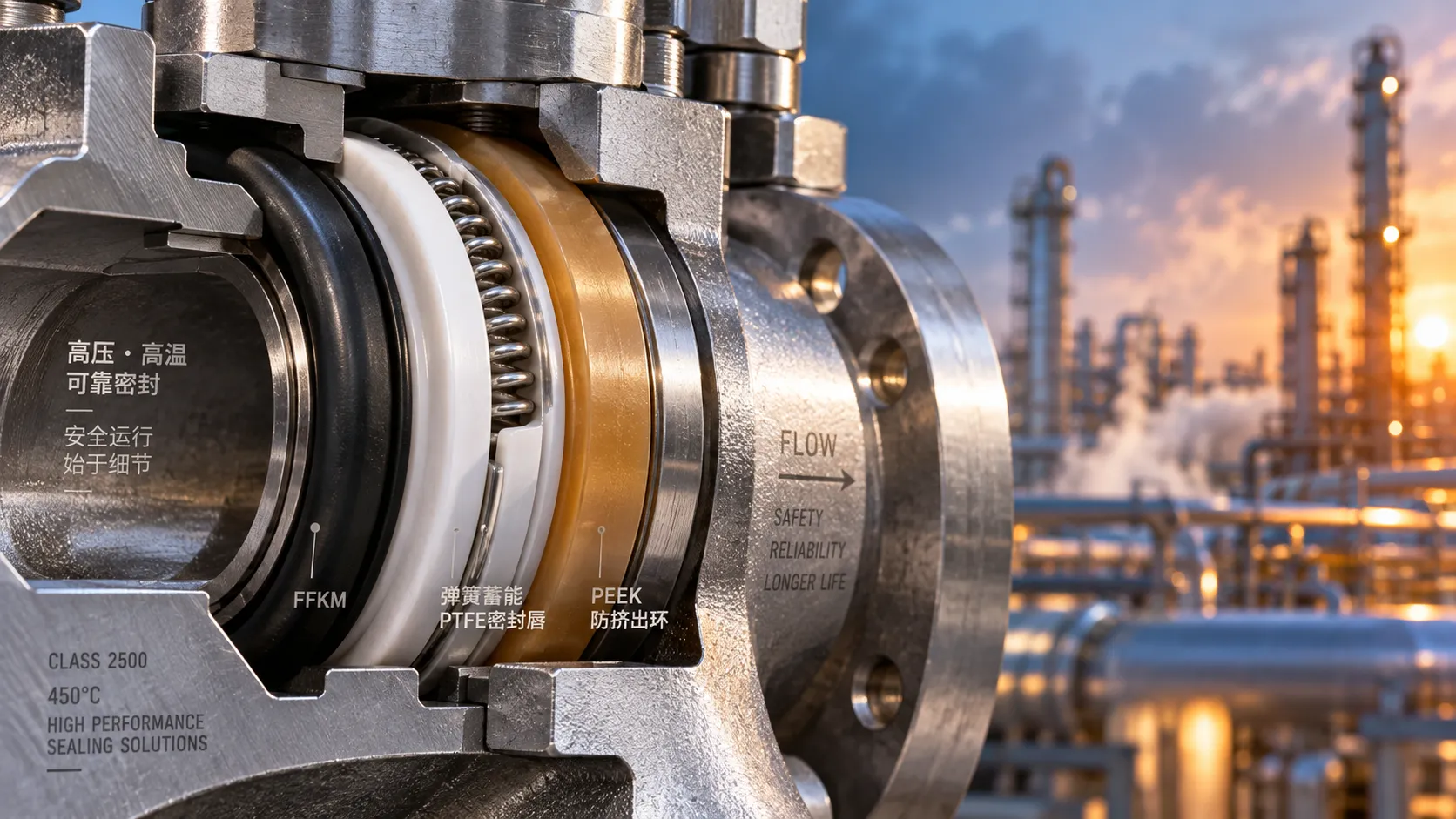
Which New Seal Materials Perform Best in High-Pressure, High-Temperature Service?
Industrial material breakthroughs for seals: compare FFKM, filled PTFE, PEEK, graphite, and metal options for reliable high-pressure, high-temperature service.
Industrial Economy Trends Shaping Capital Investment and Supply Chain Risk in 2026
Industrial economy trends for 2026 reveal how resilient capital investments, energy efficiency, and supply-chain strategies can protect uptime and strengthen returns.
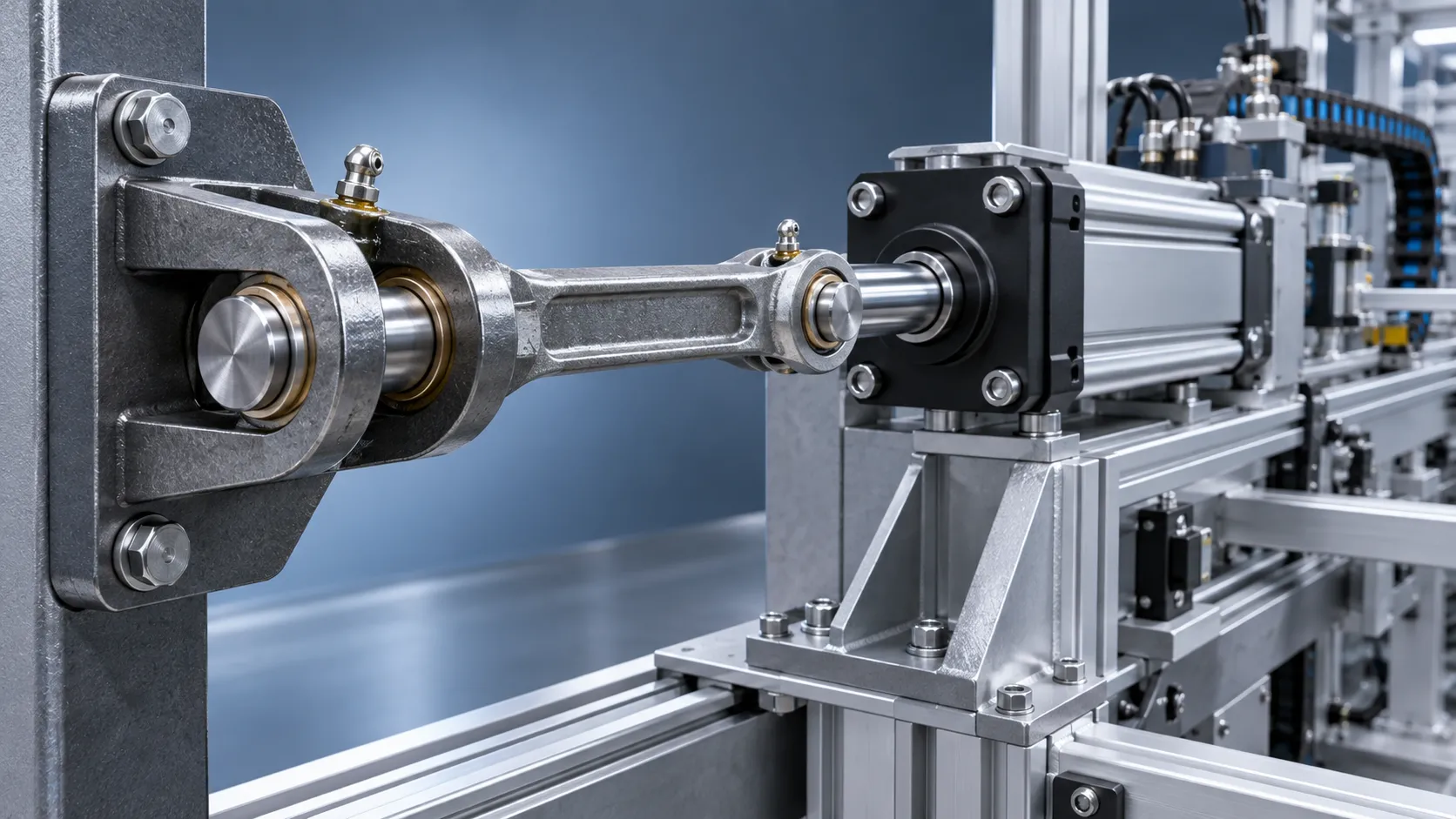
Mechanical Linkage Design: How to Balance Load Capacity, Motion Accuracy, and Wear
Mechanical linkage design guide: balance load capacity, motion accuracy, and wear with practical insights on geometry, joints, tolerances, lubrication, and service life.
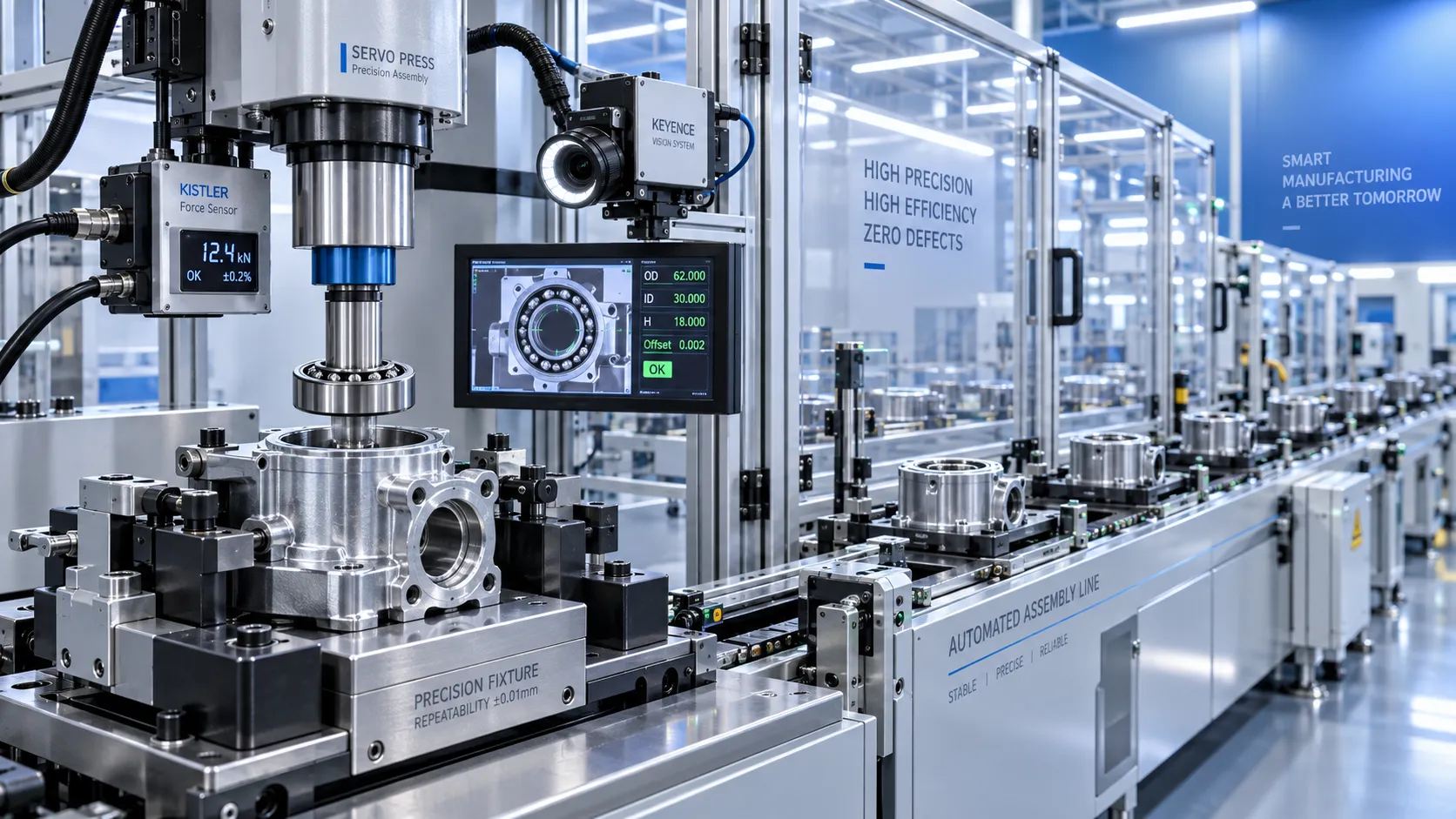
How Precision Automated Production Improves Quality Control in High-Volume Assembly
Precision automated production strengthens quality control in high-volume assembly with real-time verification, traceability, and safer defect containment.
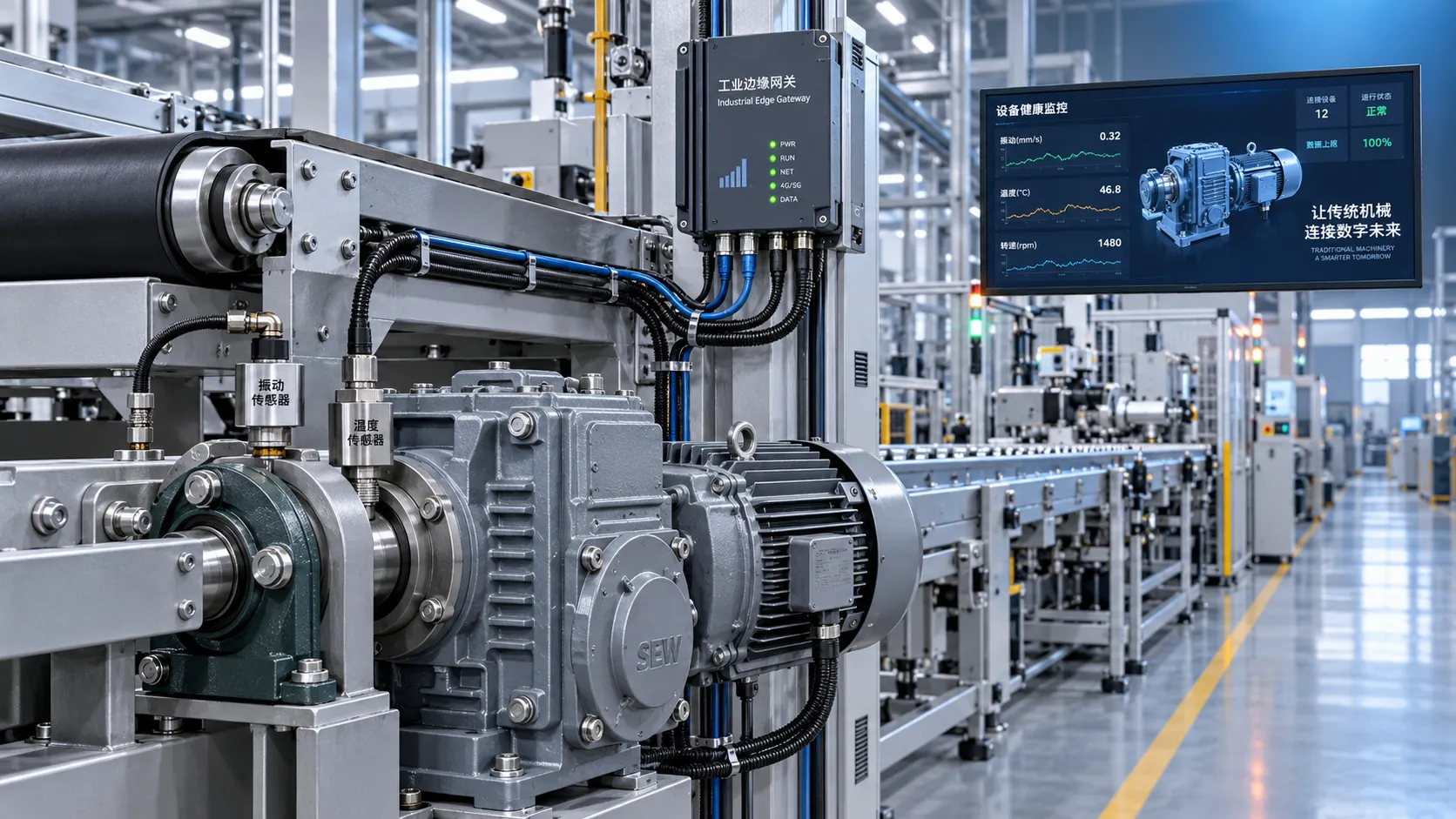
Industry 4.0 Integration: A Roadmap for Connecting Legacy Machines and Data
Industry 4.0 integration roadmap for connecting legacy machines, improving data visibility, reducing downtime, and scaling secure, measurable operational performance.
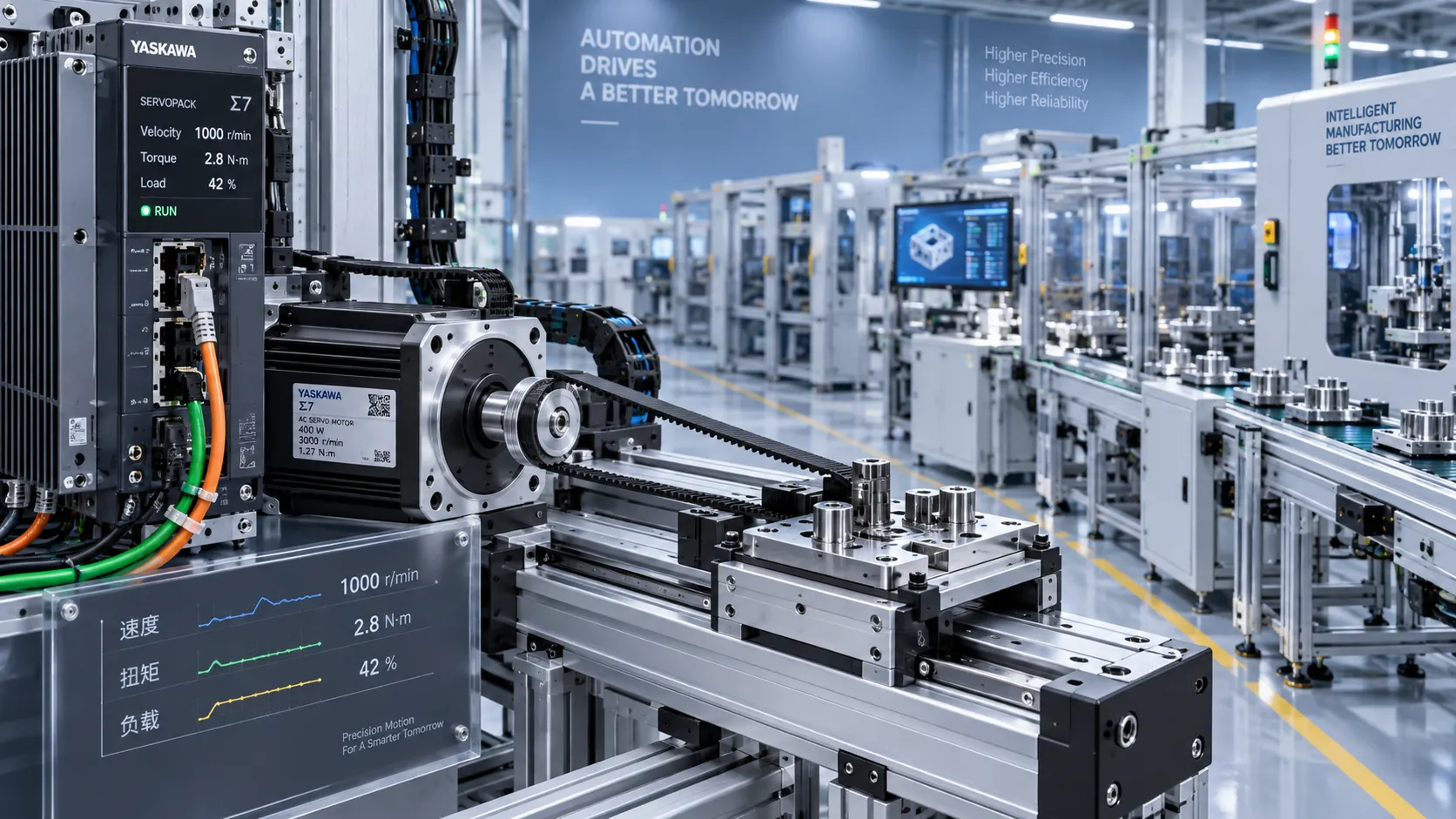
Servo Drive Comparison: Selecting Motion Control for Speed, Torque, and Load
Technical product comparison servo drives: evaluate speed, torque, inertia, safety, and control integration to select a reliable motion system with proven performance margins.

Industrial Automation Technology: How to Prioritize Upgrades by ROI and Downtime Risk
Industrial automation technology upgrades: learn to rank projects by ROI, bottleneck exposure, and downtime risk to reduce losses and make smarter capital decisions.
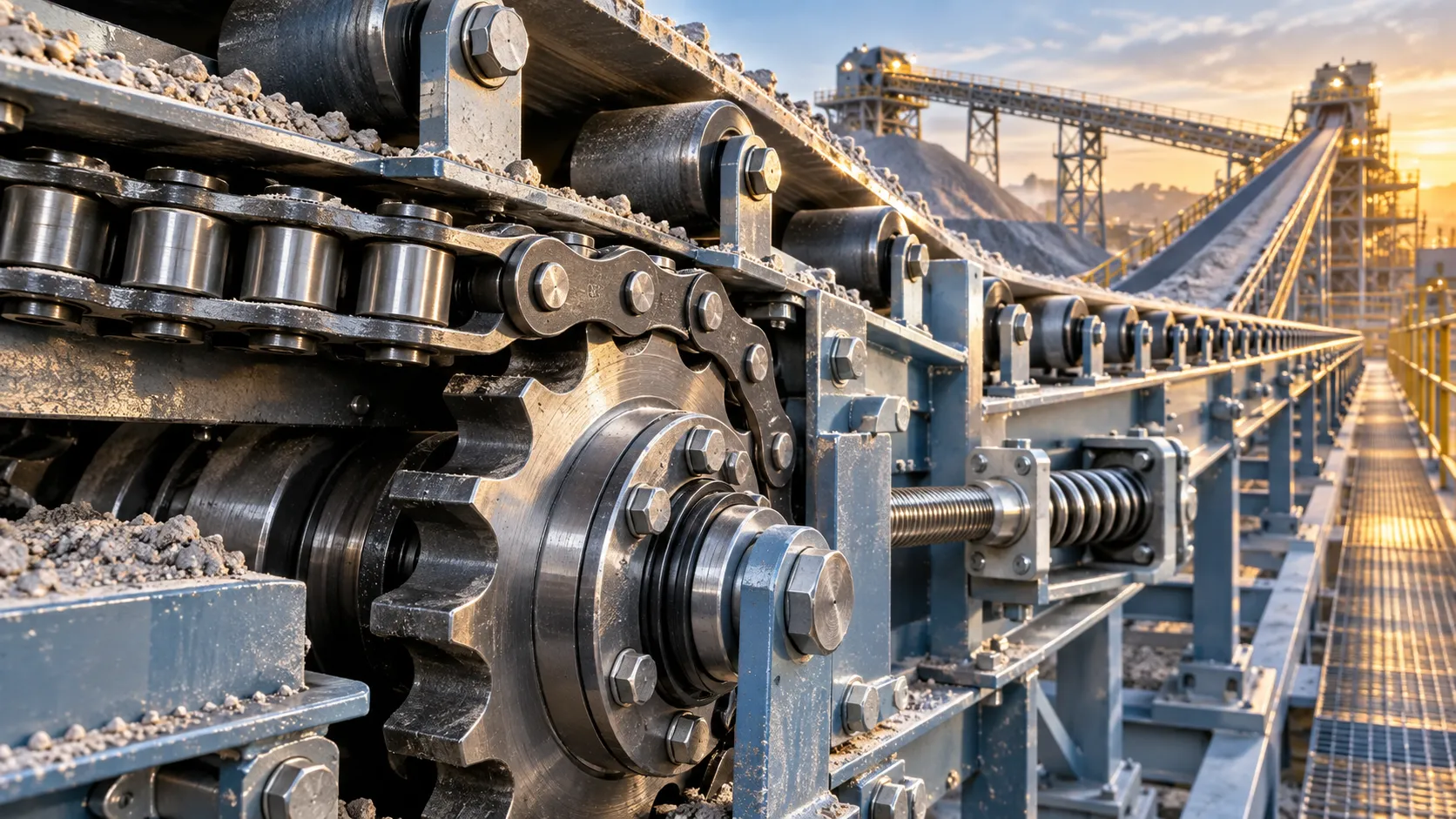
Selecting Low-Maintenance Chain Components for Dusty, High-Load Conveyors
Low maintenance chain components for dusty, high-load conveyors: compare seals, lubrication, materials, sprockets, and load capacity to reduce wear and downtime.
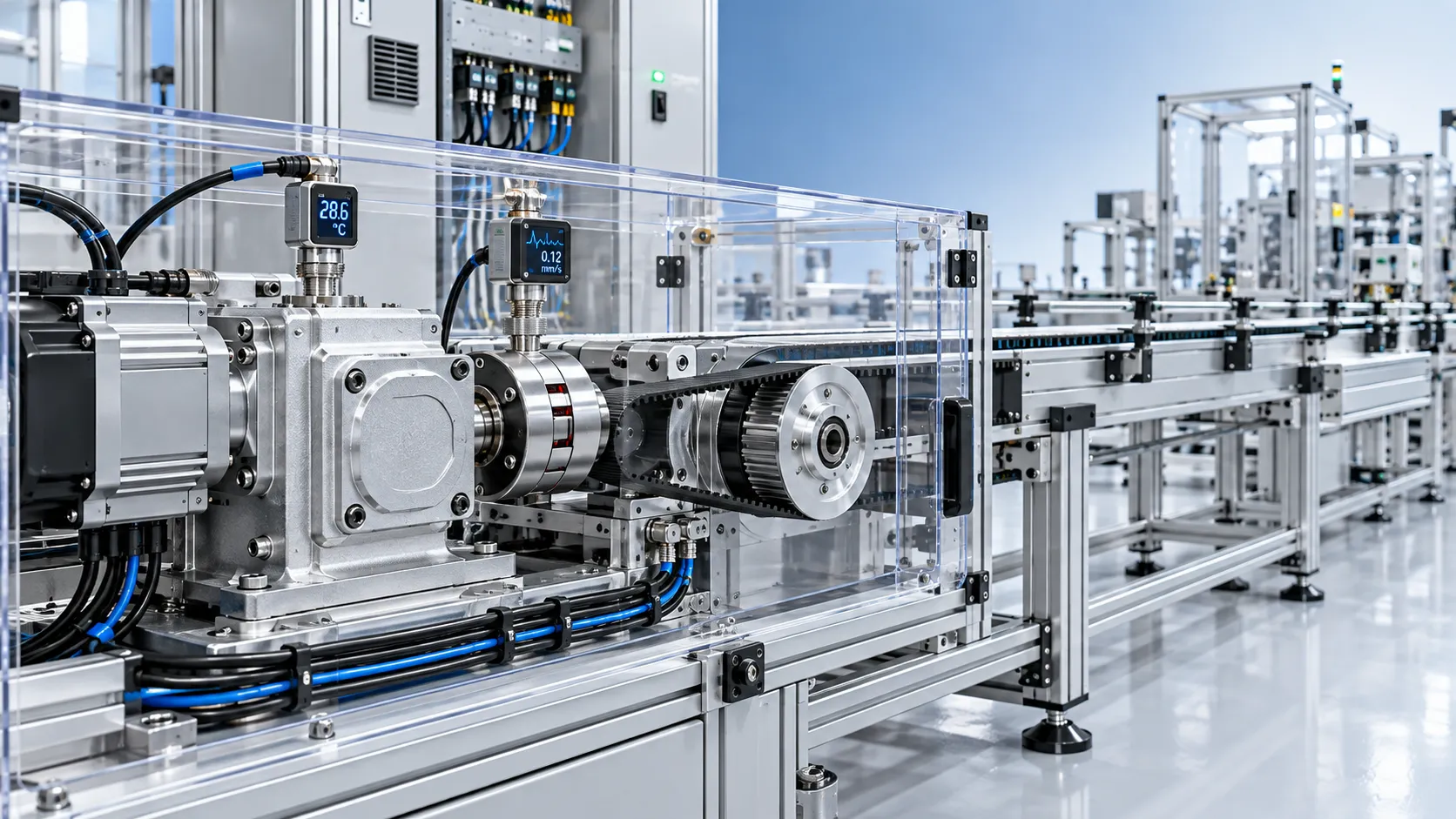
Selecting Smart Transmission Modules for Automated Lines: Control, Load, and Safety
Smart transmission modules for automated lines: evaluate control compatibility, real load demands, safety boundaries, and predictive maintenance value for reliable performance.