
Industry News
Curation by industry experts
Hot Articles
Popular Tags
How smart manufacturing solutions cut factory waste
For enterprise decision-makers under pressure to improve margins, resilience, and sustainability, Industry 4.0 smart manufacturing solutions offer a practical path to cutting factory waste at its source. From real-time monitoring and predictive analytics to smarter power transmission and maintenance strategies, these technologies help manufacturers reduce material loss, energy inefficiency, and unplanned downtime while strengthening long-term operational performance.
In most factories, waste is not limited to scrap bins. It also appears as excess energy draw, misaligned transmission components, repeated changeovers, avoidable seal failures, and maintenance routines that arrive either too early or too late. For leadership teams managing multi-site operations or preparing capital plans for the next 12–36 months, the priority is not digitalization for its own sake. The priority is measurable waste reduction with a clear operational payback.
That is where Industry 4.0 smart manufacturing solutions become especially relevant. By combining machine data, process visibility, and more intelligent decisions around power transmission, motion control, and sealing reliability, manufacturers can attack waste at several points at once. This is also the perspective advanced by GPT-Matrix, whose industrial intelligence focuses on the mechanical links and power systems that quietly determine efficiency, uptime, and lifecycle cost across modern production environments.
Where factory waste actually comes from in modern production systems
Decision-makers often discover that 60%–80% of visible losses are symptoms rather than root causes. A scrap spike may start with unstable torque delivery. An energy overrun may trace back to worn belts, poor reducer selection, lubrication drift, or sealing degradation that raises friction and heat. Waste becomes systemic when these issues remain invisible between inspections.
In automated lines, even a small mechanical deviation can cascade. A belt tension error of 3%–5%, a coupling misalignment above accepted tolerance, or a seal operating outside its temperature envelope can lower process consistency long before a breakdown occurs. By the time the problem is visible in rejected output or downtime reports, the cost has already multiplied across labor, energy, material, and delivery performance.
Four waste categories that smart systems address first
- Material loss from unstable process control, repeat defects, and startup scrap.
- Energy waste from inefficient drive systems, oversized motors, and hidden friction.
- Maintenance waste from fixed schedules that ignore actual component condition.
- Downtime waste from unplanned failures in reducers, bearings, belts, couplings, and seals.
Why mechanical components matter more than many digital roadmaps admit
Many transformation plans emphasize dashboards, cloud architecture, and automation software. Those are important, but factory waste is often created or prevented at the mechanical layer. Power transmission losses, lubrication quality, vibration behavior, and sealing performance directly influence line efficiency. If data systems do not include these elements, the plant may digitize reporting without materially reducing waste.
This is why industrial intelligence platforms such as GPT-Matrix matter in strategic planning. They connect material science, tribology, and transmission logic to business decisions. For executives evaluating upgrades, that connection helps distinguish a cosmetic smart factory investment from one that can improve OEE, reduce maintenance intervals, and support green manufacturing targets over a 2–5 year horizon.
The table below outlines common waste sources and the specific Industry 4.0 smart manufacturing solutions that typically address them most effectively.
The key takeaway is that waste reduction is multidisciplinary. Material, energy, maintenance, and uptime losses are tightly linked. Industry 4.0 smart manufacturing solutions work best when they combine data visibility with mechanical reliability improvements instead of treating software and hardware as separate decisions.
How Industry 4.0 smart manufacturing solutions cut waste at the source
The strongest waste-reduction results usually come from three capabilities working together: continuous sensing, analytic interpretation, and operational response. If one layer is missing, value leaks out. Data without action changes little. Action without reliable data creates inconsistent results. A connected system reduces waste because it improves both timing and precision.
Real-time monitoring reduces hidden variation
A line that checks performance every 8 hours cannot respond as effectively as one that monitors key variables every 5–60 seconds. Real-time visibility helps identify drift before it becomes scrap or mechanical damage. Typical monitored variables include vibration, power draw, temperature, cycle time, line speed, lubricant condition, and pressure stability in sealing systems.
For example, a gradual temperature increase in a reducer or bearing housing may indicate lubrication breakdown, overload, or misalignment. Correcting that issue during a scheduled pause can avoid a later failure that stops production for 4–10 hours. In plants with continuous operations, the value of preventing even one such event per quarter can justify a targeted monitoring investment.
Predictive maintenance cuts both spare waste and downtime
Traditional preventive maintenance often creates a trade-off: replace parts too early and waste component life; replace too late and risk breakdown. Predictive maintenance improves this by estimating remaining useful life based on operating behavior. In critical transmission assets, inspection frequency may shift from fixed monthly checks to dynamic intervals based on condition thresholds and load history.
For seals, couplings, and belt-driven systems, this matters because wear does not progress at a constant rate. Heat cycles, contamination, speed variation, and tension changes all alter degradation patterns. Industry 4.0 smart manufacturing solutions allow plants to move from calendar-based decisions to evidence-based interventions, often lowering emergency service events and unnecessary spare consumption within the first 6–12 months.
Smarter power transmission improves energy efficiency
Power transmission is a major but often underestimated waste lever. Inefficient belt systems, poorly matched gear reducers, slipping drives, and friction-heavy mechanical joints can all raise energy use per unit produced. In large facilities, even a modest 2%–6% efficiency improvement in high-duty drive trains can have a noticeable impact on annual utility spend.
This is especially relevant to sectors with conveyors, mixers, compressors, packaging lines, fans, pumps, and material handling systems operating 16–24 hours a day. Better drive selection, digital load tracking, and maintenance guided by tribology data can reduce both wasted power and the secondary losses caused by overheating and unplanned replacement cycles.
Why intelligence from GPT-Matrix supports better decisions
Factory leaders rarely need more raw information; they need better interpretation. GPT-Matrix adds value by tracking developments in high-performance drive belts, digital integration of gear reducers, and mechanical seal reliability under demanding conditions. That helps decision-makers compare not only technologies, but also the practical business implications of lifecycle, maintenance burden, and resilience under energy and supply-chain volatility.
In other words, the most useful Industry 4.0 smart manufacturing solutions are not isolated devices. They are informed choices about where to digitize, which components most affect waste, and how to link operational data with procurement and maintenance strategy.
How to prioritize investments for maximum waste reduction
Not every factory should begin with a full smart plant rollout. A better approach is to rank waste drivers by financial impact, asset criticality, and implementation complexity. For many companies, the first 90 days should focus on identifying the 10–20 assets or production zones responsible for the highest combined cost of scrap, energy loss, and downtime.
A practical 5-step decision framework
- Map top waste categories by line, shift, and product family.
- Identify critical assets in power transmission, motion control, and sealing.
- Define measurable targets such as 3% scrap reduction or 5% energy savings.
- Pilot monitoring and predictive logic on one line for 8–12 weeks.
- Scale only after validating ROI, maintenance response, and data quality.
Questions procurement and operations should ask together
Procurement teams often focus on purchase price, while plant teams focus on uptime. Smart manufacturing success depends on bridging those views. A lower-cost component with shorter service life, weaker monitoring compatibility, or greater alignment sensitivity may increase total cost after only 6–18 months. Joint review prevents false economies.
The following comparison can help leadership teams prioritize opportunities before budget approval.
This comparison shows why many manufacturers start with critical assets rather than enterprise-wide deployment. The fastest wins often come from equipment that combines high operating hours, measurable failure patterns, and a direct link to throughput or energy cost.
Common mistakes that weaken ROI
- Deploying sensors without clear maintenance actions or escalation rules.
- Ignoring mechanical root causes while focusing only on software dashboards.
- Applying the same maintenance threshold to low-load and high-load assets.
- Choosing components without checking compatibility with digital monitoring plans.
- Measuring success only by installation completion instead of scrap, energy, and uptime metrics.
A disciplined investment sequence helps avoid these errors. It also supports stronger conversations with operations, engineering, procurement, and finance because each project can be tied to a waste mechanism and a measurable business outcome.
Implementation guidance for enterprise leaders
Successful adoption depends less on the number of connected machines than on governance and execution quality. Leaders should define ownership across at least four roles: operations, maintenance, engineering, and procurement. Without that alignment, factories collect data but fail to turn it into faster interventions, better component choices, or smarter replacement timing.
What a realistic rollout looks like
In many industrial settings, a phased rollout is more effective than a single large deployment. Phase 1, usually 4–8 weeks, focuses on baseline measurement and asset selection. Phase 2, often 8–12 weeks, runs a pilot with alert thresholds, data validation, and maintenance workflows. Phase 3 expands to additional lines only after the pilot demonstrates usable signals and stable response practices.
This staged model is especially useful when transmission assets vary across facilities. A packaging plant, foundry, and automated warehouse may all use Industry 4.0 smart manufacturing solutions, but their mechanical priorities differ. One may focus on belt wear and speed synchronization, another on gearbox heat and dust contamination, and another on seal integrity in continuous-duty equipment.
Operational metrics worth tracking from day one
- Scrap rate by product family and shift.
- kWh per unit or per production hour.
- Mean time between failures for critical mechanical assets.
- Planned versus unplanned maintenance hours.
- Seal leakage events, belt replacement frequency, and gearbox temperature variance.
When these metrics are reviewed weekly and linked to asset condition, leaders can identify whether waste is declining because of process stability, maintenance precision, or component upgrades. That matters for future budgeting. It also helps justify broader transformation with evidence rather than assumptions.
Why informed intelligence remains critical
The industrial landscape keeps changing through energy price swings, raw material constraints, and evolving reliability expectations. As a result, selecting the right mix of monitoring systems and mechanical components is not a one-time exercise. GPT-Matrix supports this decision cycle by delivering sector news, trend analysis, and commercial insight centered on transmission efficiency, motion control reliability, and long-life sealing performance.
For enterprise decision-makers, that means better context when planning upgrades, negotiating supplier strategies, or evaluating whether a short-term savings decision could create a long-term maintenance burden. In a competitive manufacturing environment, informed timing can be as valuable as technology choice itself.
Factory waste is rarely caused by one issue, and it is rarely solved by one tool. The most effective Industry 4.0 smart manufacturing solutions combine data visibility, predictive maintenance, and stronger choices in power transmission and sealing systems to reduce scrap, energy loss, and downtime together. For decision-makers looking to improve margins while supporting resilience and green manufacturing goals, the next step is to identify high-impact assets, define measurable targets, and build a phased roadmap grounded in real operating conditions.
If you want a more informed path to smarter mechanical efficiency, explore GPT-Matrix for deeper sector intelligence, tailored insight, and practical guidance on transmission, motion control, and sealing decisions. Contact us today to discuss your priorities, request a customized solution approach, or learn more about the right waste-reduction strategy for your industrial operation.
- power transmission
- mechanical components
- motion control
- drive belts
- gear reducers
- tribology
- mechanical efficiency
- material science
- Industry 4.0
- green manufacturing
- energy saving
- transmission components
- industrial intelligence
- digital integration
- high-performance drive
- industrial intelligence platform
- Industry 4.0 smart manufacturing solutions
Recommended News
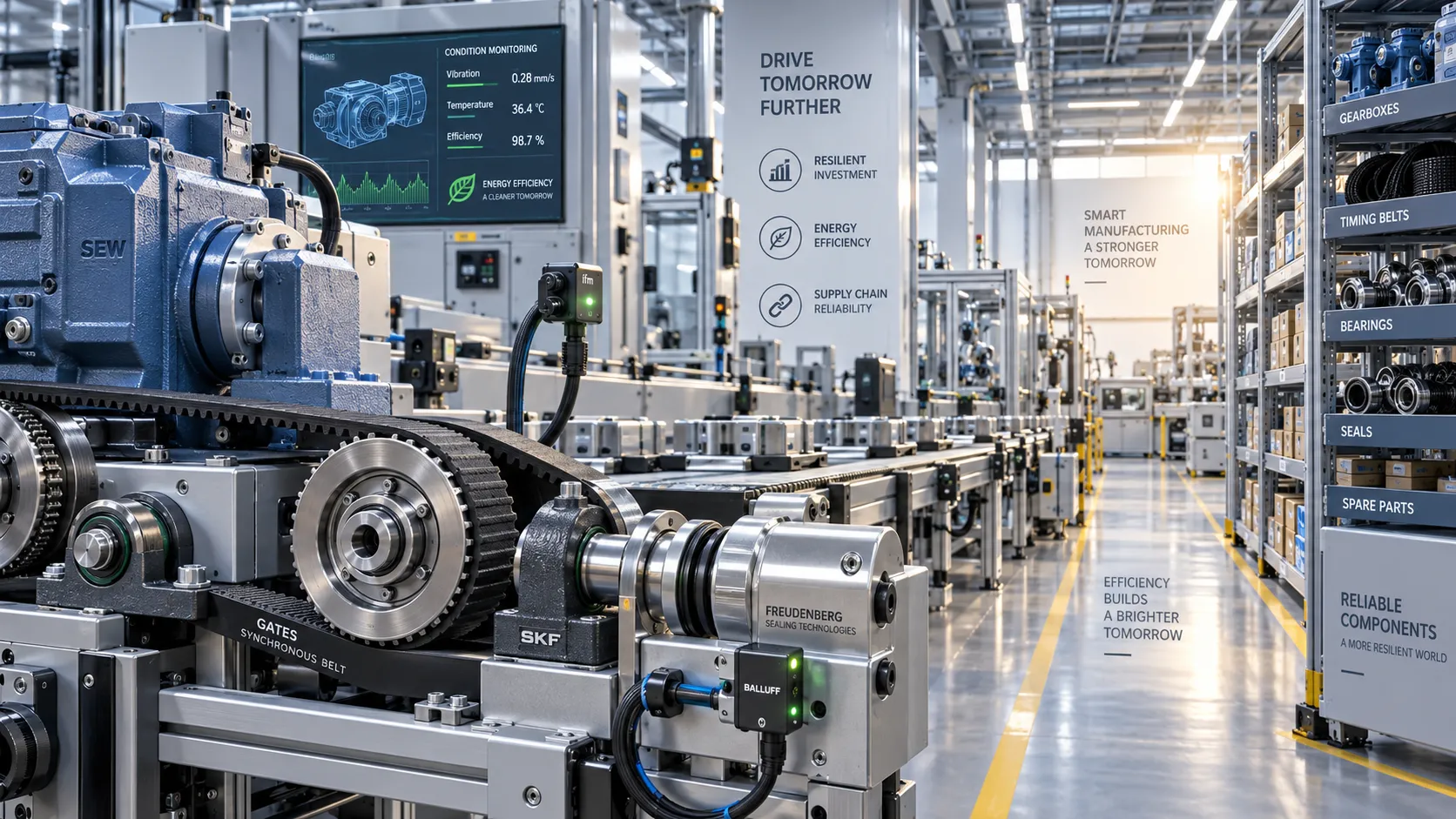
Industrial Economy Trends Shaping Capital Investment and Supply Chain Risk in 2026
Industrial economy trends for 2026 reveal how resilient capital investments, energy efficiency, and supply-chain strategies can protect uptime and strengthen returns.
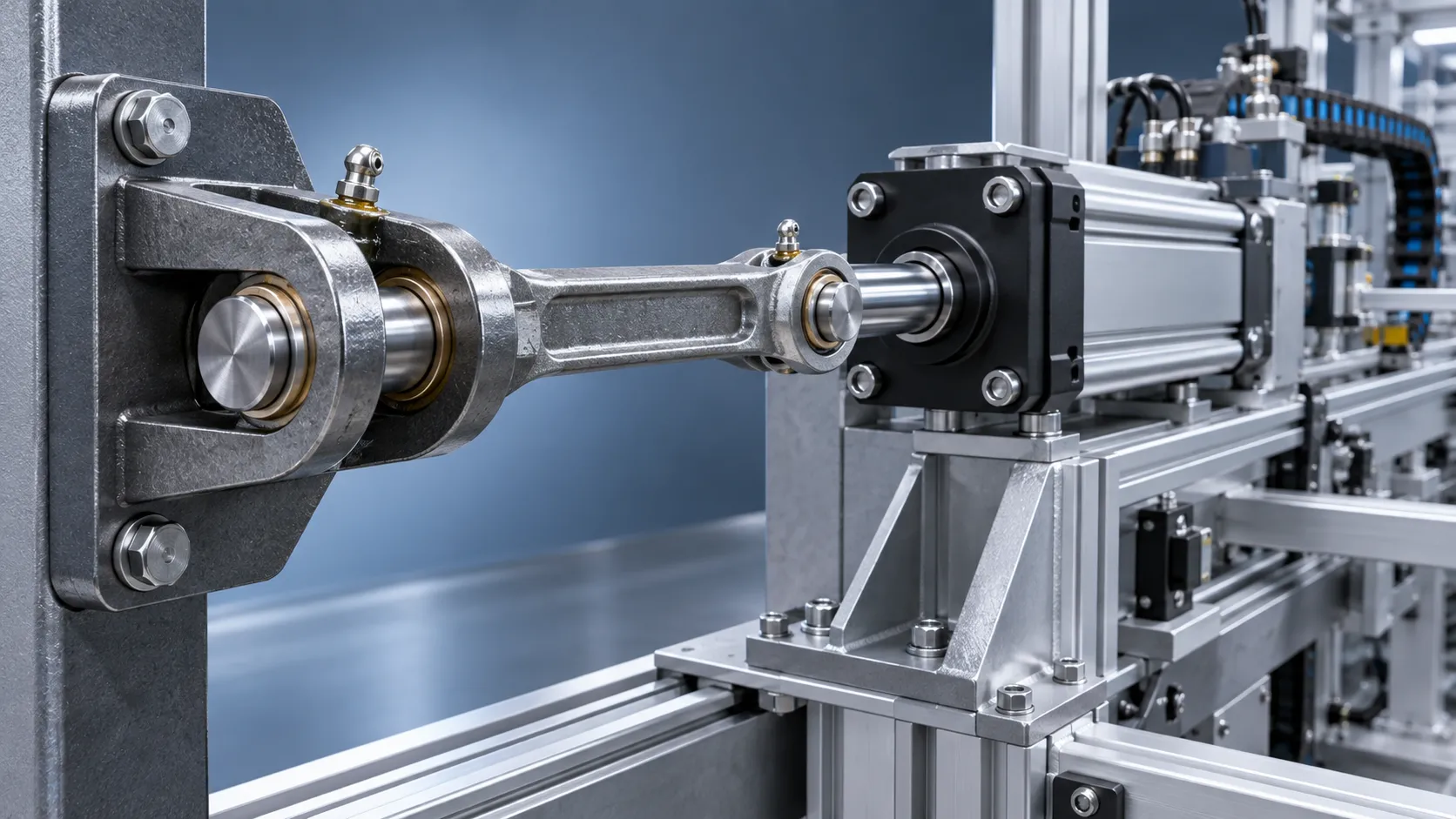
Mechanical Linkage Design: How to Balance Load Capacity, Motion Accuracy, and Wear
Mechanical linkage design guide: balance load capacity, motion accuracy, and wear with practical insights on geometry, joints, tolerances, lubrication, and service life.
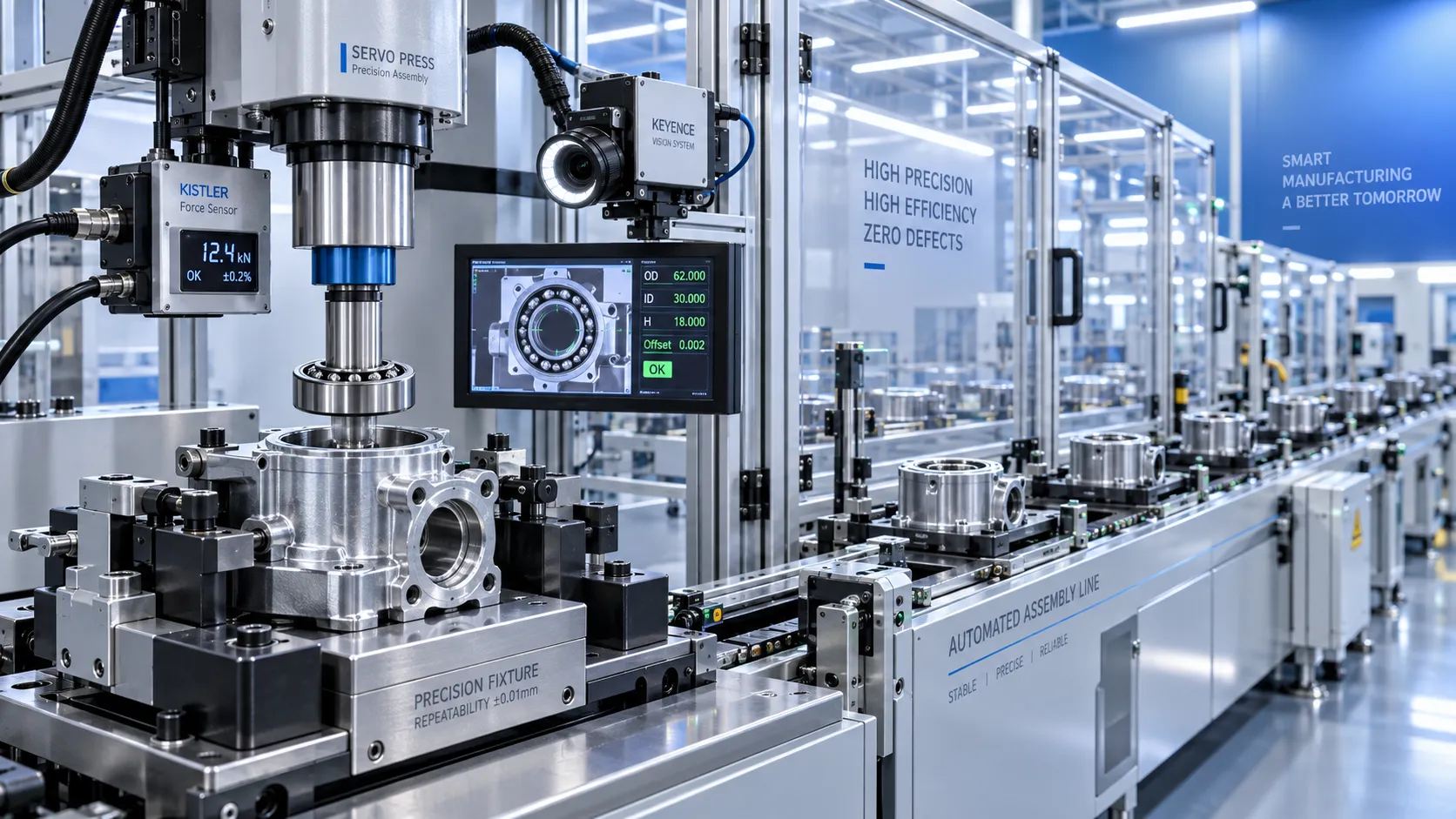
How Precision Automated Production Improves Quality Control in High-Volume Assembly
Precision automated production strengthens quality control in high-volume assembly with real-time verification, traceability, and safer defect containment.
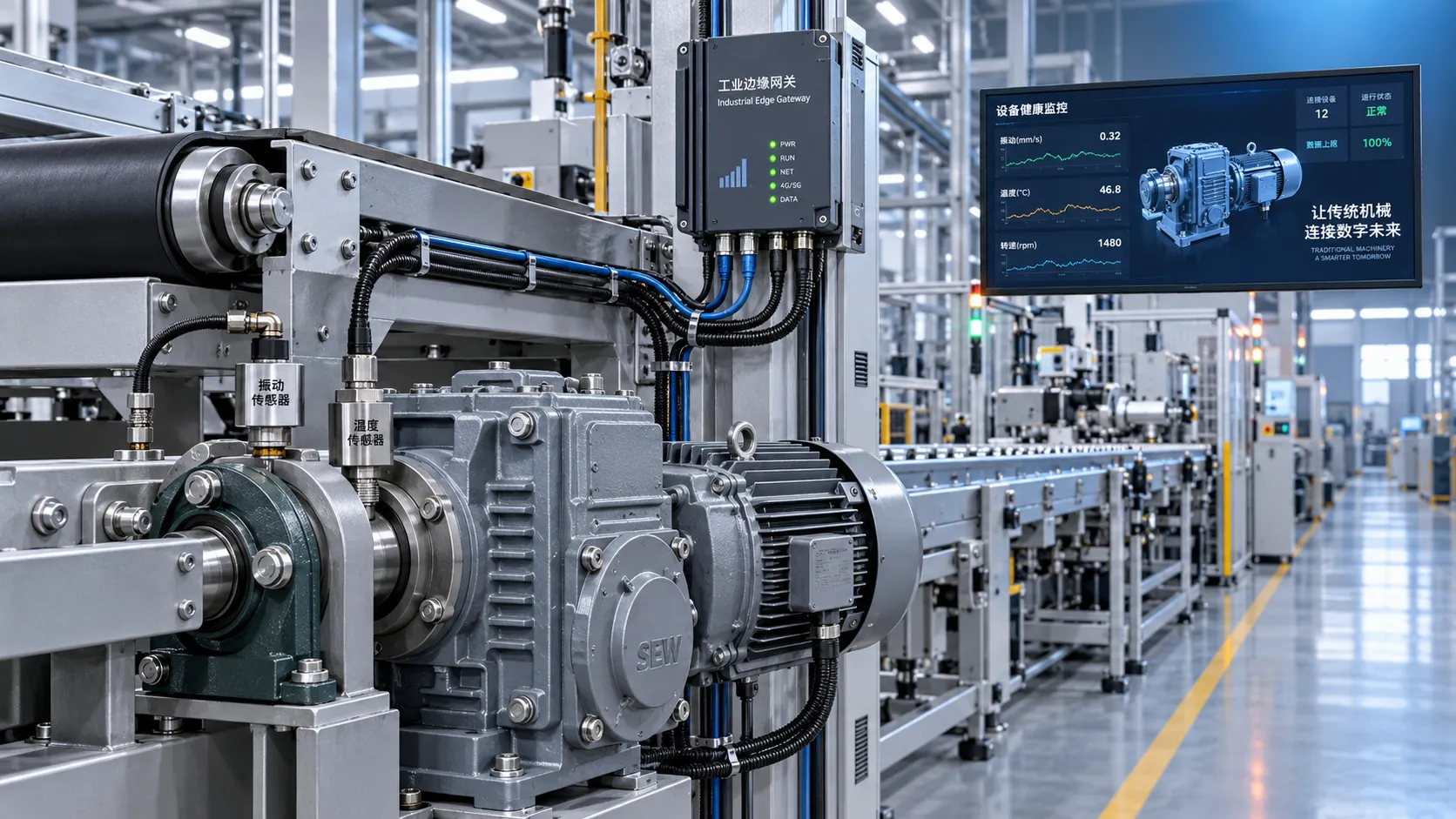
Industry 4.0 Integration: A Roadmap for Connecting Legacy Machines and Data
Industry 4.0 integration roadmap for connecting legacy machines, improving data visibility, reducing downtime, and scaling secure, measurable operational performance.
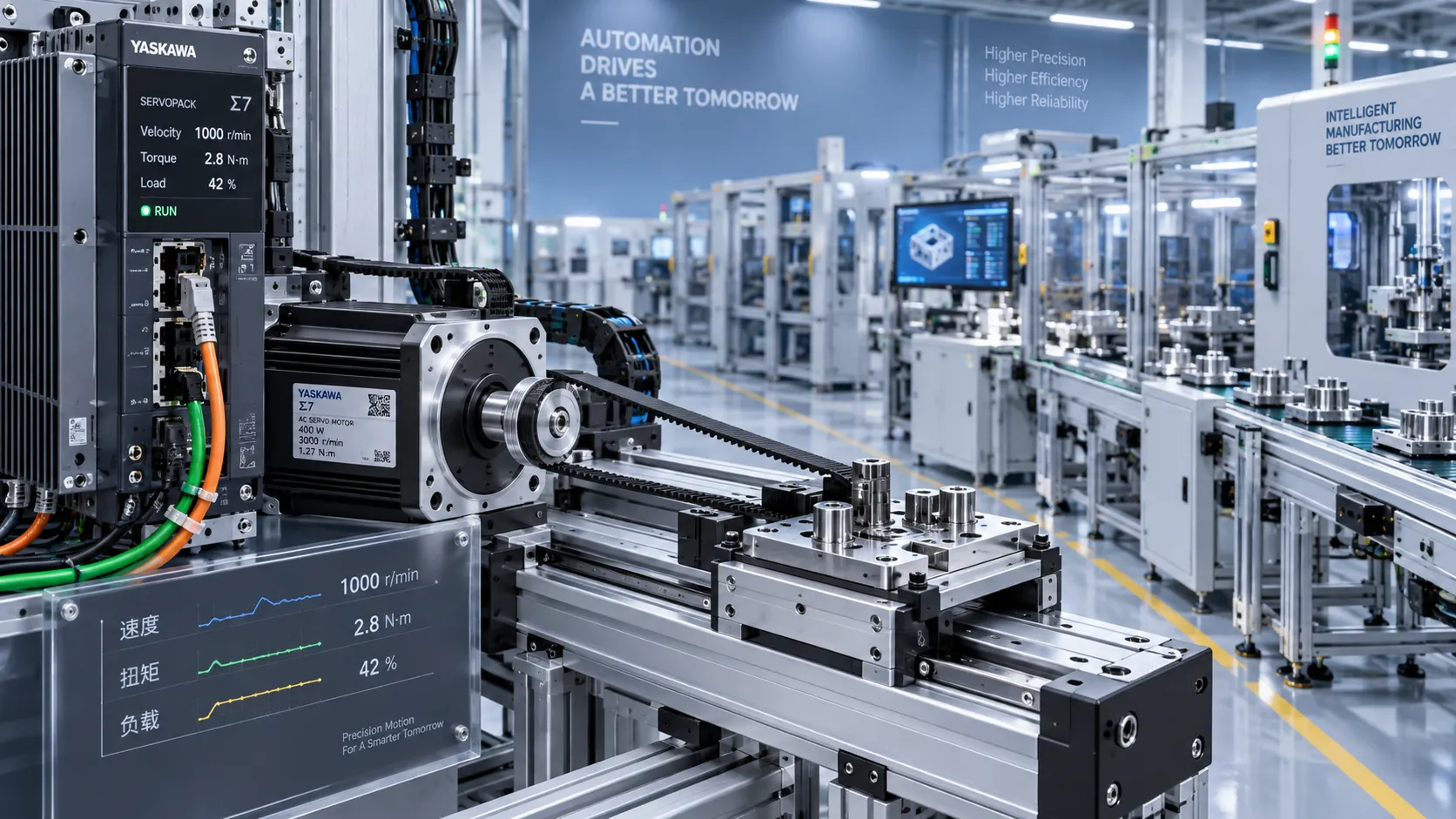
Servo Drive Comparison: Selecting Motion Control for Speed, Torque, and Load
Technical product comparison servo drives: evaluate speed, torque, inertia, safety, and control integration to select a reliable motion system with proven performance margins.

Industrial Automation Technology: How to Prioritize Upgrades by ROI and Downtime Risk
Industrial automation technology upgrades: learn to rank projects by ROI, bottleneck exposure, and downtime risk to reduce losses and make smarter capital decisions.

Selecting Low-Maintenance Chain Components for Dusty, High-Load Conveyors
Low maintenance chain components for dusty, high-load conveyors: compare seals, lubrication, materials, sprockets, and load capacity to reduce wear and downtime.

Selecting Smart Transmission Modules for Automated Lines: Control, Load, and Safety
Smart transmission modules for automated lines: evaluate control compatibility, real load demands, safety boundaries, and predictive maintenance value for reliable performance.

How to Assess Automated Packaging Production for High-Mix Manufacturing Lines
Automated production for packaging: assess changeovers, flexibility, controls, reliability, and lifecycle cost to build high-mix lines that deliver stable output.