
Industry News
Curation by industry experts
Hot Articles
Popular Tags
How mechanical seals technology advancements cut leaks
Even minor seal leakage can trigger downtime, contamination, compliance pressure, and rising maintenance costs across industrial systems.
Today, mechanical seals technology advancements are changing how plants prevent failures before they escalate into safety or production events.
From stronger face materials to sensor-enabled monitoring, modern sealing solutions reduce emissions, extend pump life, and improve operational reliability.
What do mechanical seals technology advancements mean in practical terms?
Mechanical seals technology advancements refer to improvements in materials, geometry, lubrication, monitoring, and installation practices.
The goal is simple: keep fluids contained while rotating equipment operates under pressure, speed, temperature, and vibration.
Traditional seals often depended heavily on correct installation and stable operating conditions.
Modern sealing systems add more tolerance, better diagnostics, and stronger resistance to harsh process environments.
These developments matter in pumps, compressors, mixers, agitators, gearboxes, and other rotating assets used across general industry.
A seal is not only a wearing part.
It is a control point for safety, energy efficiency, maintenance planning, and environmental performance.
That is why mechanical seals technology advancements now connect closely with Industry 4.0, green manufacturing, and predictive maintenance programs.
Which technical areas improved most?
- Advanced face materials, including silicon carbide, tungsten carbide, and engineered carbon grades.
- Optimized face textures that stabilize lubrication films and reduce frictional heat.
- Improved elastomers and secondary seals for chemicals, steam, oils, and solvents.
- Cartridge designs that reduce installation error and shorten replacement time.
- Digital monitoring that detects temperature, vibration, pressure, and leakage trends.
Together, these improvements make sealing performance more predictable and easier to manage.
How do advanced seal face materials cut leaks?
Leakage often begins when seal faces wear unevenly, overheat, crack, or lose a stable fluid film.
Mechanical seals technology advancements address this through harder, smoother, and more chemically stable face materials.
Silicon carbide offers high hardness, corrosion resistance, and thermal conductivity.
It is widely used in abrasive, corrosive, and high-duty pump applications.
Tungsten carbide provides excellent toughness and wear resistance where vibration or particle impact may occur.
Engineered carbon grades remain valuable because they run well against hard faces and tolerate limited lubrication.
Newer combinations reduce heat generation and limit face distortion.
This helps maintain a microscopic sealing gap instead of allowing uncontrolled fluid escape.
Why does surface engineering matter?
Modern seals increasingly use laser texturing, micro-grooves, and engineered surface patterns.
These features support a stable lubrication film between rotating and stationary faces.
Better lubrication reduces friction, which reduces heat, which reduces thermal cracking.
In this way, mechanical seals technology advancements turn tiny surface details into major leakage reduction benefits.
How do smarter seal designs improve reliability?
Seal design has moved beyond basic component matching.
Today, geometry, spring loading, balance ratio, chamber flow, and installation method are treated as one system.
Balanced seal designs reduce closing force on the faces under pressure.
This limits heat and wear while maintaining enough contact to control leakage.
Cartridge mechanical seals also make a major difference.
They arrive pre-assembled, pre-set, and less dependent on manual measurement during installation.
That reduces common errors such as incorrect compression, misalignment, and contamination during fitting.
Mechanical seals technology advancements also improve seal chamber circulation.
Better flushing removes heat, prevents solids accumulation, and keeps the faces in cleaner operating conditions.
Single, double, or gas-lubricated seals?
Single seals are suitable for many clean, non-hazardous fluids when leakage risk is moderate.
Double seals provide higher containment for toxic, volatile, expensive, or environmentally sensitive fluids.
Gas-lubricated seals reduce liquid contamination and can lower friction in selected high-value services.
The best choice depends on process risk, fluid properties, pressure, temperature, speed, and maintenance capability.
How does digital monitoring prevent seal failure?
Many seal failures show warning signs before visible leakage appears.
Temperature rise, vibration changes, pressure instability, and barrier fluid loss can all indicate developing problems.
Mechanical seals technology advancements now include sensors, edge devices, and analytics that convert these signals into maintenance insight.
Continuous monitoring helps identify dry running, cavitation, misalignment, cooling loss, and improper flush conditions.
Instead of reacting to leaks, teams can schedule inspection before damage spreads to bearings, shafts, and couplings.
This predictive approach supports higher equipment availability and lower emergency repair costs.
Which data points matter most?
- Seal chamber temperature trends, especially rapid or repeated increases.
- Vibration patterns linked to misalignment, imbalance, or bearing wear.
- Barrier or buffer fluid pressure in double-seal systems.
- Flow rate through flush plans, cooling loops, or support systems.
- Leakage collection volume where measurable containment systems exist.
Data is most valuable when connected to operating context.
A temperature alarm means more when combined with fluid viscosity, pump speed, and recent process changes.
That integrated view is central to modern mechanical sealing intelligence.
Which applications benefit most from these advancements?
Mechanical seals technology advancements are valuable wherever leakage creates safety, cost, quality, or environmental consequences.
Chemical processing benefits from stronger material compatibility and better containment of aggressive fluids.
Water and wastewater operations benefit from abrasion resistance, clogging prevention, and lower maintenance frequency.
Food and beverage facilities benefit from hygienic designs that reduce contamination risks.
Power generation benefits from reliability in hot water, condensate, cooling, and auxiliary systems.
Mining, pulp and paper, and heavy industry benefit from seals designed for slurry, shock, and difficult lubrication conditions.
In general industry, the strongest business case appears where downtime costs exceed seal upgrade costs.
When is an upgrade easier to justify?
An upgrade is easier to justify when a seal fails repeatedly in the same service.
It also makes sense when leakage affects product quality, worker safety, environmental compliance, or energy use.
If flushing water, barrier fluid, and labor costs are rising, the real cost of leakage is already visible.
Here, mechanical seals technology advancements can deliver savings beyond the seal purchase price.
How should a seal upgrade be selected and implemented?
Selection should begin with failure history, not a catalog shortcut.
Review the fluid, pressure, temperature, speed, solids content, vapor pressure, and cleaning procedures.
Also examine equipment condition, including shaft runout, bearing health, coupling alignment, and baseplate stability.
A premium seal cannot compensate for severe mechanical distortion or poor operating discipline.
Mechanical seals technology advancements work best when paired with correct support plans and commissioning checks.
Practical upgrade checklist
- Document the current leakage rate, failure interval, and repair cost.
- Confirm fluid chemistry, temperature range, and solids behavior.
- Check shaft condition, sleeve wear, and equipment alignment.
- Select compatible face materials and elastomers.
- Verify flush, quench, cooling, or barrier system requirements.
- Use cartridge designs where installation consistency is critical.
- Define monitoring points and alarm thresholds before startup.
Implementation should include training for installation, startup, and abnormal-condition response.
Small details, such as clean handling and correct tightening sequence, often determine final seal life.
What risks and misconceptions should be avoided?
One common misconception is that the hardest face material always provides the best seal.
In reality, material pairing, lubrication, thermal behavior, and fluid compatibility must be balanced.
Another mistake is treating leakage as a seal-only problem.
Cavitation, pipe strain, dry running, and misalignment can destroy even advanced sealing systems.
A third risk is adopting monitoring without response procedures.
Data must lead to inspection decisions, operating adjustments, and maintenance actions.
Otherwise, mechanical seals technology advancements become unused potential instead of measurable reliability improvement.
How do these advancements support efficiency and compliance?
Leak reduction is not only a maintenance issue.
It also supports emissions control, water conservation, energy efficiency, and cleaner production environments.
Mechanical seals technology advancements help reduce product loss, flushing demand, and unplanned shutdowns.
Lower friction can reduce power loss in rotating equipment, especially across large installed fleets.
Longer seal life also reduces spare parts consumption and maintenance intervention frequency.
These gains align with modern industrial priorities: safer systems, lower lifecycle cost, and stronger sustainability performance.
Conclusion: turning sealing intelligence into fewer leaks
Mechanical seals technology advancements cut leaks by improving materials, design accuracy, lubrication control, and condition monitoring.
The biggest results come when these innovations are applied as part of a complete reliability strategy.
Start with failure data, confirm operating conditions, and match the seal design to real process risks.
Then strengthen installation discipline, support systems, and monitoring routines.
For deeper industrial intelligence on sealing systems, power transmission, and motion-control reliability, GPT-Matrix connects technical insight with global manufacturing needs.
Use mechanical seals technology advancements as a practical pathway toward safer assets, cleaner operations, and more dependable production performance.
Recommended News
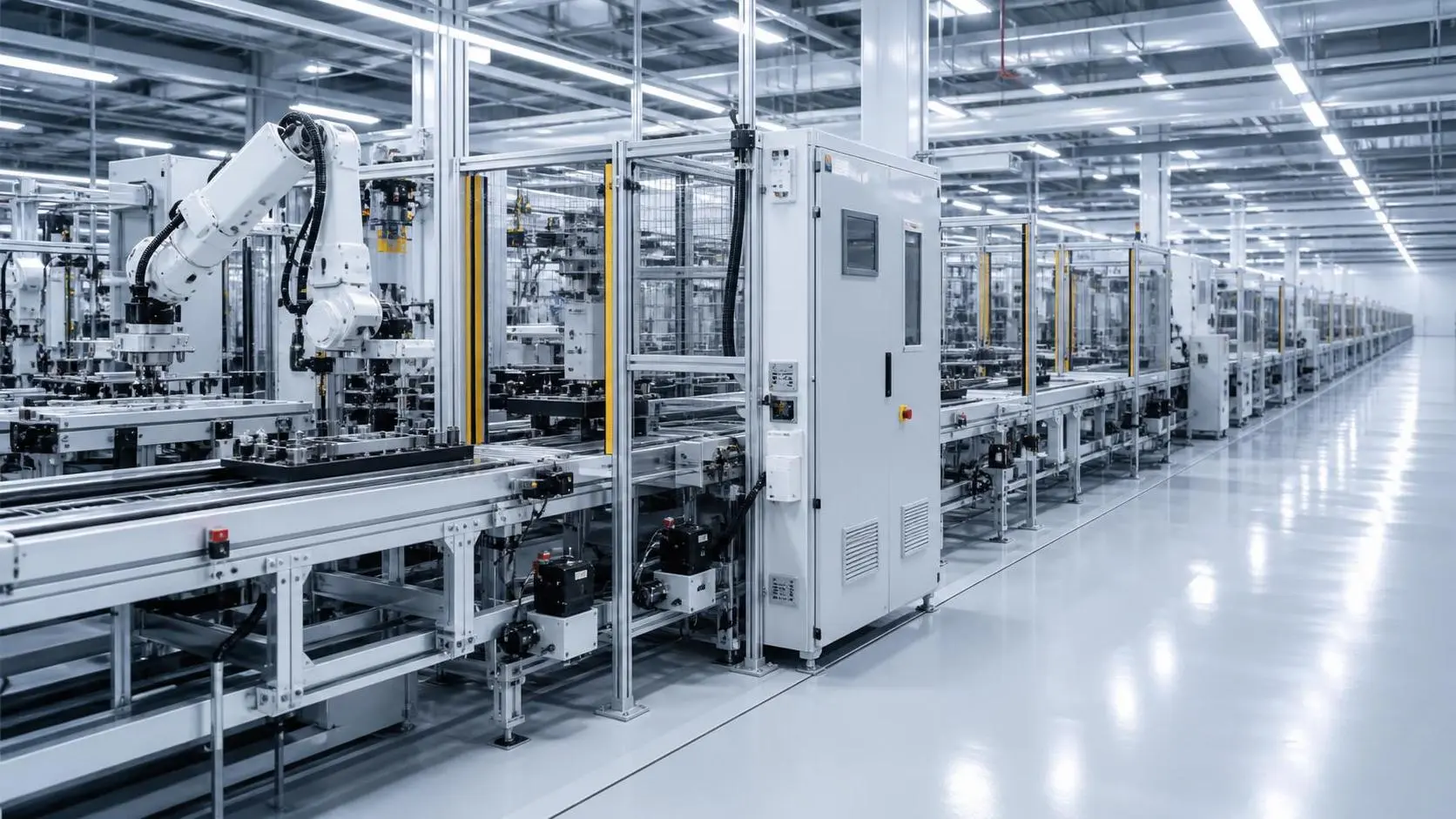
How to Evaluate an Automated Production Supplier for a High-Uptime Manufacturing Line
Automated production supplier evaluation guide: assess uptime, maintainability, lifecycle cost, service support, and acceptance criteria for reliable manufacturing.
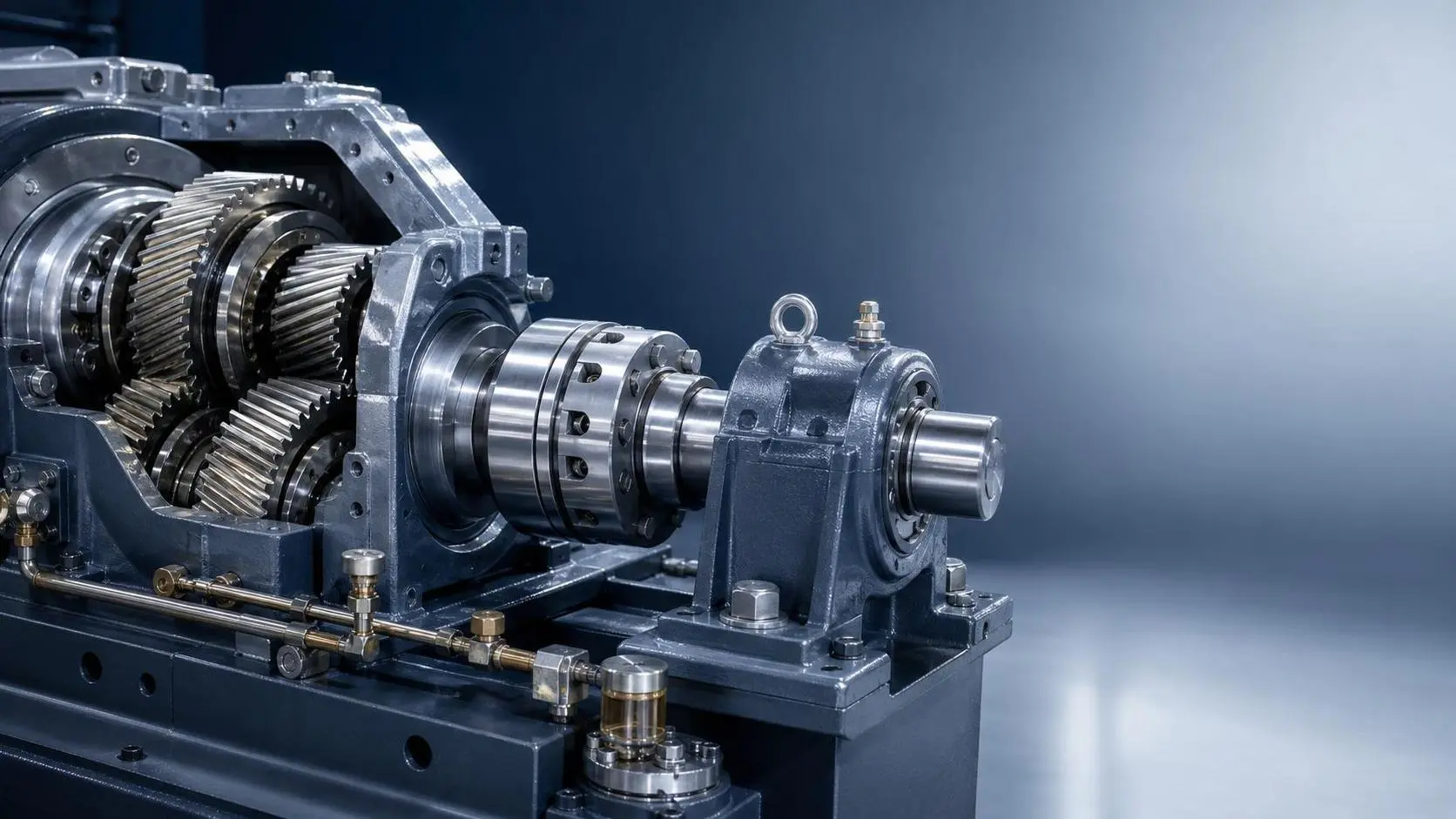
Designing Reliable Mechanical Transmissions: Load, Lubrication, and Fatigue Factors
Reliability in mechanical transmission design starts with real duty cycles. Explore load, lubrication, alignment, and fatigue factors for longer service life.
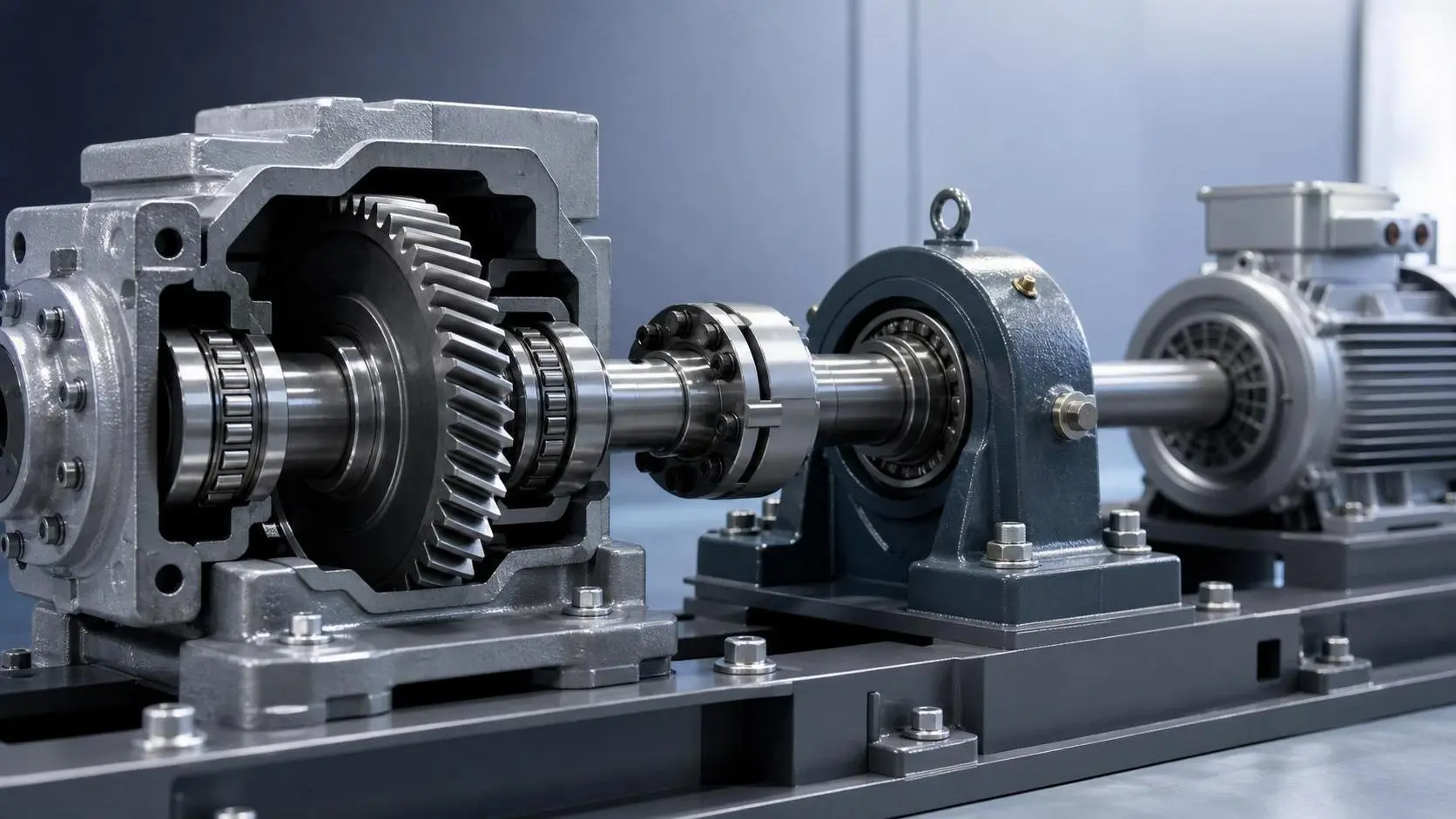
How to Define Load Requirements in Component Specifications for Safe Selection
Component specification guidance for load requirements: define load paths, duty cycles, peaks, environmental limits, and safety margins for safer component selection.
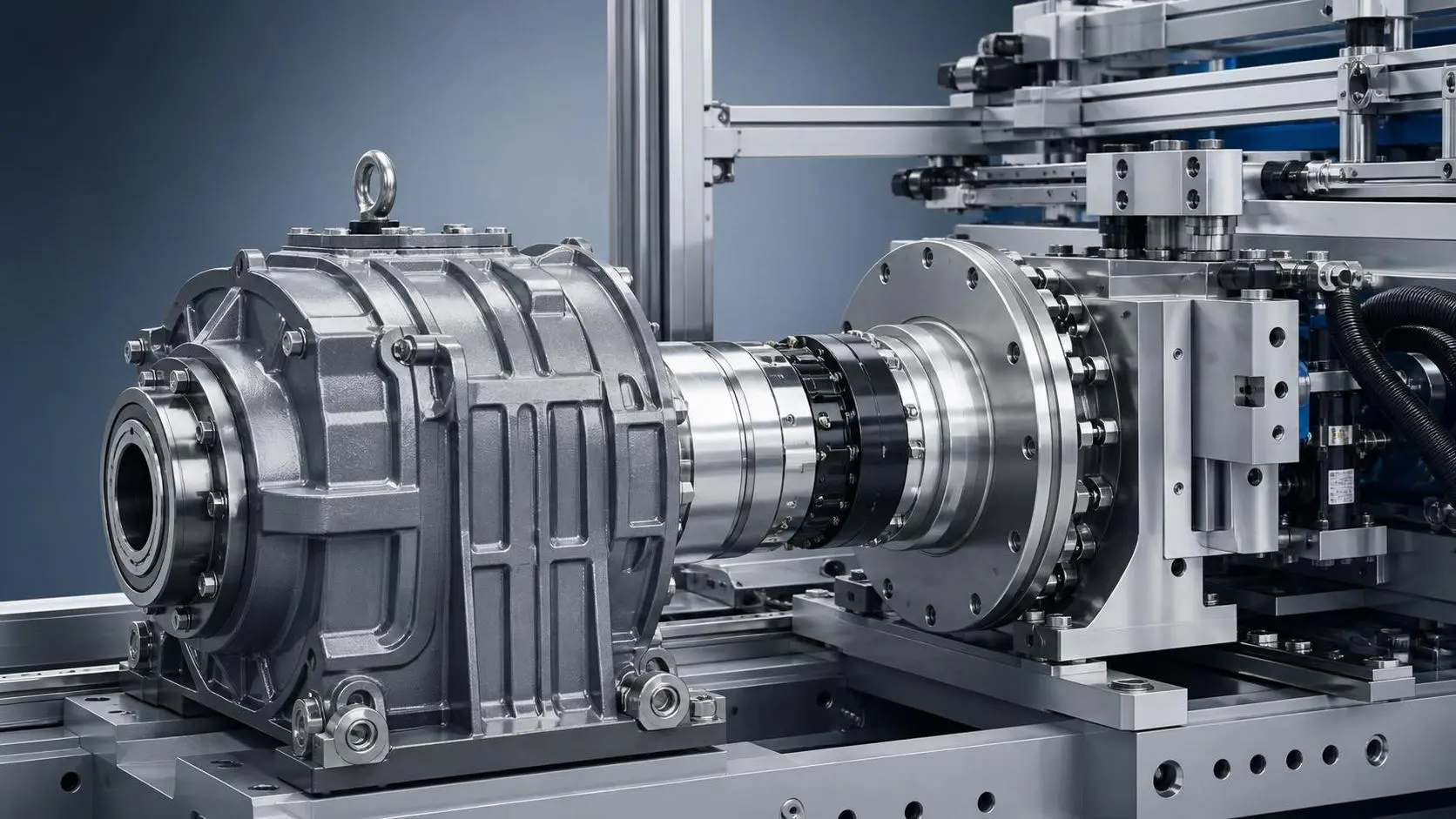
How to Evaluate Precision Engineered Transmissions for High-Load Industrial Systems
Precision engineered transmissions for high-load systems: learn how to assess load profiles, thermal limits, sealing, stiffness, and lifecycle reliability for smarter industrial decisions.
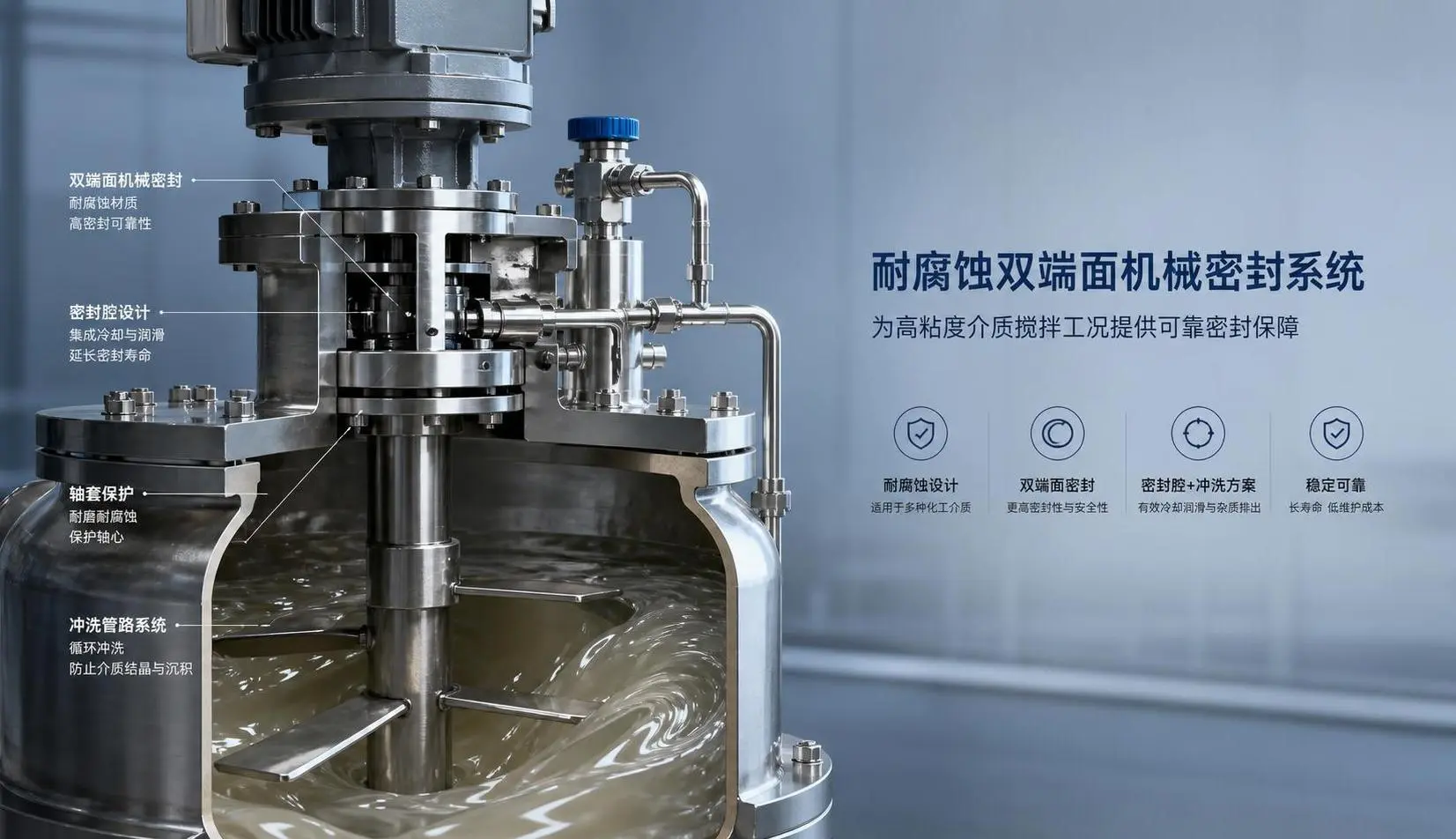
How to Select Mechanical Seals for Mixers in Corrosive or High-Viscosity Processes
Mechanical seals for mixers in corrosive or high-viscosity processes require the right materials, design, and support system. Learn how to choose a reliable seal and reduce leaks, downtime, and maintenance.
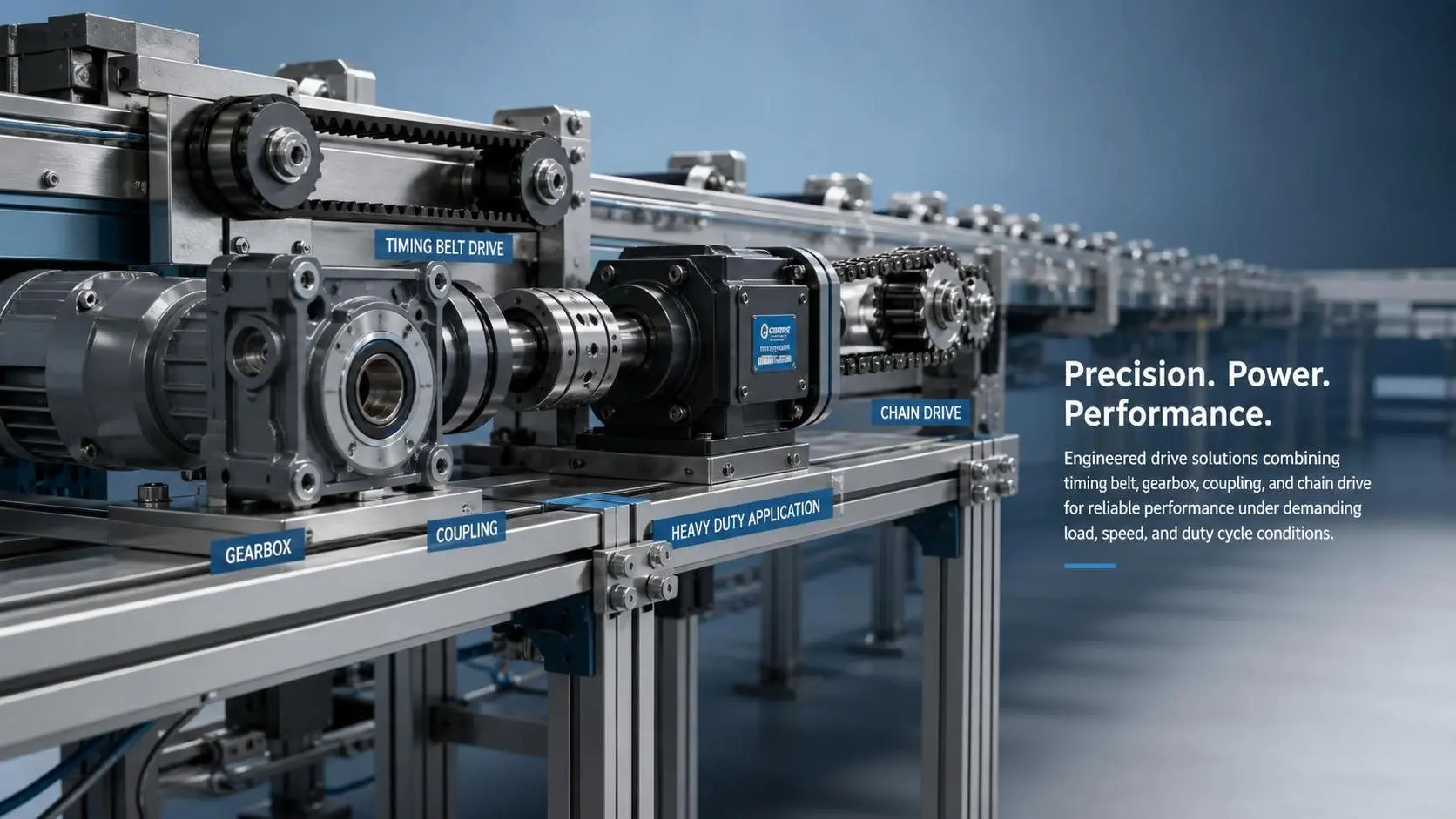
How to Select Automated Line Drive Components for Load, Speed, and Duty Cycle?
Automated line drive components selection starts with real load, speed, and duty cycle analysis. Learn how to reduce failures, improve reliability, and choose smarter for demanding production lines.
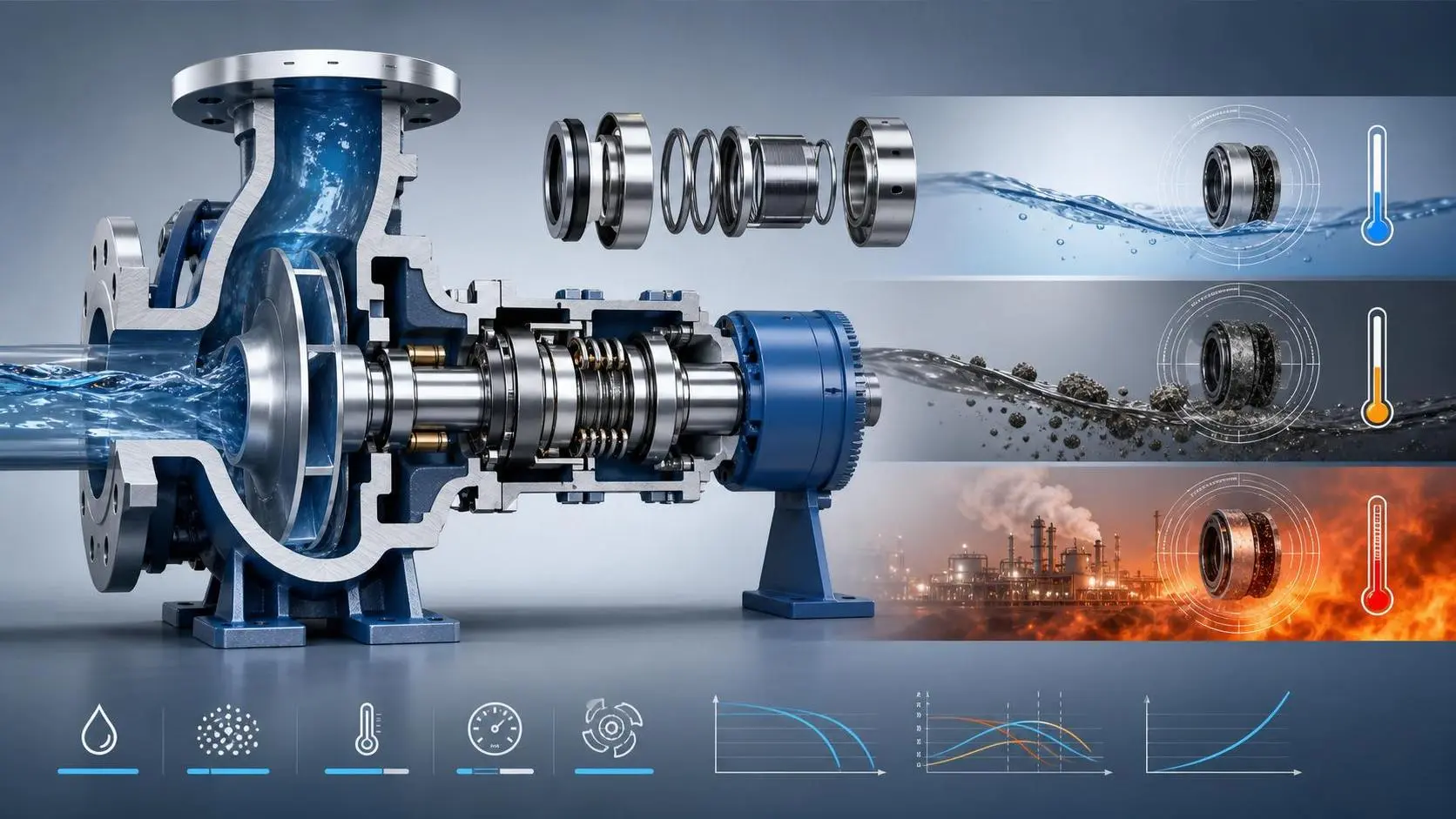
How to Choose Mechanical Seals for Industrial Applications by Fluid and Operating Conditions
Mechanical seals for industrial applications: learn how to match seal types, materials, and support systems to fluid properties, pressure, temperature, speed, and solids for longer service life.
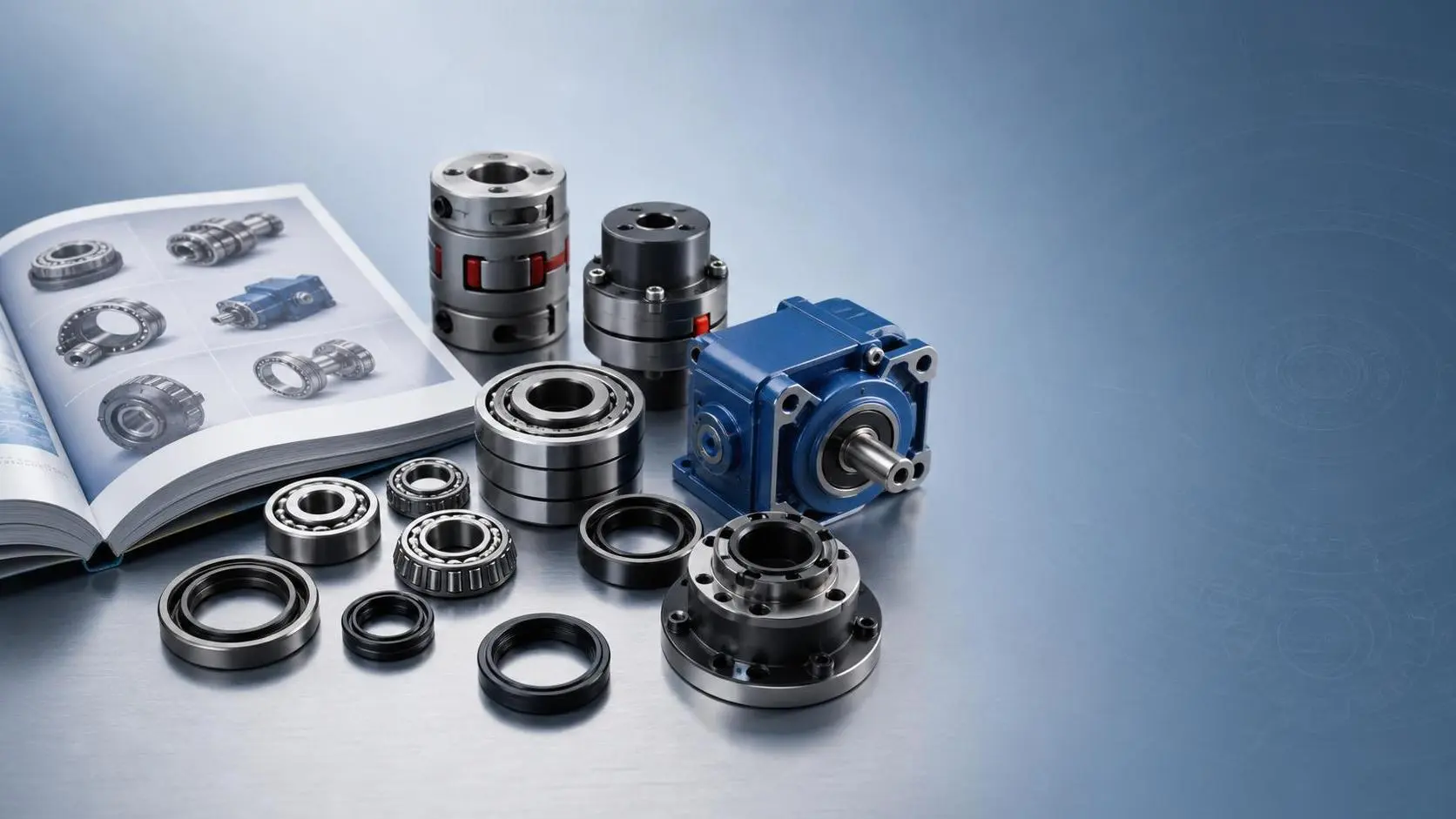
How to Use an Industrial Component Applications Catalog for Faster Part Selection
Industrial component applications catalog guide: learn how to screen parts faster, cut selection errors, and build a smarter shortlist for reliable industrial sourcing.
When Does a Mechanical Efficiency Optimization Service Deliver Real ROI?
Mechanical efficiency optimization service ROI becomes real when it cuts energy waste, downtime, and maintenance costs in critical assets. Learn when optimization truly pays off.