
Industry News
Curation by industry experts
Hot Articles
Popular Tags
Why tribology research matters in moving components
In modern manufacturing, even small friction losses or wear patterns can determine whether moving systems deliver long-term efficiency or unexpected failure. That is why tribology research in mechanical components matters so deeply to technical evaluators: it reveals how materials, lubrication, load, and surface interaction shape reliability, energy use, and maintenance cycles. Understanding these factors is essential for smarter component selection and more resilient power transmission systems.
For industrial systems, tribology is not a niche topic. It directly affects gears, bearings, seals, chains, couplings, belts, and sliding interfaces. When motion is continuous, friction becomes a strategic variable.
At the intelligence level, tribology research in mechanical components also supports better design forecasting. It helps connect material science, operating conditions, and lifecycle economics into one practical decision framework.
What does tribology research in mechanical components actually study?
Tribology research in mechanical components studies friction, wear, lubrication, and surface interaction during motion. It examines what happens when two surfaces roll, slide, or oscillate under load.
This field looks beyond basic contact. It studies roughness, coating behavior, lubricant film formation, contamination, thermal effects, and fatigue at micro and macro scales.
In practical equipment, these findings explain why one bearing lasts years while another fails early. They also show why similar gearboxes can display very different efficiency and maintenance patterns.
Tribology research in mechanical components often focuses on three linked questions:
- How much friction is generated during motion?
- How fast do surfaces wear under real operating conditions?
- How can lubrication and materials reduce energy loss and failure risk?
For sectors tracked by GPT-Matrix, these questions are central. Power transmission performance depends on stable contact behavior, especially in automated lines, heavy equipment, and demanding sealing environments.
Why does tribology research matter so much in moving components?
Moving components fail for many reasons, but friction and wear are among the most common hidden causes. They can quietly reduce accuracy, increase temperature, and shorten service life.
Tribology research in mechanical components matters because it turns those hidden effects into measurable engineering knowledge. That knowledge improves reliability before problems reach production floors.
Its value appears in several business-critical areas:
- Lower energy consumption through reduced friction losses
- Longer component life through improved wear resistance
- Less downtime through better lubrication strategies
- Higher operational stability under variable loads
- More predictable maintenance scheduling
A small friction coefficient change can influence heat generation, torque efficiency, and surface fatigue. In high-duty systems, that small change can compound into major cost differences.
This is especially important in modern systems aiming for Industry 4.0 and green manufacturing goals. Better tribological behavior supports lower energy intensity and more dependable machine data.
Which moving components benefit most from tribology research?
Nearly all motion systems benefit, but some components depend on tribology research more directly. These parts face constant contact stress, lubricant sensitivity, or contamination exposure.
Common examples include:
- Rolling and plain bearings
- Gear pairs and gear reducers
- Mechanical seals and rotary sealing faces
- Chains, sprockets, and couplings
- Guide rails, sliders, and bushings
- Belts and pulley contact systems
In bearings, tribology research in mechanical components helps optimize lubricant film thickness and cage interaction. In gears, it helps reduce micropitting, scuffing, and contact fatigue.
For seals, tribology determines leakage stability, face temperature, and dry-running risk. In dusty or corrosive settings, tribological data becomes even more valuable.
Heavy-load equipment and automated production lines especially benefit. These systems often demand long-life, low-maintenance components under mixed speeds and variable operating cycles.
How does tribology research improve selection and design decisions?
Selection decisions improve when surface behavior is evaluated with the same seriousness as strength or dimensional fit. A mechanically strong part may still fail if friction conditions are poorly understood.
Tribology research in mechanical components supports better decisions across four design layers:
- Material pairing, such as steel-on-steel versus coated surfaces
- Lubricant choice, including viscosity, additives, and contamination tolerance
- Surface engineering, such as texture, hardness, and coating thickness
- Operating envelope, including speed, load, shock, and temperature
A practical evaluation should ask whether the contact is boundary, mixed, or full-film lubricated. Each regime creates different risks and requires different design responses.
This is why high-authority industrial intelligence matters. GPT-Matrix connects data on material breakthroughs, digital transmission trends, and reliability evolution across actual working conditions.
That broader context helps explain not only what performs well, but why it performs well in specific industrial environments.
Key evaluation questions before selection
- What wear mode is most likely: abrasive, adhesive, corrosive, or fatigue wear?
- Will lubricant starvation happen during startup or intermittent motion?
- How sensitive is the interface to temperature spikes?
- Can contamination enter the contact zone?
- Is the surface finish matched to the intended lubrication regime?
What are the most common mistakes when interpreting tribology data?
One common mistake is treating laboratory friction values as universal. Real systems involve vibration, contamination, misalignment, and thermal cycling that lab tests may not fully capture.
Another mistake is focusing only on hardness. Harder materials can resist some wear modes, but poor lubrication or incompatible pairing may still accelerate damage.
A third mistake is underestimating lubricant management. Even well-designed surfaces fail if lubricant viscosity, cleanliness, or replenishment intervals are wrong.
Tribology research in mechanical components should be read as system data, not isolated material data. Contact mechanics, motion profile, environment, and maintenance practice all interact.
How should implementation, cost, and maintenance be considered?
Tribology research in mechanical components is not only about technical performance. It also affects lifecycle cost, spare planning, maintenance intervals, and energy budgeting.
A lower-cost component may become expensive if it needs frequent lubrication, early replacement, or unplanned shutdown support. Tribological optimization often reduces total ownership cost instead.
Implementation should consider:
- Testing under realistic load and temperature ranges
- Lubrication monitoring and cleanliness control
- Inspection methods for wear particles and surface change
- Digital tracking of vibration, heat, and efficiency drift
- Review of supplier data against actual service conditions
In many transmission systems, the return appears through fewer stoppages and better energy efficiency. In sealing systems, the return often appears through reliability, safety, and reduced leakage losses.
Quick FAQ summary table
Why tribology research matters in moving components becomes clear when systems are viewed across their full operating life. Friction is never just a surface issue. It is an efficiency, durability, and strategy issue.
Strong decisions come from linking wear science with real industrial duty. That is the practical value of tribology research in mechanical components for modern power transmission and motion control.
For deeper evaluation, use intelligence that connects materials, mechanical logic, and market evolution. GPT-Matrix supports that next step by turning technical complexity into actionable industrial insight.
- power transmission
- mechanical components
- motion control
- mechanical seals
- gear reducers
- tribology
- heavy equipment
- material science
- Industry 4.0
- green manufacturing
- industrial intelligence
- automated production
- low-maintenance components
- automated production lines
- tribology research in mechanical components
Recommended News
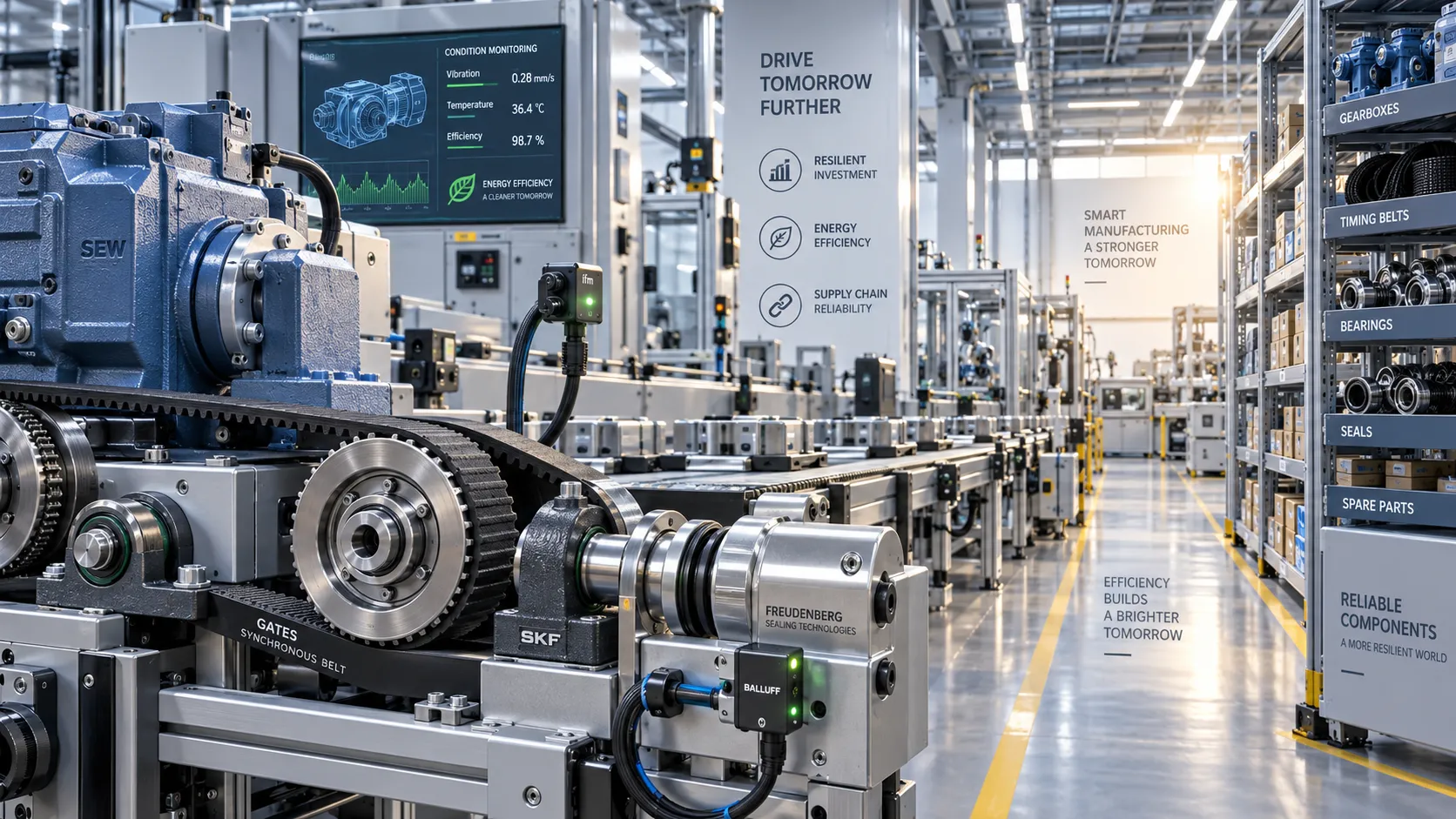
Industrial Economy Trends Shaping Capital Investment and Supply Chain Risk in 2026
Industrial economy trends for 2026 reveal how resilient capital investments, energy efficiency, and supply-chain strategies can protect uptime and strengthen returns.
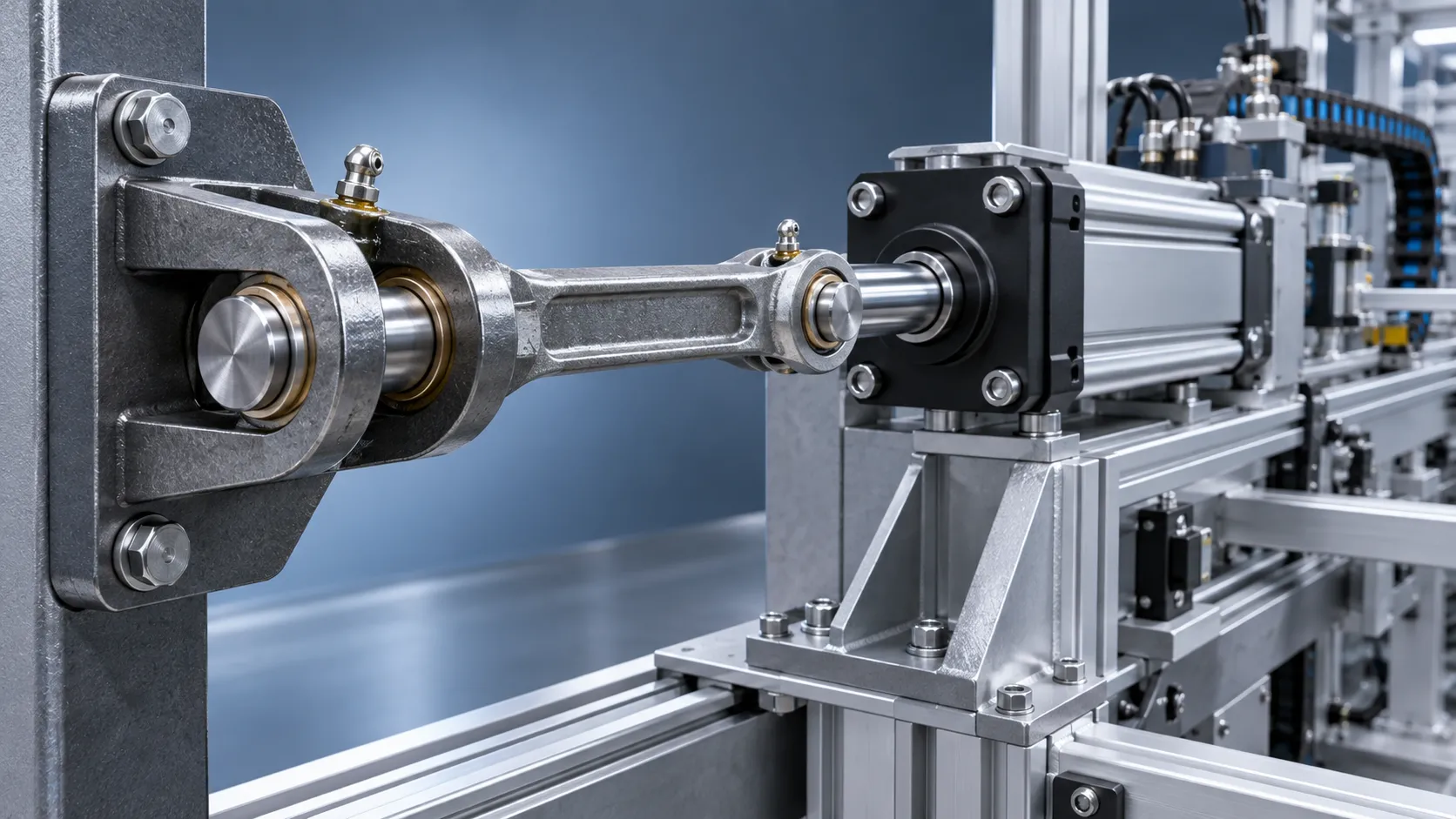
Mechanical Linkage Design: How to Balance Load Capacity, Motion Accuracy, and Wear
Mechanical linkage design guide: balance load capacity, motion accuracy, and wear with practical insights on geometry, joints, tolerances, lubrication, and service life.
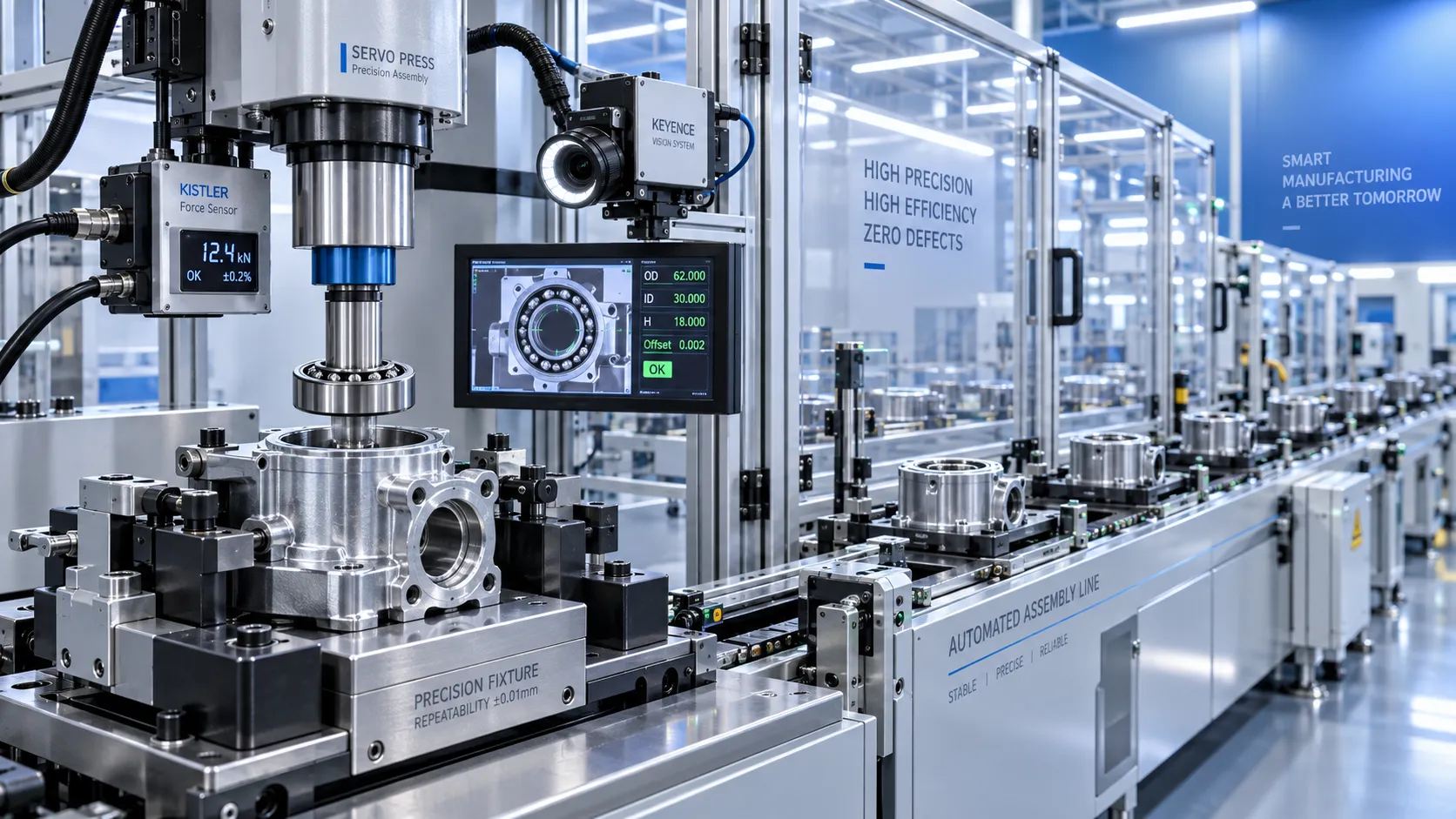
How Precision Automated Production Improves Quality Control in High-Volume Assembly
Precision automated production strengthens quality control in high-volume assembly with real-time verification, traceability, and safer defect containment.
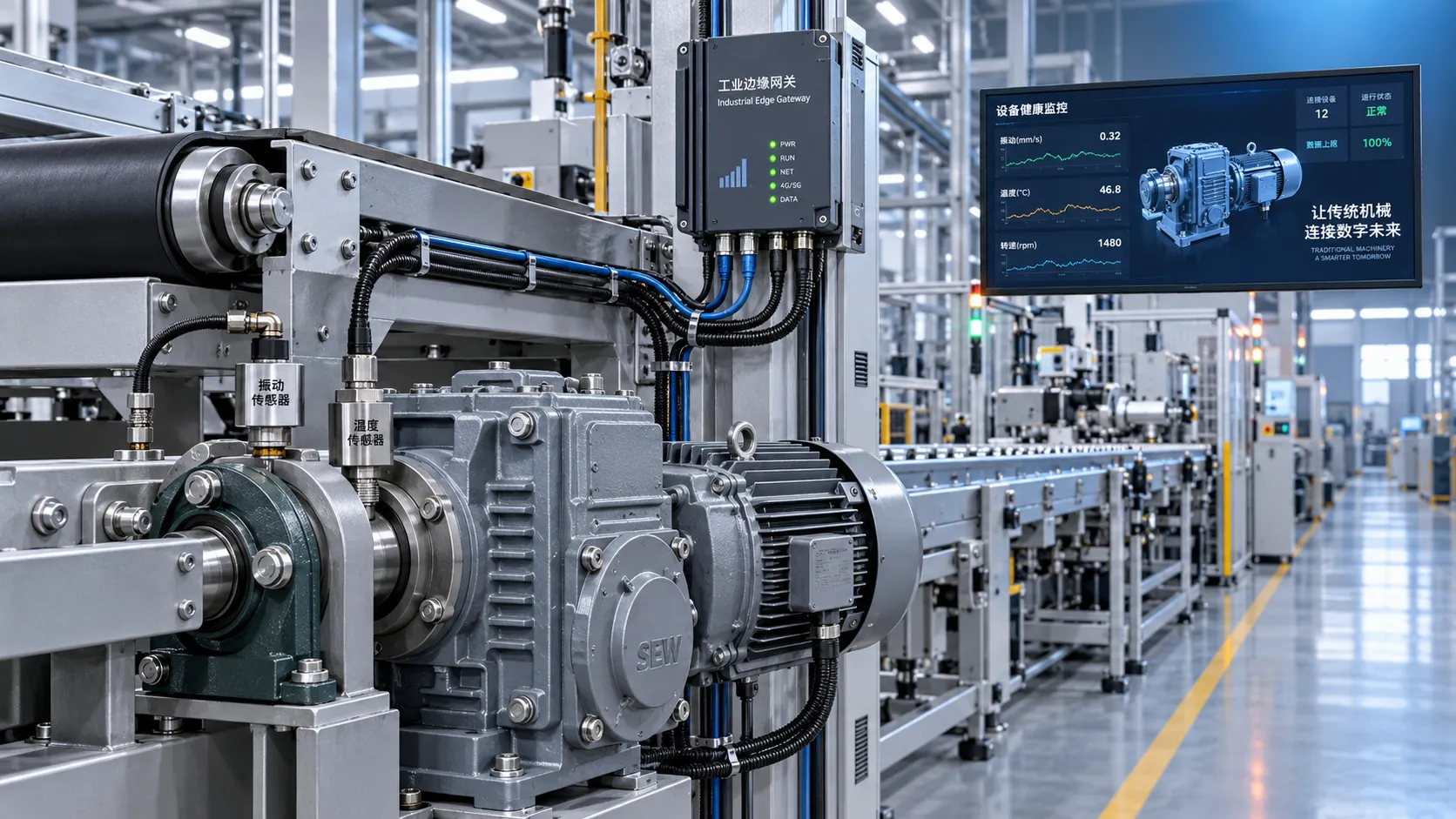
Industry 4.0 Integration: A Roadmap for Connecting Legacy Machines and Data
Industry 4.0 integration roadmap for connecting legacy machines, improving data visibility, reducing downtime, and scaling secure, measurable operational performance.
Servo Drive Comparison: Selecting Motion Control for Speed, Torque, and Load
Technical product comparison servo drives: evaluate speed, torque, inertia, safety, and control integration to select a reliable motion system with proven performance margins.

Industrial Automation Technology: How to Prioritize Upgrades by ROI and Downtime Risk
Industrial automation technology upgrades: learn to rank projects by ROI, bottleneck exposure, and downtime risk to reduce losses and make smarter capital decisions.

Selecting Low-Maintenance Chain Components for Dusty, High-Load Conveyors
Low maintenance chain components for dusty, high-load conveyors: compare seals, lubrication, materials, sprockets, and load capacity to reduce wear and downtime.
Selecting Smart Transmission Modules for Automated Lines: Control, Load, and Safety
Smart transmission modules for automated lines: evaluate control compatibility, real load demands, safety boundaries, and predictive maintenance value for reliable performance.

How to Assess Automated Packaging Production for High-Mix Manufacturing Lines
Automated production for packaging: assess changeovers, flexibility, controls, reliability, and lifecycle cost to build high-mix lines that deliver stable output.