
Industry News
Curation by industry experts
Hot Articles
Popular Tags
Extreme conditions expose weak points in standard oil seals
In extreme conditions, standard oil seals often reveal their weakest points long before other components fail. For quality control and safety management teams, understanding how heat, pressure, contamination, and vibration accelerate seal breakdown is critical to preventing leakage, equipment damage, and unplanned downtime. This article explores where standard designs fall short and what risk-focused professionals should evaluate when reliability is non-negotiable.
Why scenario differences matter more than generic seal specifications
A standard oil seal may perform adequately in stable indoor machinery, yet fail early when exposed to extreme conditions such as thermal cycling, abrasive slurry, high shaft speed, pressure spikes, washdown chemicals, or heavy vibration. For quality control personnel and safety managers, the key issue is not whether a seal meets a catalog description, but whether it fits the actual operating scenario. The same nominal size and material can produce very different outcomes depending on contamination levels, maintenance frequency, installation accuracy, and consequence of leakage.
This is why scenario-based evaluation is essential. In one plant, seal leakage may be a maintenance inconvenience. In another, it can create a fire risk, food safety incident, environmental non-compliance event, or critical line stoppage. GPT-Matrix often observes that seal decisions become weak when teams treat “oil seal” as a low-value commodity rather than a control point in system reliability. Under extreme conditions, weak points become visible fast: lip hardening, spring corrosion, wear groove formation, pressure inversion, media attack, and loss of radial sealing force.
Where standard oil seals usually fail first in extreme conditions
Before comparing applications, it helps to identify the common failure mechanisms that quality and safety teams should track. Standard oil seals are often designed for moderate temperatures, clean lubrication, and controlled shaft movement. Once extreme conditions appear, the weak points usually emerge in predictable areas.
- Seal lip material loses elasticity because of heat aging or chemical attack.
- The garter spring corrodes, relaxes, or breaks under moisture or aggressive media.
- Shaft runout and vibration create uneven contact, causing rapid wear and leakage paths.
- Abrasive dust or slurry cuts the sealing edge and damages the shaft surface.
- Pressure beyond design limit flips the lip or pushes lubricant past the contact zone.
- Improper installation in difficult field conditions distorts the casing or lip geometry.
In extreme conditions, these mechanisms rarely act alone. Heat often combines with contamination, pressure, and vibration. That interaction is what makes standard oil seals vulnerable in real industrial settings.
Scenario comparison: which environments expose standard oil seals fastest
For practical decision-making, QC and safety teams should compare applications by stress pattern rather than by equipment name alone. The table below highlights where extreme conditions most often exceed standard seal capability.
Scenario 1: Dust, grit, and shock loads in heavy industry
In mining, quarrying, cement, and bulk material handling, extreme conditions are defined less by chemistry and more by solid contamination and mechanical abuse. Standard oil seals often fail because they were selected for lubricant retention, not for excluding aggressive particles. Once hard dust enters the lip-shaft interface, the seal becomes a wear generator. The shaft surface degrades, the lip edge rounds off, and leakage starts gradually before turning into a bearing reliability issue.
For quality control teams, the most useful questions are: Is the contamination dry or wet? Is there pressure washing? How much shaft runout exists under load? Is there a dirt-exclusion feature beyond the primary lip? Safety managers should look at second-order consequences: leaked oil on walkways, overheated bearings, or ignition risk near friction hotspots. In these scenarios, standard oil seals should be treated cautiously unless paired with improved sealing geometry, hardened shaft surfaces, and contamination barriers.
Scenario 2: High temperature lines where seal material becomes the limiting factor
In furnaces, rolling mills, power transmission systems near heat sources, and thermal process equipment, extreme conditions expose the thermal limits of standard elastomers quickly. A seal may look acceptable at startup but lose flexibility after repeated exposure to elevated temperature and poor cooling. The result is a hardened lip that cannot follow shaft movement or maintain an effective oil film.
The common mistake in this scenario is to evaluate only maximum temperature instead of real thermal profile. QC personnel should distinguish between constant temperature, short-term spikes, radiant heat, and heat generated by shaft speed. Safety teams should ask whether a small leak could contact hot surfaces or create smoke, odor, or combustion concerns. When extreme conditions include both heat and oxidation, standard oil seals may age far faster than expected, even if the nominal temperature appears only slightly above catalog range.
What to verify in high-heat applications
- Actual temperature at the sealing contact, not just ambient temperature
- Compatibility between lubricant type and seal compound
- Shaft surface finish and heat-induced expansion behavior
- Nearby hot surfaces that increase safety consequences after leakage
Scenario 3: Hygiene-sensitive and chemical washdown environments
In food processing, beverage filling, pharmaceuticals, and other hygiene-controlled environments, extreme conditions often come from aggressive cleaning rather than production load. Steam, caustic solutions, sanitizers, and repeated washdown cycles can attack standard oil seals that would otherwise survive in dry mechanical service. A seal that passes mechanical inspection may still be a hygiene risk if cleaning fluids penetrate behind the lip or if elastomer degradation creates particle shedding.
For QC teams, this scenario requires a broader definition of failure. Leakage is only one metric. Chemical resistance, cleanability, traceability, and resistance to microbial harborage also matter. Safety managers should include product contamination, slip hazards, and audit non-conformance in the risk review. In these extreme conditions, standard designs are often too narrow in focus because they do not account for both sealing performance and sanitation exposure.
Scenario 4: Pressure, pulsation, and dynamic instability
Many standard oil seals are intended primarily for low-pressure retention. Problems begin when they are used in gearboxes, pumps, rotating machinery, or hydraulic-adjacent systems that experience pressure fluctuation, surge, or trapped cavity pressure. Under extreme conditions, even moderate internal pressure can deform the lip, reduce contact stability, and force lubricant outward. If vibration and shaft eccentricity are present, the seal can no longer maintain a predictable sealing line.
This scenario is particularly important for safety management because failure can be sudden rather than gradual. QC personnel should confirm whether pressure is continuous, pulsed, or accidental. They should also verify venting conditions, housing geometry, and whether reverse pressure can occur during shutdown or thermal contraction. One of the most frequent misjudgments is assuming a rotating shaft seal can absorb pressure simply because leakage has not appeared yet during light-duty trials.
Scenario 5: Remote, outdoor, and low-maintenance assets
Outdoor conveyors, agricultural machinery, wind-related auxiliary systems, marine equipment, and remote pumping stations create a different set of extreme conditions. Here, the challenge is not always the harshness of a single stressor, but the combination of weather exposure, long maintenance intervals, and limited failure visibility. Standard oil seals may be chosen for cost reasons, yet the real lifecycle cost rises quickly when replacement requires shutdown logistics, field labor, or emergency response.
QC teams in these scenarios should focus on durability under variable temperature, moisture ingress, corrosion resistance, and startup behavior after idle periods. Safety managers should consider what happens when a leak goes unnoticed for weeks: environmental release, secondary component seizure, or unsafe manual intervention in the field. In extreme conditions with poor inspection access, standard oil seals become a weak point not because they always fail faster, but because failure is detected later and costs more.
How requirements change by business role and facility profile
Not every organization evaluates seal suitability the same way. A large automated plant may prioritize predictive maintenance and failure trend analysis, while a smaller facility may focus on easy replacement and parts availability. For quality control and safety management, aligning evaluation criteria with business context is critical.
Common misjudgments when evaluating standard oil seals for extreme conditions
Across industries, several repeated errors cause premature seal failure. The first is relying on nominal temperature or speed ratings without accounting for combined stress. The second is treating fluid compatibility as the only material issue while ignoring steam, cleaning agents, ozone, or external contaminants. The third is assuming installation quality can compensate for a fundamentally mismatched design. The fourth is underestimating the safety significance of “small leaks.” In many operations, minor leakage is the first visible sign of a much broader reliability weakness.
Another frequent issue is failing to classify the application by consequence severity. If the equipment is critical, hard to access, safety-sensitive, or contamination-sensitive, then standard oil seals should not be accepted solely on purchase price or prior use in milder service. Extreme conditions require a consequence-based filter, not just a dimensional fit check.
A practical evaluation path for QC and safety teams
A reliable decision process begins with five questions. First, what extreme conditions are truly present at the seal location, not just in the general machine area? Second, are those conditions constant, intermittent, or accidental? Third, what is the consequence if leakage occurs: downtime, contamination, fire, injury, or environmental release? Fourth, what evidence exists from field history, inspection reports, and supplier validation? Fifth, is the current seal standard because it is appropriate, or simply because it is familiar?
From there, teams can decide whether standard oil seals remain suitable, need protective system changes, or should be replaced by more application-specific sealing solutions. In many cases, the right answer is not a single material change but a package approach: better shaft finish, exclusion features, pressure management, improved installation control, and tighter failure monitoring.
FAQ: what decision-makers ask about extreme conditions and oil seal risk
Can a standard oil seal work in extreme conditions if replacement is frequent?
Sometimes, but only where failure consequence is low and access is easy. For safety-critical, contamination-sensitive, or remote equipment, frequent replacement is rarely an acceptable control strategy.
Which extreme conditions are most often underestimated?
Combined heat and contamination, pressure fluctuation, and chemical washdown are commonly underestimated because they do not always cause immediate failure during short tests.
What should be reviewed before approving a seal for a new scenario?
Review actual operating profile, media compatibility, shaft condition, pressure behavior, installation method, maintenance interval, and consequence of leakage. Scenario fit matters more than catalog familiarity.
Final takeaway: match seal choice to consequence, not just to size
Extreme conditions do not automatically rule out standard oil seals, but they do expose weak assumptions. For quality control personnel and safety managers, the best practice is to evaluate each application by scenario: contamination profile, thermal load, pressure behavior, cleaning regime, maintenance access, and leakage consequence. When those factors are high-risk, a standard design should be challenged early rather than defended after failure.
Organizations that want stronger reliability should build a scenario-based review process into procurement, validation, and incident prevention. By linking seal selection to actual operating conditions and business risk, teams can reduce leakage events, protect equipment, and support safer, more resilient industrial operations.
Recommended News
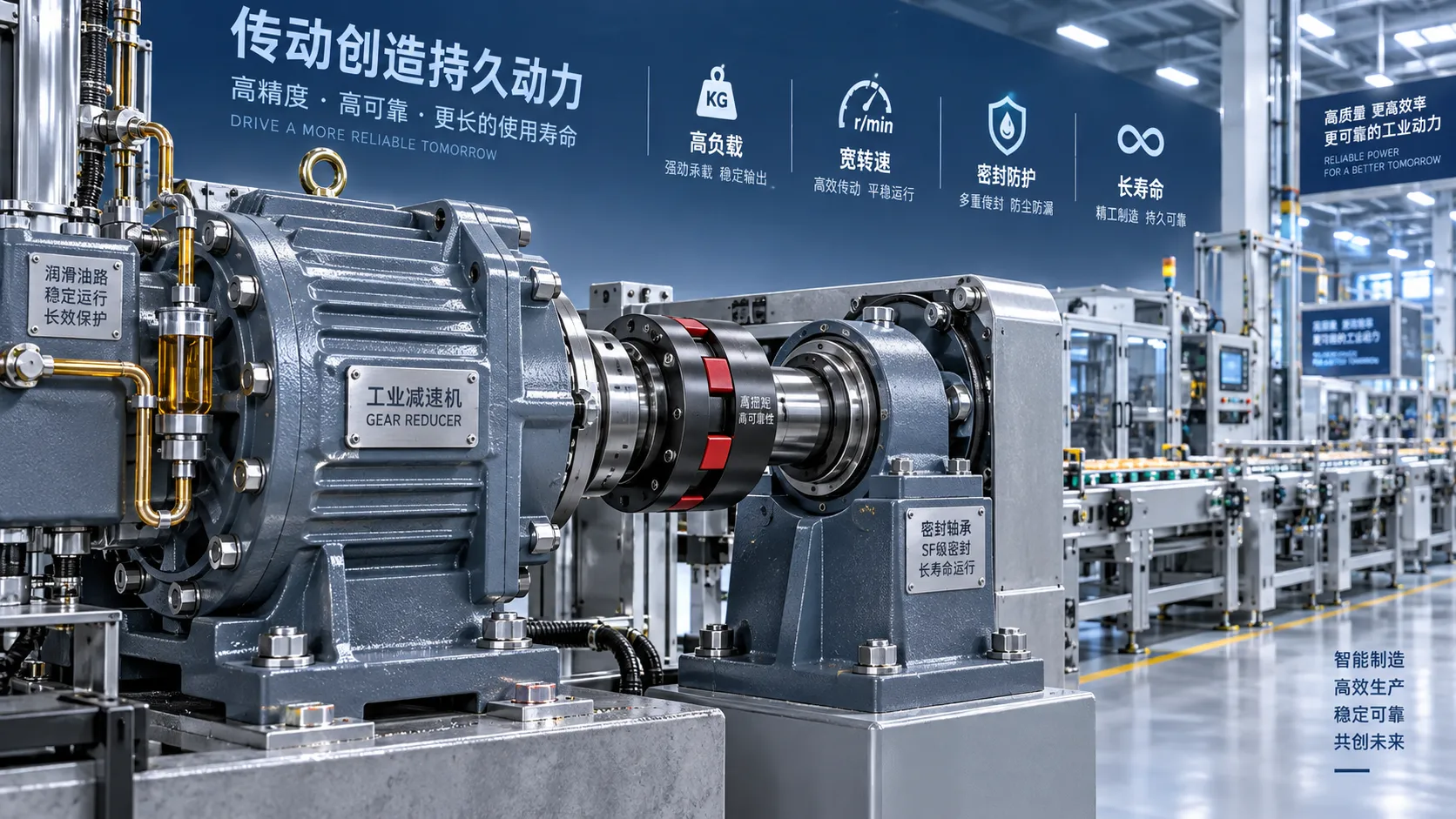
Mechanical Component Selection: Key Criteria for Load, Speed, Environment, and Service Life
Mechanical component selection made practical: evaluate load, speed, environment, lubrication, and service life to improve reliability, reduce downtime, and control lifecycle costs.
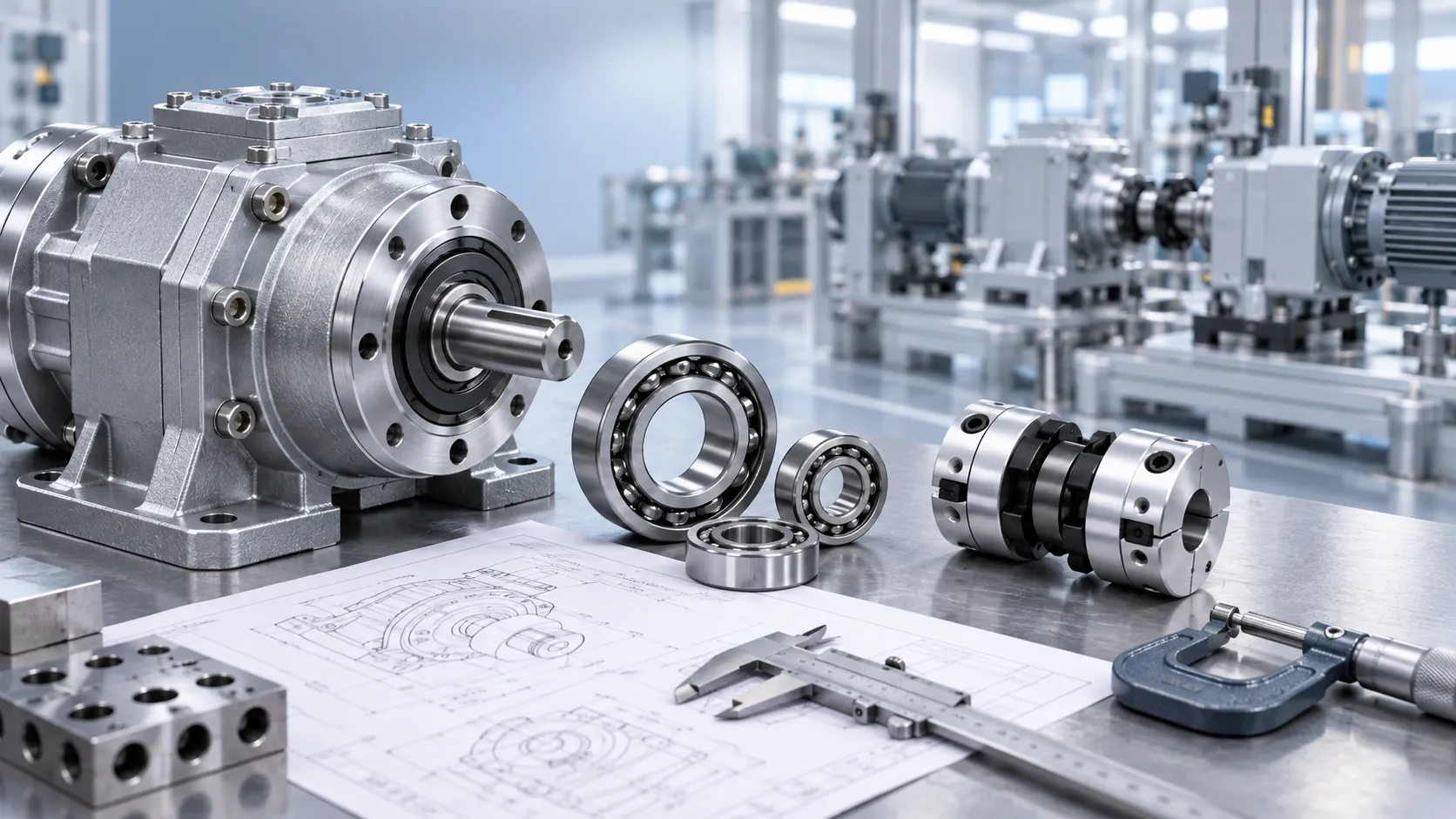
What to Request in Component Specification Resources Before Choosing a Supplier
Industrial component specification resources supplier guide: request drawings, material data, ratings, validation, and change control to choose reliable suppliers and reduce lifecycle risk.
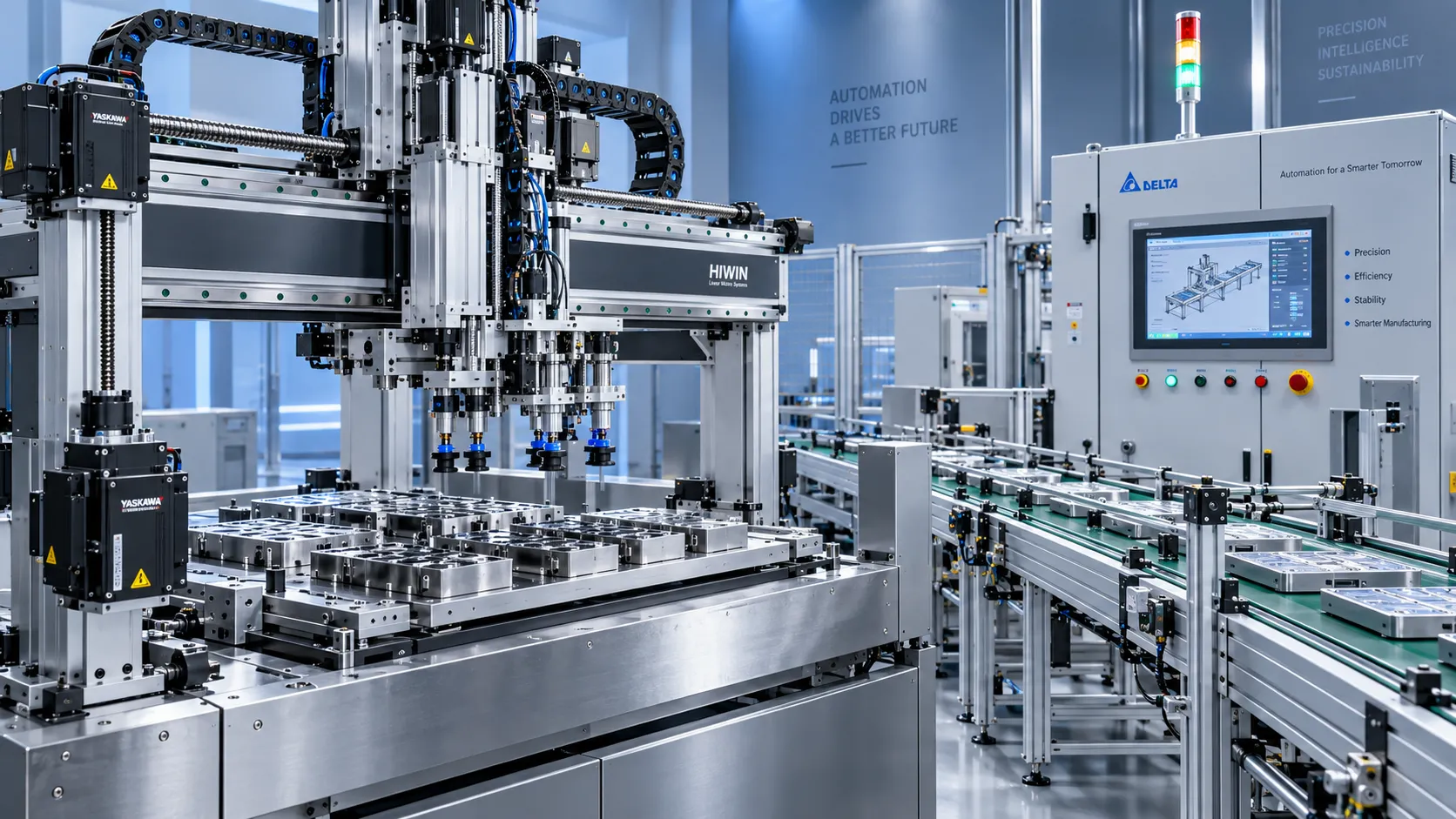
How to Specify Multi-Axis Motion Control for High-Precision Automated Machines
Master multi axis motion control for high-precision automation—optimize synchronization, feedback, mechanics, safety, and lifecycle reliability.
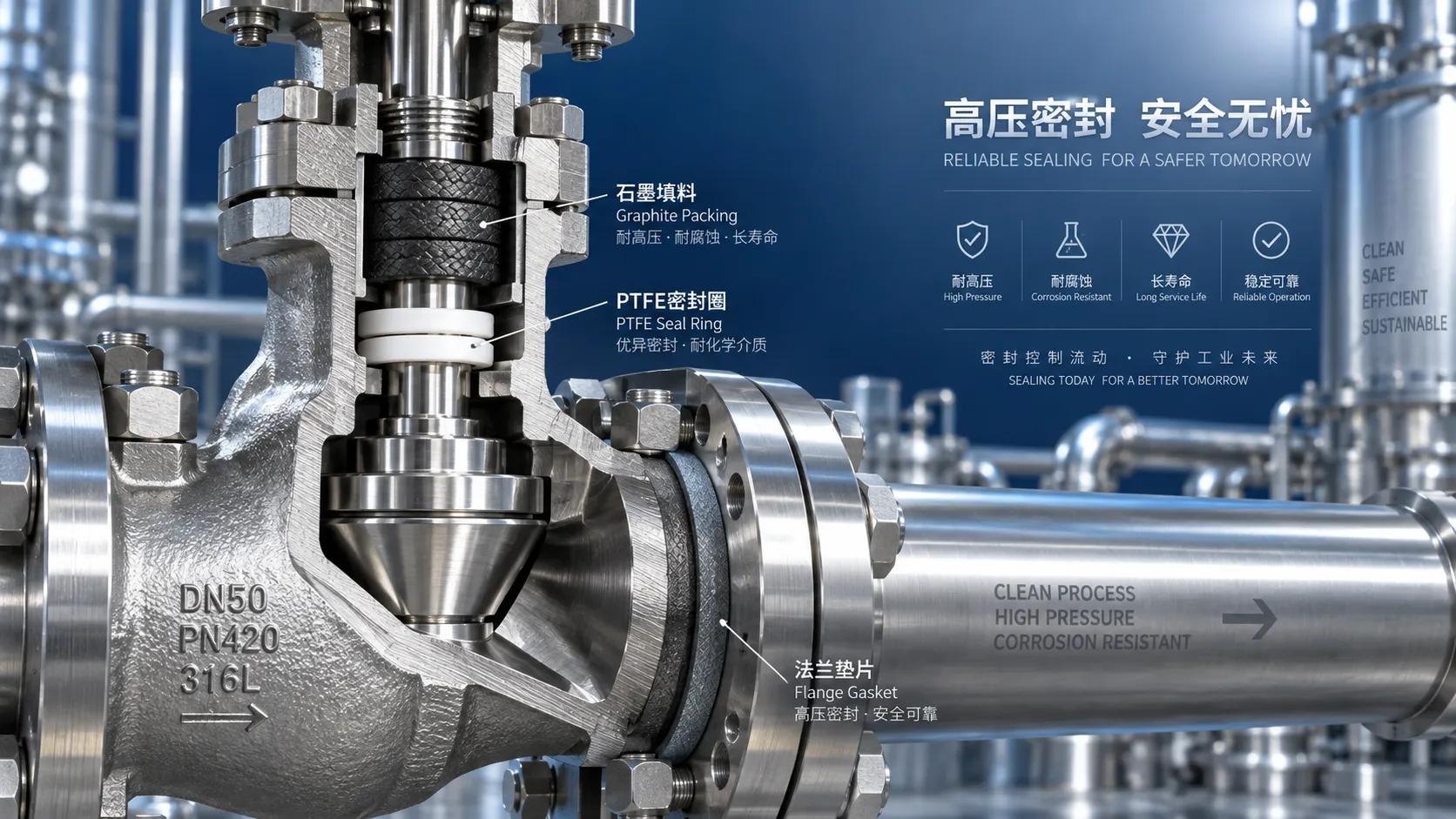
Selecting Valve Sealing Solutions for High-Pressure and Corrosive Service
Industrial sealing solutions for valves: learn how to select reliable systems for high-pressure, corrosive service, control fugitive emissions, and reduce lifecycle leakage risks.
Which European Standards Matter When Specifying Industrial Power Transmission Systems?
Standardized transmission systems Europe: discover the key EN and ISO standards for safer, compliant gear units, belts, couplings, bearings, seals, and ATEX applications.
How to Vet a Motion Control Components Exporter for Global OEM Supply?
Motion control components exporter vetting guide for global OEMs: assess quality, traceability, export readiness, landed cost, and supply resilience before you buy.
High-Performance Materials in Europe: Sourcing Criteria for Critical Industrial Applications
High-performance materials Europe: learn how to source critical industrial materials using proven criteria for durability, compliance, traceability, lifecycle cost, and supply resilience.
How to Assess a Global Supplier’s Capability Before Awarding a Critical Contract
Global supplier capability review: learn how to verify technical control, quality systems, global delivery resilience, compliance, and service support before awarding a critical contract.
How to Select Mechanical Linkage Components for High-Cycle Automation Equipment
Mechanical linkage technology components: learn how to select reliable rod ends, pins, and joints for high-cycle automation, reducing wear, backlash, downtime, and maintenance risk.