
Industry News
Curation by industry experts
Hot Articles
Popular Tags
Mechanical transmission logic mistakes that raise downtime risk
When downtime strikes, the root cause is often not hardware failure alone, but flawed mechanical transmission logic hidden in design, selection, or maintenance decisions. For project managers and engineering leaders, understanding these mistakes is essential to reducing risk, protecting schedules, and improving system reliability. This article explores the most common logic errors that quietly increase downtime exposure across modern industrial transmission systems.
Why mechanical transmission logic is under sharper scrutiny now
A clear shift is taking place across industrial operations: downtime is becoming more expensive, supply chains are less forgiving, and asset utilization targets are rising. In that environment, mechanical transmission logic is no longer a narrow engineering concern. It is becoming a project-level risk factor that affects commissioning speed, maintenance cost, energy performance, and delivery confidence.
This change is visible in multiple sectors at once. Automated production lines are running faster and with tighter tolerances. Heavy equipment owners are pushing for longer service intervals. Energy-intensive facilities are under pressure to cut losses caused by poor alignment, oversizing, slippage, and lubrication failure. As a result, logic mistakes in belts, gear reducers, couplings, bearings, shafts, and sealing interfaces are surfacing earlier and costing more when ignored.
For project managers, the message is practical: many failures that appear sudden are actually built into the system through flawed assumptions. The transmission may be mechanically intact at handover, yet still contain design logic that creates early wear, vibration, thermal stress, or unstable load transfer. That is why better mechanical transmission logic has become part of reliability strategy, not just equipment selection.
The biggest trend signal: failures are shifting from component defects to decision defects
A notable industry signal is that more downtime investigations now point to decision defects rather than purely defective parts. In other words, the component did not simply “fail”; it was applied with the wrong logic. This trend matters because it changes where teams should look for risk.
In many plants, the old assumption was that reliability problems mainly came from poor material quality or insufficient maintenance discipline. Those causes still exist, but the newer pattern is different: the transmission system is often mismatched to variable operating conditions, maintenance access is not designed into the equipment, or one upgrade creates unintended stress elsewhere in the drive train. This is a classic mechanical transmission logic problem, and it is becoming more common as systems grow more integrated.
The logic mistakes that quietly raise downtime risk
Several logic mistakes appear repeatedly across industrial transmission projects. They are not always dramatic during design review, which is exactly why they are dangerous.
1. Designing for rated load instead of real load behavior
One of the most common mechanical transmission logic errors is assuming that nameplate load tells the whole story. In practice, start-stop cycles, shock loading, reverse motion, misfeeds, uneven product flow, and operator intervention can create load patterns far more severe than average power values suggest. A transmission sized only for nominal conditions may survive factory acceptance testing but fail early in production reality.
2. Treating components as isolated instead of system-linked
Belts, gears, bearings, couplings, shafts, and seals do not fail independently for long. A stiffer coupling can increase bearing stress. A higher-efficiency reducer can shift thermal behavior. A stronger belt can transfer shock loads that a downstream shaft was never designed to absorb. Poor mechanical transmission logic often starts when one component is optimized without checking the system chain.
3. Ignoring alignment stability over time
Many teams verify alignment during installation but fail to consider how it drifts under heat, vibration, base settlement, frame distortion, or repeated maintenance activity. The logic mistake is not in measuring alignment once; it is in assuming alignment remains stable without structural support for that assumption.
4. Using maintenance logic that belongs to a different duty cycle
As plants move toward lean staffing and condition-based maintenance, some legacy inspection routines are reduced without a matching upgrade in monitoring. The result is a logic gap: the transmission system is expected to operate with less routine intervention, but neither the component choice nor the monitoring method has changed enough to support that expectation.
5. Confusing efficiency upgrades with reliability upgrades
Higher efficiency is important, but it does not automatically reduce downtime. A lower-loss system that is less tolerant of contamination, installation variation, or overload events may improve energy metrics while worsening operational resilience. Sound mechanical transmission logic balances efficiency, maintainability, and fault tolerance rather than chasing one metric alone.
What is driving these mistakes in today’s market
The rise in transmission-related decision errors is not random. Several forces are pushing projects toward faster choices with less mechanical reflection.
These forces explain why the topic deserves boardroom and project-office attention. Better mechanical transmission logic now protects not only uptime but also procurement quality, capex productivity, and ramp-up confidence.
Who feels the impact most strongly
The impact is not limited to maintenance teams. Different roles experience the consequences in different ways, which is why cross-functional judgment matters.
Project managers face schedule risk when repeated alignment issues, coupling failures, overheating, or premature wear delay commissioning. Engineering leads absorb design credibility risk when systems perform well in theory but not in operating reality. Procurement teams encounter cost escalation when substitutions trigger rework or unexpected spare part demand. Operations managers carry the output penalty when seemingly small transmission issues cascade through automated lines.
For organizations with distributed plants or global supply chains, the impact is even sharper. Standardization efforts often assume that one transmission architecture can be repeated across sites, yet climate, dust levels, operating discipline, and maintenance maturity vary widely. A mechanical transmission logic model that works in one factory may create reliability gaps in another.
The new judgment standard: from component selection to operating logic validation
A practical market shift is happening in how strong projects evaluate transmission decisions. The better-performing teams are moving away from single-point selection and toward operating logic validation. That means they ask not only “Is this reducer, belt, or coupling adequate?” but also “How will this transmission behave across starts, overloads, temperature swings, maintenance gaps, and production changes?”
This approach is especially relevant in sectors influenced by Industry 4.0 and green manufacturing goals. As digital monitoring becomes more available, expectations rise. Plants want both energy efficiency and predictable uptime. But sensors alone cannot fix weak mechanical transmission logic. Monitoring works best when the system was designed with realistic failure pathways in mind.
What project leaders should review before downtime exposes the weakness
For project managers and engineering decision-makers, the most valuable response is not broad theory but targeted review. Several checkpoints deserve priority:
- Verify real operating profiles, not just rated values, including starts, shocks, reversals, and temporary overloads.
- Map interaction effects across the transmission chain when any component is upgraded or substituted.
- Check whether alignment logic includes structural drift, thermal movement, and repeat maintenance conditions.
- Match lubrication and sealing strategy to contamination reality, not ideal plant conditions.
- Review whether maintenance intervals are supported by component choice, access design, and monitoring capability.
- Stress-test the mechanical transmission logic against foreseeable changes in speed, load mix, or automation intensity.
These checks are increasingly important because modern downtime events rarely stay local. In integrated lines, one weak transmission logic decision can disrupt upstream feeding, downstream packaging, quality control, and planned labor allocation at the same time.
How the next phase of reliability management is likely to evolve
Looking ahead, the industry is likely to place greater value on transmission systems that are easier to interpret, monitor, and adapt. That means future-ready mechanical transmission logic will probably emphasize three qualities: resilience under variable duty, transparency of failure signals, and compatibility with digital maintenance workflows.
This does not mean every operation needs a high-complexity solution. In many cases, the smarter move is to simplify the load path, reduce unnecessary interfaces, improve maintainability, and document assumptions more clearly. Trend-wise, robust logic is becoming more important than maximum theoretical optimization. For project leaders, that is a useful decision filter: if a design performs well only under narrow ideal conditions, it may not be the safest choice for uptime-critical environments.
Action guidance for teams making near-term decisions
If your organization is planning new equipment, retrofits, or supplier substitutions, now is the right time to treat mechanical transmission logic as a formal review topic. Ask whether the system was designed for actual duty variation, whether spare part strategy supports the logic, and whether commissioning tests are exposing realistic operating stresses rather than ideal startup conditions.
For teams using intelligence platforms such as GPT-Matrix, the best value often comes from linking technical signals with business judgment. Changes in raw material costs, component lead times, digital integration trends, and reliability expectations are all influencing transmission choices. The stronger organizations will be those that translate these signals into earlier design review, clearer supplier communication, and more disciplined uptime risk assessment.
If an enterprise wants to judge how these trends affect its own operations, it should confirm a few core questions: Where are transmission assumptions no longer aligned with real operating conditions? Which assets are carrying hidden downtime risk because of upgrade history? And which recurring failures are actually signs of flawed mechanical transmission logic rather than bad luck? Those answers usually reveal where the next improvement effort should begin.
Recommended News
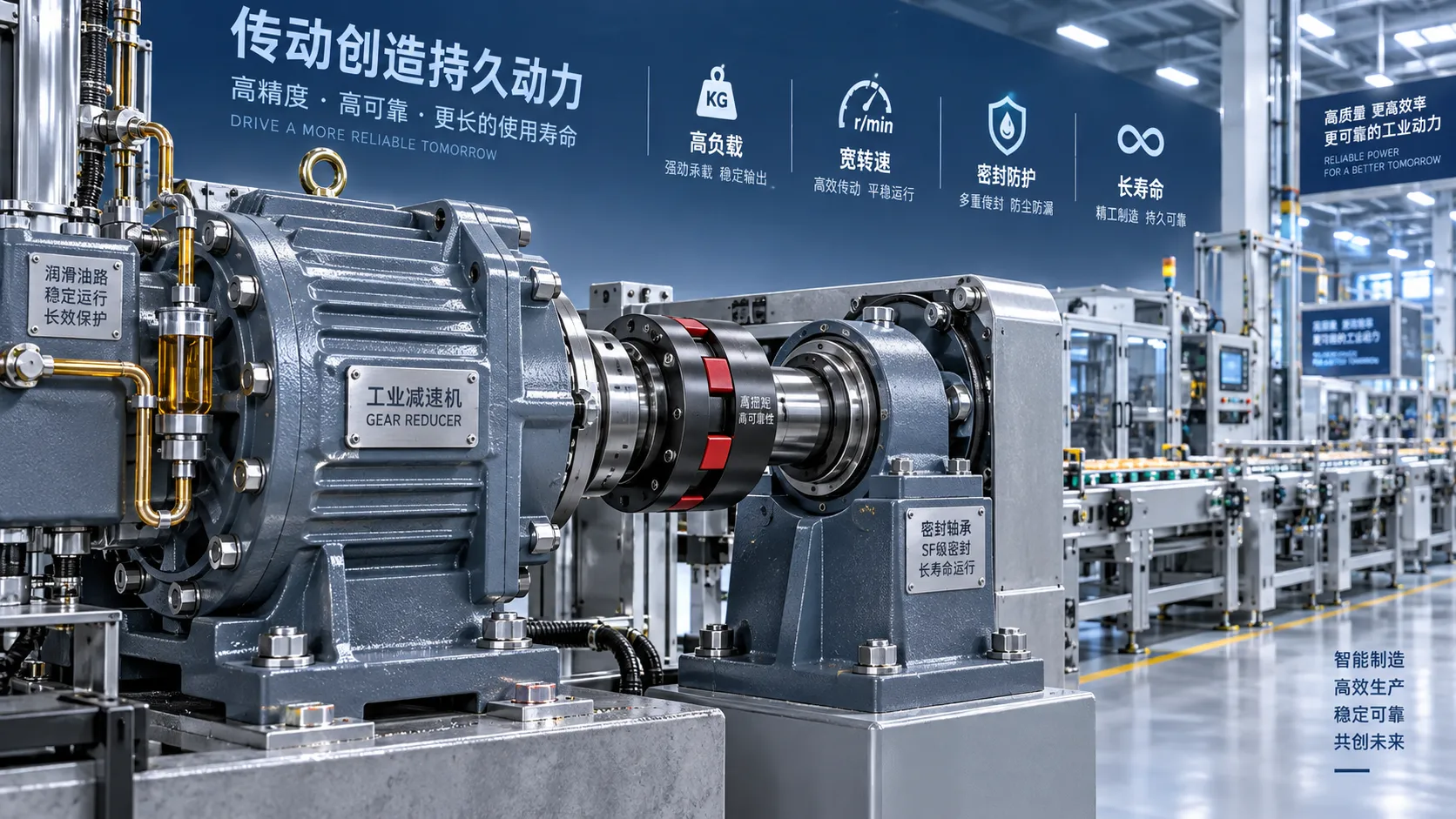
Mechanical Component Selection: Key Criteria for Load, Speed, Environment, and Service Life
Mechanical component selection made practical: evaluate load, speed, environment, lubrication, and service life to improve reliability, reduce downtime, and control lifecycle costs.
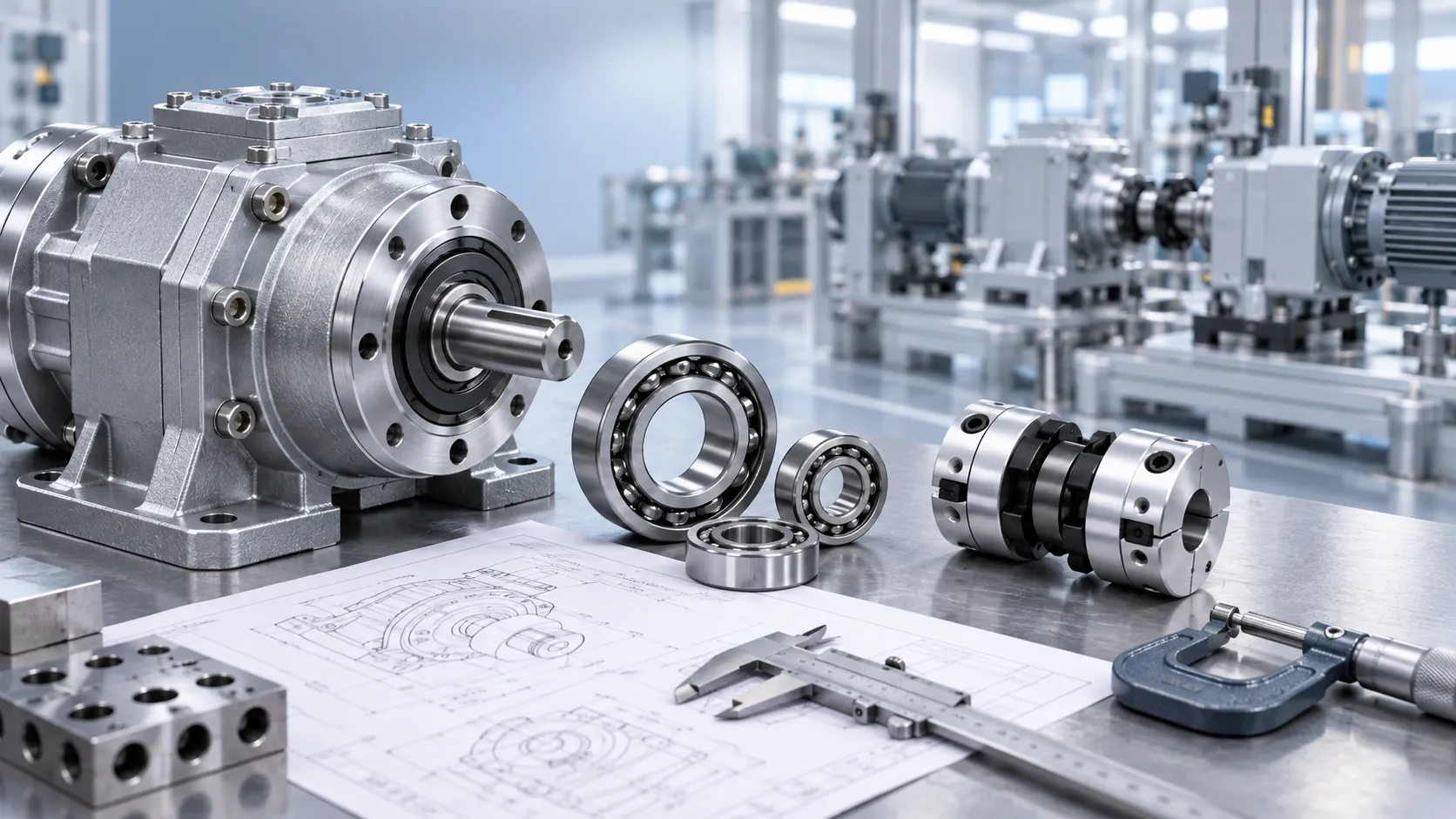
What to Request in Component Specification Resources Before Choosing a Supplier
Industrial component specification resources supplier guide: request drawings, material data, ratings, validation, and change control to choose reliable suppliers and reduce lifecycle risk.
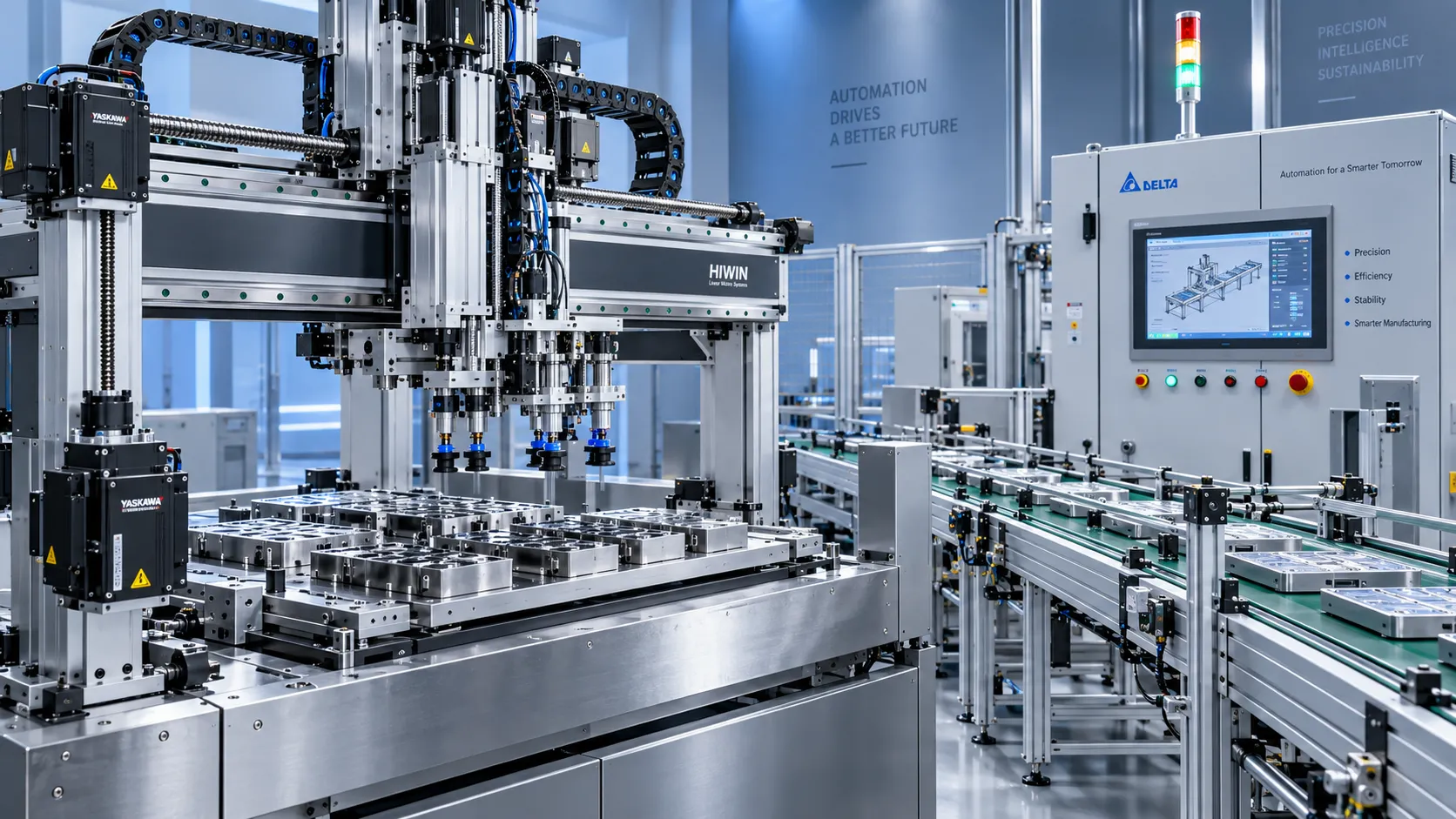
How to Specify Multi-Axis Motion Control for High-Precision Automated Machines
Master multi axis motion control for high-precision automation—optimize synchronization, feedback, mechanics, safety, and lifecycle reliability.
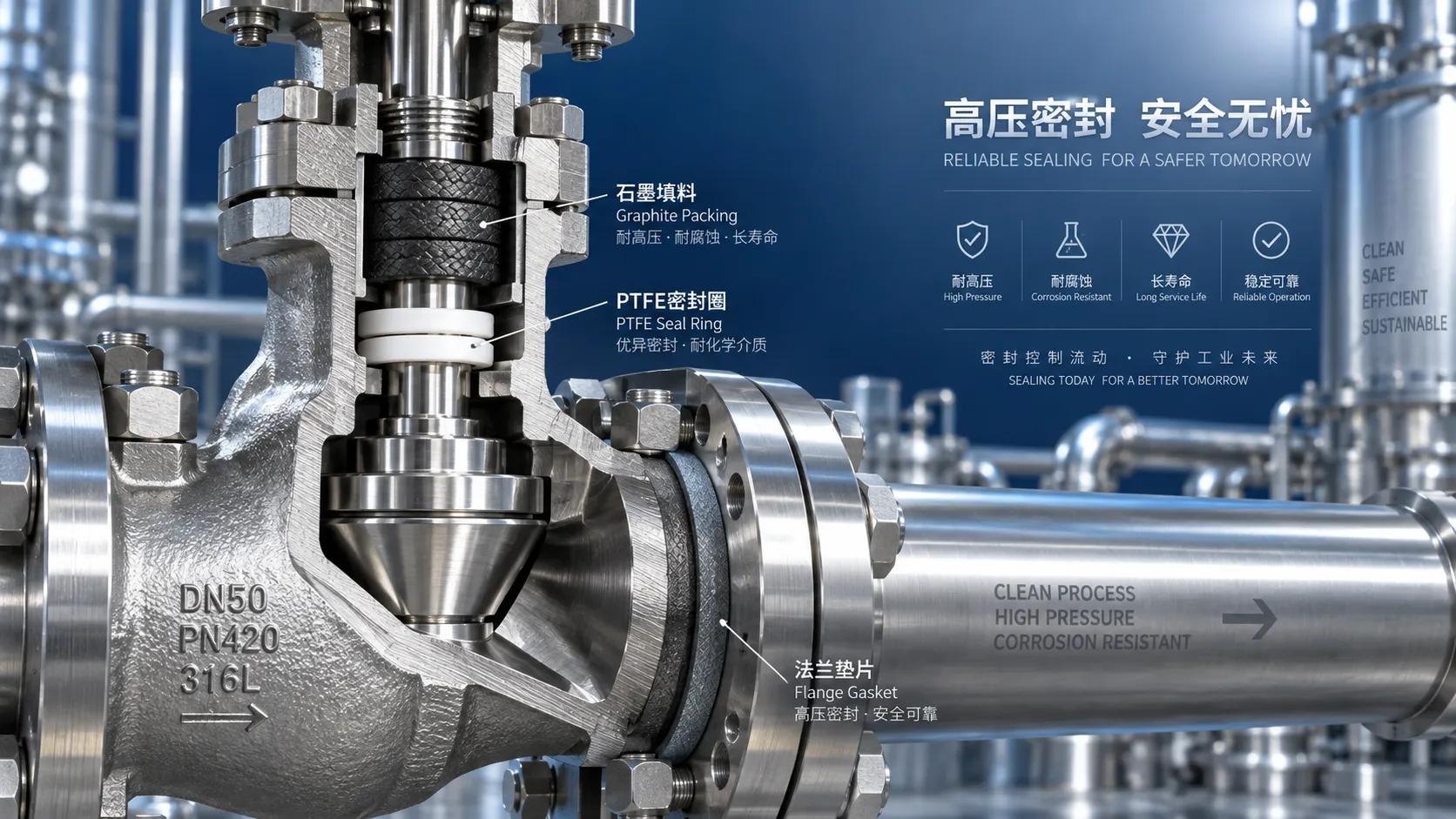
Selecting Valve Sealing Solutions for High-Pressure and Corrosive Service
Industrial sealing solutions for valves: learn how to select reliable systems for high-pressure, corrosive service, control fugitive emissions, and reduce lifecycle leakage risks.
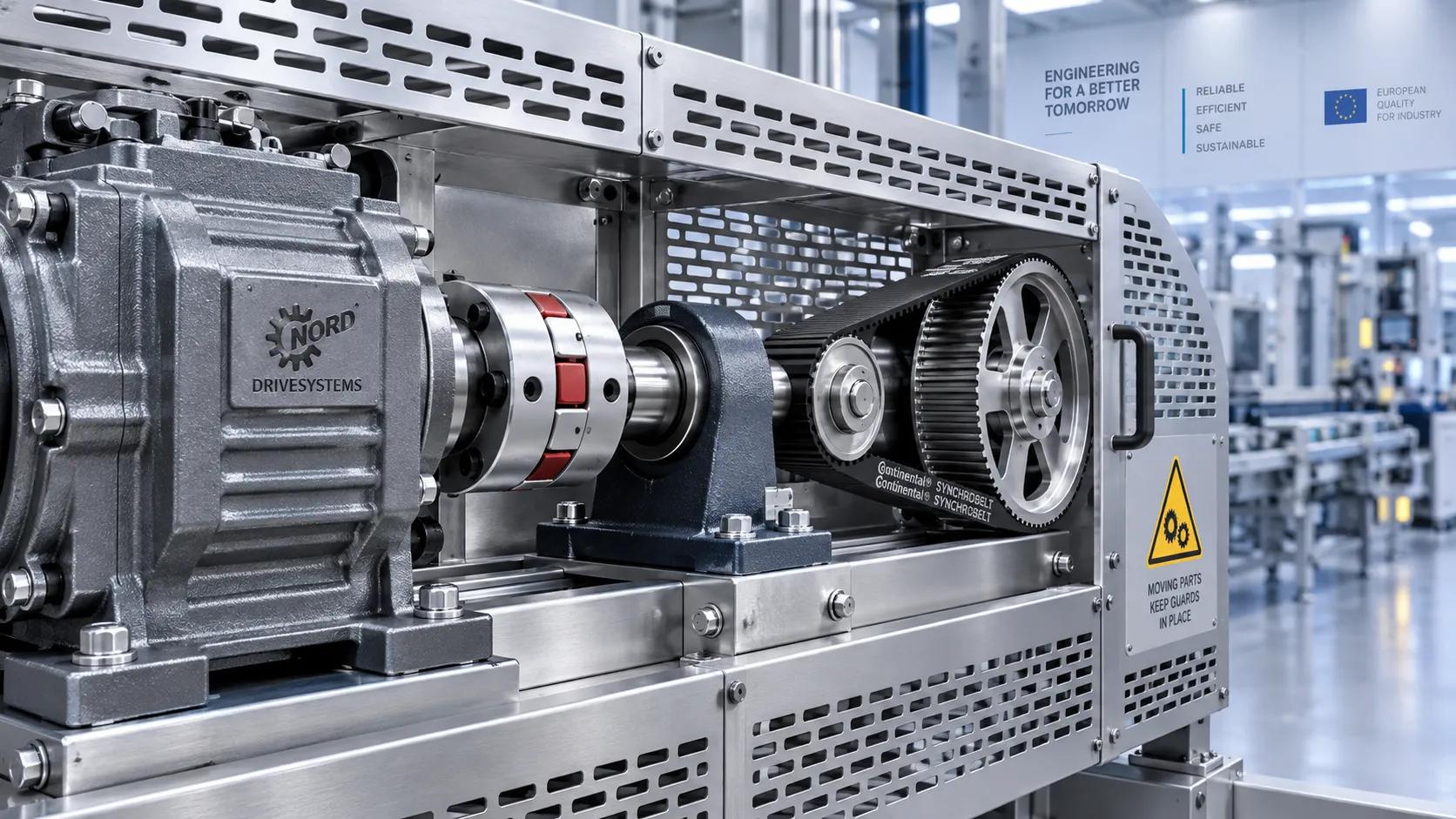
Which European Standards Matter When Specifying Industrial Power Transmission Systems?
Standardized transmission systems Europe: discover the key EN and ISO standards for safer, compliant gear units, belts, couplings, bearings, seals, and ATEX applications.
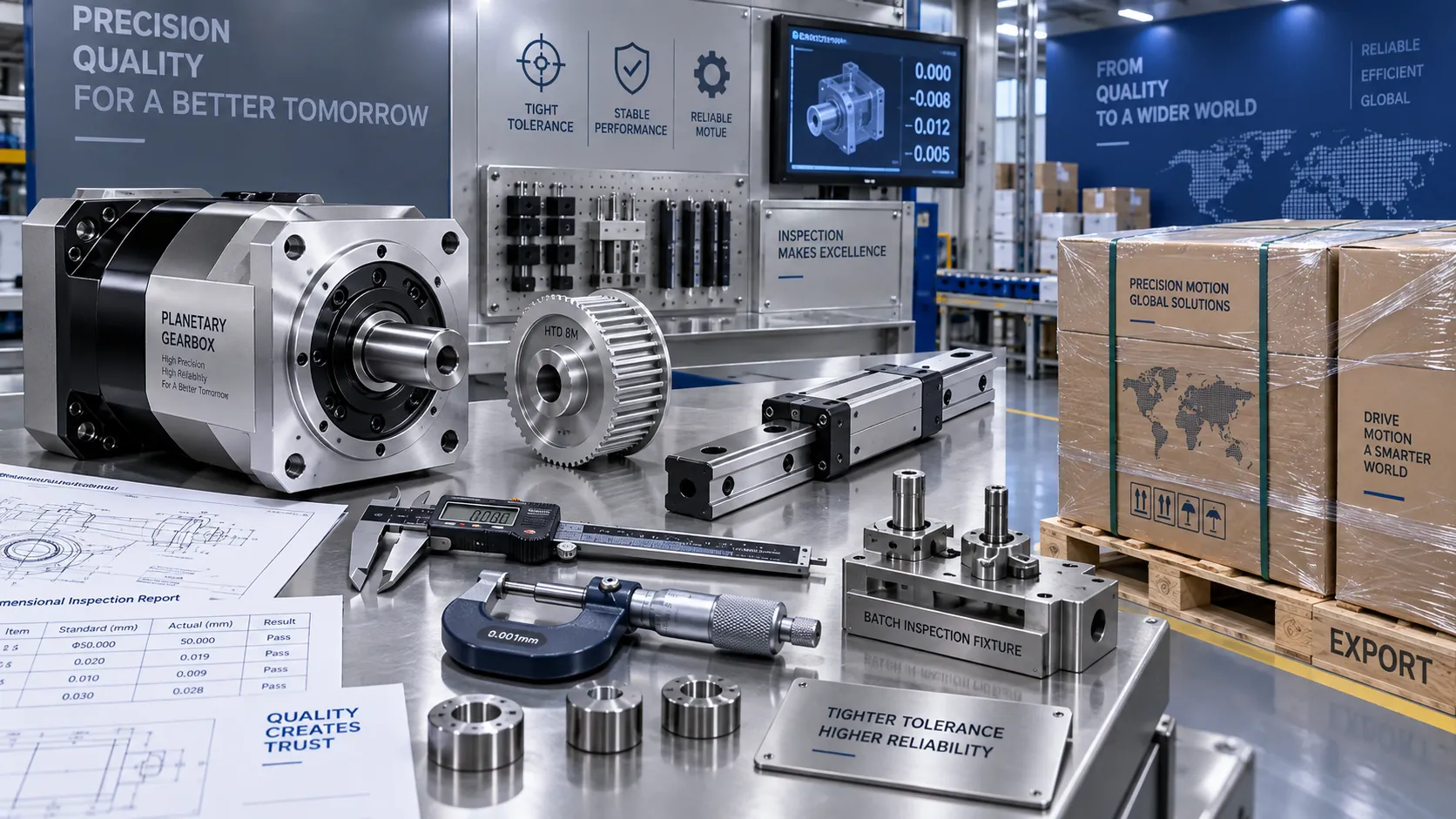
How to Vet a Motion Control Components Exporter for Global OEM Supply?
Motion control components exporter vetting guide for global OEMs: assess quality, traceability, export readiness, landed cost, and supply resilience before you buy.
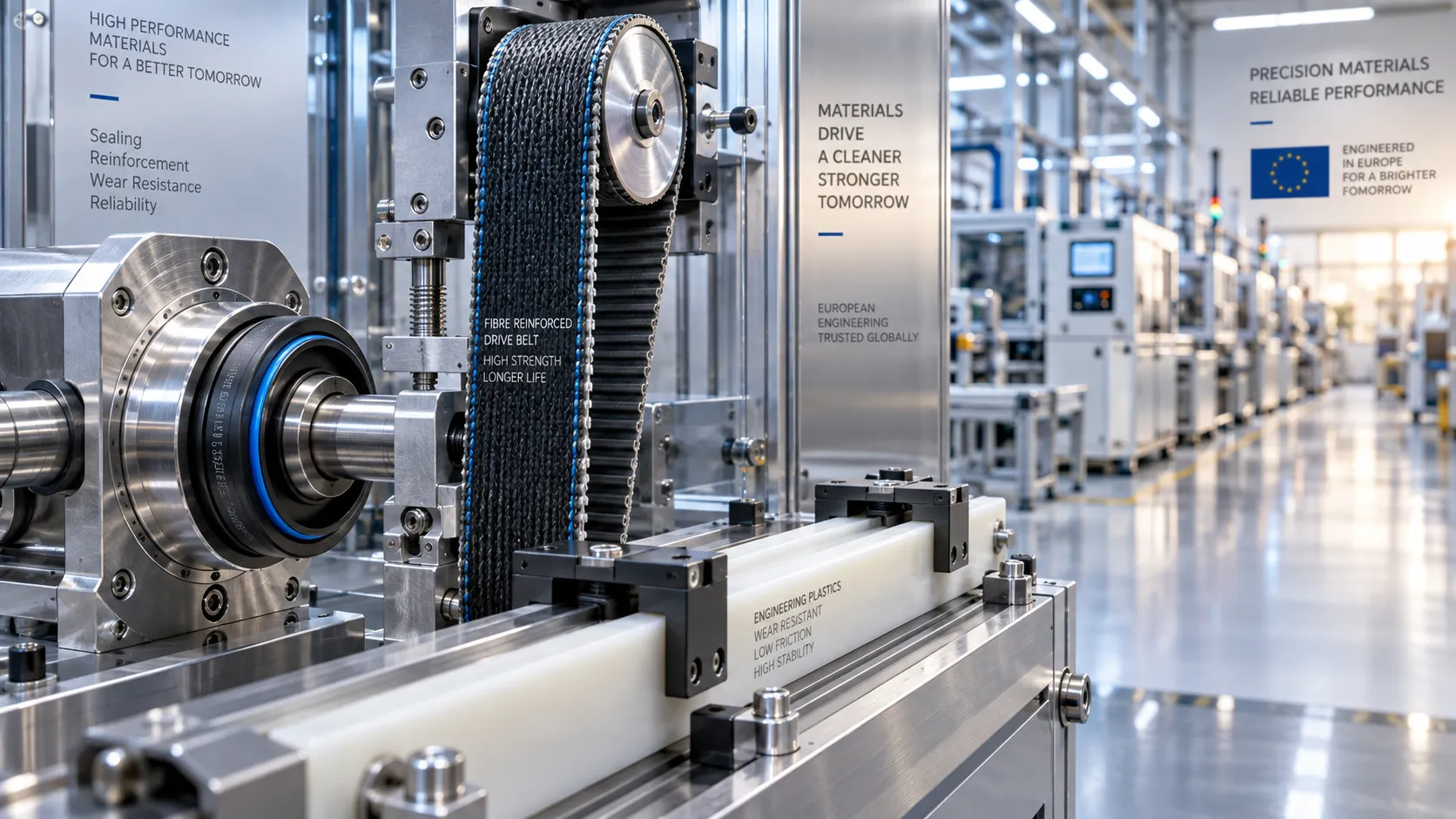
High-Performance Materials in Europe: Sourcing Criteria for Critical Industrial Applications
High-performance materials Europe: learn how to source critical industrial materials using proven criteria for durability, compliance, traceability, lifecycle cost, and supply resilience.
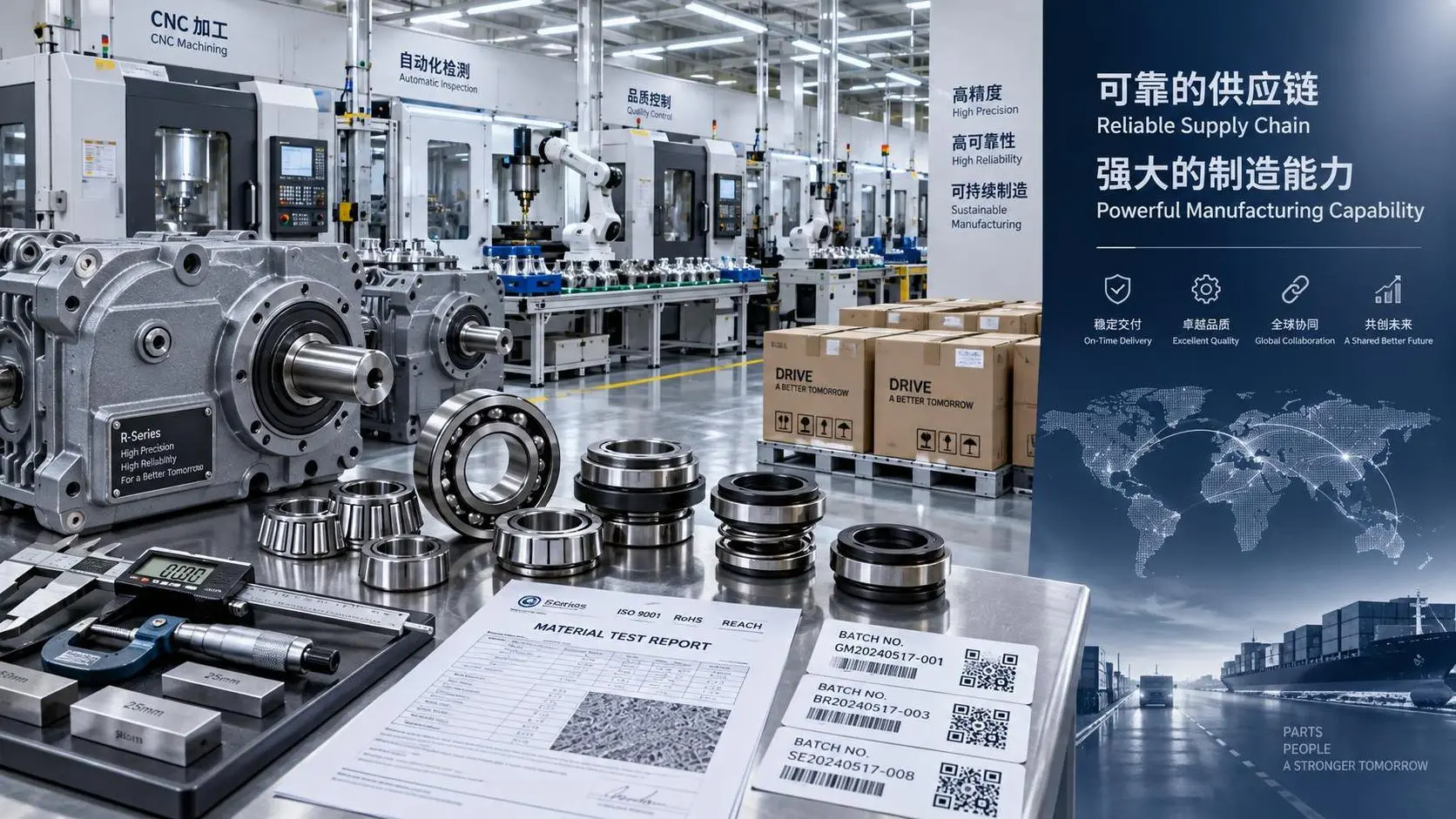
How to Assess a Global Supplier’s Capability Before Awarding a Critical Contract
Global supplier capability review: learn how to verify technical control, quality systems, global delivery resilience, compliance, and service support before awarding a critical contract.
How to Select Mechanical Linkage Components for High-Cycle Automation Equipment
Mechanical linkage technology components: learn how to select reliable rod ends, pins, and joints for high-cycle automation, reducing wear, backlash, downtime, and maintenance risk.