
Industry News
Curation by industry experts
Hot Articles
Popular Tags
Where energy efficient transmission delivers real savings first
Where do real cost savings start in modern industry? Often, they begin with energy efficient transmission. For operators and end users, smarter transmission choices can cut power loss, reduce maintenance demands, and improve equipment reliability from day one. This article explores how efficient power transmission delivers measurable savings first—before larger system upgrades even begin.
Why does energy efficient transmission create savings before major equipment upgrades?
In many plants, users focus on motors, automation software, or full-line modernization when they want lower operating costs. Yet one of the fastest-return areas is often the transmission path between power source and driven load. If belts slip, couplings misalign, gear reducers run outside their ideal range, or seals create avoidable friction losses, electricity is consumed without producing useful output.
That is why energy efficient transmission matters so much to operators. It targets the everyday losses hidden inside conveyors, fans, pumps, mixers, packaging systems, and heavy-duty drives. Unlike a full capital rebuild, transmission optimization can often be phased in during planned maintenance windows. The result is practical savings first: lower power draw, fewer emergency stoppages, and more stable output.
For a broad industrial audience, the value is not only technical. It is operational. A better transmission setup helps users answer urgent plant-floor questions:
- Why is one machine drawing more power than similar equipment doing the same task?
- Why does maintenance keep replacing belts, bearings, or seals earlier than expected?
- Why do line stoppages appear after load changes, temperature swings, or longer production runs?
- Which upgrade gives faster payback: replacing the whole machine or improving the transmission system first?
The answer is often found in transmission efficiency, load matching, and component life. GPT-Matrix follows these questions closely through its Strategic Intelligence Center, which connects material science, tribology, mechanical design logic, and industrial cost trends. For users and operators, this kind of intelligence turns a vague efficiency goal into a practical maintenance and procurement decision.
Where do the first losses usually happen in real operating conditions?
Energy loss in transmission systems is rarely caused by one dramatic failure. More often, it comes from many small inefficiencies that add up over long operating hours. Understanding these loss points helps operators prioritize quick wins instead of waiting for system-wide retrofits.
Common sources of avoidable transmission loss
- Belt slip or poor belt tension, which reduces torque transfer efficiency and raises heat generation.
- Incorrect pulley alignment or coupling misalignment, which increases vibration, side loading, and premature wear.
- Gear reducers selected for the wrong speed-torque window, causing unnecessary mechanical and thermal losses.
- Low-performance sealing systems, which can increase friction, lubricant leakage risk, and contamination exposure.
- Poor lubrication control, which directly affects bearing drag, gear meshing performance, and seal reliability.
- Aging transmission components left in service after efficiency has already degraded, even before visible failure appears.
These issues are especially important in facilities with long daily runtimes. A small percentage loss across multiple shifts can create a large annual electricity cost. That is why energy efficient transmission should not be viewed as a premium option only for new equipment. In many cases, it is the most accessible savings measure available to existing assets.
Which transmission choices usually deliver savings first?
Not all upgrades create the same financial impact. Operators need to know where energy efficient transmission provides early return and where a change may be less urgent. The table below compares common transmission areas from a practical savings perspective.
The practical lesson is simple: the first savings often come from upgrading the transmission route, not from waiting for a complete equipment replacement. For high-runtime lines, even moderate efficiency gains can create a meaningful cost difference over a year.
How should operators evaluate energy efficient transmission in different scenarios?
The right transmission solution depends heavily on load behavior, runtime, contamination level, and maintenance conditions. A packaging line, a cement conveyor, and a food processing mixer may all need energy efficient transmission, but not in the same form. Scenario-based evaluation prevents under-specification and overspending.
The table below helps users compare common industrial situations and the transmission priorities that usually matter first.
This comparison shows why generic product recommendations often fail. Operators need transmission decisions grounded in application details. GPT-Matrix supports this approach by tracking trends in high-performance belts, digitalized gear reducer development, and seal reliability under demanding operating conditions.
What should users check before purchasing an energy efficient transmission solution?
Purchasing teams and machine operators often share the same frustration: a component may look right on paper but perform poorly in the field. The best way to avoid this is to review selection criteria in a structured order, especially when budget and delivery windows are tight.
Practical selection checklist
- Define the real load profile. Do not rely only on rated power. Include startup torque, shock loads, and daily operating hours.
- Map the environment. Dust, humidity, washdown, temperature swings, and chemical exposure all influence belt material, seal choice, and lubrication behavior.
- Check alignment and installation limits. Even the best energy efficient transmission components will underperform if shafts, pulleys, or mounting conditions are poor.
- Estimate maintenance labor cost, not only purchase price. A cheaper part that requires more frequent replacement may cost more over time.
- Ask about interoperability. If the line is moving toward Industry 4.0 practices, consider whether the solution supports monitoring, predictable maintenance, or easier performance tracking.
- Review standards and general compliance expectations. Depending on the application, users may need to consider safety, material compatibility, or general industrial quality requirements.
For many users, the biggest procurement mistake is buying by unit price alone. A truly energy efficient transmission choice should be evaluated on total operating impact: electricity use, downtime risk, labor burden, spare inventory pressure, and replacement frequency.
How do cost, maintenance, and replacement options compare over time?
When budgets are constrained, operators may hesitate to approve upgraded transmission components. The concern is understandable. However, the better question is not “What costs less today?” but “What reduces avoidable expense over the operating cycle?”
A realistic cost view includes more than purchase price
- Energy consumption across thousands of production hours.
- Maintenance labor needed for tensioning, alignment correction, relubrication, and seal replacement.
- Scrap or lost production caused by unstable motion or unscheduled stoppages.
- Spare inventory carrying cost, especially for plants with multiple legacy transmission designs.
- Downtime exposure if replacement parts are not available quickly during peak production periods.
In this context, energy efficient transmission frequently outperforms low-cost substitutes. A more durable belt system, a better-matched reducer, or a more reliable seal may require a higher initial spend, but can lower the combined cost of electricity, labor, and disruption. That is especially true in global markets where energy prices and raw material volatility continue to affect industrial planning.
Which standards and technical signals help confirm a sound decision?
Users do not always need a highly specialized specification to make a better transmission decision, but they do need disciplined evaluation. General industrial standards, manufacturer documentation, and operating data should all be reviewed together. The goal is to confirm that a proposed energy efficient transmission solution is technically suitable, maintainable, and aligned with plant requirements.
Useful technical and compliance checkpoints
- Rated torque, speed range, and service factor appropriate to actual duty rather than ideal conditions.
- Temperature tolerance and lubricant compatibility for bearings, seals, and gearbox operation.
- Material suitability for dusty, wet, corrosive, or hygienic environments.
- General conformance to relevant industrial norms or machine safety practices where applicable.
- Clear installation guidance, maintenance intervals, and replacement recommendations from the supplier.
This is one reason intelligence matters. GPT-Matrix monitors not only product evolution but also broader market and engineering signals, including raw material changes, seal reliability development, and digital pathways for reducer integration. That perspective helps users avoid choosing a component that is efficient in theory but difficult to sustain in real service.
What are the most common misconceptions about energy efficient transmission?
Misunderstandings can delay action and waste budget. In many facilities, the transmission system is not reviewed until visible failure occurs. By then, operators have already absorbed hidden energy and maintenance costs for months or years.
Misconception 1: efficiency only matters in new equipment
In reality, existing lines often offer the fastest savings because the baseline inefficiencies are already present. Retrofitting an energy efficient transmission path can be less disruptive than a full equipment replacement and may still deliver meaningful cost improvement.
Misconception 2: the lowest purchase price gives the best value
A lower upfront price may hide shorter service life, higher power loss, and more labor-intensive maintenance. Value should be judged over the asset’s operating cycle, not at the time of purchase alone.
Misconception 3: transmission losses are too small to matter
For short-run equipment, perhaps. But in multi-shift operations, small inefficiencies repeated across many machines can become a measurable line item. This is why operators increasingly treat energy efficient transmission as a plant-wide discipline rather than a single-component upgrade.
FAQ: what do operators ask most before switching to energy efficient transmission?
How do I know whether my current transmission system is wasting energy?
Look for recurring signs: frequent retensioning, unusual heat, unstable speed, rising power draw, repeated seal leakage, and ongoing bearing or coupling wear. Comparing similar machines on the same line can also reveal abnormal energy or maintenance behavior. If one unit consistently needs more intervention, the transmission path should be reviewed first.
Which applications benefit most from energy efficient transmission?
The highest value often appears in long-runtime systems such as conveyors, pumps, fans, automated lines, and heavy-duty processing equipment. These applications magnify even small inefficiencies because they operate for many hours and often under variable load or harsh environmental conditions.
What should I ask a supplier before making a decision?
Ask for guidance on torque range, speed range, environmental suitability, expected maintenance intervals, replacement compatibility, and installation requirements. Also ask whether the proposed solution is optimized for your actual duty cycle rather than a standard catalog assumption.
Can energy efficient transmission help if I cannot change the entire machine?
Yes. That is often the strongest use case. Targeted upgrades to belts, reducers, couplings, lubrication practice, or sealing systems can improve efficiency and reliability without requiring a full machine redesign. For budget-limited facilities, this phased route is often the most practical one.
Why are data, trend intelligence, and supplier dialogue now part of the savings equation?
Transmission decisions no longer happen in isolation. Energy price volatility, raw material shifts, maintenance staffing pressure, and digitalization goals all affect component choice. Users need more than a catalog page. They need a way to connect application reality with technology evolution and commercial timing.
This is where GPT-Matrix adds value. By combining sector news, trend analysis, and commercial insight across industrial power transmission, motion control, and critical sealing technologies, the platform helps users understand not only what component may fit, but why one path may reduce risk faster than another. For operators, that means fewer blind spots when evaluating energy efficient transmission under real-world constraints.
Why choose us when you need clearer transmission decisions?
If you are reviewing energy efficient transmission options, GPT-Matrix can support the decision process with industry-focused intelligence rather than generic claims. We help users and operational teams narrow choices based on application logic, maintenance impact, and market context.
You can contact us to discuss specific decision points such as:
- Parameter confirmation for speed, torque, duty cycle, and environmental conditions.
- Product selection guidance for belts, reducers, couplings, and sealing-related transmission needs.
- Delivery cycle considerations when maintenance windows are short or spare availability is critical.
- Custom solution evaluation for demanding applications with dust, heat, moisture, chemical exposure, or variable loads.
- General certification and compliance discussion relevant to industrial operating environments.
- Sample support, quotation communication, and comparative review of alternative transmission paths.
Real savings often start before a major rebuild. They start when operators identify hidden losses, compare practical options, and choose energy efficient transmission with a clear view of performance, maintenance, and long-term cost. If that is your next step, GPT-Matrix is ready to help you evaluate it with sharper industrial insight.
- power transmission
- motion control
- sealing technologies
- drive belts
- gear reducers
- tribology
- heavy equipment
- material science
- Industry 4.0
- transmission components
- mechanical transmission
- automated production
- industrial power transmission
- critical sealing
- automated production lines
- energy efficient transmission
Recommended News
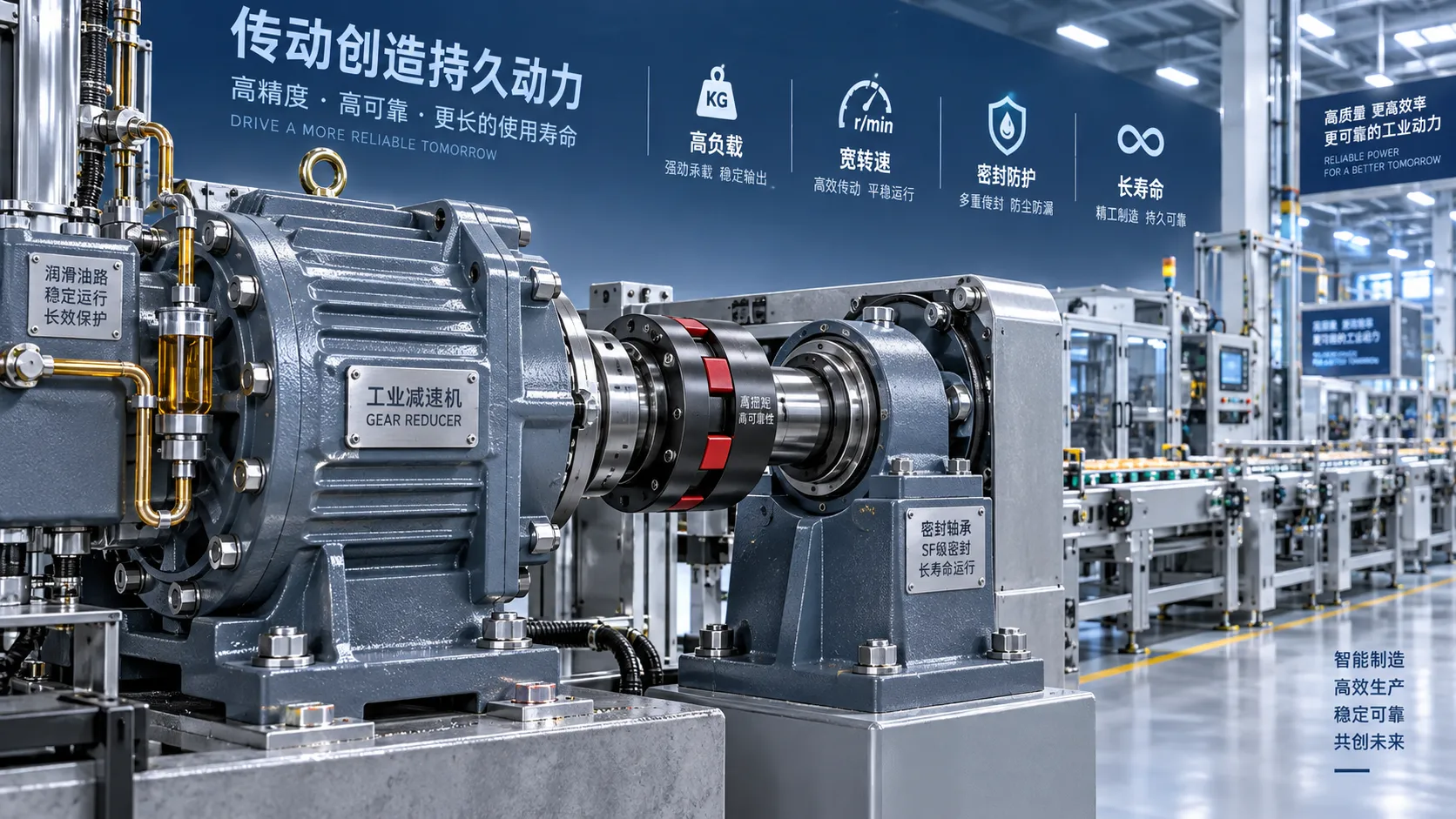
Mechanical Component Selection: Key Criteria for Load, Speed, Environment, and Service Life
Mechanical component selection made practical: evaluate load, speed, environment, lubrication, and service life to improve reliability, reduce downtime, and control lifecycle costs.
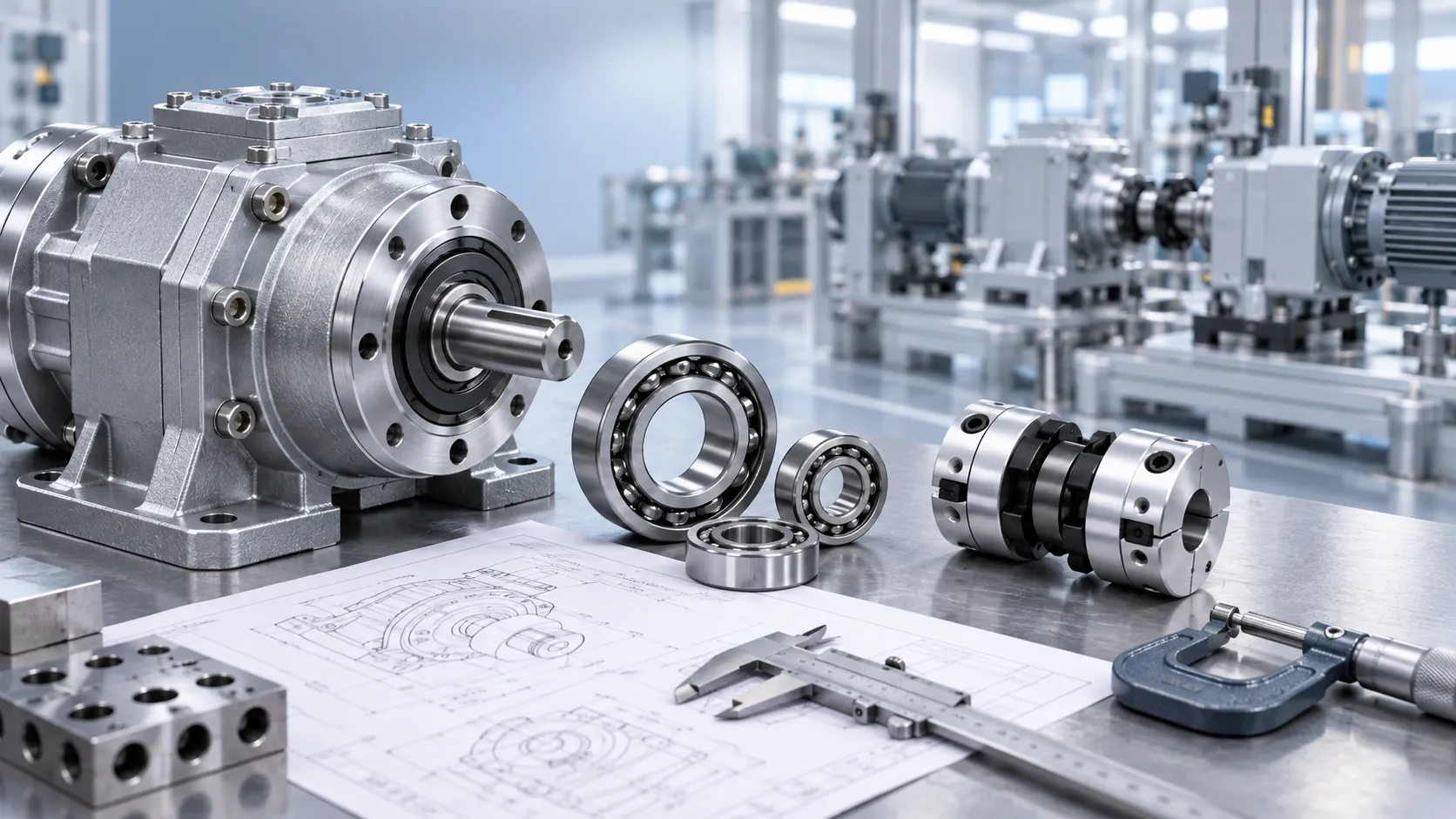
What to Request in Component Specification Resources Before Choosing a Supplier
Industrial component specification resources supplier guide: request drawings, material data, ratings, validation, and change control to choose reliable suppliers and reduce lifecycle risk.

How to Specify Multi-Axis Motion Control for High-Precision Automated Machines
Master multi axis motion control for high-precision automation—optimize synchronization, feedback, mechanics, safety, and lifecycle reliability.
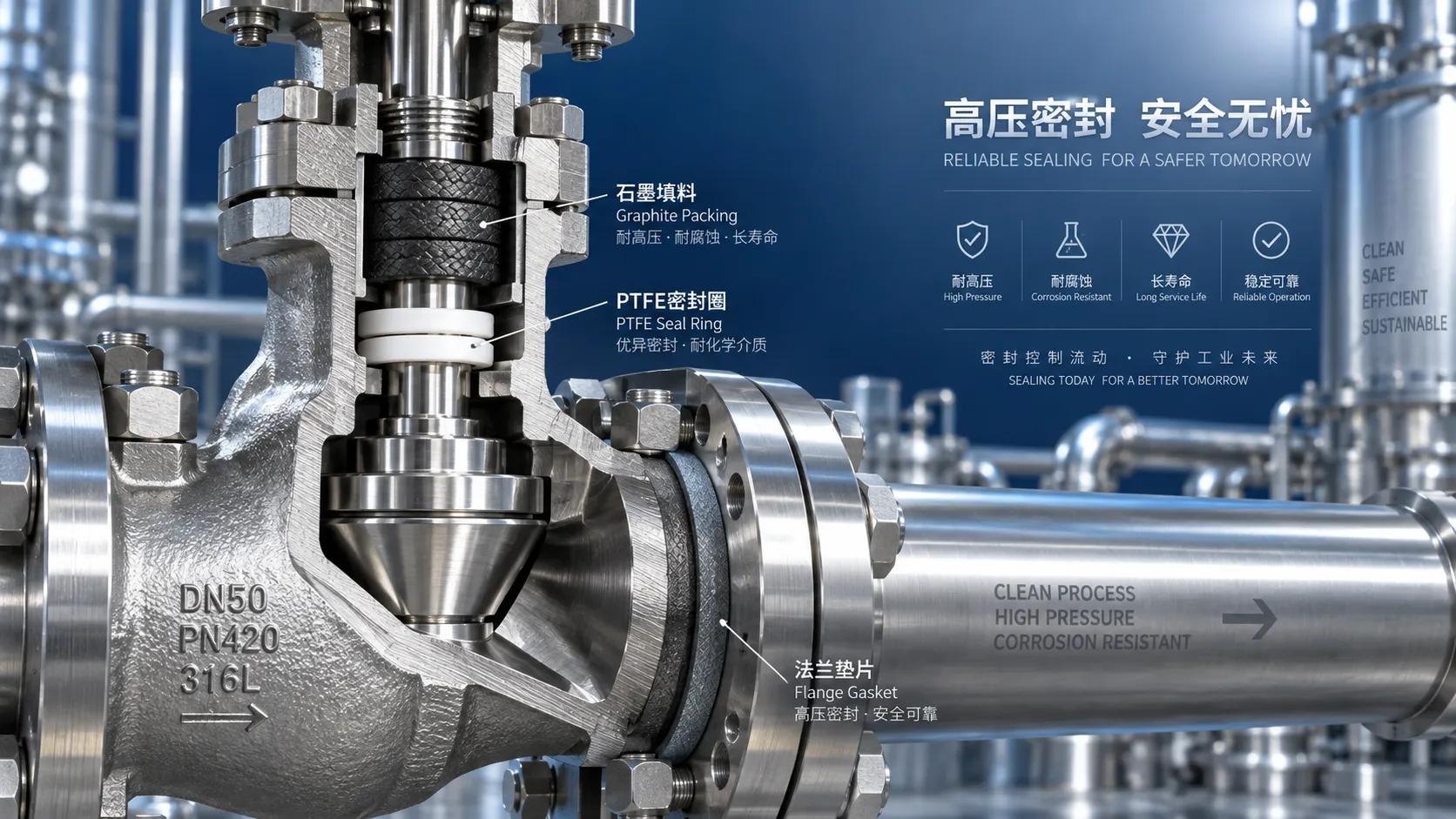
Selecting Valve Sealing Solutions for High-Pressure and Corrosive Service
Industrial sealing solutions for valves: learn how to select reliable systems for high-pressure, corrosive service, control fugitive emissions, and reduce lifecycle leakage risks.

Which European Standards Matter When Specifying Industrial Power Transmission Systems?
Standardized transmission systems Europe: discover the key EN and ISO standards for safer, compliant gear units, belts, couplings, bearings, seals, and ATEX applications.
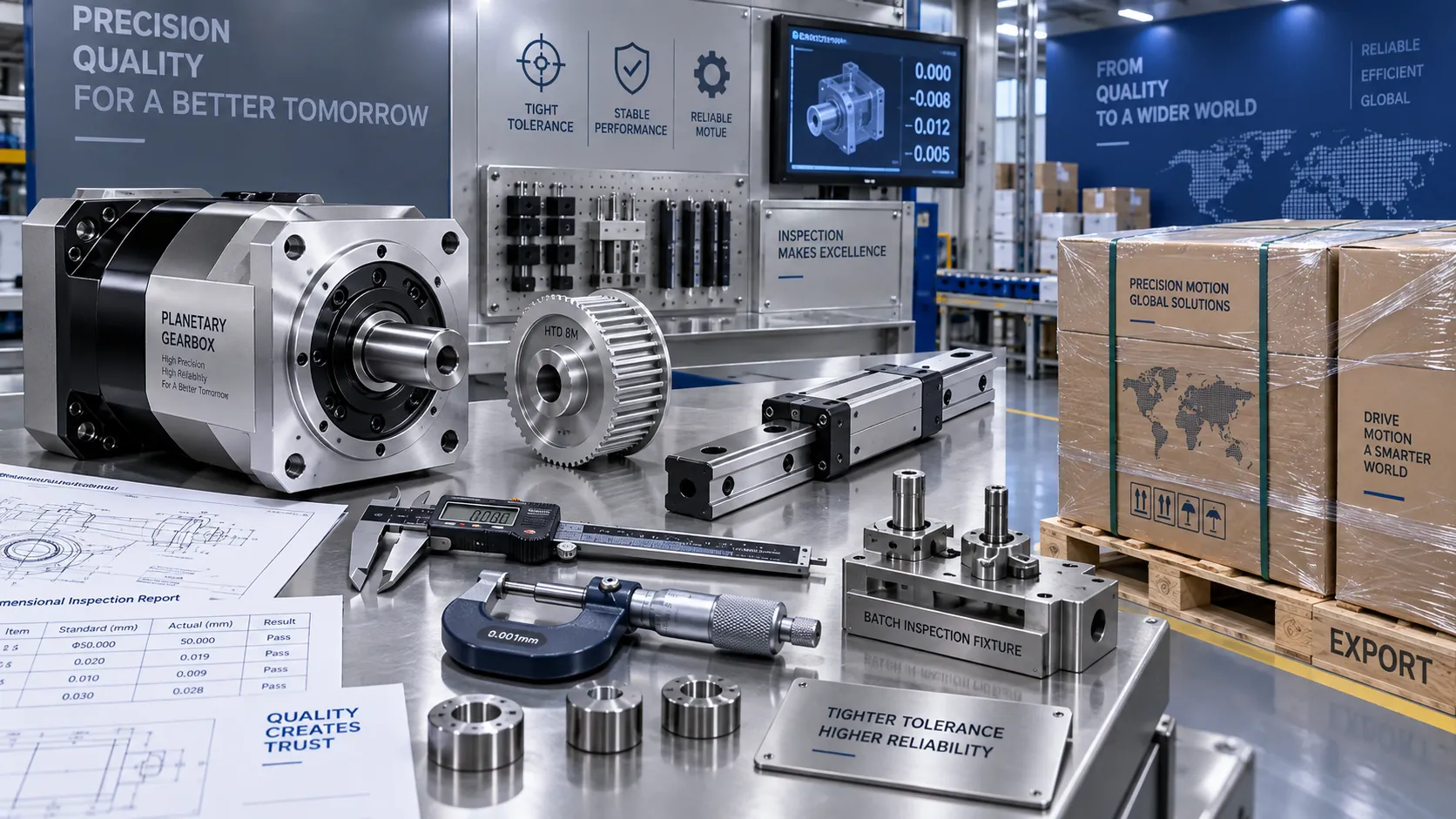
How to Vet a Motion Control Components Exporter for Global OEM Supply?
Motion control components exporter vetting guide for global OEMs: assess quality, traceability, export readiness, landed cost, and supply resilience before you buy.

High-Performance Materials in Europe: Sourcing Criteria for Critical Industrial Applications
High-performance materials Europe: learn how to source critical industrial materials using proven criteria for durability, compliance, traceability, lifecycle cost, and supply resilience.
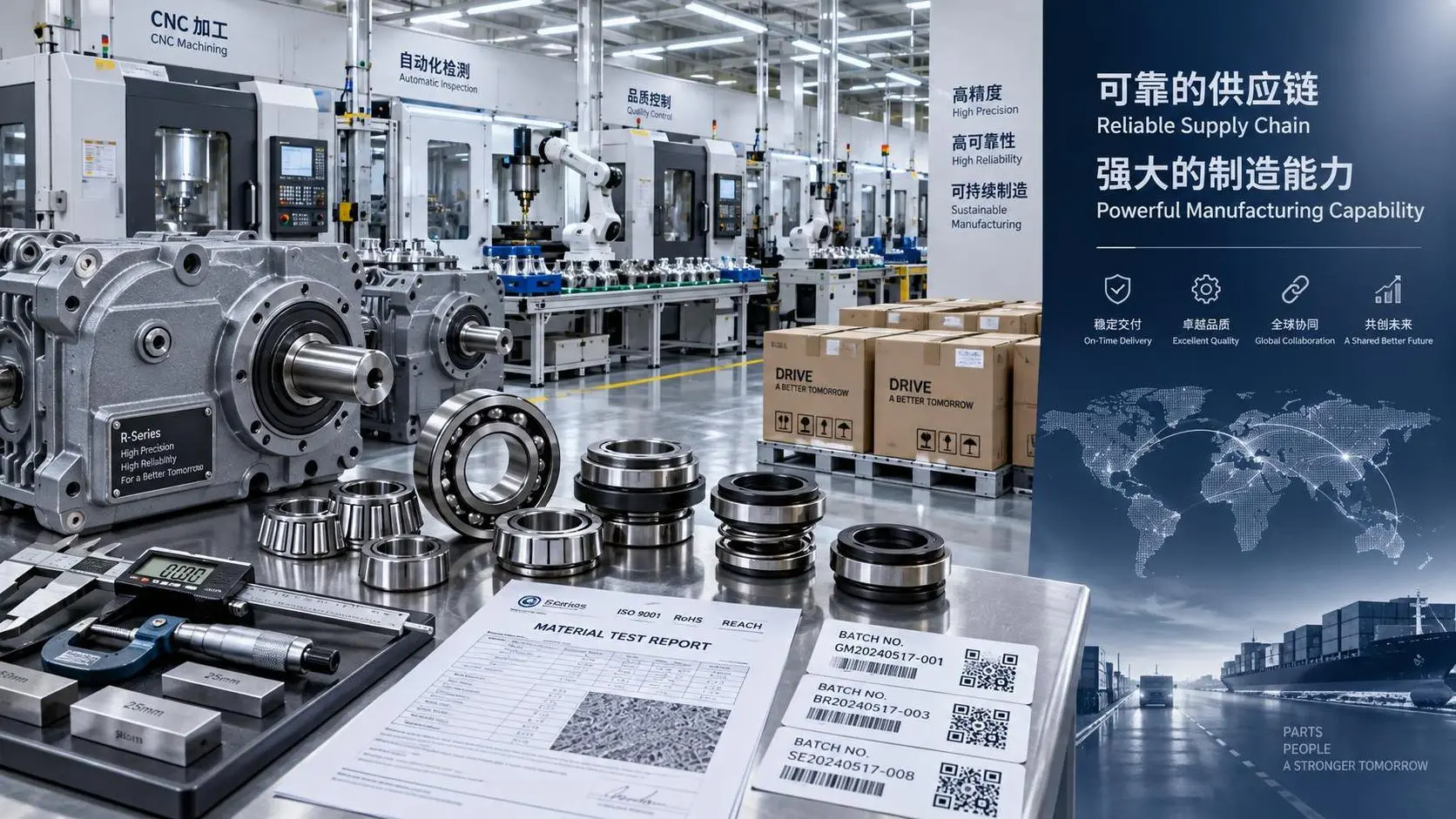
How to Assess a Global Supplier’s Capability Before Awarding a Critical Contract
Global supplier capability review: learn how to verify technical control, quality systems, global delivery resilience, compliance, and service support before awarding a critical contract.

How to Select Mechanical Linkage Components for High-Cycle Automation Equipment
Mechanical linkage technology components: learn how to select reliable rod ends, pins, and joints for high-cycle automation, reducing wear, backlash, downtime, and maintenance risk.