
Industry News
Curation by industry experts
Hot Articles
Popular Tags
When standardized systems reduce risk and downtime
For project schedules, asset availability, and lifecycle cost control, failure in one drivetrain element rarely stays isolated. It spreads into missed output, emergency labor, rushed sourcing, and confidence loss across the operation. That is why standardized transmission systems matter. They reduce uncertainty by aligning dimensions, interfaces, performance expectations, and service procedures across connected equipment.
In broad industrial settings, from packaging lines to material handling and process equipment, standardized transmission systems create a practical path toward lower downtime and safer maintenance planning. They support faster replacement, easier diagnostics, cleaner inventory control, and more predictable integration. As facilities push for efficiency, resilience, and lower total cost, standardization becomes a technical and strategic advantage rather than a procurement preference.
Why a checklist matters when evaluating standardized transmission systems
Risk in motion systems usually enters through small mismatches. Shaft dimensions vary slightly. Belt profiles differ. Seal materials are selected without considering temperature or contamination. Lubrication intervals conflict with actual duty cycles. A checklist turns these hidden variables into visible decisions before installation or retrofit begins.
For complex projects, standardized transmission systems work best when teams verify compatibility, serviceability, and operating limits in a repeatable way. The checklist approach also supports documentation quality, supplier comparison, and smoother handover between design, maintenance, and operations.
Core checklist for reducing risk and downtime
- Confirm interface standards early, including shaft sizes, bore tolerances, keyways, mounting patterns, coupling dimensions, and belt profiles, so standardized transmission systems install without field rework.
- Verify operating loads against real duty cycles, not nameplate assumptions, to ensure gear units, bearings, belts, and seals can survive starts, shock loads, and variable speeds.
- Align material selection with environment, checking corrosion exposure, washdown chemicals, airborne dust, abrasive particles, and temperature extremes before freezing component specifications.
- Standardize spare parts families across similar assets, reducing inventory complexity while increasing replacement speed for pulleys, couplings, reducers, bearings, and sealing elements.
- Review lubrication requirements in detail, including grease types, oil grades, relubrication intervals, contamination controls, and access points for safe maintenance execution.
- Map failure modes by component type, linking misalignment, overload, thermal stress, and poor sealing to inspection routines and corrective actions.
- Check supplier consistency across regions, especially for multinational operations that need the same standardized transmission systems supported by equivalent documentation and replacement availability.
- Validate maintainability on the machine, confirming enough clearance for removal, tension adjustment, alignment checks, and seal replacement without dismantling adjacent systems.
- Document baseline performance after commissioning, using vibration, temperature, power draw, and noise levels to create a reference for future condition monitoring.
- Use standard labeling and asset coding so every transmission element can be identified quickly during shutdowns, inspections, and emergency repairs.
What this checklist improves in practice
The immediate gain is fewer surprises during installation and startup. The longer-term gain is stability. When standardized transmission systems are selected and managed through consistent checks, troubleshooting becomes faster because the range of possible faults is narrower and better documented.
This also improves sourcing resilience. Equivalent components can be qualified faster, and service teams can carry fewer part variants while still covering more assets. In volatile supply conditions, that flexibility directly limits downtime exposure.
How standardized transmission systems perform across different applications
Automated production lines
In automated lines, synchronization matters as much as raw power transfer. Standardized transmission systems support repeatable alignment between motors, reducers, timing belts, and driven stations. That consistency lowers startup tuning time and reduces the chance of uneven wear from improvised substitutions.
When maintenance windows are short, standardized interfaces make replacement parts easier to fit without machining or custom adapters. This matters where one failed pulley, coupling, or seal can stop an entire sequence of connected machines.
Bulk handling and heavy equipment
Conveyors, crushers, mixers, and lifting systems face shock loads, contamination, and long operating hours. Here, standardized transmission systems help by making reducer sizing, bearing arrangement, and sealing strategy more predictable across multiple assets.
In these environments, downtime costs often rise because access is difficult and repairs consume crane time or shutdown coordination. Standardization reduces that burden by simplifying part matching and service procedure planning before failure occurs.
Process industries and utility support systems
Fans, pumps, compressors, and auxiliary drives often operate continuously. Small inefficiencies accumulate quickly. Standardized transmission systems help keep vibration, heat generation, and misalignment under tighter control because installation and inspection methods remain consistent across units.
They also support better reliability modeling. When multiple systems share common component standards, performance trends become easier to compare, making predictive maintenance more useful and less dependent on isolated expert judgment.
Commonly overlooked risks that weaken standardization
Ignoring actual operating conditions
A component can meet catalog specifications and still fail early if startup torque, reversing duty, washdown cycles, or abrasive dust were underestimated. Standardized transmission systems only reduce risk when standards reflect real operating stress.
Allowing undocumented substitutions
Emergency replacements often solve today’s outage while creating tomorrow’s failure. A different belt profile, seal compound, or coupling insert may fit physically but alter load distribution, wear rate, or maintenance interval.
Treating maintenance access as secondary
Even strong standardized transmission systems lose value if technicians cannot inspect alignment, retension belts, or replace seals safely. Poor access turns minor service tasks into deferred risks that later become forced shutdowns.
Separating data from physical assets
Without consistent asset codes, maintenance history, and baseline condition records, recurring faults are difficult to track. Standardization is not only dimensional. It also depends on standard data discipline.
Practical execution steps for stronger reliability
- Build an approved component list by machine type, covering reducers, belts, couplings, bearings, seals, and lubrication specifications.
- Create a commissioning template that records alignment values, vibration levels, temperature, and load conditions for every installed drive train.
- Set replacement rules that define when equivalent parts are acceptable and which substitutions require engineering review.
- Audit storeroom inventory for duplicate variants that can be consolidated into fewer standard part families.
- Link preventive inspections to likely failure modes, not generic calendar intervals, especially in dirty, wet, or high-shock environments.
- Use supplier documentation that includes dimensional standards, material data, torque limits, and maintenance procedures in a consistent format.
A simple decision framework
Before approving a new drive component, test four questions. Does it match the established interface standard? Does it meet the actual duty profile? Can it be maintained safely in place? Can it be sourced reliably within the required outage window?
If one answer is uncertain, the risk of future downtime remains high. This framework keeps standardized transmission systems tied to measurable operational outcomes rather than broad design intent.
Conclusion and next action
When downtime costs are rising and systems are becoming more interconnected, standardization is one of the most practical reliability levers available. Standardized transmission systems reduce friction at every stage: design review, installation, maintenance, spares management, and troubleshooting.
The next step is straightforward. Review one critical asset group, compare installed components against a written standard, and close the biggest gaps in compatibility, service access, and documentation. That single audit often reveals where hidden downtime risk still lives and where standardized transmission systems can deliver the fastest return.
Recommended News
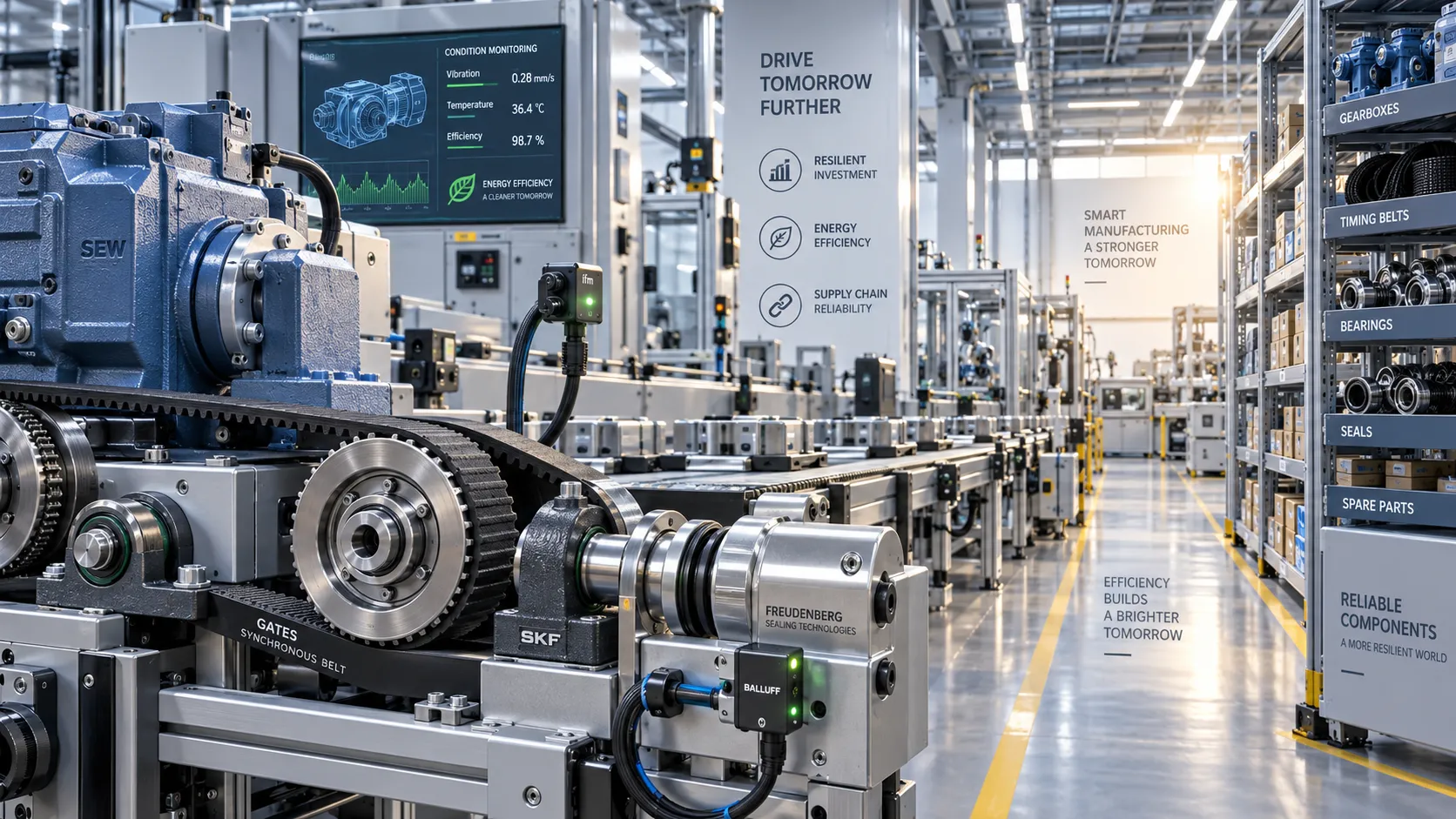
Industrial Economy Trends Shaping Capital Investment and Supply Chain Risk in 2026
Industrial economy trends for 2026 reveal how resilient capital investments, energy efficiency, and supply-chain strategies can protect uptime and strengthen returns.
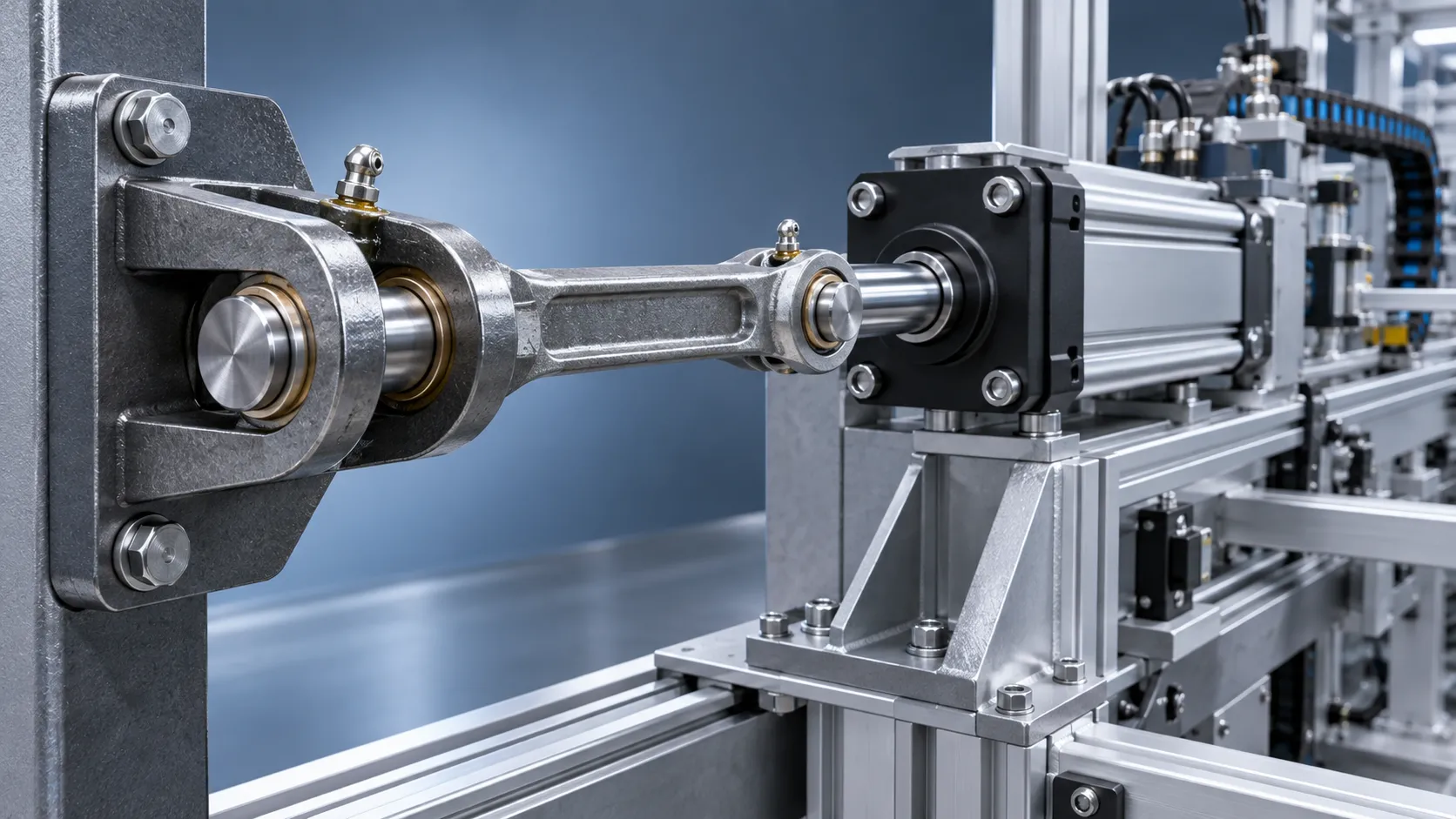
Mechanical Linkage Design: How to Balance Load Capacity, Motion Accuracy, and Wear
Mechanical linkage design guide: balance load capacity, motion accuracy, and wear with practical insights on geometry, joints, tolerances, lubrication, and service life.
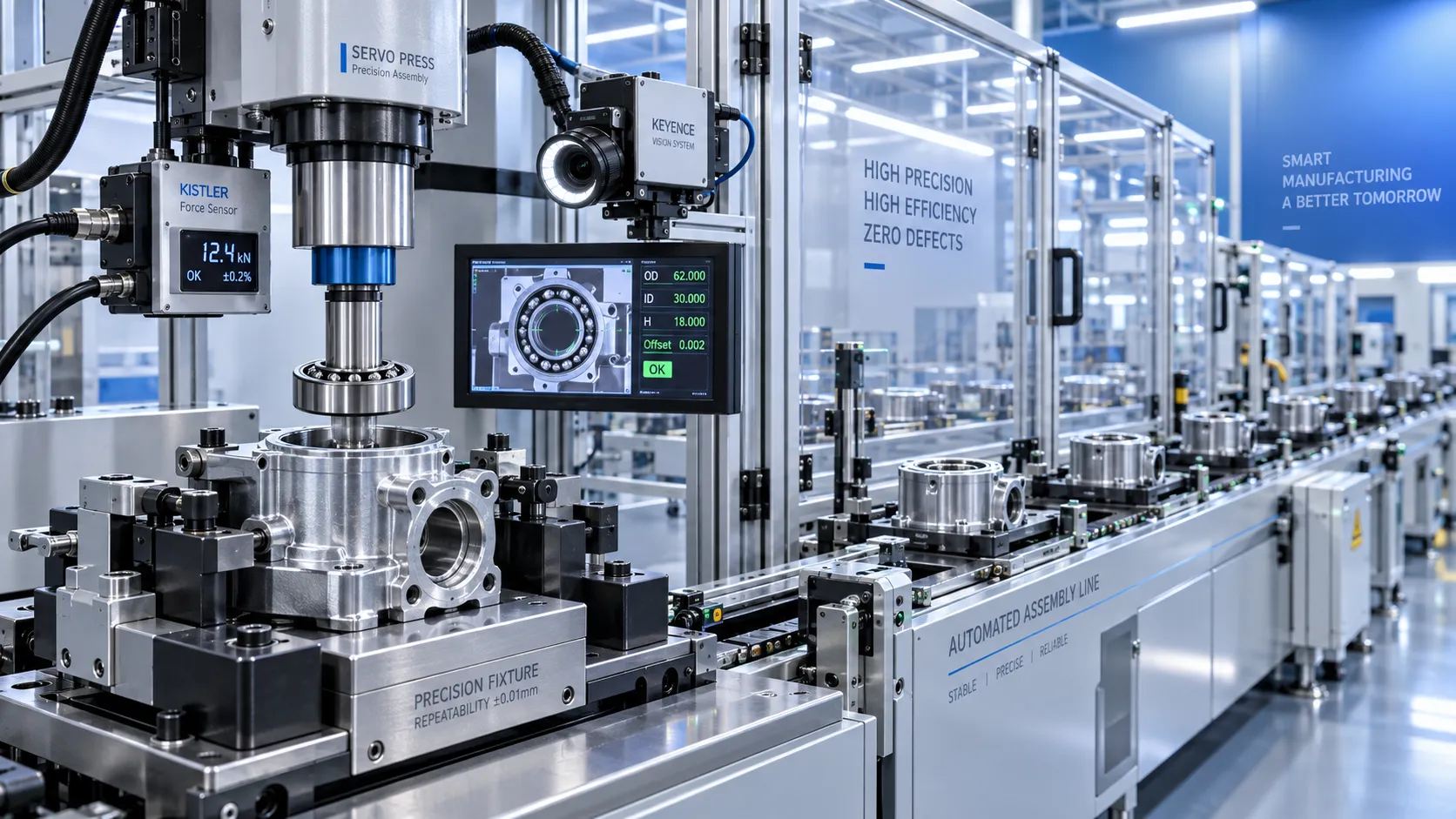
How Precision Automated Production Improves Quality Control in High-Volume Assembly
Precision automated production strengthens quality control in high-volume assembly with real-time verification, traceability, and safer defect containment.
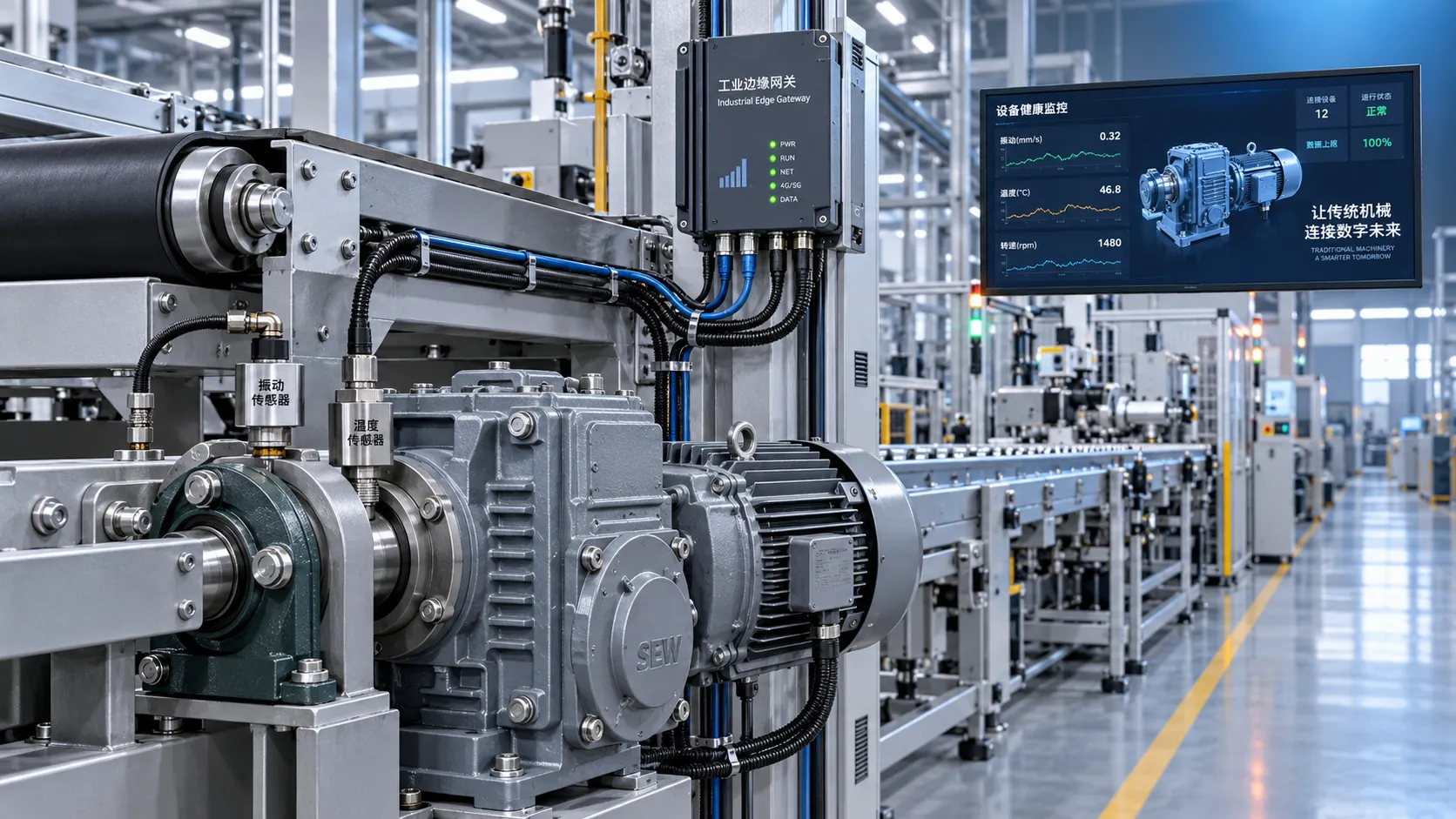
Industry 4.0 Integration: A Roadmap for Connecting Legacy Machines and Data
Industry 4.0 integration roadmap for connecting legacy machines, improving data visibility, reducing downtime, and scaling secure, measurable operational performance.
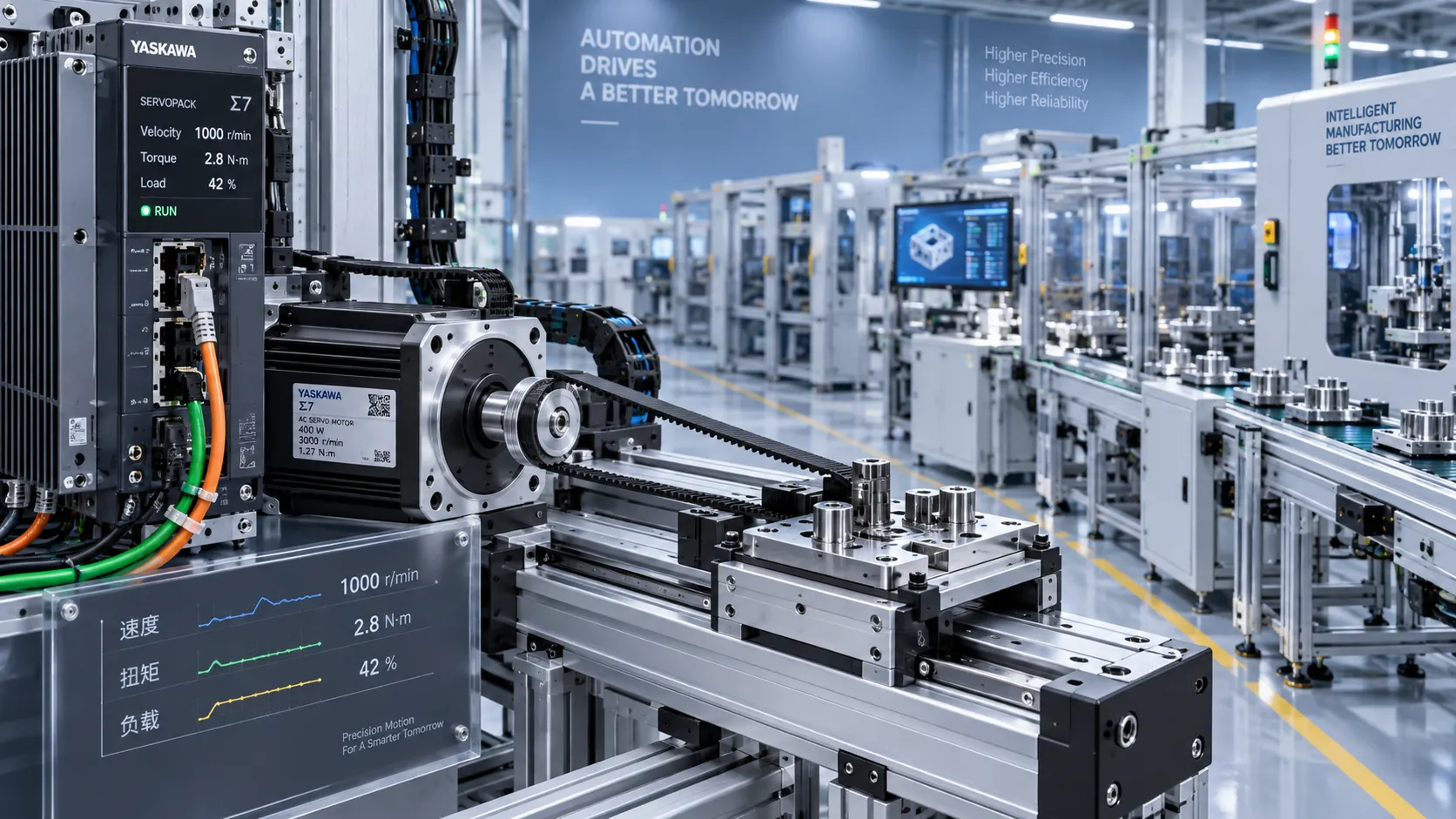
Servo Drive Comparison: Selecting Motion Control for Speed, Torque, and Load
Technical product comparison servo drives: evaluate speed, torque, inertia, safety, and control integration to select a reliable motion system with proven performance margins.
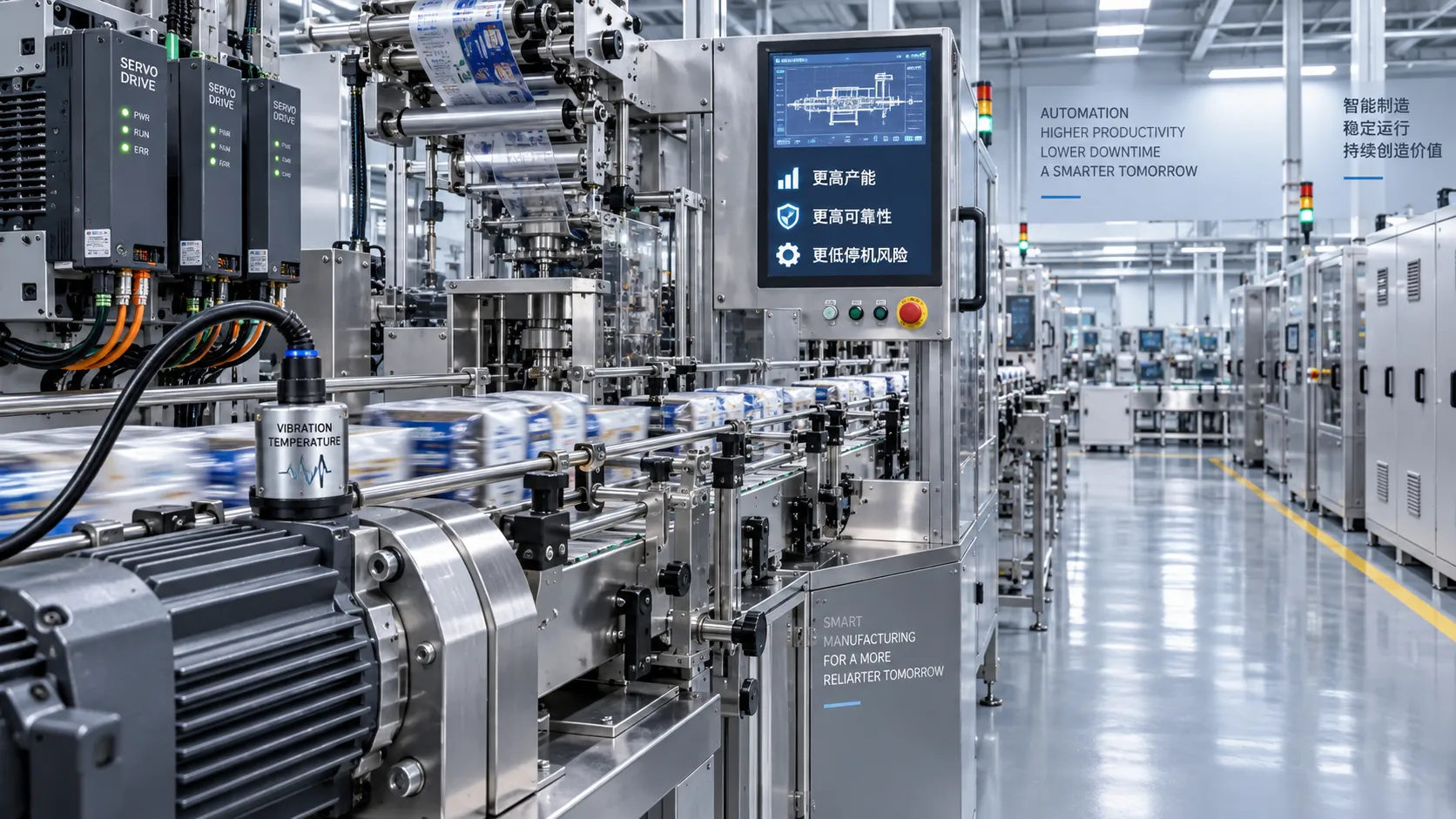
Industrial Automation Technology: How to Prioritize Upgrades by ROI and Downtime Risk
Industrial automation technology upgrades: learn to rank projects by ROI, bottleneck exposure, and downtime risk to reduce losses and make smarter capital decisions.
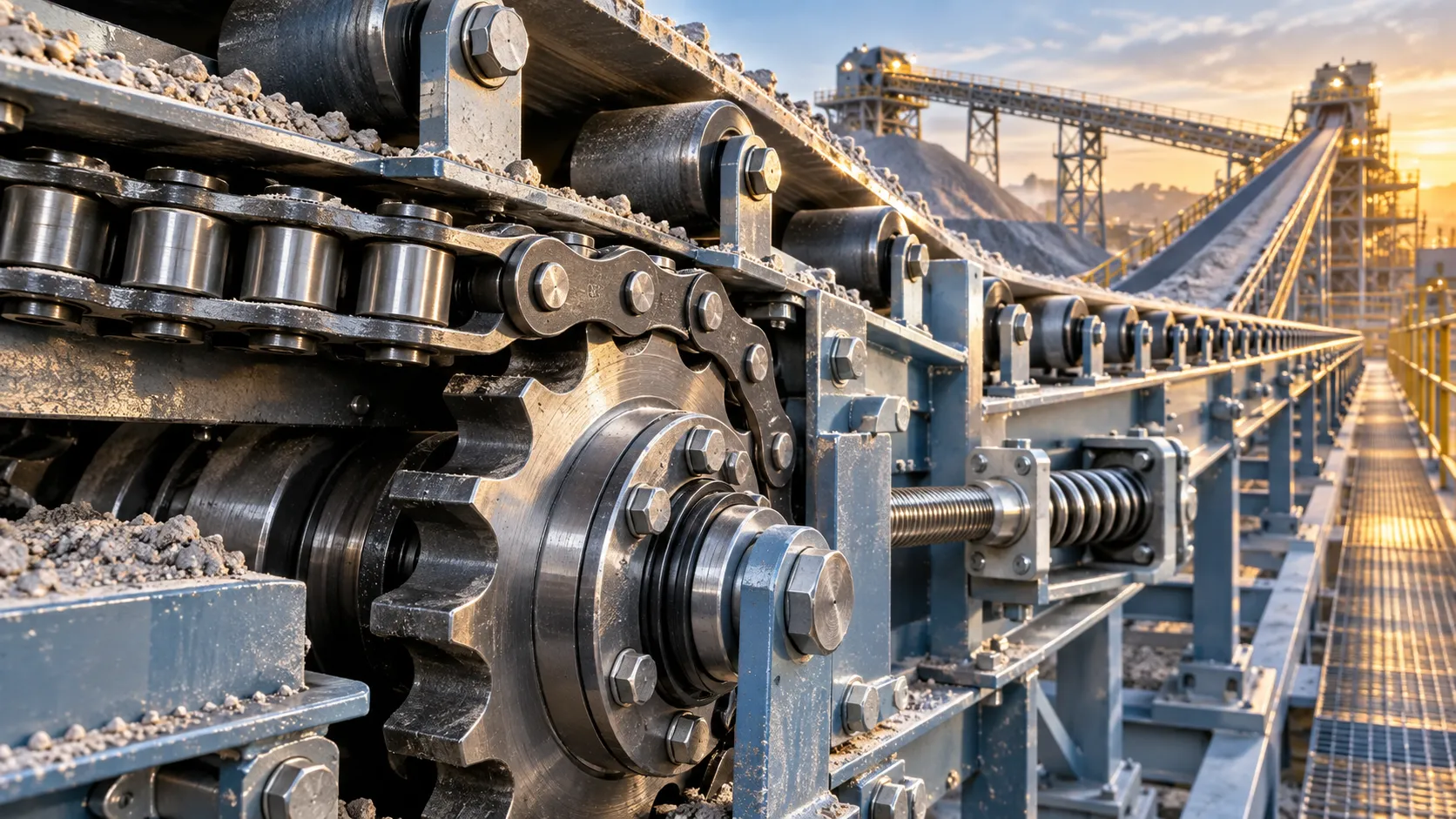
Selecting Low-Maintenance Chain Components for Dusty, High-Load Conveyors
Low maintenance chain components for dusty, high-load conveyors: compare seals, lubrication, materials, sprockets, and load capacity to reduce wear and downtime.
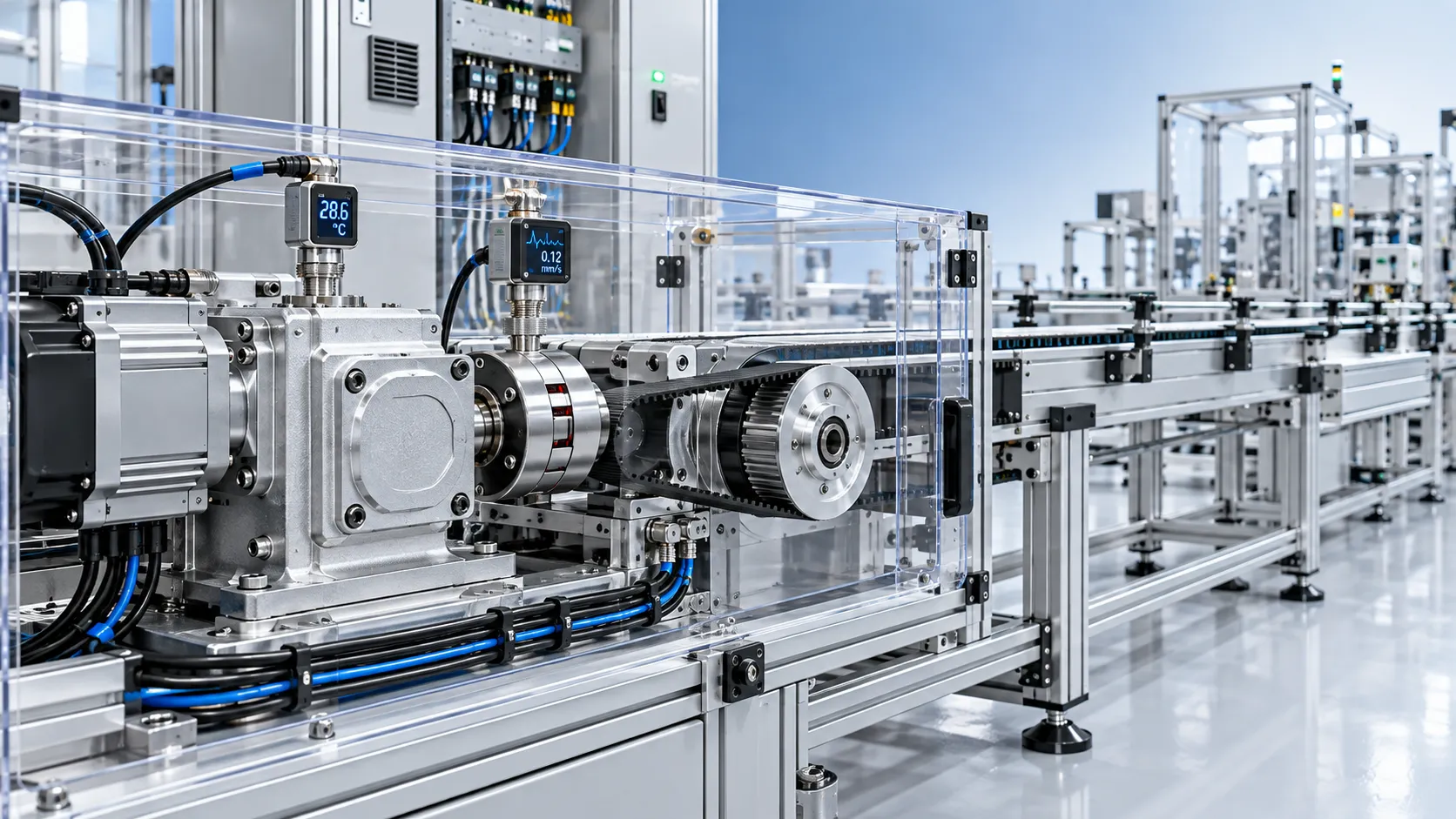
Selecting Smart Transmission Modules for Automated Lines: Control, Load, and Safety
Smart transmission modules for automated lines: evaluate control compatibility, real load demands, safety boundaries, and predictive maintenance value for reliable performance.

How to Assess Automated Packaging Production for High-Mix Manufacturing Lines
Automated production for packaging: assess changeovers, flexibility, controls, reliability, and lifecycle cost to build high-mix lines that deliver stable output.