
Industry News
Curation by industry experts
Hot Articles
Popular Tags
How the global value chain affects sourcing decisions
In today’s interconnected manufacturing landscape, the global industrial value chain is reshaping how companies evaluate suppliers, costs, risk, and long-term competitiveness. For business decision-makers, sourcing is no longer just a purchasing function—it is a strategic lever tied to resilience, efficiency, and market position. Understanding how value moves across regions, materials, and technologies is now essential to making smarter, future-ready sourcing decisions.
When firms assess industrial components, energy inputs, logistics, and engineering capabilities, the global industrial value chain becomes a practical framework. It shows where value is created, where dependencies build, and where sourcing decisions can either strengthen or weaken operational performance.
What does the global industrial value chain mean for sourcing decisions?
The global industrial value chain covers every stage from raw material extraction to component design, manufacturing, transport, installation, and after-sales support. Each link influences final cost, quality, and delivery reliability.
In sourcing, this means supplier selection cannot focus only on unit price. A lower quote may hide unstable lead times, higher scrap rates, weak compliance, or poor technical support.
For industrial sectors, this matters even more. Power transmission parts, seals, bearings, and motion components often sit inside larger systems. A small failure can stop a production line.
The global industrial value chain also reveals how upstream changes spread downstream. A steel shortage, energy spike, export restriction, or port disruption can change sourcing outcomes within weeks.
That is why sourcing decisions now require broader intelligence. GPT-Matrix reflects this need by connecting material science, mechanical transmission trends, and commercial signals into usable insight.
Why is this different from traditional purchasing?
Traditional purchasing often emphasized price negotiation and order placement. Today, sourcing must account for lifecycle reliability, regional risk, supplier innovation capacity, and long-term supply continuity.
In the global industrial value chain, the cheapest source is not always the best source. The best source protects uptime, supports technical performance, and reduces future switching costs.
How does the global industrial value chain change supplier evaluation?
Supplier evaluation now extends beyond audit checklists. It should measure how a supplier fits into the wider global industrial value chain and how exposed it is to disruption.
A strong evaluation usually includes these dimensions:
- Raw material access and price stability
- Manufacturing consistency and process control
- Engineering support and product customization ability
- Logistics flexibility across regions
- Compliance with quality, energy, and trade standards
- Financial resilience and investment capacity
For example, two suppliers may offer similar gear reducers. One may control machining quality and maintain dual material sources. Another may depend on one foundry and one export route.
The second option may look cheaper today. Yet within the global industrial value chain, it carries a much higher interruption risk and weaker recovery potential.
Which signals matter most during comparison?
The most useful signals are often hidden in operational details. Watch lead time variability, defect trends, maintenance feedback, tooling maturity, and response speed during technical changes.
These indicators show whether a supplier can support stable performance inside the global industrial value chain, not just ship one acceptable batch.
Why do cost calculations change across the global industrial value chain?
A major sourcing mistake is using visible price as the main decision factor. In the global industrial value chain, actual cost includes many hidden or delayed expenses.
These often include freight volatility, customs delays, extra inspection, rework, inventory buffering, warranty claims, and machine downtime caused by inconsistent part performance.
Industrial components with longer service life can cost more upfront while reducing lubrication needs, shutdown frequency, and replacement labor. That changes the sourcing logic completely.
This is especially important in automated lines and heavy equipment. A low-cost belt, seal, or coupling can trigger expensive performance losses if reliability falls under real operating loads.
What is a better way to compare cost?
A better method is total value analysis. Compare purchase price, transportation, technical support, expected lifetime, energy efficiency, maintenance frequency, and replacement impact together.
Within the global industrial value chain, total value analysis helps identify which option truly protects competitiveness over time.
How does risk in the global industrial value chain affect sourcing strategy?
Risk has become central to sourcing decisions because the global industrial value chain is more connected and more fragile at the same time.
A disruption may come from geopolitics, labor shortages, sanctions, energy price swings, climate events, or digital security incidents. Each can interrupt supply without warning.
For industrial systems, risk is rarely isolated. One unavailable seal material may delay pump assembly. One delayed bearing may stop final equipment shipment. One weak supplier may affect many sites.
What are common sourcing mistakes?
- Relying on one region for critical inputs
- Ignoring second-tier supplier exposure
- Underestimating qualification time for replacements
- Treating logistics as separate from sourcing
- Failing to monitor policy and standards changes
A resilient strategy often combines dual sourcing, regional balancing, safety stock for critical parts, and better visibility into supplier sub-networks.
The global industrial value chain rewards organizations that map dependencies early. It punishes those that discover them only after production is already affected.
Which sourcing models work best in a changing global industrial value chain?
There is no single best model. The right approach depends on product complexity, replacement difficulty, regional demand, and service expectations.
Common models include global centralized sourcing, regional sourcing, nearshoring, and hybrid sourcing. Each offers different trade-offs in cost, responsiveness, and control.
In the global industrial value chain, hybrid sourcing is increasingly practical. It combines strategic global supply with regional backup for high-risk or high-impact items.
How should companies prepare for future sourcing shifts?
Future-ready sourcing starts with better intelligence. Companies need current data on materials, energy, technology upgrades, regulations, and end-market demand.
That is where sector-focused intelligence platforms create value. GPT-Matrix supports sourcing decisions by connecting industrial transmission trends with supply chain and market signals.
Preparation also requires internal alignment. Engineering, operations, quality, and commercial teams should share one sourcing view across performance, cost, and supply continuity.
What practical steps improve decisions now?
- Map critical items across the global industrial value chain.
- Rank suppliers by risk, not only by spend.
- Use total value models for industrial components.
- Qualify backup sources before disruptions happen.
- Track industry intelligence on materials and transmission technology.
These actions help transform sourcing from reactive purchasing into a strategic capability shaped by the global industrial value chain.
FAQ summary: what should decision-makers remember most?
The global industrial value chain is no longer a background concept. It directly shapes sourcing performance, supply resilience, and competitive advantage.
Better sourcing decisions come from seeing the whole chain, not just the transaction. The next practical step is to review critical categories, supplier exposure, and total value assumptions with fresh data.
With sharper intelligence and structured evaluation, organizations can turn the global industrial value chain into a source of strength rather than uncertainty.
Recommended News
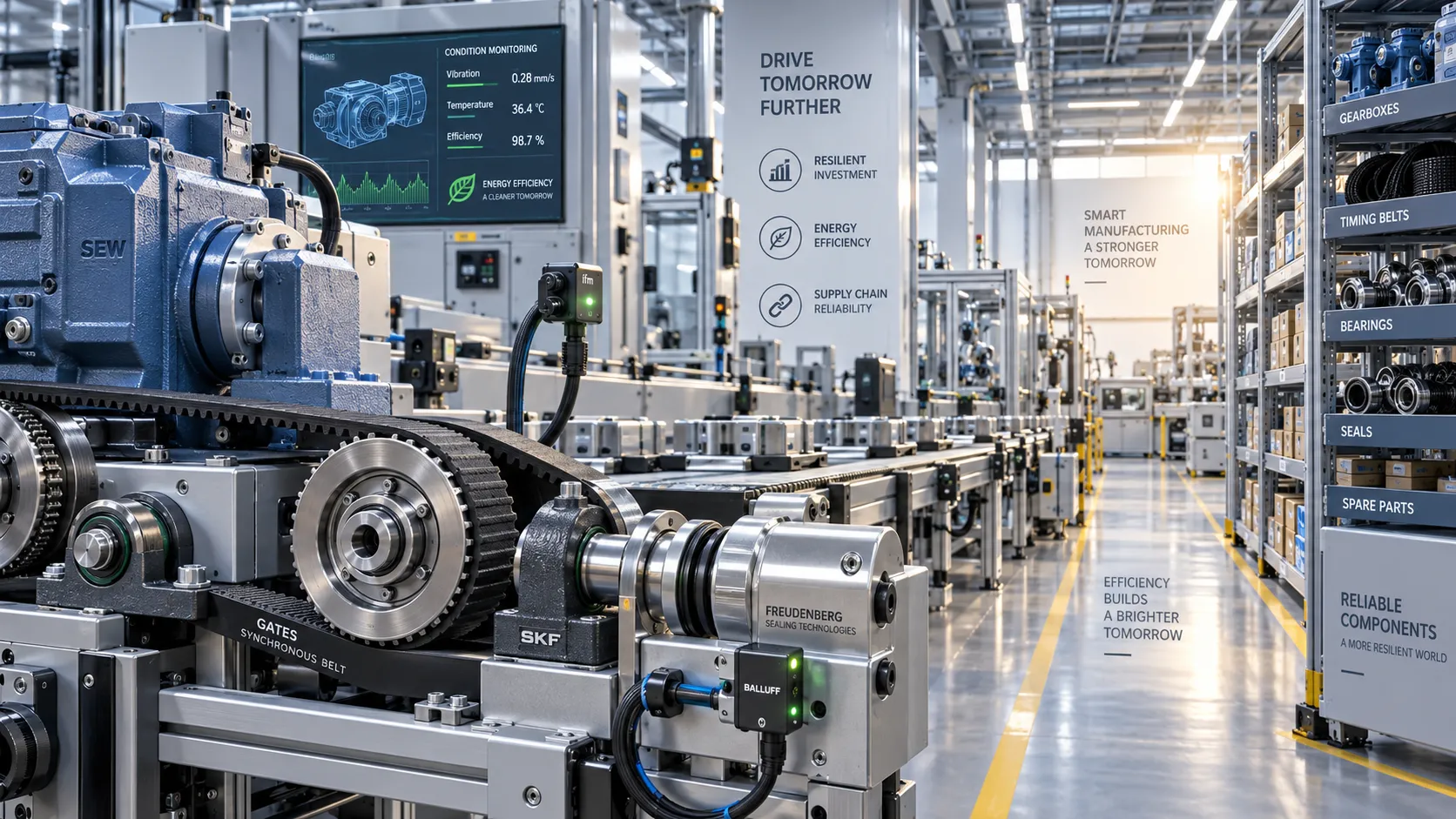
Industrial Economy Trends Shaping Capital Investment and Supply Chain Risk in 2026
Industrial economy trends for 2026 reveal how resilient capital investments, energy efficiency, and supply-chain strategies can protect uptime and strengthen returns.

Mechanical Linkage Design: How to Balance Load Capacity, Motion Accuracy, and Wear
Mechanical linkage design guide: balance load capacity, motion accuracy, and wear with practical insights on geometry, joints, tolerances, lubrication, and service life.
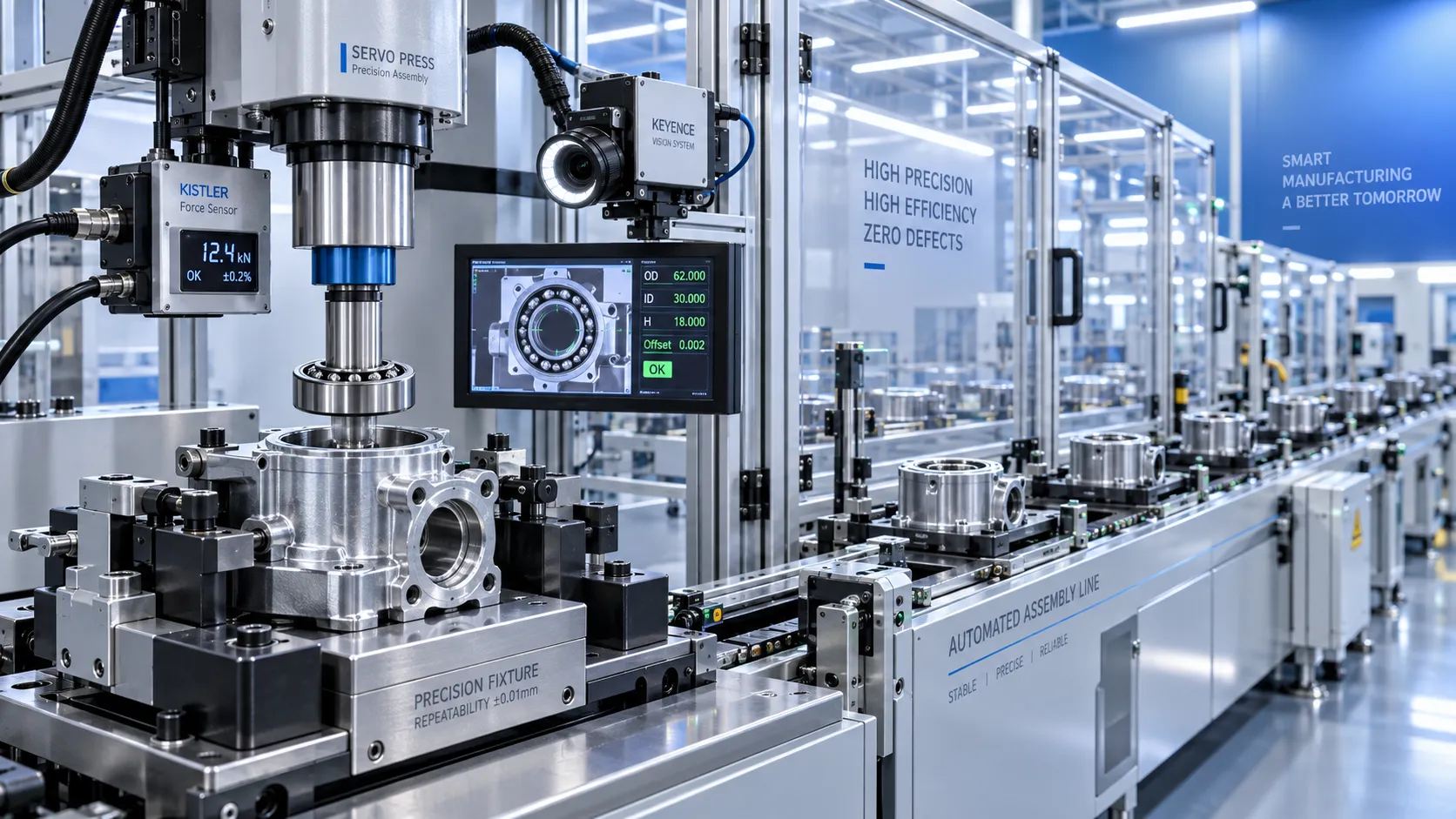
How Precision Automated Production Improves Quality Control in High-Volume Assembly
Precision automated production strengthens quality control in high-volume assembly with real-time verification, traceability, and safer defect containment.
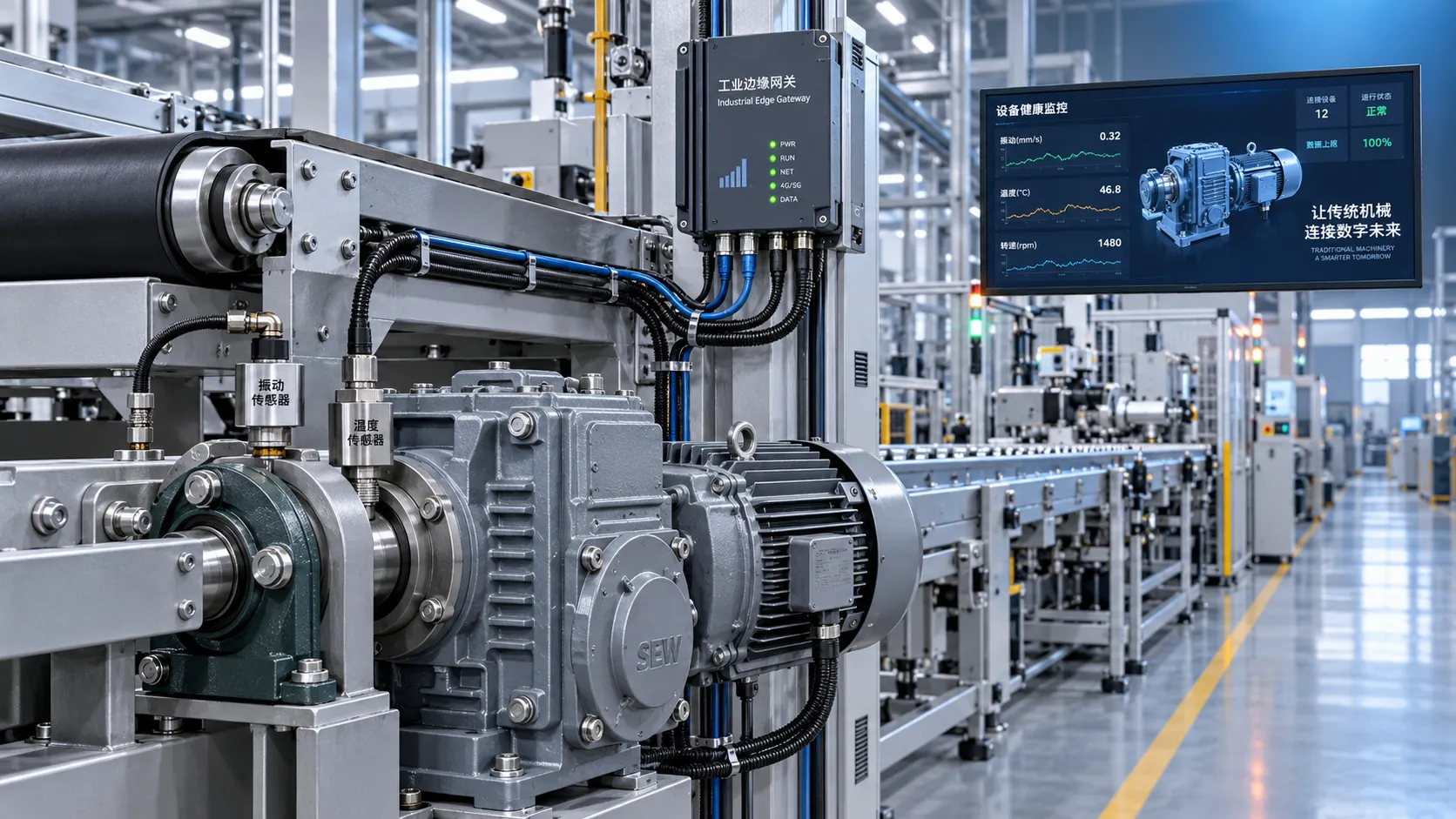
Industry 4.0 Integration: A Roadmap for Connecting Legacy Machines and Data
Industry 4.0 integration roadmap for connecting legacy machines, improving data visibility, reducing downtime, and scaling secure, measurable operational performance.
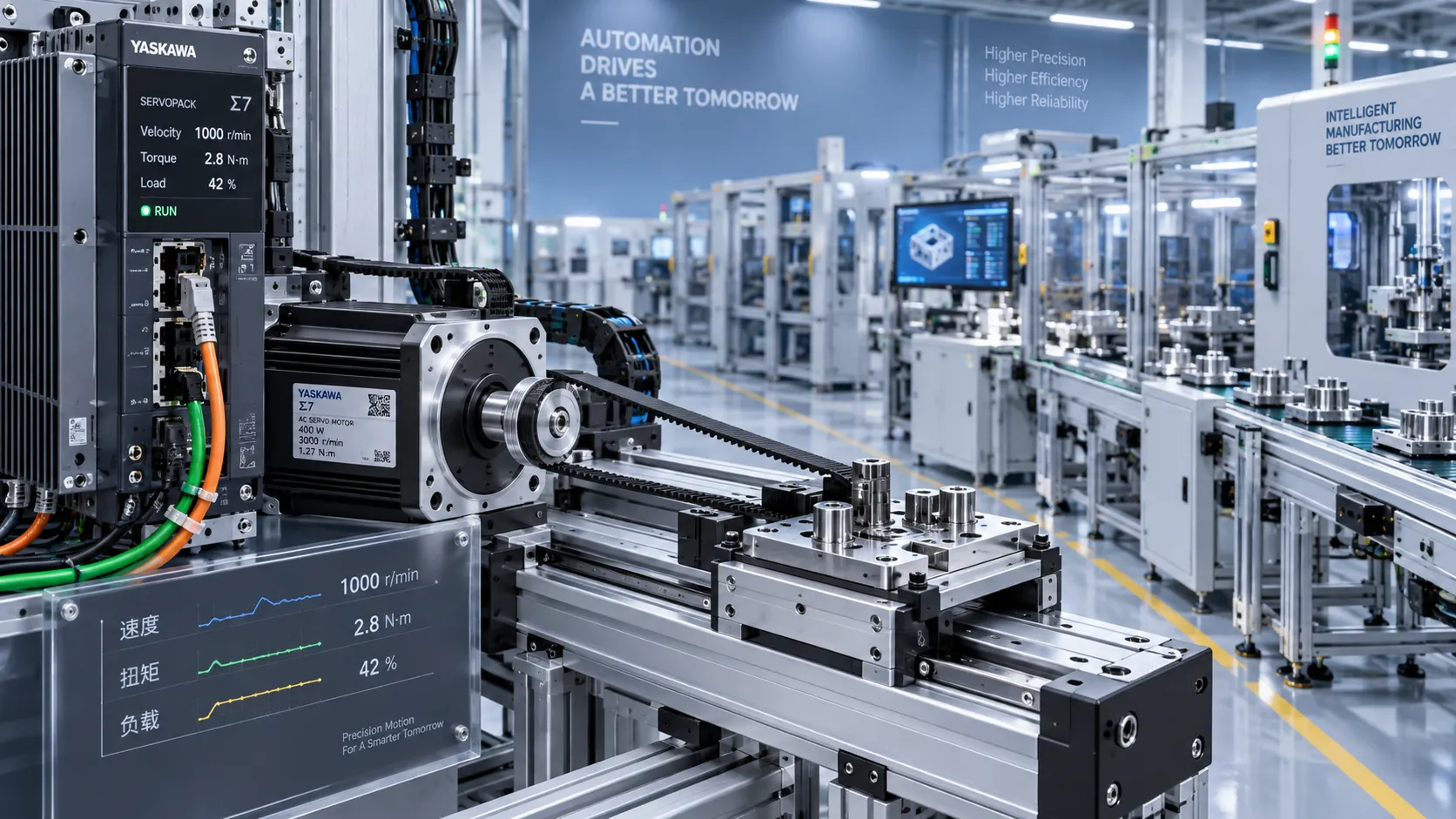
Servo Drive Comparison: Selecting Motion Control for Speed, Torque, and Load
Technical product comparison servo drives: evaluate speed, torque, inertia, safety, and control integration to select a reliable motion system with proven performance margins.
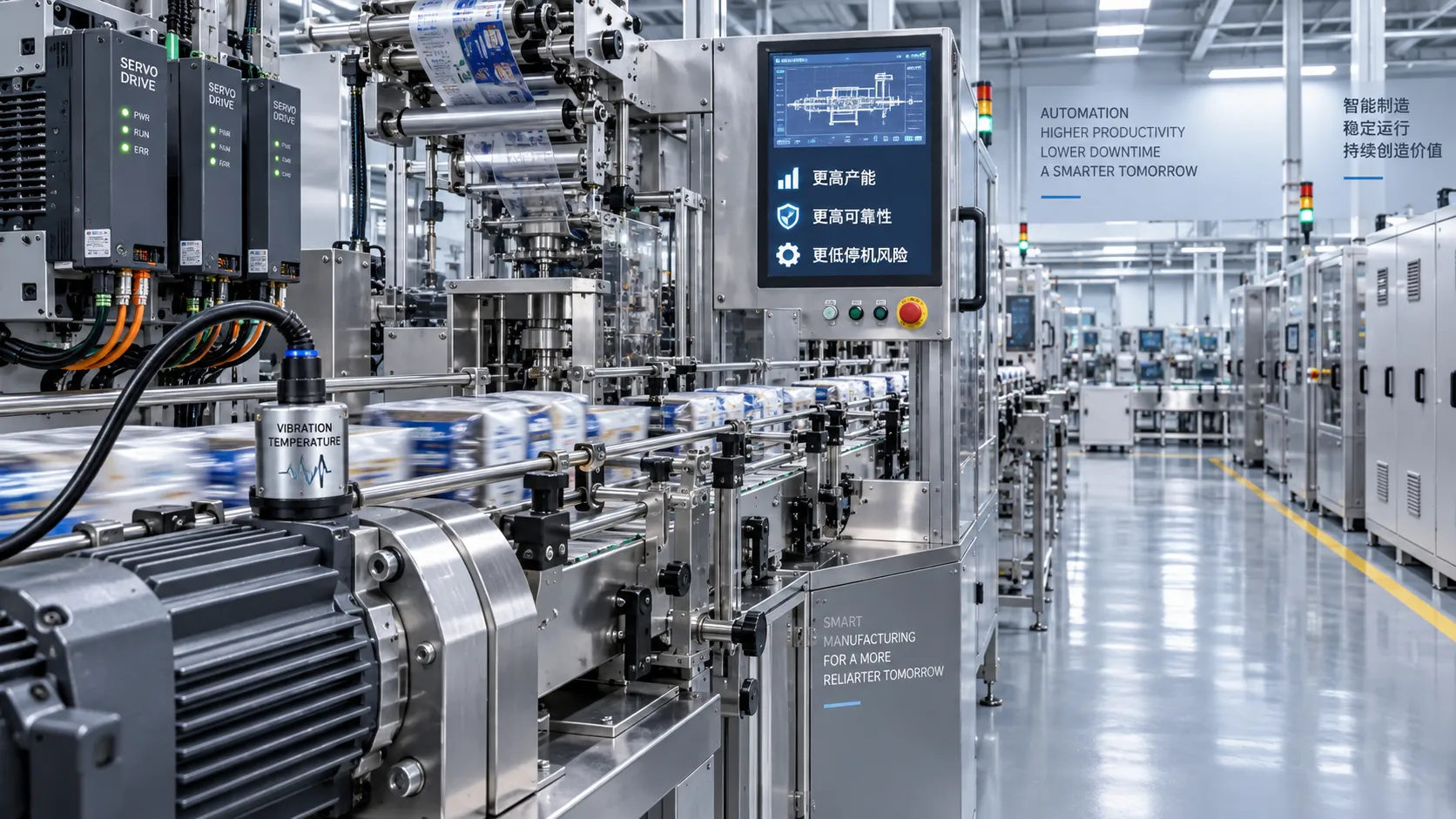
Industrial Automation Technology: How to Prioritize Upgrades by ROI and Downtime Risk
Industrial automation technology upgrades: learn to rank projects by ROI, bottleneck exposure, and downtime risk to reduce losses and make smarter capital decisions.
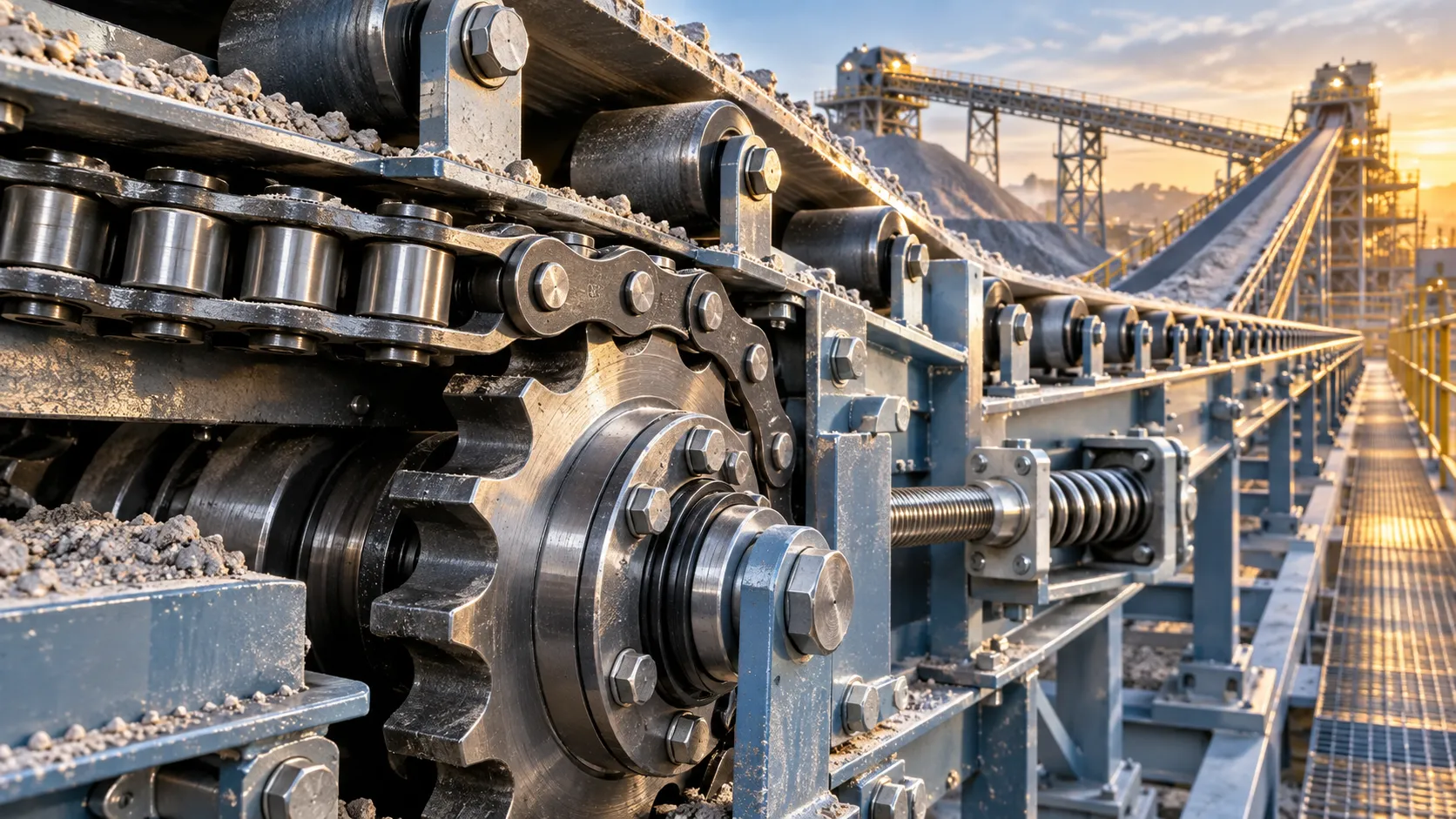
Selecting Low-Maintenance Chain Components for Dusty, High-Load Conveyors
Low maintenance chain components for dusty, high-load conveyors: compare seals, lubrication, materials, sprockets, and load capacity to reduce wear and downtime.
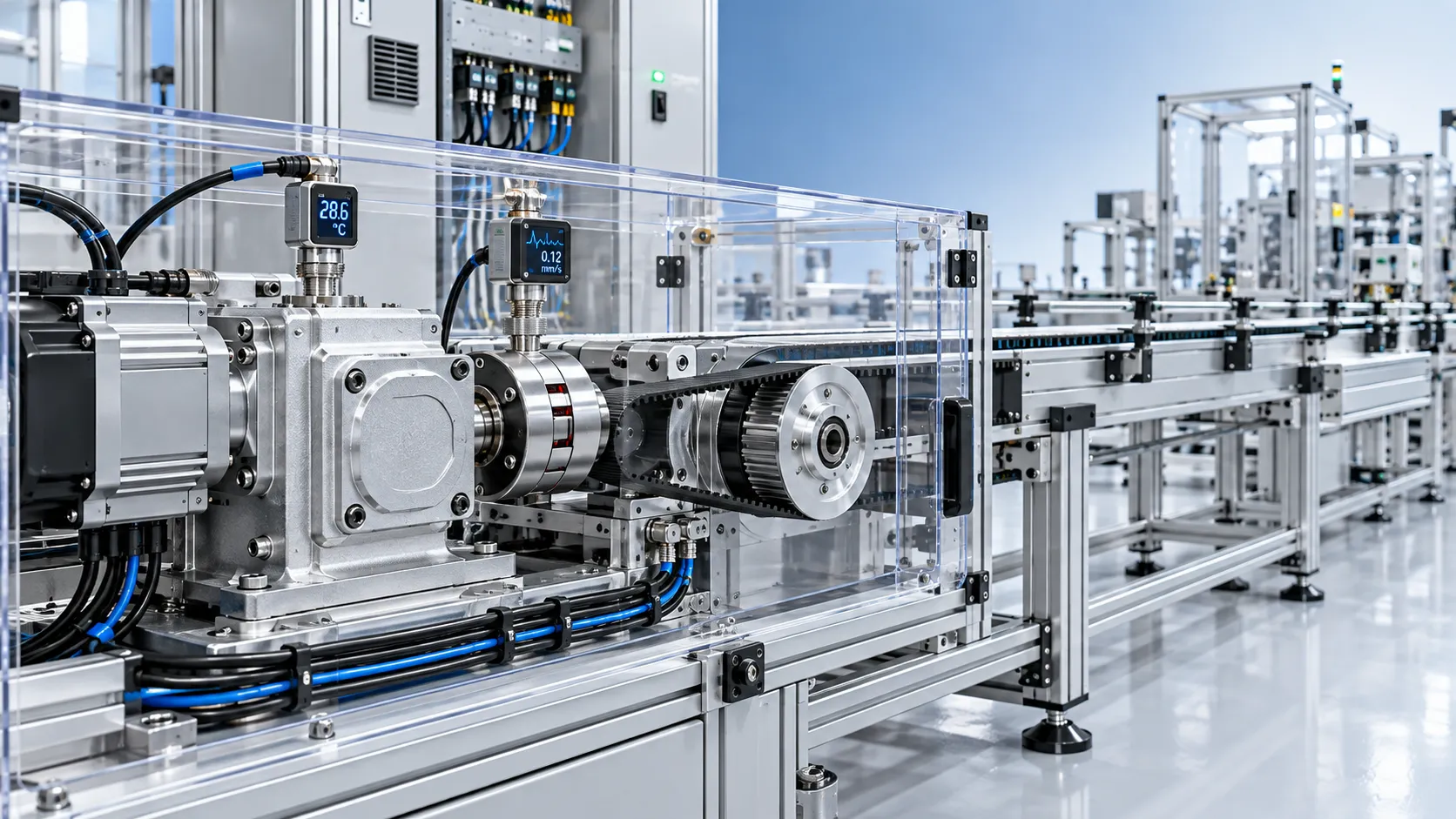
Selecting Smart Transmission Modules for Automated Lines: Control, Load, and Safety
Smart transmission modules for automated lines: evaluate control compatibility, real load demands, safety boundaries, and predictive maintenance value for reliable performance.

How to Assess Automated Packaging Production for High-Mix Manufacturing Lines
Automated production for packaging: assess changeovers, flexibility, controls, reliability, and lifecycle cost to build high-mix lines that deliver stable output.