
Industry News
Curation by industry experts
Hot Articles
Popular Tags
Why linkage technology is moving beyond simple motion
As manufacturing systems become smarter, faster, and more integrated, mechanical linkage technology is no longer limited to transferring force from one point to another.
It now shapes uptime, energy efficiency, precision, maintenance cycles, and digital responsiveness across broad industrial environments.
For global industry, this shift matters because transmission components increasingly influence system value, not just machine movement.
That is why platforms such as GPT-Matrix track how material science, tribology, sealing reliability, and motion architecture are converging.
Why scenario judgment now matters more than simple motion design
The same mechanical linkage technology performs very differently under continuous automation, heavy shock loads, or contamination-prone environments.
A conveyor line may prioritize low noise and synchronization, while mining equipment values durability, sealing integrity, and resistance to misalignment.
This is why scenario-based evaluation has become essential.
Modern linkage systems include belts, chains, couplings, reducers, bearings, and mechanical seals that must work as one performance network.
When one element is selected in isolation, hidden losses often appear in heat, vibration, lubrication demand, or shortened service life.
In practical terms, mechanical linkage technology has moved from a component choice to a system judgment issue.
In automated production lines, precision and low maintenance define value
High-speed packaging, assembly, and sorting systems need linkage solutions that maintain repeatable motion over long duty cycles.
In these settings, backlash control, synchronized movement, and stable tension matter more than raw torque alone.
Advanced mechanical linkage technology supports cleaner transfer characteristics, better servo compatibility, and lower unplanned maintenance interruptions.
Timing belts, precision couplings, compact reducers, and low-friction sealing systems often create measurable productivity gains.
Core judgment points in automation scenarios
- Motion repeatability under continuous operation
- Noise and vibration control near sensitive equipment
- Compatibility with digital monitoring systems
- Reduced lubrication and simplified maintenance access
The strategic importance here is clear.
When production lines run around the clock, even small efficiency gains in mechanical linkage technology can create large annual savings.
In heavy equipment, survival under load matters more than elegance
Construction, mining, cement, and bulk handling systems face a very different reality.
Shock loads, abrasive dust, fluctuating torque, and difficult service access reshape how linkage solutions should be evaluated.
Here, mechanical linkage technology must absorb overloads, resist contamination, and maintain transmission reliability under imperfect conditions.
Material strength, sealing structure, lubrication retention, and thermal resistance often decide real performance more than catalog ratings.
A robust chain drive or geared solution may outperform lighter alternatives when service intervals are long and environments are harsh.
Core judgment points in heavy-duty scenarios
- Peak load tolerance beyond nominal operation
- Resistance to dust, slurry, moisture, and impact
- Seal reliability under vibration and temperature variation
- Ease of field inspection and replacement planning
In this context, better mechanical linkage technology reduces stoppage risk and extends asset life across entire power transmission paths.
In energy-sensitive systems, efficiency has become a competitive metric
Rising energy costs have changed selection logic across pumps, fans, compressors, and general rotating equipment.
Today, linkage losses are being measured more carefully because wasted motion becomes wasted power.
This is where mechanical linkage technology goes beyond simple movement and becomes part of energy strategy.
Low-friction bearings, optimized belt profiles, efficient reducers, and better-aligned couplings can lower drag and reduce heat generation.
Improved mechanical seals also prevent leakage-related losses and support stable operating conditions.
In facilities targeting green manufacturing, these details support carbon reduction goals without major process redesign.
In connected factories, linkage components are becoming data-bearing assets
Digital transformation is changing expectations for mechanical systems.
Instead of being passive hardware, linkage assemblies are increasingly expected to support condition monitoring and predictive maintenance.
Mechanical linkage technology now intersects with sensors, thermal tracking, vibration analysis, and reliability modeling.
This matters most in plants where downtime costs are high and maintenance windows are short.
A coupling with misalignment indicators or a reducer linked to oil condition data can deliver operational foresight.
For intelligence platforms like GPT-Matrix, this evolution confirms that mechanical transmission is now part of industrial decision architecture.
How scenario needs differ across major industrial environments
Scenario-fit recommendations for stronger mechanical linkage decisions
- Map actual duty cycles before comparing component types.
- Evaluate the entire transmission path, not isolated parts.
- Match sealing design to contamination and temperature realities.
- Quantify lifecycle energy loss, not only purchase cost.
- Use monitorable components where downtime exposure is high.
- Review alignment tolerance and installation quality early.
These steps improve the value extracted from mechanical linkage technology in both traditional and advanced industrial settings.
Common scenario mistakes that still weaken performance
One common error is choosing linkage systems by nominal load only.
Real environments include starts, stops, shock events, contamination, and thermal fluctuation.
Another mistake is ignoring how seals, lubrication, and alignment interact.
A strong gear train can still fail early if supporting sealing performance is weak.
A third oversight is treating mechanical linkage technology as mature and unchanged.
In reality, new materials, digital diagnostics, and efficiency targets are reshaping what “fit for purpose” really means.
This is especially important when global supply chains, raw material costs, and reliability expectations continue to shift.
What to do next as linkage technology moves beyond simple motion
Start with a scenario audit.
Identify where precision, harsh duty, energy use, or digital visibility most strongly affects system value.
Then compare whether current mechanical linkage technology choices support those conditions across the full lifecycle.
Use strategic intelligence to track changes in materials, transmission design, sealing reliability, and global industrial demand.
That approach aligns with the GPT-Matrix mission: linking deep mechanical insight with practical industrial decisions.
The future of linkage is not just motion.
It is efficiency, resilience, intelligence, and competitive advantage built into the moving core of modern industry.
Recommended News
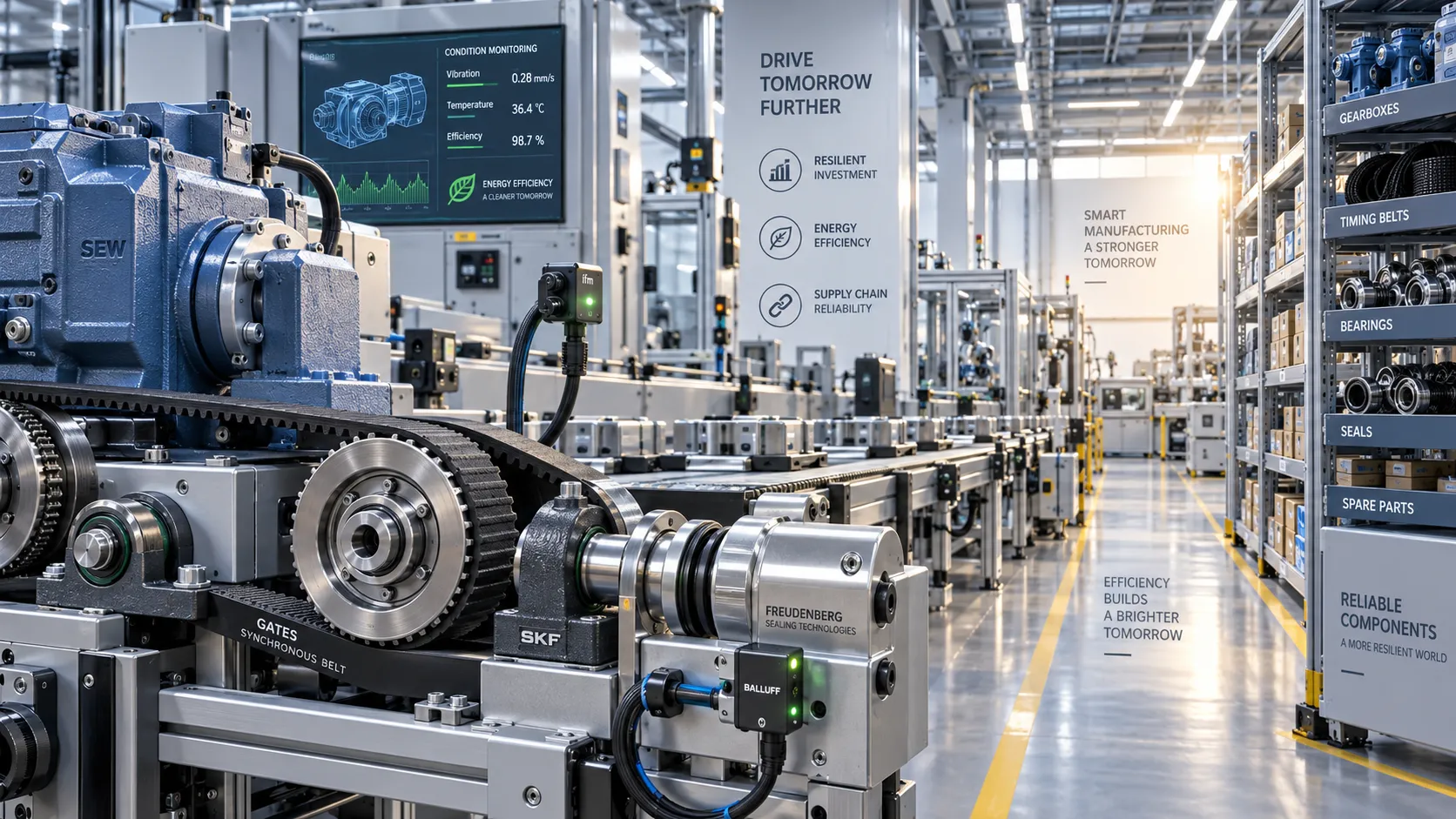
Industrial Economy Trends Shaping Capital Investment and Supply Chain Risk in 2026
Industrial economy trends for 2026 reveal how resilient capital investments, energy efficiency, and supply-chain strategies can protect uptime and strengthen returns.
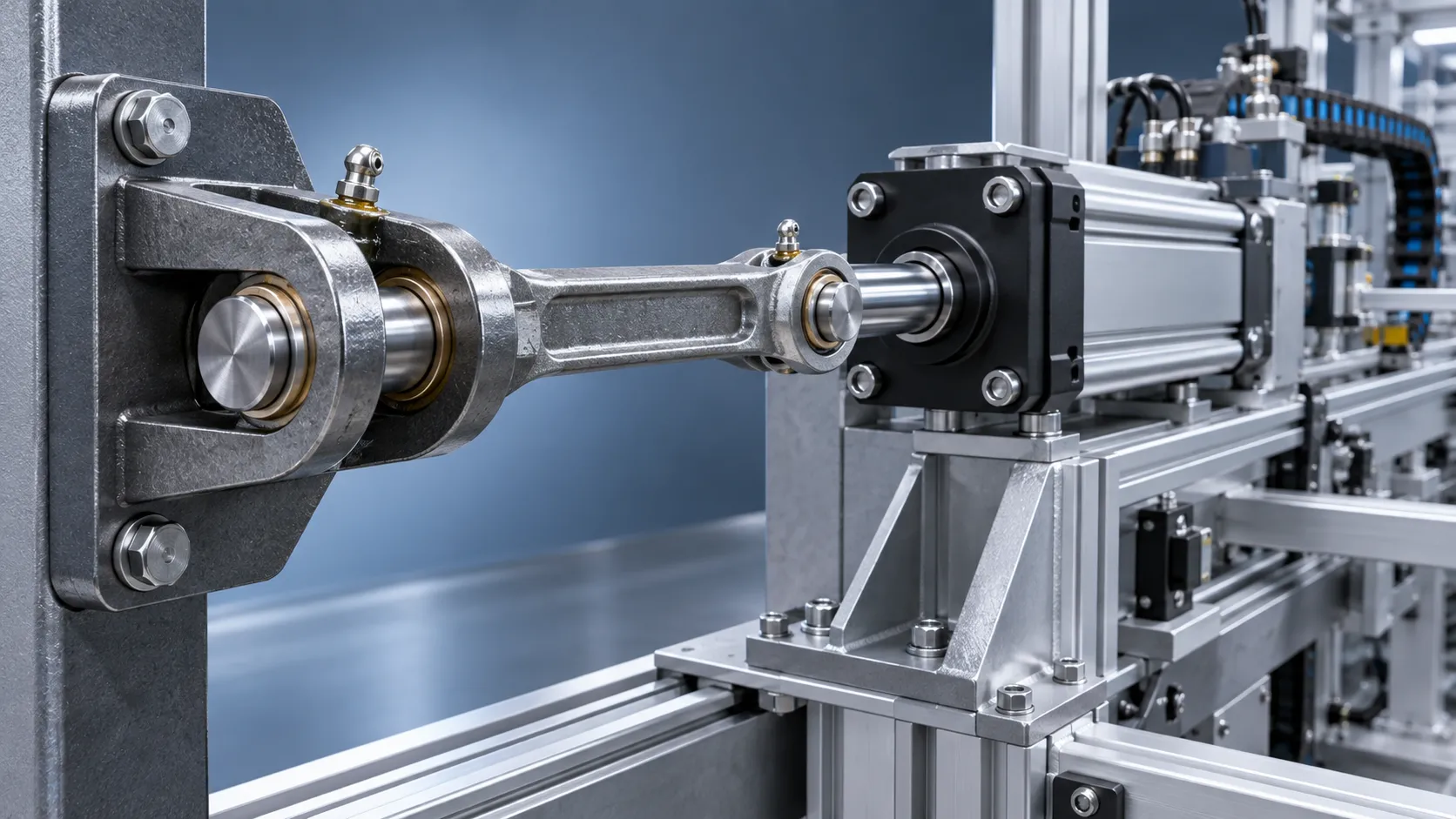
Mechanical Linkage Design: How to Balance Load Capacity, Motion Accuracy, and Wear
Mechanical linkage design guide: balance load capacity, motion accuracy, and wear with practical insights on geometry, joints, tolerances, lubrication, and service life.
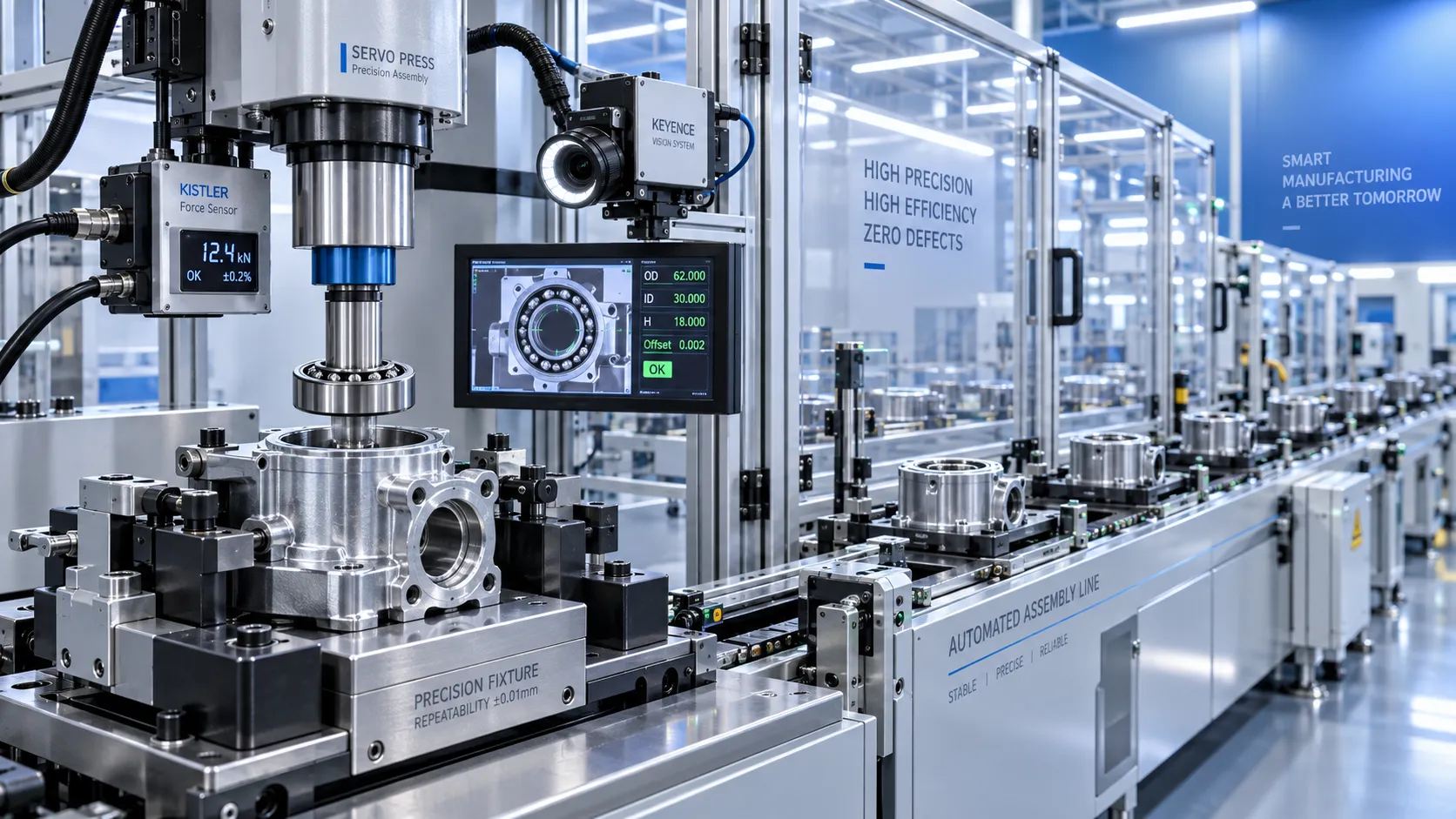
How Precision Automated Production Improves Quality Control in High-Volume Assembly
Precision automated production strengthens quality control in high-volume assembly with real-time verification, traceability, and safer defect containment.
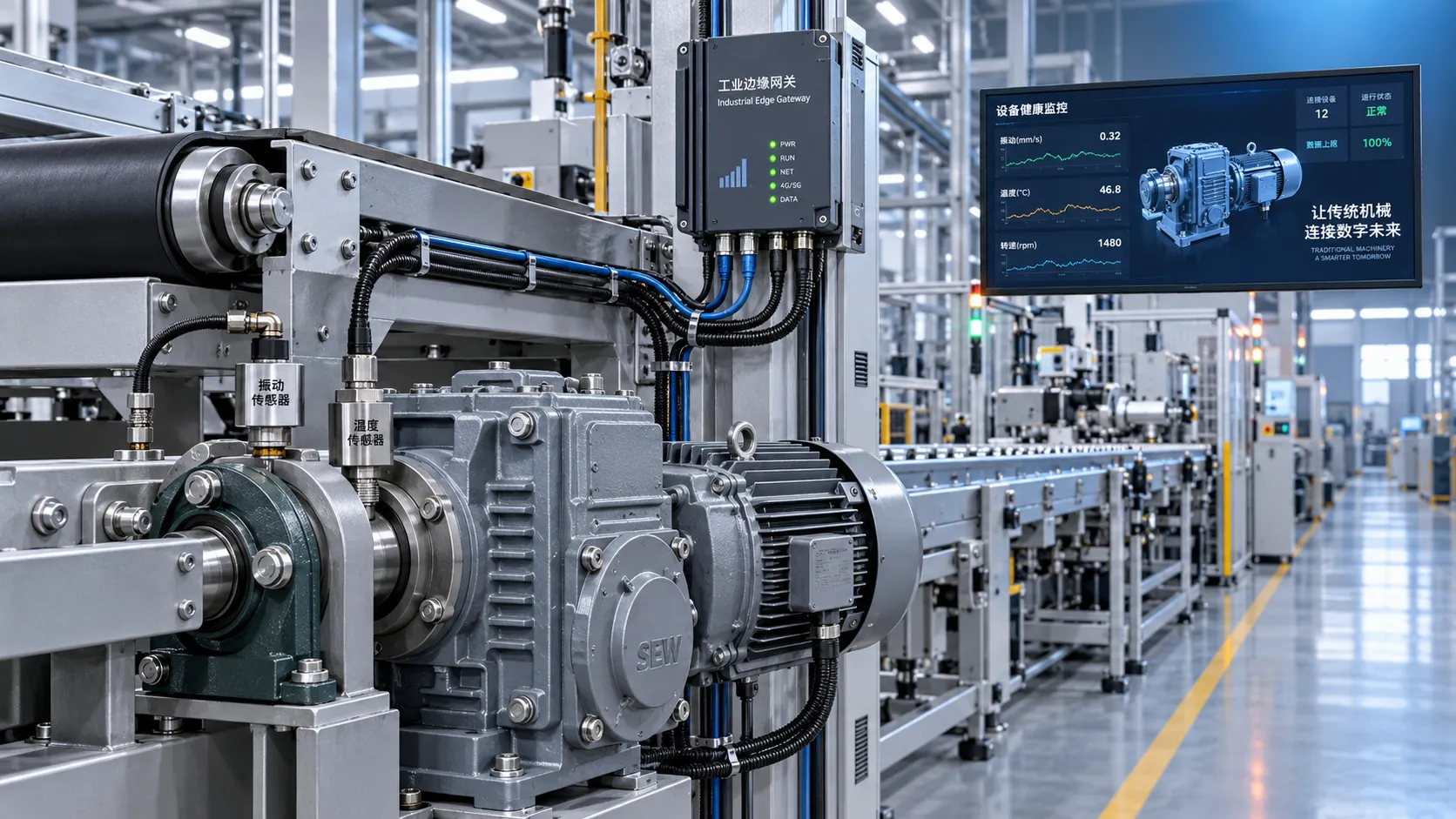
Industry 4.0 Integration: A Roadmap for Connecting Legacy Machines and Data
Industry 4.0 integration roadmap for connecting legacy machines, improving data visibility, reducing downtime, and scaling secure, measurable operational performance.
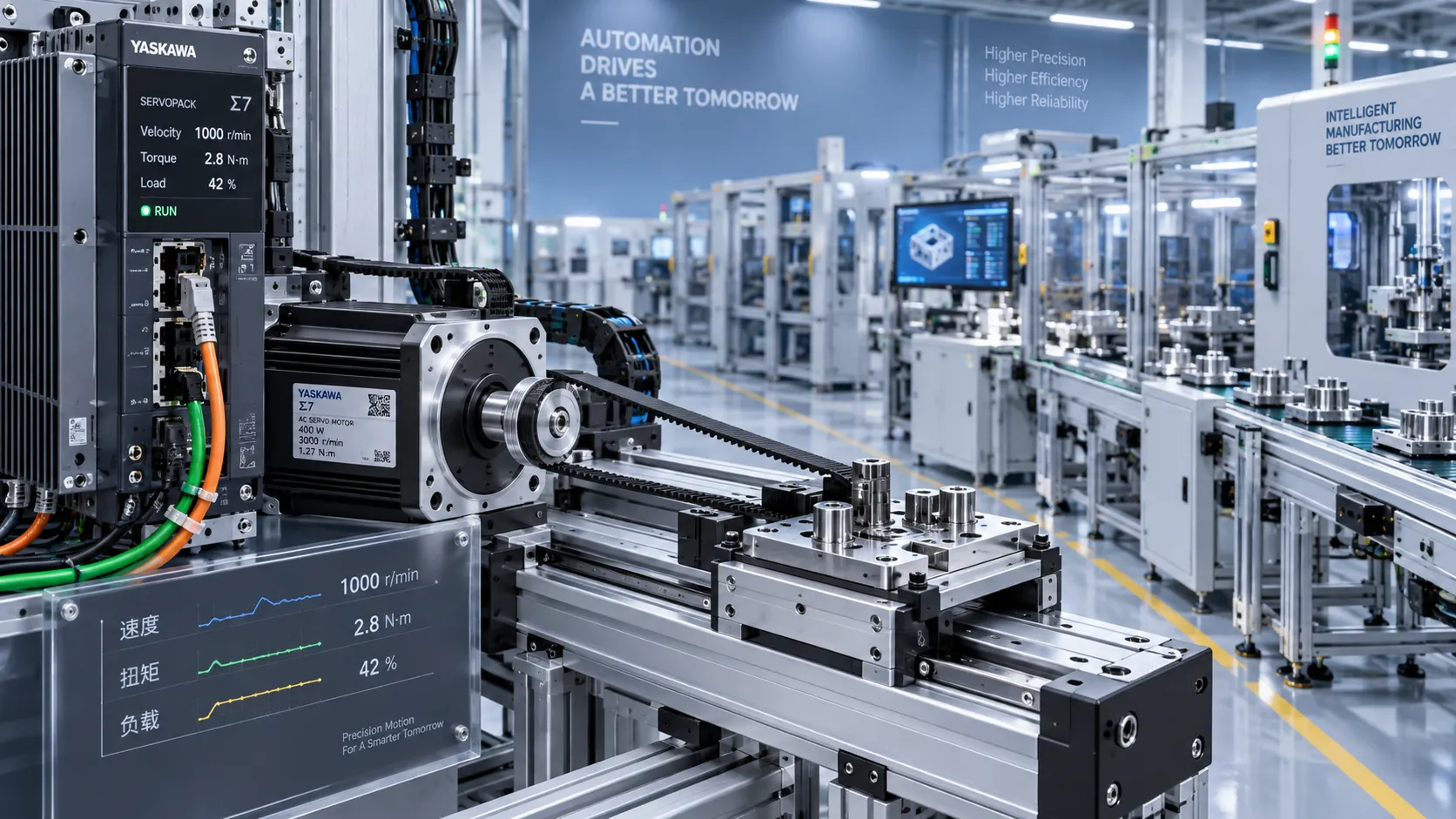
Servo Drive Comparison: Selecting Motion Control for Speed, Torque, and Load
Technical product comparison servo drives: evaluate speed, torque, inertia, safety, and control integration to select a reliable motion system with proven performance margins.
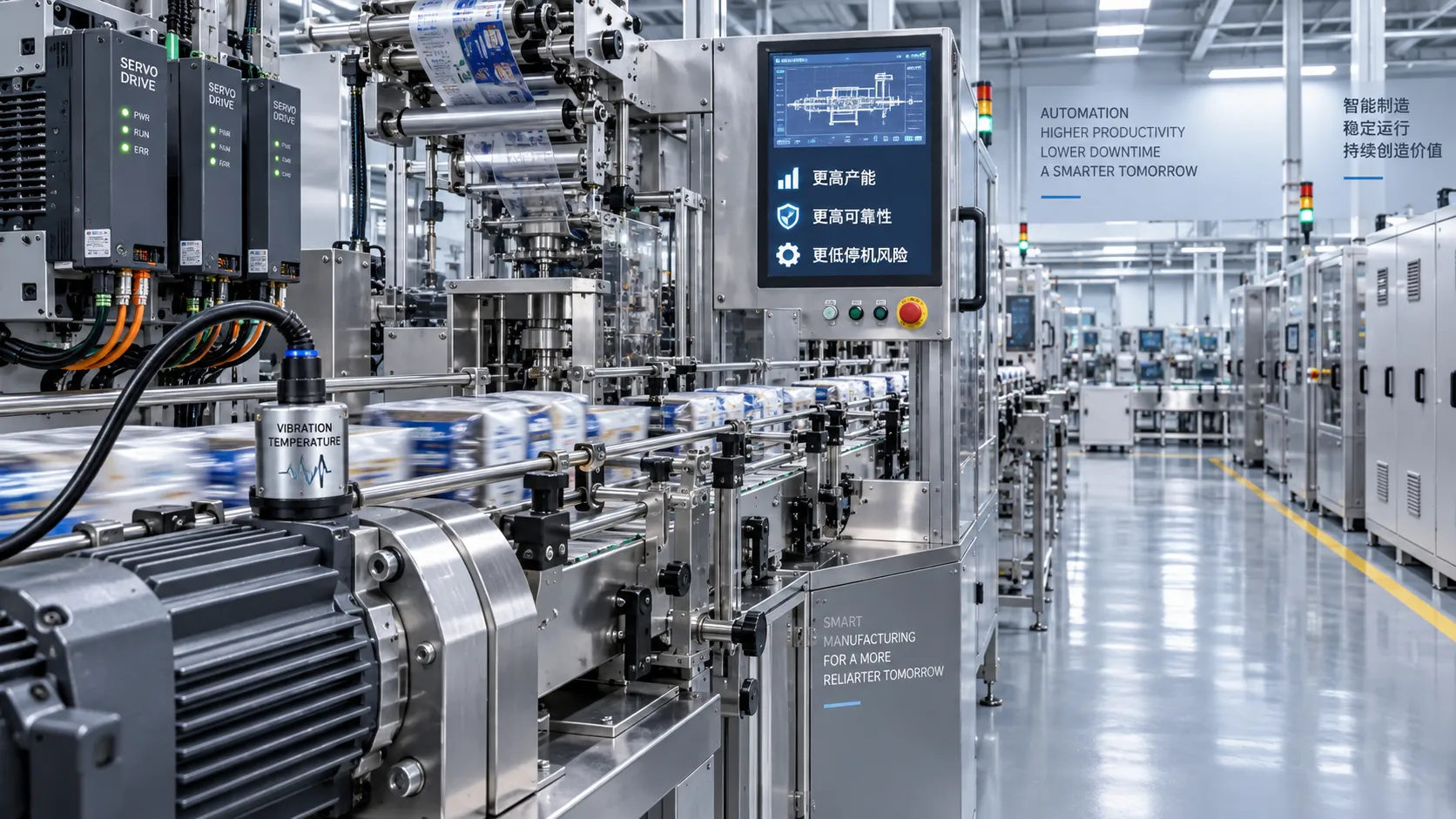
Industrial Automation Technology: How to Prioritize Upgrades by ROI and Downtime Risk
Industrial automation technology upgrades: learn to rank projects by ROI, bottleneck exposure, and downtime risk to reduce losses and make smarter capital decisions.
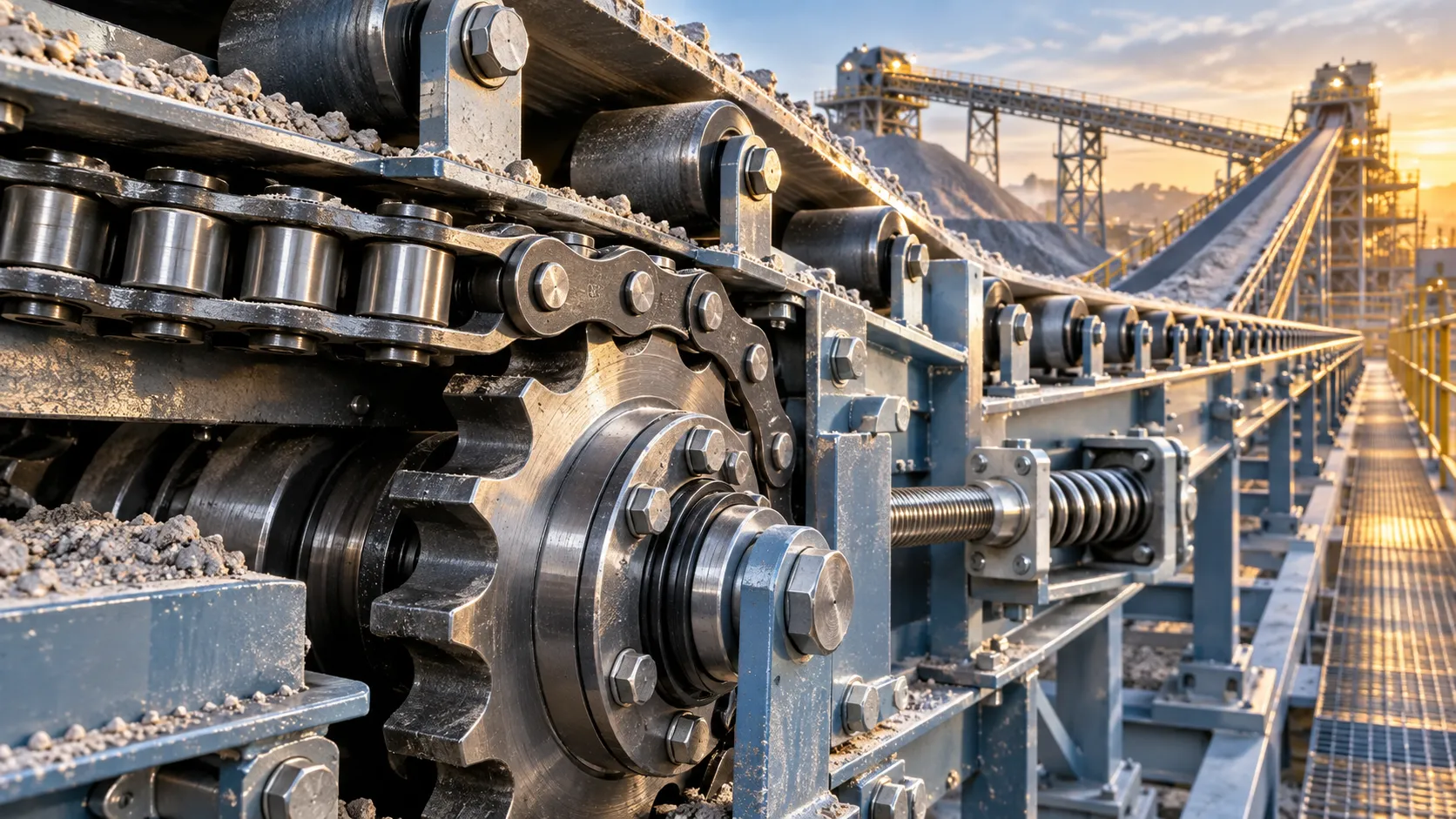
Selecting Low-Maintenance Chain Components for Dusty, High-Load Conveyors
Low maintenance chain components for dusty, high-load conveyors: compare seals, lubrication, materials, sprockets, and load capacity to reduce wear and downtime.
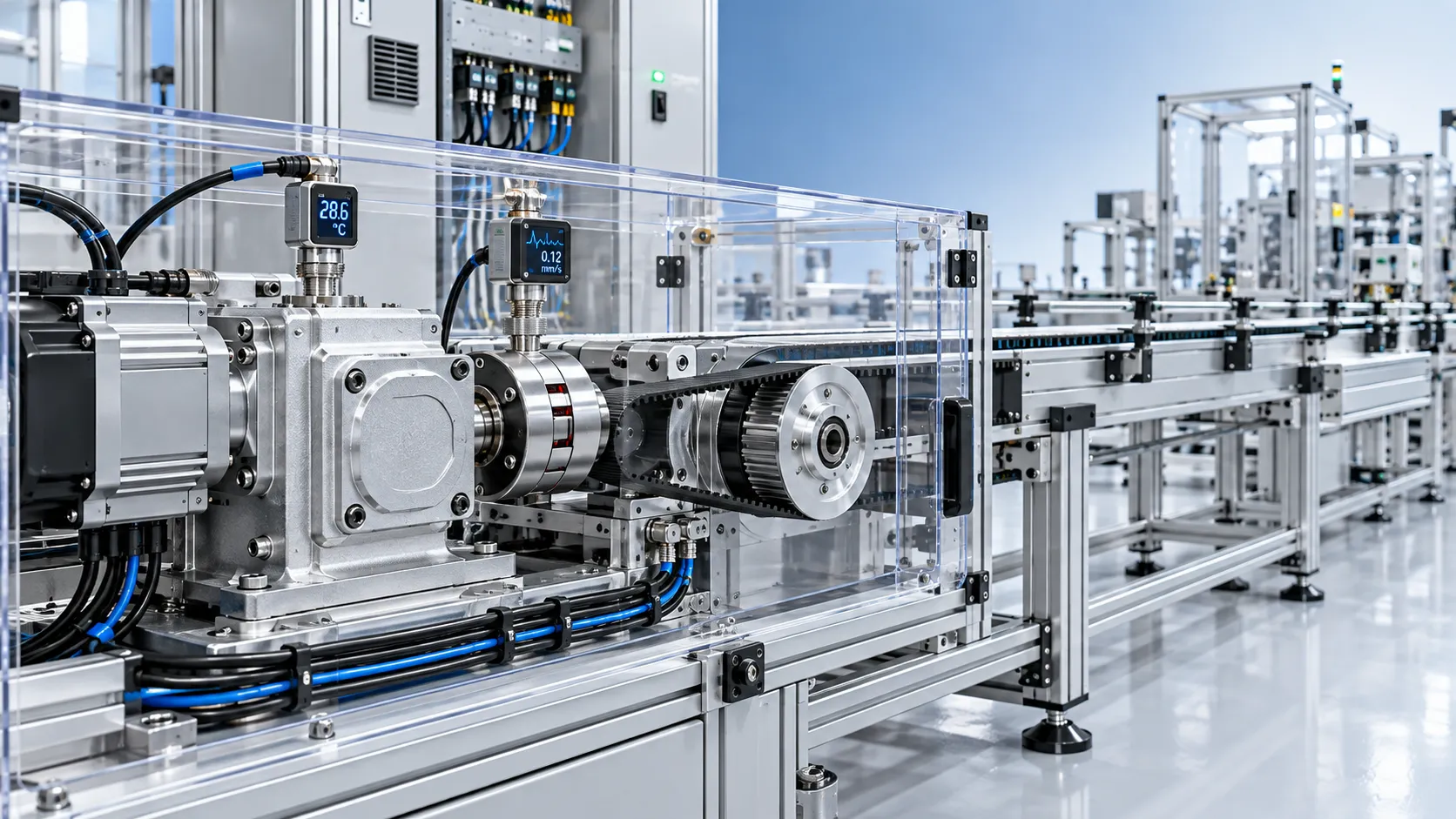
Selecting Smart Transmission Modules for Automated Lines: Control, Load, and Safety
Smart transmission modules for automated lines: evaluate control compatibility, real load demands, safety boundaries, and predictive maintenance value for reliable performance.

How to Assess Automated Packaging Production for High-Mix Manufacturing Lines
Automated production for packaging: assess changeovers, flexibility, controls, reliability, and lifecycle cost to build high-mix lines that deliver stable output.