
Industry News
Curation by industry experts
Hot Articles
Popular Tags
Which Transmission Components Work Best in Dusty Environments?
Which transmission components are best for dusty production environments? In mines, cement plants, foundries, and bulk-material facilities, airborne particles accelerate wear, contamination, and unplanned downtime.
Reliable power transfer usually depends on sealed bearings, enclosed gear reducers, protected chains, and dust-resistant belt systems selected for the actual contamination level and maintenance capacity.
Start With the Dust Exposure Risk, Not the Component Catalog
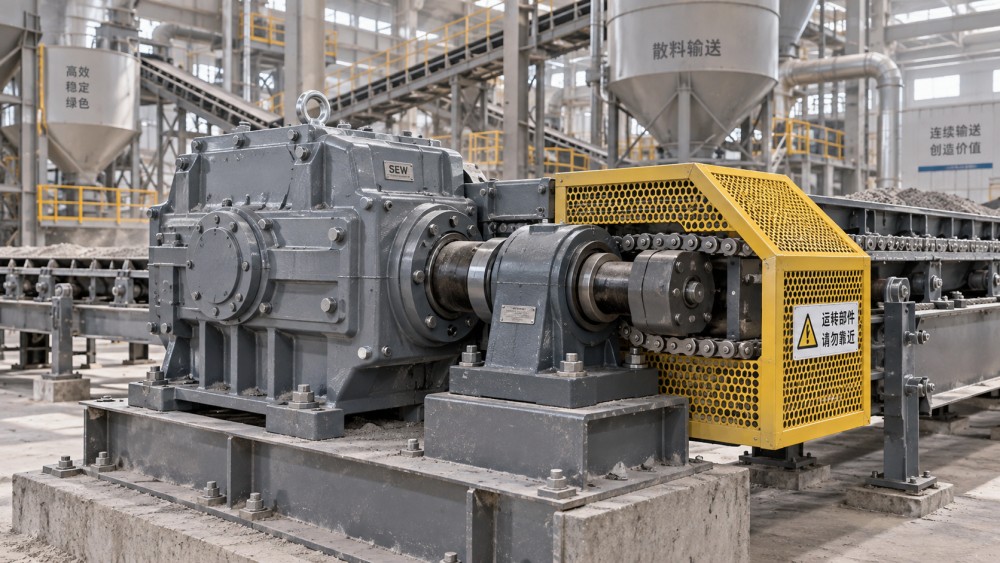
The best transmission component for dusty conditions is rarely the strongest standard product. It is the product whose sealing, lubrication, housing, and service requirements match exposure.
Dust behaves differently across industrial sites. Fine cement powder, abrasive silica, metallic particles, coal dust, wood fiber, and fertilizer residues create different failure mechanisms.
Fine particles can enter bearing seals and lubricant films. Larger abrasive particles can score shafts, wear sprockets, contaminate chain joints, and damage exposed belt surfaces.
Plant managers should first identify whether dust is dry, abrasive, sticky, corrosive, combustible, or mixed with moisture. This classification guides component selection more effectively than nominal load alone.
Equipment location also matters. A protected indoor conveyor drive faces different risks than an outdoor crusher, kiln feed system, mobile stacker, or enclosed processing line.
Review dust concentration, airflow direction, washdown practices, temperature, vibration, shaft orientation, duty cycle, and access constraints before choosing bearings, reducers, couplings, or belts.
Where contamination is severe, a component with lower initial cost often becomes expensive through frequent relubrication, premature replacement, lost production, and emergency labor requirements.
A practical selection process should calculate total operating exposure. Consider whether dust settles slowly, is continuously airborne, becomes pressurized near guards, or accumulates around seals.
Sealed Bearing Units Are Usually the First Reliability Upgrade
Bearings are often the first transmission elements to fail in dusty production environments because their rolling contacts depend on clean lubricant and effective exclusion seals.
For moderate dust exposure, sealed insert bearings in cast housings provide a practical baseline. Their integrated seals simplify installation and protect against ordinary contamination.
For heavy exposure, select housings with multi-lip seals, flinger designs, labyrinth arrangements, or taconite-style sealing systems. These create longer contamination paths before particles reach grease.
Taconite sealing is particularly valuable in mining, aggregate, cement, and bulk handling. It combines multiple barriers and often permits grease purging to push contaminants outward.
Split plummer block housings can be effective for larger shafts because they support robust seal options, easier inspection, and bearing replacement without dismantling adjacent equipment.
Choose grease carefully. High-quality lithium complex, calcium sulfonate complex, or specialty heavy-duty greases may improve water resistance, load carrying capacity, and contamination tolerance.
However, no grease can compensate for a failed seal. Overgreasing may also raise temperature, damage seals, and force contaminated lubricant into areas where it causes additional problems.
Automatic lubrication systems improve consistency on inaccessible bearings, but they must be programmed for actual operating conditions. Excessive lubricant consumption is not proof of better protection.
For critical machinery, condition monitoring should include temperature, vibration, ultrasonic inspection, lubricant analysis, and visual checks for grease leakage or dust packing around housings.
Enclosed Gear Reducers Offer Better Protection Than Open Drive Arrangements
Enclosed gear reducers are usually preferable where dust is persistent because the gearbox housing isolates gears and lubricant from direct particle exposure.
Helical, bevel-helical, worm, and planetary reducers can all perform well in dusty service when their housing integrity, shaft seals, lubrication method, and thermal capacity are appropriate.
For high-torque conveyors, crushers, mixers, and feeders, helical or bevel-helical reducers commonly provide efficient power transmission and good durability under continuous industrial loading.
Planetary reducers are compact and capable of high torque density. They are useful where installation space is limited, although service access and heat management require attention.
The weak point is often the shaft seal, not the gear set. Standard radial lip seals may be insufficient near abrasive dust sources.
Specify improved sealing where needed, including double-lip seals, labyrinth seals, cassette seals, rotating flingers, or air-purged arrangements for extreme contamination zones.
Breathers deserve equal attention. A conventional vent can draw dust into a gearbox during thermal cycling, especially when equipment repeatedly heats and cools.
Desiccant breathers and remote-mounted filtered breathers reduce airborne contamination entering the lubricant. Their replacement schedule should be included in routine maintenance planning.
Oil analysis can reveal silicon, iron, aluminum, and other contamination indicators before gearbox damage becomes visible. This enables planned intervention instead of reducer failure replacement.
When selecting a reducer, verify service factor, starting torque, shock loads, ambient temperature, mounting orientation, and output shaft loads. Dust protection cannot offset incorrect mechanical sizing.
Heavy-Duty Chains Need Enclosure, Lubrication, and Alignment Discipline
Chains remain essential in dusty applications because they transmit high loads, tolerate rugged duty, and can operate across longer center distances than many compact alternatives.
Yet exposed roller chains are vulnerable to abrasive contamination. Dust can enter pin-and-bushing interfaces, disrupt lubrication, increase articulation friction, and accelerate elongation.
For dusty material handling, use heavy-duty roller chain with corrosion-resistant treatment, suitable factory lubrication, and sprockets designed for the required load and speed.
Where possible, enclose the chain drive. A properly designed guard reduces direct dust deposition and also improves personnel safety around rotating components.
Guards should not trap abrasive debris against the chain. They require drainage, inspection access, ventilation where necessary, and enough clearance to prevent rubbing during operation.
Automatic chain lubricators are useful in continuous-service applications, especially when manual lubrication is difficult or inconsistent. The lubricant must penetrate the pin-and-bushing joint.
Spraying lubricant onto outer plates alone provides limited value. Effective lubrication reaches internal bearing surfaces while avoiding excessive accumulation that can hold dust against the chain.
Chain alignment is equally important. Misaligned sprockets create side loading, uneven tooth wear, noise, and accelerated wear that dust contamination makes worse.
In extremely abrasive environments, consider whether a sealed gearbox and flexible coupling can replace an exposed chain drive. The higher capital cost may reduce lifecycle risk.
Belt Drives Can Work Well When Belts and Guards Match the Environment
Belt drives can be reliable in dusty plants when their materials, tensioning system, pulley design, and guarding are selected for contamination and temperature conditions.
Classical V-belts are economical and widely available, but they can slip or wear quickly when abrasive dust accumulates in pulley grooves or reaches the belt surface.
Narrow wedge belts generally offer higher power capacity in compact spaces. They are effective when pulleys remain clean and alignment is maintained.
Synchronous belts provide positive engagement and avoid slip, making them attractive where speed accuracy matters. However, abrasive particles can wear belt teeth and pulley grooves.
For fine, abrasive dust, use enclosed or shielded belt guards with inspection points. Guarding prevents direct contamination while limiting the risk of debris entering the drive.
Do not fully seal a belt guard without evaluating heat. Excessive internal temperature can shorten belt life, reduce tension stability, and degrade polymer compounds.
Choose belts with oil-resistant, heat-resistant, antistatic, or chemically resistant compounds when the process environment demands them. Material compatibility is as important as power rating.
Automatic tensioners can stabilize belt operation where thermal growth, vibration, or variable loads cause frequent tension changes. They reduce dependence on inconsistent manual adjustment.
Routine inspections should check pulley groove wear, belt cracking, glazing, cord damage, tracking, tension, and dust buildup. Replacing belts without correcting root causes wastes maintenance budgets.
Couplings and Shaft Seals Should Not Become the Weak Link
Flexible couplings are often overlooked in dusty equipment audits, yet contamination can damage elastomer elements, packed interfaces, lubrication points, and exposed sliding surfaces.
Disc couplings and certain elastomeric couplings can minimize lubrication requirements. They are useful where routine grease application is difficult or contaminants make lubrication unreliable.
Grid couplings and gear couplings can manage demanding torque and misalignment, but they require correct sealing and lubrication to survive abrasive conditions.
For lubricated couplings, inspect seals and covers regularly. A damaged coupling seal allows grease loss and creates an easy path for dust to enter working surfaces.
Elastomer selection matters near heat, oils, chemicals, or outdoor weather exposure. Verify the element material against actual process contaminants rather than assuming standard rubber is sufficient.
Shaft seals surrounding gearboxes, pumps, mixers, and processing machinery require similar attention. Abrasive dust can rapidly wear sealing lips and shaft contact surfaces.
Where shaft contamination is severe, sleeves, flingers, labyrinth features, or air purge systems can protect the primary sealing interface and reduce replacement frequency.
Correct alignment reduces seal wear, coupling stress, bearing loads, and vibration. Laser alignment during installation often provides a measurable reliability return on critical drives.
Select Components by Total Cost of Ownership, Not Purchase Price
Dust-resistant transmission components often cost more initially because they use better seals, stronger housings, upgraded materials, and more robust lubrication provisions.
The financial case depends on avoided downtime. In cement, mining, food ingredients, steel, and aggregate operations, a failed drive can interrupt multiple upstream and downstream processes.
Calculate the cost of each failure event using lost output, labor, emergency freight, replacement parts, safety exposure, and collateral damage to connected equipment.
Then compare that figure with the incremental cost of protected bearings, enclosed reducers, automatic lubrication, upgraded guards, and condition-monitoring equipment.
Criticality ranking helps prioritize spending. A minor auxiliary fan may accept routine replacement, while a kiln conveyor, crusher drive, or continuous mixer demands higher protection.
Standardize components where practical. Fewer bearing housing types, seal kits, reducer families, and belt profiles simplify spare parts inventory and improve technician familiarity.
However, standardization should not force an unsuitable design into a severe location. Dust zones should be categorized so protection levels match actual exposure.
Supplier documentation should include load ratings, sealing configuration, lubricant recommendations, temperature limits, mounting requirements, inspection intervals, and replacement part availability.
For major projects, ask suppliers for references in similar industries. Field experience under comparable dust, temperature, shock loading, and maintenance conditions is highly relevant.
Build a Dust-Resistant Transmission System, Not Just a Better Parts List
The most reliable solution combines component selection with environmental control. A premium bearing or reducer still fails early if dust is continuously driven into vulnerable interfaces.
Use local extraction, improved housekeeping, sealed transfer points, skirting, covers, and airflow management to reduce contamination at the source wherever feasible.
Inspect mounting bases and guards for vibration cracks, loose fasteners, warped covers, and debris paths. Mechanical protection degrades gradually unless it is actively maintained.
Maintenance teams should record recurring failure locations, contamination type, lubricant condition, and replacement intervals. This data identifies whether the root cause is design, installation, or operation.
Failure analysis should examine worn parts before disposal. Abrasive scoring, rusty grease, heat discoloration, uneven tooth wear, and seal damage point toward different corrective actions.
Training is also valuable. Technicians need clear standards for cleaning, lubrication, alignment, tensioning, inspection, and avoiding contamination during bearing or gearbox replacement.
During shutdowns, protect open shafts, housings, and replacement components from nearby cleaning activities. Good components can be contaminated before they are even installed.
Conclusion: Match Protection Level to the Real Operating Environment
The transmission components that work best in dusty environments are those designed as part of a complete contamination-control strategy, not isolated items selected only by capacity.
Sealed bearing housings, enclosed gear reducers, guarded heavy-duty chains, and properly protected belt drives form the strongest baseline for most dusty industrial applications.
For severe exposure, upgrade seals, breathers, lubrication systems, guards, shaft protection, and monitoring practices before expecting standard components to deliver long service life.
The clearest purchasing decision comes from evaluating dust characteristics, equipment criticality, maintenance access, and downtime cost. This turns component selection into a reliability investment.
Organizations that apply this approach typically reduce unplanned stoppages, extend replacement intervals, improve maintenance planning, and achieve more dependable power transmission across demanding production environments.
Recommended News
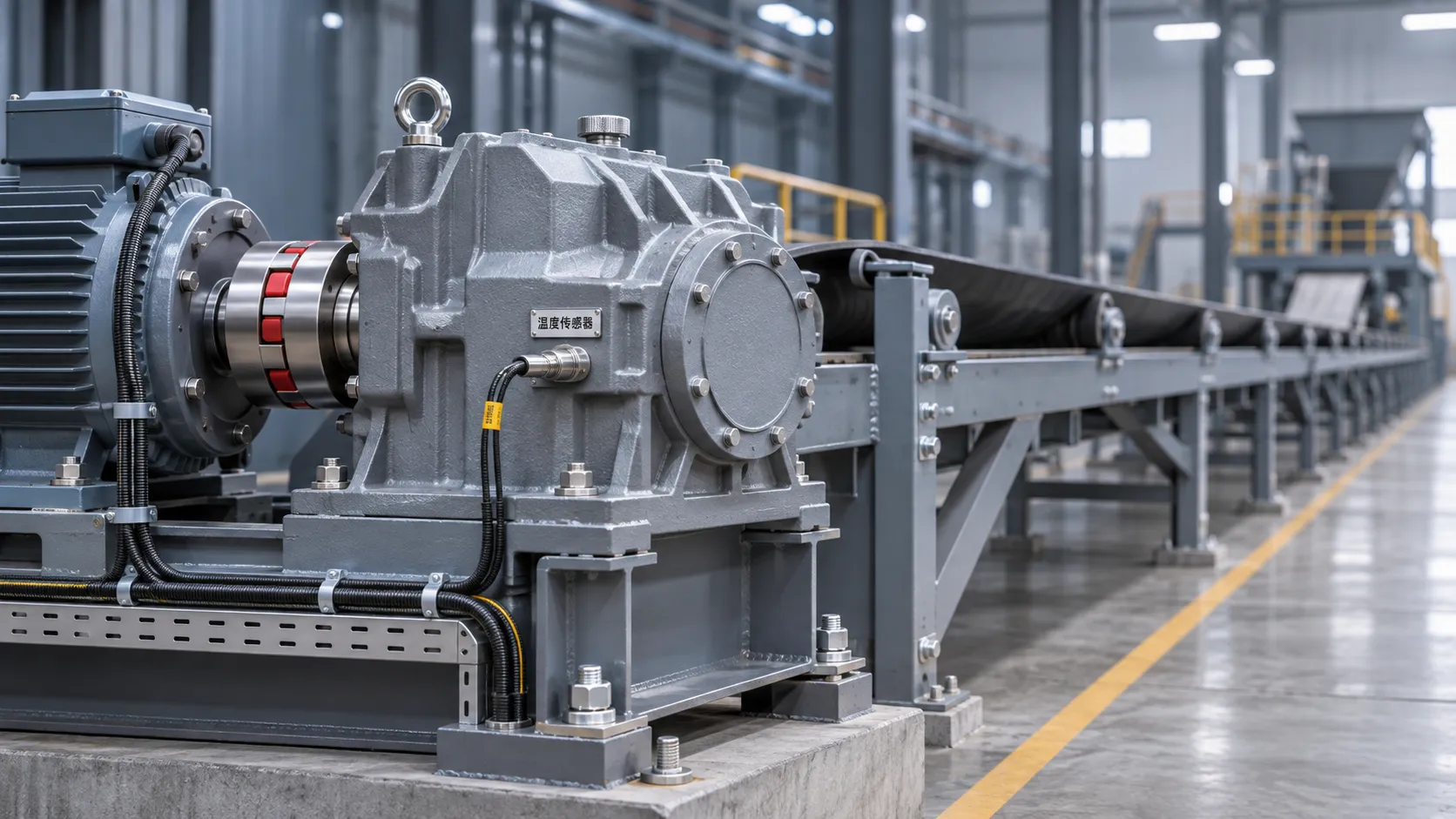
Smart Transmission Components: What Drives Price and Total Cost?
Smart transmission components price is just the start. Explore the factors behind quotes and total ownership costs to compare suppliers and buy with confidence.
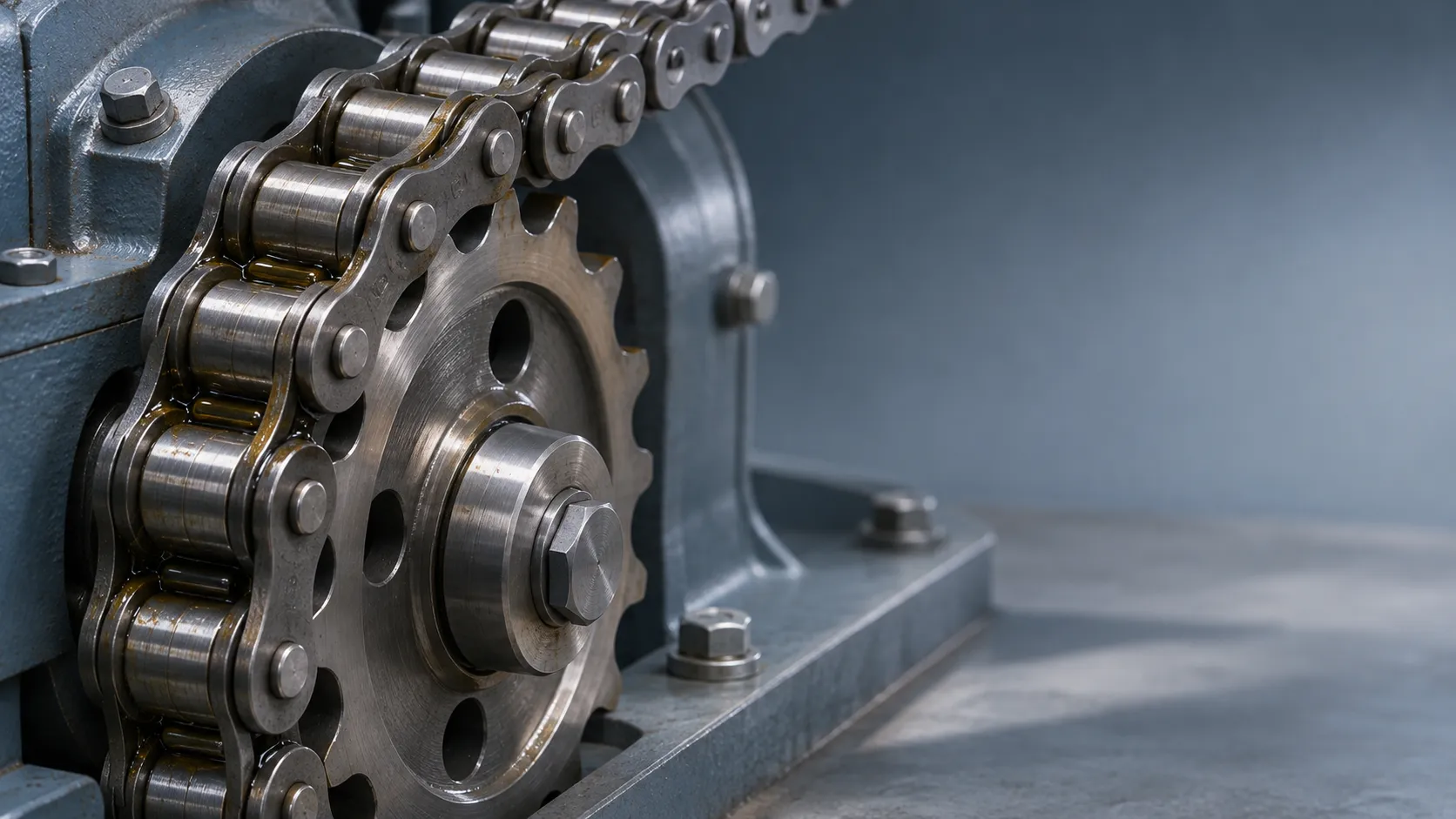
Choosing Long-Life Roller Chains for High-Load Applications
Discover how to choose long-life roller chains for high-load drives, from fatigue ratings and lubrication to sprocket alignment and operating costs.
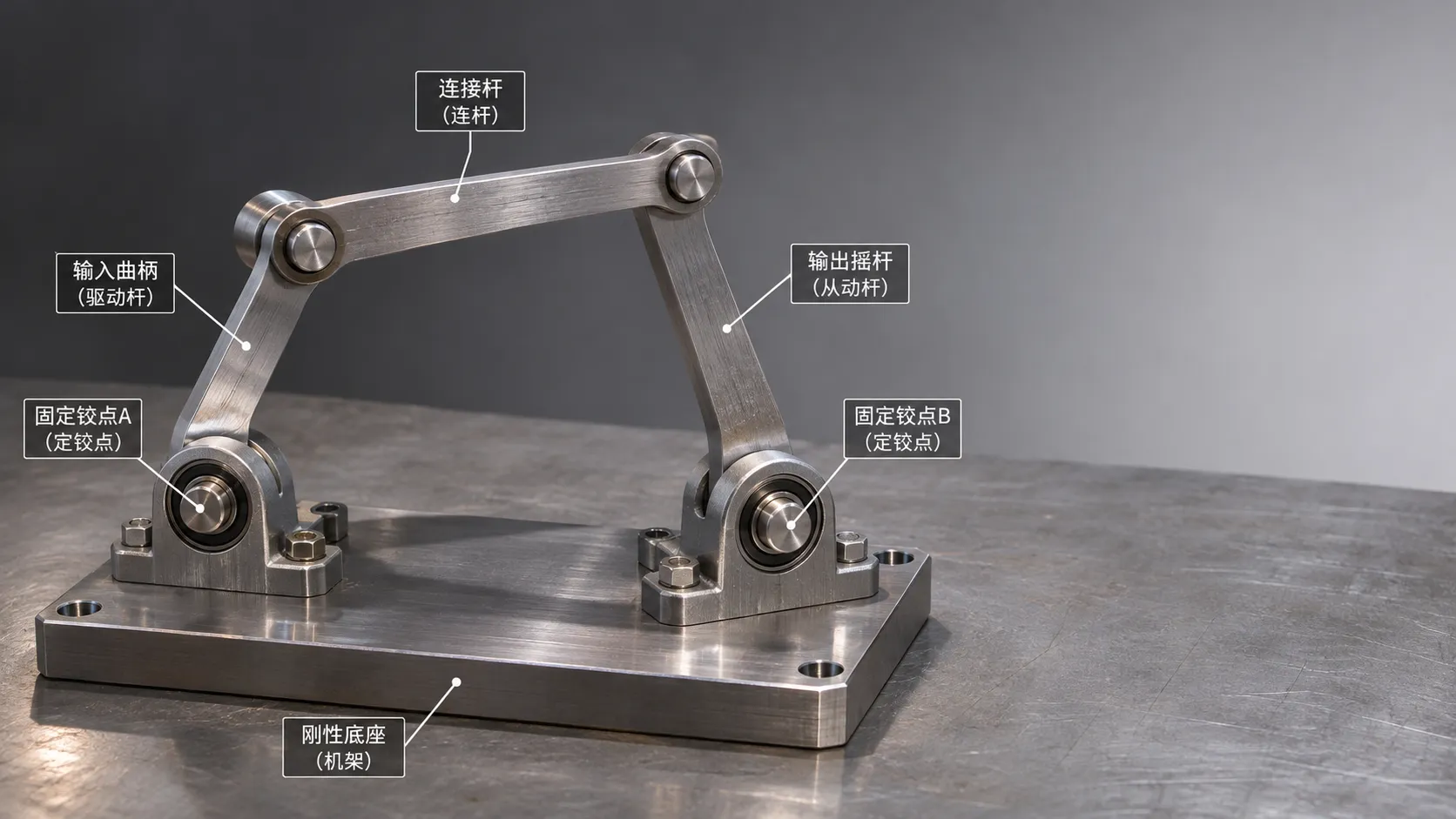
Mechanical Linkage Assemblies: How Motion and Force Are Transmitted
Explore mechanical linkage technology assemblies and learn how geometry, joints, and load affect motion, force, accuracy, and reliability.
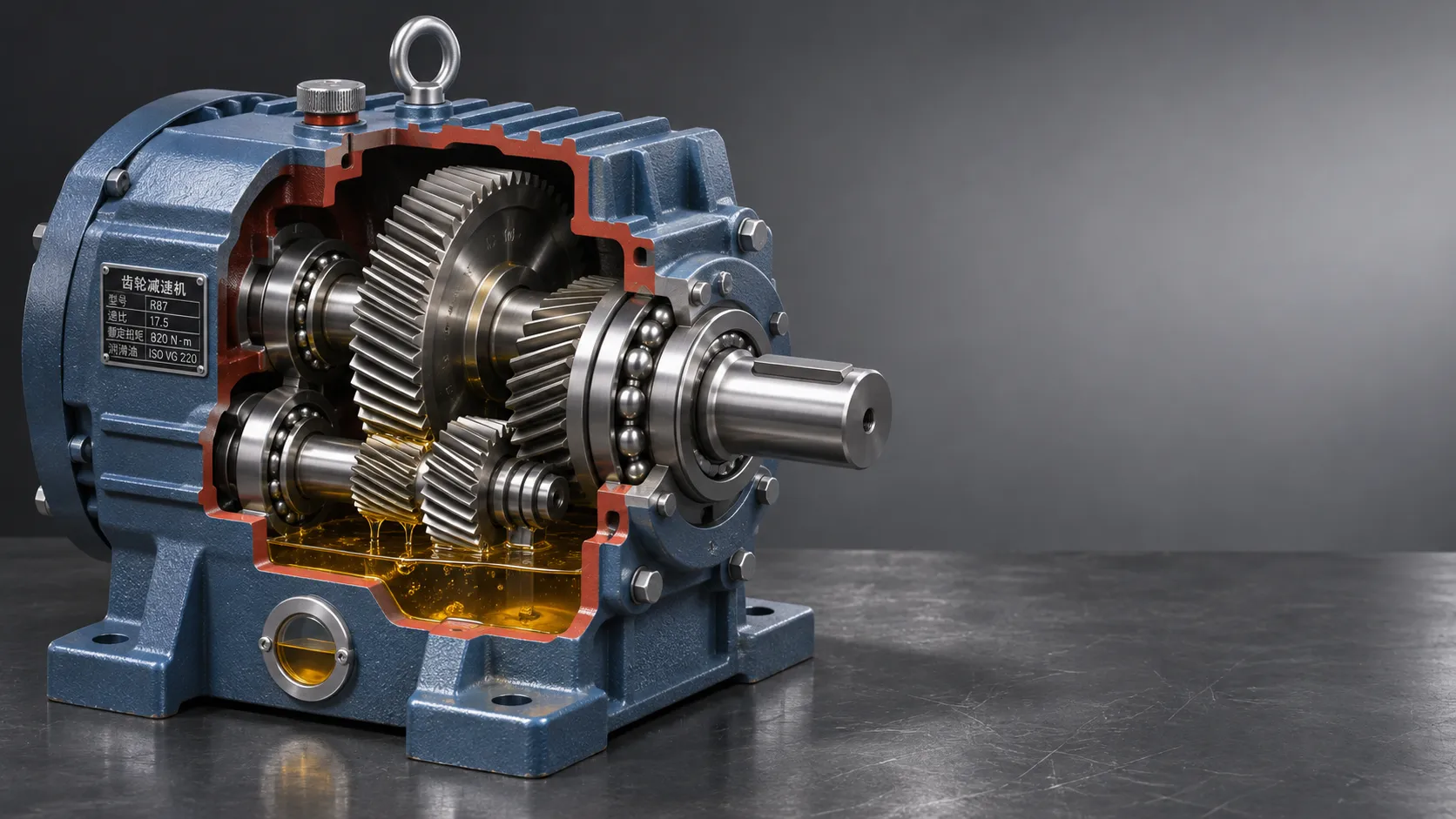
Choosing Wear-Resistant Industrial Transmissions for Long Service Life
Choose wear resistant long life transmissions with confidence. Explore load, lubrication, sealing and supplier checks to reduce downtime and service costs.
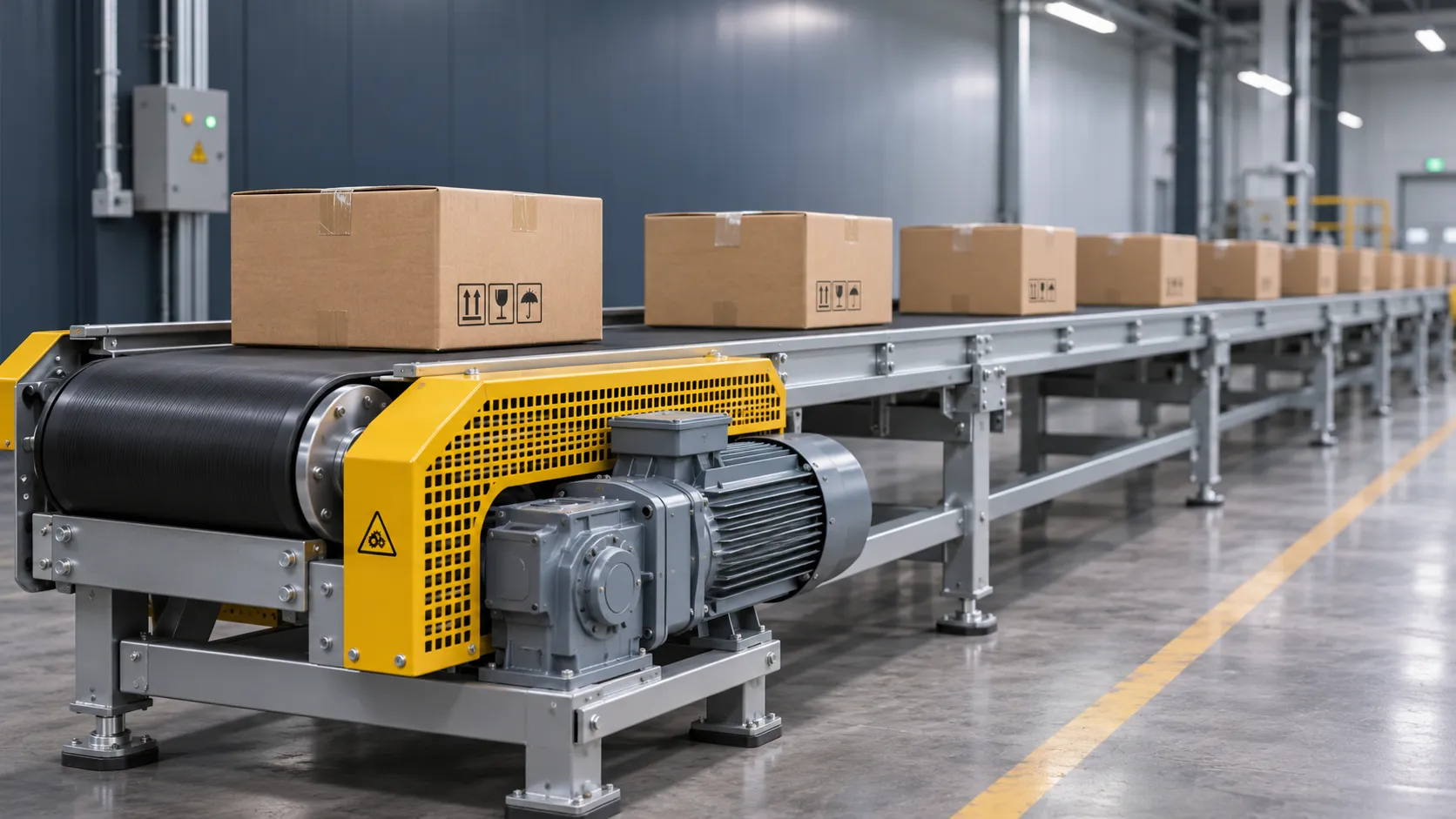
Choosing Industrial Motion Solutions for Conveyor Speed and Load Requirements
Explore industrial motion solutions for conveyor speed and load requirements. Compare drives, torque, control and duty cycles to make a confident choice.
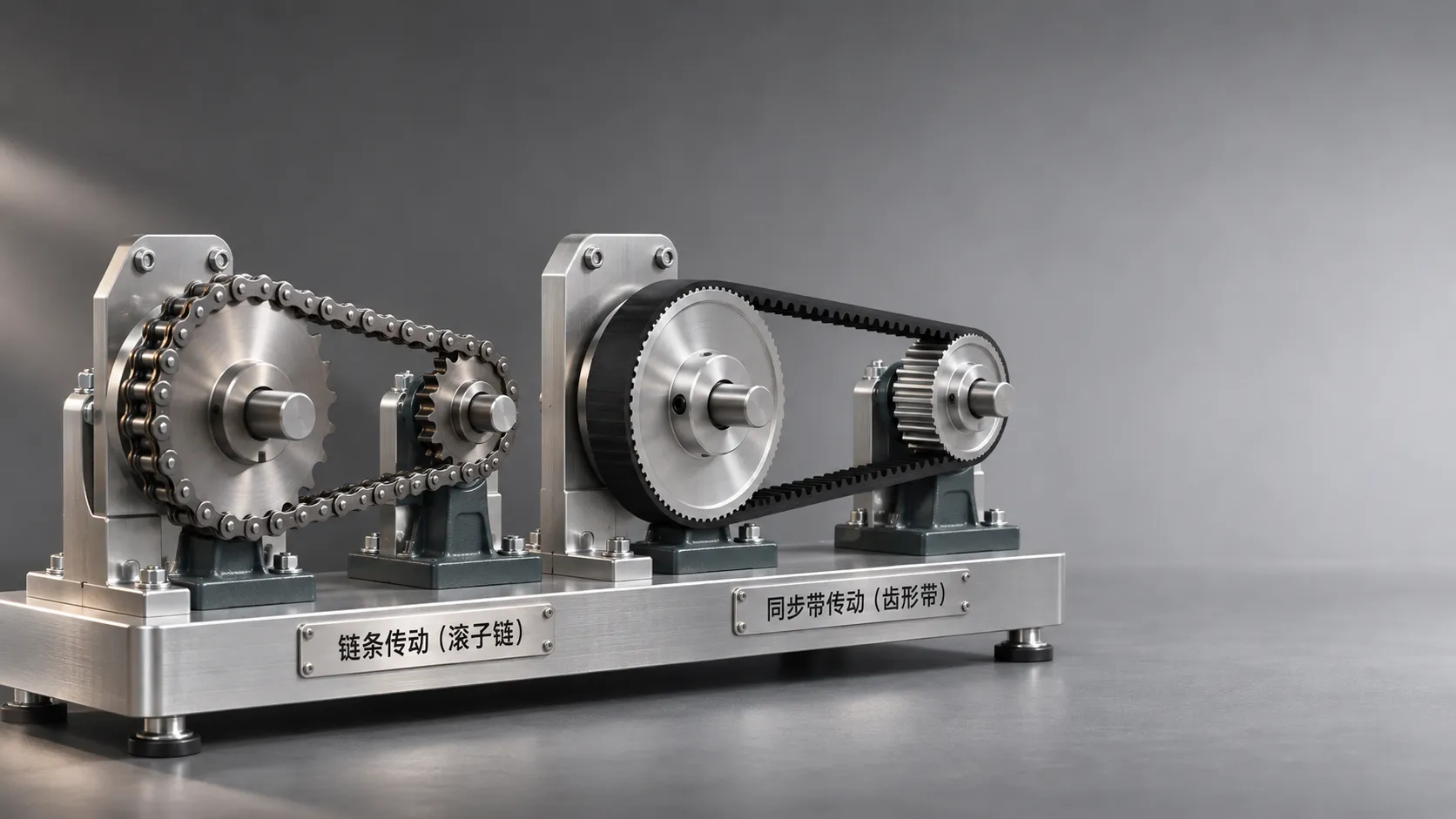
Chain vs. Belt Drives: How to Choose for Load, Speed, and Maintenance
Explore our industrial component knowledge base for drive selection. Compare chain and belt drives by load, speed, and maintenance to find the right fit.
Choosing Heavy Equipment for Construction: Capacity, Terrain and Costs
Choose heavy duty heavy equipment with confidence. Compare capacity, terrain, productivity, and total costs to find the right machine for your construction project.
Choosing Long-Life Timing Belts: Load, Speed and Operating Conditions
Choose long-life timing belts with confidence. Compare load, speed, environment and maintenance factors to improve reliability and reduce downtime.
Green Manufacturing Technology Costs: Upfront Investment and Payback
Explore green manufacturing technology cost, from upfront investment to payback. Learn how to assess savings, manage risks, and build a stronger business case.