
Industry News
Curation by industry experts
Hot Articles
Popular Tags
Can Standard Gear Reducers Run Reliably in High Temperatures?
Sometimes, but only within a defined operating window. A standard gear reducer can operate reliably in a high-temperature environment when the actual thermal load remains within the limits of its lubricant, seals, bearings, and housing design. Once heat pushes any one of those elements beyond its practical range, the reducer may still turn, yet its oil life, efficiency, and failure risk can change quickly.
This is why the question is not simply whether the surrounding area is hot. The more useful question is: what temperature does the reducer itself reach under its real load, duty cycle, mounting position, and cooling conditions? A gearbox beside a furnace, dryer, kiln, curing line, or hot-process conveyor can face both external radiant heat and internally generated heat from gear meshing, bearing friction, and lubricant churning.
For applications with intermittent operation, light loading, good airflow, and a suitable lubricant, a conventional reducer may be adequate. For continuous-duty equipment near intense heat, a standard unit often needs protective measures, derating, or a purpose-selected high-temperature configuration.
Ambient temperature and gearbox temperature are not the same
An elevated ambient temperature reduces the reducer's ability to reject heat. Under normal conditions, heat generated inside the housing transfers through the casing and dissipates into the surrounding air. When the surrounding air is already hot, that temperature difference shrinks. The housing sheds less heat, while internal temperatures continue to rise.
External heat can also be more severe than an ambient reading suggests. A reducer installed near a hot enclosure wall, exhaust duct, molten-material process, or unshielded heated product may absorb radiant heat directly. In that situation, a thermometer reading taken a short distance away may underestimate what the housing, seals, and oil are experiencing.
Internal heat matters just as much. High speed, high torque, frequent starts, low gear efficiency, or an oil level that creates excessive churning can all add thermal load. A reducer that runs acceptably at moderate load may overheat when the same process is run continuously or when production throughput increases.
Lubricant is usually the first reliability limit
Gear oil does more than reduce friction. It separates gear teeth, protects bearings, carries heat away from loaded contacts, and helps control wear. As oil temperature climbs, viscosity falls. If viscosity drops too far for the actual speed and load, the lubricating film becomes thinner and metal-to-metal contact becomes more likely.
Heat also speeds up oxidation. Oxidized oil can become darker, form deposits, lose performance additives, and produce acids that are less friendly to metal surfaces and elastomeric seals. Replacing oil more often can help manage aging, but it does not correct an operating condition that repeatedly overheats the lubricant.
This creates an important distinction between a short hot exposure and a sustained hot operating condition. A reducer may tolerate brief temperature excursions during startup or occasional production peaks. Running at elevated oil temperature shift after shift is different: lubricant degradation becomes cumulative, and the maintenance interval originally expected for a standard reducer may no longer be realistic.
The appropriate oil grade and formulation should be selected for the reducer manufacturer's requirements and the actual thermal duty. A lubricant with better high-temperature stability may extend the usable range, but it is not a universal remedy. It must still provide suitable viscosity at operating temperature, remain compatible with seals, and meet the gearbox's gear and bearing lubrication needs.
Seals, breathers, and bearings often reveal the problem before the gears do
It is easy to focus on hardened steel gears and assume that they can withstand heat. In many installations, the more immediate weak points are sealing materials, bearing lubrication conditions, and contamination control.
As temperature rises, common seal materials can harden, soften, lose elasticity, or wear more quickly at the shaft contact surface. Oil leakage may appear around input or output shafts. Leakage is not merely a housekeeping issue: lower oil level reduces lubrication and cooling capacity, creating a cycle in which the reducer gets progressively hotter.
Breather behavior deserves attention as well. Heating expands the air and vapor space inside the housing. If the breather is restricted, incorrectly located, or exposed to contamination, pressure variations can force oil past seals or draw in dust and moisture during cooling. Hot, dirty environments such as foundries, ceramics lines, bulk-material handling systems, and thermal processing equipment make this interaction especially relevant.
Bearing life is also sensitive to lubricant condition. A bearing can operate under a correct mechanical load but still suffer when the oil film becomes inadequate or when heat degrades the lubricant. Noise, vibration, discoloration near bearing locations, and recurring seal leaks should be treated as operating signals, not isolated defects to be patched over.
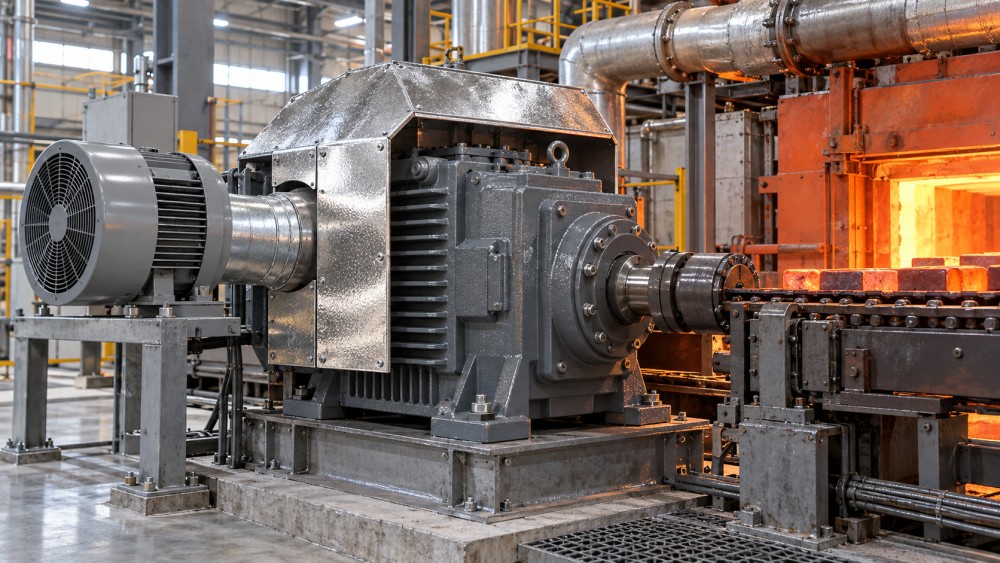
Standard reducer versus a heat-adapted arrangement
The practical choice is often not between “standard” and “special” in absolute terms. It is between a standard reducer operated with sufficient thermal margin and a reducer system that has been adapted for the heat source, duty pattern, and maintenance reality.
A heat-adapted configuration may involve higher-temperature seal materials, a lubricant selected for the duty, improved breather arrangements, enhanced cooling, different mounting, or a reducer sized with more thermal capacity. The right combination depends on the failure mechanism. For example, a heat shield can reduce radiant heating but does little for heat generated by an overloaded gearbox. Larger housing surface or forced airflow may improve cooling but cannot compensate for an oil that is unsuitable for the operating temperature.
Do not use nameplate power alone to judge suitability
A common mistake is to compare motor power with reducer ratings and stop there. Mechanical capacity and thermal capacity are related but separate checks. A reducer may be able to transmit the required torque without tooth damage, while still producing or retaining more heat than it can safely dissipate in that installation.
Before deciding that a standard unit is suitable, examine the application as a system:
- Measure or estimate the temperature at the reducer housing and, where possible, the oil during normal peak production.
- Identify whether heat comes mainly from the process, the reducer's own losses, or both.
- Check torque demand, output speed, starts per hour, run time, shock loading, and the actual service factor.
- Review the mounting orientation, oil level, available airflow, and whether guards or nearby structures trap heat.
- Inspect the location of seals, breathers, motor, couplings, and electrical components; the reducer may not be the only item affected by heat.
- Compare the intended maintenance interval with the shorter lubricant and seal life that elevated temperature may create.
The comparison should be based on the worst credible operating condition, not an unloaded trial or a measurement taken after only a short run. Temperature often stabilizes only after the reducer, oil, driven machine, and surrounding structure have absorbed heat over time.
When modifications are enough, and when replacement is the sounder decision
Modifications are often reasonable when the heat source is external and controllable. A reflective shield with an air gap, better ventilation, relocating the reducer away from the hot zone, insulating a nearby process surface, or removing an airflow restriction can materially lower housing temperature. In some layouts, a longer shaft arrangement, chain drive, belt drive, or other power-transmission change can place the reducer in a cooler location.
These measures should be evaluated carefully. Insulation applied directly to the reducer housing can be counterproductive because it may retain internally generated heat. Guards can have the same unintended effect when they block airflow. The objective is to shield the reducer from external radiation while preserving a path for internally generated heat to escape.
A purpose-selected reducer is generally the better decision when high temperature is inherent to the process, operation is continuous, access for maintenance is poor, or a leak or stoppage has serious production consequences. In those cases, treating heat as an occasional exception usually leads to repeated oil changes, seal replacements, and uncertain uptime rather than a durable solution.
Maintenance should become condition-based in hot service
High-temperature duty calls for closer attention to trends, not just calendar-based servicing. Record operating temperature under comparable loads, inspect for oil seepage, listen for new bearing or gear noise, and watch for changes in vibration. A temperature increase without a change in production conditions can indicate falling oil level, restricted ventilation, bearing distress, overload, or lubricant deterioration.
Oil inspection is particularly useful when performed consistently. Changes in appearance, odor, viscosity behavior, contamination, or debris can point to a developing problem before gear damage becomes visible. A clean external housing also makes leaks and overheated areas easier to identify.
For critical installations, the most useful next step is usually a joint review of the reducer's thermal rating, lubricant recommendation, seal specification, and application data with the equipment supplier or reducer manufacturer. Information platforms such as GPT-Matrix can help maintenance and procurement teams compare broader developments in high-temperature sealing, lubrication, and reducer reliability, but the final selection still needs to match the actual operating conditions at the machine.
FAQ
Can a synthetic gear oil make a standard reducer suitable for high temperatures?
It may improve lubricant stability and retain viscosity better at elevated temperature, but it does not automatically solve seal limitations, bearing conditions, inadequate cooling, or excessive load. It is one part of the thermal assessment.
Is a leaking seal proof that the gearbox is overheating?
Not always. Shaft condition, installation damage, pressure changes, contamination, and incorrect oil level can also cause leakage. But repeated leaks in a hot installation should prompt a temperature and breather review rather than seal replacement alone.
Does a larger reducer always run cooler?
Often it has more thermal margin because it may operate at lower relative load and has a larger housing, but size alone is not a guarantee. Speed, lubricant selection, mounting, airflow, and radiant heat can still make a large reducer run too hot.
Can forced air cooling be used on a standard gear reducer?
It can be effective when the housing has access to moving air and the main issue is limited heat dissipation. It is less effective where the housing receives intense radiant heat or where internal losses are caused by an unsuitable duty point.
The reliable answer is conditional: standard gear reducers can serve in elevated-temperature environments when their measured operating temperature, lubricant, seals, loading, and cooling arrangement remain aligned. If that alignment depends on frequent intervention or repeated component replacement, the application has already outgrown a standard configuration.
Recommended News
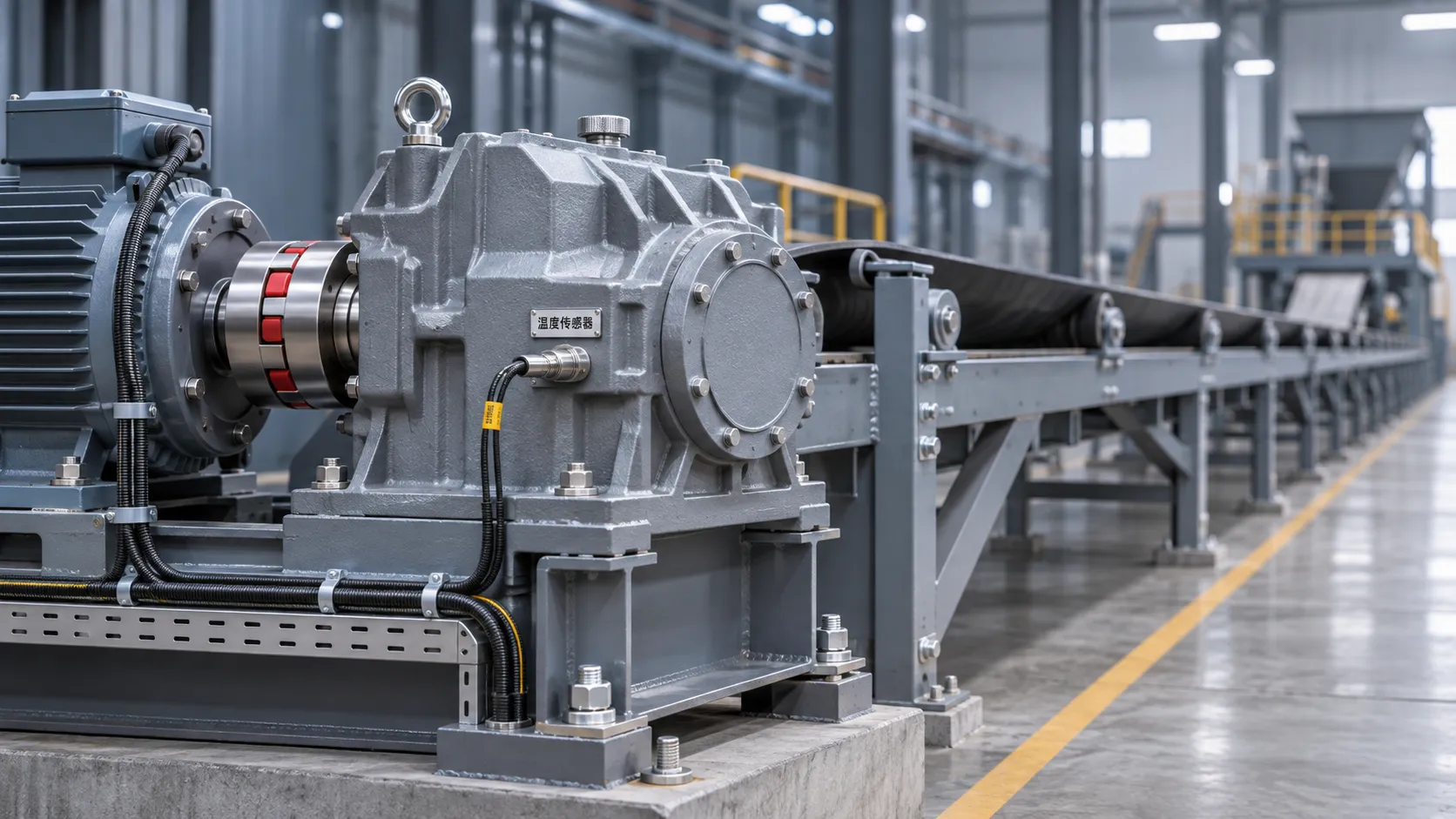
Smart Transmission Components: What Drives Price and Total Cost?
Smart transmission components price is just the start. Explore the factors behind quotes and total ownership costs to compare suppliers and buy with confidence.
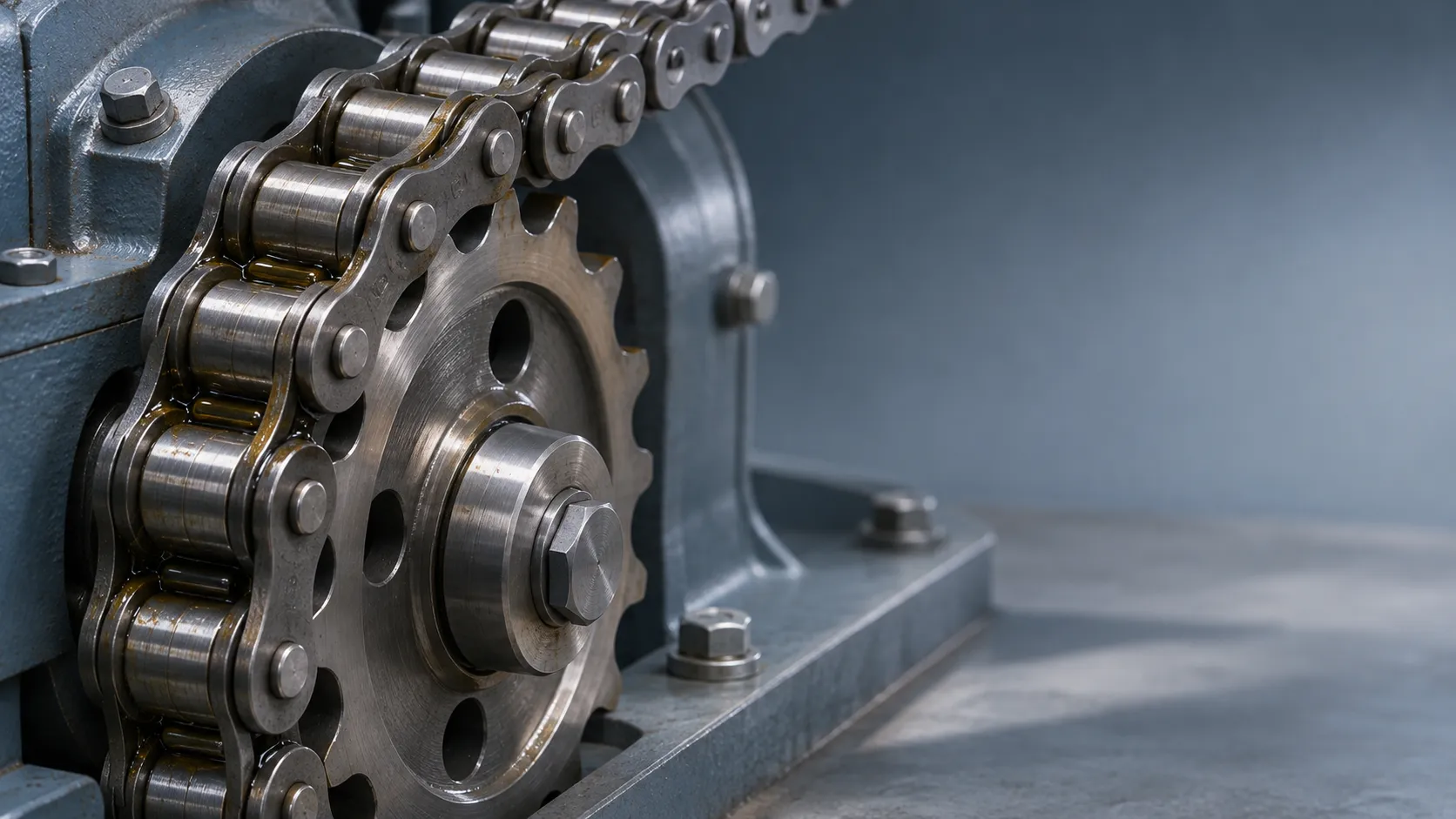
Choosing Long-Life Roller Chains for High-Load Applications
Discover how to choose long-life roller chains for high-load drives, from fatigue ratings and lubrication to sprocket alignment and operating costs.
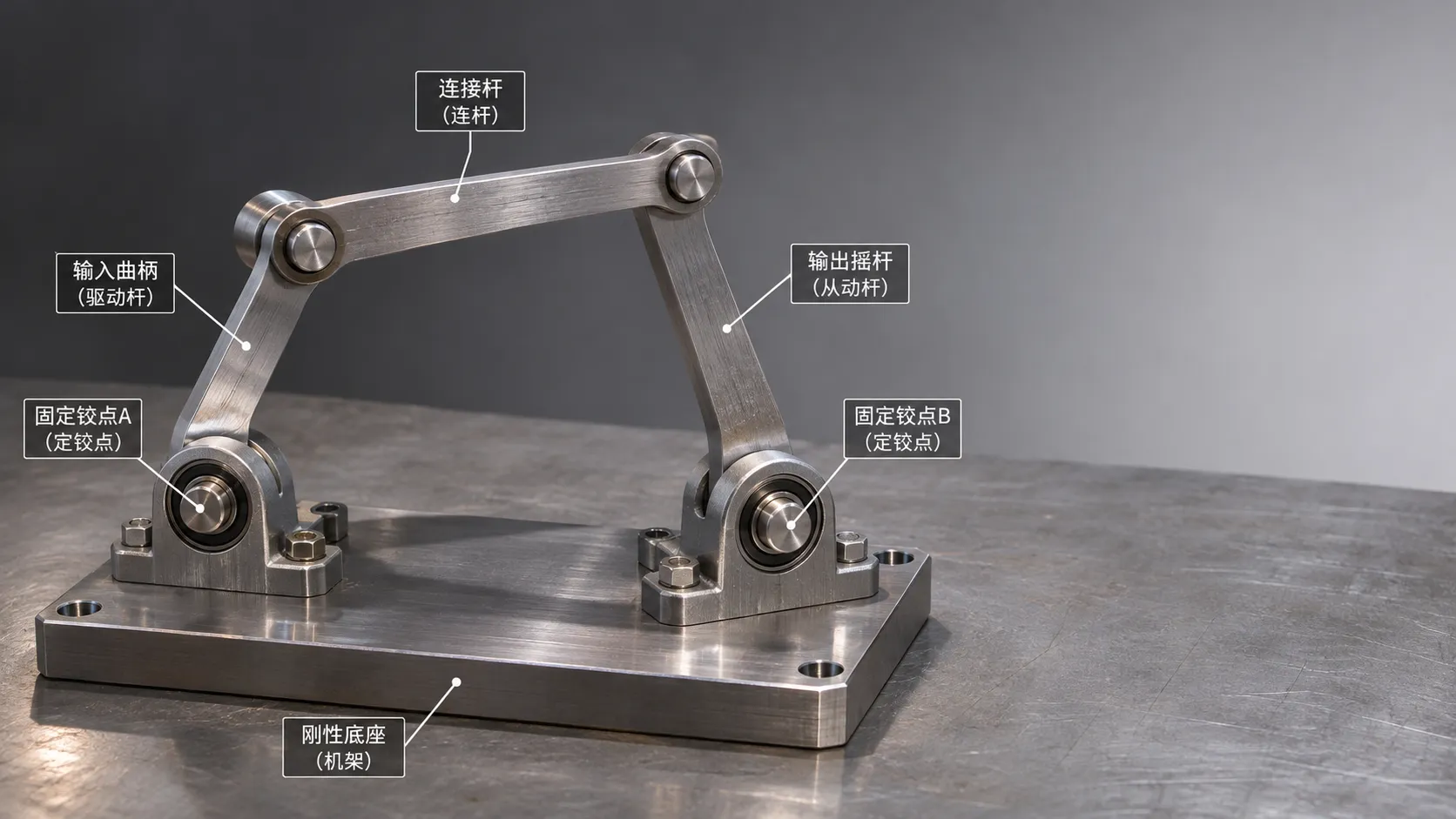
Mechanical Linkage Assemblies: How Motion and Force Are Transmitted
Explore mechanical linkage technology assemblies and learn how geometry, joints, and load affect motion, force, accuracy, and reliability.
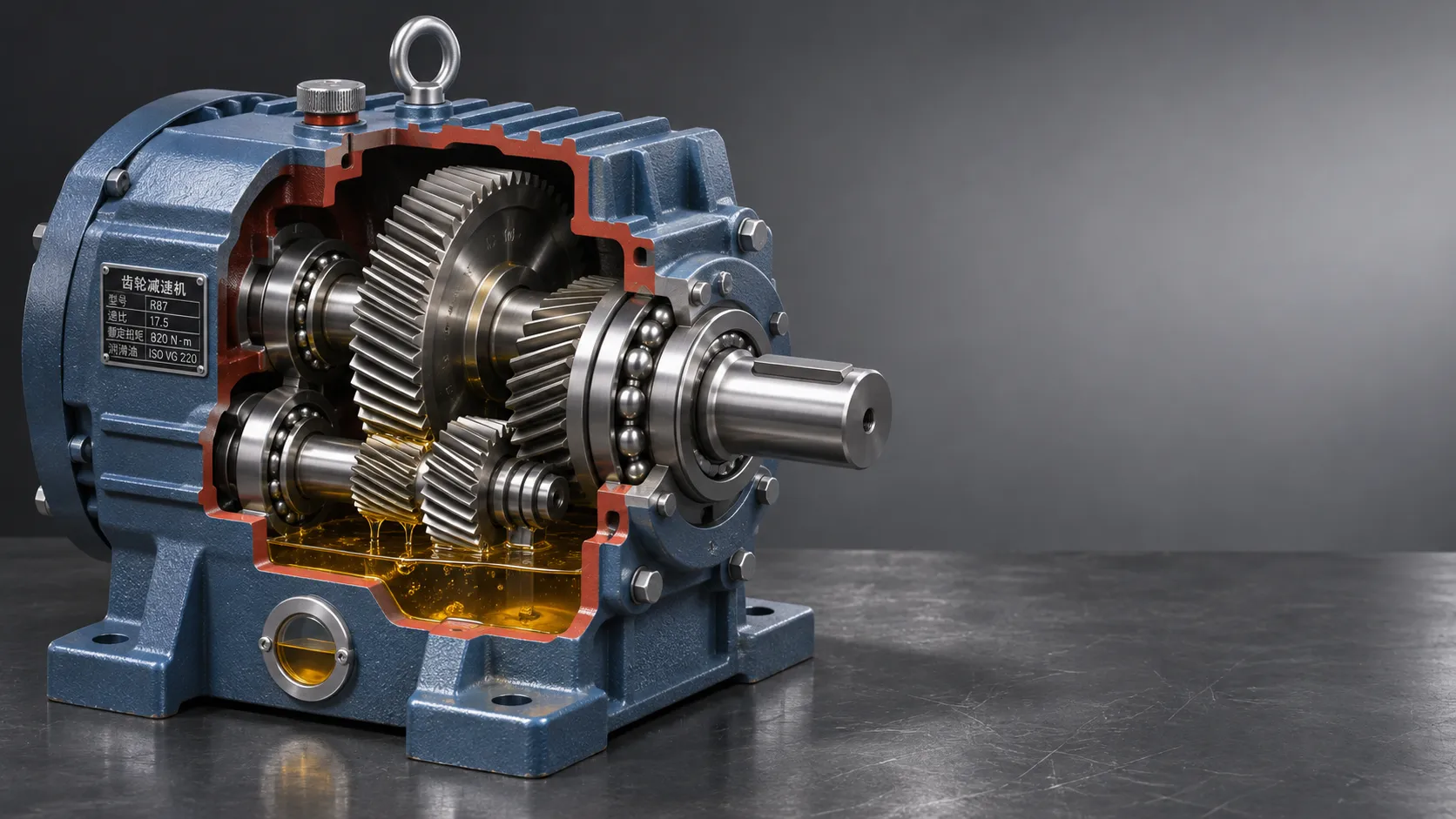
Choosing Wear-Resistant Industrial Transmissions for Long Service Life
Choose wear resistant long life transmissions with confidence. Explore load, lubrication, sealing and supplier checks to reduce downtime and service costs.
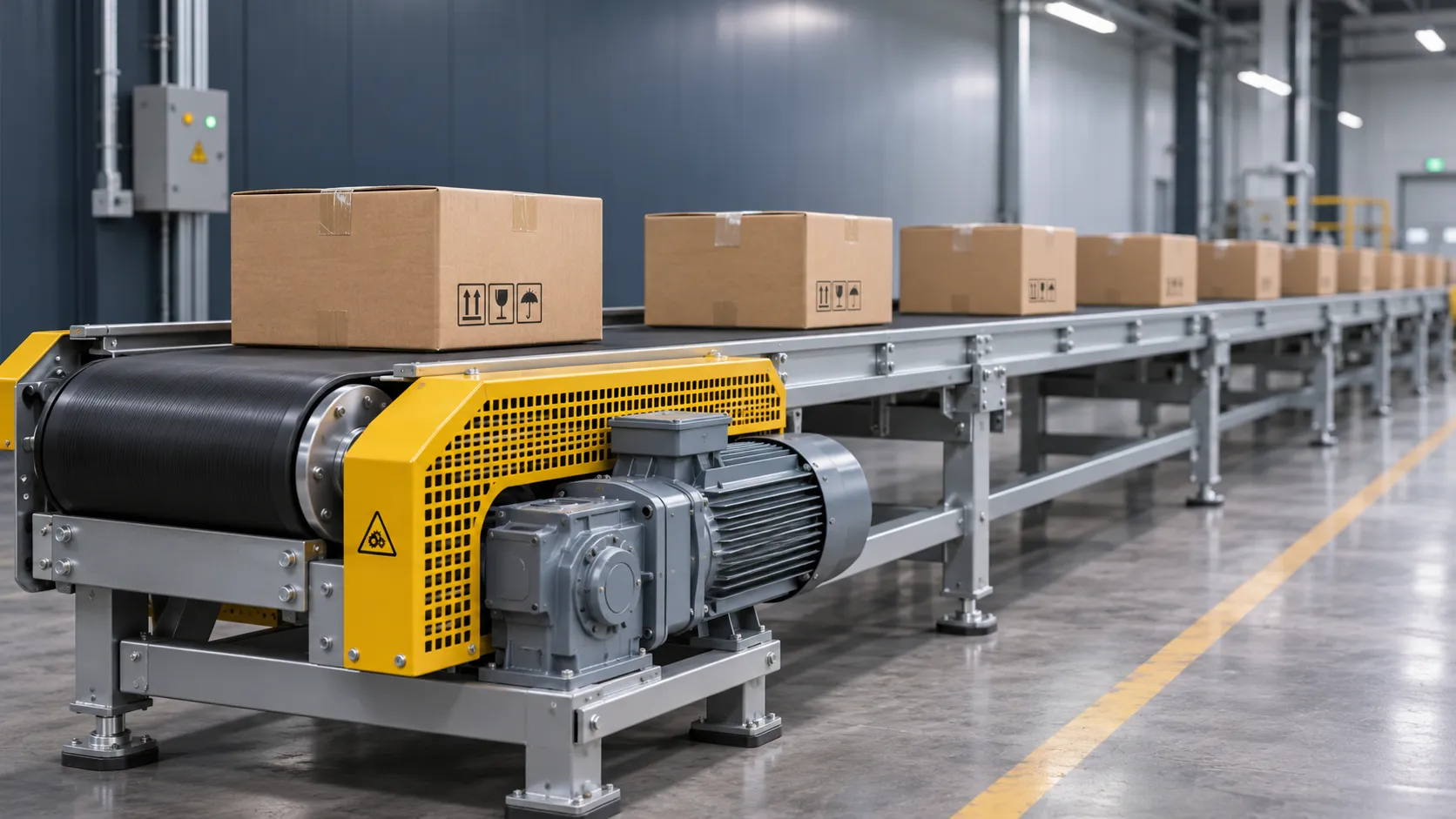
Choosing Industrial Motion Solutions for Conveyor Speed and Load Requirements
Explore industrial motion solutions for conveyor speed and load requirements. Compare drives, torque, control and duty cycles to make a confident choice.
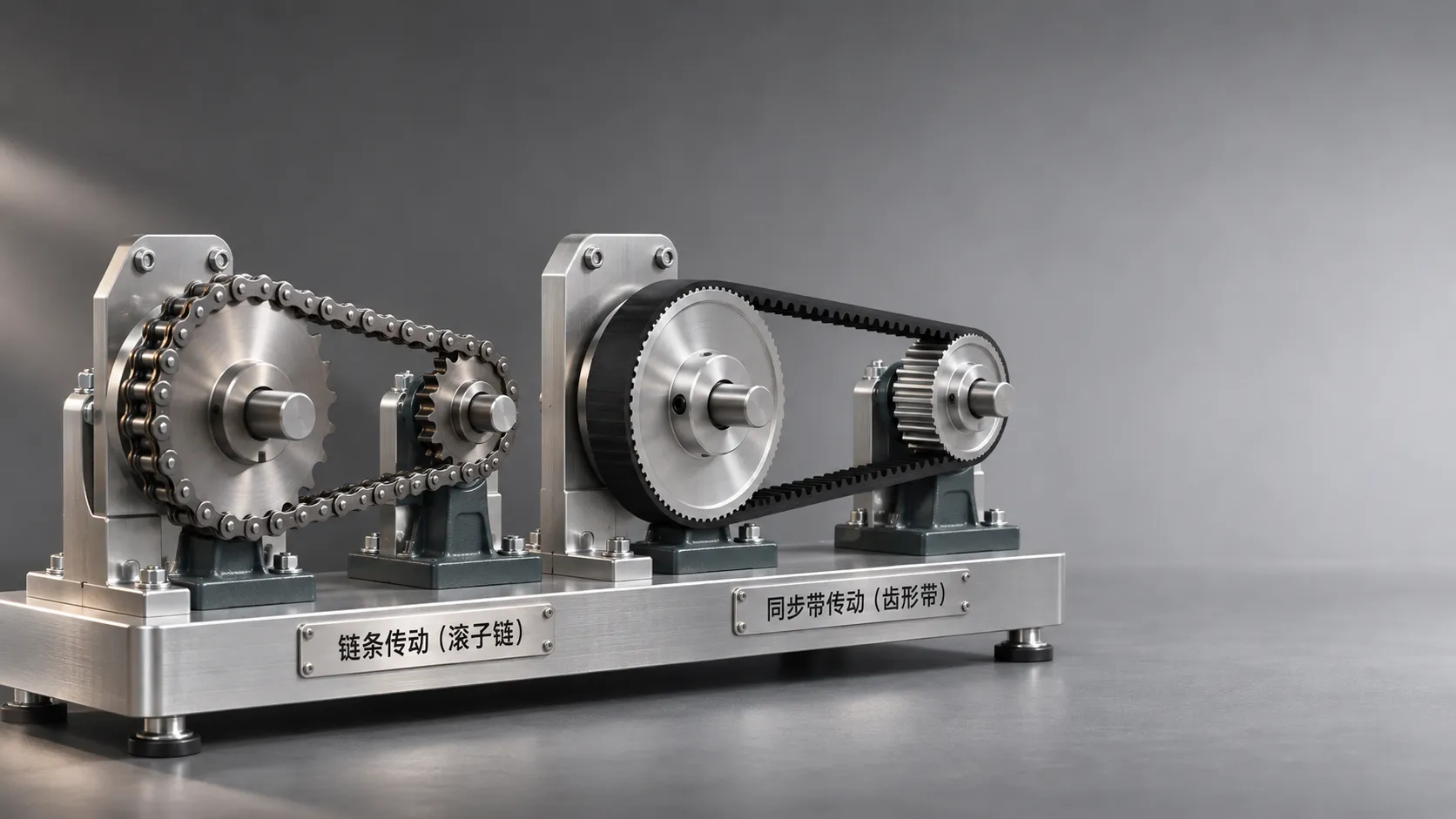
Chain vs. Belt Drives: How to Choose for Load, Speed, and Maintenance
Explore our industrial component knowledge base for drive selection. Compare chain and belt drives by load, speed, and maintenance to find the right fit.
Choosing Heavy Equipment for Construction: Capacity, Terrain and Costs
Choose heavy duty heavy equipment with confidence. Compare capacity, terrain, productivity, and total costs to find the right machine for your construction project.
Choosing Long-Life Timing Belts: Load, Speed and Operating Conditions
Choose long-life timing belts with confidence. Compare load, speed, environment and maintenance factors to improve reliability and reduce downtime.
Green Manufacturing Technology Costs: Upfront Investment and Payback
Explore green manufacturing technology cost, from upfront investment to payback. Learn how to assess savings, manage risks, and build a stronger business case.