
Industry News
Curation by industry experts
Hot Articles
Popular Tags
Power transmission components in renewables: common sizing mistakes
In renewable energy projects, undersized or mismatched drives, couplings, bearings, and seals can trigger costly downtime, premature wear, and efficiency loss. For project leaders, understanding the most common sizing mistakes in power transmission components for renewable energy systems is essential to balancing reliability, lifecycle cost, and performance. This article highlights where specification errors happen most often and how to avoid them early in project planning.
For project managers and engineering leads, the challenge is rarely limited to selecting a component that can technically run on day one. The real issue is whether that component can hold torque, tolerate misalignment, survive environmental exposure, and maintain service intervals over 10 to 25 years. In wind, solar, hydro, biomass, and energy storage infrastructure, small sizing errors often scale into major operational losses.
Because renewable assets are expected to deliver predictable output with tight maintenance budgets, power transmission components for renewable energy systems must be specified with a lifecycle mindset. That means considering transient loads, variable duty cycles, contamination risk, temperature swings, and access limitations before procurement is finalized.
Why sizing mistakes happen so often in renewable projects
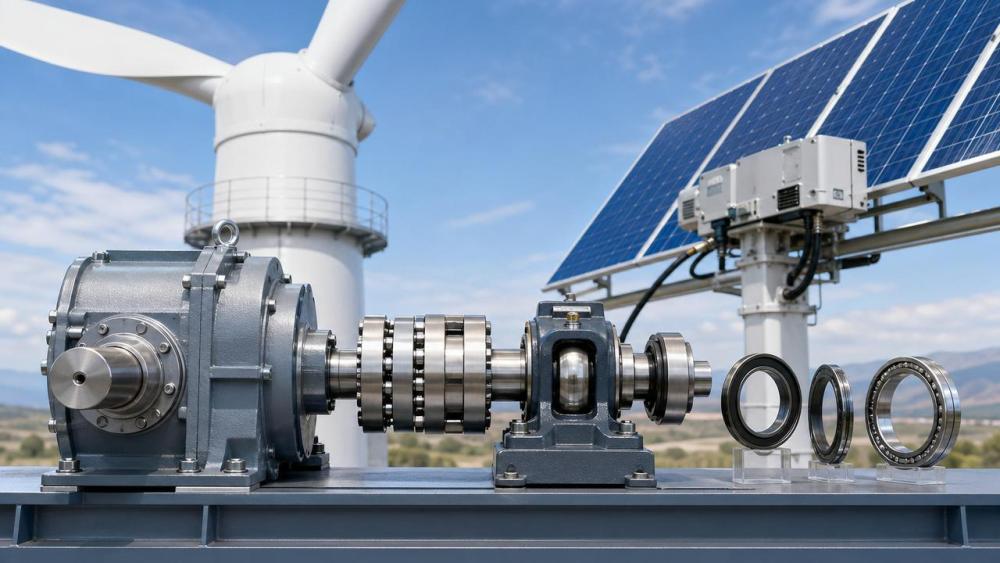
Renewable installations combine mechanical, electrical, and control subsystems that are often sourced from multiple suppliers. In that environment, sizing assumptions may be copied from legacy industrial applications even though the operating profile is very different. A gearbox or bearing selected for steady 1,500 rpm factory duty may underperform in a wind turbine nacelle facing fluctuating torque, low-speed starts, and seasonal thermal cycling.
Another common issue is schedule pressure. During EPC execution, teams may compress specification reviews from 3 stages to 1 stage, reducing time for load verification, shaft alignment checks, and seal material review. When deadlines tighten, catalog values such as nominal torque or basic dynamic load rating are sometimes accepted without testing them against peak loads, shock factors, or lubrication constraints.
The difference between rated load and real operating load
Many failures begin with a simple confusion: rated power is not the same as actual transmitted load. Renewable equipment frequently experiences variable loading bands of 40% to 120% of nominal output, depending on wind speed, irradiance tracking movement, pump head, or feedstock inconsistency. If designers size couplings or belts only for nominal kW, they may miss peak torque events during start-stop cycles or emergency braking.
Three planning gaps that usually drive errors
- Using steady-state motor data instead of peak transient torque and reversal events.
- Ignoring environmental derating for dust, salt spray, humidity, UV exposure, or temperatures from -20°C to 60°C.
- Assuming service access is easy, even when replacement windows are limited to 6 to 12 hours during planned shutdowns.
For organizations tracking the market through intelligence platforms such as GPM-Matrix, these patterns appear repeatedly across component categories. The lesson is consistent: specification errors usually come from incomplete duty-cycle interpretation, not from the lack of available products.
The most common sizing mistakes by component type
Project teams evaluating power transmission components for renewable energy systems should review where mismatch risk is highest. The table below summarizes frequent errors, their root causes, and the likely project impact across common renewable applications.
A practical takeaway is that no single parameter tells the whole story. Torque, speed, shaft geometry, contamination level, maintenance interval, and ambient exposure all need to be checked together. In most renewable plants, one wrong assumption in any of these areas can shift expected life from 8 years to less than 3 years.
Mistake 1: Ignoring transient torque and startup peaks
Transient load is one of the most underestimated variables. Solar tracking systems, biomass conveyors, hydro auxiliary drives, and yaw systems in wind installations can all experience short-duration peaks significantly above steady-state load. A coupling sized for continuous torque may still fail if startup peaks reach 150% to 250% of rated value for even a few seconds.
Project leaders should ask suppliers for torque envelopes, not only rated values. If the duty cycle includes frequent starts above 10 times per hour, reversing motion, or braking events, the component should be checked for fatigue resistance, not only maximum torque capacity.
Mistake 2: Underestimating misalignment in field conditions
Many couplings are selected on ideal alignment conditions achieved during factory assembly. Field reality is different. Foundation settlement, thermal expansion, installation tolerance, and structural deflection can produce angular, radial, or axial misalignment that exceeds design assumptions by 0.2 mm to 0.8 mm, sometimes more in outdoor frames.
When misalignment is not included in the sizing process, the load transfers downstream into bearings and seals. The result may not be immediate breakage; more often it appears as elevated temperature, vibration, grease leakage, and repeated maintenance visits within the first 12 to 18 months.
Mistake 3: Oversimplifying bearing life calculations
Bearing selection in renewable machinery should go beyond dynamic load ratings. L10 life is useful, but contamination, lubrication film quality, preload, and shaft deflection can reduce real service life dramatically. In dusty solar or biomass environments, poor sealing and contamination can cut expected bearing life by more than half even when basic load calculations look acceptable.
What to verify before release
- Load spectrum over at least 3 operating modes: startup, normal run, upset condition.
- Lubrication interval in hours and whether relubrication access is realistic on site.
- Expected contamination class and seal arrangement.
- Mounting tolerance and shaft/housing fit range.
Mistake 4: Choosing seals without full media and speed review
Seals are often treated as secondary parts, but in power transmission components for renewable energy systems they strongly affect uptime. A seal that survives 80°C may still fail if exposed to abrasive dust, bio-based lubricants, washdown chemicals, or shaft runout above tolerance. In hydro and biomass systems, media compatibility is especially important because temperature alone does not predict seal life.
The right question is not just “What temperature can it handle?” but “At what speed, pressure, contamination level, and maintenance interval will it operate?” That broader framing prevents leakage-related failures that often damage surrounding bearings and gear units.
How to size components more accurately at the planning stage
A robust front-end review can eliminate many late-stage corrections. For project teams, the most effective approach is to define operating conditions in a format suppliers can evaluate consistently. This includes duty cycle, overload events, environmental constraints, target service life, and acceptable maintenance windows.
A five-step specification workflow for project managers
- Document nominal and peak operating torque, speed range, start frequency, and emergency stop conditions.
- Define environment: indoor or outdoor, IP protection needs, temperature band, moisture, dust, and corrosion exposure.
- Confirm mechanical boundaries: shaft diameter, keyway, alignment tolerance, space envelope, and mounting orientation.
- Set lifecycle targets such as 20,000 to 60,000 operating hours and maintenance interval expectations.
- Request supplier validation on service factor, derating assumptions, and failure-mode limits.
This workflow is especially useful when multiple vendors are involved. It reduces the chance that one supplier assumes clean indoor duty while another assumes harsh outdoor duty, which is a frequent source of hidden mismatch.
Key specification data that should never be missing
Before issuing a request for quotation, teams should confirm a minimum data set. Incomplete RFQs often lead to apparently competitive offers that later require resizing, adapter changes, or site modifications. The table below highlights practical decision fields that improve bid comparability.
When these four data groups are clearly stated, supplier proposals become easier to compare on technical fit rather than just purchase price. That is critical in renewable projects where downtime costs can outweigh initial savings within the first 1 to 2 years of operation.
When to add design margin and when not to
Adding margin is good practice, but oversizing every component is not automatically safer. Excessive coupling stiffness can increase vibration transfer. Oversized bearings may suffer from low-load issues in some duty profiles. Large reducers can add unnecessary inertia, space requirements, and cost. The goal is not maximum size; it is suitable capacity with validated service factors.
A practical rule is to apply margin where uncertainty is highest: transient torque, contamination, thermal expansion, and maintenance access. If a parameter is already tightly controlled, such as shaft dimensions machined to specification, adding blanket excess capacity may only raise total installed cost without improving reliability.
Procurement, commissioning, and lifecycle controls that reduce risk
Correct sizing is not finished when the purchase order is issued. Procurement terms, incoming inspection, installation quality, and commissioning checks all influence whether power transmission components for renewable energy systems achieve their expected life. A correctly selected bearing can still fail early if mounting force is improper or lubrication is contaminated during assembly.
Procurement questions worth asking suppliers
- What service factor and derating assumptions were used in sizing?
- What shaft misalignment, runout, or axial movement can the design tolerate?
- What lubricant, relubrication interval, and contamination controls are recommended?
- What wear indicators should site teams monitor during the first 500 to 1,000 hours?
These questions move the conversation away from price alone and toward operational fit. For B2B buyers managing multiple packages, that technical clarity also simplifies vendor alignment across mechanical and electrical scopes.
Commissioning checks that catch hidden sizing issues
The first commissioning window is often the cheapest time to identify a mismatch. Teams should record vibration trend, temperature rise, lubricant condition, seal leakage, and alignment condition during the initial 24 hours, 72 hours, and 30 days of operation. Those three checkpoints usually reveal whether load assumptions and installation quality are aligned.
Minimum site acceptance checks
- Verify actual alignment against supplier tolerance.
- Confirm operating temperature remains within expected band.
- Inspect seals for leakage or dust ingress.
- Check vibration trend under partial and full load.
If any of these values move outside expected limits early, the issue is often traceable to sizing assumptions rather than random defect. Early correction can prevent cascading damage into adjacent shafts, housings, or support structures.
Using market intelligence to improve future specifications
As renewable equipment portfolios expand, historical field feedback becomes a strategic asset. Intelligence-led review of wear patterns, maintenance intervals, and component replacement causes can sharpen future specifications. This is where sector-focused resources like GPM-Matrix can help project teams connect material developments, reliability trends, and application-specific transmission choices with practical sourcing decisions.
For example, monitoring changes in sealing materials, gearbox integration trends, or long-life bearing demand across automated and heavy-duty sectors can help buyers avoid outdated assumptions. Better information at the planning stage usually reduces both under-sizing risk and unnecessary overengineering.
Sizing errors in drives, couplings, bearings, and seals are rarely isolated technical details. They directly affect uptime, maintenance labor, spare-part planning, and asset economics over years of operation. For project managers responsible for renewable delivery, the most effective strategy is to define real duty conditions early, require transparent supplier assumptions, and verify performance through commissioning checkpoints.
If your team is reviewing power transmission components for renewable energy systems and needs sharper guidance on specification logic, lifecycle risk, or sourcing priorities, GPM-Matrix can support your decision process with targeted industry intelligence. Contact us to explore tailored insights, compare solution paths, and learn more about practical component strategies for reliable renewable operations.
Recommended News
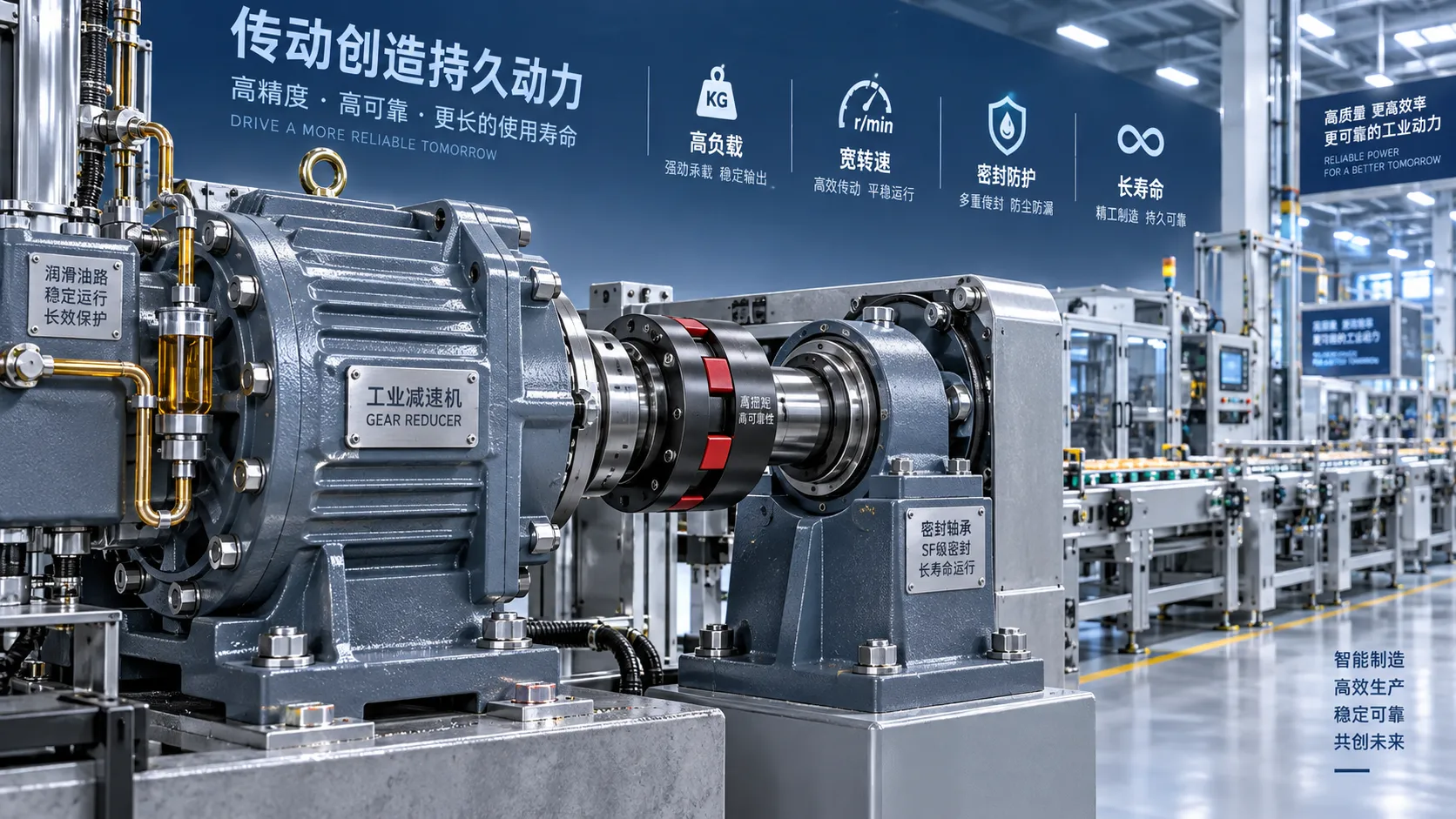
Mechanical Component Selection: Key Criteria for Load, Speed, Environment, and Service Life
Mechanical component selection made practical: evaluate load, speed, environment, lubrication, and service life to improve reliability, reduce downtime, and control lifecycle costs.
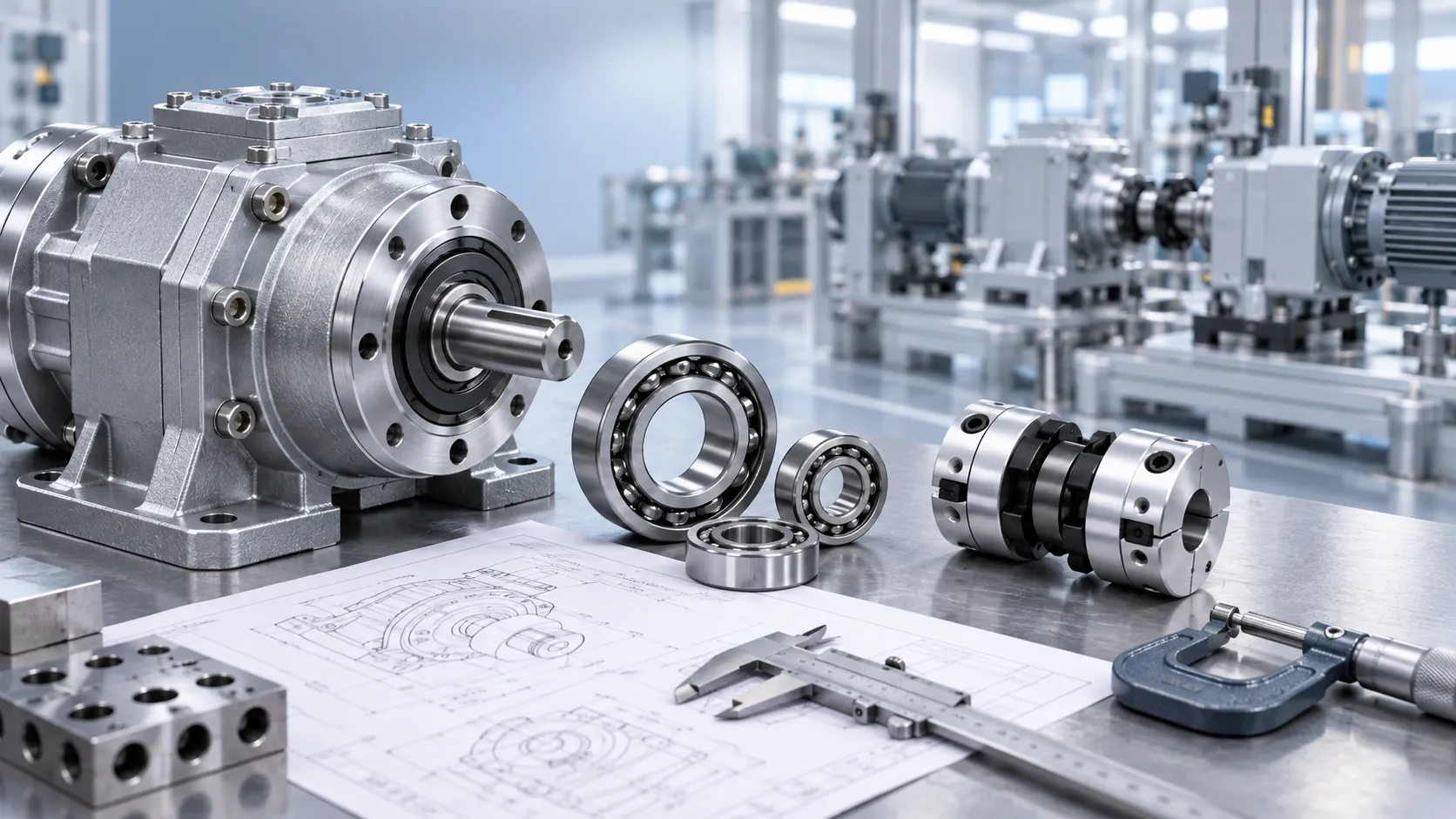
What to Request in Component Specification Resources Before Choosing a Supplier
Industrial component specification resources supplier guide: request drawings, material data, ratings, validation, and change control to choose reliable suppliers and reduce lifecycle risk.

How to Specify Multi-Axis Motion Control for High-Precision Automated Machines
Master multi axis motion control for high-precision automation—optimize synchronization, feedback, mechanics, safety, and lifecycle reliability.
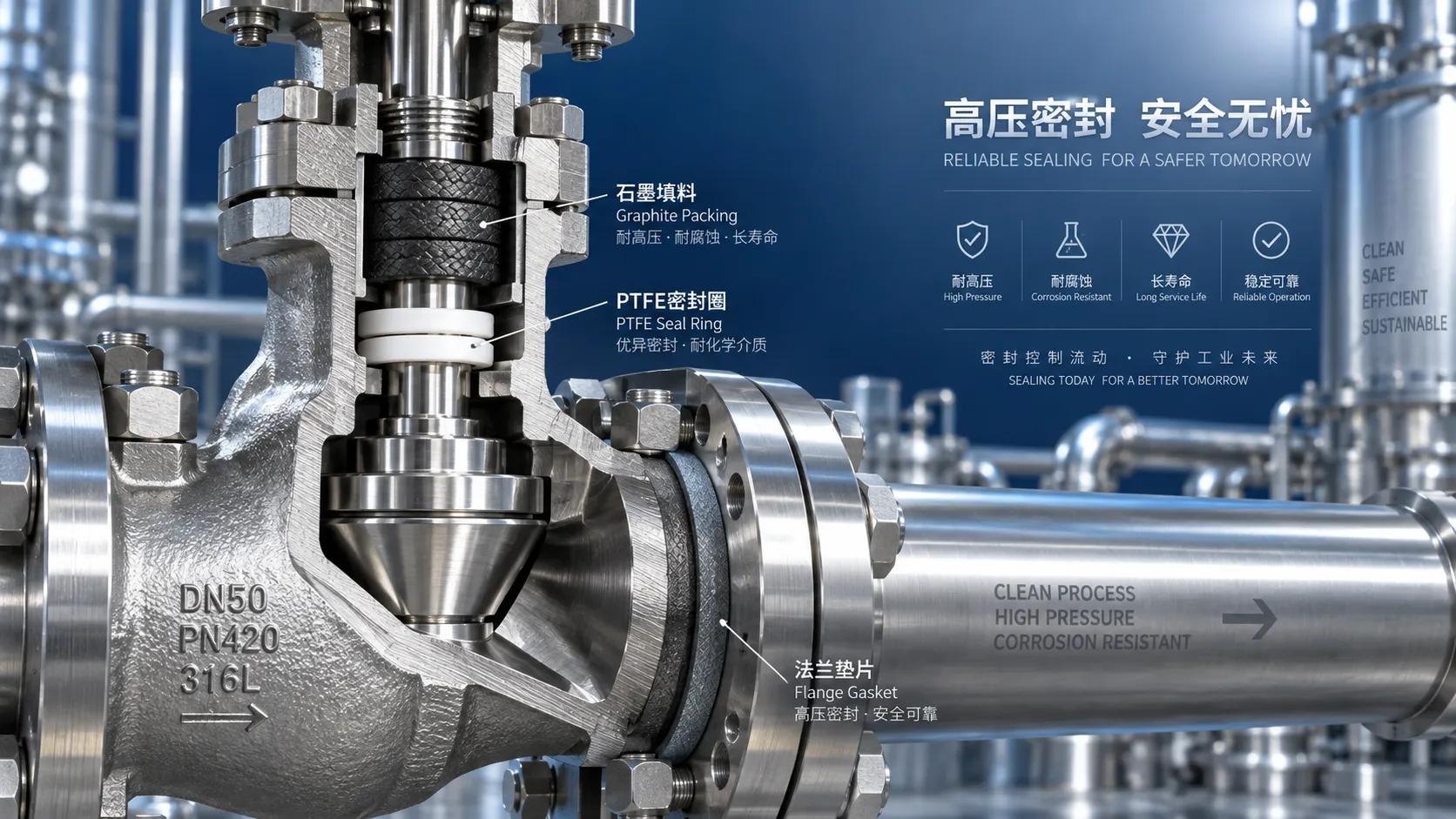
Selecting Valve Sealing Solutions for High-Pressure and Corrosive Service
Industrial sealing solutions for valves: learn how to select reliable systems for high-pressure, corrosive service, control fugitive emissions, and reduce lifecycle leakage risks.
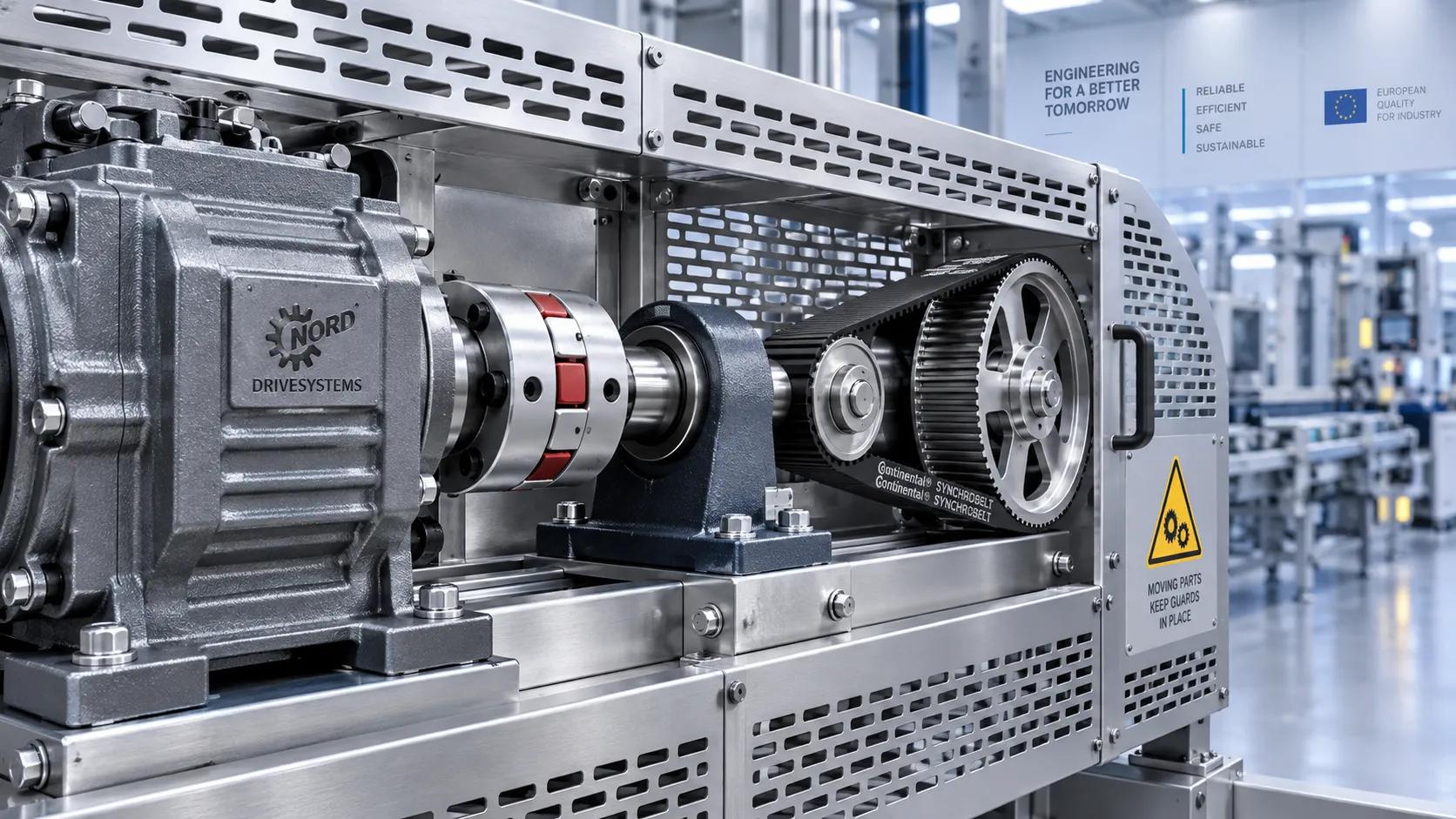
Which European Standards Matter When Specifying Industrial Power Transmission Systems?
Standardized transmission systems Europe: discover the key EN and ISO standards for safer, compliant gear units, belts, couplings, bearings, seals, and ATEX applications.
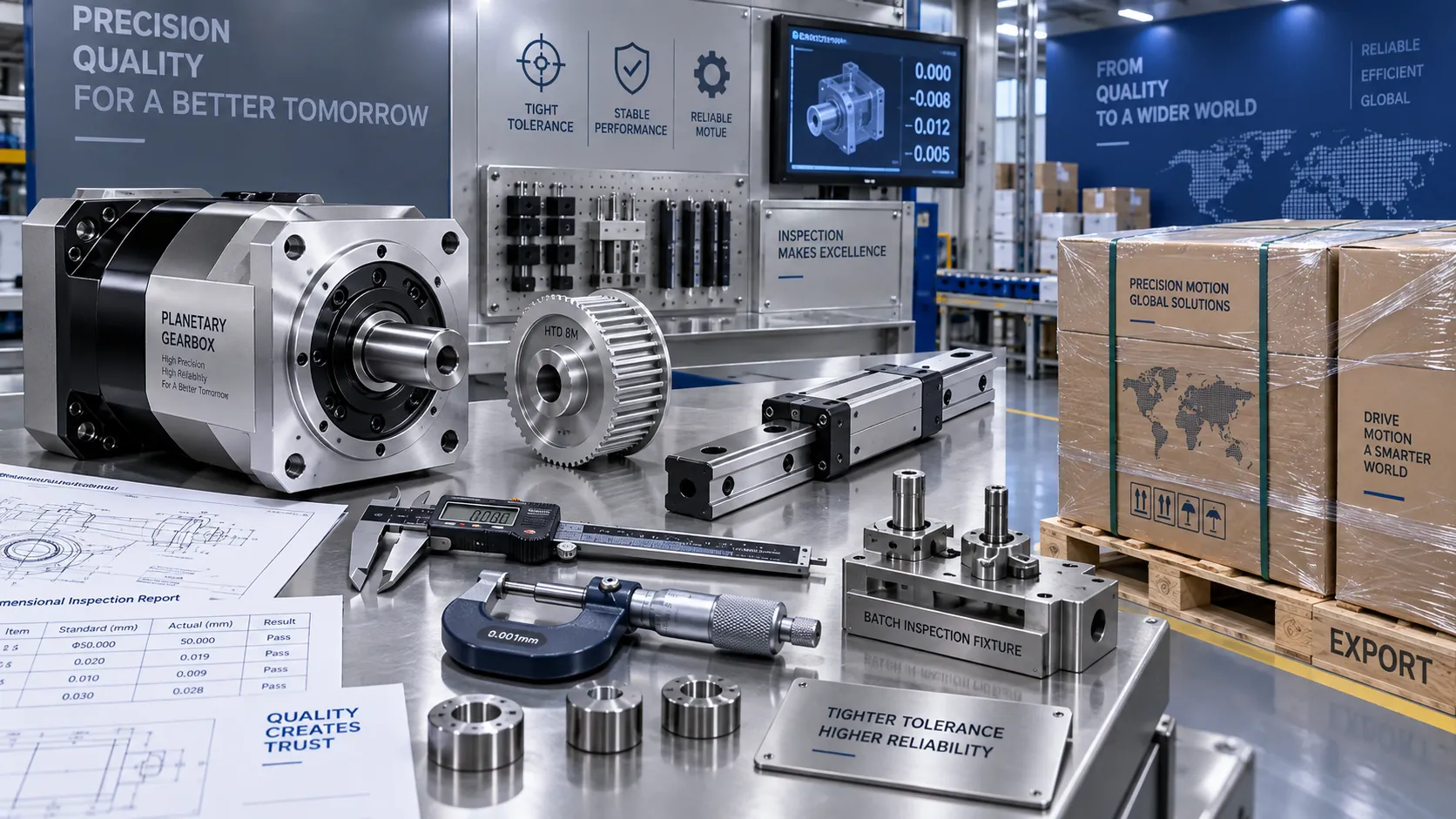
How to Vet a Motion Control Components Exporter for Global OEM Supply?
Motion control components exporter vetting guide for global OEMs: assess quality, traceability, export readiness, landed cost, and supply resilience before you buy.

High-Performance Materials in Europe: Sourcing Criteria for Critical Industrial Applications
High-performance materials Europe: learn how to source critical industrial materials using proven criteria for durability, compliance, traceability, lifecycle cost, and supply resilience.
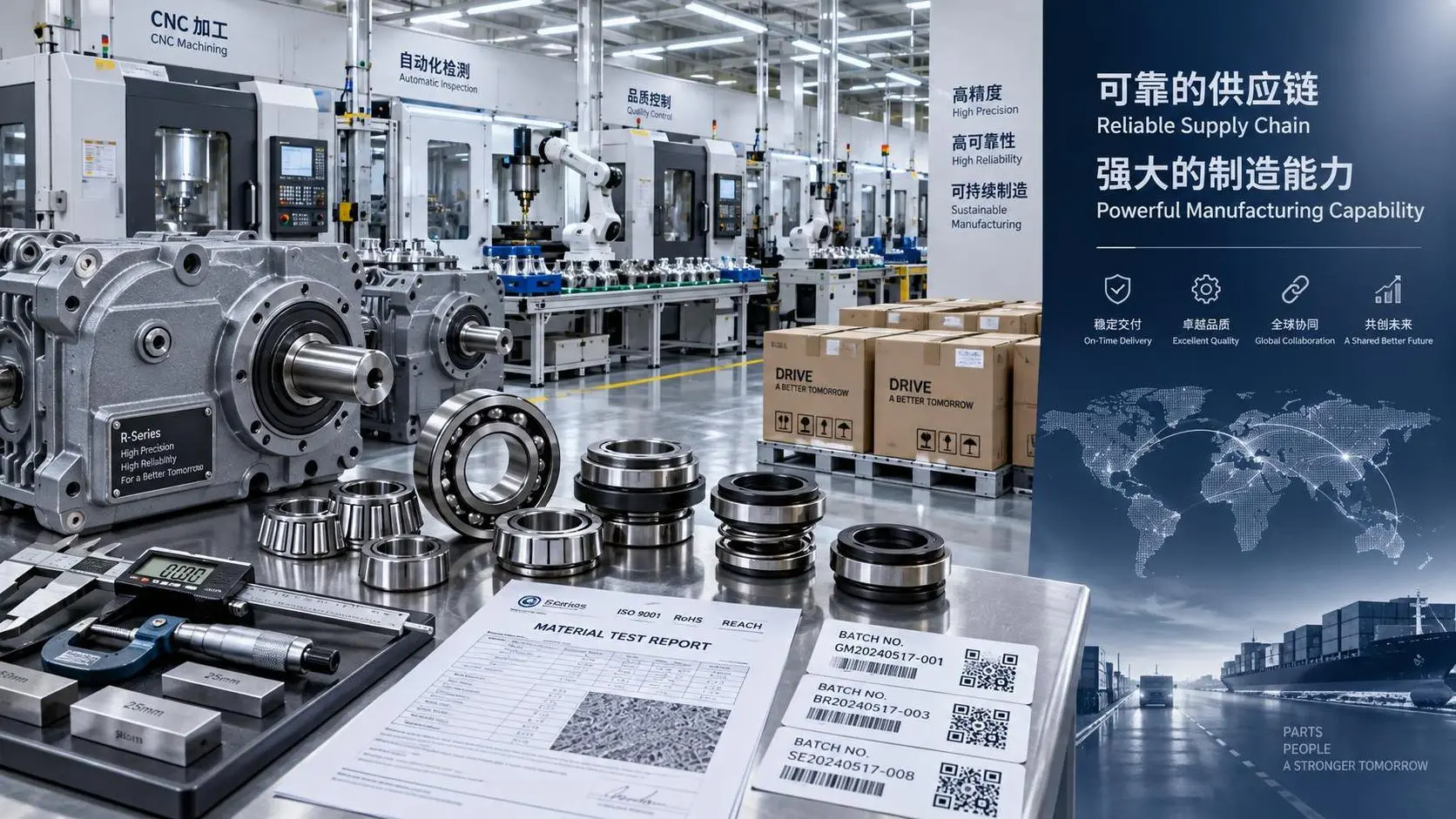
How to Assess a Global Supplier’s Capability Before Awarding a Critical Contract
Global supplier capability review: learn how to verify technical control, quality systems, global delivery resilience, compliance, and service support before awarding a critical contract.

How to Select Mechanical Linkage Components for High-Cycle Automation Equipment
Mechanical linkage technology components: learn how to select reliable rod ends, pins, and joints for high-cycle automation, reducing wear, backlash, downtime, and maintenance risk.