
Industry News
Curation by industry experts
Hot Articles
Popular Tags
Why heavy machinery belts fail sooner than expected
Why do heavy machinery belts often fail before their rated lifespan? For operators, the answer usually lies in a mix of overload, misalignment, contamination, and poor maintenance practices. Understanding how high-performance transmission belts for heavy machinery respond to real-world stress is essential to preventing costly downtime, safety risks, and unexpected replacements. This article explores the most common causes of early belt failure and what users can do to improve reliability in demanding working conditions.
Why do heavy machinery belts fail earlier than operators expect?
In mining, construction, agriculture, material handling, and industrial processing, belts rarely work under ideal lab conditions. They face dust, shock loads, fluctuating torque, heat, humidity, oil mist, and uneven startup cycles.
That is why early failure is usually not caused by a single defect. It is more often the result of cumulative stress that exceeds how the drive system was selected, installed, monitored, or maintained.
For users and machine operators, the key issue is practical: a belt may look acceptable from the outside while internal cords, tooth fabric, sidewalls, or tension stability are already degrading.
- Frequent starts and stops create repeated shock loading that accelerates fatigue in tensile members and rubber compounds.
- Poor pulley alignment causes uneven side loading, heat buildup, and edge wear long before total breakage appears.
- Contaminants such as mud, abrasive dust, oil, and moisture change friction behavior and weaken belt-pulley interaction.
- Wrong belt selection leaves no safety margin for actual torque peaks, environmental exposure, or duty cycle variation.
From the intelligence perspective of GPT-Matrix, belt reliability cannot be separated from materials, load spectrum, lubrication surroundings, sealing performance, and the economic pressure to keep machines running longer between service intervals.
The hidden gap between rated life and field life
Rated life usually assumes correct installation, stable operating temperature, proper guarding, consistent load, and clean drive geometry. Heavy machinery almost never meets all those assumptions at the same time.
This gap explains why high-performance transmission belts for heavy machinery should be evaluated by field conditions, not only by catalog values. Operators need to ask what happens during peak load, not just during normal running.
Which failure modes appear most often in heavy-duty applications?
Operators can prevent many failures if they know what the early warning signs look like. The table below summarizes common failure modes seen in high-performance transmission belts for heavy machinery across mixed industrial settings.
The operator should not wait for a complete break. Noise change, dust accumulation, unusual heat, and tension drift often appear much earlier and provide a practical maintenance window.
Why overload is more damaging than many teams realize
Heavy machinery does not fail only under continuous high load. It often fails during transient events: jammed material, cold startup, impact feeding, reversing direction, or restarting after a sudden stop.
These events create torque spikes that may exceed nominal values by a wide margin. Even when the belt survives each event, repeated peak stress shortens fatigue life significantly.
How contamination accelerates wear
Dust acts like grinding media. Oil softens or swells some elastomer systems. Water changes grip and can carry abrasive particles into the contact zone. In open or semi-protected drives, contamination is rarely a minor issue.
For that reason, belt life is closely linked to guarding quality, adjacent seal condition, and routine cleaning discipline. GPT-Matrix regularly highlights this connection between power transmission and sealing reliability in harsh-duty systems.
How do operating conditions affect high-performance transmission belts for heavy machinery?
Not every heavy-duty site stresses belts in the same way. A quarry conveyor, a combine harvester, and a wood-processing line may all use high-performance transmission belts for heavy machinery, yet the dominant failure driver will differ.
- Construction equipment often sees irregular loading, stop-start duty, and airborne grit.
- Agricultural machinery often faces mud, plant residue, moisture, and seasonal storage damage.
- Mining and aggregate systems often struggle with dust ingress, long duty hours, and shock-fed loads.
- General manufacturing lines often experience alignment drift, heat concentration, and speed control variation.
The next table helps operators compare how different environments influence inspection priorities, not just replacement timing.
This comparison matters because the best maintenance interval for one machine may be too long or too short for another. Condition-based decisions are more reliable than calendar-only replacement habits.
What should users check before blaming belt quality?
Operators understandably suspect product quality first when a belt fails early. Yet in many field investigations, the surrounding drive conditions reveal the real cause. A disciplined checklist prevents misjudgment.
Installation and drive geometry checks
- Verify pulley alignment with appropriate tools rather than visual estimation alone.
- Confirm pulley groove or tooth profile matches the selected belt type and pitch.
- Inspect for worn pulley surfaces, burrs, rust, or embedded debris that can cut belt material.
- Check shaft movement, bearing play, and base rigidity, because drive instability often appears as belt damage first.
Tension and load checks
Too little tension causes slip, heat, and wear. Too much tension overloads bearings, shafts, and belt tensile members. Both conditions shorten life, though in different ways.
If the machine frequently restarts under load or jams during operation, the drive may need a higher service factor, a different belt construction, or changes in startup control strategy.
Environmental checks
- Look for oil leakage from nearby gearboxes, hydraulic lines, or seals.
- Measure temperature near the drive, especially in enclosed guards or near engines.
- Review whether washdown, mud splash, or dust clouds are reaching the belt path.
These checks are especially important when using high-performance transmission belts for heavy machinery, because advanced materials can still fail prematurely if the operating envelope is mismanaged.
How should operators choose the right belt for a heavy-duty machine?
Selection should start with duty conditions, not only part number replacement. Many premature failures happen because the new belt copied the old specification even though the machine load, speed, or environment had changed.
The table below provides a practical procurement view for users evaluating high-performance transmission belts for heavy machinery or discussing options with maintenance and sourcing teams.
A belt is not only a replacement part. It is part of a system decision involving duty cycle, pulley condition, maintenance capacity, and total downtime cost.
Useful selection questions for operators and buyers
- Does the machine run with frequent overloads that were never included in the original selection?
- Is the current belt failing by wear, slip, cracking, or tooth damage? Each points to a different corrective action.
- Would a higher-grade construction reduce replacement frequency enough to justify a higher purchase cost?
- Are adjacent sealing and guarding issues exposing the belt to avoidable contamination?
How can maintenance practices extend service life in real conditions?
The most effective maintenance programs are simple, repeatable, and tied to operating risk. Operators do not need a complex protocol to catch most early-stage belt problems.
A practical inspection routine
- Before startup, check for visible contamination, guard damage, or loose debris in the drive area.
- During operation, listen for squeal, chatter, or periodic noise that suggests slip or tooth engagement problems.
- After shutdown, inspect heat marks, dust buildup, edge wear, and abnormal pulley contact patterns.
- Record replacement timing and failure pattern so the next selection decision is based on evidence, not memory.
Why documentation matters
If a site repeatedly changes belts without logging load condition, ambient exposure, and failure mode, it loses the chance to identify the real driver. Downtime then becomes a recurring cost instead of a solvable pattern.
GPT-Matrix emphasizes this evidence-based approach because component reliability is increasingly shaped by broader industrial factors such as raw material shifts, efficiency targets, and maintenance labor constraints.
Which standards and compliance points are worth attention?
Operators do not always buy belts directly, but they are often affected by compliance requirements. In industrial settings, selection should align with applicable equipment standards, safety guarding practices, and manufacturer instructions.
- Use dimensional and profile compatibility consistent with the machine design and relevant belt standards.
- Follow lockout and guard reinstallation procedures during inspection and replacement.
- Where the environment is sensitive, confirm whether static conductivity, temperature resistance, or chemical compatibility is required.
Compliance is not just paperwork. A mismatch between application requirements and belt properties can directly reduce safety margin and useful life.
FAQ: what do users most often ask about early belt failure?
How do I know whether the problem is the belt or the machine?
Start with the failure pattern. Uniform wear may suggest normal aging. Edge damage points to alignment. Glazing suggests slip or contamination. Repeated tooth damage often indicates overload, pulley mismatch, or debris entry.
Are high-performance transmission belts for heavy machinery always worth the higher cost?
Not in every case. They make the most sense when downtime is expensive, access is difficult, contamination is severe, or torque peaks are frequent. The right comparison is total operating cost, not unit price alone.
Can I replace only the belt without checking pulleys and bearings?
That is risky. A new belt installed on worn pulleys or unstable shafts often fails again early. If the old belt shows abnormal wear, the surrounding drive should be inspected before restart.
What is the most common operator mistake?
Waiting for visible breakage. Many serious failures announce themselves first through heat, noise, dust, vibration, or tracking change. Early response is cheaper than emergency replacement.
Why choose us when evaluating belt reliability and replacement decisions?
GPT-Matrix supports users, distributors, and industrial decision-makers with focused intelligence on power transmission, motion control, and sealing performance. That matters when belt failure is linked not only to the part itself, but also to materials, operating stress, contamination pathways, and system efficiency.
If you are reviewing high-performance transmission belts for heavy machinery, you can consult us on practical topics that affect uptime and procurement confidence.
- Parameter confirmation for load profile, speed, environmental exposure, and maintenance interval assumptions.
- Selection support for heavy-duty belt types, material priorities, and application-fit comparison.
- Discussion of delivery timing, spare planning, and replacement strategy for critical equipment.
- Review of contamination risks, adjacent sealing issues, and operating practices that shorten belt life.
- Quotation communication and solution screening based on actual field conditions rather than generic catalog assumptions.
When operators understand why belts fail sooner than expected, they move from reactive replacement to controlled reliability. That shift lowers downtime, improves safety, and makes every transmission component work closer to its intended value.
Recommended News

What Drives Smart Device Component Unit Costs in High-Volume Production?
Smart device components unit cost explained: uncover how volume, materials, tooling, yield, automation, quality, and logistics shape profitable sourcing decisions.

How to Evaluate a Power Transmission Components Supplier for Uptime and Lead-Time Risk
Choose a power transmission components supplier with confidence. Learn how to assess stock visibility, technical fit, quality traceability, and lead-time resilience to protect uptime.
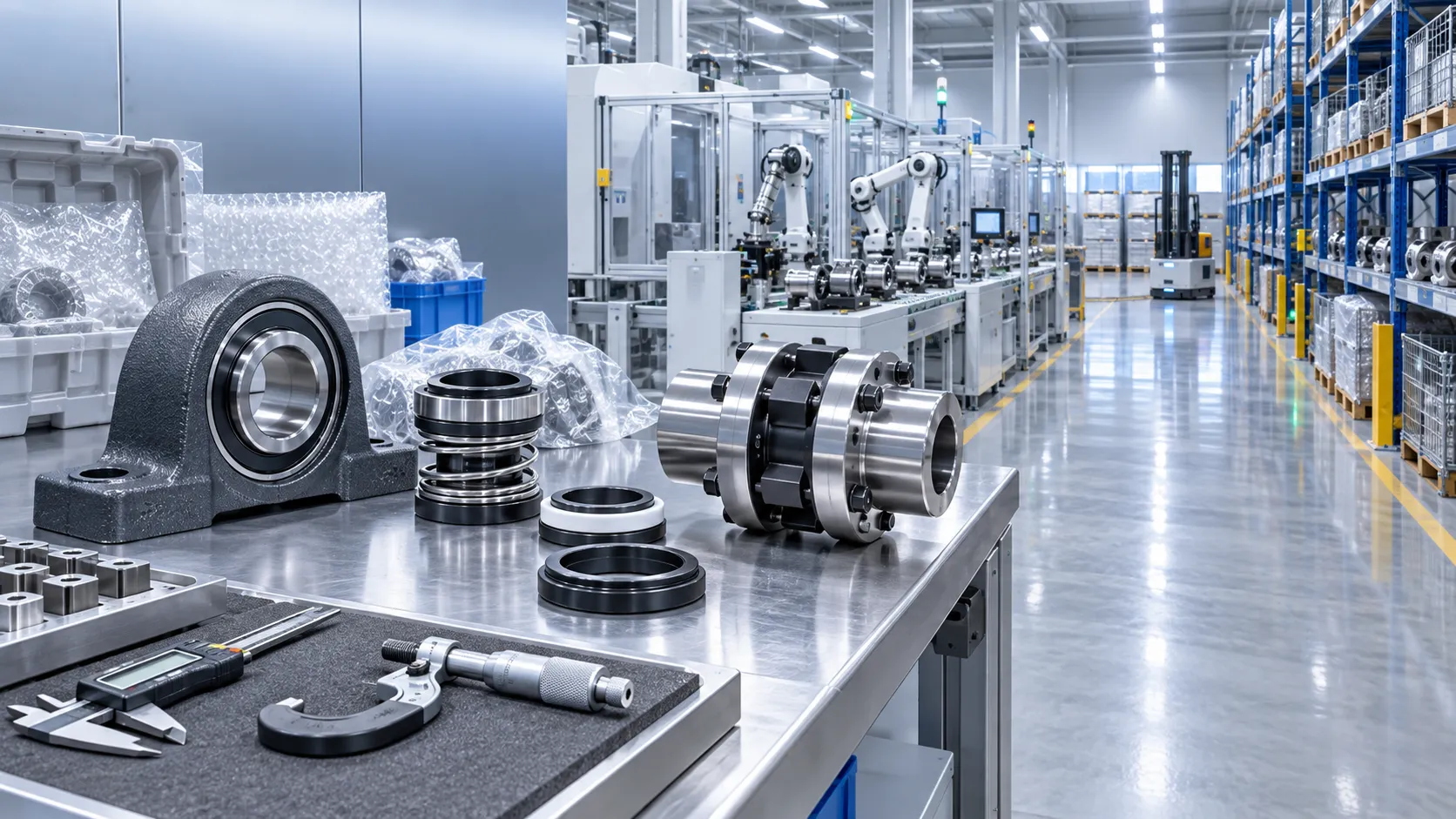
How to Qualify an Industrial Component Supplier for Critical Production Parts
Industrial component supplier qualification guide: reduce downtime risk, verify quality, traceability, change control, and total cost for critical production parts.

How to Evaluate an Extreme-Condition System Supplier for High-Risk Operations
Extreme condition system supplier evaluation guide: compare engineering evidence, material control, testing, and lifecycle support to reduce high-risk operational failures.

Motion Control Reference Projects: How to Adapt Proven Solutions to Your Machine
Industrial solution references motion control guide: learn how to adapt proven servo architectures, validate machine-specific risks, and accelerate reliable commissioning.

How to Evaluate an Industrial Motion Control Solutions Supplier for Automation Projects
Evaluate an industrial motion control solutions supplier with confidence. Compare sizing, integration, quality, support, and lifecycle value for reliable automation projects.

Key Semiconductor Industry Components and Their Roles in Chip Manufacturing
Semiconductor industry components explained: explore wafers, lithography, deposition, etching, packaging, and the critical roles that drive chip quality and yield.
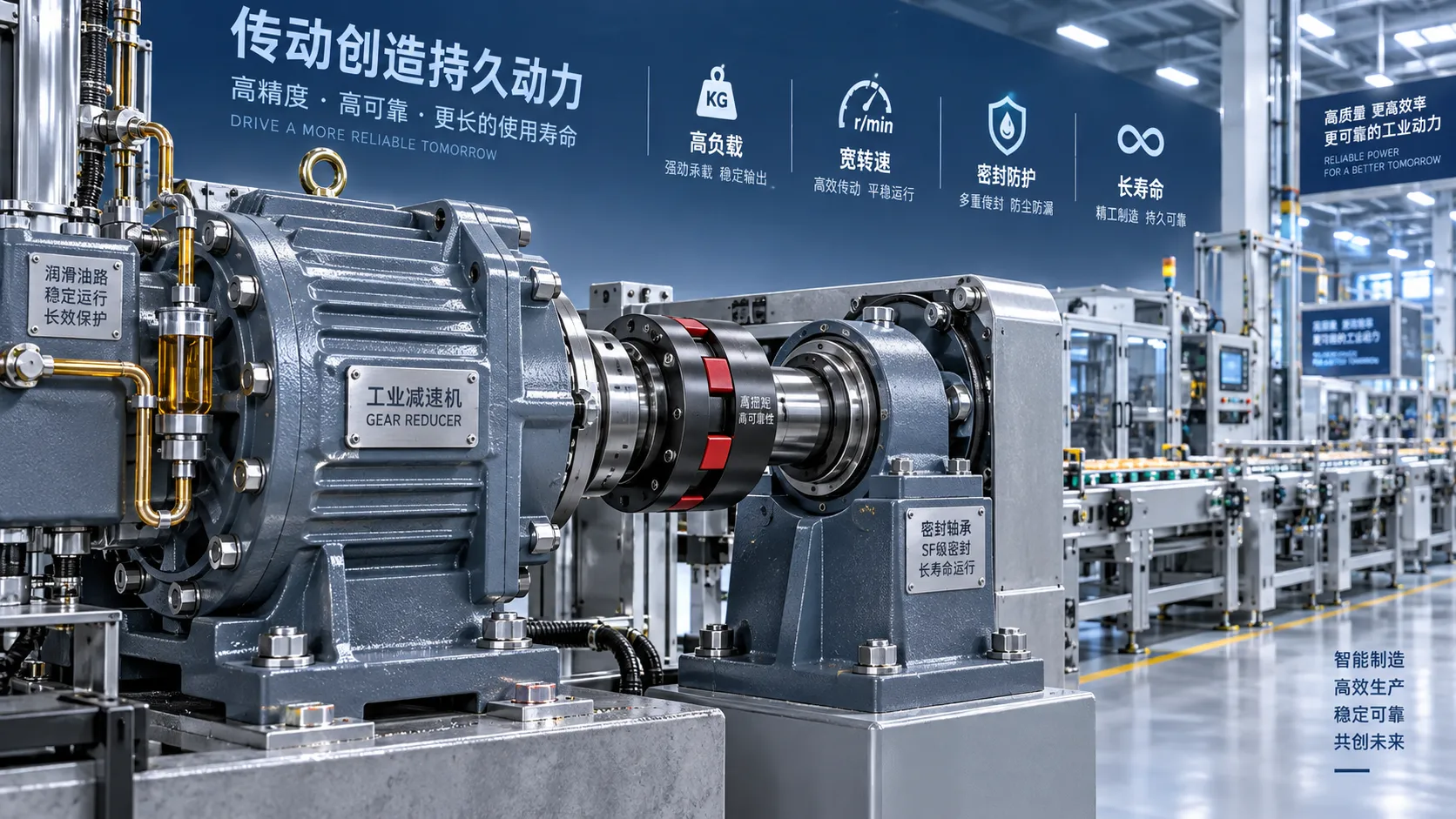
Mechanical Component Selection: Key Criteria for Load, Speed, Environment, and Service Life
Mechanical component selection made practical: evaluate load, speed, environment, lubrication, and service life to improve reliability, reduce downtime, and control lifecycle costs.
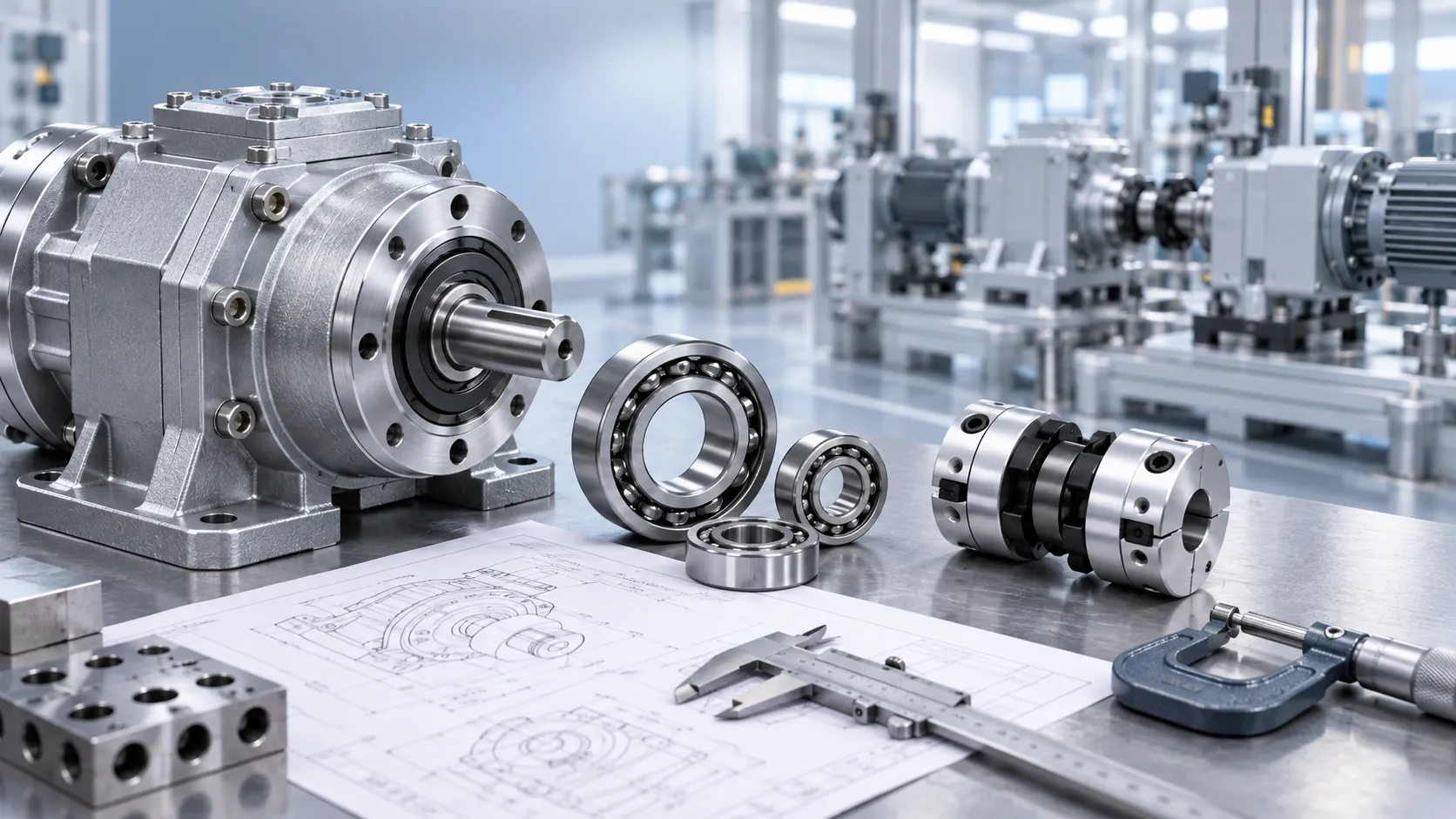
What to Request in Component Specification Resources Before Choosing a Supplier
Industrial component specification resources supplier guide: request drawings, material data, ratings, validation, and change control to choose reliable suppliers and reduce lifecycle risk.