
Industry News
Curation by industry experts
Hot Articles
Popular Tags
What is changing in mechanical seals technology this year
This year, mechanical seals technology advancements are reshaping how industrial systems manage leakage, uptime, and energy use. The change is no longer limited to better face materials.
Across pumps, compressors, mixers, and rotating equipment, new sealing expectations now depend on digital diagnostics, stronger material pairing, and better adaptation to harsh duty cycles.
For a cross-industry intelligence platform like GPT-Matrix, these shifts matter because they connect component science with wider decisions on maintenance planning, asset reliability, and operating cost control.
Why mechanical seals technology advancements now vary by operating scenario
Not every plant sees the same value from current mechanical seals technology advancements. The biggest gains depend on pressure, temperature, fluid chemistry, shaft speed, and maintenance access.
A refinery seal faces different stress than a food processing mixer seal. A water treatment pump values efficiency and service life differently than a mining slurry system.
That is why this year’s changes should be judged by application context, not by catalog claims alone. The same upgrade may be essential in one setting and marginal in another.
What is driving the shift
- Higher expectations for leak prevention and environmental compliance
- Longer runtime targets between shutdowns
- Growing use of aggressive media and variable-speed equipment
- Demand for predictive maintenance through condition monitoring
- Pressure to reduce energy loss from friction and poor alignment
In high-temperature and chemically aggressive systems, materials are changing first
One major area of mechanical seals technology advancements is material engineering. This year, more focus is going to face combinations that resist thermal shock, corrosion, and dry running damage.
Silicon carbide remains important, but newer processing quality, tighter finish control, and better composite support structures are improving consistency under unstable conditions.
Secondary sealing elements are also evolving. Advanced elastomers and engineered polymers are being selected with more precision for fluid compatibility and temperature cycling.
Core judgment points for this scenario
- How often does the seal face sudden temperature change?
- Does the media contain corrosive additives or solvents?
- Can the process tolerate short dry-running events?
- Is chemical compatibility verified for all secondary materials?
In these environments, mechanical seals technology advancements deliver value when they reduce unplanned failure modes, not simply when they promise higher theoretical performance.
In water, utilities, and continuous pumping, energy efficiency is becoming a stronger selection factor
For utility-scale pumps and general process lines, this year’s mechanical seals technology advancements are increasingly tied to lifecycle efficiency. Friction, heat generation, and flush demand now receive closer attention.
Better face geometry and more stable lubrication films are helping reduce wear while supporting lower operating losses. This matters in systems that run almost continuously.
Seal support systems are also being optimized. Smarter flush control can reduce unnecessary fluid consumption and improve thermal balance around the seal chamber.
Where these upgrades matter most
Water treatment, district energy, HVAC infrastructure, general industrial pumping, and process transfer lines all benefit when modest efficiency gains scale across long operating hours.
In such cases, mechanical seals technology advancements should be evaluated together with pump efficiency, alignment quality, vibration behavior, and system cleanliness.
In remote or critical assets, digital monitoring is changing seal management
The most visible mechanical seals technology advancements this year involve condition monitoring. Seals are increasingly linked to sensors that track temperature, vibration, pressure, and leakage indicators.
This is especially important where access is difficult or downtime is expensive. Operators want early warning, not post-failure diagnosis.
Digital integration does not make every seal smart by default. The real improvement comes from interpreting seal behavior alongside equipment load, fluid changes, and maintenance history.
Practical signals worth tracking
- Gradual temperature rise at stable load
- Abnormal vibration near the seal chamber
- Pressure fluctuation affecting seal face stability
- Leakage pattern changes during start-stop cycles
For critical rotating equipment, mechanical seals technology advancements now support predictive maintenance strategies rather than simple replacement schedules.
In abrasive, slurry, and unstable-duty applications, reliability design is becoming more application-specific
Another key change is stronger application tailoring. Mechanical seals technology advancements are moving away from one-size-fits-all selection in abrasive and contaminated services.
Seal chamber design, spring protection, face loading, and flush arrangements are now being adjusted more carefully for solids content and transient process behavior.
In mining, pulp processing, wastewater, and heavy-duty mixing, reliability depends as much on system integration as on the seal itself.
Typical decision checks
- Confirm solids concentration and particle hardness.
- Review startup, shutdown, and cavitation events.
- Check whether flush plans match actual contamination risk.
- Assess shaft movement, misalignment, and seal chamber space.
How different industrial scenarios now require different seal priorities
What to prioritize when matching mechanical seals technology advancements to real conditions
- Start with failure history, not product brochures.
- Map seal problems to process conditions across full duty cycles.
- Verify compatibility of face, elastomer, and metal components together.
- Use monitoring where access, downtime, or risk justifies it.
- Review support systems, flush plans, and chamber geometry early.
- Measure lifecycle cost instead of focusing only on purchase price.
These actions help convert mechanical seals technology advancements into measurable reliability gains. Without this fit, even advanced designs may underperform in service.
Common misjudgments when reviewing this year’s seal changes
A common mistake is assuming that smarter seals solve poor system conditions. Monitoring can reveal issues, but it cannot correct misalignment, cavitation, or dirty flush media.
Another error is overvaluing premium materials without understanding actual failure causes. Mechanical seals technology advancements work best when matched to dominant stress mechanisms.
It is also easy to ignore startup and shutdown behavior. Many seal failures happen during transients, not during steady operation.
Finally, some evaluations isolate the seal from the broader power transmission system. Yet coupling behavior, bearing condition, shaft movement, and thermal balance often determine final results.
A practical next step for tracking mechanical seals technology advancements
The best next step is to classify equipment by operating scenario, failure risk, and maintenance burden. Then compare which mechanical seals technology advancements fit each group.
Use recent operating data, seal replacement records, and fluid conditions to build a simple decision matrix. That creates a stronger basis for upgrade timing and technology selection.
As GPT-Matrix continues tracking materials, tribology, digital integration, and reliability trends, these scenario-based signals will remain essential for understanding where mechanical seals are changing fastest.
This year, the real story is clear: mechanical seals technology advancements are becoming smarter, more specific, and more connected to system-level performance than ever before.
Recommended News
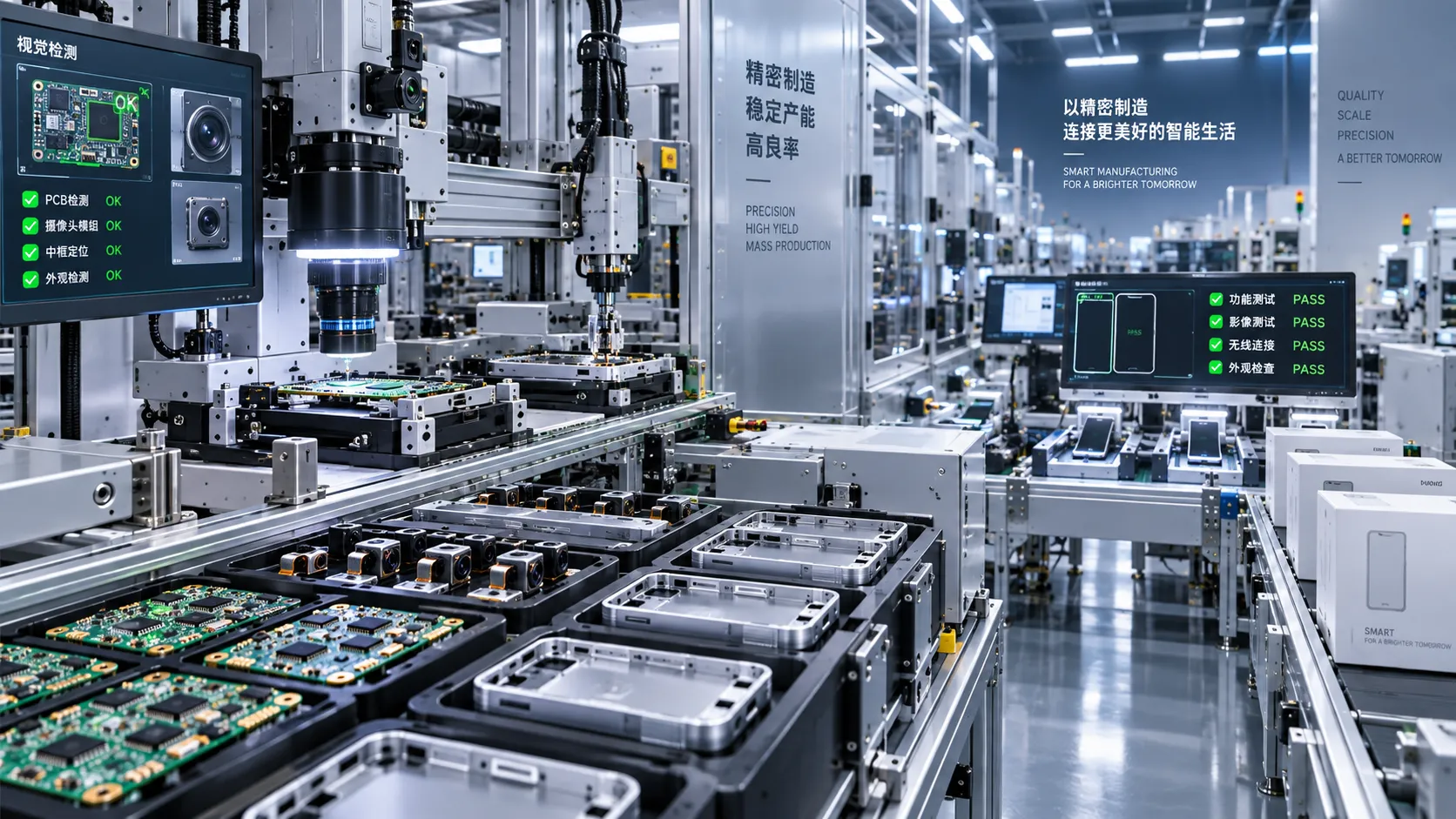
What Drives Smart Device Component Unit Costs in High-Volume Production?
Smart device components unit cost explained: uncover how volume, materials, tooling, yield, automation, quality, and logistics shape profitable sourcing decisions.
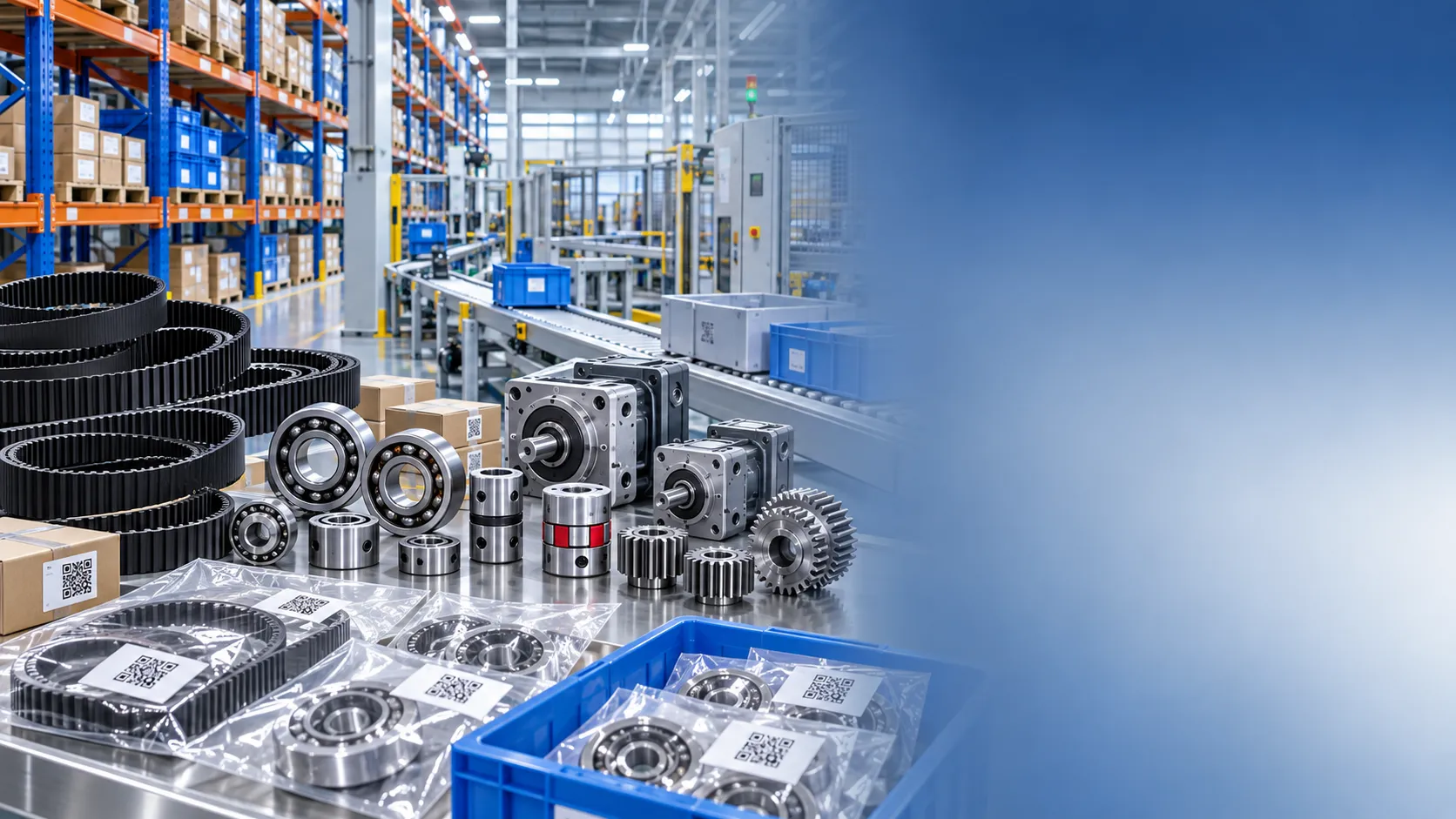
How to Evaluate a Power Transmission Components Supplier for Uptime and Lead-Time Risk
Choose a power transmission components supplier with confidence. Learn how to assess stock visibility, technical fit, quality traceability, and lead-time resilience to protect uptime.
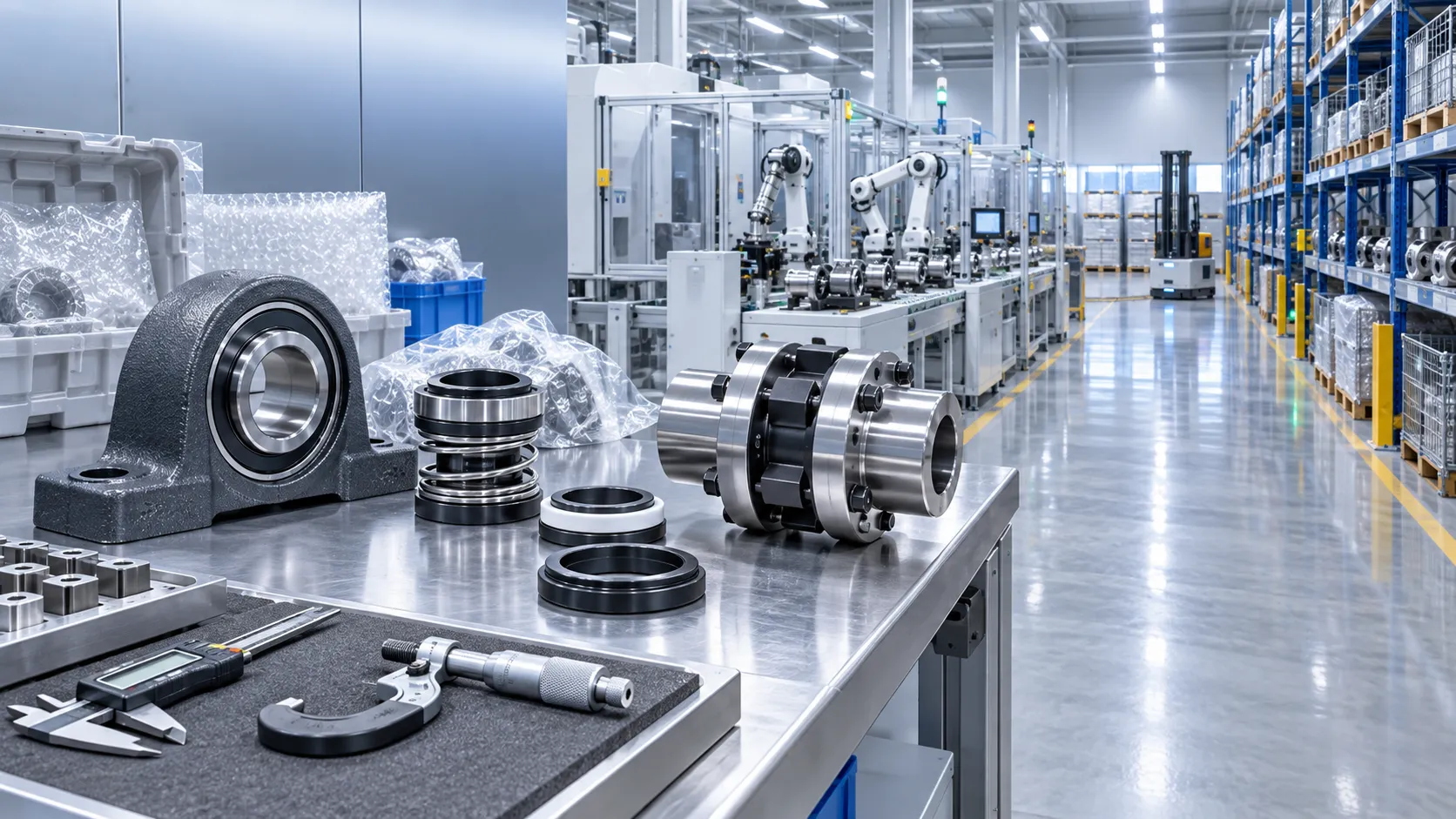
How to Qualify an Industrial Component Supplier for Critical Production Parts
Industrial component supplier qualification guide: reduce downtime risk, verify quality, traceability, change control, and total cost for critical production parts.
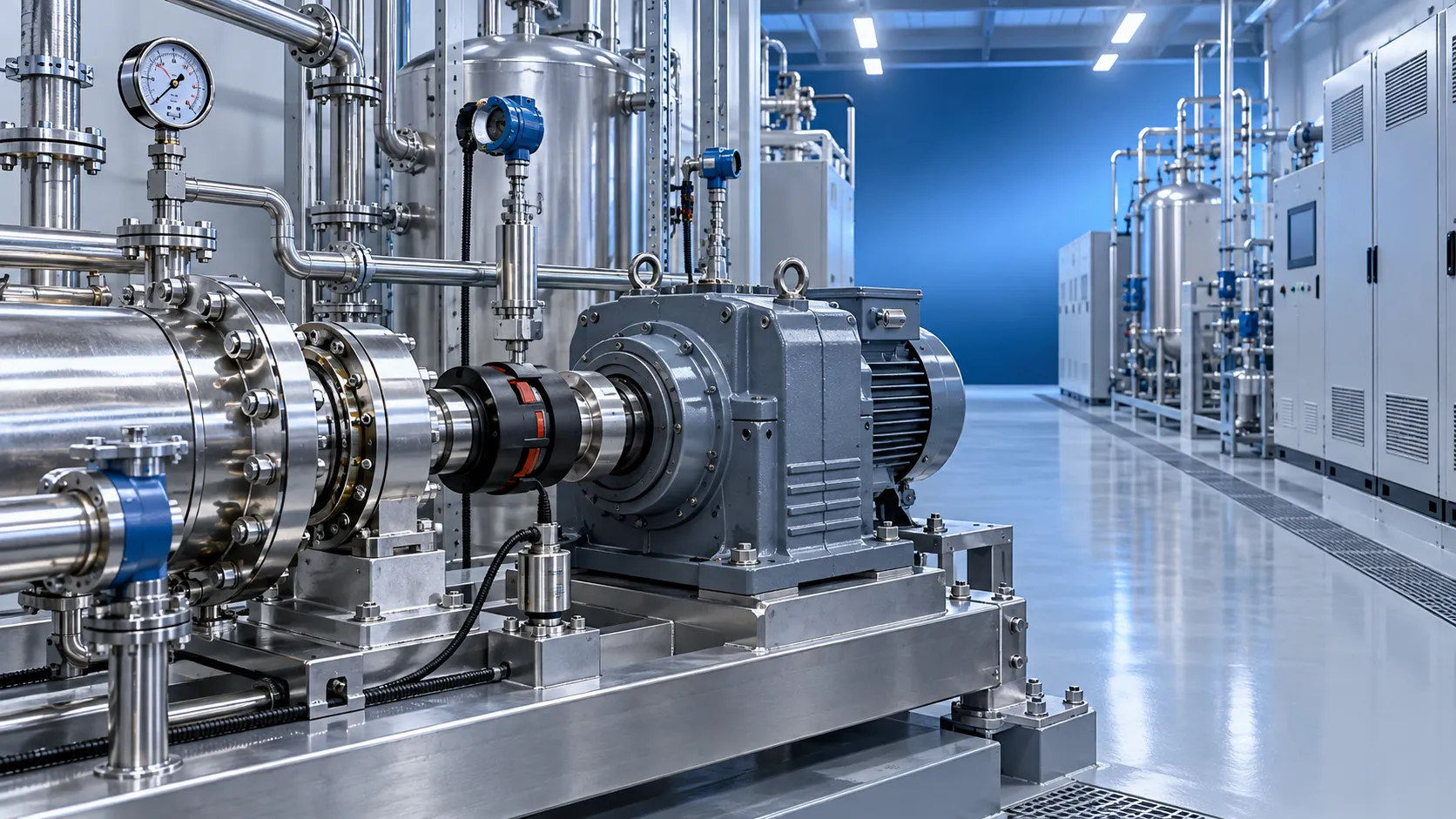
How to Evaluate an Extreme-Condition System Supplier for High-Risk Operations
Extreme condition system supplier evaluation guide: compare engineering evidence, material control, testing, and lifecycle support to reduce high-risk operational failures.
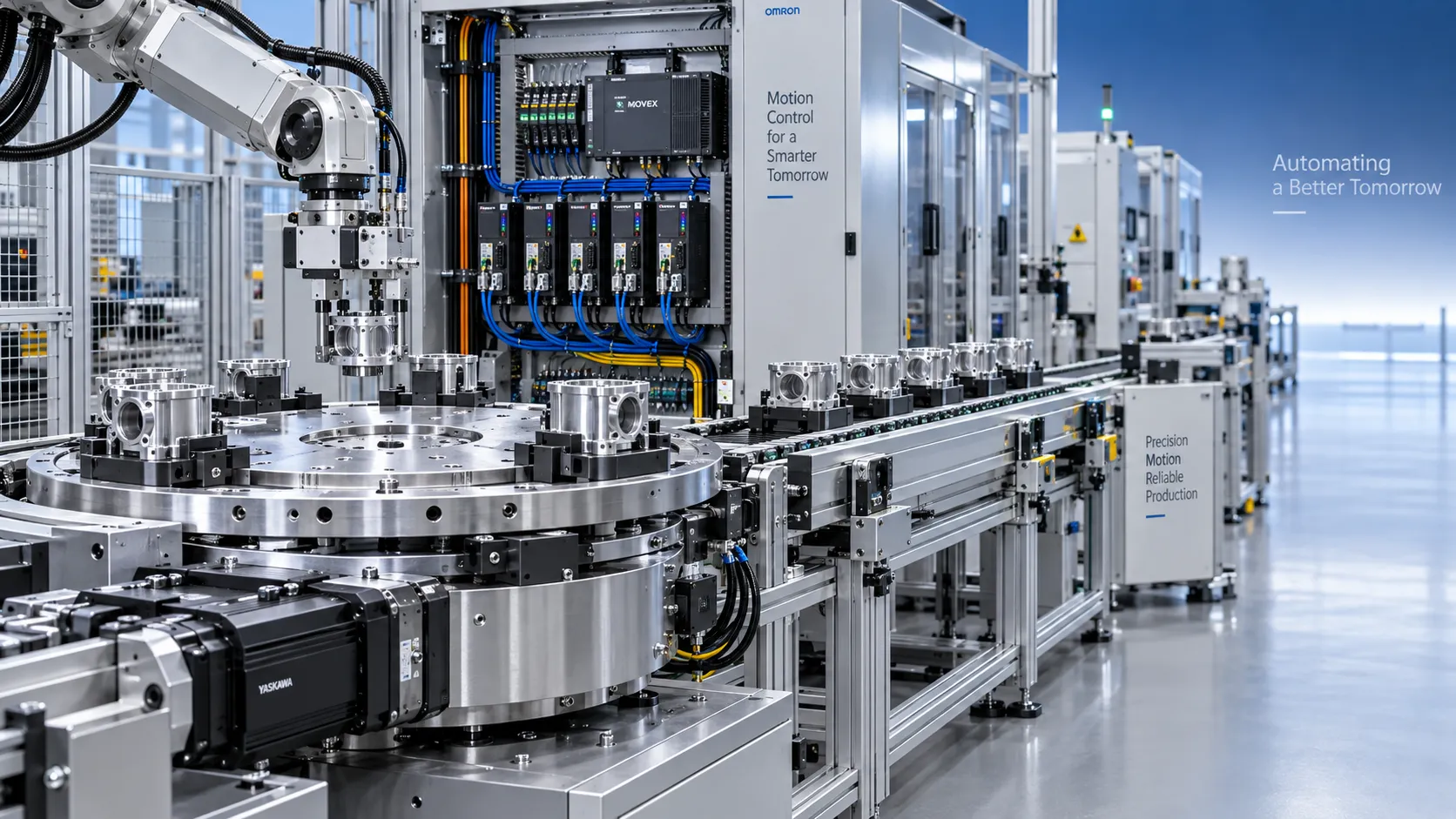
Motion Control Reference Projects: How to Adapt Proven Solutions to Your Machine
Industrial solution references motion control guide: learn how to adapt proven servo architectures, validate machine-specific risks, and accelerate reliable commissioning.
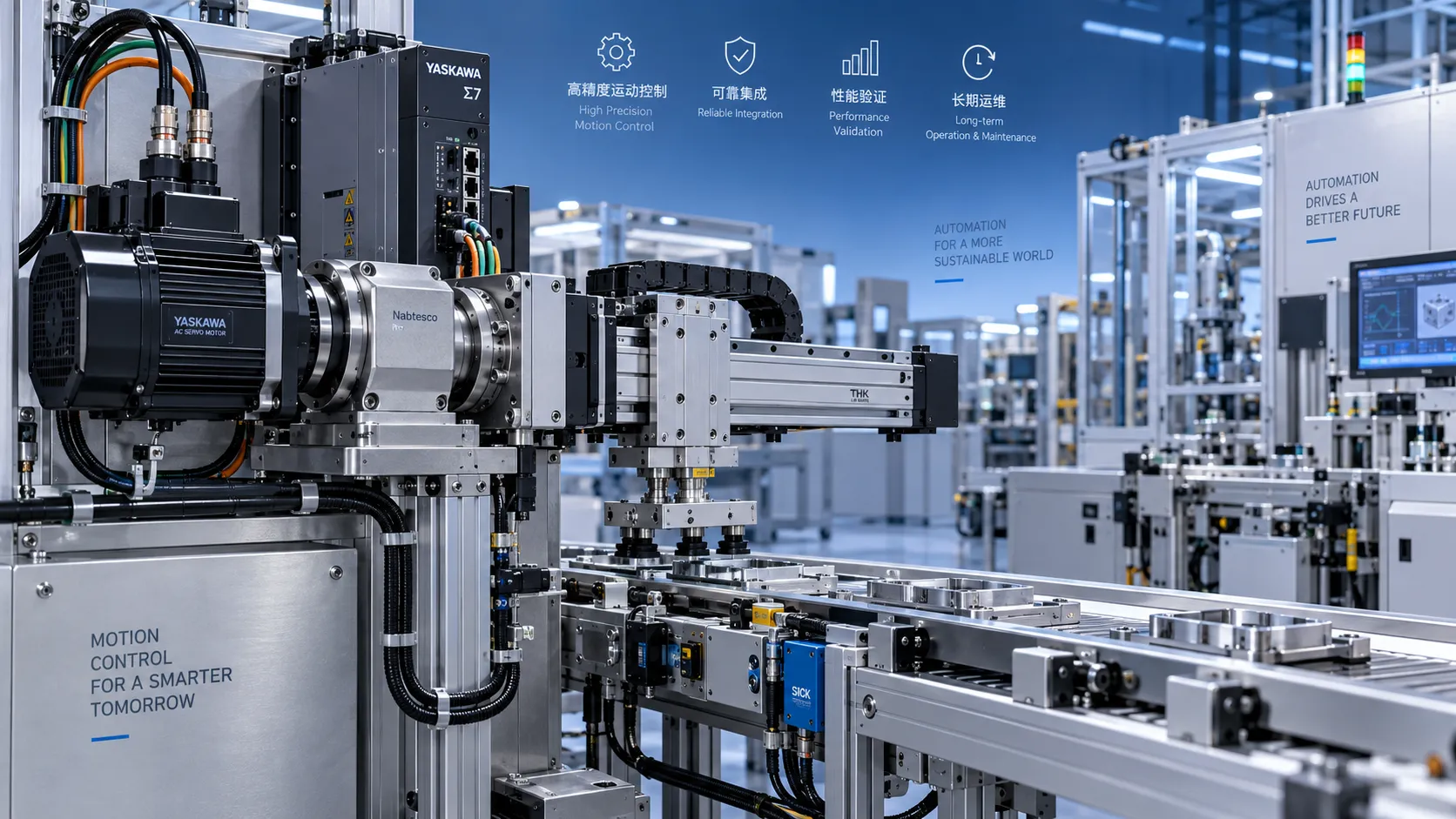
How to Evaluate an Industrial Motion Control Solutions Supplier for Automation Projects
Evaluate an industrial motion control solutions supplier with confidence. Compare sizing, integration, quality, support, and lifecycle value for reliable automation projects.
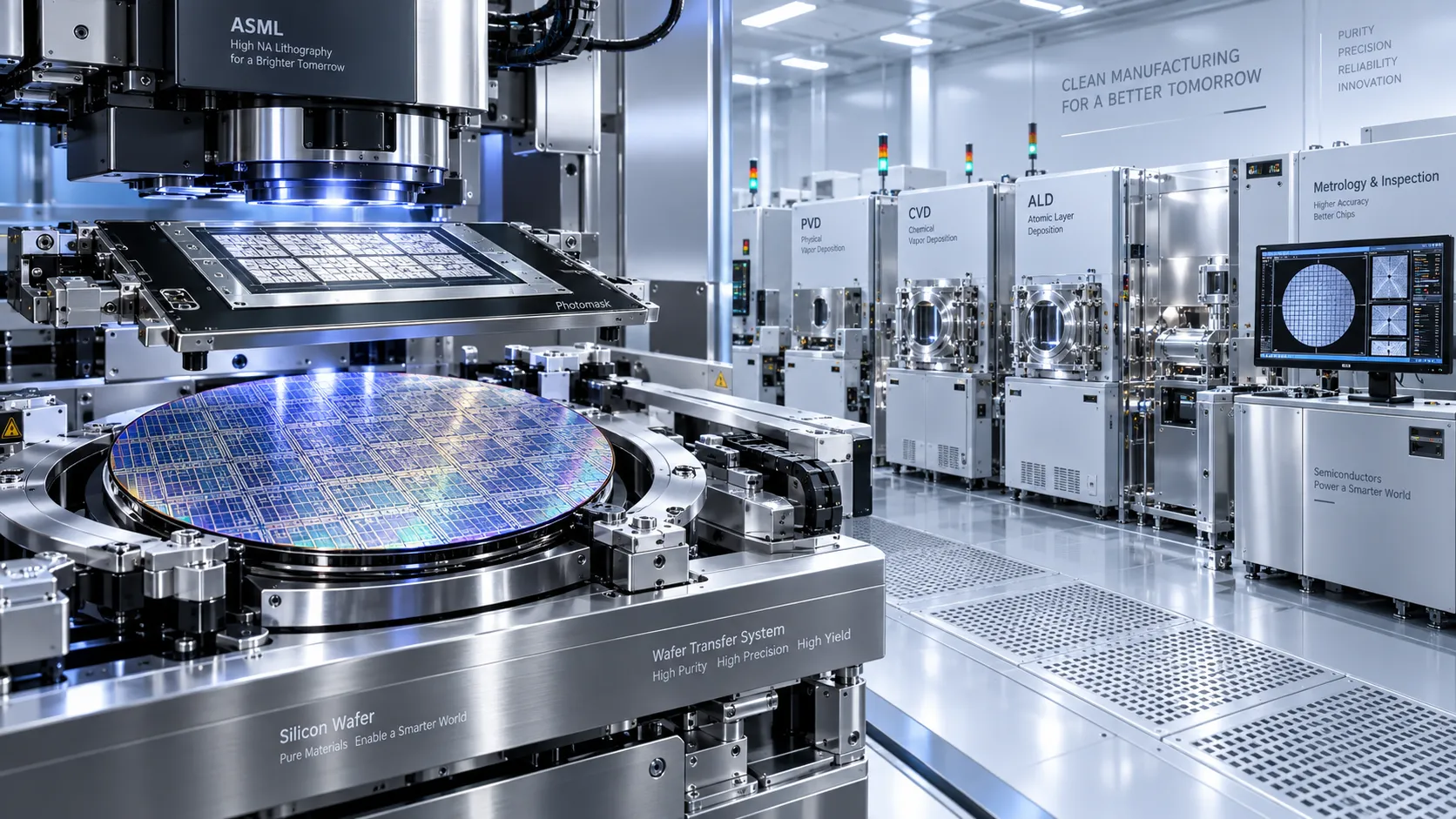
Key Semiconductor Industry Components and Their Roles in Chip Manufacturing
Semiconductor industry components explained: explore wafers, lithography, deposition, etching, packaging, and the critical roles that drive chip quality and yield.
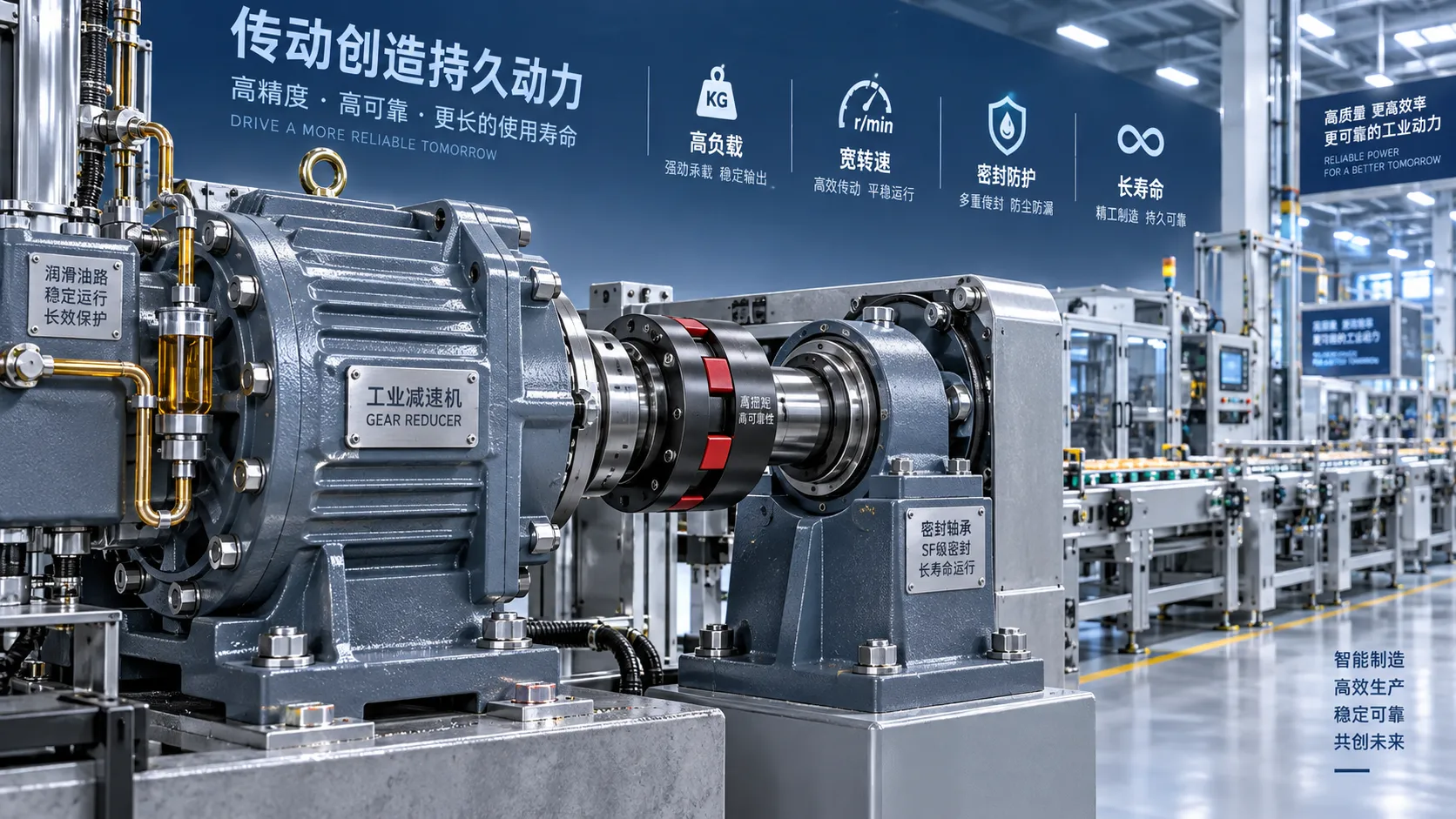
Mechanical Component Selection: Key Criteria for Load, Speed, Environment, and Service Life
Mechanical component selection made practical: evaluate load, speed, environment, lubrication, and service life to improve reliability, reduce downtime, and control lifecycle costs.
What to Request in Component Specification Resources Before Choosing a Supplier
Industrial component specification resources supplier guide: request drawings, material data, ratings, validation, and change control to choose reliable suppliers and reduce lifecycle risk.