
Industry News
Curation by industry experts
Hot Articles
Popular Tags
What aerospace components demand beyond standard tolerance
In aerospace manufacturing, standard tolerance is rarely enough when safety, traceability, and failure prevention are on the line. Selecting mechanical components for aerospace applications requires deeper review of material behavior, fatigue life, sealing performance, contamination control, and extreme-environment reliability. Dimensional accuracy matters, but it is only the starting point when systems must survive vibration, pressure cycling, thermal shock, and strict certification demands.
Why do mechanical components for aerospace applications demand more than standard tolerance?
Standard tolerance defines acceptable dimensional variation. Aerospace systems need far more. They must also control surface finish, residual stress, hardness range, cleanliness, and microstructural consistency.
A bearing seat, seal groove, spline, coupling face, or fastener hole may measure correctly yet still fail early. Hidden issues often begin at the material or process level.
Mechanical components for aerospace applications operate in environments where tiny deviations multiply into serious consequences. A slight misalignment can increase friction, heat, leakage, and vibration.
This is why aerospace specifications often go beyond catalog tolerances. They connect geometry with function, durability, inspection history, and repeatable process control.
- Flight loads create cyclic stress rather than simple static force.
- Temperature shifts change material dimensions and sealing behavior.
- Contamination can damage hydraulic, fuel, and actuation systems.
- Maintenance intervals may be long, making durability essential.
- Regulatory review requires traceable proof, not assumptions.
Which component characteristics matter most in aerospace use?
The answer depends on the component type, but several characteristics consistently rank above standard tolerance in aerospace programs.
Material stability under extremes
Mechanical components for aerospace applications often face high altitude cold, engine-adjacent heat, humidity, and fluid exposure. Materials must resist creep, corrosion, embrittlement, and thermal distortion.
Fatigue and crack resistance
Aerospace failures commonly grow from repeated loading. Fatigue strength, notch sensitivity, and crack propagation behavior may matter more than ultimate tensile strength.
Surface integrity
Machining marks, burrs, plating defects, and poor roughness can shorten life dramatically. Contact surfaces, seal faces, and rotating interfaces require controlled finishing.
Sealing and leakage control
Hydraulic systems, fuel lines, environmental control units, and gearboxes depend on reliable sealing. Groove dimensions alone do not guarantee sealing performance under pressure pulses.
Traceability and process repeatability
Mechanical components for aerospace applications need documented material origin, heat treatment records, inspection plans, and lot-level traceability. Without them, compliance risk rises quickly.
How are aerospace mechanical components different from standard industrial parts?
Industrial parts may perform well in steady factories. Aerospace parts work in dynamic, safety-critical systems with strict mass limits and little tolerance for uncertainty.
The difference is not only tighter dimensions. It is a broader control envelope covering design intent, process discipline, and field reliability.
This comparison helps explain why low-cost substitution often fails. The visible geometry may match, but the functional risk profile does not.
What failure risks appear when selection is based only on nominal dimensions?
Relying on nominal size alone is one of the most common mistakes. Aerospace assemblies can pass initial fitting yet fail during validation or service.
Premature wear
Improper hardness, coating adhesion, or roughness can accelerate wear in gears, splines, bushings, and rolling contacts.
Leakage and pressure loss
Seals may fit dimensionally but fail due to incompatible elastomers, poor groove finish, or pressure-induced extrusion.
Fatigue cracking
A small corner radius change or machining defect can become a crack initiation point after repeated loading cycles.
Corrosion-driven degradation
Material pairing errors may trigger galvanic corrosion. Coating mismatch can also reduce life in salt, humidity, or chemical exposure.
Documentation rejection
Even technically acceptable parts may be unusable without proper certificates, special process approvals, and inspection evidence.
For this reason, mechanical components for aerospace applications should be evaluated as system-critical interfaces, not isolated pieces of metal or polymer.
How should mechanical components for aerospace applications be evaluated before approval?
A practical evaluation path starts by connecting operating conditions to failure modes. Only then should drawing requirements and supplier evidence be checked.
- Define load, speed, pressure, temperature, vibration, and fluid exposure.
- Identify critical failure modes for the exact assembly location.
- Review material specification, heat treatment, coating, and cleanliness requirements.
- Check geometric tolerances, surface finish, and contact interface quality.
- Verify test data, certificates, traceability, and process capability.
- Compare lifecycle cost, not unit price alone.
This method supports better decisions across bearings, couplings, seals, bushings, precision shafts, fasteners, and actuation linkages.
Platforms such as GPT-Matrix add value here by connecting material science, tribology insight, sealing performance, and power transmission logic into one decision framework.
What cost and lead-time factors should be expected?
Higher-performance aerospace parts usually cost more and take longer. The added burden comes from process controls, documentation, validation, and lower defect tolerance.
However, cost should be judged against risk exposure. A cheaper component can create major losses through redesign, retesting, grounded equipment, or warranty events.
- Special alloys may have volatile supply and longer mill lead times.
- Nondestructive testing and certification add schedule steps.
- Custom finishing or sealing validation may require extra samples.
- Approved source limitations can reduce sourcing flexibility.
The best planning approach is early technical alignment. That reduces late-stage changes, which are usually the most expensive.
FAQ summary: what should be checked first?
Mechanical components for aerospace applications succeed when engineering detail, process discipline, and verification data move together. Standard tolerance alone cannot protect against fatigue, leakage, corrosion, or traceability gaps.
A stronger next step is to map each critical component to its operating stress, material risk, sealing need, and certification burden. With structured intelligence from sources such as GPT-Matrix, decisions become more reliable, more defensible, and better aligned with long-term aerospace performance.
Recommended News

What Drives Smart Device Component Unit Costs in High-Volume Production?
Smart device components unit cost explained: uncover how volume, materials, tooling, yield, automation, quality, and logistics shape profitable sourcing decisions.

How to Evaluate a Power Transmission Components Supplier for Uptime and Lead-Time Risk
Choose a power transmission components supplier with confidence. Learn how to assess stock visibility, technical fit, quality traceability, and lead-time resilience to protect uptime.
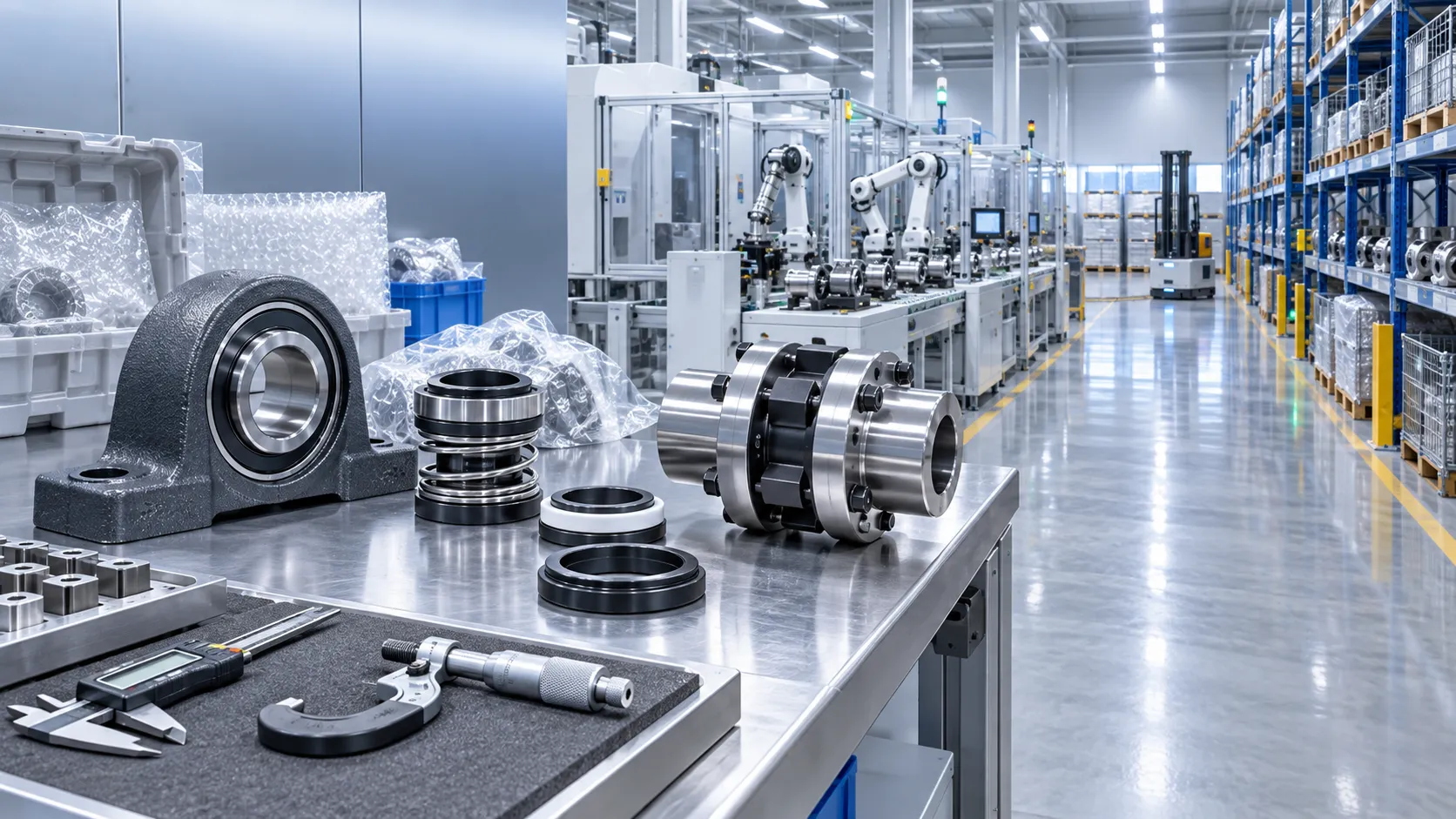
How to Qualify an Industrial Component Supplier for Critical Production Parts
Industrial component supplier qualification guide: reduce downtime risk, verify quality, traceability, change control, and total cost for critical production parts.

How to Evaluate an Extreme-Condition System Supplier for High-Risk Operations
Extreme condition system supplier evaluation guide: compare engineering evidence, material control, testing, and lifecycle support to reduce high-risk operational failures.
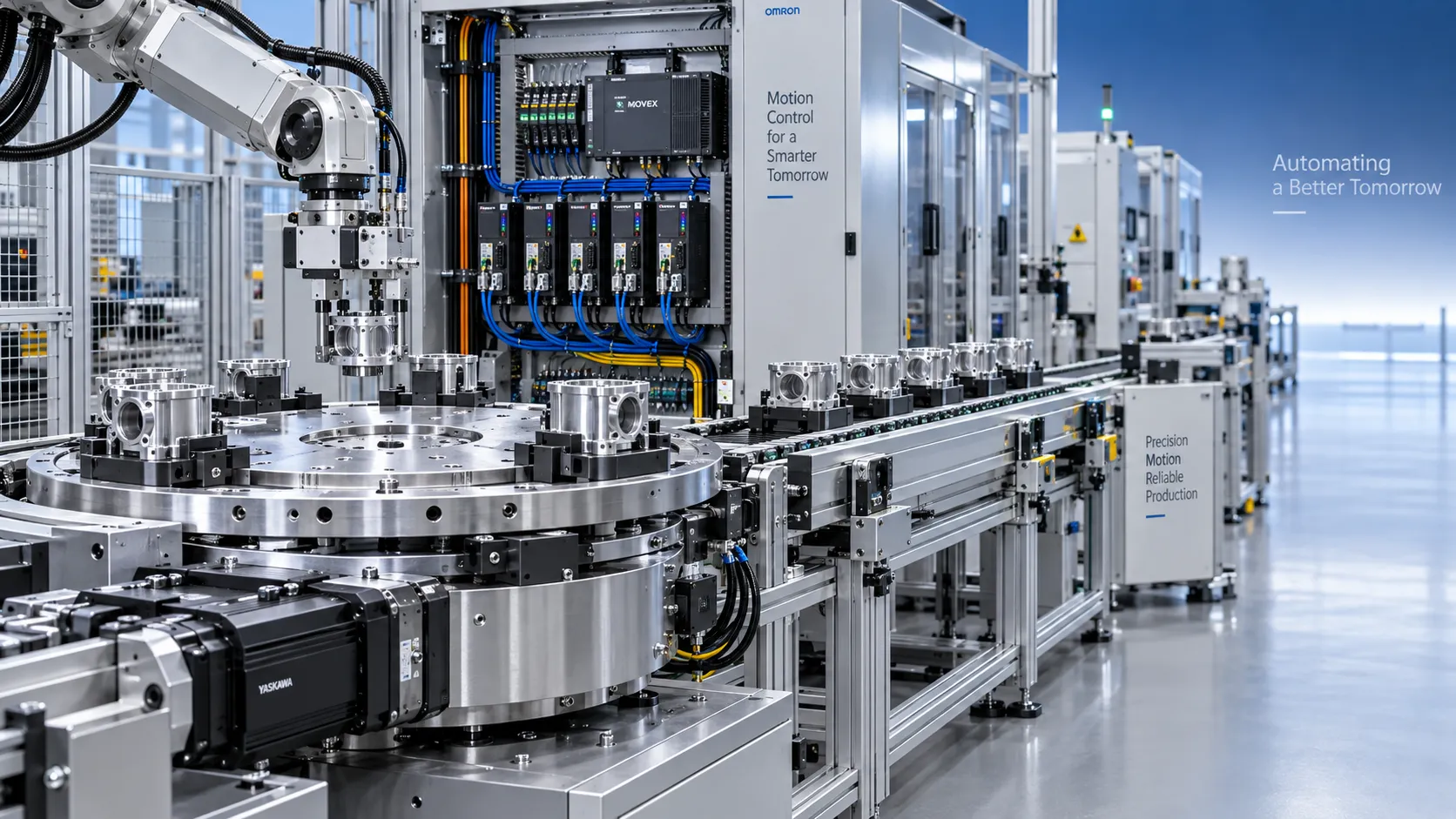
Motion Control Reference Projects: How to Adapt Proven Solutions to Your Machine
Industrial solution references motion control guide: learn how to adapt proven servo architectures, validate machine-specific risks, and accelerate reliable commissioning.
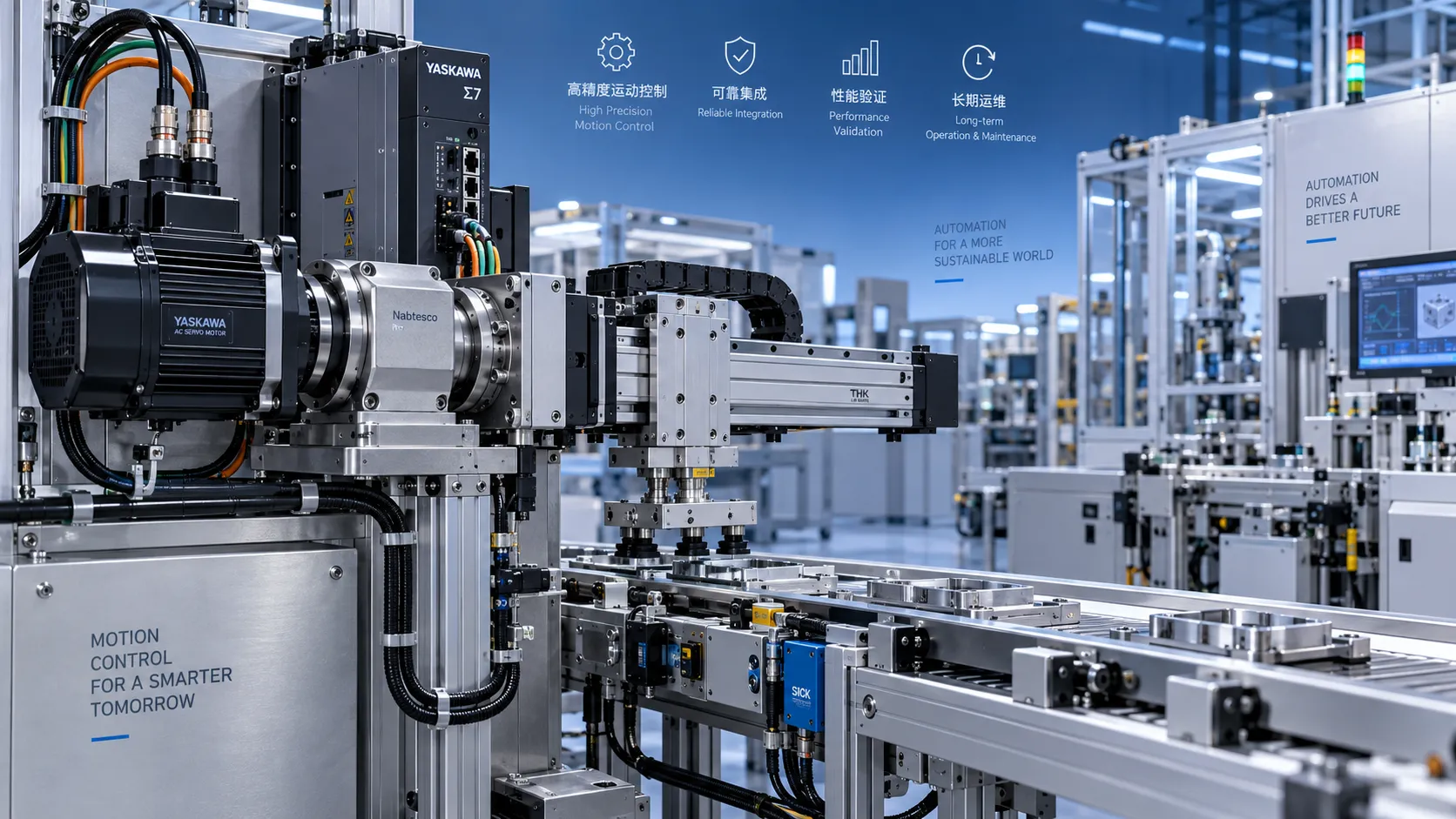
How to Evaluate an Industrial Motion Control Solutions Supplier for Automation Projects
Evaluate an industrial motion control solutions supplier with confidence. Compare sizing, integration, quality, support, and lifecycle value for reliable automation projects.

Key Semiconductor Industry Components and Their Roles in Chip Manufacturing
Semiconductor industry components explained: explore wafers, lithography, deposition, etching, packaging, and the critical roles that drive chip quality and yield.
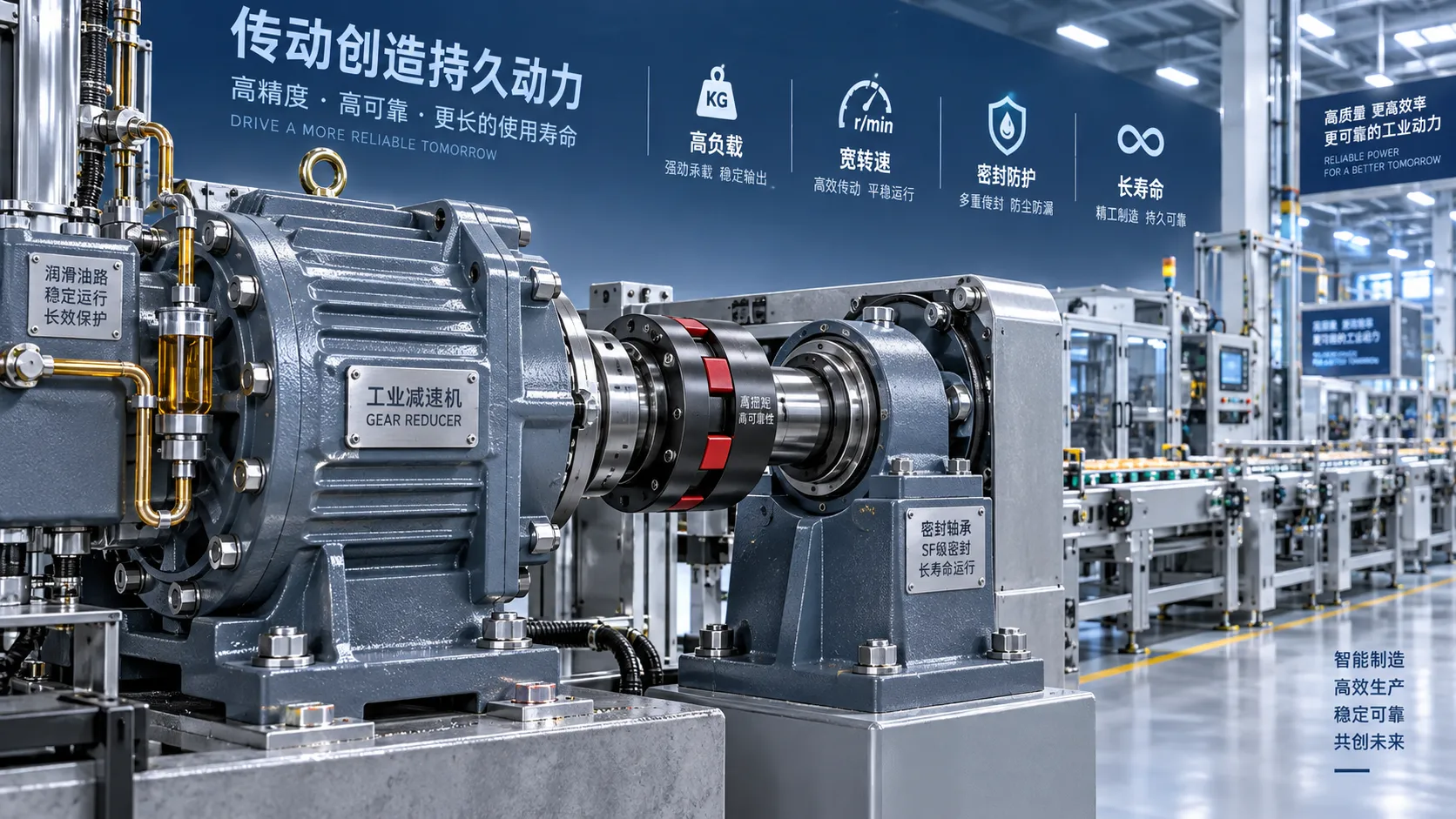
Mechanical Component Selection: Key Criteria for Load, Speed, Environment, and Service Life
Mechanical component selection made practical: evaluate load, speed, environment, lubrication, and service life to improve reliability, reduce downtime, and control lifecycle costs.
What to Request in Component Specification Resources Before Choosing a Supplier
Industrial component specification resources supplier guide: request drawings, material data, ratings, validation, and change control to choose reliable suppliers and reduce lifecycle risk.