
Industry News
Curation by industry experts
Hot Articles
Popular Tags
How to compare mechanical seals for extreme conditions
Choosing among mechanical seals for extreme conditions manufacturers is not simply a unit cost exercise. It is a decision about uptime, leakage risk, maintenance intervals, and equipment survival.
In high heat, severe pressure, corrosive media, or abrasive slurry, seal failure can trigger shutdowns, contamination, and expensive secondary damage. A structured comparison method reduces uncertainty.
This guide explains how to assess mechanical seals for extreme conditions manufacturers by operating scenario, material compatibility, test evidence, and service capability. The goal is better lifecycle performance, not just a lower quote.
Why scenario-based comparison matters before reviewing suppliers
Extreme duty does not mean one universal requirement. A steam pump, acid reactor, mining slurry line, and cryogenic compressor each stress a seal in different ways.
That is why experienced buyers compare mechanical seals for extreme conditions manufacturers by application profile first. The correct seal architecture depends on the actual failure mechanism.
Start with five basic variables:
- Temperature range, including startup and upset peaks
- Pressure level and pressure fluctuation frequency
- Media chemistry, solids content, and vapor pressure
- Shaft speed, vibration, and equipment alignment condition
- Available flush, barrier fluid, and maintenance support
Without this baseline, even top mechanical seals for extreme conditions manufacturers cannot be compared fairly. One design may excel in heat, while another performs better in dirty service.
Scenario 1: High-temperature service needs thermal stability first
Refining, thermal oil circulation, steam systems, and hot process pumps often fail because heat damages elastomers, distorts faces, or causes coking around seal chambers.
When comparing mechanical seals for extreme conditions manufacturers for hot service, focus on heat management rather than catalog pressure ratings alone.
Key judgment points for hot applications
- Face material resistance to thermal shock and distortion
- Elastomer limits versus real transient temperature
- Ability to prevent dry running at startup
- Cooling plan compatibility and API support options
Look for silicon carbide, tungsten carbide, carbon grades, and metal components chosen for thermal cycling. Ask whether the supplier validates performance under temperature swings, not only steady conditions.
The best mechanical seals for extreme conditions manufacturers also provide chamber recommendations. Seal success often depends on flush circulation, gland design, and heat removal around the faces.
Scenario 2: High-pressure duty requires structural balance and face control
Boiler feed pumps, injection systems, and high-pressure chemical units create a different challenge. Leakage may begin from face opening instability, not from simple material breakdown.
In this scenario, compare mechanical seals for extreme conditions manufacturers by balanced seal design, face loading control, and pressure reversal tolerance.
Questions worth asking
- Is the seal hydraulically balanced for the full pressure range?
- Can the design handle pressure spikes and cycling?
- What is the tested PV limit under representative speed?
- Are dual seal arrangements required for safety or emissions?
A supplier with strong engineering depth will discuss gland pressure drops, face flatness retention, and shaft deflection sensitivity. These details separate robust suppliers from basic traders.
For high-pressure equipment, mechanical seals for extreme conditions manufacturers should also show test documentation tied to standards, not only theoretical calculations.
Scenario 3: Corrosive media depends on chemistry, not generic premium materials
Acids, solvents, chlorides, caustic solutions, and mixed chemicals can destroy otherwise premium seals. Expensive materials still fail if chemical compatibility is mismatched.
This is where comparing mechanical seals for extreme conditions manufacturers becomes a materials science exercise. Every wetted part matters, including springs, metal hardware, and secondary seals.
Core checks for corrosive service
- Face pair compatibility with the process fluid
- O-ring or bellows resistance to swelling and embrittlement
- Metal grade suitability, such as Hastelloy or duplex alloys
- Response to cleaning chemicals and CIP cycles
Ask suppliers for chemical compatibility logic, not just a yes or no answer. Strong mechanical seals for extreme conditions manufacturers will explain concentration limits, temperature effects, and contamination sensitivity.
It is also wise to confirm whether the design avoids hidden crevices where aggressive media can stagnate. Corrosion often begins in overlooked geometries.
Scenario 4: Abrasive and dirty fluids demand wear resistance and flushing strategy
Mining, wastewater, pulp, dredging, and slurry handling place the harshest mechanical load on seal faces. Solids can score faces, block springs, and accelerate leakage within hours.
In these cases, compare mechanical seals for extreme conditions manufacturers by solids management approach. Hardness alone is not enough.
What to compare in slurry or dirty service
- Non-clogging spring arrangement or outside-mounted design
- Hard face combinations such as SiC versus SiC
- Flush plan practicality and water consumption
- Tolerance to intermittent dry running or solids spikes
Reliable mechanical seals for extreme conditions manufacturers often provide wear case histories for dirty services. Those records are more useful than generic product brochures.
How different scenarios change comparison priorities
How to evaluate supplier capability beyond the seal itself
The strongest mechanical seals for extreme conditions manufacturers do more than sell components. They support system matching, installation control, and failure analysis.
Review suppliers against these capability areas:
- Application engineering depth for pumps, mixers, compressors, and reactors
- Compliance with API, ISO, DIN, or industry-specific testing practices
- Traceability of materials, faces, and elastomers
- Lead time stability for replacement parts and support kits
- Failure investigation process with root cause reporting
For global sourcing, service network matters as much as design quality. Mechanical seals for extreme conditions manufacturers with regional support reduce commissioning delays and troubleshooting costs.
Practical selection advice for matching scenario and supplier
A useful comparison framework keeps decisions grounded in operating reality. Use a weighted scorecard instead of choosing by brand familiarity or lowest initial quotation.
Common comparison mistakes that lead to seal failure
One frequent mistake is assuming all extreme-duty products are interchangeable. Mechanical seals for extreme conditions manufacturers may use similar labels while offering very different design limits.
Another error is checking only maximum temperature and pressure. Real failures often come from cycling, startup conditions, contamination, vibration, or poor flush control.
A third mistake is ignoring the whole sealing system. Seal chamber dimensions, shaft runout, piping plans, and support fluid quality often determine whether a premium seal succeeds.
Finally, do not overlook documentation quality. Good mechanical seals for extreme conditions manufacturers provide installation instructions, operating windows, and clear troubleshooting guidance.
Next steps for a confident sourcing decision
Begin with a short application sheet for each duty point. Include normal and upset conditions, media details, solids, shaft data, and available support systems.
Then request proposals from shortlisted mechanical seals for extreme conditions manufacturers using the same technical template. This makes performance, materials, and service differences easier to compare.
Ask each supplier for case references in matching scenarios, test evidence, and expected maintenance intervals. Compare total lifecycle value, not only purchase price.
For organizations tracking industrial reliability trends, GPT-Matrix supports this process with intelligence on sealing technology evolution, material selection logic, and global supplier capability signals.
The best choice among mechanical seals for extreme conditions manufacturers is the one proven for the exact scenario, supported by data, and backed by dependable engineering response.
Recommended News
What Drives Smart Device Component Unit Costs in High-Volume Production?
Smart device components unit cost explained: uncover how volume, materials, tooling, yield, automation, quality, and logistics shape profitable sourcing decisions.
How to Evaluate a Power Transmission Components Supplier for Uptime and Lead-Time Risk
Choose a power transmission components supplier with confidence. Learn how to assess stock visibility, technical fit, quality traceability, and lead-time resilience to protect uptime.
How to Qualify an Industrial Component Supplier for Critical Production Parts
Industrial component supplier qualification guide: reduce downtime risk, verify quality, traceability, change control, and total cost for critical production parts.
How to Evaluate an Extreme-Condition System Supplier for High-Risk Operations
Extreme condition system supplier evaluation guide: compare engineering evidence, material control, testing, and lifecycle support to reduce high-risk operational failures.
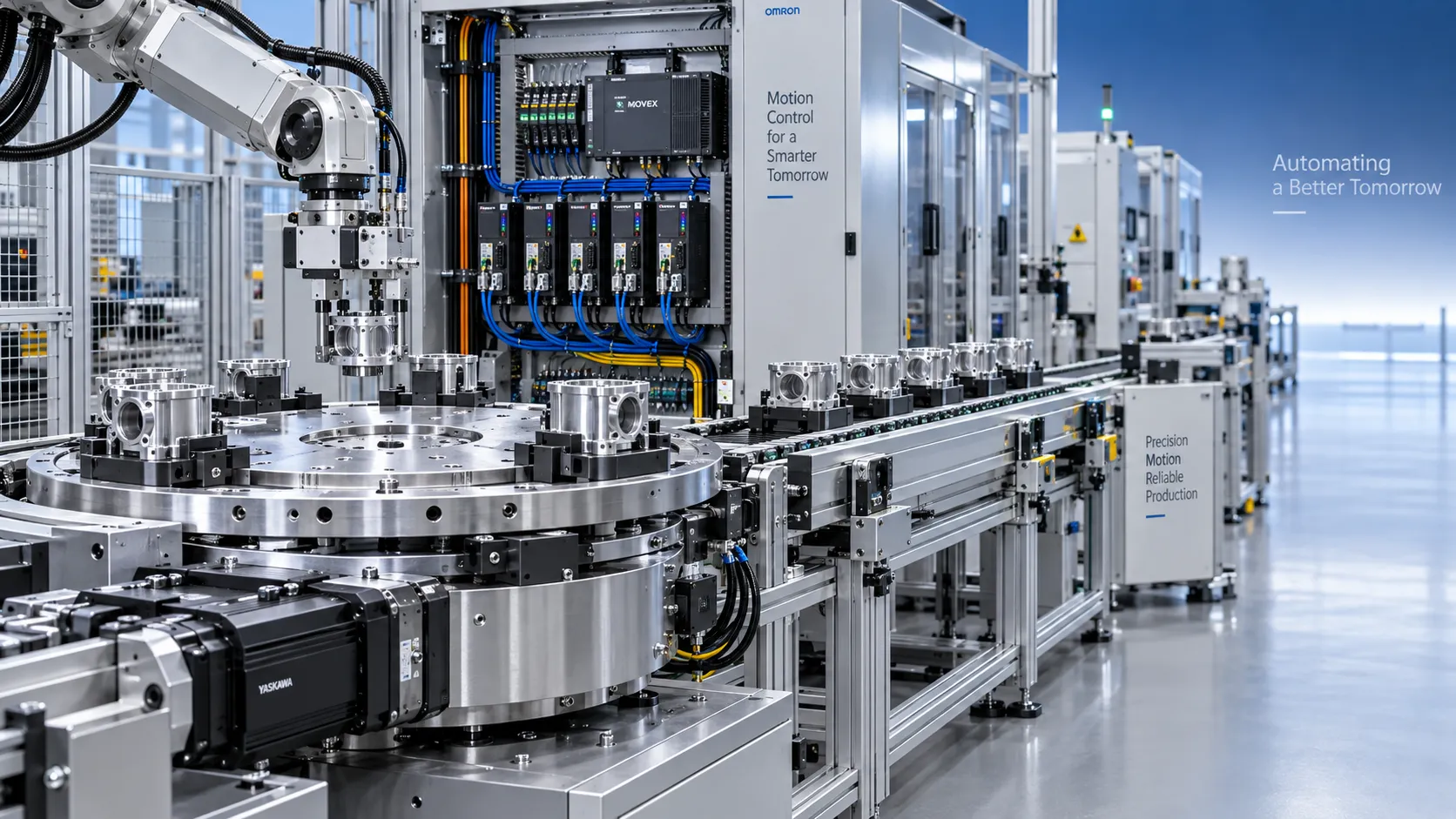
Motion Control Reference Projects: How to Adapt Proven Solutions to Your Machine
Industrial solution references motion control guide: learn how to adapt proven servo architectures, validate machine-specific risks, and accelerate reliable commissioning.
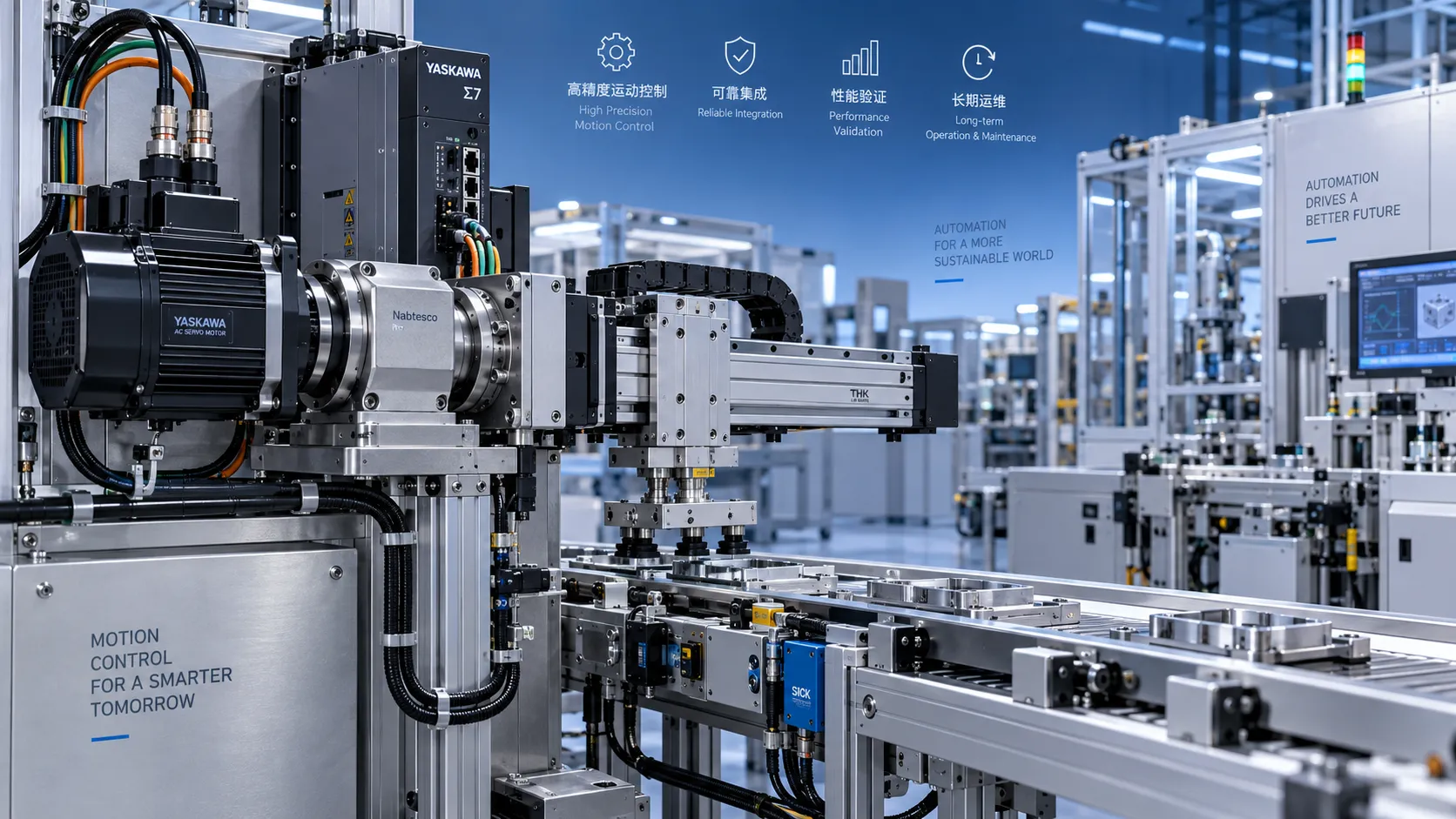
How to Evaluate an Industrial Motion Control Solutions Supplier for Automation Projects
Evaluate an industrial motion control solutions supplier with confidence. Compare sizing, integration, quality, support, and lifecycle value for reliable automation projects.
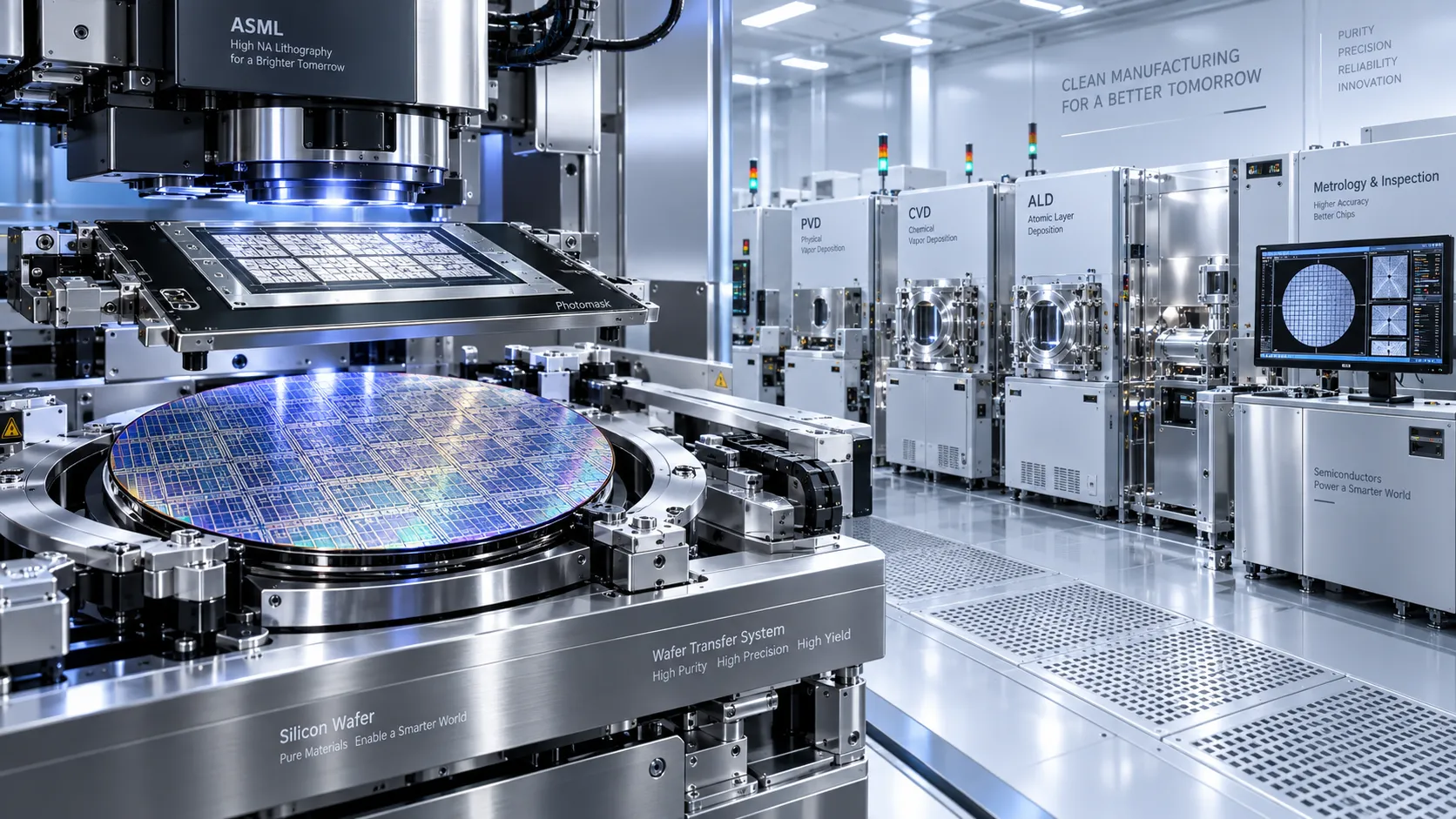
Key Semiconductor Industry Components and Their Roles in Chip Manufacturing
Semiconductor industry components explained: explore wafers, lithography, deposition, etching, packaging, and the critical roles that drive chip quality and yield.
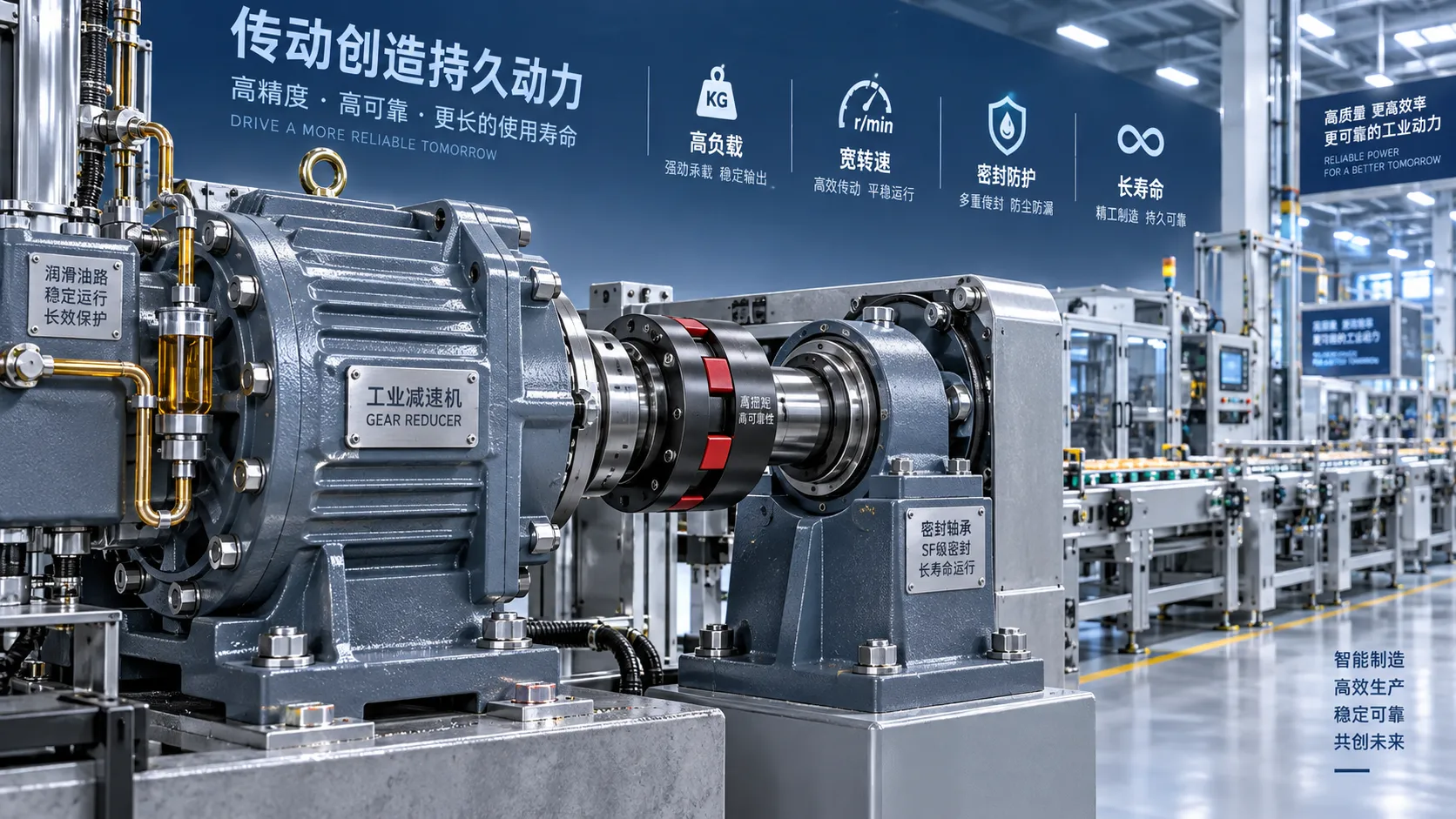
Mechanical Component Selection: Key Criteria for Load, Speed, Environment, and Service Life
Mechanical component selection made practical: evaluate load, speed, environment, lubrication, and service life to improve reliability, reduce downtime, and control lifecycle costs.
What to Request in Component Specification Resources Before Choosing a Supplier
Industrial component specification resources supplier guide: request drawings, material data, ratings, validation, and change control to choose reliable suppliers and reduce lifecycle risk.