
Industry News
Curation by industry experts
Hot Articles
Popular Tags
Mechanical transmission efficiency optimization that cuts hidden loss
For operators and frontline users, hidden energy loss in drives, reducers, belts, chains, and seals can quietly erode output and raise maintenance costs. This article explores practical mechanical transmission efficiency optimization techniques that help identify friction, misalignment, and load-related waste, while improving reliability, energy use, and equipment uptime across modern industrial systems.
Why hidden transmission loss is getting more attention now
A clear shift is happening across factories, utilities, processing plants, logistics hubs, and heavy equipment fleets: operators are no longer judged only by whether a machine runs, but by how efficiently it runs over time. Rising power prices, tighter maintenance budgets, higher uptime expectations, and stronger pressure around energy performance have pushed mechanical transmission efficiency optimization techniques from a specialist topic into a daily operating concern.
In many facilities, the largest visible costs still come from motors, compressed air, or process heat. Yet hidden mechanical losses inside couplings, bearings, gearboxes, chains, belts, shafts, and seals often accumulate quietly. A system may appear stable while wasting power through friction, poor lubrication, excess preload, angular misalignment, belt slip, chain elongation, or seal drag. For frontline users, this means the real problem is not always sudden failure. More often, it is slow performance erosion that reduces output per kilowatt and shortens service life.
This change matters because modern production systems are becoming more connected and more demanding at the same time. Higher speeds, variable loads, compact equipment layouts, and automated quality requirements make small inefficiencies more costly than before. In that environment, mechanical transmission efficiency optimization techniques are increasingly treated as a practical operating discipline rather than a one-time engineering upgrade.
The strongest trend signals operators should watch
Several field-level signals show why this topic is moving higher on maintenance and operations agendas. First, energy reviews are becoming more granular. Teams are comparing similar lines, similar shifts, and even similar machines to find unexplained differences in load and output. Second, predictive maintenance programs are collecting more vibration, temperature, and lubrication data, making hidden loss easier to detect before it becomes a breakdown. Third, component selection is shifting toward longer-life, lower-drag, and easier-to-align designs, especially in demanding duty cycles.
Another important signal is that operators are being asked to do more with fewer interventions. This changes the value equation. A transmission component is no longer evaluated only by initial cost; it is judged by total operating effect, including energy use, adjustment frequency, contamination resistance, and maintenance labor. As a result, mechanical transmission efficiency optimization techniques are being linked more closely to reliability strategy, not just energy saving.
What is driving the shift behind mechanical transmission efficiency optimization techniques
The first driver is cost visibility. Facilities that once accepted small mechanical losses as normal are now tracking asset-level efficiency more carefully. When the same machine family shows different power draw under similar throughput, managers start asking where the loss is hiding. That often leads to practical investigations into backlash, slippage, lubrication film quality, rotating imbalance, shaft runout, and bearing condition.
The second driver is technology maturity. Tools that used to be limited to specialists, such as laser alignment, online vibration monitoring, oil analysis, and thermal imaging, are more accessible today. This has changed maintenance culture. Teams can identify hidden loss earlier and connect a measurable symptom to a specific mechanical cause. In other words, better visibility is making mechanical transmission efficiency optimization techniques easier to apply in ordinary plant conditions.
The third driver is design evolution. High-performance belts, improved gear tooth profiles, lower-friction seals, better bearing materials, and smarter lubrication systems are changing what users expect from mechanical transmission systems. Operators increasingly see that component quality and installation quality must work together. A premium component installed with poor alignment can still waste energy, while a well-installed standard component may outperform expectations for longer than planned.
Where hidden loss is most often appearing in real operations
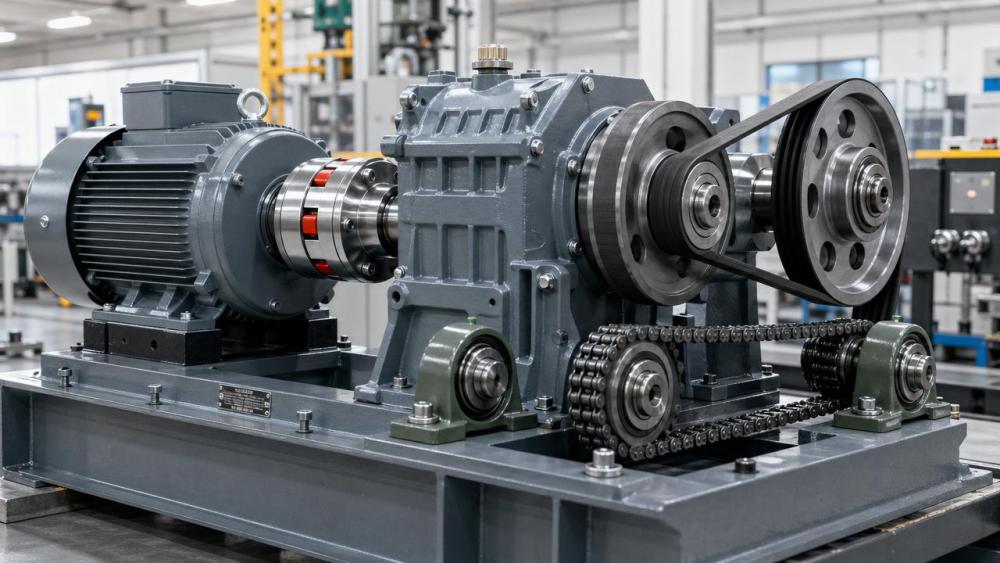
For users and operators, the most useful approach is not abstract theory but pattern recognition. Hidden loss usually appears where movement, contact, load transfer, and lubrication meet under imperfect conditions. In belt systems, incorrect tension is a common source of waste. Over-tension increases bearing load and friction, while under-tension causes slip, heat, dust, and reduced torque transfer. In chain systems, wear and elongation can disturb timing and increase impact loading. In geared drives, poor lubrication or contamination can increase mesh losses and temperature.
Seals also deserve more attention than they often receive. When a sealing system is poorly matched to speed, pressure, fluid condition, or shaft finish, drag can rise and leakage risk can grow at the same time. That means operators may experience both energy loss and reliability loss together. Couplings, meanwhile, can transmit more than torque; they also transmit the consequences of misalignment. If alignment drifts after maintenance or thermal expansion is ignored, the system may continue running while consuming more energy and stressing bearings.
These examples show why mechanical transmission efficiency optimization techniques should be treated as a whole-system discipline. The goal is not to improve one part in isolation, but to reduce total parasitic loss across the drive path.
How the impact differs across roles and operating scenarios
The effect of hidden loss is not the same for every user. In continuous production, small efficiency losses compound rapidly because equipment runs for long hours and downtime windows are limited. In batch processing, unstable transmission performance can affect product consistency, start-up timing, and changeover quality. In mobile or heavy-duty equipment, mechanical loss often translates directly into higher fuel or energy consumption and greater thermal stress under load.
Operators feel the problem through machine behavior: hotter housings, more frequent adjustments, slower response, extra noise, or unexplained trip events. Maintenance teams feel it through shorter service intervals and repeated component replacement. Procurement teams feel it when “low-cost” parts create more stoppages. Management feels it when output, energy intensity, and maintenance KPIs drift in the wrong direction. That is why mechanical transmission efficiency optimization techniques now affect multiple business functions, not just the workshop floor.
What good operators are doing differently
A strong field trend is the move from reactive correction to disciplined verification. Instead of waiting for a component to fail, good teams confirm whether a transmission system is operating in its intended range. They compare temperature trends before and after maintenance, confirm belt tension after run-in, inspect lubricant cleanliness, and record alignment values instead of assuming visual checks are enough. These are simple but high-value mechanical transmission efficiency optimization techniques because they convert hidden loss into observable evidence.
Another shift is the use of operating context. Skilled users know that a gearbox that runs acceptably at partial load may behave very differently under peak duty. A chain that looks serviceable in a dry environment may degrade quickly where dust, washdown, or shock loading is present. The best optimization decisions therefore come from matching inspection standards to actual duty conditions rather than relying on generic intervals alone.
Training is also becoming more practical. Operators do not need to become design engineers, but they do need to recognize the early signs of energy waste: unusual temperature rise, rising amp draw without process change, recurring tension drift, lubricant discoloration, seal area buildup, and vibration changes after intervention. When these signals are reported early, losses can often be corrected before they become failures.
How to judge which optimization actions deserve priority
Not every inefficiency deserves the same response. A useful judgment method is to rank issues by three factors: impact on energy use, impact on reliability, and ease of correction. For example, a severely misaligned coupling in a critical drive usually deserves urgent action because it wastes power and accelerates bearing damage. By contrast, a minor efficiency gain from a component upgrade may be better timed with a planned shutdown if current reliability is stable.
This is where mechanical transmission efficiency optimization techniques become a management tool as well as a maintenance tool. The best programs focus first on high-run-hour assets, repeated problem points, and systems where load transfer quality directly affects product output. They also document baseline performance. Without a baseline, it is hard to prove whether an adjustment really improved efficiency or only changed machine behavior temporarily.
A practical priority sequence often looks like this: verify alignment, review lubrication practice, check tension or preload, inspect wear patterns, confirm component compatibility, then consider design upgrades. This order matters because many hidden losses come from setup and condition, not from the basic component category itself.
What to monitor as the next phase of change unfolds
Looking ahead, users should expect mechanical transmission efficiency optimization techniques to become more data-linked and more standardized. Digital maintenance platforms will make it easier to compare vibration, temperature, lubricant condition, and replacement history across similar assets. At the same time, component suppliers will continue emphasizing longer service life, lower maintenance demand, and better performance in contaminated or variable-load environments.
But the most important future signal is organizational, not technical. Companies that connect operator observations with maintenance data and purchasing decisions will improve faster than those that treat these functions separately. Hidden loss is rarely caused by a single mistake. It often grows from small gaps between installation, monitoring, lubrication, replacement choice, and operating discipline.
Action points for operators and users right now
If you want immediate value from mechanical transmission efficiency optimization techniques, begin with the assets that run long hours, show recurring heat or noise, or need repeated adjustment. Confirm whether current alignment, lubrication, tension, and seal condition are actually being measured or only assumed. Review whether replacement parts are selected for lifecycle performance or only purchase price. Most importantly, track whether interventions reduce energy use, stabilize temperature, and extend service intervals.
For businesses following industrial intelligence through platforms such as GPM-Matrix, the larger lesson is clear: mechanical efficiency is no longer a hidden technical detail. It is becoming a visible operating indicator tied to uptime, energy strategy, and long-term competitiveness. If an enterprise wants to judge how these trends affect its own equipment base, it should start by asking four questions: where is power being lost without obvious failure, which assets show repeated correction needs, which conditions are changing faster than maintenance practices, and which component decisions are creating hidden cost over time?
Those questions create a practical path from observation to action. And that is exactly where the next gains in reliability, energy performance, and production stability are likely to be found.
Recommended News
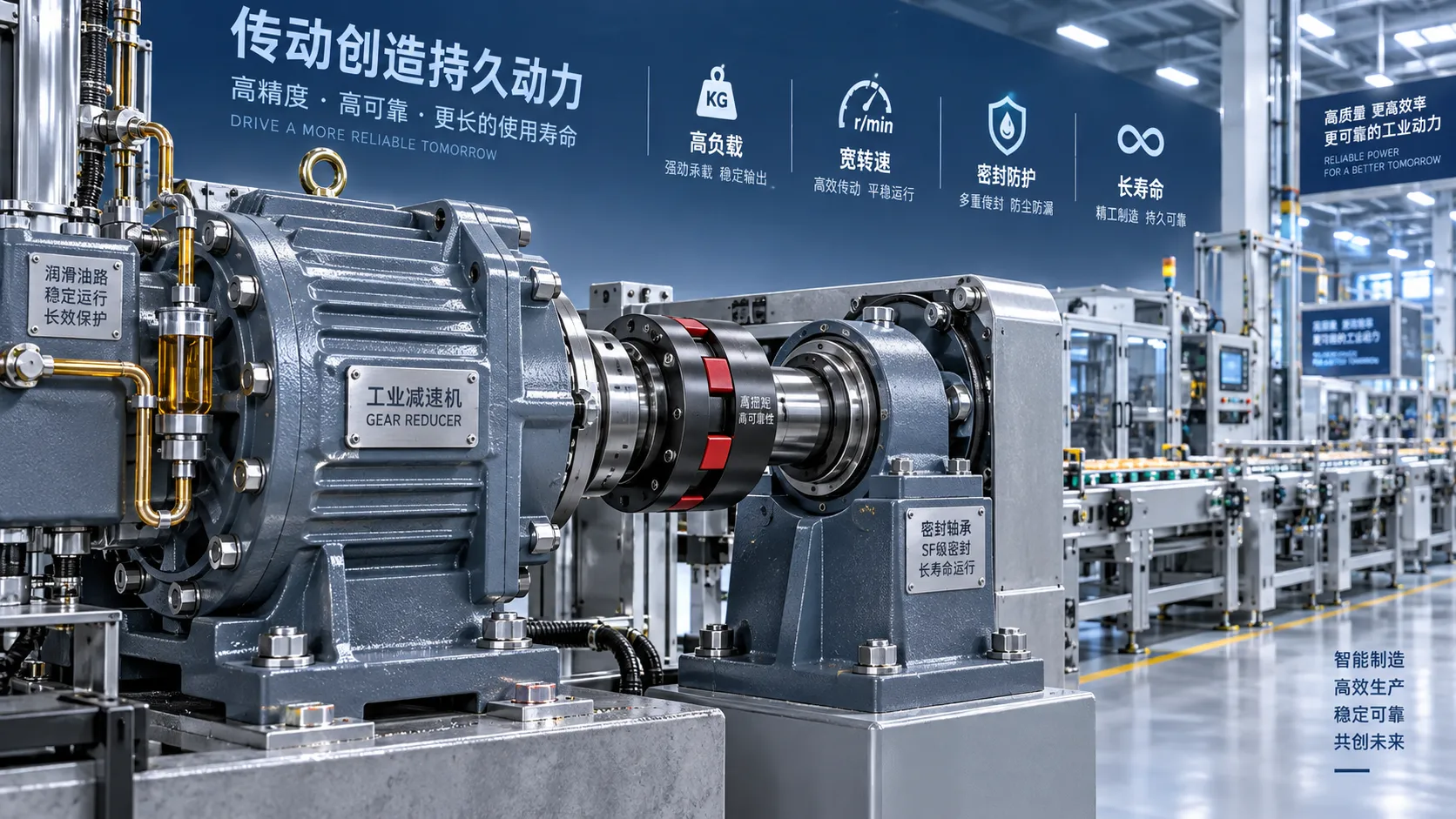
Mechanical Component Selection: Key Criteria for Load, Speed, Environment, and Service Life
Mechanical component selection made practical: evaluate load, speed, environment, lubrication, and service life to improve reliability, reduce downtime, and control lifecycle costs.
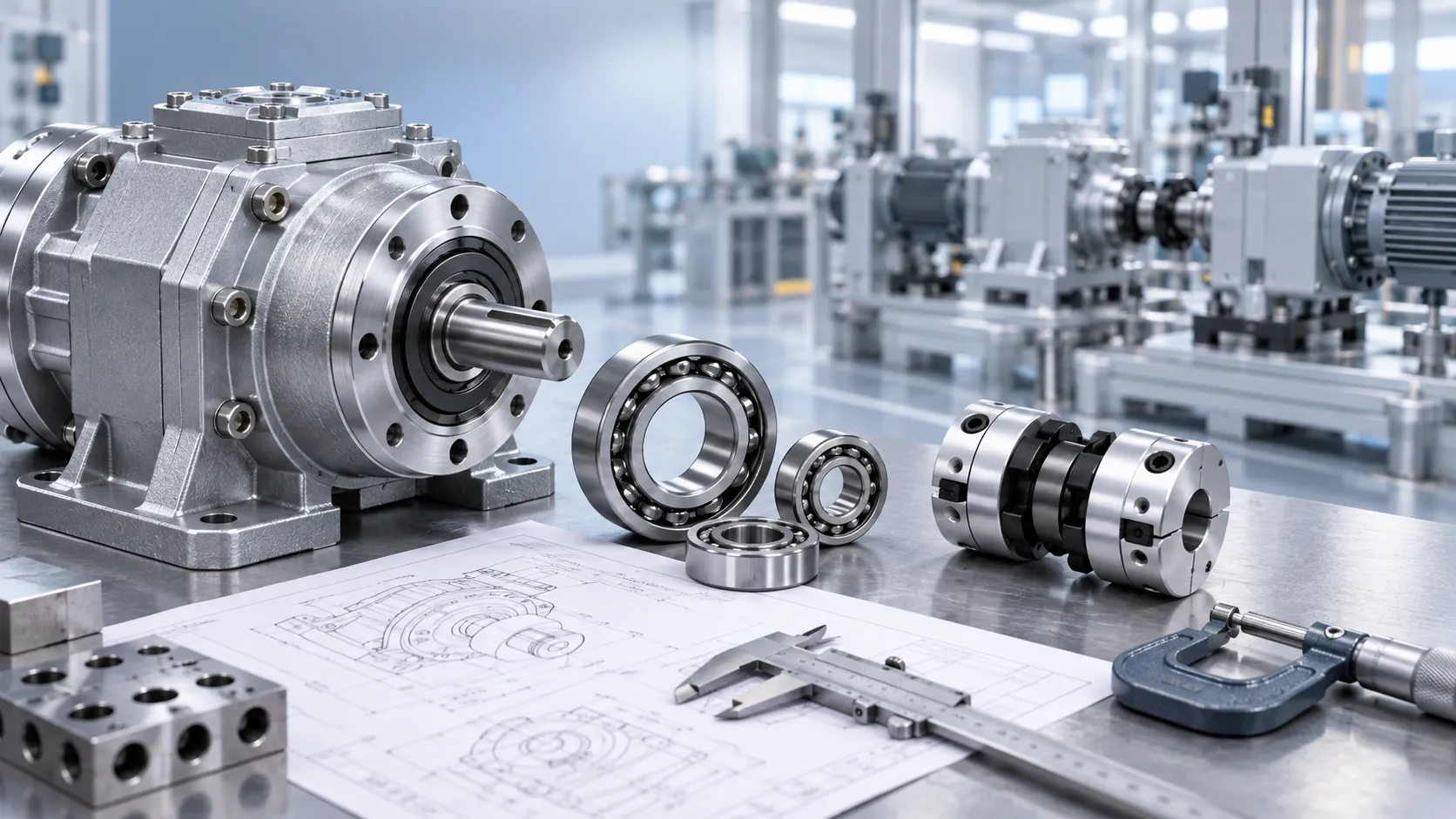
What to Request in Component Specification Resources Before Choosing a Supplier
Industrial component specification resources supplier guide: request drawings, material data, ratings, validation, and change control to choose reliable suppliers and reduce lifecycle risk.
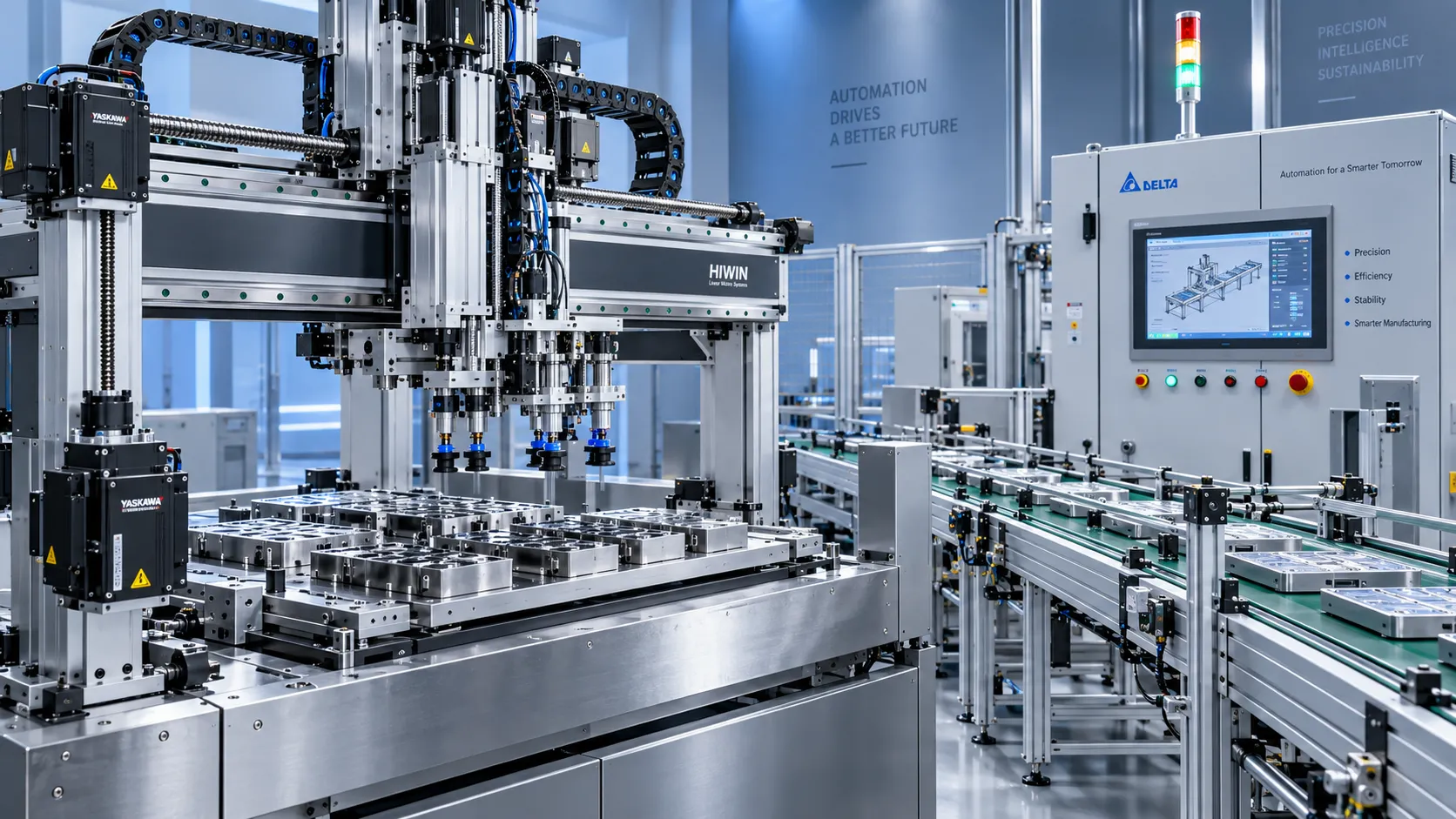
How to Specify Multi-Axis Motion Control for High-Precision Automated Machines
Master multi axis motion control for high-precision automation—optimize synchronization, feedback, mechanics, safety, and lifecycle reliability.
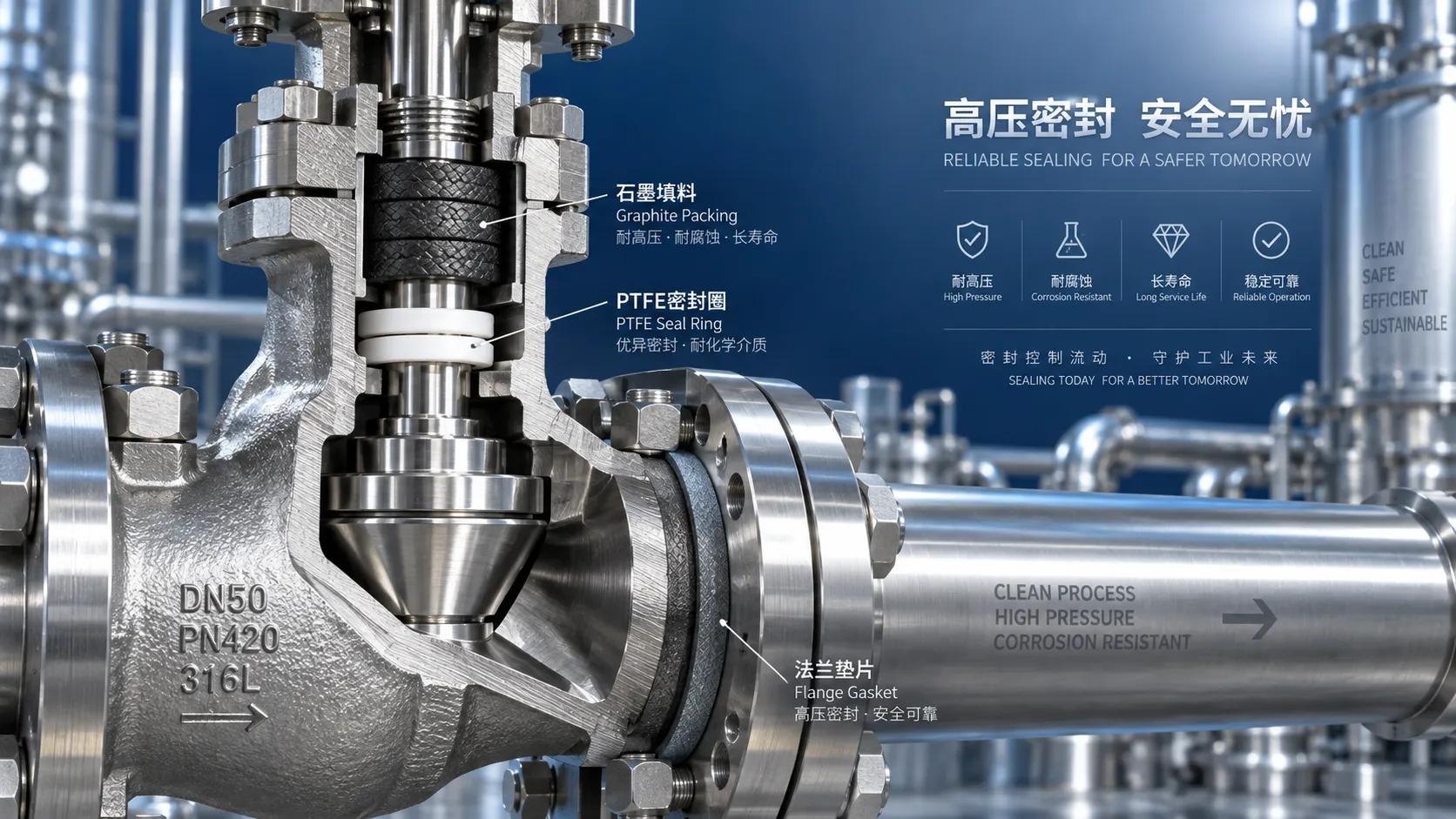
Selecting Valve Sealing Solutions for High-Pressure and Corrosive Service
Industrial sealing solutions for valves: learn how to select reliable systems for high-pressure, corrosive service, control fugitive emissions, and reduce lifecycle leakage risks.
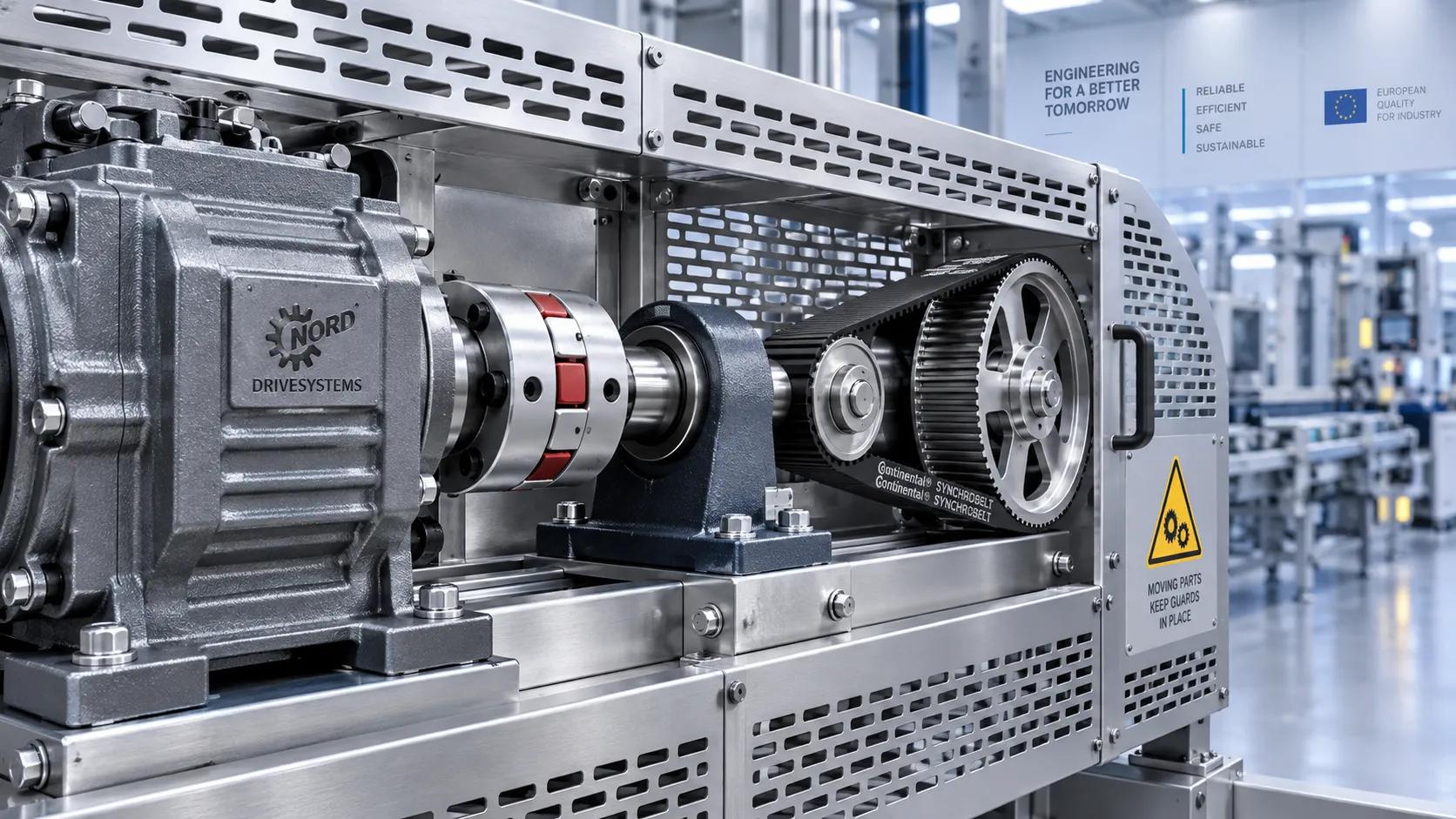
Which European Standards Matter When Specifying Industrial Power Transmission Systems?
Standardized transmission systems Europe: discover the key EN and ISO standards for safer, compliant gear units, belts, couplings, bearings, seals, and ATEX applications.
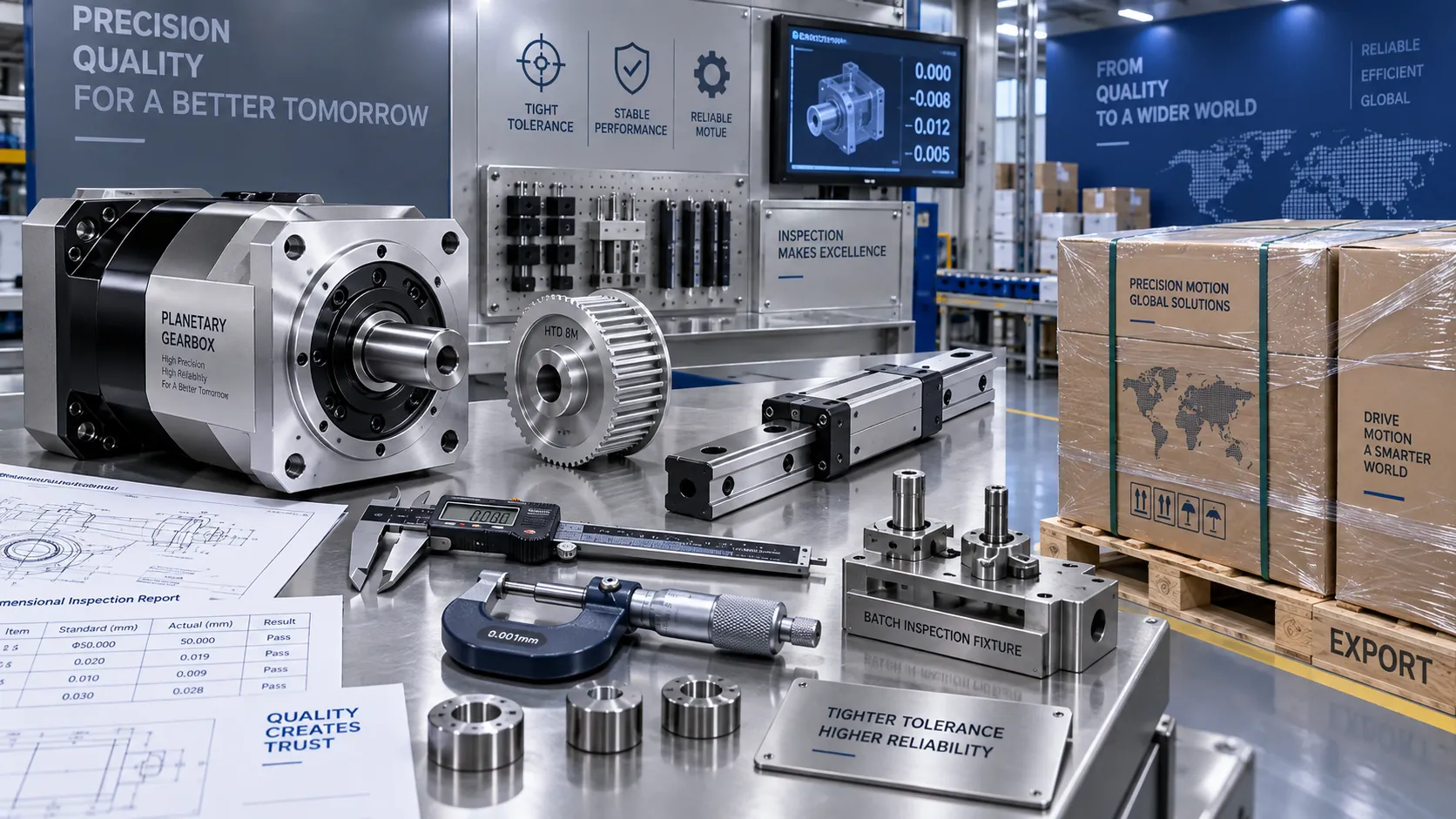
How to Vet a Motion Control Components Exporter for Global OEM Supply?
Motion control components exporter vetting guide for global OEMs: assess quality, traceability, export readiness, landed cost, and supply resilience before you buy.
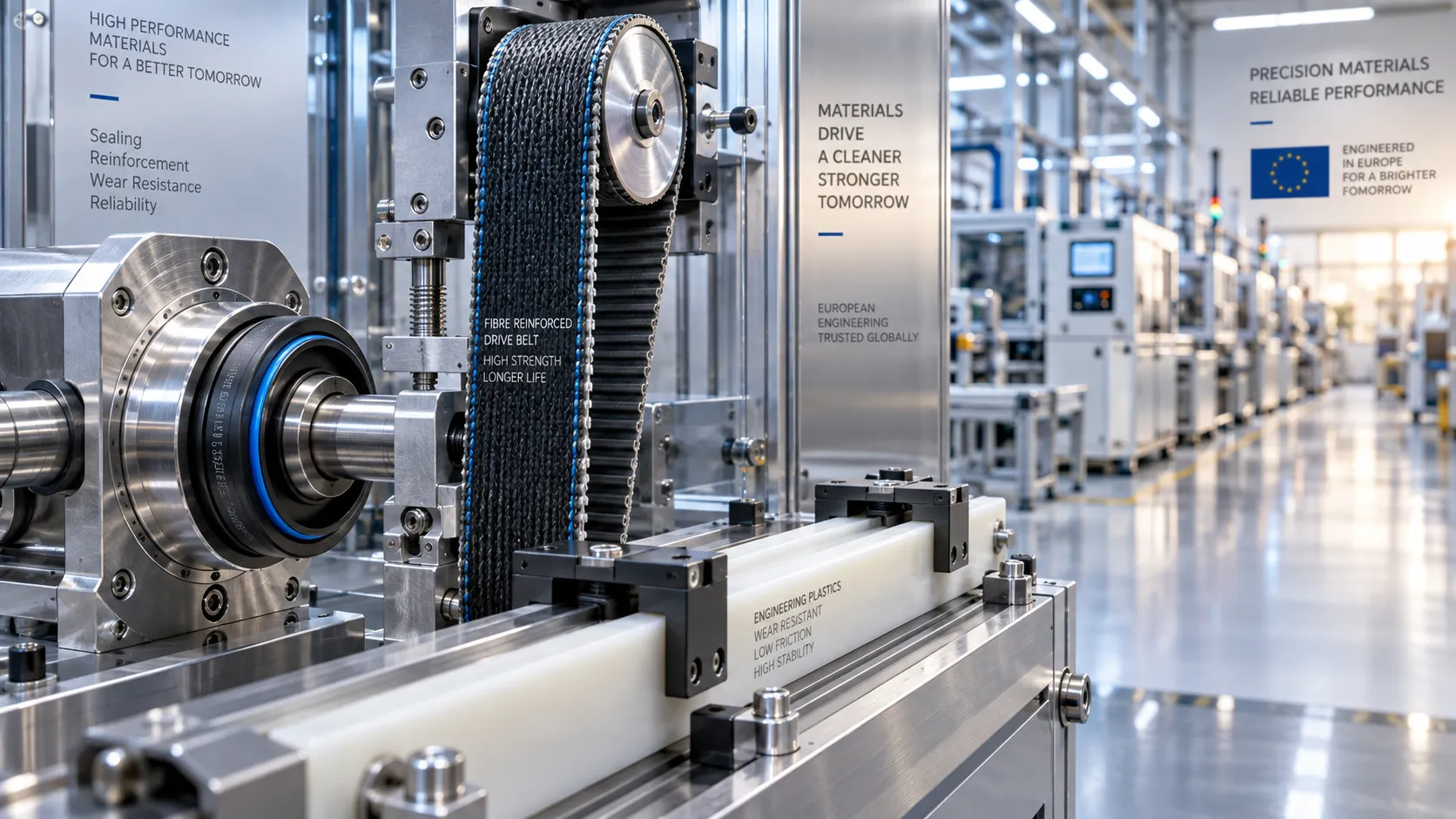
High-Performance Materials in Europe: Sourcing Criteria for Critical Industrial Applications
High-performance materials Europe: learn how to source critical industrial materials using proven criteria for durability, compliance, traceability, lifecycle cost, and supply resilience.
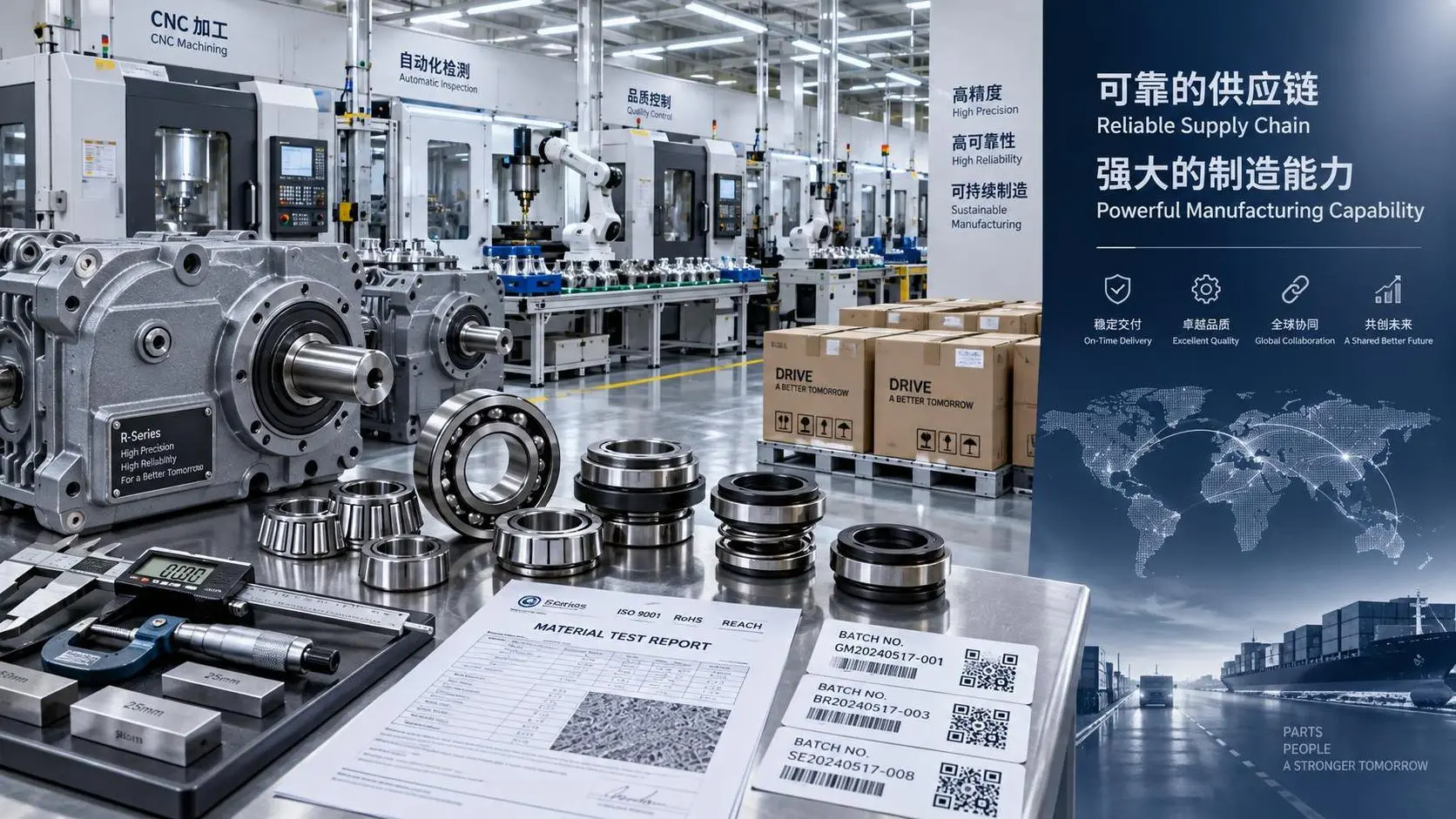
How to Assess a Global Supplier’s Capability Before Awarding a Critical Contract
Global supplier capability review: learn how to verify technical control, quality systems, global delivery resilience, compliance, and service support before awarding a critical contract.

How to Select Mechanical Linkage Components for High-Cycle Automation Equipment
Mechanical linkage technology components: learn how to select reliable rod ends, pins, and joints for high-cycle automation, reducing wear, backlash, downtime, and maintenance risk.