
Industry News
Curation by industry experts
Hot Articles
Popular Tags
Which Lubrication Mistakes Can Shorten Gearbox Life?
A gearbox rarely fails because of one dramatic lubrication error. More often, its oil film is compromised gradually: the lubricant is slightly too thin at operating temperature, a breather admits humid air, top-ups are made from an unmarked container, or the sump is filled “to be safe.” None of these decisions may stop production immediately. Together, they can turn a normally durable reducer into a recurring source of bearing noise, elevated temperature, seal leakage, and unplanned shutdowns.
So, what lubrication mistakes shorten gearbox life? The most damaging ones are not always the most obvious. Wrong viscosity, incompatible oil chemistry, incorrect oil level, contamination, poor change practices, and operating conditions that were never considered in the lubrication plan all deserve attention. The right response is not simply to change oil more often. It is to match the lubricant, fill level, cleanliness target, and inspection routine to the actual gearbox and duty cycle.
The wrong viscosity: a common error with different failure paths
Viscosity is often treated as a simple purchasing specification, but it is really a working condition decision. A lubricant that is too low in viscosity may not maintain an adequate separating film between gear teeth and bearing rolling elements, particularly under high torque, shock loads, or elevated oil temperature. The usual progression is subtle: polishing of tooth flanks, rising vibration, increased wear debris, and eventually pitting or scuffing in more severe cases.
An oil that is too viscous creates a different problem. Cold starts become harder, churning losses increase, and splash-lubricated components may not receive oil in the intended way. In a compact gearbox running at speed, excess viscosity can contribute to higher bulk oil temperature. That extra heat accelerates oxidation and may harden or shrink seals over time. It is tempting to select a heavier oil for “more protection,” especially in heavy industry, but thicker is not automatically safer.
The gearbox manufacturer’s recommendation is the starting point, not a detail to be replaced by habit. Ambient temperature, sustained load, input speed, mounting position, cooling arrangement, and whether the gearbox sees frequent starts all influence the final choice. A conveyor reducer operating steadily in a sheltered plant may need a very different approach from a crane gearbox exposed to seasonal temperature swings and intermittent shock loading.
“Gear oil is gear oil” is an expensive assumption
Two lubricants can share a viscosity grade and still behave differently in service. Base oil type, extreme-pressure additive chemistry, antiwear performance, demulsibility, oxidation resistance, and compatibility with yellow metals or elastomer seals can all matter. This becomes especially relevant when a maintenance team changes supplier, adopts a synthetic lubricant, or consolidates lubricants across a plant.
For example, a worm gearbox may contain bronze components, while a helical or bevel gearbox will have different material and loading sensitivities. A lubricant designed for heavily loaded enclosed gears may not be appropriate for every worm application. Likewise, changing from mineral oil to a polyalphaolefin or polyglycol formulation can affect seal compatibility, drain intervals, and mixing risk. The issue is not that one chemistry is universally better; it is that the gearbox, lubricant supplier guidance, and OEM recommendation need to agree.
Mixing products is another frequent shortcut. During an urgent top-up, a technician may use what is available, assuming similar viscosity is enough. Small accidental mixing does not always create an immediate failure, but additive systems can be diluted or behave unpredictably. If a conversion is required, the practical questions are whether the existing oil must be drained fully, whether flushing is advisable, and whether seals, paint, and breathers are suitable for the new formulation.
Overfilling and underfilling are not opposite versions of the same minor problem
Underfilled gearboxes are easier to understand: gears or bearings do not receive enough lubricant, oil runs hotter, and wear accelerates. Yet the cause is not always poor maintenance. A slow seal leak, a blocked or damaged breather, an incorrect mounting orientation, or a level check performed when the gearbox is installed at an angle can all produce a false reading.
Overfilling deserves equal respect. When rotating parts churn through an excessive oil volume, they can aerate the lubricant. Foamy oil is not an effective load-carrying film, and entrained air can increase oxidation. It may also raise pressure inside the housing, pushing lubricant through seals and making the gearbox appear to have a sealing problem when the root cause is the fill practice.
The correct level is not always intuitive. Many gearboxes have different fill quantities for horizontal, vertical, shaft-up, and shaft-down installations. A reducer that was relocated, rebuilt, or mounted in a different orientation should not be filled by memory. Check the specific mounting-position documentation and allow the unit to settle before evaluating the level. In service, a level plug is useful only if the gearbox is actually positioned as assumed by the design.
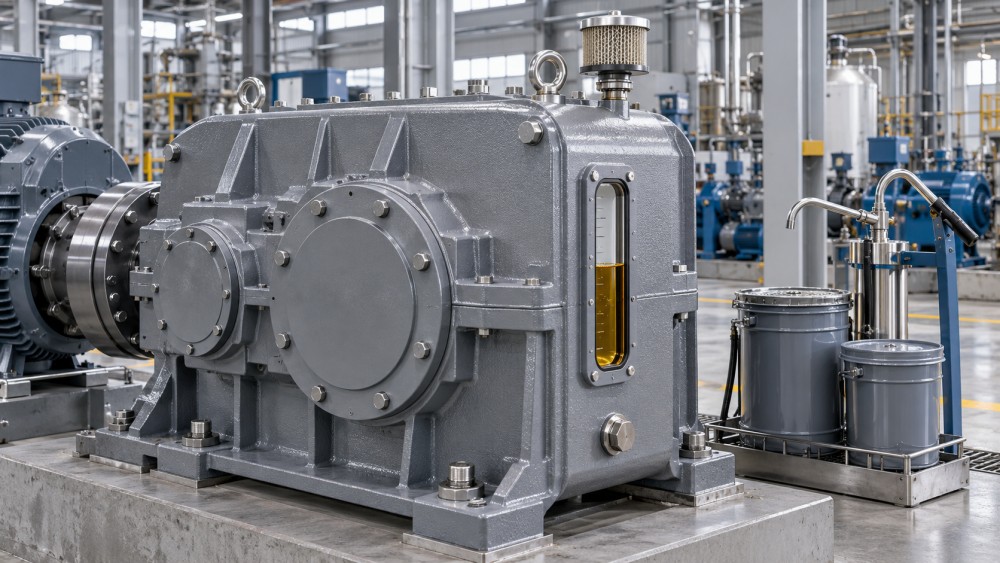
Contamination usually enters through ordinary maintenance habits
Water, dirt, metal particles, and process dust are among the fastest routes to shortened gearbox life. The source is often mundane: a filler cap is removed in a dirty area, oil is transferred through a funnel used for several products, drums are stored outdoors, or a standard breather is left in place in a humid washdown environment.
Particles interfere with the very surfaces lubrication is meant to protect. Hard debris can pass through rolling contacts and gear meshes, while softer contamination can still disrupt additives and create abrasive sludge. Water is equally troublesome. It can promote corrosion, reduce film strength in some conditions, and contribute to additive depletion. Milky oil is an obvious warning sign, but waiting for visible emulsion is not a sensible water-control strategy.
A disciplined oil-handling routine makes a larger difference than many teams expect. Use sealed, clearly labelled containers; dedicate transfer equipment by lubricant type where practical; clean the area around fill and sample points; and inspect breathers as part of routine checks. In dusty, humid, or outdoor installations, it may be worth evaluating desiccant or higher-efficiency breather options, but the choice should reflect the environment and the gearbox’s air-exchange pattern rather than a blanket upgrade policy.
Changing oil on a calendar alone can hide the real condition
Calendar-based oil changes have a place, especially where equipment is lightly monitored. The mistake is treating the date as the only indicator of lubricant condition. Two identical gearboxes can age their oil very differently if one runs near its thermal limit, experiences frequent shock loading, or operates beside a wet process line. Conversely, draining a stable lubricant prematurely can create unnecessary cost and introduce contamination during the service event.
Oil analysis can help maintenance teams move from guesswork to evidence, provided samples are taken correctly and trends are interpreted in context. Useful observations may include viscosity movement, water presence, oxidation indicators, particle levels, and wear metals. A single report is a snapshot; repeatable sampling from the same point under similar conditions is much more informative. If a report changes abruptly, do not assume the oil is solely to blame. Check for bearing distress, gear damage, process ingress, or sampling error.
There is also a practical limit. Small, low-cost gearboxes may not justify a sophisticated analysis programme, while critical reducers in continuous production often do. The sensible decision depends on replacement lead time, access difficulty, downtime exposure, and how early a developing defect can realistically be acted upon.
Ignoring heat, alignment, and seals leads to the wrong diagnosis
Lubricant problems are sometimes symptoms rather than root causes. A gearbox that repeatedly runs hot may have the wrong oil, but it may also be overloaded, poorly ventilated, misaligned with the driven equipment, or operating with a failing bearing. Adding a higher-viscosity lubricant without resolving the mechanical issue can delay the diagnosis and increase losses.
Seal leakage deserves the same caution. It is easy to blame the seal material, yet leakage can be driven by overfill, blocked breathers, shaft runout, housing pressure, surface damage, or incompatible lubricant. In other words, replacing seals before checking oil level and breathing conditions may produce a neat repair that does not last.
This wider view matters in modern automated lines, where reducers, couplings, belts, chains, motors, and sealing systems influence each other. GPT-Matrix follows these connected reliability questions across power transmission, motion control, tribology, and critical sealing technologies because gearbox life is rarely determined by oil selection in isolation. Changes in energy use, material availability, reducer design, and maintenance practice all shape what “good lubrication” looks like on the plant floor.
A practical check before the next oil top-up
Before adding or changing lubricant, pause for a few minutes and confirm the gearbox model, mounting orientation, approved lubricant family, viscosity grade, and current operating symptoms. Inspect the breather, look for external leakage, and ask whether the oil level was checked under the right conditions. If the gearbox has been overheating or making new noise, a top-up alone is not an investigation.
The most reliable lubrication programmes are not necessarily elaborate. They make it difficult to put the wrong oil into the wrong gearbox, keep contaminants out during routine work, and give technicians a clear reason to escalate abnormal temperature, noise, or oil appearance. That discipline protects the gears, but just as importantly, it prevents maintenance teams from normalising the early warnings that precede a costly gearbox failure.
Recommended News
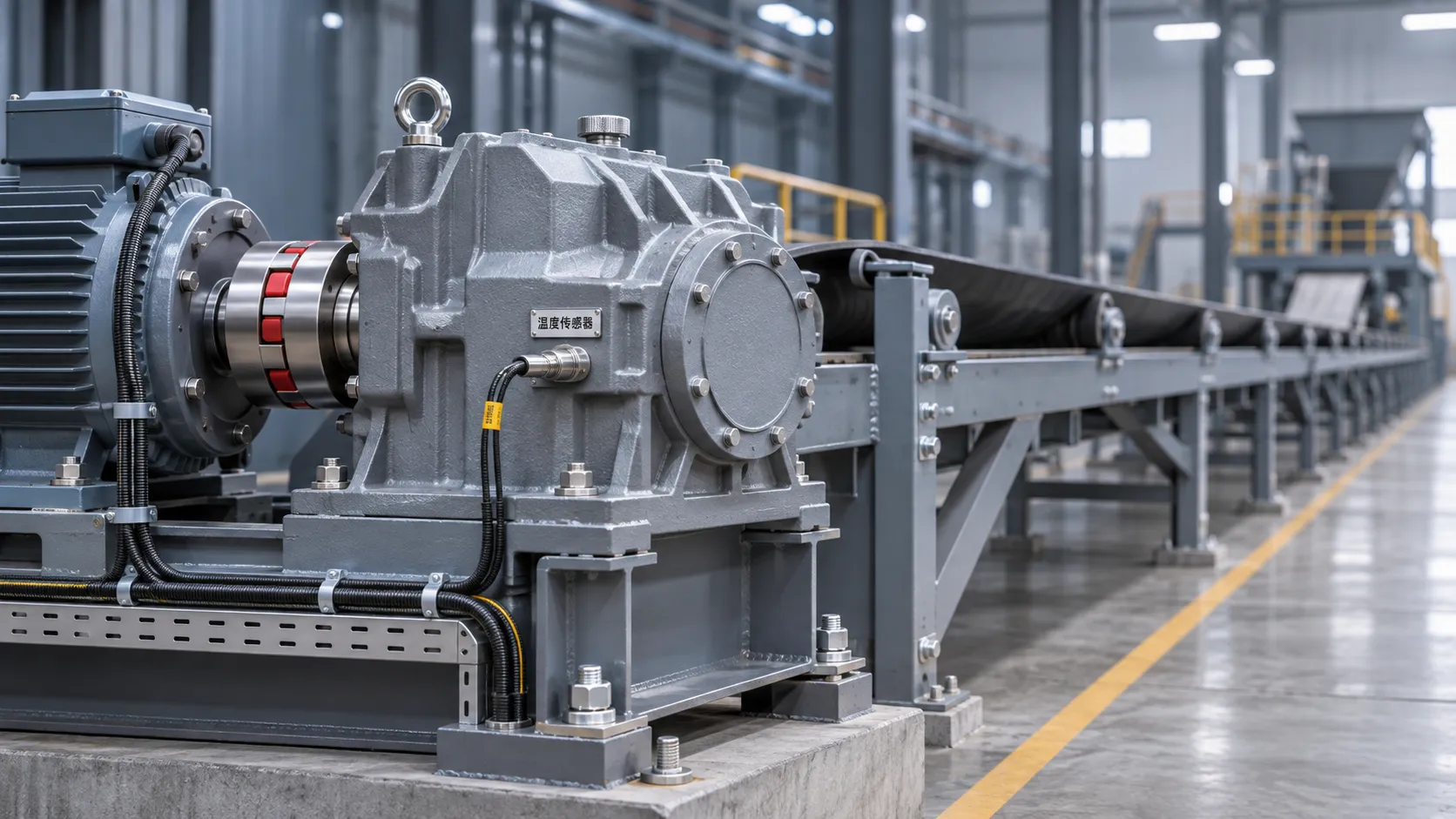
Smart Transmission Components: What Drives Price and Total Cost?
Smart transmission components price is just the start. Explore the factors behind quotes and total ownership costs to compare suppliers and buy with confidence.
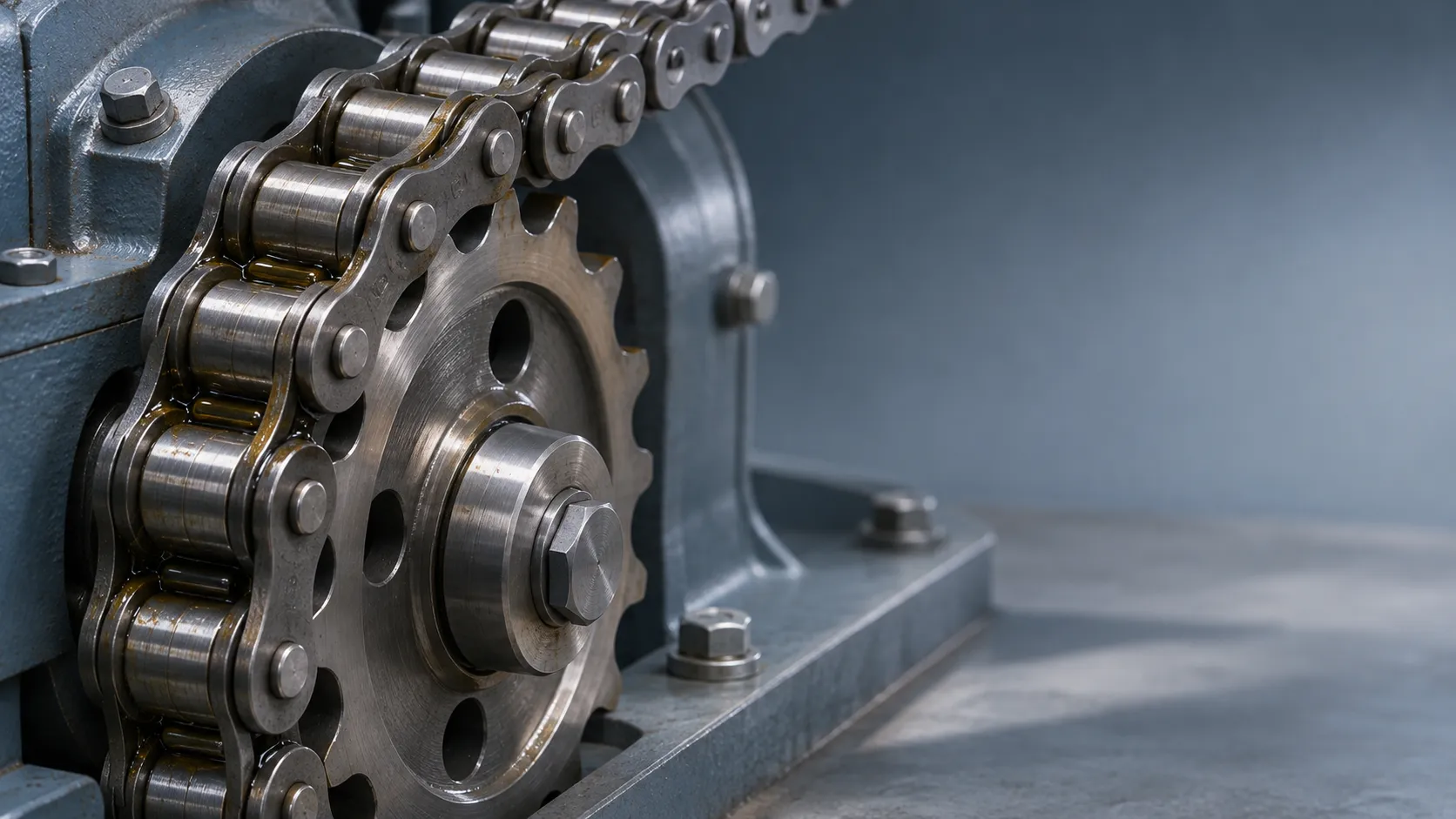
Choosing Long-Life Roller Chains for High-Load Applications
Discover how to choose long-life roller chains for high-load drives, from fatigue ratings and lubrication to sprocket alignment and operating costs.
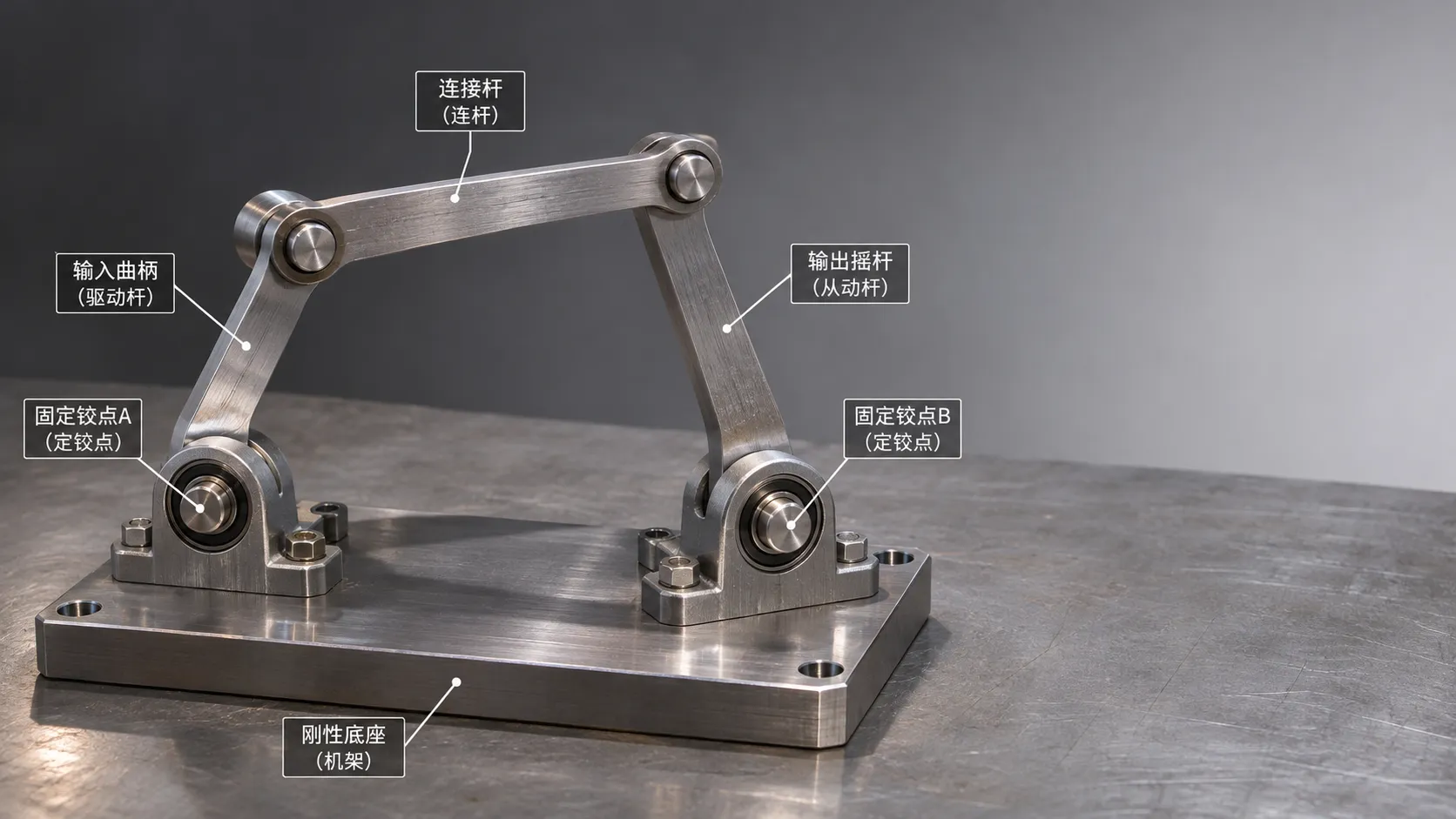
Mechanical Linkage Assemblies: How Motion and Force Are Transmitted
Explore mechanical linkage technology assemblies and learn how geometry, joints, and load affect motion, force, accuracy, and reliability.
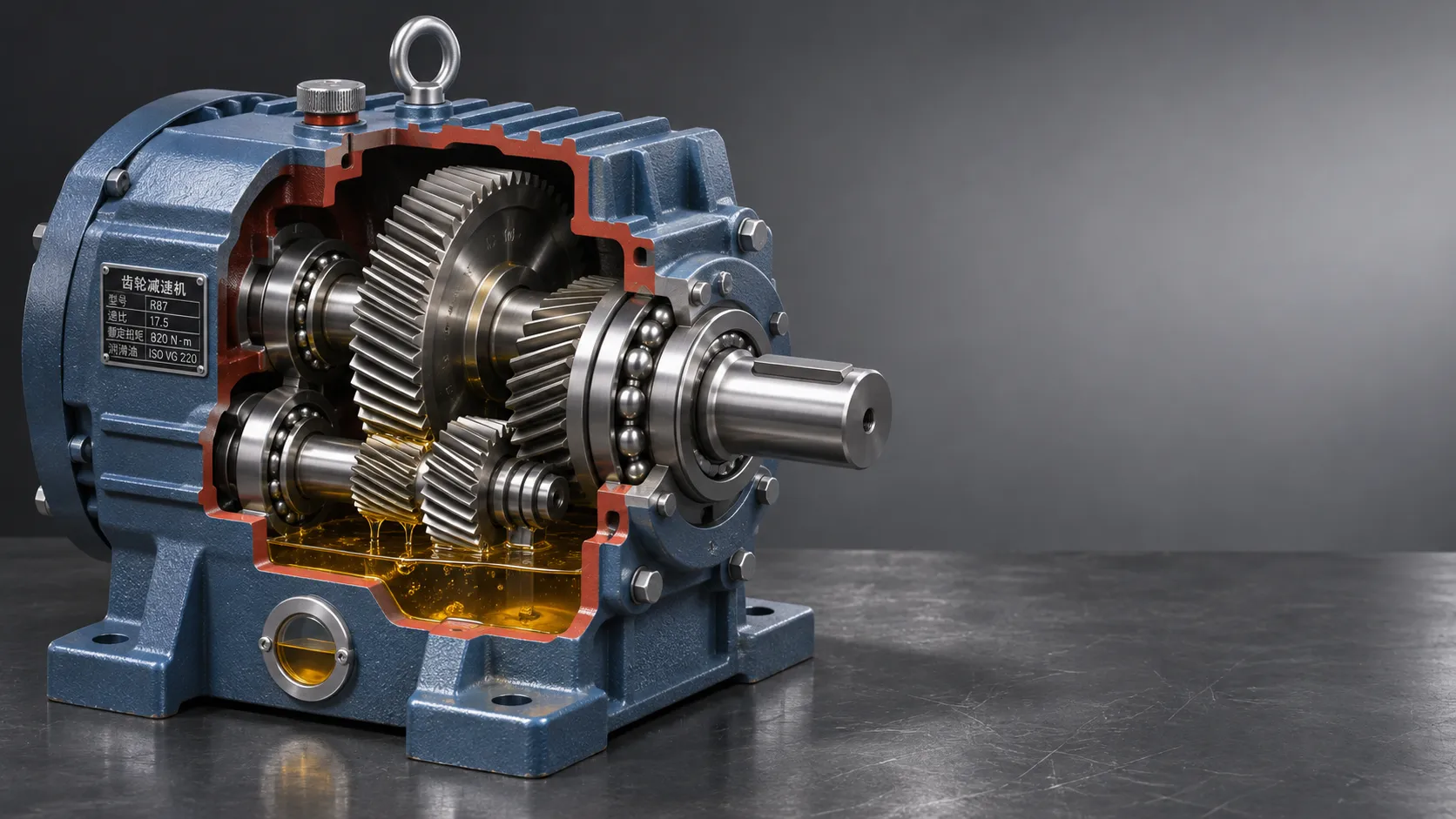
Choosing Wear-Resistant Industrial Transmissions for Long Service Life
Choose wear resistant long life transmissions with confidence. Explore load, lubrication, sealing and supplier checks to reduce downtime and service costs.
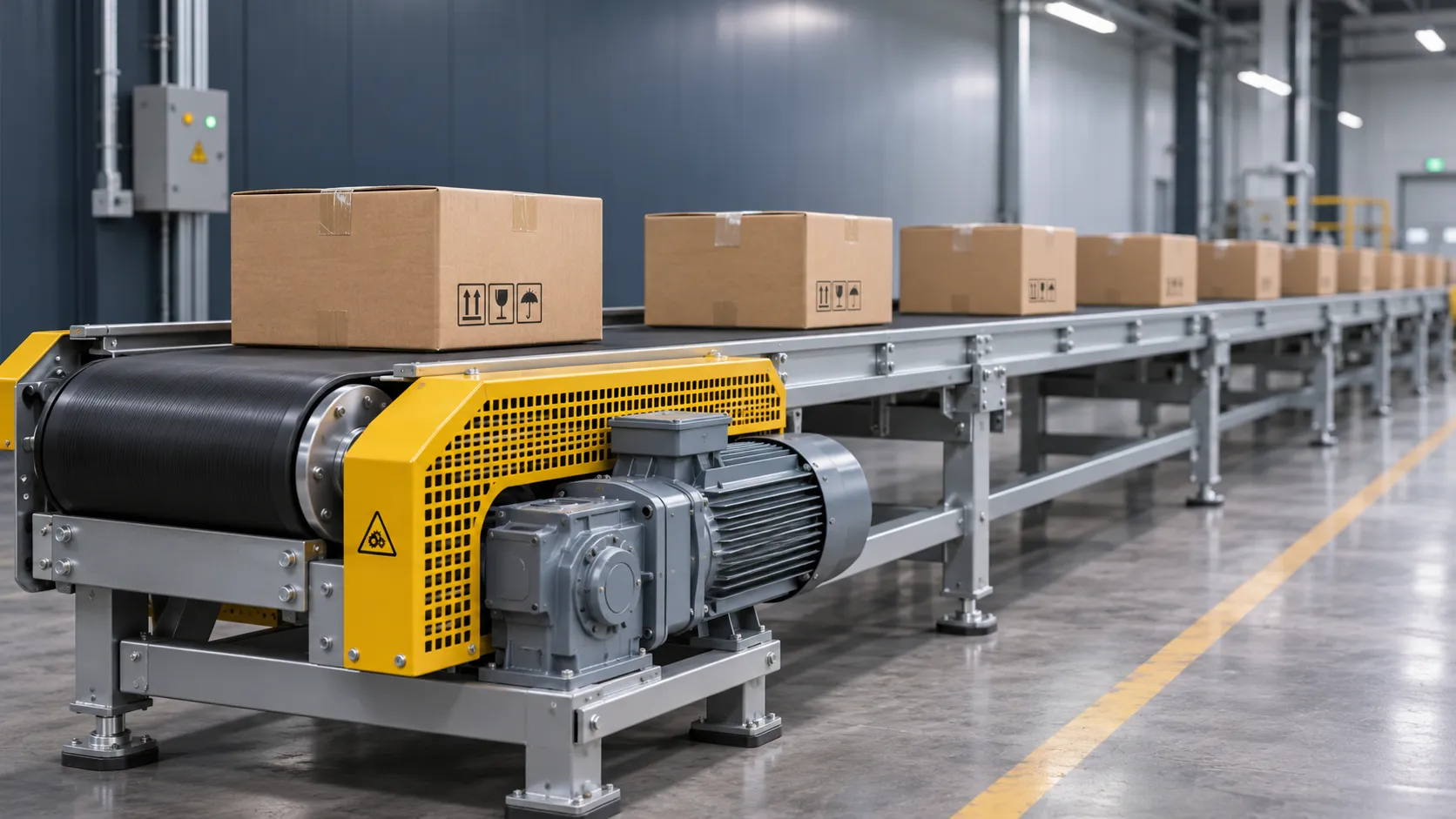
Choosing Industrial Motion Solutions for Conveyor Speed and Load Requirements
Explore industrial motion solutions for conveyor speed and load requirements. Compare drives, torque, control and duty cycles to make a confident choice.
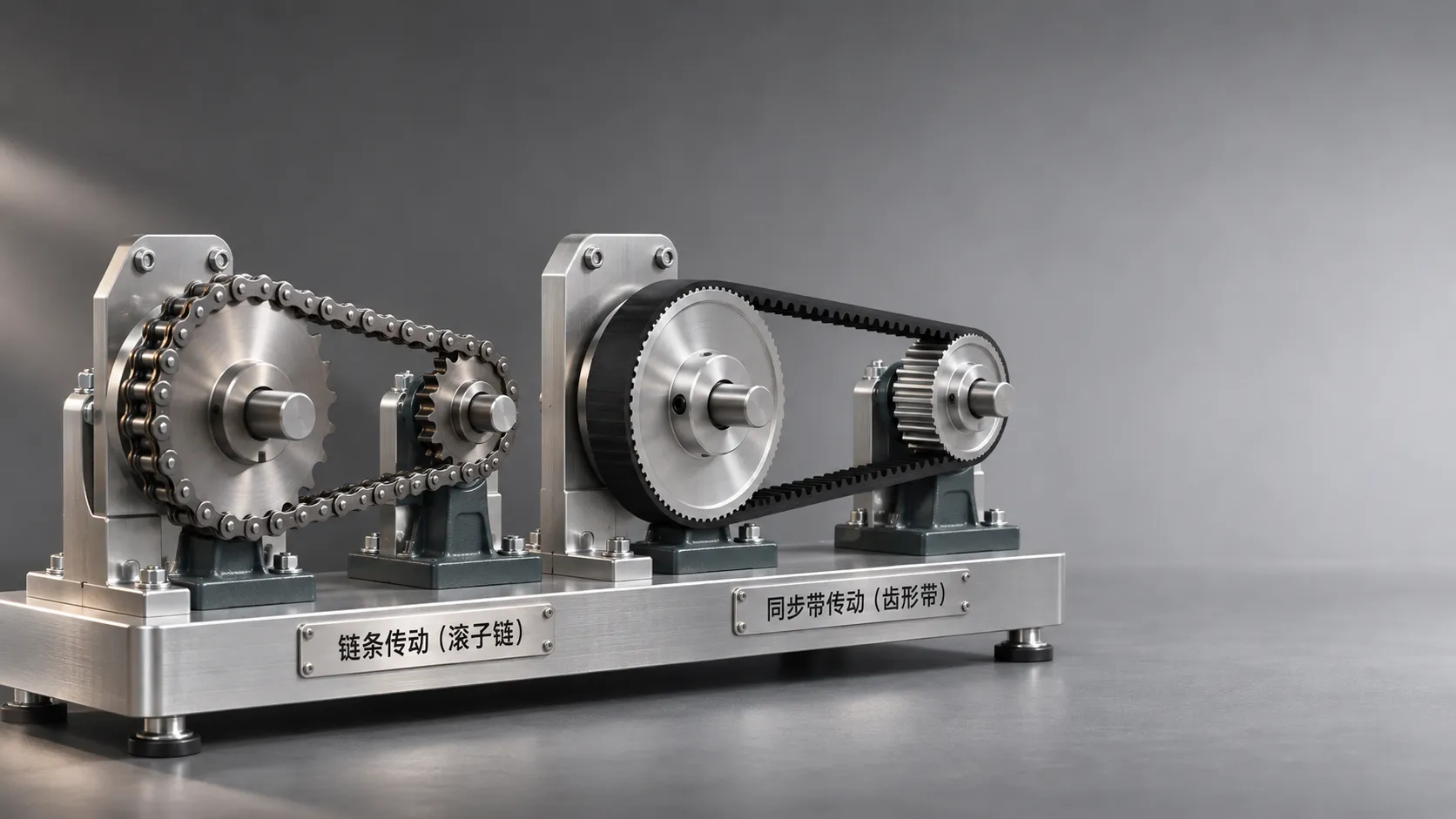
Chain vs. Belt Drives: How to Choose for Load, Speed, and Maintenance
Explore our industrial component knowledge base for drive selection. Compare chain and belt drives by load, speed, and maintenance to find the right fit.

Choosing Heavy Equipment for Construction: Capacity, Terrain and Costs
Choose heavy duty heavy equipment with confidence. Compare capacity, terrain, productivity, and total costs to find the right machine for your construction project.
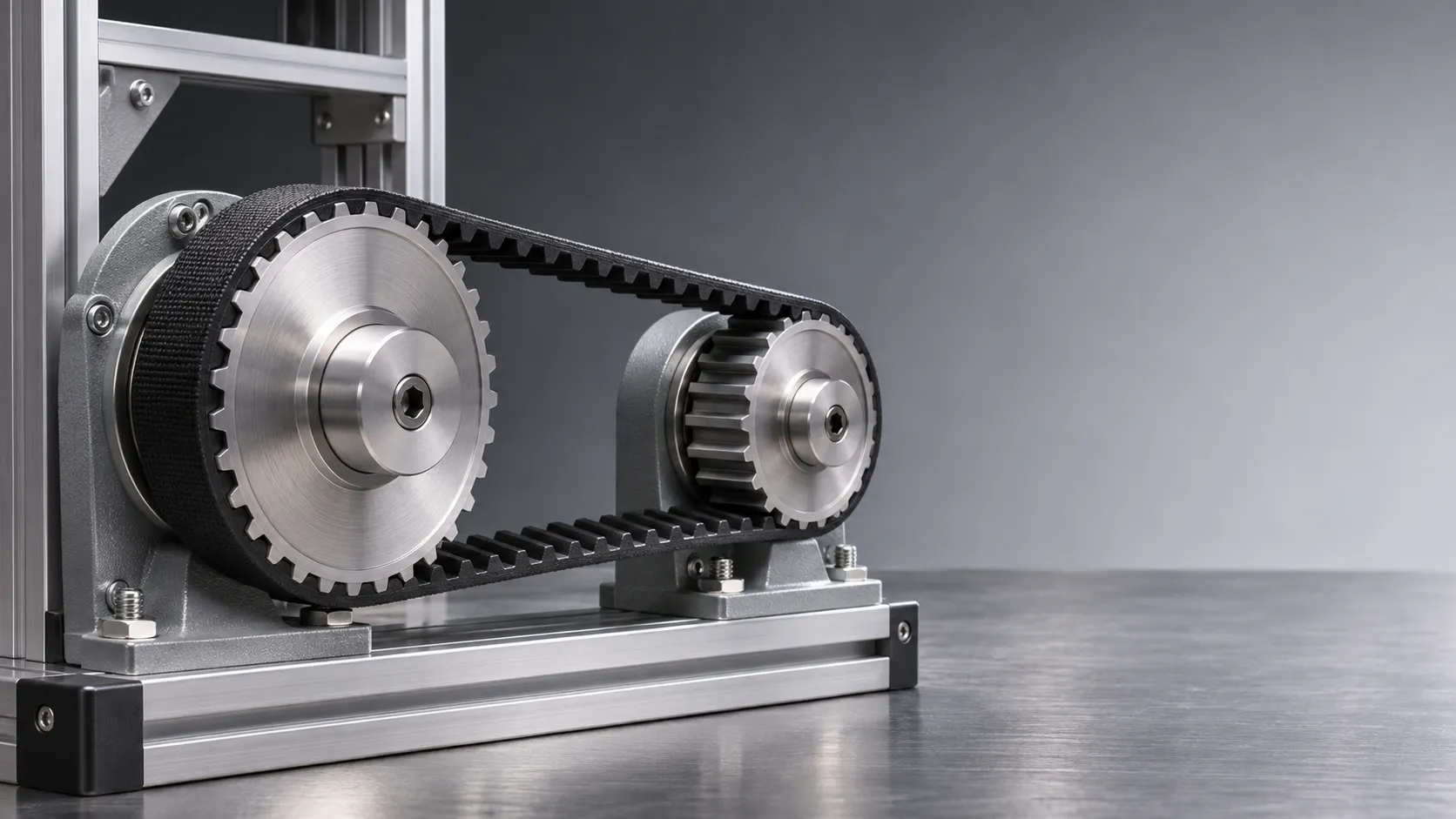
Choosing Long-Life Timing Belts: Load, Speed and Operating Conditions
Choose long-life timing belts with confidence. Compare load, speed, environment and maintenance factors to improve reliability and reduce downtime.
Green Manufacturing Technology Costs: Upfront Investment and Payback
Explore green manufacturing technology cost, from upfront investment to payback. Learn how to assess savings, manage risks, and build a stronger business case.