
Industry News
Curation by industry experts
Hot Articles
Popular Tags
How Often Should Industrial Gear Oil Be Tested?
How Often Should Industrial Gear Oil Be Tested?
How often should industrial gear oil be tested? There is no single calendar interval that fits every gearbox. A lightly loaded enclosed reducer in a clean, climate-controlled plant does not face the same risks as a kiln drive, wind turbine gearbox, conveyor drive, mixer, or mining crusher operating under shock loads and temperature swings. The practical answer depends on operating load, temperature, contamination exposure, lubricant type, maintenance history, and—most importantly—the consequence of an unexpected failure.
Oil analysis is not simply a way to decide when to drain a sump. It is a condition-monitoring tool for the lubricant, the gearbox, and the surrounding process. A representative sample can reveal changes in viscosity, oxidation, water contamination, particle levels, wear debris, and additive condition before those changes become tooth damage, bearing distress, seal failure, or an unplanned shutdown.
For maintenance teams, the goal is not to test as often as possible. It is to test frequently enough to see a meaningful trend before the equipment reaches a damaging condition. That distinction matters: a report without prior samples may identify an abnormality, but a sequence of comparable reports explains whether the condition is stable, worsening, or responding to corrective action.
Start With a Risk-Based Testing Interval
For many industrial gearboxes, an initial oil sample at commissioning or shortly after a lubricant change creates the baseline. After that, teams commonly apply shorter intervals to critical, highly loaded, hot, or contamination-prone assets and longer intervals to low-consequence drives with stable operating conditions. The lubricant supplier’s recommendation, gearbox manufacturer guidance, site reliability procedures, and applicable internal standards should all be reviewed before setting the schedule.
A calendar-only program can be useful at the beginning, but it should evolve. If a gearbox consistently shows clean, stable oil over several test cycles, its interval may be reviewed. If reports reveal rising iron, silicon, moisture, viscosity drift, or repeat filter blockage, sampling should become more frequent while the cause is investigated. The test interval is therefore a living maintenance control, not a label fixed permanently to the machine.
These are planning principles rather than universal prescriptions. A monthly sample from a noncritical gearbox may add little value if no action will follow, while a quarterly sample from a large process-critical reducer may be too slow to catch a rapidly developing problem. The correct question is not only “How often should we test?” but also “How quickly could this failure mode progress, and what decision will the result enable?”
What Changes the Sampling Frequency?
Temperature is one of the clearest drivers. Sustained elevated operating temperature can shorten lubricant life by accelerating oxidation and increasing the likelihood of varnish, sludge, or viscosity change. A gearbox that runs hotter than its own normal pattern deserves attention even if the absolute temperature does not appear extreme. Comparing operating temperature, load, ambient conditions, and oil-report history often reveals more than looking at any one value alone.
Contamination risk is equally important. Dusty bulk-material operations, washdown areas, coastal installations, humid buildings, and equipment with compromised breathers or seals can all introduce contaminants. Water can reduce film strength, promote corrosion, affect additives, and contribute to micropitting risk under unfavorable conditions. Silicon may indicate ingressed dirt, although interpretation requires caution because some sealants, additives, or environmental sources can influence results. The point is to investigate patterns, not to condemn oil from one number in isolation.
Lubricant chemistry also matters. Mineral and synthetic industrial gear oils can age differently, and additives may be selected for particular gear metallurgy, operating loads, temperatures, or compatibility requirements. A lubricant conversion, top-up with an unapproved product, or unexplained shift in viscosity should trigger closer monitoring. Laboratories need accurate lubricant identification to interpret the report against an appropriate reference, not against a generic assumption.
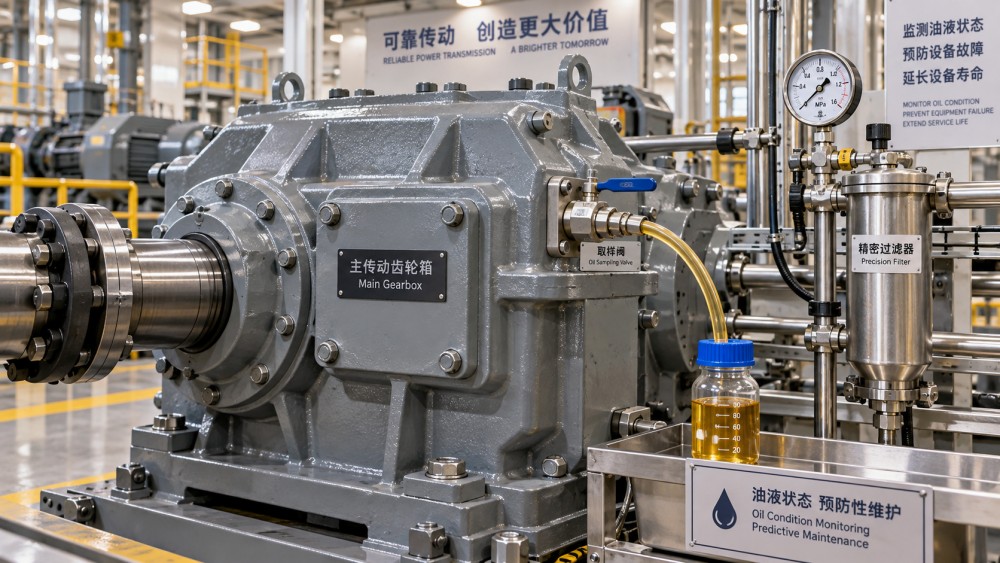
A Useful Gear Oil Test Looks Beyond One Result
A basic industrial gear oil analysis package commonly examines viscosity, water content, elemental wear metals, contamination indicators, and oxidation or degradation indicators. Particle counting, ferrous debris monitoring, microscopy, acid number, demulsibility, foam tendency, and infrared analysis may be relevant depending on the gearbox and the suspected failure mode. Not every test is necessary for every sample; the test slate should match the asset’s risk and the information needed to make a maintenance decision.
Wear metals require context. Iron may originate from gears, shafts, bearings, or general corrosion. Copper can be associated with bronze components, bushings, coolers, or other sources. A small amount of metal is not automatically a failure warning, especially after commissioning, repair work, or an oil change that disturbed settled debris. A sustained upward trend, a sharp change from baseline, or a result that matches abnormal vibration, temperature, or noise is more meaningful than a single isolated reading.
Viscosity is similarly easy to misread. A decrease may point toward wrong-oil addition, shear, fuel-like contamination in certain systems, or chemical change. An increase can be associated with oxidation, contamination, or mixing with a heavier grade. Neither condition should be diagnosed from laboratory data alone. Confirm the lubricant in service, inspect top-up practices, review operating conditions, and check whether the sample was drawn correctly.
Sampling Quality Can Make or Break the Program
Poor samples create false confidence and false alarms. The preferred sample is usually taken from a live, representative zone while the gearbox is at normal operating temperature and the oil is circulating. Sampling from the drain plug often captures settled debris rather than the circulating oil condition; taking oil from a filler opening may capture little more than surface fluid. A properly installed sampling point, located downstream of the lubricated components where practical and upstream of filtration when the objective is to understand gearbox wear, produces more consistent information.
Consistency matters as much as location. Use clean bottles, label them accurately, record the machine identity, lubricant brand and grade, running hours, oil age, top-up quantity, filter changes, and abnormal operating events. Draw samples from the same point and under similar conditions whenever possible. Without that discipline, a laboratory may be comparing different fluids collected in different ways, then being asked to identify a trend that is not real.
After an alarm, do not treat the lab report as a work order by itself. A sensible response may include resampling to confirm the condition, checking breathers and seals, inspecting filters and magnetic plugs, reviewing vibration data, verifying temperature, and planning a borescope inspection where access permits. If evidence points to active distress, the escalation should be proportionate to the gearbox’s criticality and the likely failure mechanism.
When Testing Should Be More Frequent Than the Routine Plan
Routine intervals should be shortened after events that change the machine’s risk profile. Examples include a major overload event, persistent overheating, water exposure, abnormal vibration, seal replacement, gearbox repair, filtration failure, a lubricant changeover, or discovery of incorrect top-up oil. New or recently rebuilt gearboxes may also benefit from closer observation while wear-in debris stabilizes, subject to the equipment and lubricant supplier’s guidance.
Seasonal conditions can matter more than maintenance schedules acknowledge. Outdoor equipment may experience condensation during cool-down periods, while hot-weather operations can push already warm drives closer to the thermal limits of the lubricant. In plants with variable production, test scheduling should reflect actual operating hours and process severity, not merely the date on a wall calendar.
From Oil Reports to Better Transmission Decisions
The strongest oil-analysis programs connect lubrication data with the broader health of the power-transmission system. Gear oil reports gain value when reviewed alongside vibration routes, thermal trends, motor load, alignment history, seal condition, filtration performance, and production changes. A gearbox is not an isolated vessel of oil; it is part of a mechanical chain in which bearings, couplings, shafts, motors, driven equipment, and environmental exposure influence one another.
This systems view is central to the intelligence work followed by GPT-Matrix. The platform’s focus on industrial power transmission, motion control, materials, and critical sealing technologies reflects a practical reality: lubricant condition is shaped by mechanical design, operating discipline, sealing performance, and the changing economics of maintenance materials. For distributors, plant engineers, and reliability teams, the useful output is not a generic warning about “bad oil.” It is a clearer basis for deciding whether to filter, investigate contamination, adjust lubrication practices, inspect the gearbox, or continue monitoring with confidence.
A good starting rule is simple: establish a baseline, classify gearboxes by criticality and exposure, sample consistently, and tighten the interval whenever the trend or operating context changes. Before changing an oil-drain interval or reacting to an alert, confirm the gearbox manufacturer’s requirements, the lubricant supplier’s technical guidance, and the evidence from the full condition-monitoring record. That is how oil testing becomes a decision tool rather than another maintenance task that generates paperwork.
Recommended News
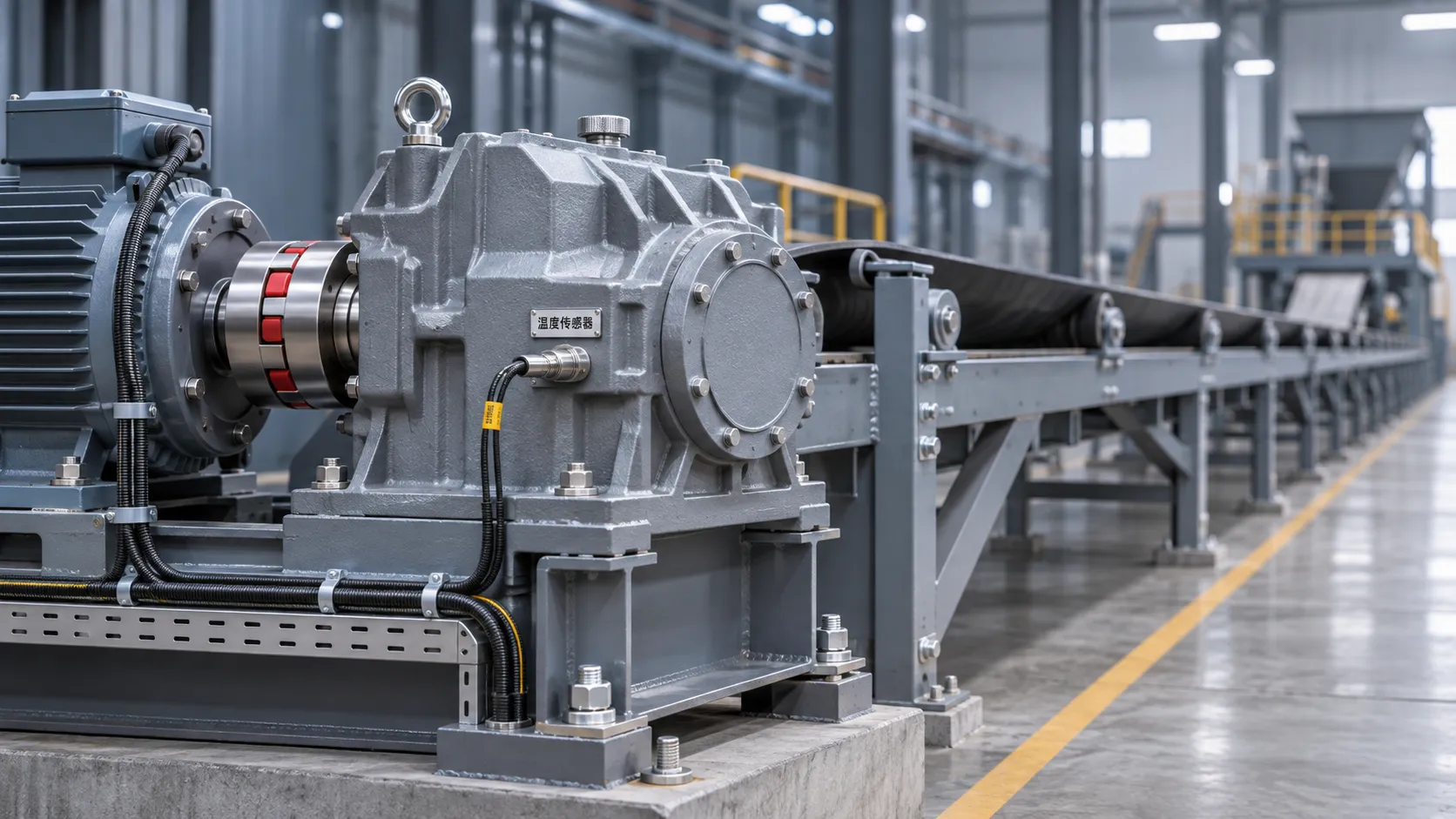
Smart Transmission Components: What Drives Price and Total Cost?
Smart transmission components price is just the start. Explore the factors behind quotes and total ownership costs to compare suppliers and buy with confidence.
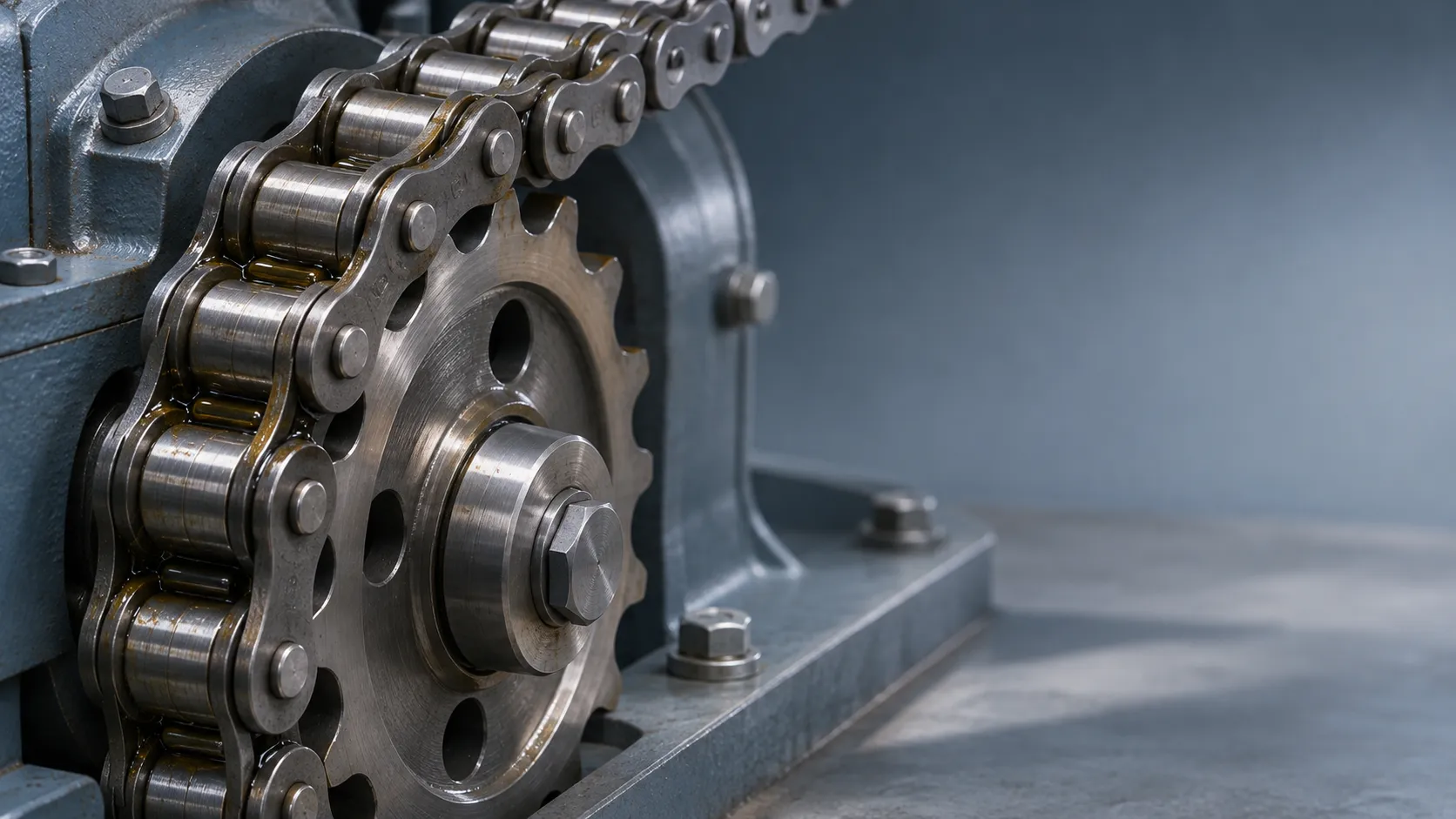
Choosing Long-Life Roller Chains for High-Load Applications
Discover how to choose long-life roller chains for high-load drives, from fatigue ratings and lubrication to sprocket alignment and operating costs.
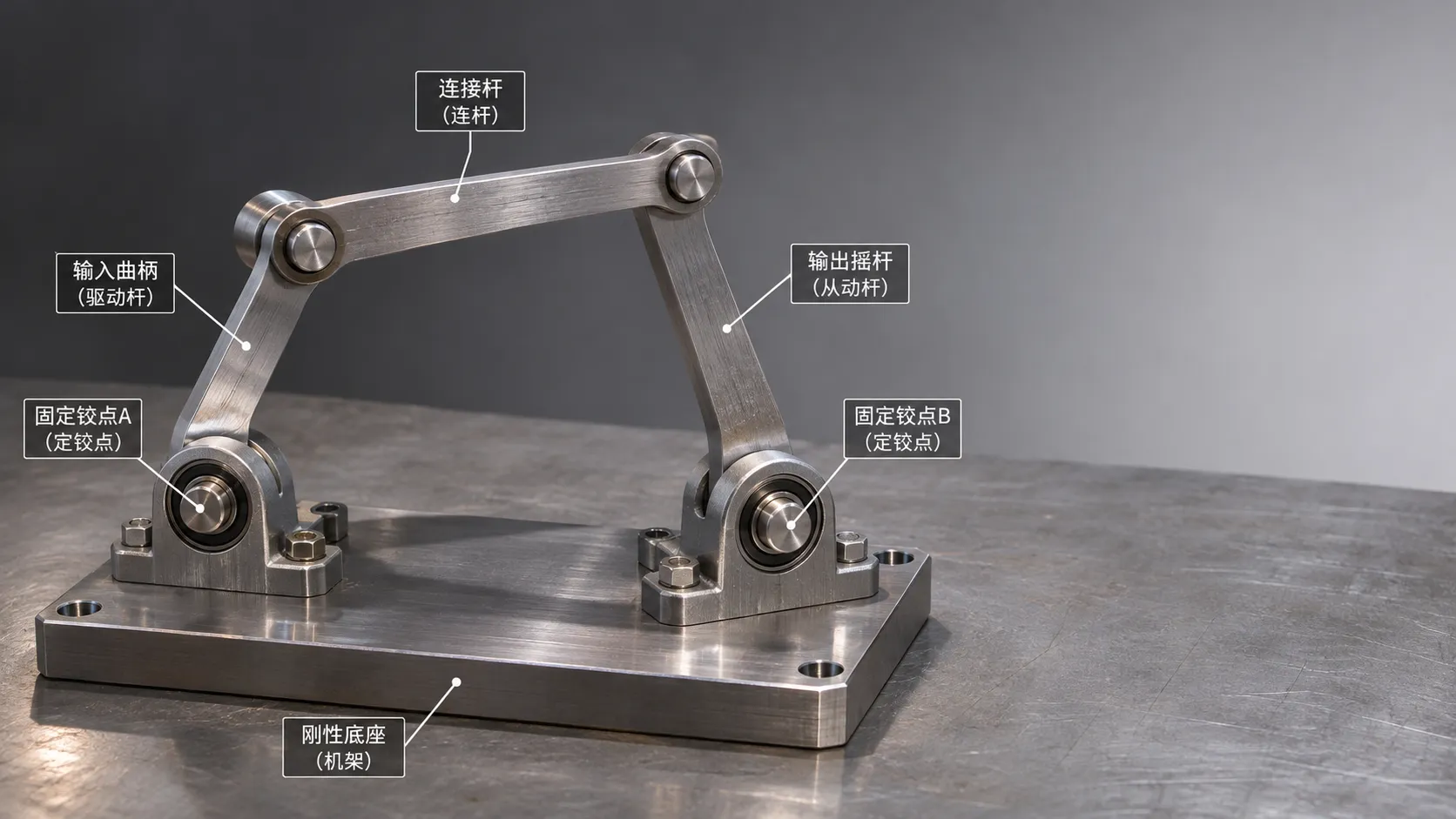
Mechanical Linkage Assemblies: How Motion and Force Are Transmitted
Explore mechanical linkage technology assemblies and learn how geometry, joints, and load affect motion, force, accuracy, and reliability.
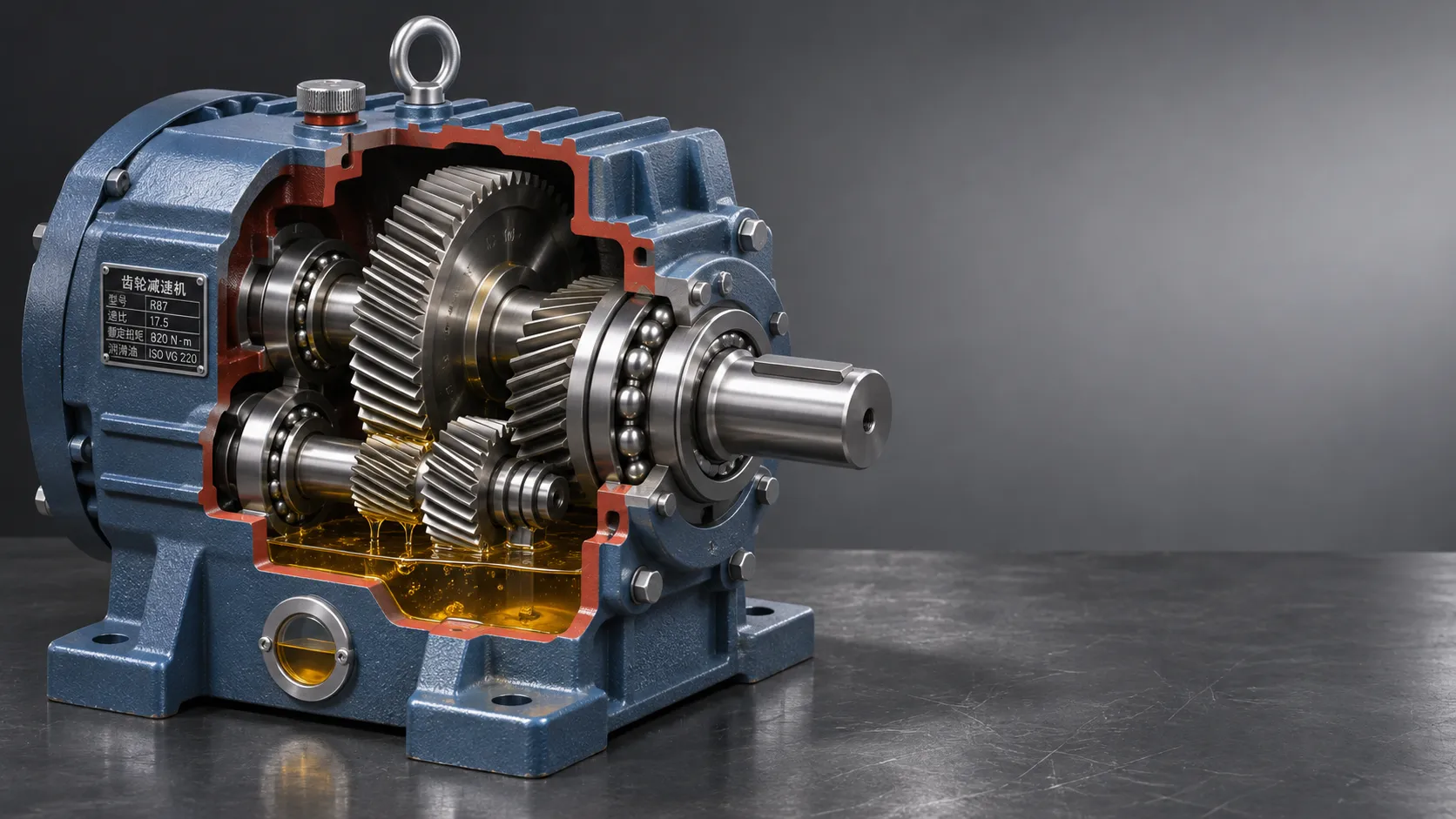
Choosing Wear-Resistant Industrial Transmissions for Long Service Life
Choose wear resistant long life transmissions with confidence. Explore load, lubrication, sealing and supplier checks to reduce downtime and service costs.
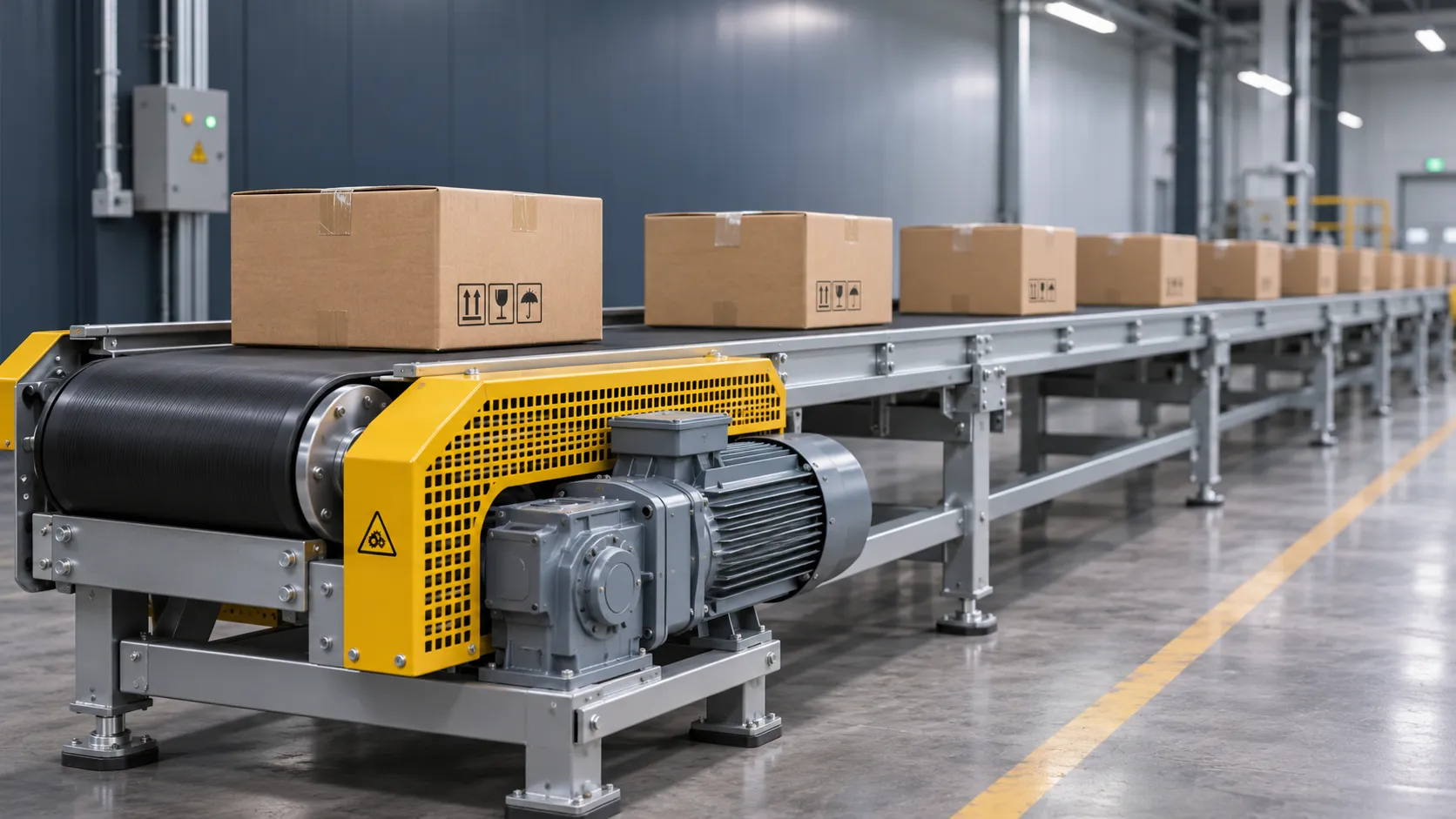
Choosing Industrial Motion Solutions for Conveyor Speed and Load Requirements
Explore industrial motion solutions for conveyor speed and load requirements. Compare drives, torque, control and duty cycles to make a confident choice.
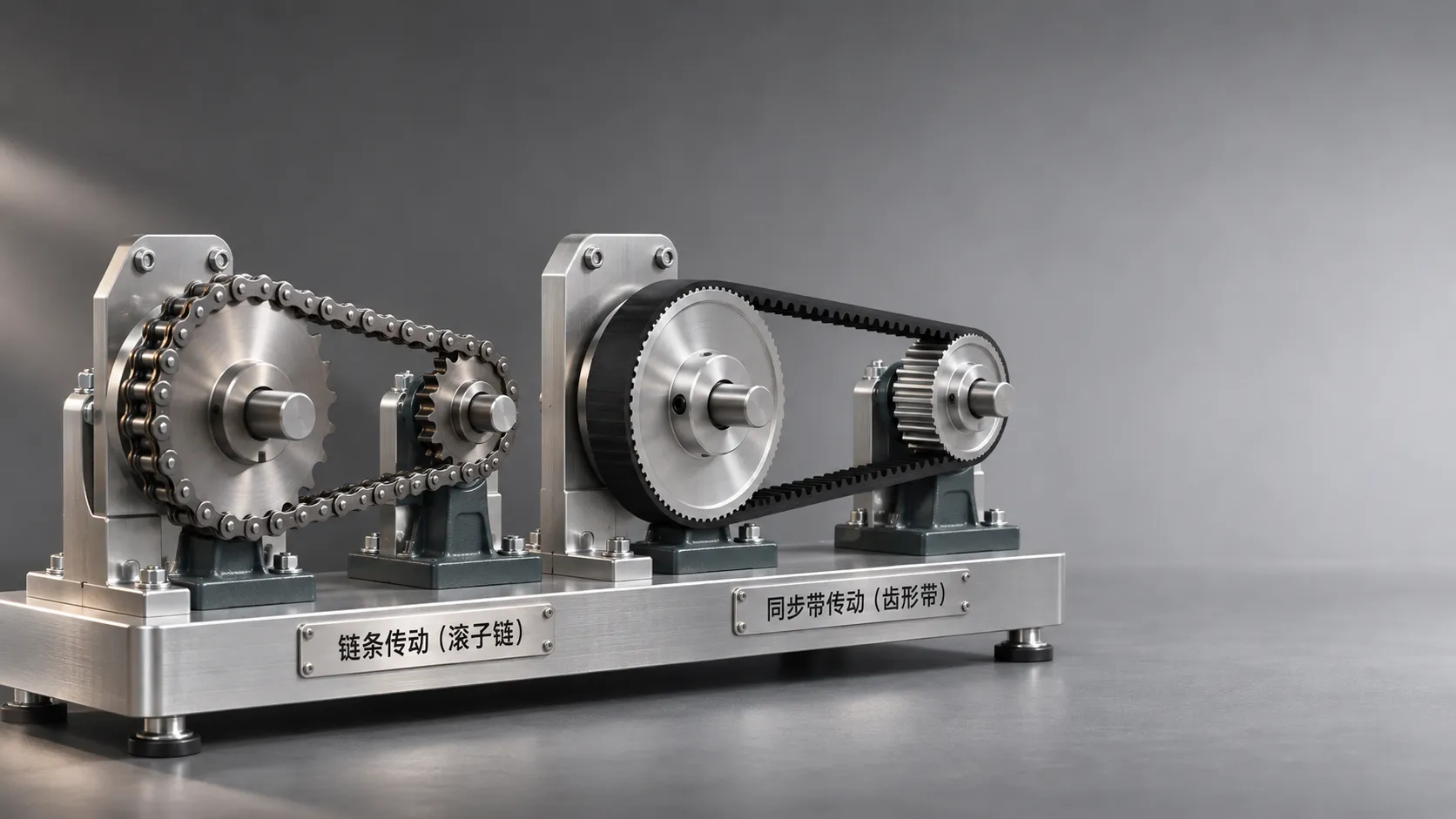
Chain vs. Belt Drives: How to Choose for Load, Speed, and Maintenance
Explore our industrial component knowledge base for drive selection. Compare chain and belt drives by load, speed, and maintenance to find the right fit.

Choosing Heavy Equipment for Construction: Capacity, Terrain and Costs
Choose heavy duty heavy equipment with confidence. Compare capacity, terrain, productivity, and total costs to find the right machine for your construction project.
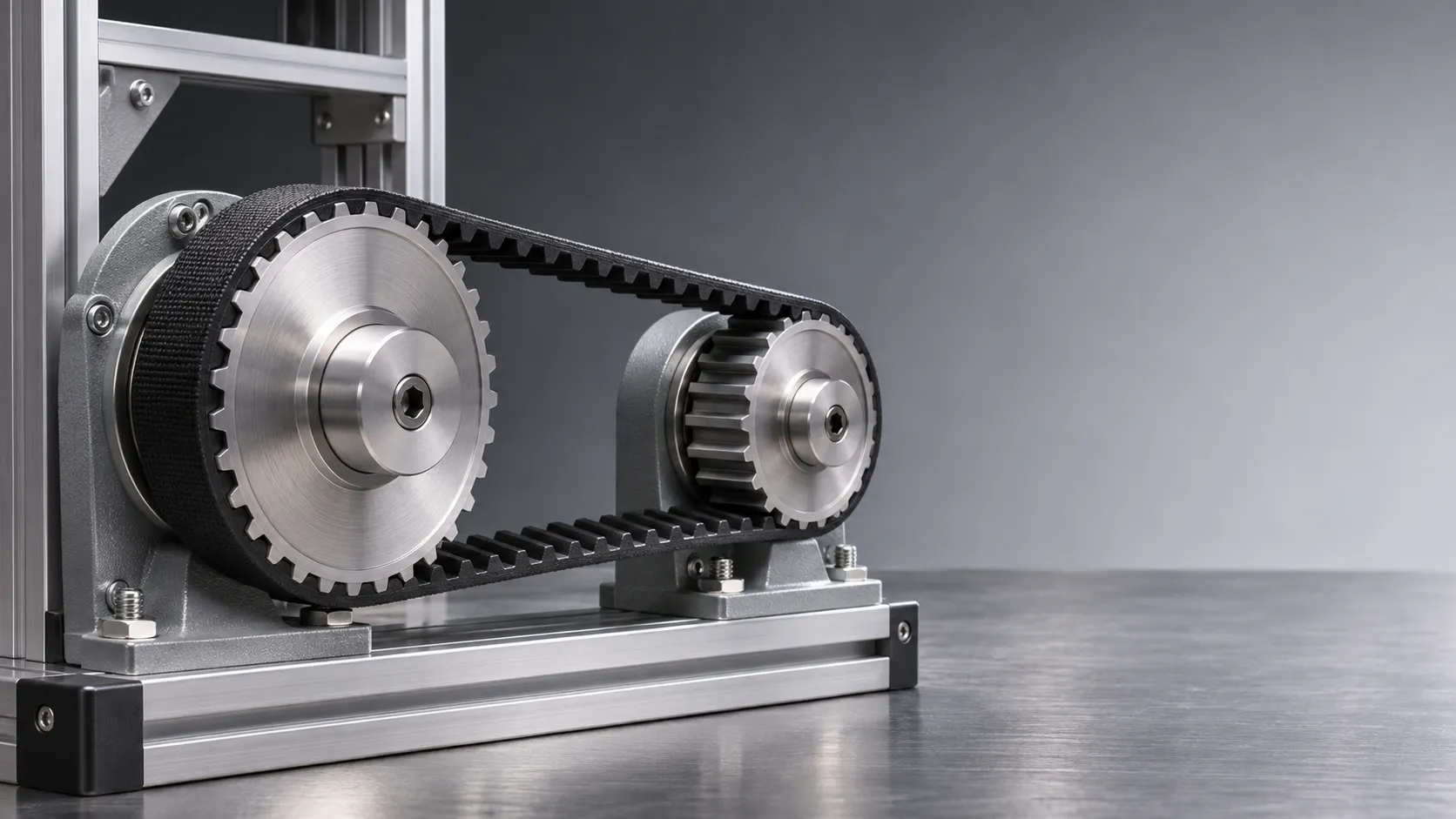
Choosing Long-Life Timing Belts: Load, Speed and Operating Conditions
Choose long-life timing belts with confidence. Compare load, speed, environment and maintenance factors to improve reliability and reduce downtime.
Green Manufacturing Technology Costs: Upfront Investment and Payback
Explore green manufacturing technology cost, from upfront investment to payback. Learn how to assess savings, manage risks, and build a stronger business case.