
Industry News
Curation by industry experts
Hot Articles
Popular Tags
Precision motion control systems: where accuracy starts to drift
In precision motion control systems, accuracy rarely disappears in a single failure event. It usually degrades gradually through thermal growth, wear, servo mismatch, feedback noise, structural compliance, and poor subsystem integration. For technical evaluators, the key question is not simply whether a system can hit a target once in a lab test, but where accuracy begins to drift under real operating conditions and how quickly that drift compounds into scrap, downtime, and lifecycle cost. This article examines the practical sources of motion degradation, the warning signs behind them, and the evaluation methods that reveal long-term control stability.
Why drift matters more than peak accuracy in precision motion control systems
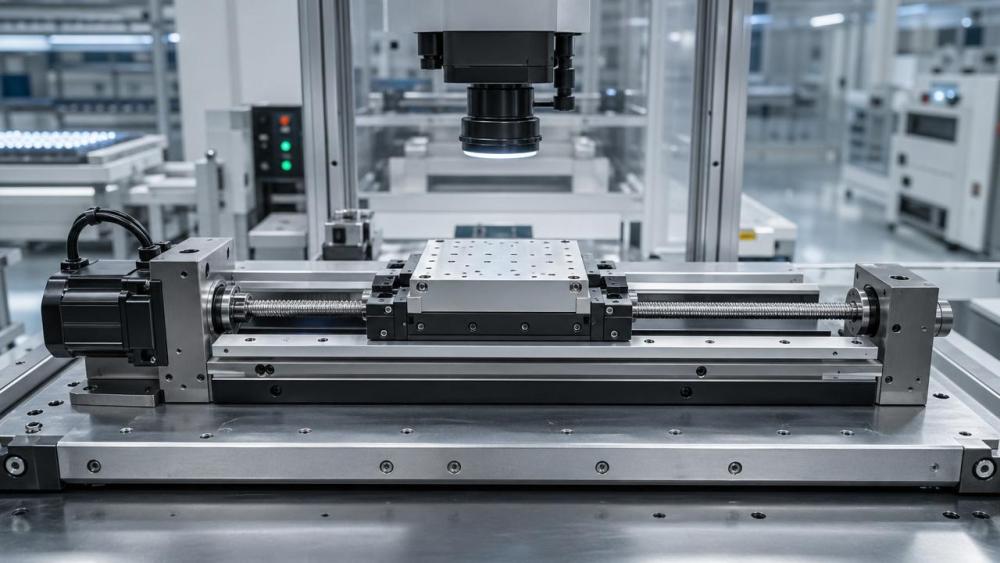
When engineers assess precision motion control systems, headline specifications often look reassuring. Positioning accuracy, repeatability, encoder resolution, settling time, and stiffness may all appear competitive on a datasheet. Yet many systems that perform well during acceptance testing lose effective accuracy once they are exposed to production heat, variable loads, duty cycles, contamination, and extended runtime.
That is why technical evaluators should treat drift as a more revealing indicator than isolated peak accuracy. A machine that can achieve micron-level positioning for a short period may still be a poor choice if its motion consistency changes significantly after several hours of operation. In real manufacturing, sustained stability matters more than a single best-case result.
Drift also has a compounding effect. A small thermal offset in a linear axis can interact with backlash growth, servo gain mismatch, or encoder mounting error. The result is not just a slight deviation, but an unstable control environment that becomes harder to tune, harder to predict, and more expensive to maintain. For evaluation teams, the practical task is to identify which subsystem starts the drift process first.
Where accuracy usually starts to drift first
In most precision motion control systems, drift begins at the interfaces between mechanical structure, sensing, and control. Rarely is the root cause a single component failure. More often, a technically acceptable motor, drive, encoder, stage, or coupling becomes unreliable when integrated into a dynamic system with conflicting tolerances and thermal behaviors.
The first common source is thermal variation. Motors generate heat, bearings warm under load, ball screws expand, and machine frames respond to ambient changes. Even small temperature shifts can alter dimensional relationships enough to affect closed-loop accuracy. In ultra-precise applications, thermal behavior often determines whether nominal performance can be maintained for a full shift.
The second source is mechanical wear. Backlash, rolling-element fatigue, guideway degradation, and coupling looseness do not always produce immediate alarms. Instead, they gradually reduce repeatability and increase compensation demands. A system may continue operating while producing more correction events, more vibration, and greater variability in actual part quality.
The third source is control lag. Servo loops that appear stable under one load condition may underperform when inertia changes, motion profiles become more aggressive, or external disturbances increase. Poorly matched gains, insufficient bandwidth, and delayed feedback processing can all create subtle tracking errors that grow worse over time.
The fourth source is hidden integration flaws. Misalignment between motor and load, poor cable routing, weak grounding, insufficient structural rigidity, or incorrect encoder scaling can each introduce errors that are hard to isolate. These are especially important for evaluators because they often fall outside vendor headline claims, yet strongly influence field performance.
How thermal effects quietly undermine long-term control stability
Thermal drift is one of the most underestimated causes of declining accuracy. It is difficult because a system can pass initial testing at room temperature, then shift position once continuous production begins. Heat does not remain confined to the motor. It spreads through mounts, couplings, bearings, screws, linear guides, and nearby machine structures.
For technical evaluators, the important distinction is between compensated and inherently stable systems. Some platforms rely heavily on software correction to maintain performance as temperatures rise. Others are designed with better thermal symmetry, lower expansion sensitivity, or more intelligent heat paths. Both approaches can work, but they do not carry the same reliability risk.
Questions worth asking include how quickly the axis reaches thermal steady state, whether bidirectional error changes with temperature, how ambient variation affects accuracy, and whether calibration remains valid across different duty cycles. If a vendor only demonstrates performance after warm-up without explaining transient behavior, evaluators should investigate further.
Thermal management is also tied to productivity. A system that needs long stabilization periods before it can hold tolerance may meet technical requirements but fail operationally. In high-throughput environments, lost time before stable production can erase the value of nominal precision.
Mechanical transmission quality is often the hidden limit
Precision motion control systems depend on more than the controller and encoder. Their real behavior is strongly shaped by transmission components such as ball screws, linear guides, gear reducers, belts, couplings, bearings, and sealing arrangements. These elements define stiffness, friction variation, backlash growth, load transfer quality, and resistance to contamination.
For evaluators, this is where industrial intelligence becomes especially useful. Two systems with similar control architecture can perform very differently because one uses better preload strategy, tighter transmission tolerances, superior lubrication management, or more stable sealing under harsh conditions. The control system cannot fully compensate for mechanical inconsistency.
Backlash is a familiar concern, but compliance is equally important. Elastic deformation in couplings, support structures, or transmission elements may not show up in static measurements, yet it can distort dynamic positioning. This becomes more visible during acceleration, direction reversal, or load changes. A system may appear accurate at low speed while drifting significantly during production motion profiles.
Wear progression should also be evaluated as a trend, not a binary state. The practical question is not whether a reducer or screw is new enough to meet specification today, but how quickly its transmission behavior changes under real cycle counts, contamination exposure, and lubrication intervals. Long-life consistency is often more valuable than the highest initial precision.
Feedback systems can report precision while masking real error
High encoder resolution does not automatically guarantee high system accuracy. One of the most common evaluation mistakes is confusing measurement granularity with true motion fidelity. If encoder mounting is unstable, if structural deformation exists between the sensor and the point of interest, or if interpolation electronics introduce noise, the feedback loop may look clean while the process output drifts.
This is why metrology strategy matters. Evaluators should distinguish between motor-side feedback, load-side feedback, and independent external verification. In systems with gears, belts, or long transmission paths, motor-side feedback can hide torsional effects and backlash behavior. Load-side sensing gives a more realistic picture, though it may introduce integration complexity and cost.
Noise and latency are also critical. A controller can only respond correctly if feedback remains timely and trustworthy. If signal integrity degrades because of electromagnetic interference, poor grounding, connector issues, or inadequate shielding, the resulting error may look intermittent and difficult to reproduce. Such problems are dangerous because they tend to appear in field conditions rather than controlled demos.
Technical evaluators should ask not only how feedback is measured, but where it is measured, how it is filtered, and how its integrity is maintained across the machine’s full operating envelope.
Servo tuning quality reveals whether the system is robust or merely optimized for a demo
Many precision motion control systems achieve attractive short-term results through narrow tuning around a specific load case. That does not mean they are robust. A well-tuned servo should maintain acceptable tracking, settling, and disturbance rejection across realistic variations in payload, inertia, speed, and trajectory complexity.
One warning sign is when performance changes sharply after a process adjustment that should have been within the intended operating range. Another is when the machine requires frequent retuning to preserve stability. This can indicate limited control margin, excessive dependence on ideal mechanics, or a mismatch between controller capability and system dynamics.
Evaluators should review frequency response behavior, not just simple move-and-settle tests. Resonance sensitivity, gain margin, phase margin, and disturbance response often reveal long-term vulnerability better than a single positioning chart. If the machine operates near structural resonance or uses aggressive gains to mask transmission weaknesses, drift and instability are likely to emerge later.
It is also useful to assess how the system handles abnormal but realistic events: quick load changes, emergency deceleration recovery, interrupted cycles, or slight process variation. Precision systems in production do not live in perfect conditions. Their value lies in how gracefully they maintain control when reality deviates from the baseline model.
Environmental and integration conditions often decide field performance
Even a well-designed axis can lose accuracy because of its installation environment. Floor vibration, nearby thermal sources, airborne contamination, humidity, lubricant incompatibility, cable drag forces, and pneumatic disturbances can all push a precision system away from its nominal behavior. These are not secondary issues. In many facilities, they are the real cause of underperformance.
Integration discipline matters just as much. Foundation rigidity, mounting flatness, alignment quality, and cable management directly influence repeatability and drift. A high-end motion platform installed on a weak structure may deliver worse real results than a mid-range platform integrated correctly. Technical evaluators therefore need to assess the full machine context, not only the motion module in isolation.
This is especially relevant in cross-border procurement and distributed manufacturing programs, where the same platform may be assembled, commissioned, and maintained by different teams. Systems that depend on narrow installation tolerances but lack strong integration guidance carry higher deployment risk.
How technical evaluators should test for drift instead of just checking specifications
To evaluate precision motion control systems effectively, teams should move beyond static spec comparison and short acceptance tests. The goal is to simulate the conditions under which drift is most likely to appear. That means testing over time, under load, across temperature variation, and through realistic duty cycles.
A strong evaluation plan includes warm-up profiling, repeated bidirectional positioning tests, dynamic contouring checks, load variation trials, and independent measurement against an external reference. If possible, testing should be repeated at different times of day or under different ambient conditions to expose sensitivity to thermal and environmental change.
Trend analysis is essential. Rather than recording only pass or fail at a single point, evaluators should track how error evolves after one hour, four hours, and a full production shift. They should also monitor vibration signatures, current demand, correction frequency, and maintenance adjustments. These indicators often reveal degradation before dimensional output moves clearly out of tolerance.
Vendor discussions should focus on evidence, not claims. Ask for stability data over time, wear-related compensation behavior, service records from comparable applications, and details on how thermal compensation was validated. A supplier that understands long-term motion integrity will usually provide a more transparent engineering narrative than one focused only on datasheet maxima.
What drift says about lifecycle cost and procurement risk
For technical evaluators, drift is not only a control issue. It is a business risk signal. Systems that drift early or unpredictably tend to consume more engineering time, more maintenance effort, more calibration cycles, and more unplanned downtime. They also make process capability harder to sustain, which can quietly increase scrap and inspection burden.
In contrast, precision motion control systems with stable long-term behavior usually deliver value beyond tolerance performance. They simplify commissioning, reduce retuning frequency, support more predictable maintenance planning, and improve confidence when production volumes or product variants change. This stability is often worth more than a small advantage in initial quoted accuracy.
From a sourcing standpoint, evaluators should therefore connect motion stability to component quality, transmission design maturity, thermal strategy, and supplier support competence. Procurement decisions based only on acquisition cost or isolated precision metrics often underestimate the hidden cost of drift.
Conclusion: the real starting point of accuracy loss is rarely where the datasheet says
Precision motion control systems usually do not fail because one specification was false. They lose value because accuracy starts to drift at the boundaries between mechanics, thermal behavior, sensing, control, and installation reality. For technical evaluators, the most useful question is not “What is the best accuracy this system can achieve?” but “What causes its accuracy to change over time, and how visible is that change before production suffers?”
A reliable evaluation should prioritize long-term stability, transmission integrity, thermal behavior, feedback validity, and integration robustness. When those factors are understood clearly, teams can distinguish between systems that look precise and systems that remain precise. That distinction is where better lifecycle decisions begin.
Recommended News
Mechanical Component Selection: Key Criteria for Load, Speed, Environment, and Service Life
Mechanical component selection made practical: evaluate load, speed, environment, lubrication, and service life to improve reliability, reduce downtime, and control lifecycle costs.
What to Request in Component Specification Resources Before Choosing a Supplier
Industrial component specification resources supplier guide: request drawings, material data, ratings, validation, and change control to choose reliable suppliers and reduce lifecycle risk.
How to Specify Multi-Axis Motion Control for High-Precision Automated Machines
Master multi axis motion control for high-precision automation—optimize synchronization, feedback, mechanics, safety, and lifecycle reliability.
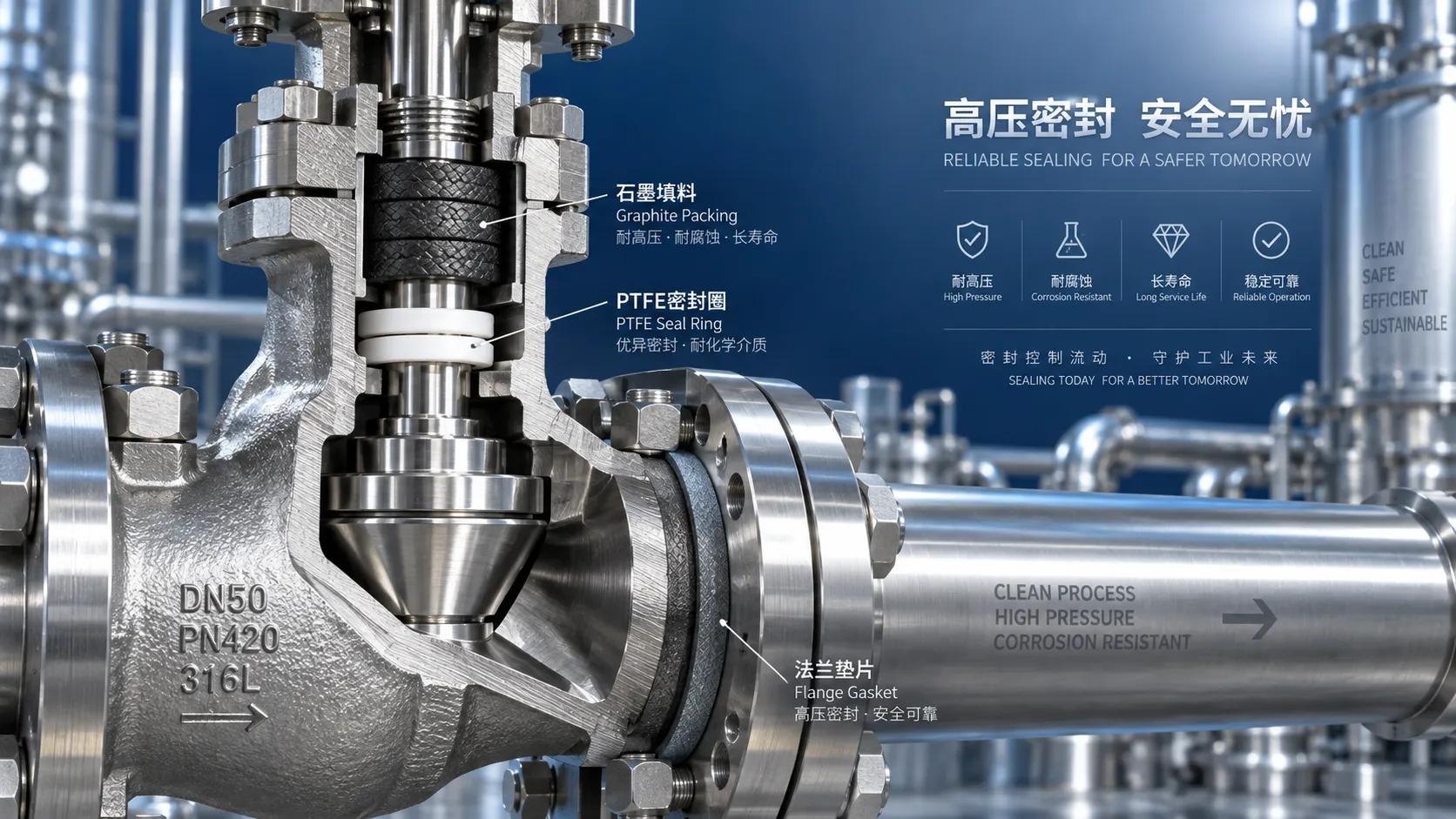
Selecting Valve Sealing Solutions for High-Pressure and Corrosive Service
Industrial sealing solutions for valves: learn how to select reliable systems for high-pressure, corrosive service, control fugitive emissions, and reduce lifecycle leakage risks.
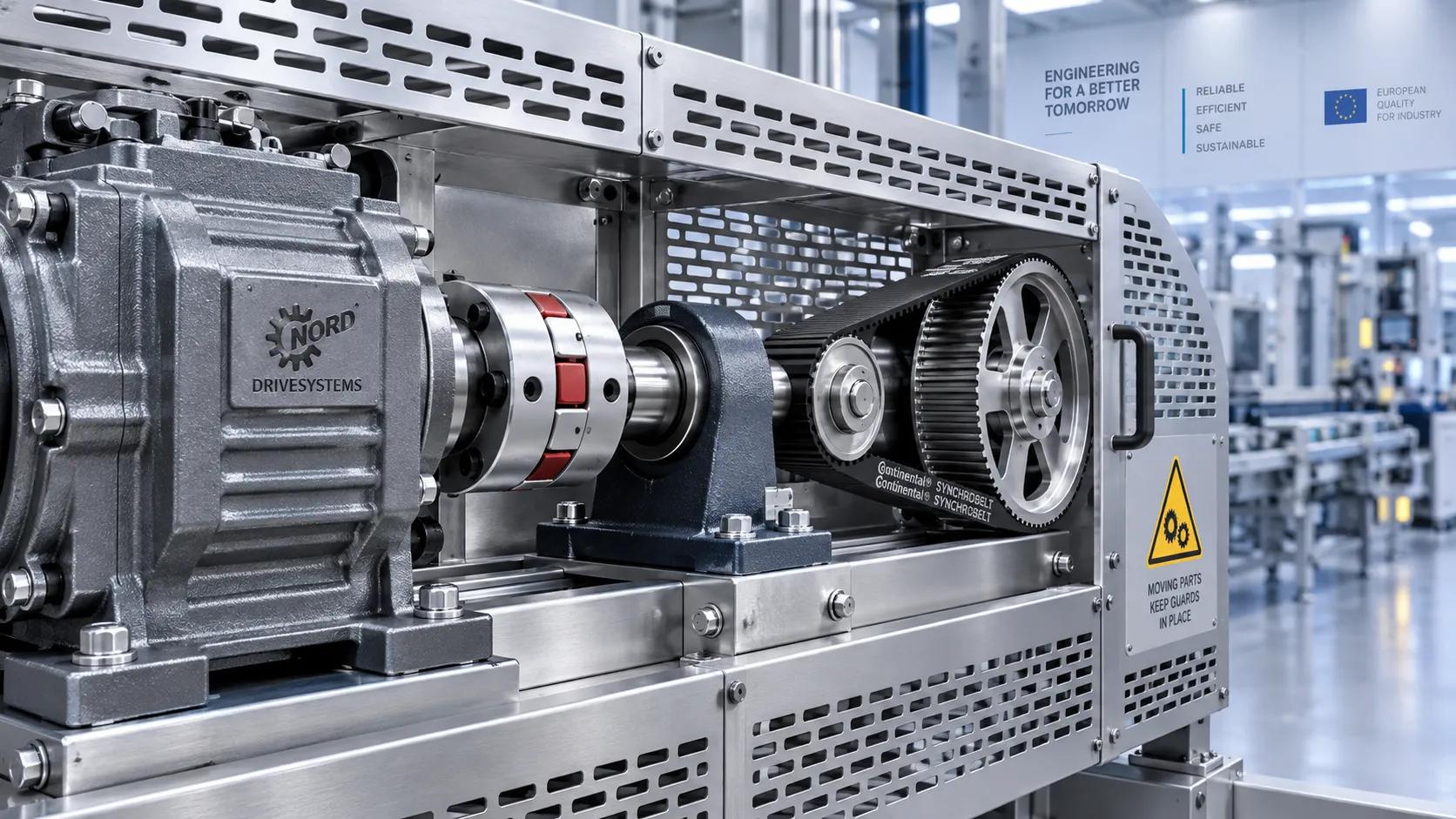
Which European Standards Matter When Specifying Industrial Power Transmission Systems?
Standardized transmission systems Europe: discover the key EN and ISO standards for safer, compliant gear units, belts, couplings, bearings, seals, and ATEX applications.
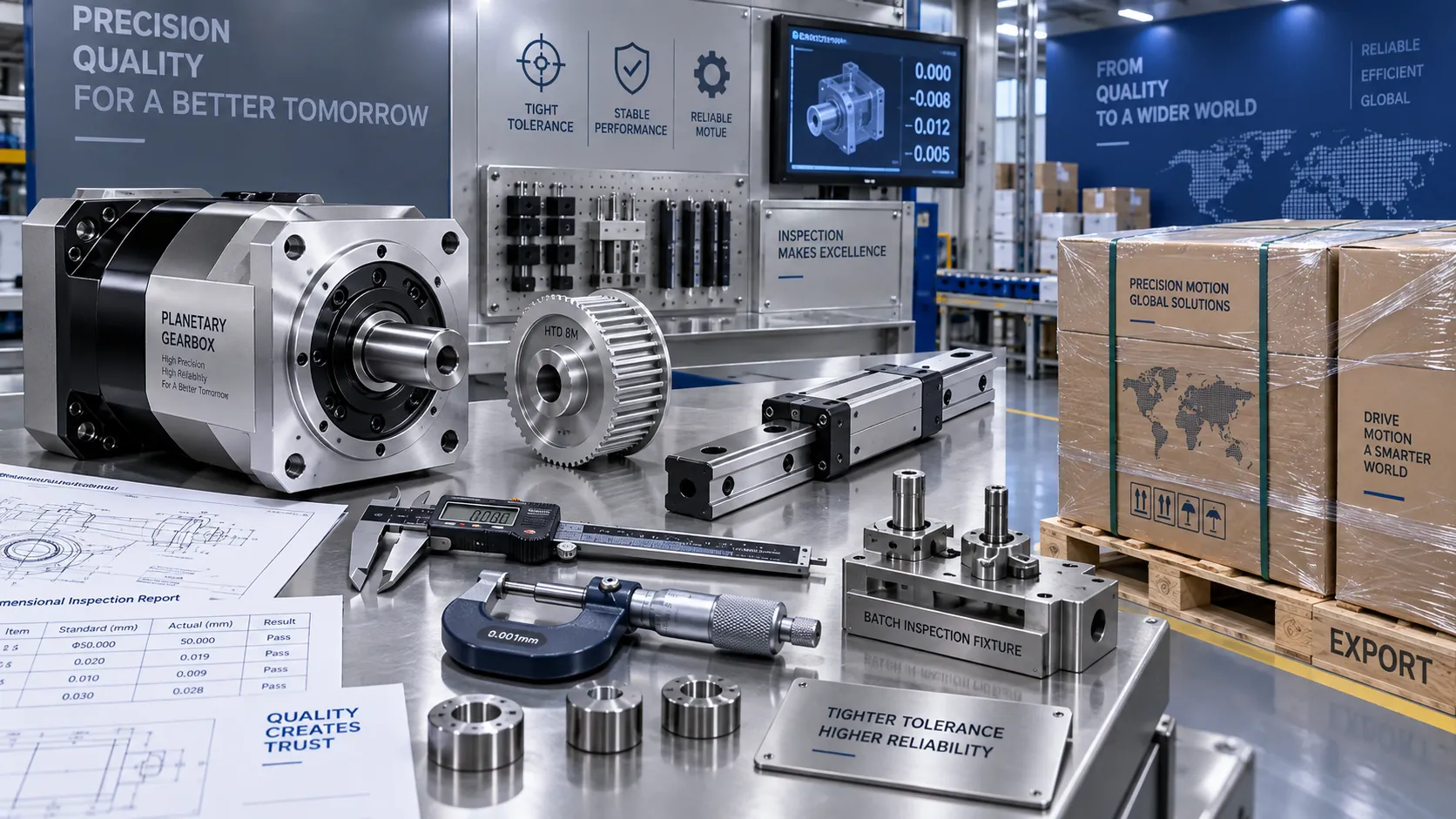
How to Vet a Motion Control Components Exporter for Global OEM Supply?
Motion control components exporter vetting guide for global OEMs: assess quality, traceability, export readiness, landed cost, and supply resilience before you buy.
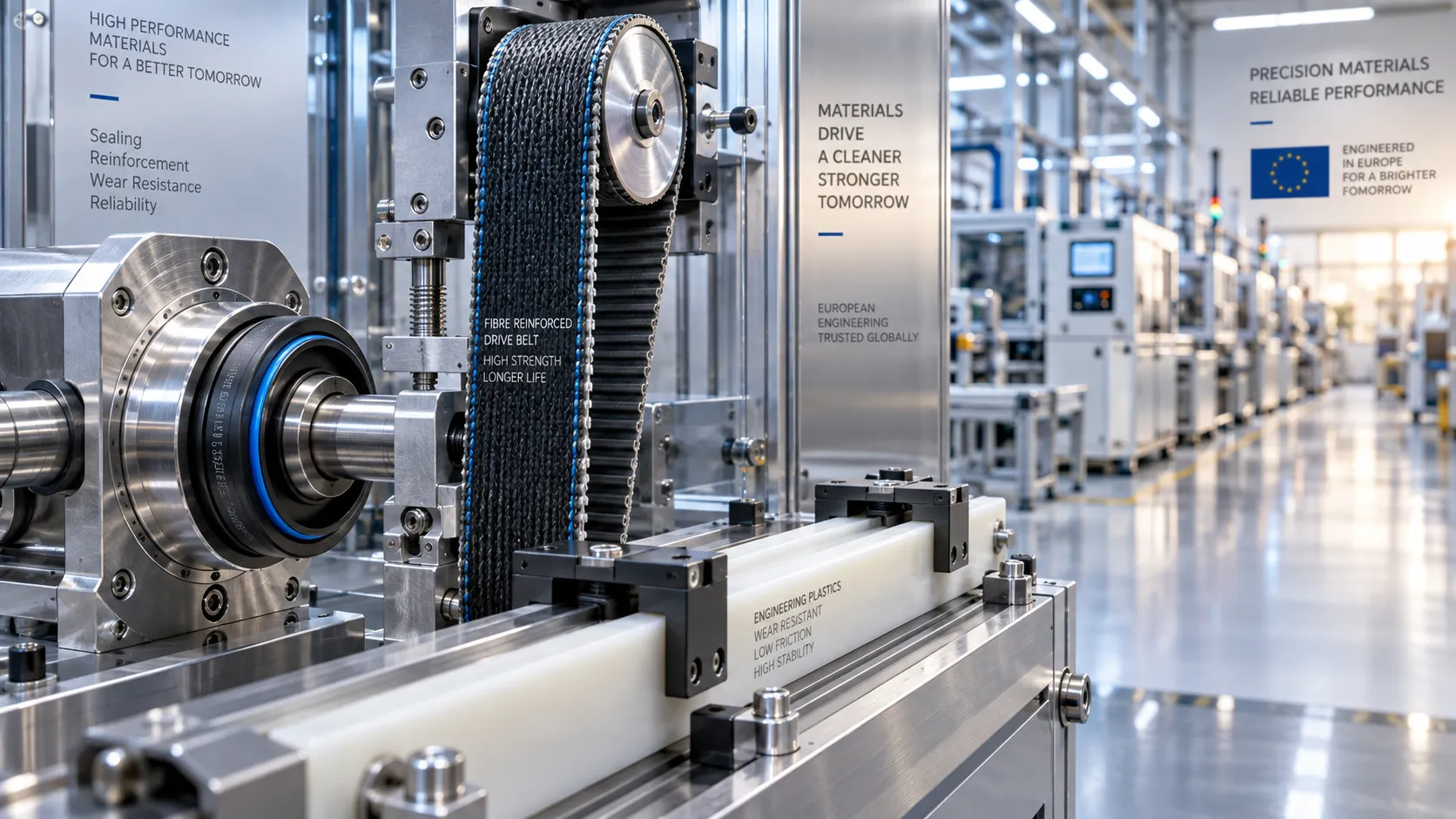
High-Performance Materials in Europe: Sourcing Criteria for Critical Industrial Applications
High-performance materials Europe: learn how to source critical industrial materials using proven criteria for durability, compliance, traceability, lifecycle cost, and supply resilience.
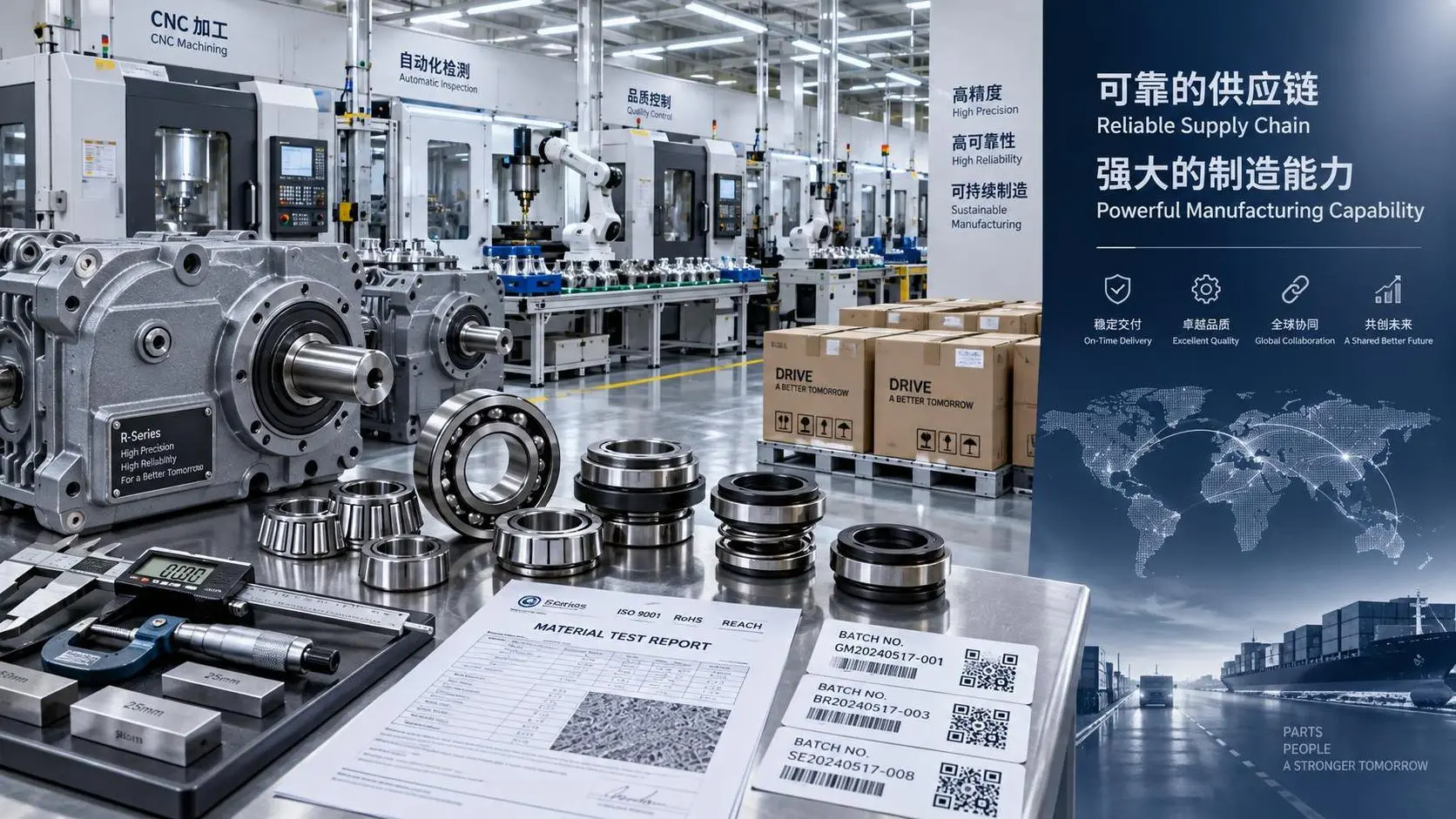
How to Assess a Global Supplier’s Capability Before Awarding a Critical Contract
Global supplier capability review: learn how to verify technical control, quality systems, global delivery resilience, compliance, and service support before awarding a critical contract.
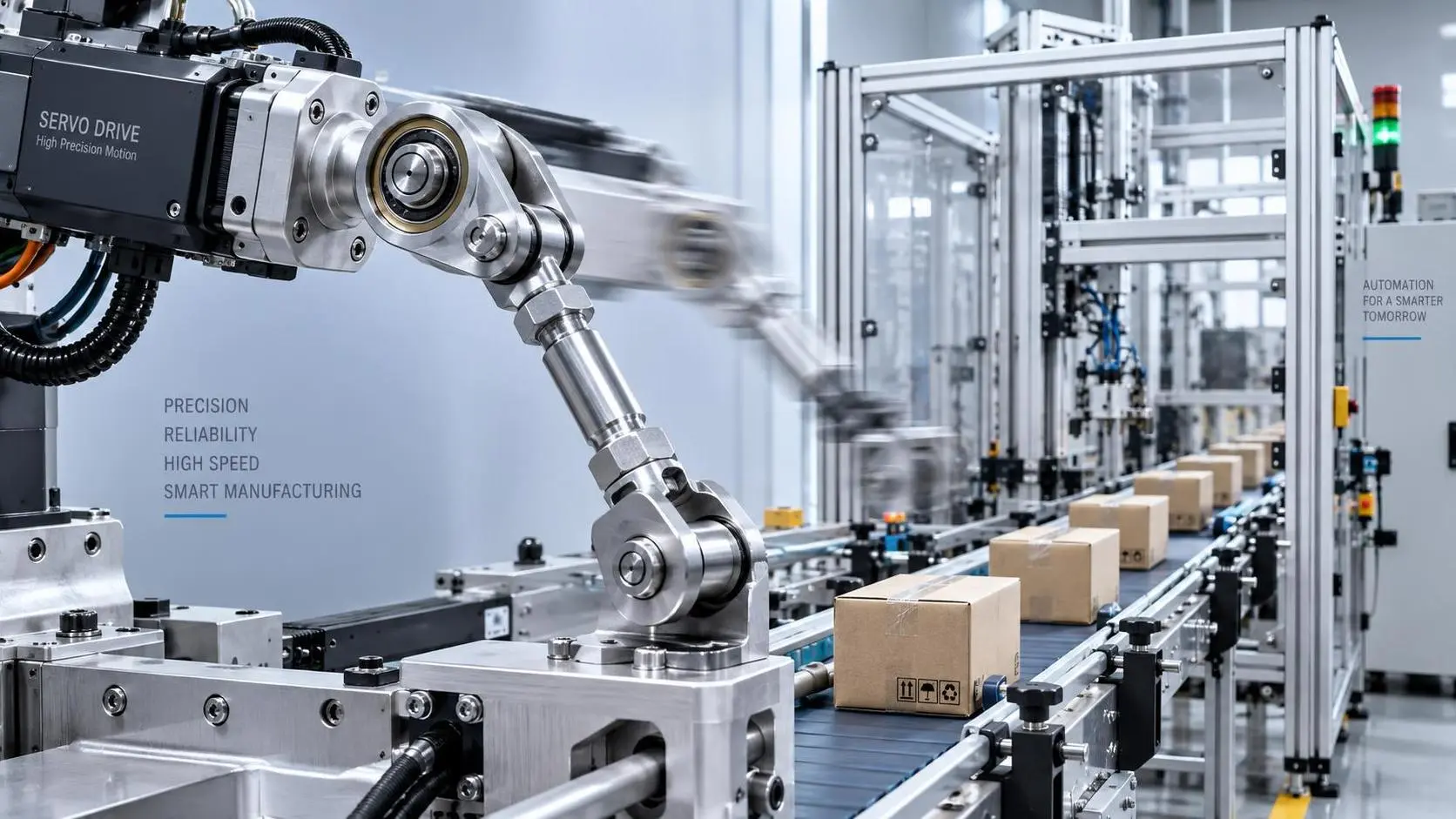
How to Select Mechanical Linkage Components for High-Cycle Automation Equipment
Mechanical linkage technology components: learn how to select reliable rod ends, pins, and joints for high-cycle automation, reducing wear, backlash, downtime, and maintenance risk.