
Industry News
Curation by industry experts
Hot Articles
Popular Tags
Tribology Mistakes That Quietly Raise Maintenance Costs
Tribology errors rarely trigger alarms, yet they steadily inflate maintenance budgets through premature wear, lubricant mismatch, seal failure, and unplanned downtime. For procurement professionals, understanding these hidden cost drivers is essential to selecting components and suppliers that deliver long-term reliability, energy efficiency, and lower total ownership cost across industrial operations.
Why tribology mistakes matter more in some operating scenarios than others
In purchasing decisions, tribology is often treated as a technical detail handled later by engineering or maintenance teams. That is a costly assumption. The science of friction, wear, and lubrication directly affects how gears, bearings, seals, chains, belts, couplings, slides, and rotating assemblies perform over time. When tribology is misunderstood at the sourcing stage, maintenance costs rise quietly through shorter service intervals, higher lubricant use, more spare parts consumption, lower machine efficiency, and increased downtime risk.
The reason scenario-based evaluation matters is simple: the same component can behave very differently depending on load profile, speed, contamination, temperature swings, humidity, washdown exposure, start-stop frequency, and maintenance discipline. A lubricant that works in a clean packaging line may fail in a dusty bulk handling system. A seal material suitable for moderate temperatures may harden and leak in heat-intensive processing. A low-cost bearing may seem acceptable on paper, yet become expensive in a vibration-heavy application.
For procurement teams across industries, the practical question is not whether tribology matters. It is which tribology risks are most relevant to each operating scenario, what specification signals should trigger caution, and how supplier evaluation should shift from unit price to lifecycle value.
Where hidden tribology costs usually appear in real purchasing situations
Tribology-related oversights tend to appear in several common business situations. The first is replacement purchasing under time pressure, when buyers prioritize immediate compatibility and delivery but do not verify lubrication regime, surface finish, seal chemistry, or contamination exposure. The second is cost-down sourcing, where a lower-priced equivalent is accepted without understanding material hardness, additive package differences, or wear resistance under actual duty cycles. The third is new equipment standardization, where one lubricant or one component family is forced across dissimilar machines for convenience, despite clear differences in load, speed, and environment.
A fourth scenario is global supplier expansion. Companies may add alternate vendors to improve resilience, but if documentation quality is weak, tribology performance can vary between plants. Finally, there is the recurring issue of maintenance outsourcing, where lubrication intervals, cleanliness practices, and seal installation methods differ from site to site. In each case, tribology mistakes are not dramatic at the beginning. They accumulate through slightly elevated friction, marginal heat rise, seal lip wear, grease starvation, micropitting, and contamination ingress until total cost becomes visible in the maintenance budget.
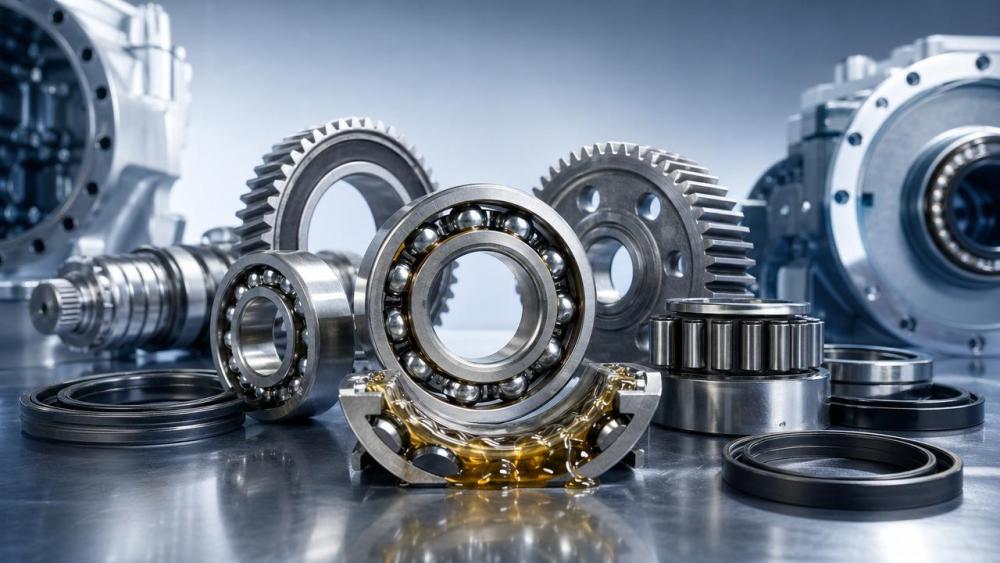
Scenario comparison: what procurement should watch in different applications
Different operating conditions create different tribology priorities. The table below helps buyers align component and lubricant selection with actual service demands rather than generic catalog claims.
Scenario 1: high-speed, precision, and energy-sensitive equipment
In automated lines, robotics, compact gear drives, and precision rotating equipment, tribology mistakes often come from treating lubrication as a simple anti-friction layer rather than an active design variable. Excessively viscous lubricants can increase drag and operating temperature. Insufficient oxidation resistance can shorten lubricant life. Poor grease selection can create churning losses, especially in electric motor and bearing applications running at high speed.
For buyers, the wrong decision often begins with overreliance on general-purpose products. In this scenario, total cost is affected not just by failure but also by efficiency drift. Even a small friction increase across multiple lines can raise energy use and reduce throughput consistency. Procurement should therefore ask suppliers for speed suitability, base oil type, thermal stability, tested bearing life data, and recommendations for relubrication under the expected ambient conditions.
This is also where supplier documentation quality matters. A vendor that can explain startup torque, grease bleed characteristics, and noise behavior in precision assemblies usually offers more lifecycle value than one providing only a basic product cross-reference.
Scenario 2: heavy-duty load, shock, and slow-speed applications
In crushers, mixers, bulk handling conveyors, large reducers, and other heavy-duty systems, tribology failures are rarely about speed. They are about pressure, impact, and film survival. A common purchasing mistake is assuming that lower speed automatically means lower lubrication risk. In reality, slow-speed and heavily loaded contacts often operate in boundary or mixed lubrication conditions, where metal-to-metal contact risk is higher.
In these scenarios, buyers should focus on extreme-pressure performance, wear protection under shock loads, and resistance to micropitting and scuffing. Gear oils and greases must match not only the component type but also the true torque variation. If the machine experiences overload spikes, poor tribology selection can result in gear tooth distress, bearing smearing, coupling wear, and frequent shutdowns for inspection.
The sourcing implication is clear: price comparisons must include service life, drain interval, expected wear rate, and supplier support for oil analysis. A low-cost lubricant with weak film strength may look attractive in quarterly purchasing reports while quietly multiplying annual maintenance costs.
Scenario 3: contamination-heavy environments where sealing is the real tribology decision
In mining support systems, agricultural equipment, wood processing, cement handling, and any dust-intensive operation, the biggest tribology mistake is often not the lubricant itself but neglecting contamination pathways. Abrasive particles can turn a good lubricant into a grinding paste. If seals are poorly selected or installed, bearing and shaft life can collapse even when lubrication intervals appear correct.
Procurement professionals should treat seals, housings, breathers, and lubrication points as one integrated wear-control system. Asking only for lubricant grade is not enough. Key checks include shaft surface condition, seal material, lip geometry, exclusion features, pressure conditions, and contamination ingress history. In this scenario, a stronger seal package often delivers better ROI than a premium lubricant alone.
This is especially important when comparing aftermarket suppliers. Two products may match nominal dimensions, yet differ significantly in sealing performance and contaminant exclusion. The tribology outcome then shows up as rising maintenance labor and more frequent replacement cycles.
Scenario 4: wet, corrosive, and washdown conditions
Facilities that use frequent cleaning, face high humidity, or handle process fluids create a distinct tribology challenge. Water washout, corrosion, emulsification, and seal degradation can all undermine reliability. Procurement mistakes in these environments typically involve choosing standard lubricants without checking water resistance, or selecting elastomers that lose performance when exposed to chemicals or heat cycles.
The correct buying approach is scenario-specific. Buyers should confirm whether the lubricant maintains film strength in the presence of water, whether corrosion inhibitors are adequate, and whether seal compounds are compatible with cleaners, process media, and operating temperatures. It is also wise to examine supplier evidence on washdown durability and leakage control rather than relying only on general product descriptions.
In these applications, tribology quality supports not only maintenance cost control but also equipment cleanliness, safety, and uptime stability. A seal failure here may trigger much broader operational consequences than in dry environments.
How demand priorities differ between buyer types and asset strategies
Not every procurement team evaluates tribology risk in the same way. A plant focused on uptime will prioritize reliability data, service support, and standardization discipline. A buyer under strong cost pressure may care more about interchangeable sourcing and inventory simplification. A global organization may prioritize specification consistency across sites. These differences influence what should be asked from suppliers.
The most common tribology misjudgments procurement teams make
Several recurring misjudgments explain why tribology problems are often purchased into the system. One is believing that OEM reference alone guarantees suitability, even after operating conditions have changed. Another is treating all lubricants with similar viscosity grades as functionally equal. A third is separating seals from lubrication decisions, when both determine wear behavior together.
There is also a frequent tendency to standardize aggressively across sites without defining exception cases. Standardization can reduce complexity, but overstandardization creates tribology compromise. Another issue is weak data capture: if failure reports mention only “bearing damage” or “seal leak” without contamination level, lubricant condition, or wear mode, future sourcing decisions remain blind.
For purchasing managers, these are not minor technicalities. They shape vendor qualification, spare parts strategy, and maintenance spending. Better tribology decisions start with better questions, not just better products.
A practical scenario-based checklist before issuing RFQs or approving substitutes
Before finalizing a sourcing decision, procurement teams should confirm a short list of tribology-critical points. What is the actual speed-load pattern: steady, variable, or shock-heavy? Is the environment clean, wet, dusty, or chemically aggressive? What are the start-stop frequency and idle periods? Is the component failure history linked to wear, heat, leakage, or contamination? What lubricant is currently used, and what evidence supports any substitute? Are seals and housings matched to the same scenario? Can the supplier provide field data, testing references, and maintenance recommendations specific to the application?
These questions help separate acceptable substitutions from risky ones. They also support more meaningful supplier conversations, especially when evaluating bearings, gear units, seals, belts, and lubrication products across multiple plants.
FAQ: scenario-driven tribology questions from procurement teams
Can tribology really affect total cost if failures are rare?
Yes. Tribology affects energy use, lubricant consumption, spare parts frequency, service labor, and planned shutdown intervals even before catastrophic failure occurs. Quiet cost accumulation is common.
When is a lower-cost substitute most risky?
Risk rises in high-speed, heavy-load, contaminated, or washdown scenarios, and in assets where downtime is expensive. In such cases, small tribology differences can create large maintenance consequences.
What supplier capability best indicates lower tribology risk?
Look for application-specific support, clear compatibility guidance, evidence-based product recommendations, and the ability to discuss wear modes, lubrication intervals, sealing options, and field performance.
Turning tribology insight into better sourcing decisions
For procurement professionals, the value of tribology is not academic. It is practical, measurable, and highly scenario-dependent. The right purchase decision changes with operating speed, load severity, contamination level, cleaning regime, maintenance capability, and downtime exposure. That is why the best sourcing outcomes come from matching tribology choices to real application conditions rather than relying on nominal equivalence or unit price alone.
Organizations that want stronger maintenance cost control should build tribology checkpoints into RFQs, supplier approvals, and substitution workflows. Platforms such as GPM-Matrix help buyers connect market intelligence, component knowledge, and reliability trends so that power transmission and sealing decisions support long-term operational value. When procurement teams evaluate each scenario on its own terms, tribology stops being a hidden cost source and becomes a competitive advantage.
Recommended News
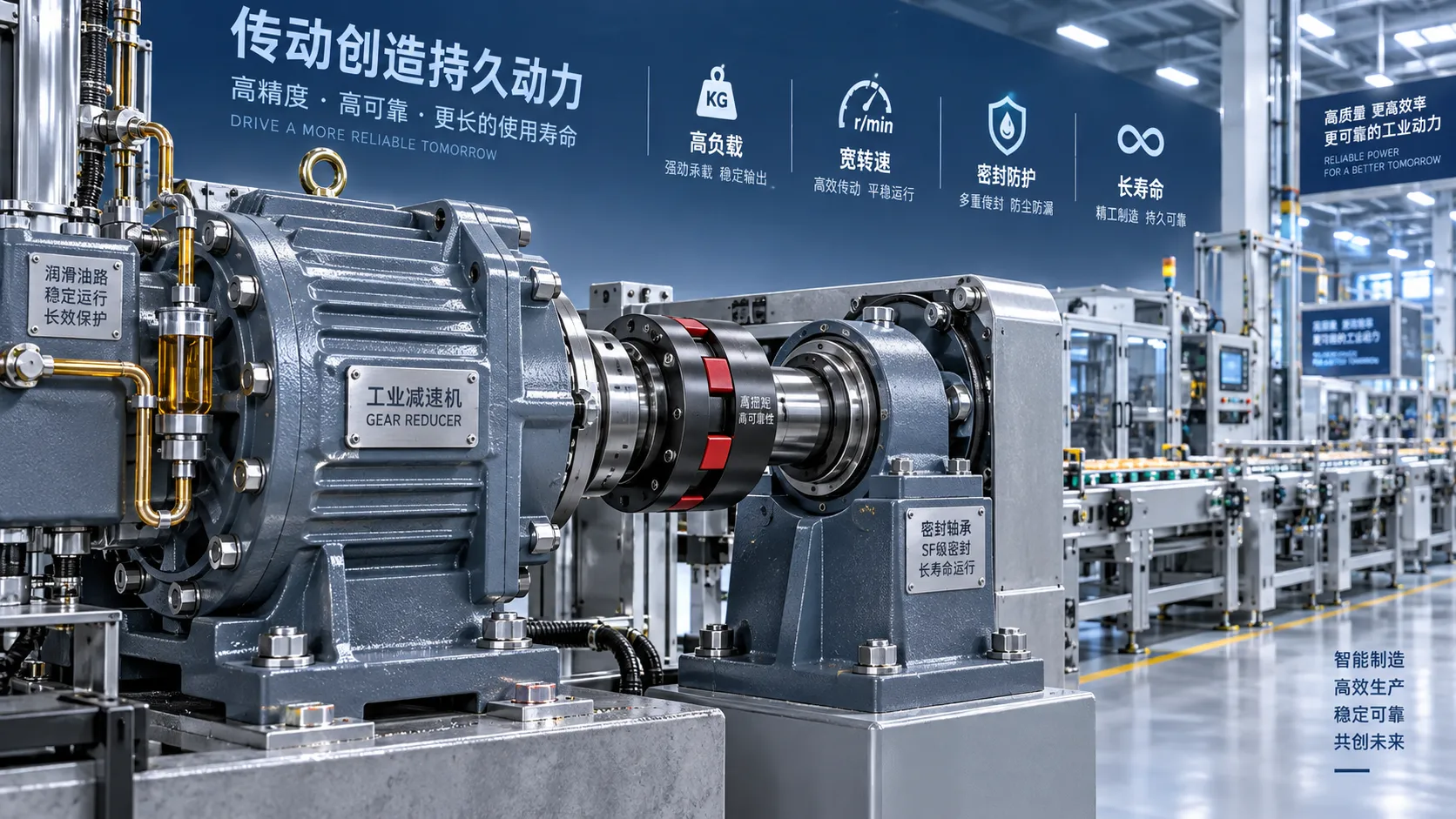
Mechanical Component Selection: Key Criteria for Load, Speed, Environment, and Service Life
Mechanical component selection made practical: evaluate load, speed, environment, lubrication, and service life to improve reliability, reduce downtime, and control lifecycle costs.
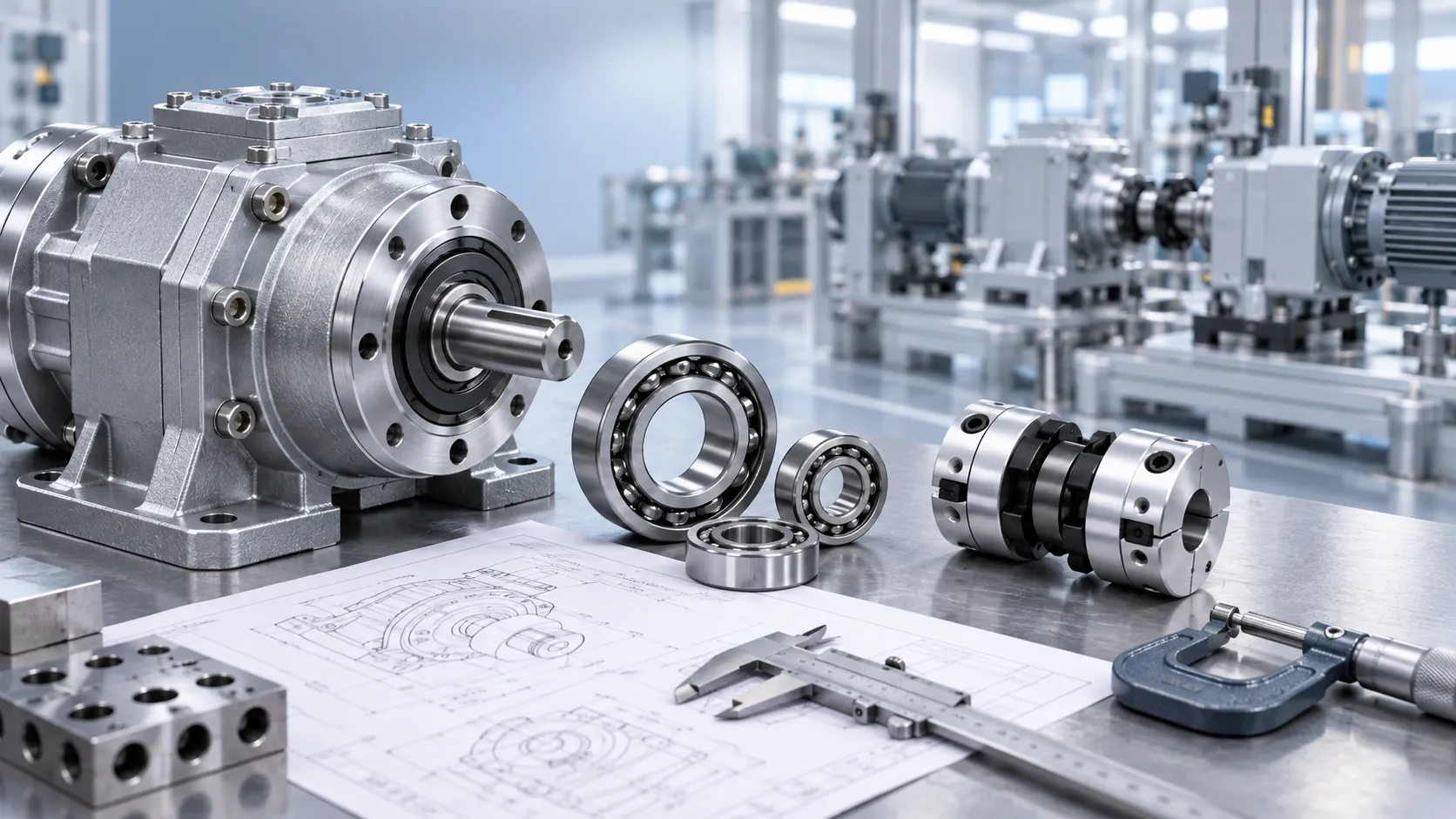
What to Request in Component Specification Resources Before Choosing a Supplier
Industrial component specification resources supplier guide: request drawings, material data, ratings, validation, and change control to choose reliable suppliers and reduce lifecycle risk.

How to Specify Multi-Axis Motion Control for High-Precision Automated Machines
Master multi axis motion control for high-precision automation—optimize synchronization, feedback, mechanics, safety, and lifecycle reliability.
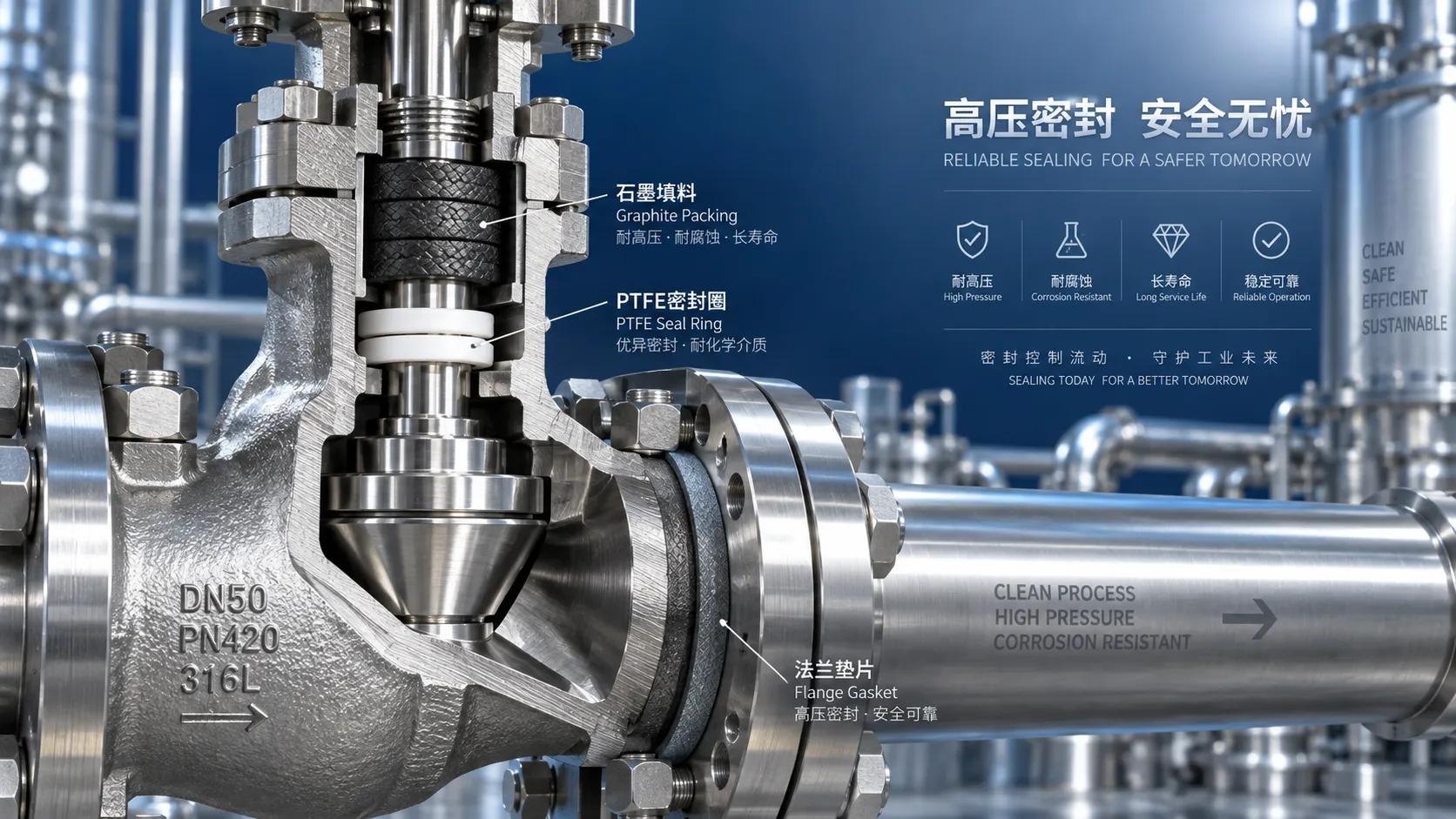
Selecting Valve Sealing Solutions for High-Pressure and Corrosive Service
Industrial sealing solutions for valves: learn how to select reliable systems for high-pressure, corrosive service, control fugitive emissions, and reduce lifecycle leakage risks.
Which European Standards Matter When Specifying Industrial Power Transmission Systems?
Standardized transmission systems Europe: discover the key EN and ISO standards for safer, compliant gear units, belts, couplings, bearings, seals, and ATEX applications.
How to Vet a Motion Control Components Exporter for Global OEM Supply?
Motion control components exporter vetting guide for global OEMs: assess quality, traceability, export readiness, landed cost, and supply resilience before you buy.

High-Performance Materials in Europe: Sourcing Criteria for Critical Industrial Applications
High-performance materials Europe: learn how to source critical industrial materials using proven criteria for durability, compliance, traceability, lifecycle cost, and supply resilience.
How to Assess a Global Supplier’s Capability Before Awarding a Critical Contract
Global supplier capability review: learn how to verify technical control, quality systems, global delivery resilience, compliance, and service support before awarding a critical contract.

How to Select Mechanical Linkage Components for High-Cycle Automation Equipment
Mechanical linkage technology components: learn how to select reliable rod ends, pins, and joints for high-cycle automation, reducing wear, backlash, downtime, and maintenance risk.