
Industry News
Curation by industry experts
Hot Articles
Popular Tags
Low-maintenance transmission components still need this check
Low-maintenance transmission components still need this check
Many operators assume low-maintenance transmission components can be ignored for months. That assumption creates hidden risk across belts, reducers, couplings, bearings, and sealing interfaces.
The essential check is simple: verify alignment, condition, and lubrication status together, not separately. These three factors reveal most early transmission problems before noise, heat, leakage, or slip appear.
In modern production systems, low-maintenance transmission components support uptime, energy efficiency, and stable torque delivery. Yet even premium parts drift from ideal operating conditions through vibration, load change, contamination, and installation movement.
A short, repeatable check prevents expensive chain reactions. It helps detect belt tracking errors, coupling offset, reducer oil degradation, seal wear, and mounting looseness before they damage connected equipment.
This matters across the broader industrial landscape tracked by GPT-Matrix. As energy costs, material choices, and reliability expectations evolve, even low-maintenance transmission components must be managed with disciplined mechanical intelligence.
Why a simple verification routine matters
Low-maintenance does not mean maintenance-free. It means the component needs fewer interventions, but it still depends on correct operating geometry, clean lubrication, and stable loading.
Transmission systems fail progressively, not instantly. Slight misalignment raises friction. Friction increases heat. Heat damages lubricant and elastomers. That leads to wear, leakage, power loss, and eventually unplanned stoppage.
A checklist approach works because it reduces guesswork. Instead of relying on memory, each inspection confirms the same small set of conditions that most directly affect low-maintenance transmission components.
This method also improves consistency across mixed assets. A facility may use belt drives, gear reducers, shaft couplings, mounted bearings, and mechanical seals from different sources, but the verification logic remains practical and comparable.
The key checks to keep on the list
Use the following points whenever inspecting low-maintenance transmission components during shutdowns, route checks, or planned reliability reviews.
- Confirm shaft and drive alignment with visual tools or measurement devices, because small offset or angular error can accelerate wear, increase load, and shorten service life.
- Check lubricant level, color, odor, and contamination signs, since even sealed or long-life systems lose protection when oil or grease degrades under heat, moisture, or particles.
- Inspect belts, chains, couplings, and seals for cracking, glazing, hardening, slack, leakage, or abnormal dust that indicates friction, slip, or developing material fatigue.
- Listen for new noise patterns and feel for unusual vibration, because changes in sound or motion often appear earlier than visible damage in low-maintenance transmission components.
- Verify fastener tightness, base rigidity, and guarding condition, since looseness around supports or housings can create misalignment and false symptoms across connected assemblies.
- Review operating temperature trends at bearings, gearboxes, and seal zones, as rising heat often signals lubrication breakdown, overload, or internal friction problems.
- Compare current load, speed, and duty cycle with original design assumptions, because low-maintenance transmission components may suffer if production changes exceed their intended envelope.
- Check for contamination from dust, washdown fluid, chemicals, or metal debris, which can compromise sealing performance and sharply reduce component reliability.
What the “one check” really means
The most valuable habit is not a single measurement. It is one integrated verification: alignment, condition, and lubrication must be checked together as one mechanical health picture.
If lubrication is perfect but alignment is poor, failure still grows. If alignment is perfect but a seal leaks, contamination enters. If condition looks good but temperature rises, deeper issues may exist.
How the check changes by application
Conveying and packaging lines
In lighter-duty conveying systems, low-maintenance transmission components often fail quietly through tracking drift, tension change, or minor coupling misalignment. Output quality may decline before a breakdown is obvious.
Pay special attention to belt position, pulley wear, reducer temperature, and fine dust around guards. These signs usually point to slip, friction, or mounting movement.
Heavy equipment and bulk handling
Under high torque and shock loading, low-maintenance transmission components experience stronger stress concentration. A small alignment error becomes far more destructive in these conditions.
Check coupling wear, reducer mounting bolts, oil cleanliness, and seal integrity near dusty zones. Early contamination can rapidly erode the expected life of robust mechanical assemblies.
Washdown and hygienic environments
Water, cleaning agents, and temperature swings challenge even premium low-maintenance transmission components. Protective housings reduce exposure, but they do not eliminate ingress risk.
Inspect seal lips, corrosion points, breather locations, and lubricant condition more frequently. Milky oil, surface rust, or hardened elastomers usually indicate moisture-related reliability loss.
High-speed automated systems
At higher speeds, low-maintenance transmission components respond quickly to imbalance, misalignment, and lubricant shear. Small defects create disproportionate heat and vibration.
Focus on thermal trend comparison, noise change, shaft runout clues, and precise alignment records. Stable speed does not guarantee stable transmission health.
Commonly missed issues that create avoidable risk
Assuming factory lubrication lasts forever
Some low-maintenance transmission components have extended lubrication intervals, not infinite protection. Time, heat, contamination, and overgreasing can all damage the lubricant system.
Judging condition only by visible wear
A component may look acceptable while running hot or vibrating abnormally. Visual inspection alone misses important developing faults, especially in enclosed drives and reducers.
Ignoring foundation or frame movement
The transmission element is often blamed first, but base distortion or structural settling may be the real cause. That shifts alignment and overloads otherwise healthy parts.
Replacing parts without checking the system
Repeated belt, seal, or coupling replacement usually indicates an upstream issue. Without checking geometry, lubrication, and load, the same failure mode returns.
Practical execution steps
- Create a short route sheet listing each drive, reducer, coupling, and seal point that qualifies as low-maintenance transmission components in the equipment base.
- Set a verification interval by duty severity, environment, and failure consequence rather than using one universal schedule for every transmission asset.
- Record alignment status, noise, temperature, lubricant condition, and visible wear in the same log so trends can be compared over time.
- Use simple thresholds for action, such as new leakage, rising temperature, repeated retensioning, unusual dust, or fresh vibration at the housing.
- After any replacement or adjustment, recheck the connected system under load to confirm the root cause has actually been corrected.
FAQ about low-maintenance transmission components
How often should low-maintenance transmission components be checked?
Frequency depends on speed, load, contamination, and downtime cost. High-duty or dirty environments need tighter intervals than clean, lightly loaded installations.
Is temperature a reliable warning sign?
Yes, especially when compared over time. A stable baseline is more useful than a single reading. Temperature rise often appears before visible failure.
Can sealed units still need inspection?
Absolutely. Sealed low-maintenance transmission components still need checks for alignment, heat, leakage, vibration, and surrounding contamination.
Final takeaway and next action
Low-maintenance transmission components deliver value when their operating conditions remain controlled. The smartest routine is not complex. Verify alignment, condition, and lubrication together every time.
That single habit improves reliability across general industry, from automated lines to heavy mechanical systems. It also supports energy efficiency, longer asset life, and fewer disruptive repairs.
Start with the most critical drives first. Build a short inspection log, define action limits, and trend results. Consistent checking keeps low-maintenance transmission components truly low risk.
For organizations tracking transmission technology, materials, and reliability evolution, disciplined inspection remains the bridge between component design promise and real operating performance.
Recommended News
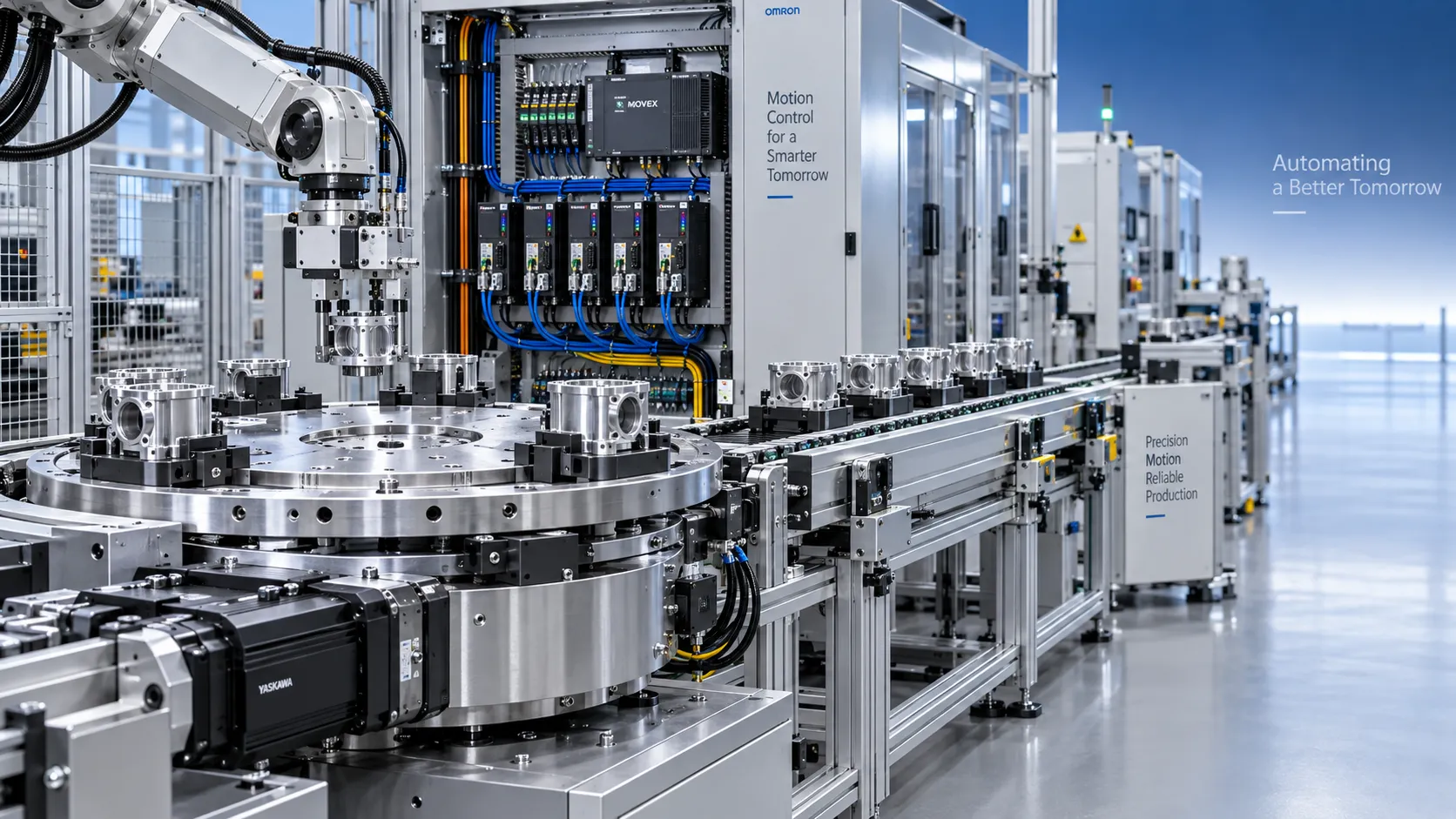
Motion Control Reference Projects: How to Adapt Proven Solutions to Your Machine
Industrial solution references motion control guide: learn how to adapt proven servo architectures, validate machine-specific risks, and accelerate reliable commissioning.
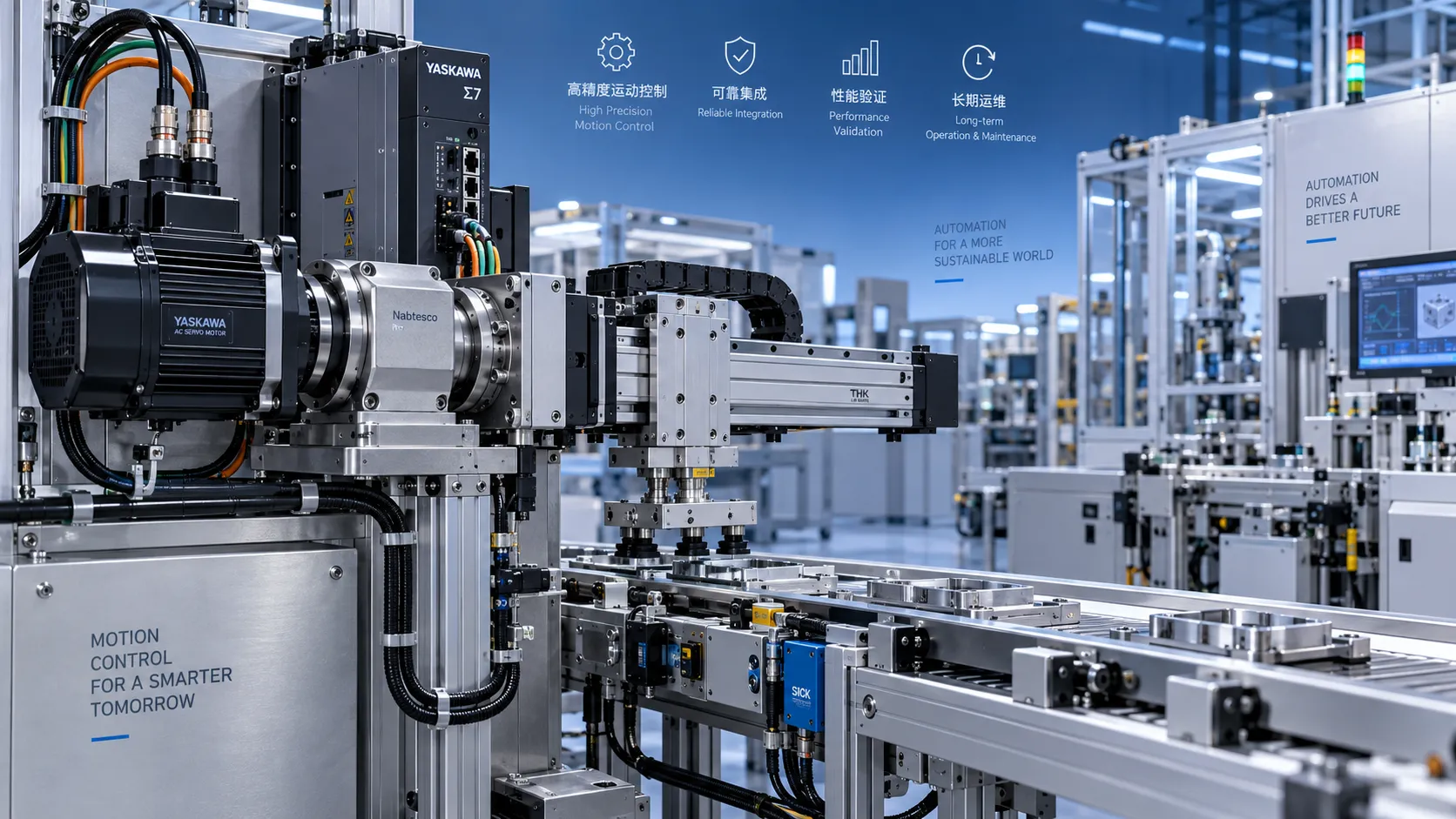
How to Evaluate an Industrial Motion Control Solutions Supplier for Automation Projects
Evaluate an industrial motion control solutions supplier with confidence. Compare sizing, integration, quality, support, and lifecycle value for reliable automation projects.
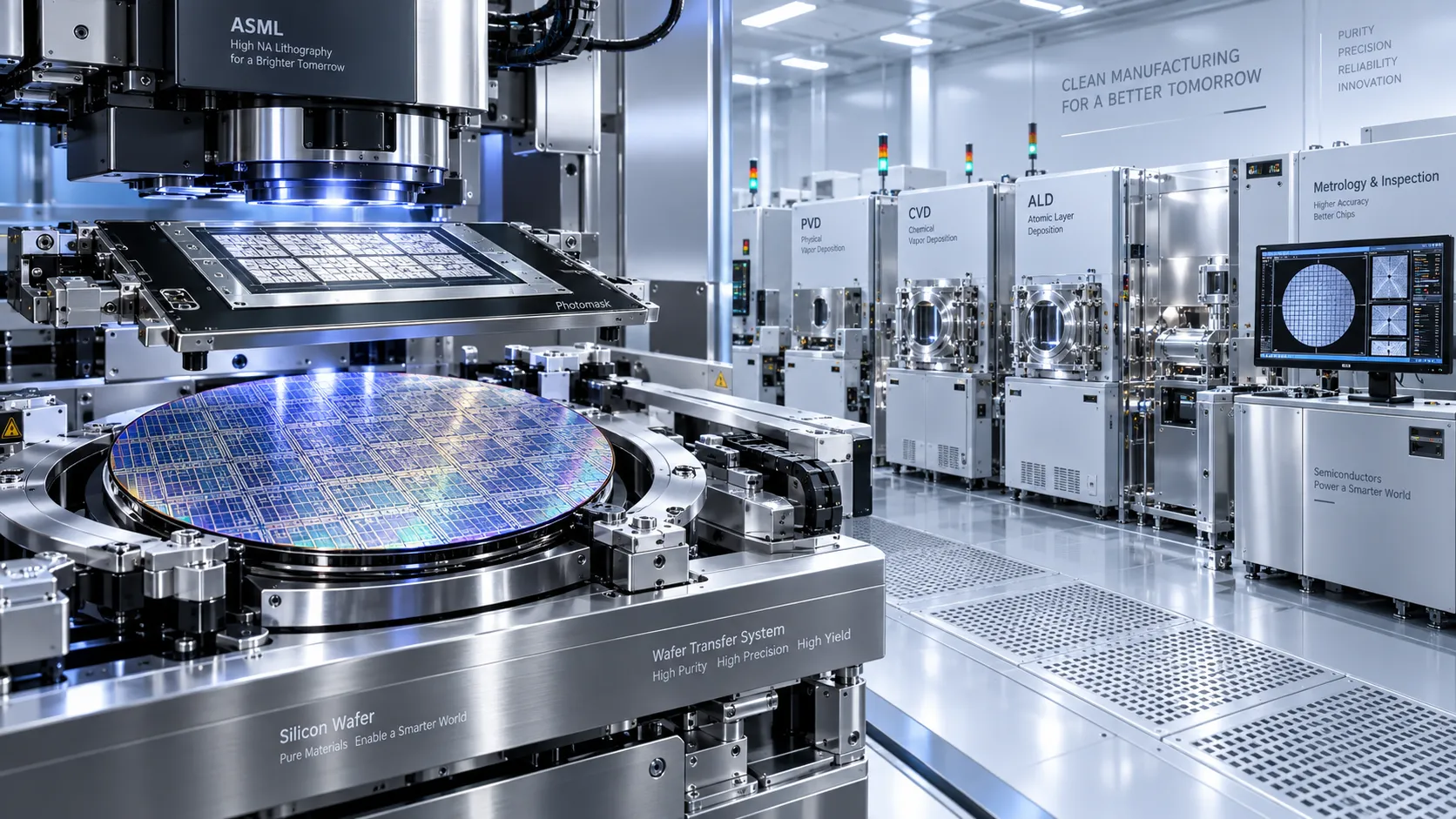
Key Semiconductor Industry Components and Their Roles in Chip Manufacturing
Semiconductor industry components explained: explore wafers, lithography, deposition, etching, packaging, and the critical roles that drive chip quality and yield.
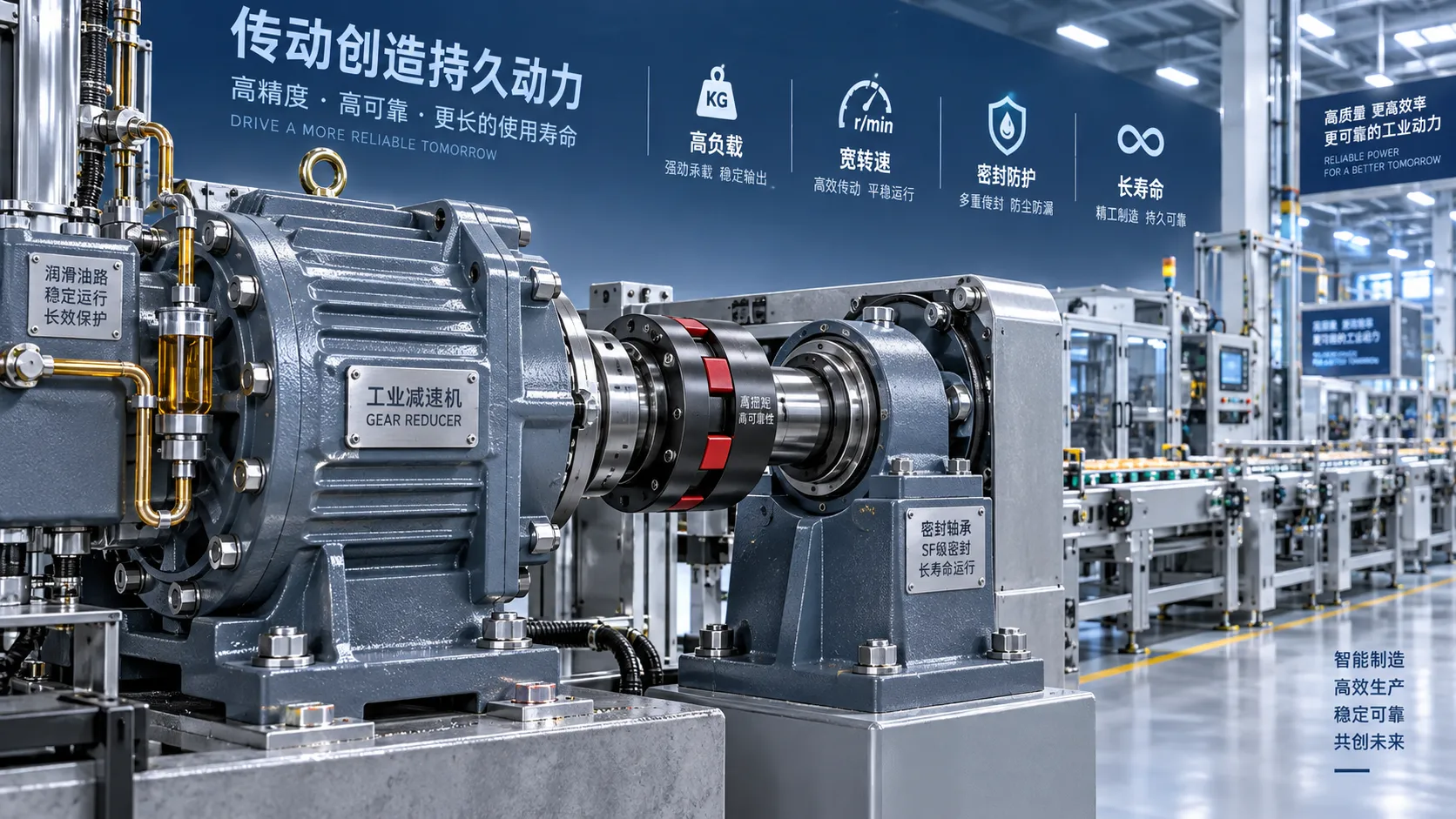
Mechanical Component Selection: Key Criteria for Load, Speed, Environment, and Service Life
Mechanical component selection made practical: evaluate load, speed, environment, lubrication, and service life to improve reliability, reduce downtime, and control lifecycle costs.
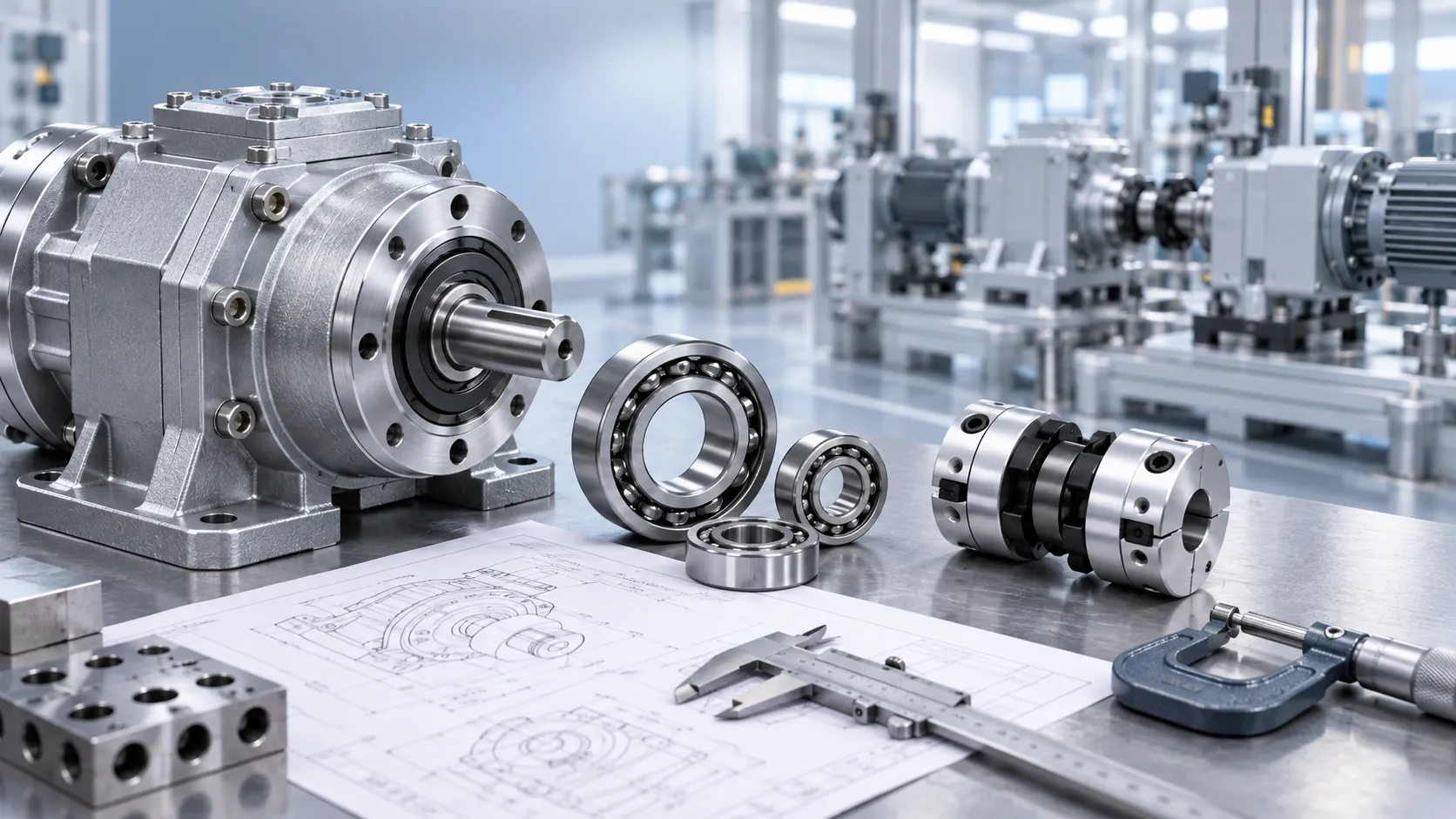
What to Request in Component Specification Resources Before Choosing a Supplier
Industrial component specification resources supplier guide: request drawings, material data, ratings, validation, and change control to choose reliable suppliers and reduce lifecycle risk.
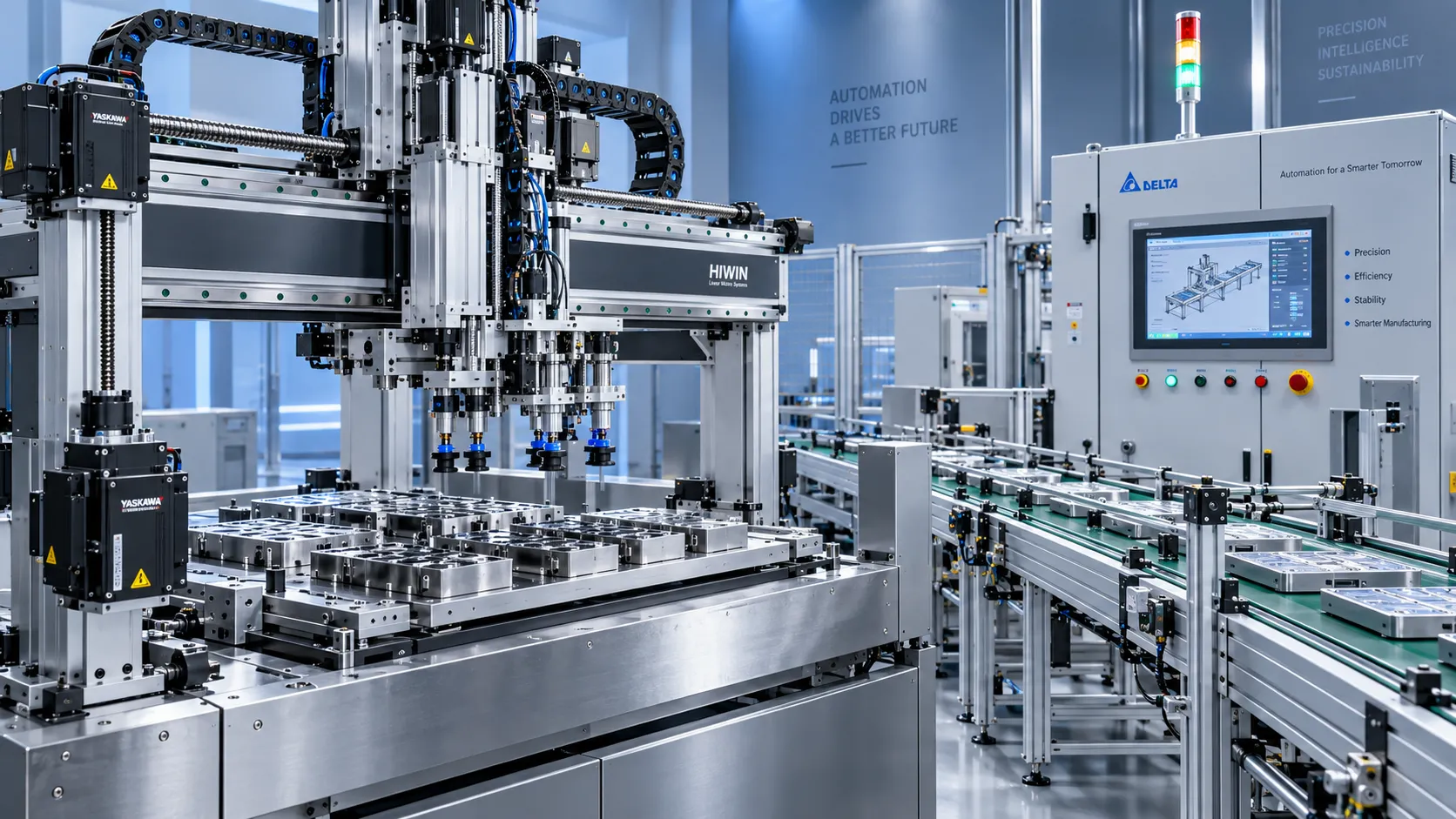
How to Specify Multi-Axis Motion Control for High-Precision Automated Machines
Master multi axis motion control for high-precision automation—optimize synchronization, feedback, mechanics, safety, and lifecycle reliability.
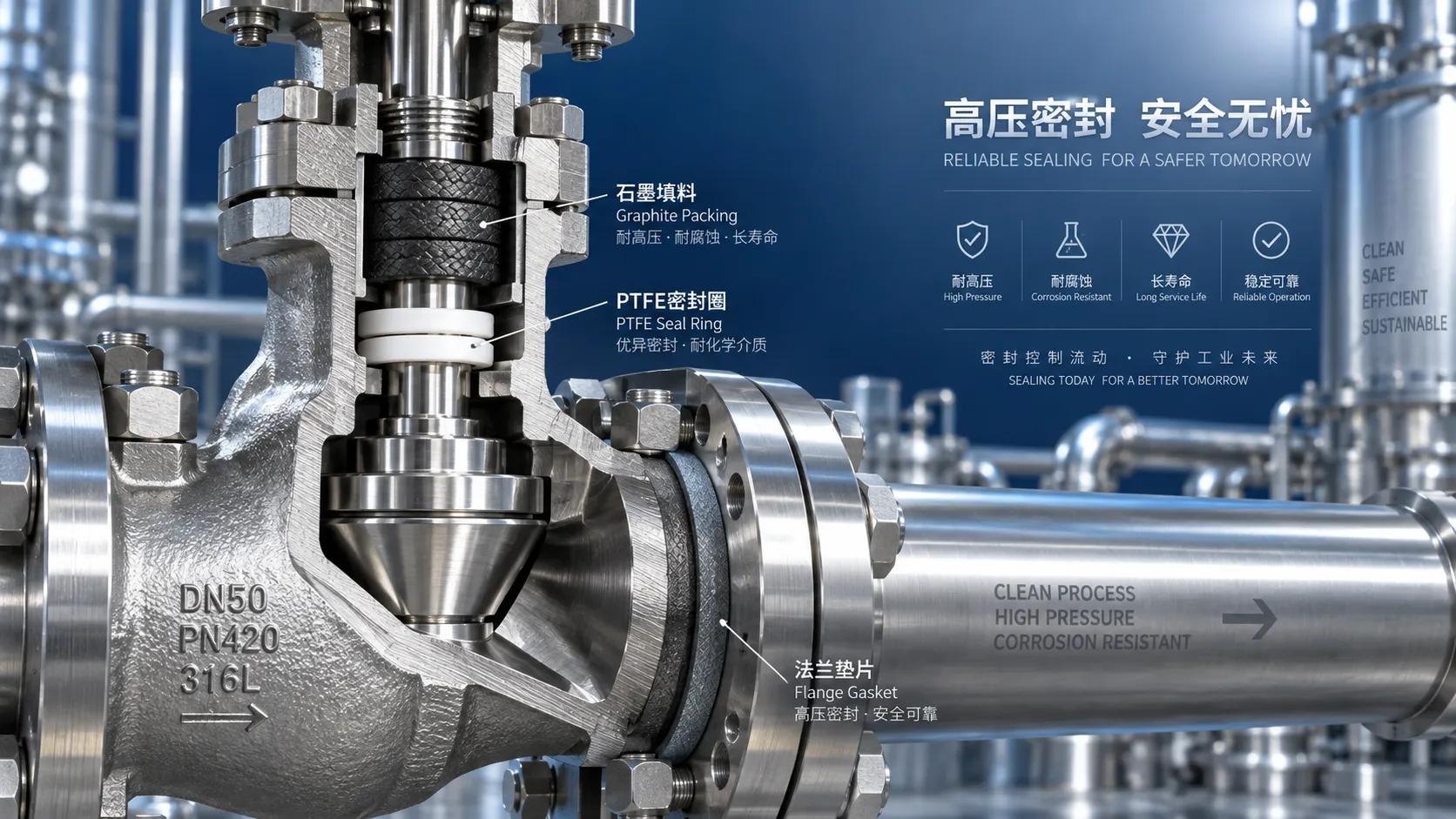
Selecting Valve Sealing Solutions for High-Pressure and Corrosive Service
Industrial sealing solutions for valves: learn how to select reliable systems for high-pressure, corrosive service, control fugitive emissions, and reduce lifecycle leakage risks.
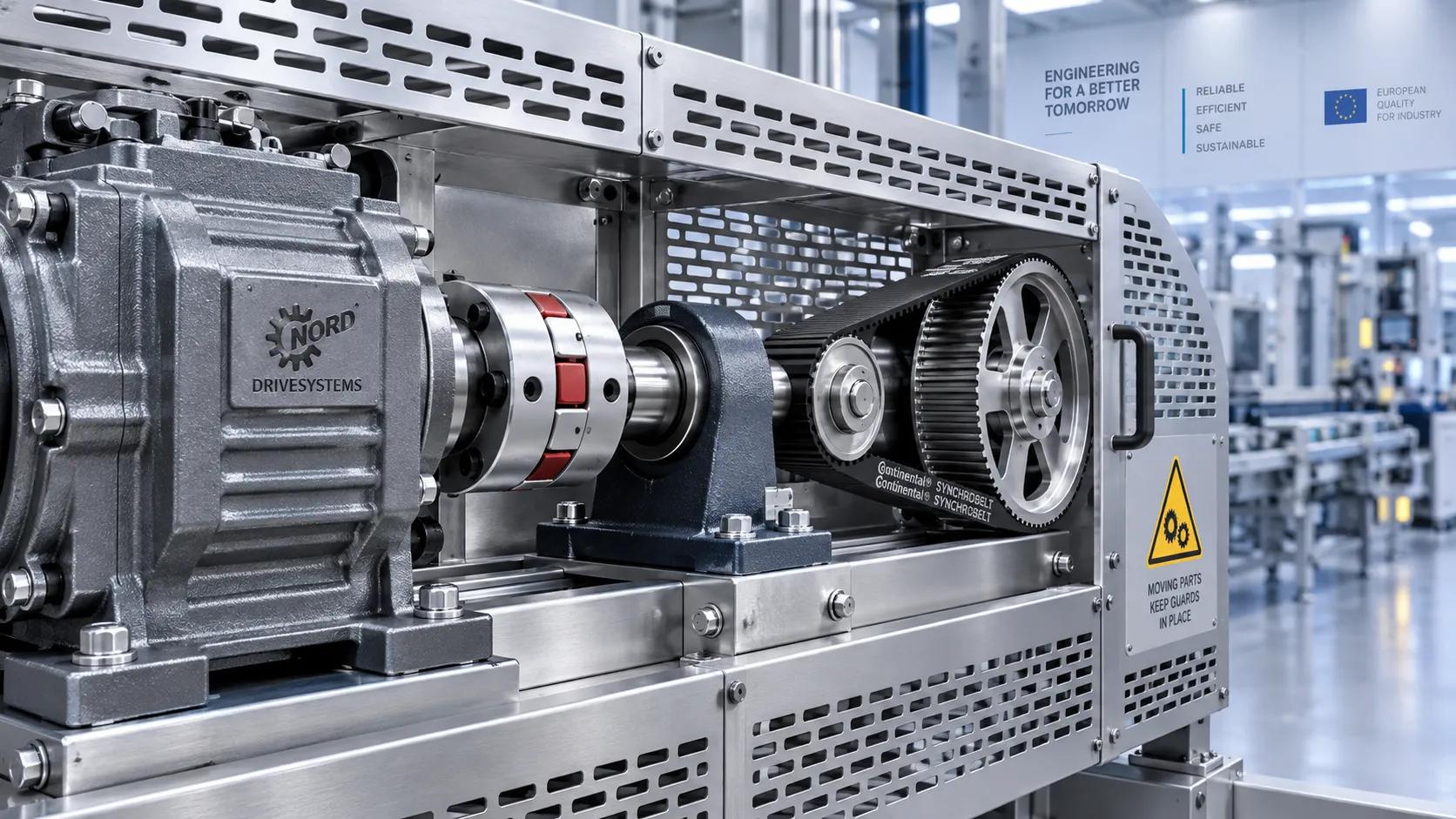
Which European Standards Matter When Specifying Industrial Power Transmission Systems?
Standardized transmission systems Europe: discover the key EN and ISO standards for safer, compliant gear units, belts, couplings, bearings, seals, and ATEX applications.
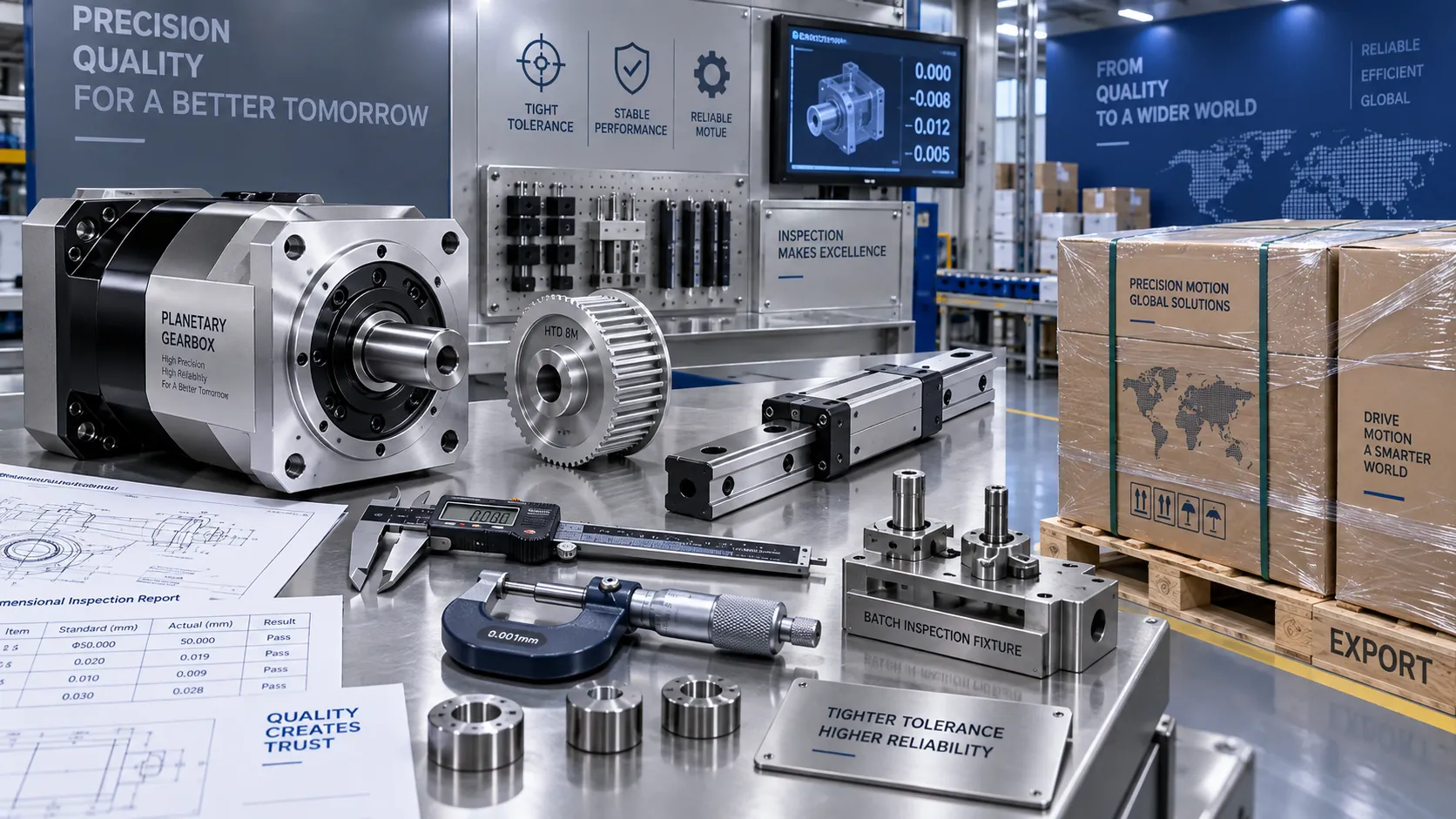
How to Vet a Motion Control Components Exporter for Global OEM Supply?
Motion control components exporter vetting guide for global OEMs: assess quality, traceability, export readiness, landed cost, and supply resilience before you buy.