
Industry News
Curation by industry experts
Hot Articles
Popular Tags
What causes reliability gaps in transmission systems?
Reliability gaps in transmission systems rarely stem from a single failure point. More often, they emerge from the interaction of material fatigue, lubrication breakdown, misalignment, load variation, and maintenance blind spots. For technical evaluators, understanding these weak links is essential to applying reliability engineering in transmission more effectively, reducing unplanned downtime, and improving lifecycle performance across demanding industrial environments.
Why do transmission systems develop reliability gaps in real operating conditions?
In theory, many transmission assemblies meet catalog ratings. In practice, reliability gaps appear when actual duty cycles, installation quality, contamination levels, and thermal stress differ from test assumptions. This is why reliability engineering in transmission must evaluate the system, not only the component.
Technical evaluators often face a familiar problem: a gearbox, belt drive, chain set, coupling, or seal looks acceptable on paper, yet field performance falls short. The gap usually comes from interaction effects that are not visible in isolated specifications.
Typical root causes that combine into larger failures
- Material fatigue accumulates under cyclic loading, especially where torque peaks, shock loads, and start-stop duty are underestimated during selection.
- Lubrication degradation reduces film strength, increases frictional heat, and accelerates wear in gears, bearings, chains, and seals.
- Misalignment creates uneven load distribution, edge stress, vibration, and premature failure even when nominal power ratings seem sufficient.
- Environmental contamination such as dust, moisture, chemical splash, or abrasive particles changes wear mechanisms and can invalidate expected service life.
- Maintenance blind spots, including poor tension checks, delayed oil analysis, and weak condition monitoring, allow small defects to become systemic reliability losses.
For cross-industry applications, these issues are common in automated production lines, bulk material handling, heavy equipment, pumps, compressors, and mixed-speed conveying systems. Reliability engineering in transmission works best when the evaluator maps load path, lubrication path, and failure path together.
Which weak links matter most for technical evaluators?
The table below helps technical evaluators connect visible symptoms with likely reliability gaps. This structure is useful during supplier review, plant audits, and component replacement planning where reliability engineering in transmission must support fast but defensible decisions.
A technical evaluator should treat these weak links as connected. For example, seal leakage may look like a sealing issue, but the upstream cause may be shaft runout, heat rise, or abrasive contamination created elsewhere in the transmission line.
What usually gets overlooked during review?
- Real load spectrum rather than average load.
- Transient events such as emergency stop, reverse motion, and cold start.
- Interaction between sealing quality and lubricant cleanliness.
- Mounting base stiffness, especially in retrofit projects.
How do different transmission types create different reliability risks?
Not all power transmission architectures fail in the same way. A comparison view improves reliability engineering in transmission because it helps evaluators identify the dominant risk mechanism before procurement or redesign begins.
This comparison shows why catalog substitution is risky. A chain cannot simply replace a belt, nor can a standard reducer replace a unit exposed to repeated shock loads, washdown, or variable-speed reversing duty without deeper assessment.
Scenario-based judgment matters
In packaging or light automation, belt systems may perform well if tension retention and alignment are controlled. In quarrying, mining support, or heavy bulk handling, contamination tolerance and impact resistance may shift the decision toward chain or heavy-duty geared solutions.
GPT-Matrix tracks these application-level differences through sector intelligence, materials evolution, and maintenance practice signals. That helps evaluators connect technical risk with supply chain reality instead of reviewing components in isolation.
What should technical evaluators check before selection or replacement?
A structured selection process reduces hidden reliability gaps and supports stronger reliability engineering in transmission. The goal is not only to buy a compatible part, but to confirm whether the complete operating envelope has been addressed.
Practical procurement and evaluation checklist
- Define the true duty cycle, including starts per hour, shock events, overload duration, and ambient temperature variation.
- Confirm alignment, shaft support, mounting rigidity, and available installation accuracy at site.
- Review lubricant type, contamination control method, and whether sealing performance matches the plant environment.
- Check maintainability: relubrication access, inspection intervals, spare part lead time, and ease of replacement.
- Ask suppliers for rating basis, service factor logic, and any assumptions that may not match actual field conditions.
These checks are especially important when budgets are tight and delivery windows are short. A lower initial component price can become expensive if installation complexity, shorter life, or hidden lubrication demands raise operating cost.
Which parameters deserve more attention than nameplate power?
- Peak torque and duty spectrum rather than average horsepower alone.
- Permissible misalignment and runout tolerance under operating temperature.
- Lubricant viscosity window across startup and steady-state conditions.
- Seal material compatibility with oil additives, dust, moisture, or chemicals.
- Expected inspection interval versus actual plant maintenance capability.
How can reliability engineering in transmission reduce lifecycle cost?
Many organizations still compare transmission solutions mainly by purchase price. That approach misses the larger cost drivers: downtime, spare stock duplication, emergency labor, lubricant waste, and production losses linked to unstable performance.
The table below supports cost-oriented technical review by connecting common reliability actions to lifecycle impact. It is useful when technical evaluators must justify a better solution to purchasing, operations, or plant management.
A lifecycle view often changes the decision. For non-critical assets, a standard solution may be adequate. For high-consequence equipment, modest investment in sealing, alignment control, or monitoring can sharply reduce unplanned stoppage risk.
Which standards and review practices support better reliability outcomes?
Technical evaluators do not need to rely only on supplier claims. General industry standards and disciplined review practices provide a stronger base for reliability engineering in transmission, especially when projects involve multiple vendors or international sourcing.
Useful reference directions
- ISO and AGMA guidance can support gearbox load rating, terminology consistency, and design review logic where applicable.
- Condition monitoring standards and common vibration analysis practice help identify misalignment, imbalance, and bearing-related progression.
- Lubrication management procedures, including oil cleanliness and sampling discipline, improve repeatability across maintenance teams.
- Material compatibility review is essential for seals, elastomers, and specialty transmission elements exposed to aggressive media or high heat.
The practical point is simple: standard references help frame questions, but field context determines the answer. A technically compliant component can still underperform if the installation, maintenance, and operating envelope are not controlled.
FAQ: common questions about reliability engineering in transmission
How do I know whether the problem is design-related or maintenance-related?
Start with failure pattern analysis. If multiple replacements fail at similar intervals under similar loads, design margin or selection logic may be weak. If performance varies widely across identical assets, installation quality, lubrication control, or maintenance consistency is more likely involved.
What is the most common mistake during transmission replacement?
The most common mistake is selecting by nominal size or power only. This ignores shock loads, ambient contamination, alignment tolerance, and maintenance accessibility. Reliability engineering in transmission requires reviewing the complete operating profile, not just dimensional interchangeability.
When is a higher-cost transmission component justified?
It is justified when downtime cost, safety consequence, quality loss, or labor burden is high. In these cases, stronger fatigue capacity, better sealing, longer relubrication intervals, or easier condition monitoring can produce a lower total cost of ownership.
Can digital monitoring replace routine inspection?
No. Digital monitoring improves visibility, especially for vibration, temperature, and lubricant condition trends, but it should support rather than replace physical checks. Tension setting, alignment verification, leakage review, and contamination control still need disciplined onsite practice.
Why work with GPT-Matrix when evaluating transmission reliability risks?
GPT-Matrix supports technical evaluators by connecting material science, tribology, transmission logic, and market intelligence into one decision framework. That is especially useful when reliability gaps are influenced by both engineering variables and supply-side pressure such as raw material shifts, lead-time instability, or changing maintenance expectations.
What you can consult with us
- Parameter confirmation for load profile, speed range, duty factor, and environmental exposure.
- Transmission product selection support across belts, reducers, couplings, chains, and critical sealing combinations.
- Delivery cycle discussion for projects where replacement timing affects production continuity.
- Custom evaluation routes for harsh-duty, low-maintenance, or energy-efficiency-driven applications.
- Certification and standards alignment review based on general industry requirements and application constraints.
- Quotation communication support that compares not only price, but reliability assumptions, maintenance burden, and lifecycle risk.
If your team is assessing recurrent failures, uncertain substitution options, or difficult procurement trade-offs, GPT-Matrix can help structure the decision. A better result often starts with sharper questions: where the load spikes occur, how the lubricant behaves, what contamination enters the system, and whether the selected transmission architecture truly matches the application.
For technical evaluators, that is the practical value of reliability engineering in transmission: fewer assumptions, clearer selection logic, and more stable performance across the full service life.
Recommended News

Motion Control Reference Projects: How to Adapt Proven Solutions to Your Machine
Industrial solution references motion control guide: learn how to adapt proven servo architectures, validate machine-specific risks, and accelerate reliable commissioning.
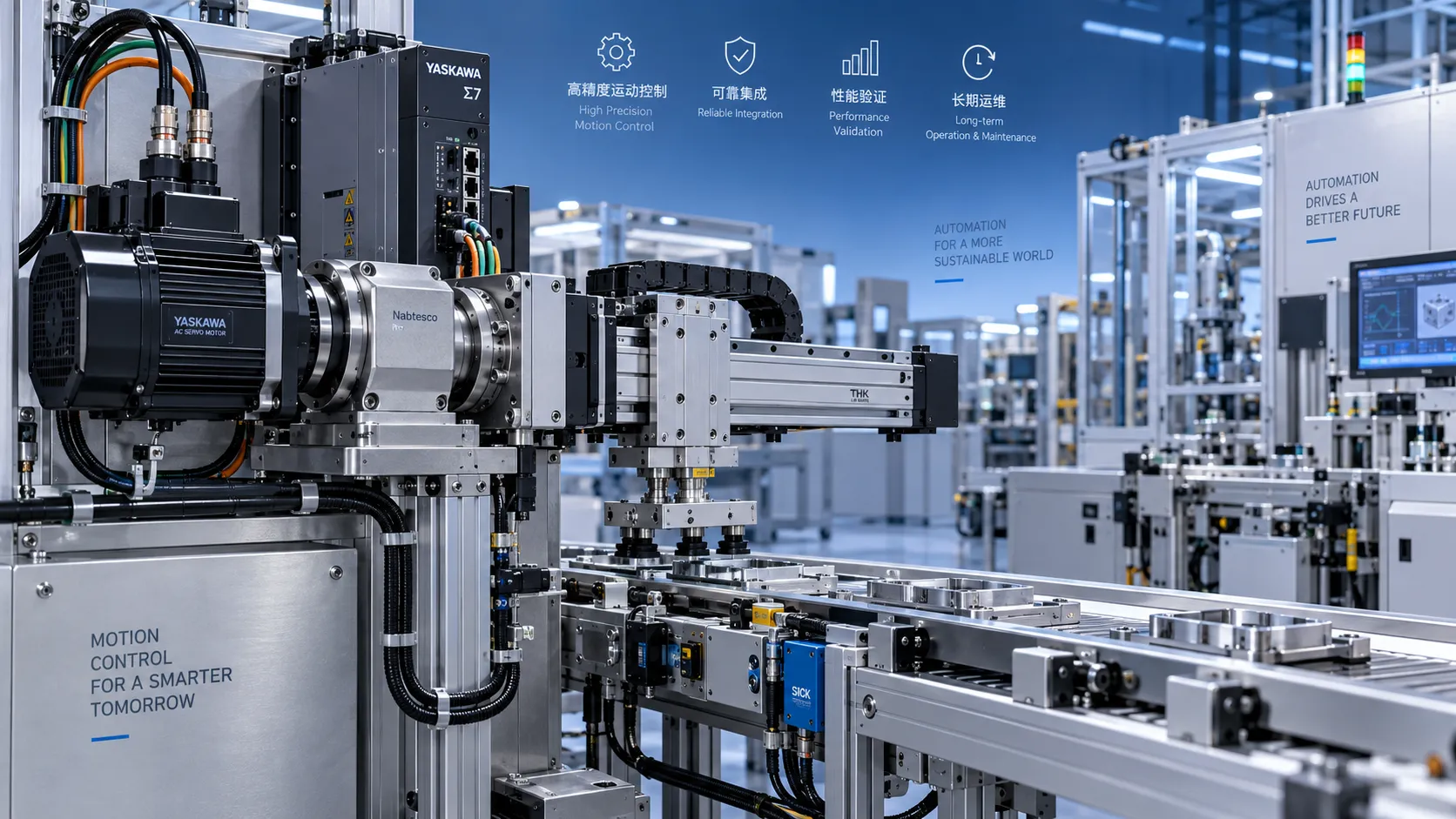
How to Evaluate an Industrial Motion Control Solutions Supplier for Automation Projects
Evaluate an industrial motion control solutions supplier with confidence. Compare sizing, integration, quality, support, and lifecycle value for reliable automation projects.

Key Semiconductor Industry Components and Their Roles in Chip Manufacturing
Semiconductor industry components explained: explore wafers, lithography, deposition, etching, packaging, and the critical roles that drive chip quality and yield.
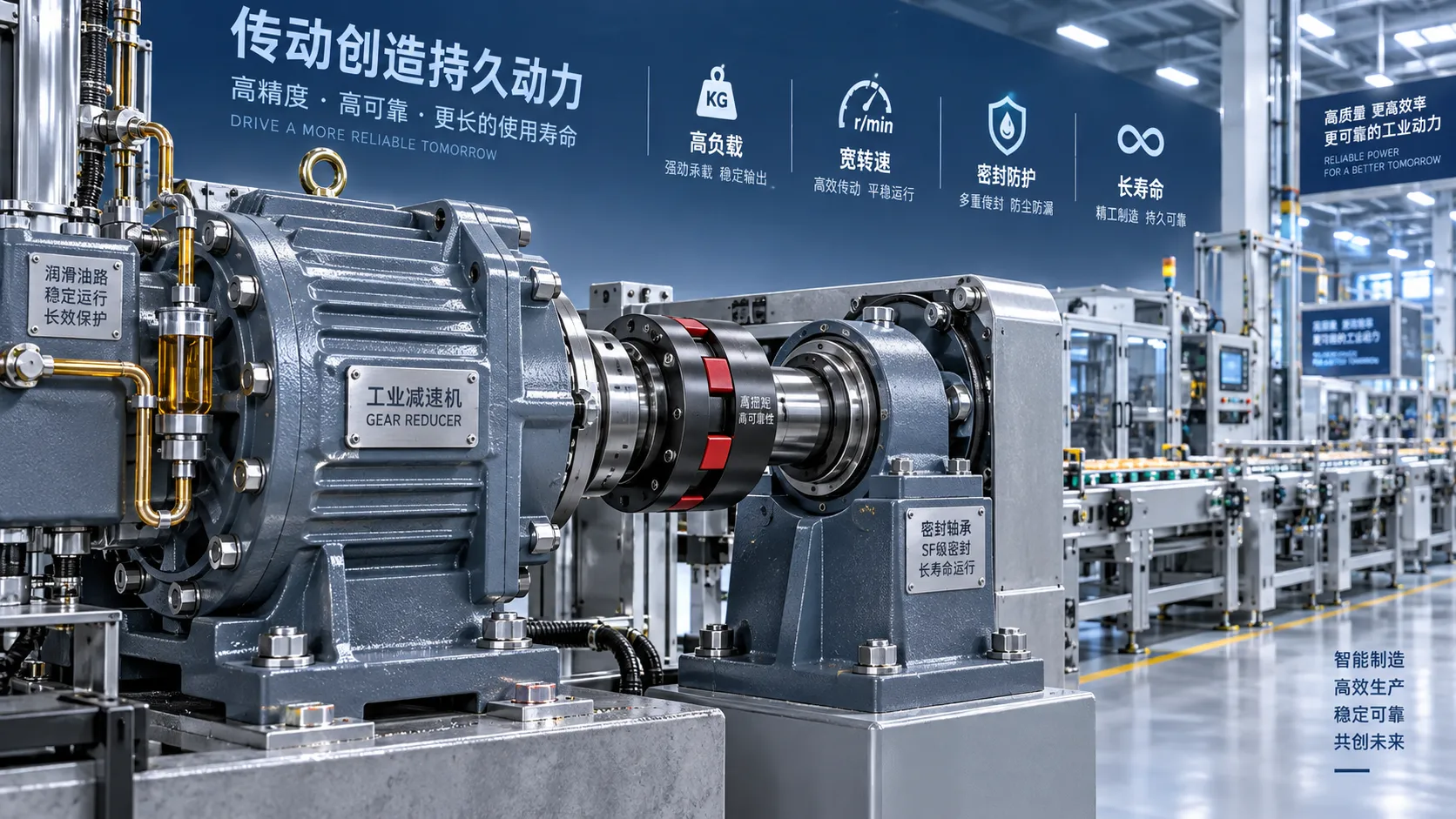
Mechanical Component Selection: Key Criteria for Load, Speed, Environment, and Service Life
Mechanical component selection made practical: evaluate load, speed, environment, lubrication, and service life to improve reliability, reduce downtime, and control lifecycle costs.
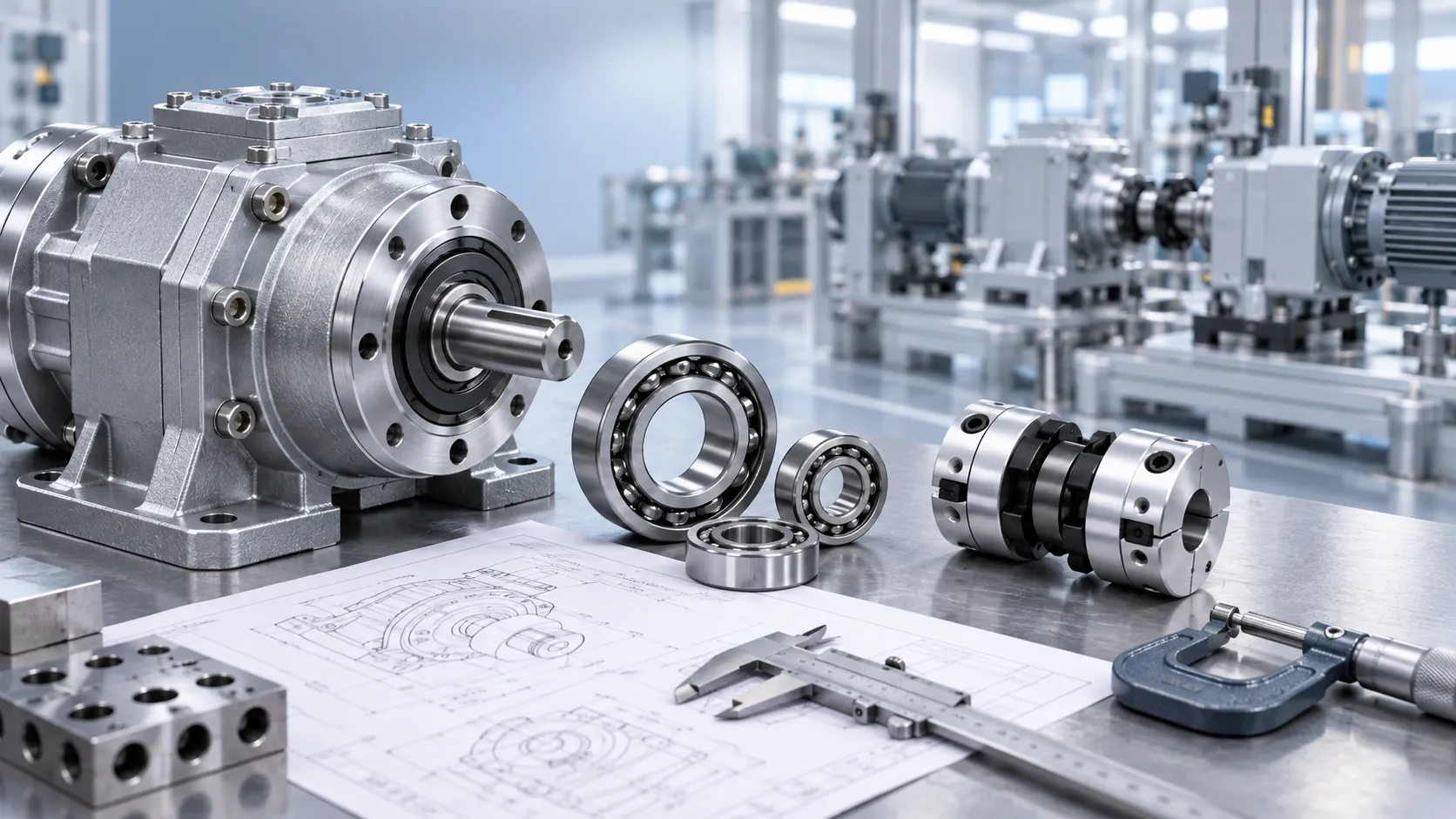
What to Request in Component Specification Resources Before Choosing a Supplier
Industrial component specification resources supplier guide: request drawings, material data, ratings, validation, and change control to choose reliable suppliers and reduce lifecycle risk.

How to Specify Multi-Axis Motion Control for High-Precision Automated Machines
Master multi axis motion control for high-precision automation—optimize synchronization, feedback, mechanics, safety, and lifecycle reliability.
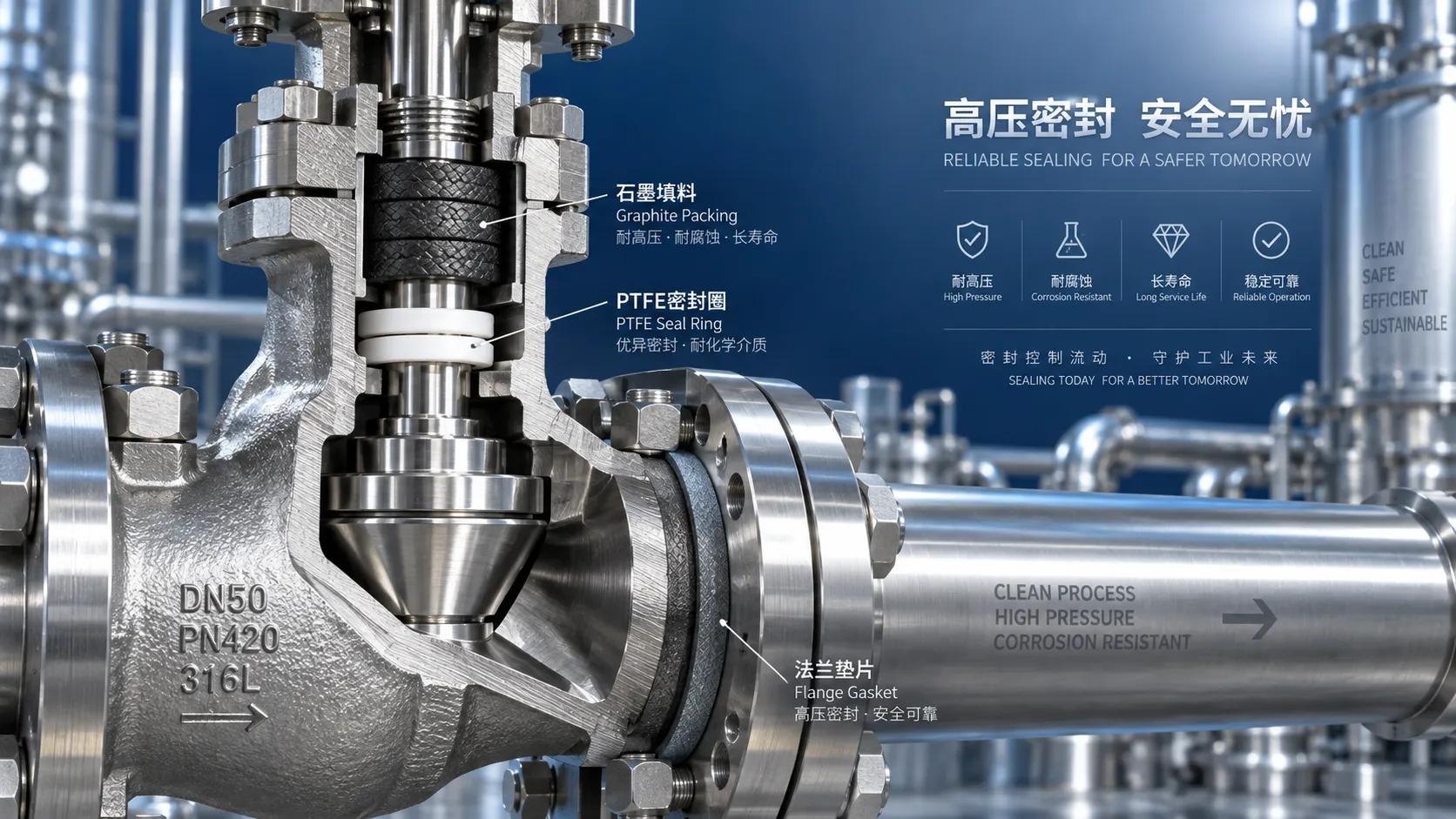
Selecting Valve Sealing Solutions for High-Pressure and Corrosive Service
Industrial sealing solutions for valves: learn how to select reliable systems for high-pressure, corrosive service, control fugitive emissions, and reduce lifecycle leakage risks.
Which European Standards Matter When Specifying Industrial Power Transmission Systems?
Standardized transmission systems Europe: discover the key EN and ISO standards for safer, compliant gear units, belts, couplings, bearings, seals, and ATEX applications.
How to Vet a Motion Control Components Exporter for Global OEM Supply?
Motion control components exporter vetting guide for global OEMs: assess quality, traceability, export readiness, landed cost, and supply resilience before you buy.