
Industry News
Curation by industry experts
Hot Articles
Popular Tags
Which heavy equipment transmission components fail first?
In heavy machinery, failures rarely begin at random. They usually start inside the most loaded heavy equipment transmission components.
Early wear in gears, bearings, clutches, seals, or couplings often appears before a full shutdown. Small symptoms become expensive damage when ignored.
Understanding which heavy equipment transmission components fail first helps improve inspection timing, parts planning, lubrication control, and service intervals.
Across mining, construction, lifting, and material handling, the same pattern repeats. The first failures usually occur where heat, shock load, contamination, and misalignment combine.
Basic overview of early transmission failure points
Heavy equipment transmission components transfer torque from the engine or motor to wheels, tracks, axles, pumps, or working attachments.
These assemblies may include torque converters, gear sets, clutch packs, bearings, shafts, seals, synchronizers, universal joints, and final drives.
Not every component fails at the same rate. The earliest weak points are usually parts exposed to friction, poor lubrication, vibration, and dirty operating environments.
In practice, bearings and seals often show the first clear signs. Clutch friction elements and gear tooth surfaces follow closely in harsh duty cycles.
When one of these heavy equipment transmission components degrades, it often accelerates failure in nearby parts. A seal leak can starve bearings. A worn bearing can damage gears.
Why the first failures matter
Early-stage defects are usually cheaper to correct. Late-stage transmission failures involve secondary damage, longer downtime, and more contaminated systems.
This is why failure sequence matters more than isolated part replacement. Knowing the first failing heavy equipment transmission components improves root cause analysis.
Current industry focus and failure signals
Across the broader industrial sector, attention is shifting from reactive repair to condition-based maintenance. Transmission reliability now links directly with energy efficiency and asset utilization.
Heavy equipment transmission components receive special attention because their failures are usually high-cost and operationally disruptive.
These signals explain why some heavy equipment transmission components fail long before the expected overhaul window.
Which heavy equipment transmission components usually fail first
The first failing part depends on machine type, duty cycle, lubrication quality, and contamination control. Still, several components consistently rank at the top.
1. Bearings
Bearings are among the earliest failing heavy equipment transmission components because they depend on a stable oil film and precise alignment.
Contaminated lubricant, overload, or shaft deflection causes pitting, spalling, heat buildup, and cage damage.
- Rising temperature near housings
- High-frequency vibration
- Metal flakes in oil analysis
- Growling or rumbling under load
2. Seals
Seals often fail early even when harder parts still look healthy. They are vulnerable to dirt, pressure spikes, shaft wear, and temperature cycling.
A failed seal is critical because it allows lubricant loss and contamination entry. That instantly threatens other heavy equipment transmission components.
3. Clutch packs and friction discs
In powershift systems, clutch packs frequently become early wear items. Heat, improper pressure, dragging, and operator-induced cycling shorten service life.
Common signs include slipping, delayed engagement, burnt oil odor, and friction material contamination in the sump.
4. Gear teeth and splines
Gears are durable, but tooth surfaces can fail early under poor lubrication or severe shock loading. Splines also loosen under repeated torque reversal.
Micropitting, scoring, scuffing, and edge chipping are common early-stage defects in heavy equipment transmission components handling unstable loads.
5. Universal joints and couplings
These parts fail early when lubrication is neglected or angular misalignment increases. Play in couplings can quickly spread shock through the driveline.
Operating conditions that accelerate failure
Early failure rarely comes from one cause alone. Most heavy equipment transmission components fail because several stress factors overlap.
- Contamination from dust, water, or wear particles
- Inadequate lubrication viscosity or wrong oil type
- High thermal load and poor cooling performance
- Repeated shock loads during digging, hauling, or lifting
- Misalignment after rebuilds or improper installation
- Delayed filter replacement and poor fluid housekeeping
Among all causes, contamination is often the fastest route to early failure. It affects nearly every category of heavy equipment transmission components.
Application value of identifying first-fail parts
Tracking first-fail heavy equipment transmission components creates practical value beyond repair. It improves maintenance economics and equipment availability.
- Reduces unplanned stoppages through earlier intervention
- Prevents cascading failures in gears, shafts, and housings
- Supports smarter stocking of high-risk wear parts
- Improves lubricant and filtration management
- Strengthens rebuild decisions with failure history data
This approach aligns with the wider industrial trend toward reliability-centered maintenance and better lifecycle control of mission-critical assemblies.
Typical failure patterns by equipment type
This comparison shows that heavy equipment transmission components fail differently across applications, but the root causes remain broadly consistent.
Practical inspection and maintenance guidance
Inspection routines should focus on the earliest indicators, not only visible damage. Many failing heavy equipment transmission components show warning trends first.
Priority checks
- Review oil condition, smell, color, and particle content
- Monitor vibration and temperature trend changes
- Inspect seals for sweating, cracking, or hardened lips
- Check backlash growth in gear and spline interfaces
- Listen for shift quality changes and engagement delay
- Confirm alignment after installation or rebuild work
Common mistakes to avoid
- Replacing one failed part without removing contamination
- Using incorrect lubricant grades for ambient conditions
- Ignoring minor leaks around critical housings
- Treating noise as normal wear instead of a trend signal
Effective maintenance of heavy equipment transmission components depends on trend monitoring, clean lubrication practice, and disciplined root cause correction.
Next steps for stronger transmission reliability
A useful next step is to rank heavy equipment transmission components by failure frequency, replacement cost, and secondary damage risk.
Then connect that list with oil analysis intervals, inspection points, and rebuild records. This turns repair history into a predictive maintenance tool.
For broader industrial benchmarking, technical intelligence platforms such as GPT-Matrix can help track material trends, sealing reliability, and transmission lifecycle developments.
The most important takeaway is simple: the first failing heavy equipment transmission components are rarely random. They leave signals early, and those signals are actionable.
Recommended News
Motion Control Reference Projects: How to Adapt Proven Solutions to Your Machine
Industrial solution references motion control guide: learn how to adapt proven servo architectures, validate machine-specific risks, and accelerate reliable commissioning.
How to Evaluate an Industrial Motion Control Solutions Supplier for Automation Projects
Evaluate an industrial motion control solutions supplier with confidence. Compare sizing, integration, quality, support, and lifecycle value for reliable automation projects.
Key Semiconductor Industry Components and Their Roles in Chip Manufacturing
Semiconductor industry components explained: explore wafers, lithography, deposition, etching, packaging, and the critical roles that drive chip quality and yield.
Mechanical Component Selection: Key Criteria for Load, Speed, Environment, and Service Life
Mechanical component selection made practical: evaluate load, speed, environment, lubrication, and service life to improve reliability, reduce downtime, and control lifecycle costs.
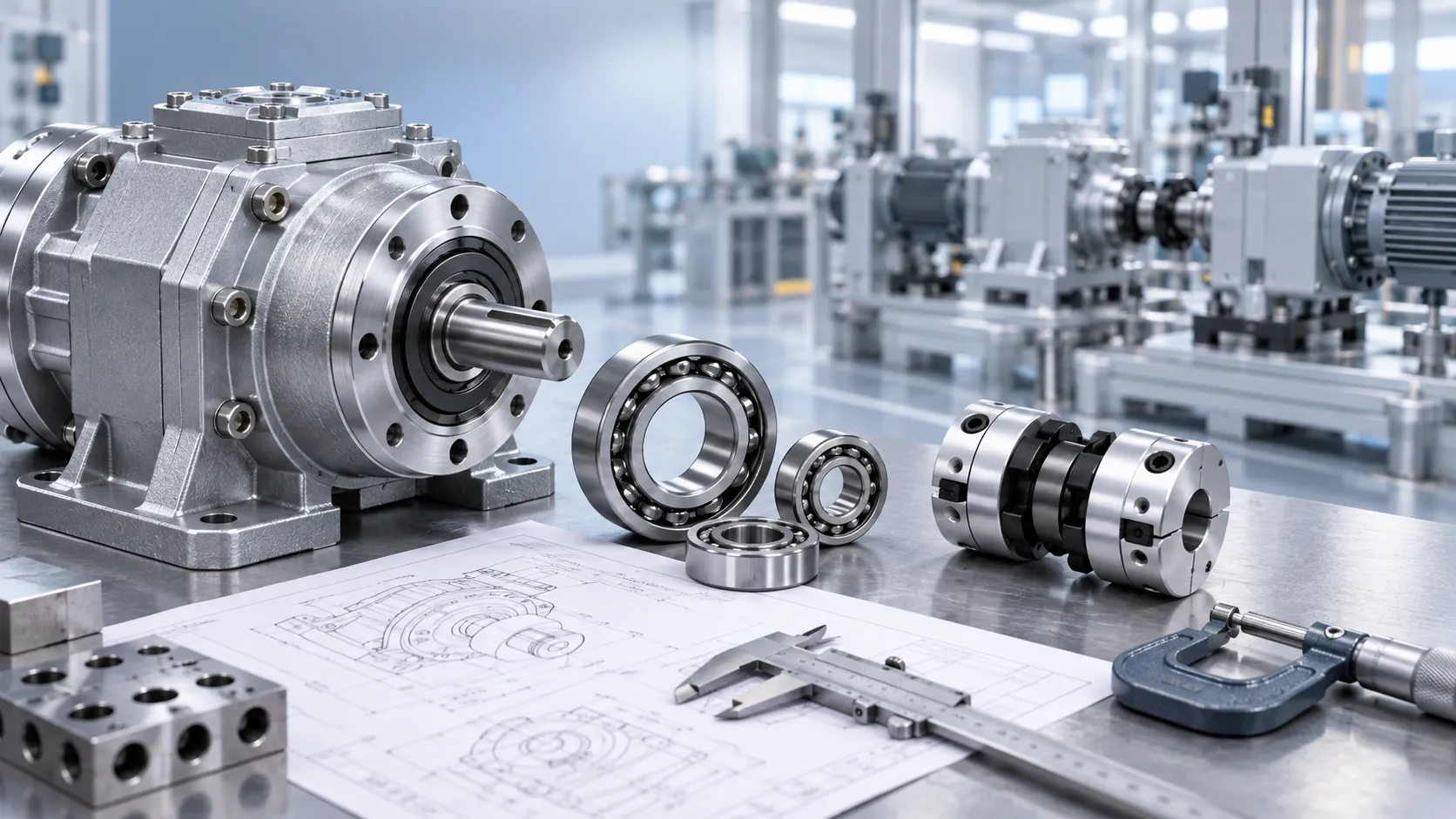
What to Request in Component Specification Resources Before Choosing a Supplier
Industrial component specification resources supplier guide: request drawings, material data, ratings, validation, and change control to choose reliable suppliers and reduce lifecycle risk.
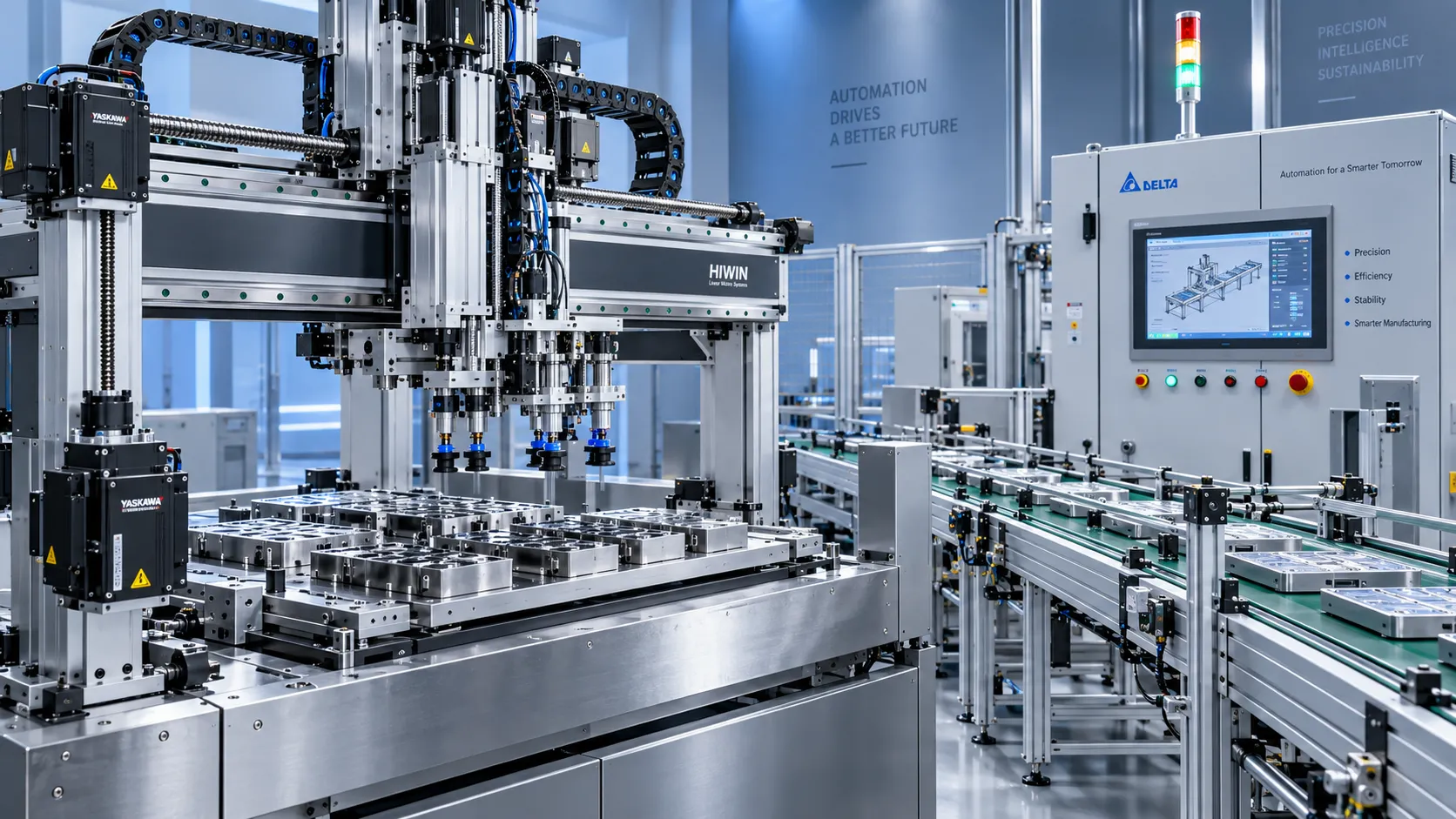
How to Specify Multi-Axis Motion Control for High-Precision Automated Machines
Master multi axis motion control for high-precision automation—optimize synchronization, feedback, mechanics, safety, and lifecycle reliability.
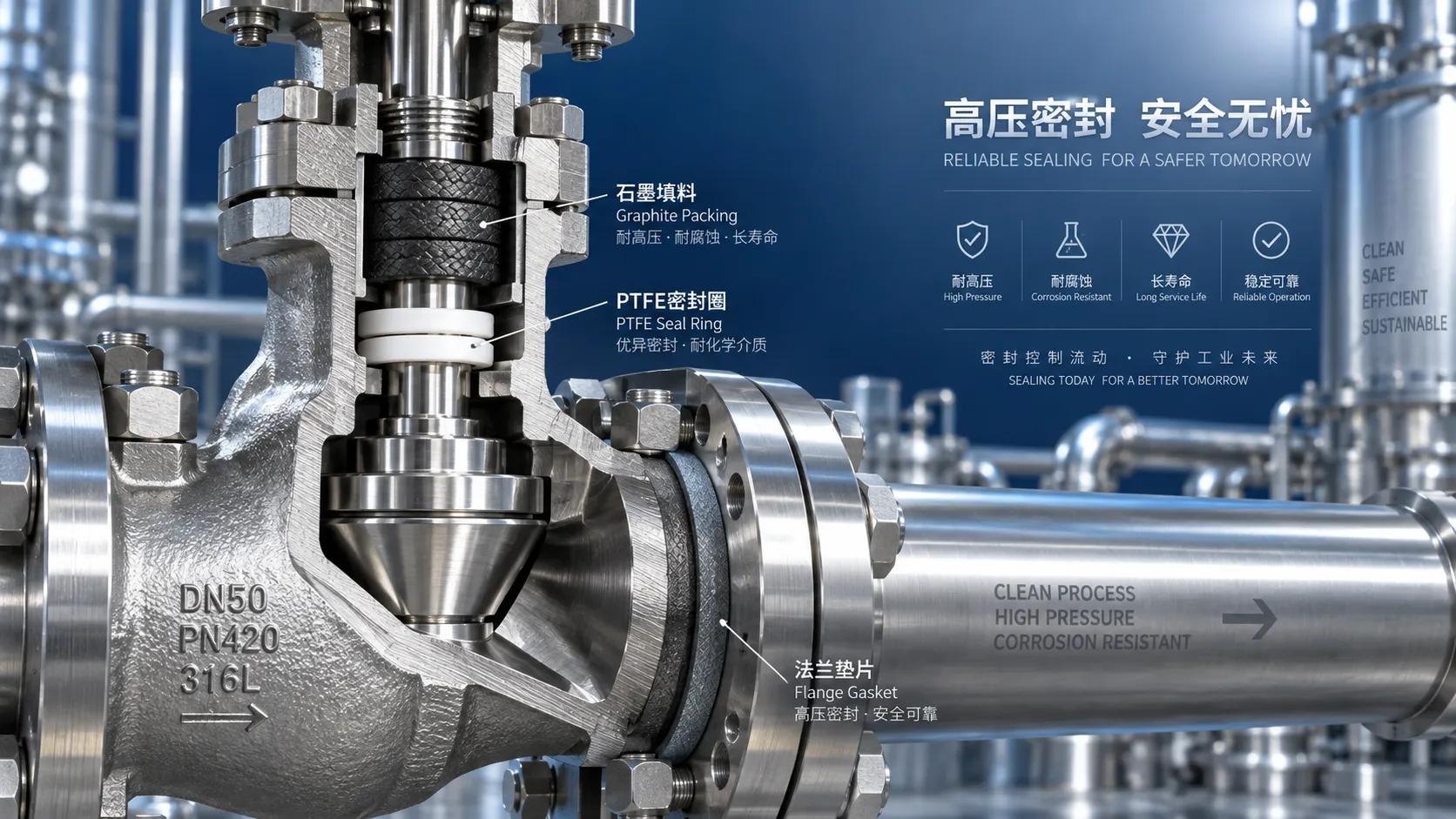
Selecting Valve Sealing Solutions for High-Pressure and Corrosive Service
Industrial sealing solutions for valves: learn how to select reliable systems for high-pressure, corrosive service, control fugitive emissions, and reduce lifecycle leakage risks.
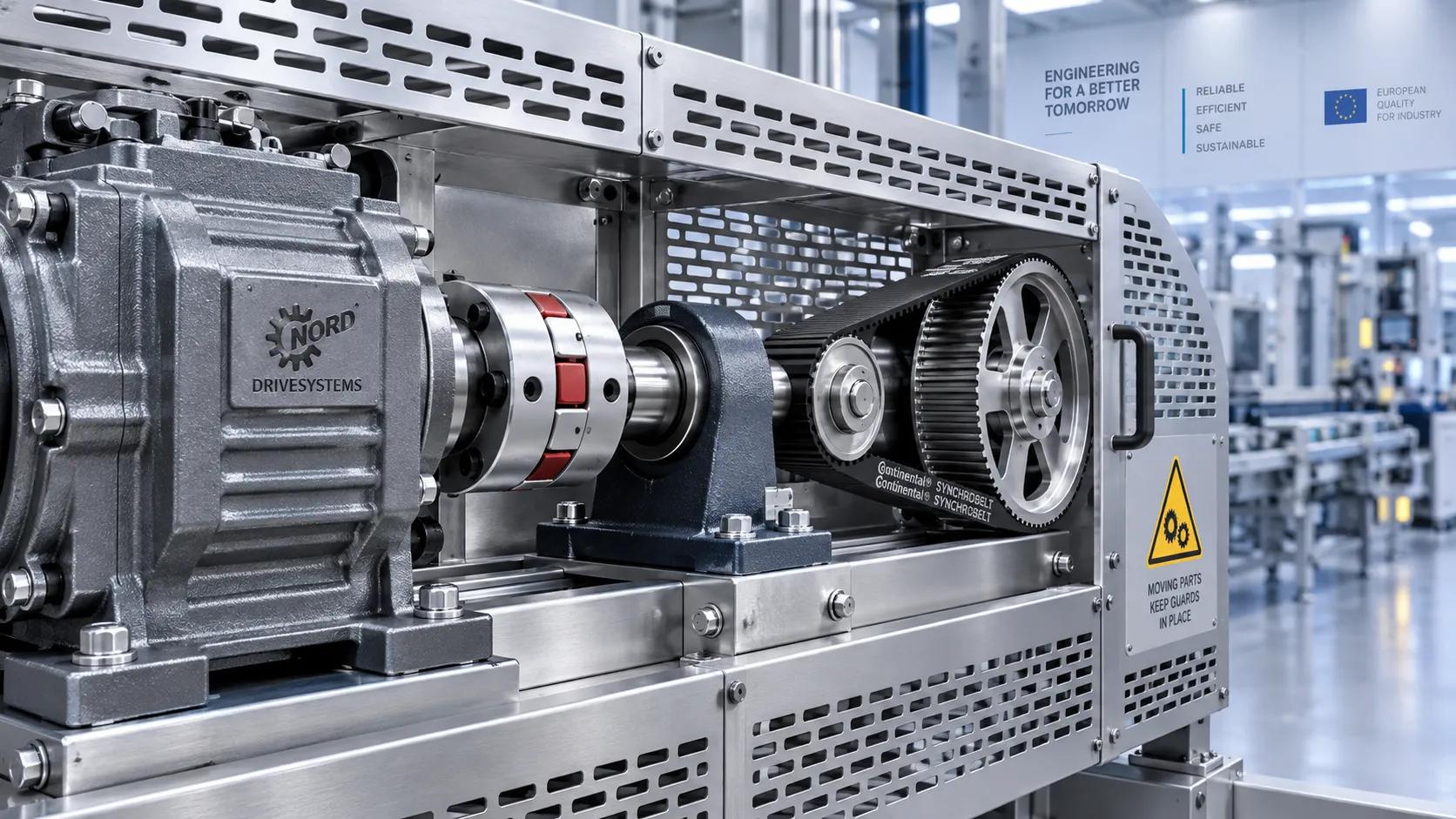
Which European Standards Matter When Specifying Industrial Power Transmission Systems?
Standardized transmission systems Europe: discover the key EN and ISO standards for safer, compliant gear units, belts, couplings, bearings, seals, and ATEX applications.
How to Vet a Motion Control Components Exporter for Global OEM Supply?
Motion control components exporter vetting guide for global OEMs: assess quality, traceability, export readiness, landed cost, and supply resilience before you buy.