
Industry News
Curation by industry experts
Hot Articles
Popular Tags
Reliability in mechanical transmission is often lost at startup
Reliability in Mechanical Transmission Begins Before Stable Operation
Reliability in mechanical transmission is often lost at startup, not during steady production.
At that moment, torque rises sharply, lubrication films are incomplete, and component alignment is still settling.
These short events can create wear patterns, micro-cracks, seal damage, and vibration signatures that remain hidden for months.
In modern industry, reliability in mechanical transmission affects uptime, safety, energy efficiency, maintenance cost, and asset life.
This is especially true in automated lines, conveyors, mixers, compressors, pumps, reducers, and heavy rotating systems.
GPT-Matrix tracks these issues through industrial intelligence, material science analysis, and transmission-focused operating insight.
A startup event may last seconds, yet it can define whether a drivetrain performs reliably for years.
Basic Definition and Failure Logic
Reliability in mechanical transmission refers to the ability of transmission elements to deliver motion and torque as intended over time.
It includes gears, belts, couplings, bearings, shafts, clutches, seals, reducers, and lubrication interfaces.
Startup is critical because the system moves from rest to load under unstable contact conditions.
Boundary lubrication may dominate before a full fluid film forms on sliding or rolling surfaces.
At the same time, inertial resistance can amplify torsional shock through shafts, keys, splines, and flexible couplings.
If alignment is imperfect, the first rotation cycles may generate uneven tooth loading or belt tracking deviation.
Reliability in mechanical transmission is therefore not only a design issue, but also a startup control issue.
- Torque peaks can exceed nominal values before speed stabilizes.
- Oil circulation may lag behind initial friction demand.
- Thermal expansion has not yet balanced shaft geometry.
- Loose foundations can magnify transient vibration.
- Control logic may create abrupt starts instead of ramped acceleration.
Industry Background and Current Attention Points
Across sectors, equipment is expected to run longer, consume less energy, and require fewer shutdowns.
That raises attention on reliability in mechanical transmission, especially during the startup window.
Several industry trends explain this focus.
GPT-Matrix observes that startup failures often emerge where market pressure meets inadequate operating discipline.
Examples include overloaded conveyors, cold-start pumps, large fans with delayed lubrication, and reducers exposed to shock loading.
Business Value of Improving Startup Reliability
Improving reliability in mechanical transmission delivers measurable value far beyond component protection.
A controlled startup reduces emergency downtime and improves production consistency across mixed industrial environments.
It also helps protect expensive connected parts that may fail secondarily after a primary transmission defect.
- Less abrasive wear on gears, bearings, and belt flanks.
- Lower seal leakage risk during temperature transition.
- Reduced vibration transfer into frames and supports.
- More stable product quality where motion accuracy matters.
- Longer usable life for lubricants and mechanical interfaces.
Reliability in mechanical transmission also supports sustainability goals by reducing premature replacement and avoidable energy losses.
This aligns with broader industrial shifts toward Industry 4.0, lifecycle thinking, and green manufacturing performance standards.
Typical Startup Risk Scenarios Across Transmission Systems
Startup risk varies by equipment type, load profile, and lubrication architecture.
Still, several repeatable patterns appear across industries.
These examples show why reliability in mechanical transmission must be evaluated as a system, not as isolated parts.
Practical Measures That Improve Reliability in Mechanical Transmission
Effective improvement usually comes from combining design review, operating control, and condition verification.
1. Control acceleration behavior
Use soft-start strategies where load inertia is high or where shock-sensitive components are installed.
Ramped starts reduce peak stress and improve reliability in mechanical transmission under variable duty cycles.
2. Verify lubrication readiness
Check oil level, viscosity suitability, flow timing, and distribution path before repeated cold starts.
Where possible, pre-lubrication or circulation confirmation should precede motion.
3. Tighten alignment discipline
Alignment should reflect actual thermal and load conditions, not only static installation geometry.
Even minor offset can degrade reliability in mechanical transmission during startup vibration growth.
4. Monitor transient signals
Startup data often reveals problems hidden during steady-state monitoring.
Track torque, current, vibration, temperature rise, and acoustic changes during the first seconds of operation.
5. Match materials to startup stress
Belts, seal faces, greases, and coupling elements should be selected for transient conditions, not average conditions alone.
This is especially important in dusty, cold, corrosive, or high-load environments.
Key Inspection Priorities Before and After Startup
A short checklist can significantly improve reliability in mechanical transmission if applied consistently.
- Confirm foundation integrity and fastener tightness.
- Check shaft alignment and coupling condition.
- Verify lubricant grade, cleanliness, and circulation readiness.
- Review load path for jams, overload, or residual material buildup.
- Observe first-run noise, heat, and vibration against baseline values.
- Inspect seals and bearing zones immediately after startup.
The goal is not only to prevent failure, but also to detect weak signals before they mature into chronic defects.
Next-Step Focus for Smarter Transmission Reliability
Reliability in mechanical transmission improves when startup is treated as a measurable engineering phase.
That means documenting transient conditions, linking failure history to startup events, and refining operating standards over time.
GPT-Matrix supports this direction through intelligence on power transmission materials, motion control trends, and critical sealing evolution.
A practical next step is to review one high-load asset and map its first 30 seconds of operation.
Identify torque shock points, lubrication delays, alignment sensitivity, and recurring vibration peaks.
When startup risk becomes visible, reliability in mechanical transmission becomes easier to protect, improve, and standardize.
Recommended News

Motion Control Reference Projects: How to Adapt Proven Solutions to Your Machine
Industrial solution references motion control guide: learn how to adapt proven servo architectures, validate machine-specific risks, and accelerate reliable commissioning.

How to Evaluate an Industrial Motion Control Solutions Supplier for Automation Projects
Evaluate an industrial motion control solutions supplier with confidence. Compare sizing, integration, quality, support, and lifecycle value for reliable automation projects.

Key Semiconductor Industry Components and Their Roles in Chip Manufacturing
Semiconductor industry components explained: explore wafers, lithography, deposition, etching, packaging, and the critical roles that drive chip quality and yield.
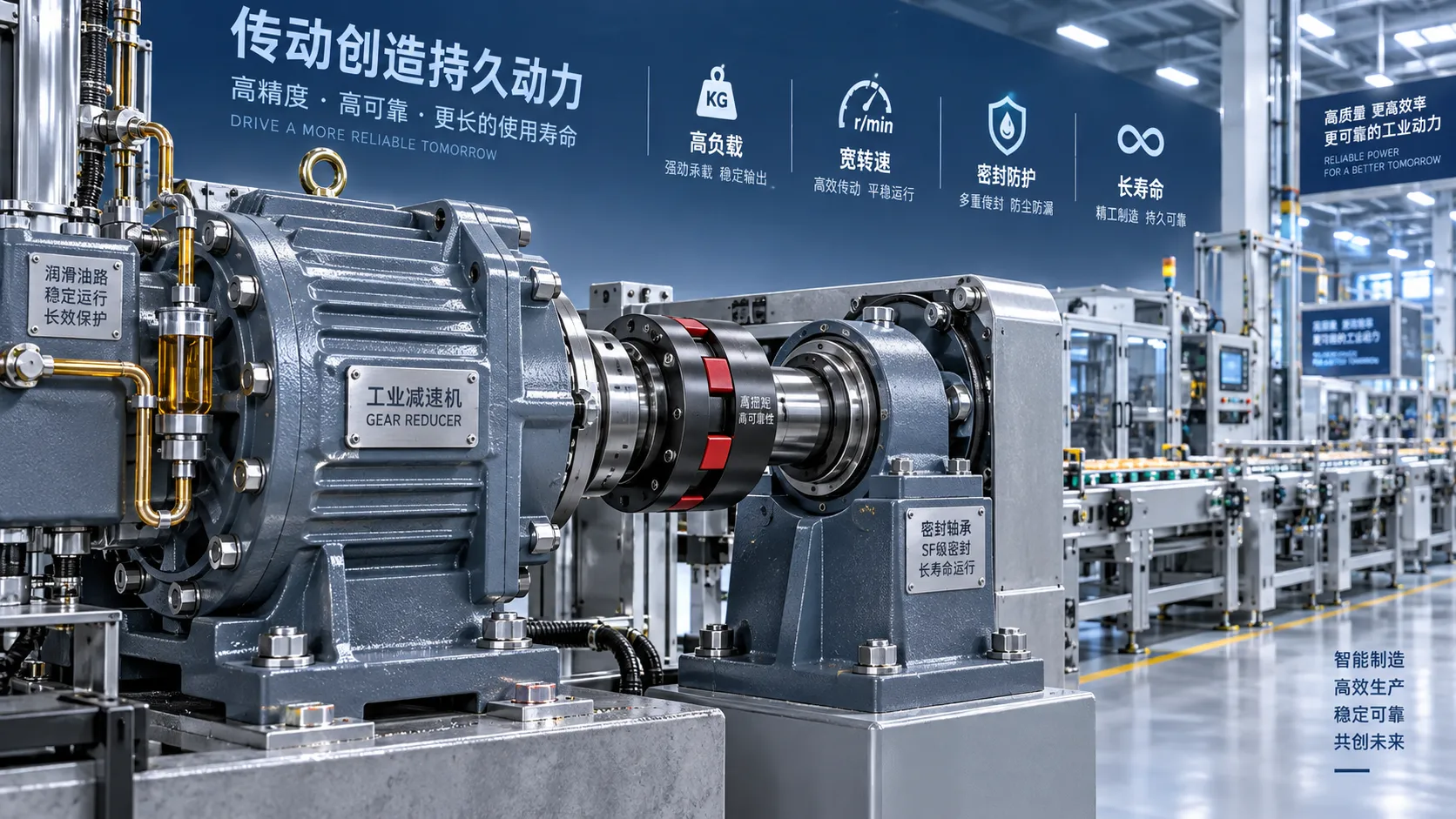
Mechanical Component Selection: Key Criteria for Load, Speed, Environment, and Service Life
Mechanical component selection made practical: evaluate load, speed, environment, lubrication, and service life to improve reliability, reduce downtime, and control lifecycle costs.
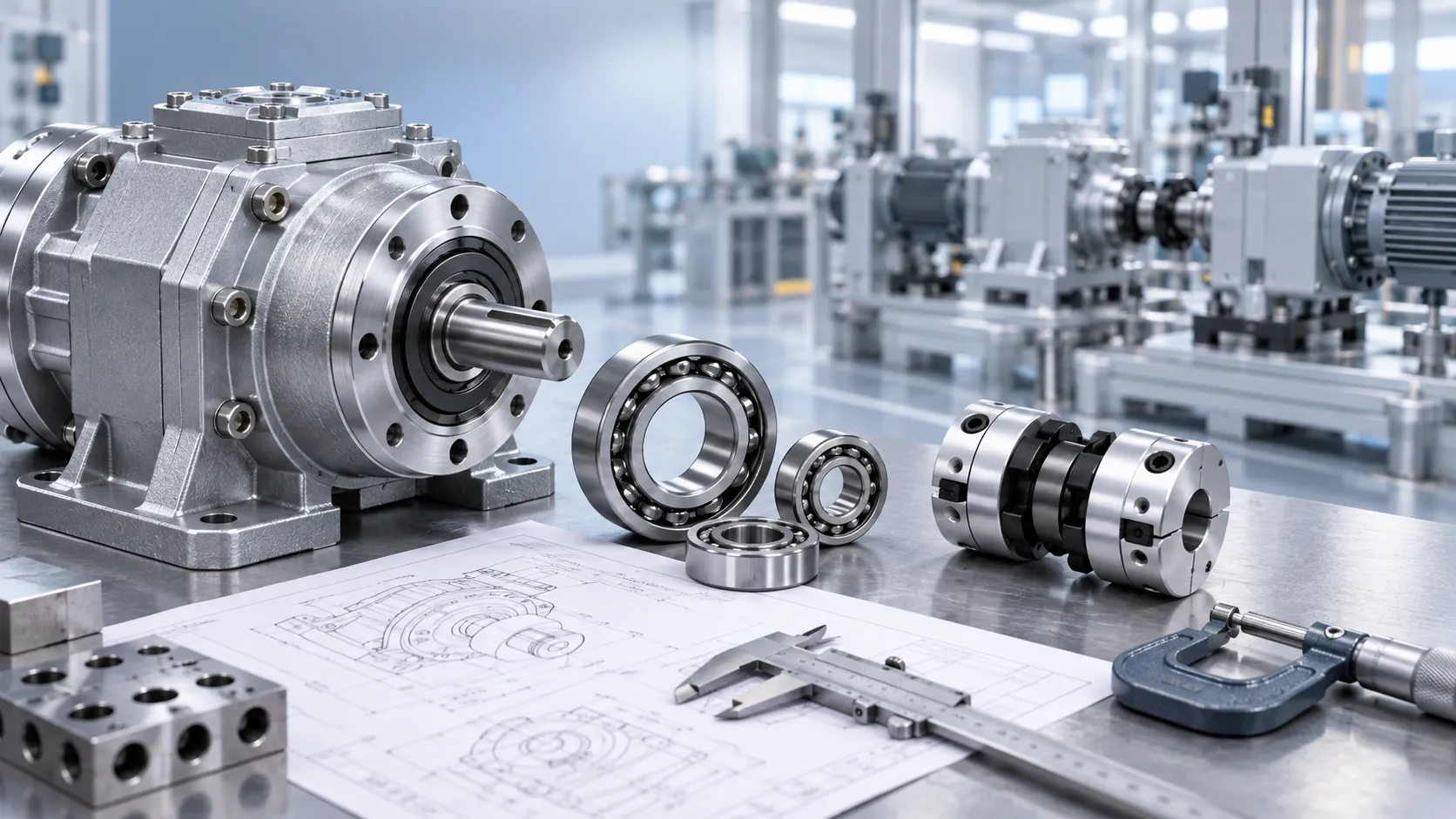
What to Request in Component Specification Resources Before Choosing a Supplier
Industrial component specification resources supplier guide: request drawings, material data, ratings, validation, and change control to choose reliable suppliers and reduce lifecycle risk.

How to Specify Multi-Axis Motion Control for High-Precision Automated Machines
Master multi axis motion control for high-precision automation—optimize synchronization, feedback, mechanics, safety, and lifecycle reliability.
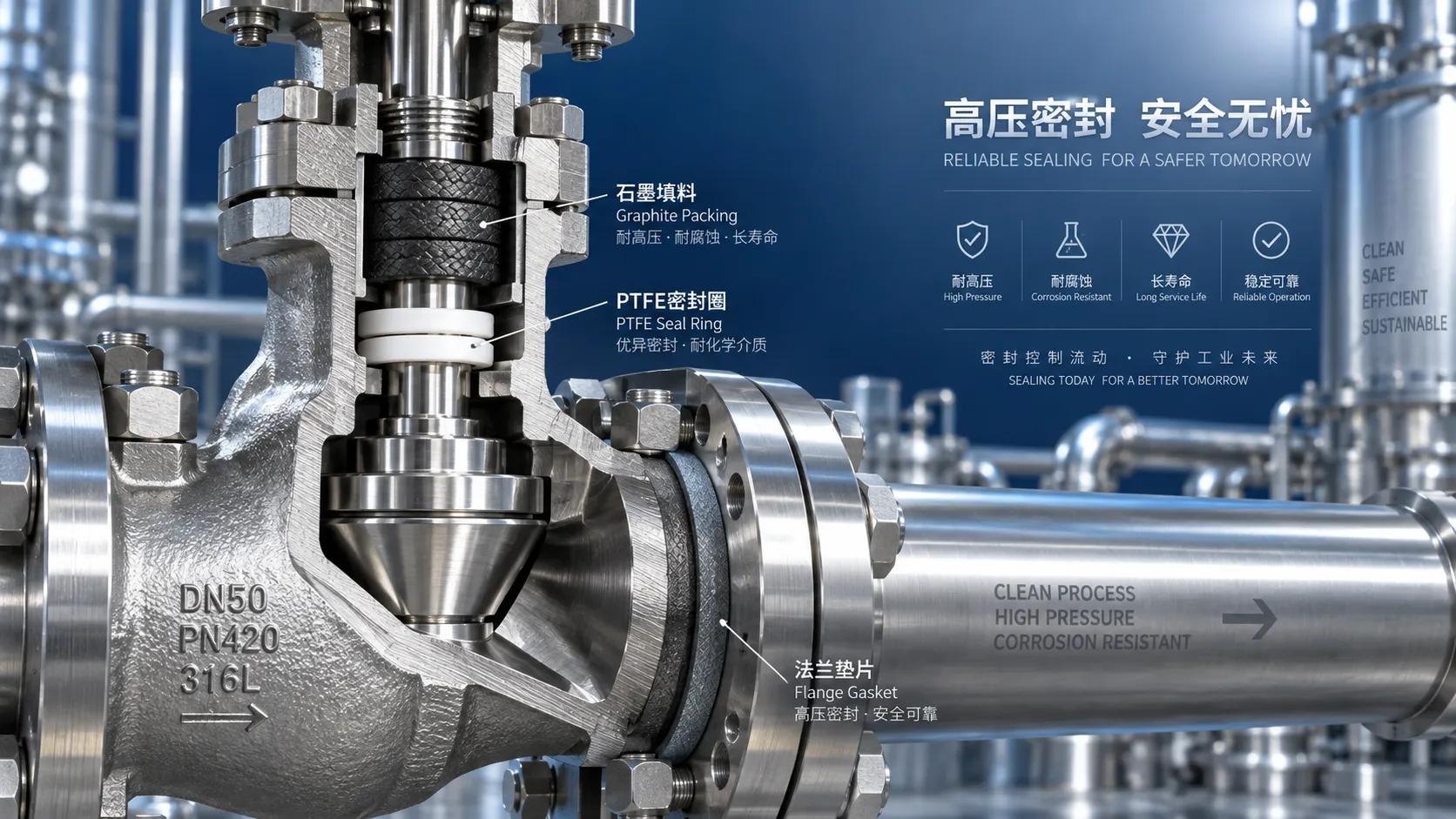
Selecting Valve Sealing Solutions for High-Pressure and Corrosive Service
Industrial sealing solutions for valves: learn how to select reliable systems for high-pressure, corrosive service, control fugitive emissions, and reduce lifecycle leakage risks.
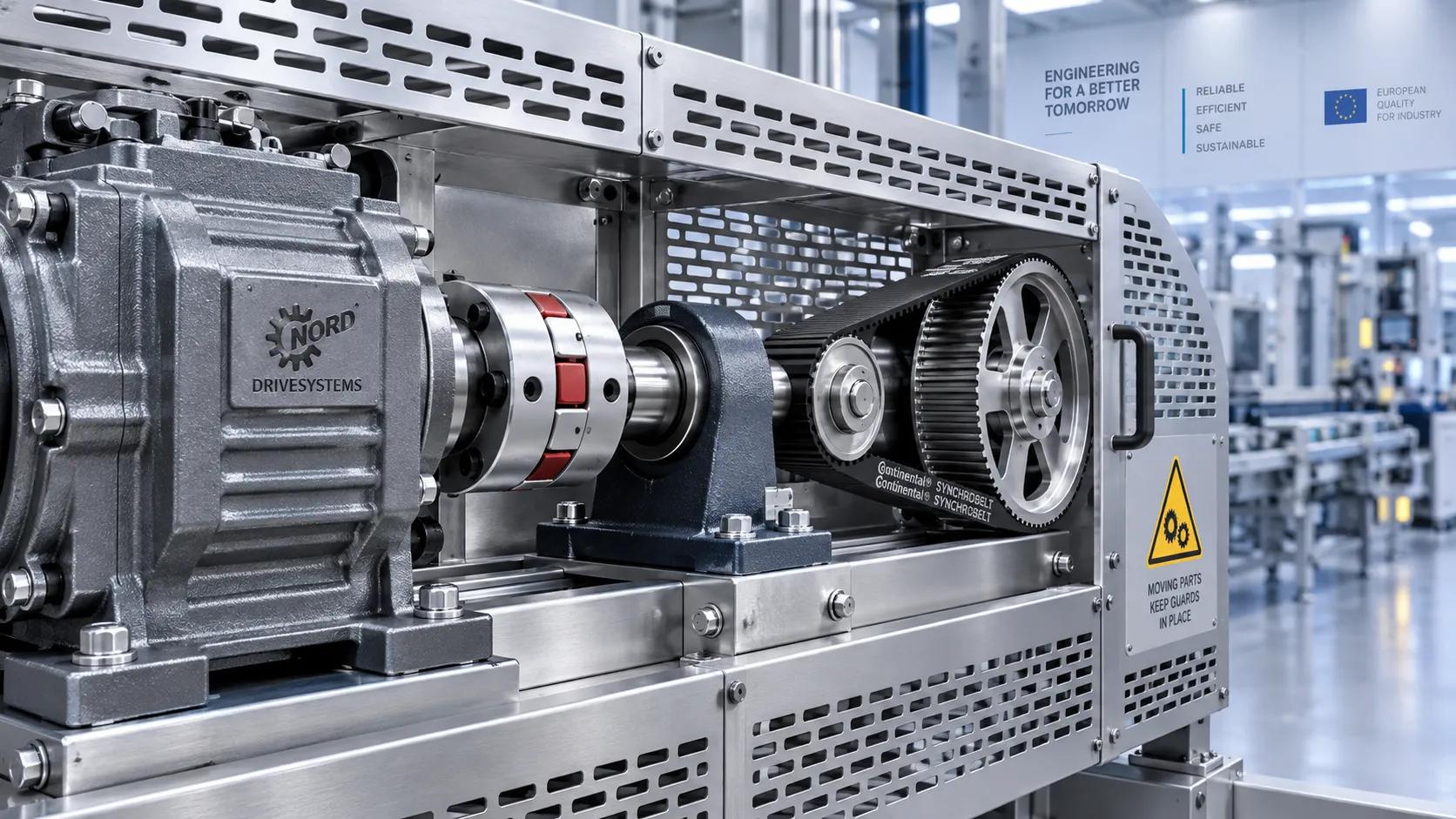
Which European Standards Matter When Specifying Industrial Power Transmission Systems?
Standardized transmission systems Europe: discover the key EN and ISO standards for safer, compliant gear units, belts, couplings, bearings, seals, and ATEX applications.
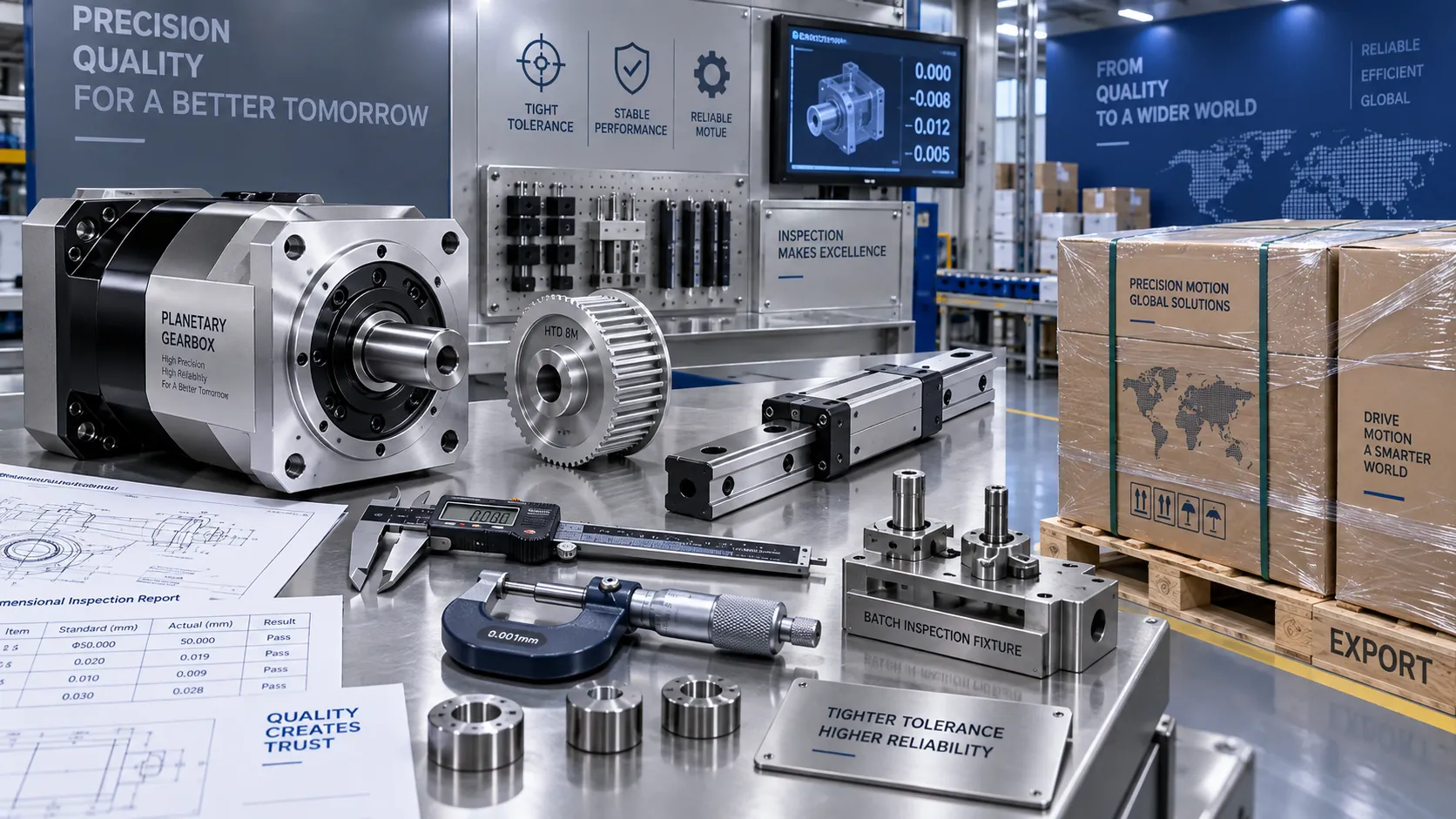
How to Vet a Motion Control Components Exporter for Global OEM Supply?
Motion control components exporter vetting guide for global OEMs: assess quality, traceability, export readiness, landed cost, and supply resilience before you buy.