
Industry News
Curation by industry experts
Hot Articles
Popular Tags
Digital integration in transmission without costly downtime
As industrial systems modernize, digital integration in transmission is becoming a decisive factor for business evaluators balancing performance, risk, and investment efficiency.
From gear reducers to synchronous drives, companies now need solutions that improve visibility, reliability, and lifecycle value without triggering costly downtime.
This article explores how smarter integration strategies help manufacturers strengthen competitiveness while supporting Industry 4.0 and long-term operational resilience.
What business evaluators are really looking for in digital integration in transmission
When professionals search for digital integration in transmission, they are rarely looking for abstract digital transformation ideas.
They usually want to know whether connected transmission systems can reduce failure risk, improve asset visibility, and justify investment without interrupting production.
For business evaluators, the central question is practical: can digital integration create measurable operational gains while avoiding implementation costs that outweigh the benefit?
That means the discussion must move beyond sensors, dashboards, and software labels.
What matters is how integration affects uptime, maintenance planning, spare parts strategy, energy use, and the long-term value of transmission assets.
In most industrial environments, costly downtime remains the main barrier to modernization.
Even when leadership supports Industry 4.0, plant teams often resist projects that seem likely to disrupt proven mechanical systems.
This is why successful digital integration in transmission is rarely a full replacement exercise.
It is usually a staged approach that connects critical components, captures useful operating data, and turns that data into better business decisions.
Why transmission systems are becoming priority assets in digital modernization
Transmission systems have traditionally been treated as reliable background infrastructure until a breakdown proves otherwise.
Yet belts, couplings, gear reducers, bearings, and sealing elements directly influence throughput, product quality, safety, and maintenance cost.
As manufacturing becomes more automated, the margin for unnoticed mechanical inefficiency becomes smaller.
A minor misalignment, abnormal vibration pattern, or lubrication problem can now cause wider system losses than before.
Digital integration helps expose these hidden conditions earlier.
Instead of relying only on periodic inspection, operators can monitor key health indicators across critical drive assets in near real time.
This makes transmission components more visible within enterprise decision-making.
For business evaluators, that visibility is important because invisible mechanical risk is difficult to price accurately.
Without performance data, replacement cycles are often too conservative or too late.
With better data, organizations can shift from assumption-based spending toward evidence-based asset management.
This improves not only reliability but also budgeting confidence across maintenance, procurement, and production planning functions.
How to modernize without causing the downtime everyone fears
The biggest misconception is that digital integration requires stopping production and rebuilding the whole transmission architecture at once.
In reality, the lowest-risk programs start by identifying high-value assets where monitoring can be added with minimal mechanical intervention.
Examples include critical reducers, high-load belt drives, conveyor transmissions, and sealing assemblies in continuous-process equipment.
Instead of replacing every component, companies can retrofit selected assets with sensors, condition monitoring modules, and connectivity gateways.
This staged strategy reduces shutdown exposure and makes pilot results easier to evaluate.
Business evaluators should look for integration pathways that fit existing maintenance windows.
If sensors, communication hardware, or data interfaces can be installed during planned service intervals, the modernization cost profile changes significantly.
Another important factor is system compatibility.
Solutions that work with current PLCs, SCADA platforms, or plant historians are usually easier to justify than stand-alone tools with isolated data streams.
Integration should also be modular.
A modular architecture allows the organization to begin with condition visibility and later expand toward predictive maintenance, energy optimization, or remote diagnostics.
This reduces capital risk and avoids locking the business into oversized technology commitments too early.
What measurable value digital integration in transmission can deliver
For commercial decision-makers, the value case must be linked to measurable outcomes rather than technical novelty.
The most immediate gain is often improved uptime through earlier fault detection.
If vibration, temperature, load, lubrication condition, or alignment data identifies a developing issue before failure, maintenance can be scheduled before production is interrupted.
That alone can protect significant revenue in continuous or high-volume operations.
A second value driver is maintenance efficiency.
Teams no longer need to rely only on fixed schedules or broad safety margins.
When service intervals are informed by actual operating condition, organizations can reduce unnecessary interventions while still protecting reliability.
Spare parts management also improves.
With clearer visibility into wear trends and failure patterns, buyers can hold inventory more strategically instead of overstocking expensive transmission components just in case.
Energy performance is another overlooked benefit.
Poor lubrication, misalignment, excessive tension, and worn mechanical interfaces all increase energy loss.
Digital monitoring makes these inefficiencies easier to identify and correct.
Finally, integrated data supports better supplier evaluation.
Companies can compare lifecycle performance across component brands, designs, and operating environments rather than buying mainly on upfront price.
This is especially useful in sectors where reliability, maintenance burden, and service support vary widely between vendors.
Which questions should evaluators ask before approving an investment
Before approving any digital integration initiative, business evaluators should test whether the proposal answers a few commercially critical questions.
First, which assets are truly critical to output, safety, or maintenance cost?
Not every transmission component needs to be digitized immediately.
The strongest business case usually comes from assets whose failure has a disproportionate impact on production continuity.
Second, what specific decisions will the data improve?
If the project cannot explain how data will change maintenance timing, repair planning, inventory levels, or operating behavior, the return may remain theoretical.
Third, what is the implementation burden?
Decision-makers should ask how much downtime is required, what internal skills are needed, and whether existing systems can absorb the new data.
Fourth, what baseline is being used to calculate value?
Without a clear picture of current downtime cost, failure frequency, maintenance labor, and energy loss, ROI claims may be difficult to validate.
Fifth, how scalable is the solution?
A pilot that works on one line but cannot expand economically across multiple plants may have limited strategic value.
These questions help separate meaningful industrial integration from technology demonstrations with weak operational impact.
Common risks that weaken ROI and how to avoid them
Not every digital initiative in transmission succeeds.
One common failure point is collecting too much data without defining the maintenance or business actions linked to it.
More data does not automatically create more value.
Only actionable data that supports timely decisions improves economics.
Another risk is underestimating change management.
Maintenance and operations teams may distrust systems that appear to add complexity without making daily work easier.
Projects gain traction when dashboards, alerts, and reporting structures are aligned with existing workflows.
Hardware selection also matters.
If sensors are poorly matched to harsh operating conditions such as heat, vibration, contamination, or washdown exposure, reliability suffers and confidence declines.
Cybersecurity and data governance should not be overlooked either.
As more transmission assets become connected, organizations must define who owns the data, who can access it, and how external connectivity is controlled.
A final risk is trying to digitize low-value assets first because they are easier to access.
Ease of installation is useful, but value should remain the primary filter.
Starting with assets that matter commercially builds stronger internal support and clearer financial evidence for expansion.
Where digital integration is most effective across transmission applications
Digital integration delivers the strongest returns where mechanical assets are critical, failure is expensive, and operating conditions vary enough to justify continuous visibility.
Gear reducers are a strong example because their condition directly affects torque delivery, efficiency, and unplanned stoppage risk.
Monitoring temperature, vibration, and lubrication trends can reveal developing wear before catastrophic damage occurs.
Synchronous belt and conveyor drive systems also benefit, particularly in automated lines where tension, alignment, and load consistency influence throughput and product quality.
In packaging, logistics, food processing, and material handling, relatively small transmission issues can ripple across the line quickly.
Mechanical seals and related rotating equipment assemblies are another high-value area.
In pumps, mixers, and process systems, seal failure can trigger not only downtime but also contamination, compliance, and safety concerns.
Heavy equipment, mining, cement, marine, and energy sectors often present even stronger cases because replacement events are expensive and operating environments are severe.
For business evaluators, the best opportunities are usually found where asset criticality and consequence of failure are both high.
That is where digital integration in transmission moves from a technical upgrade to a strategic resilience tool.
How to build a low-risk evaluation framework for decision making
A practical evaluation framework begins with segmentation rather than enterprise-wide ambition.
Divide transmission assets into categories based on criticality, failure history, replacement cost, and process impact.
Then identify where digital monitoring could change maintenance or operating decisions enough to create measurable value.
Next, define a pilot with narrow objectives.
For example, the goal may be to reduce unplanned reducer failures, extend belt service intervals safely, or improve spare parts forecasting accuracy.
Clear objectives make outcomes easier to measure and communicate.
Baseline metrics are essential.
These may include mean time between failures, maintenance hours per asset, lost production cost, emergency parts spending, and energy consumption trends.
With a baseline in place, post-implementation performance can be assessed more credibly.
It is also wise to evaluate supplier capability beyond hardware.
Business evaluators should examine analytics quality, service support, integration compatibility, training resources, and long-term upgrade pathways.
The most attractive solution is not always the one with the most features.
It is the one that fits plant reality, supports phased scaling, and produces evidence that finance, operations, and maintenance can all trust.
Why the best digital strategies combine mechanical expertise with data intelligence
Transmission systems are not purely digital assets, and that is an important point.
The best outcomes come when data interpretation is grounded in real mechanical behavior.
Vibration signals, thermal patterns, wear indicators, and lubrication data only become valuable when linked to application context, load conditions, and component design characteristics.
This is why platforms and suppliers with strong mechanical domain knowledge often create more useful insights than generic monitoring systems alone.
For industries navigating Industry 4.0, the strategic goal is not to replace mechanical understanding with software.
It is to strengthen mechanical decision-making through better intelligence.
That principle matters for commercial assessments because it affects long-term reliability and adoption.
If analytics are divorced from transmission reality, false alarms increase and confidence drops.
If digital tools are rooted in tribology, motion control logic, and operating constraints, recommendations become more credible and more actionable.
For business evaluators, this means vendor selection should include technical depth, not just interface design or marketing language.
Conclusion: digital integration in transmission should be judged by resilience, not hype
For business evaluators, digital integration in transmission is worth serious attention when it improves reliability, planning accuracy, and lifecycle economics without forcing disruptive downtime.
The strongest cases are not built on technology trends alone.
They are built on targeted deployment, measurable operational benefits, and a realistic fit with existing maintenance and production structures.
Organizations that approach integration in phases can reduce risk while building internal evidence for broader adoption.
By focusing on critical assets, actionable data, and commercially relevant metrics, they can modernize transmission systems with more confidence and less disruption.
In a competitive industrial environment, the question is no longer whether transmission assets should become more visible.
The real question is how quickly companies can turn that visibility into better decisions, lower risk, and stronger operational resilience.
Recommended News
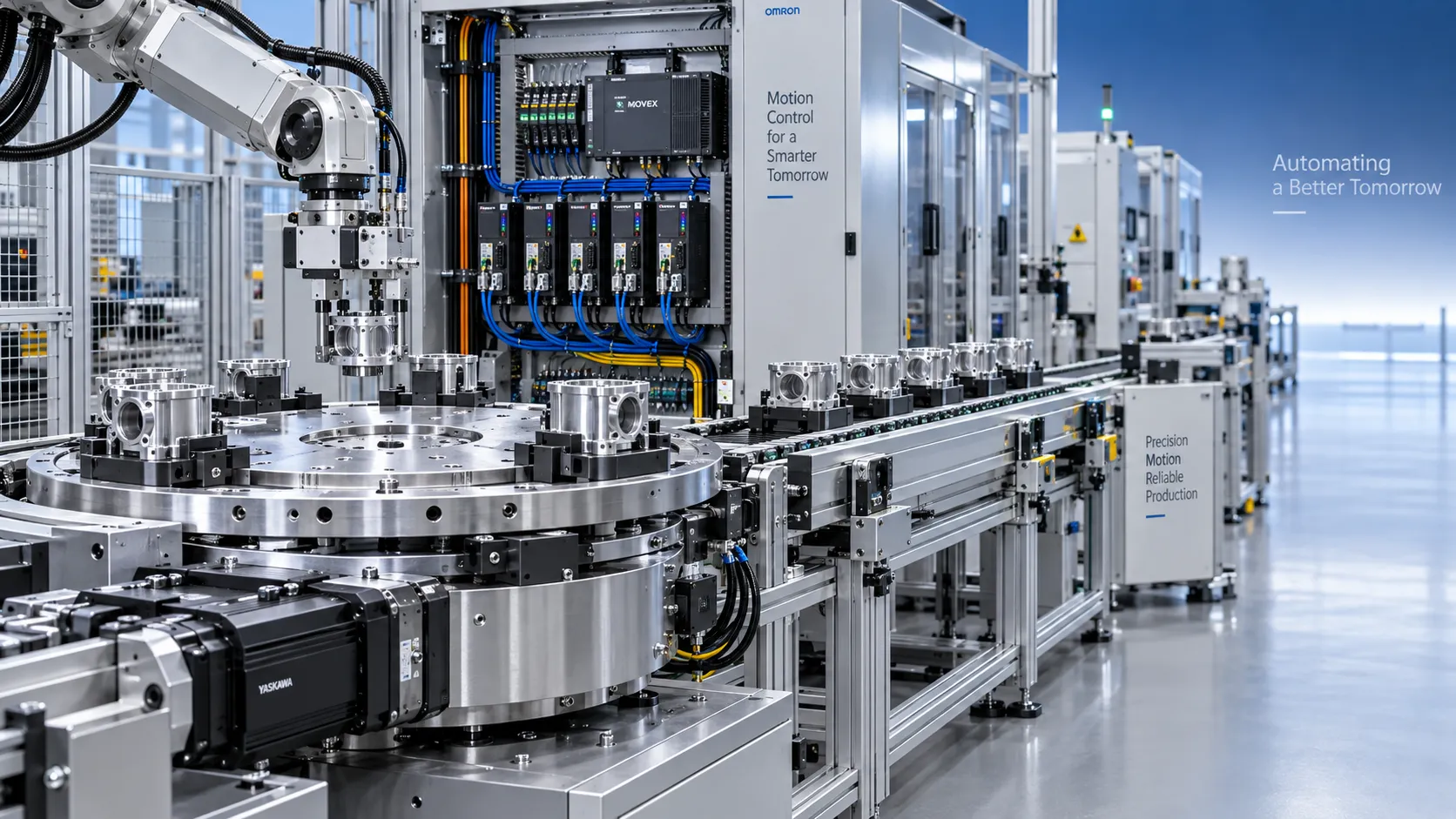
Motion Control Reference Projects: How to Adapt Proven Solutions to Your Machine
Industrial solution references motion control guide: learn how to adapt proven servo architectures, validate machine-specific risks, and accelerate reliable commissioning.
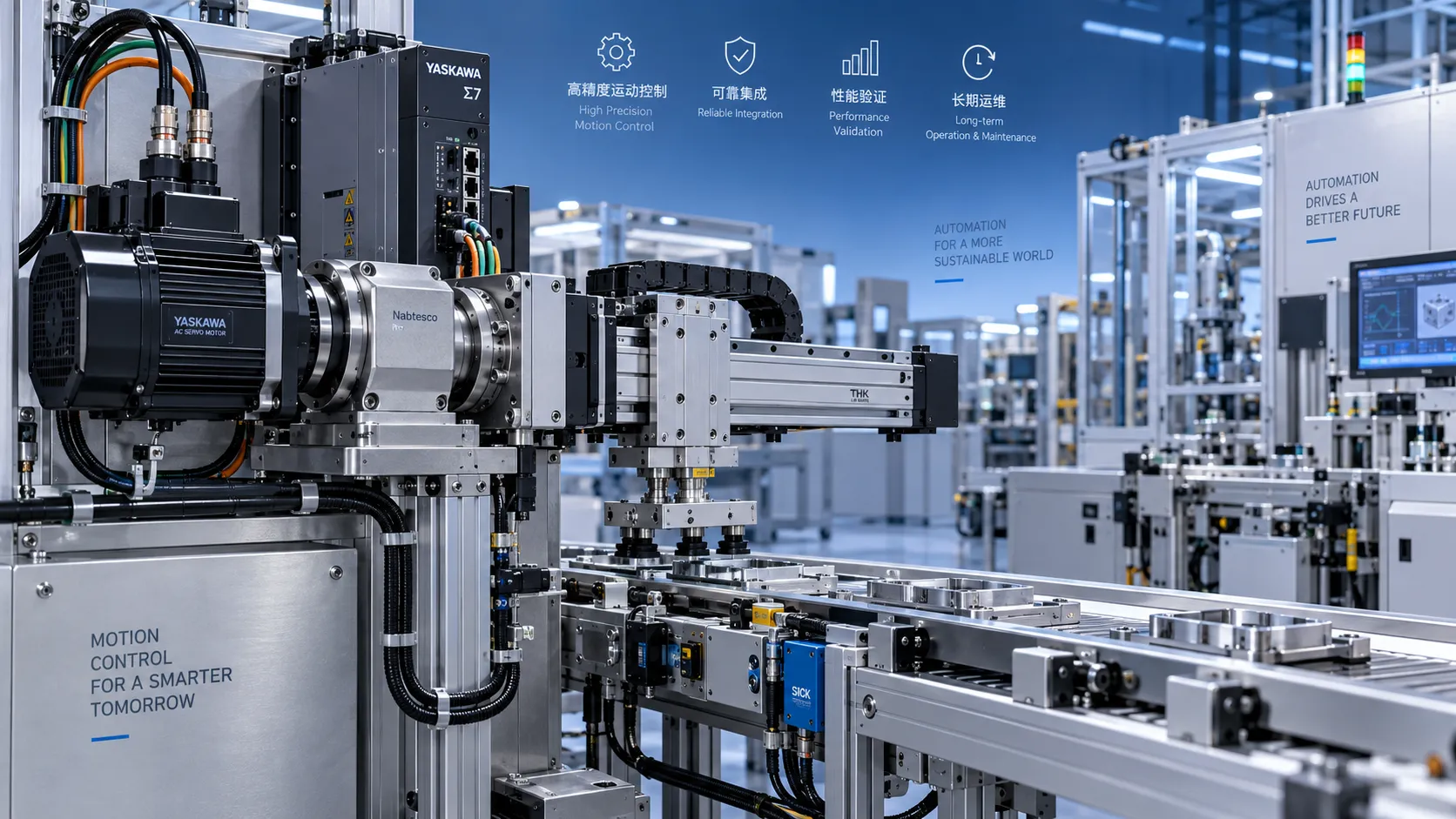
How to Evaluate an Industrial Motion Control Solutions Supplier for Automation Projects
Evaluate an industrial motion control solutions supplier with confidence. Compare sizing, integration, quality, support, and lifecycle value for reliable automation projects.

Key Semiconductor Industry Components and Their Roles in Chip Manufacturing
Semiconductor industry components explained: explore wafers, lithography, deposition, etching, packaging, and the critical roles that drive chip quality and yield.
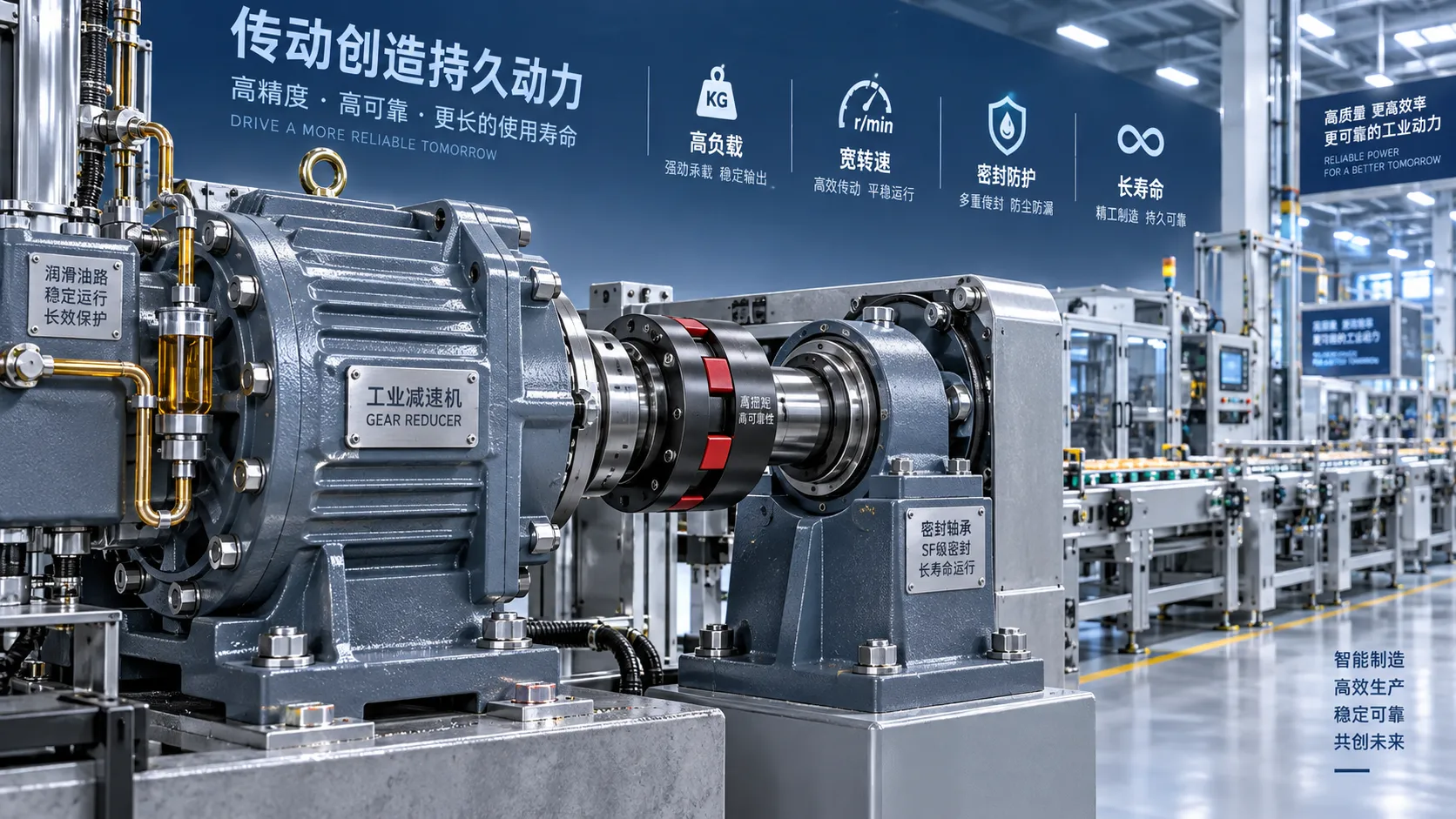
Mechanical Component Selection: Key Criteria for Load, Speed, Environment, and Service Life
Mechanical component selection made practical: evaluate load, speed, environment, lubrication, and service life to improve reliability, reduce downtime, and control lifecycle costs.
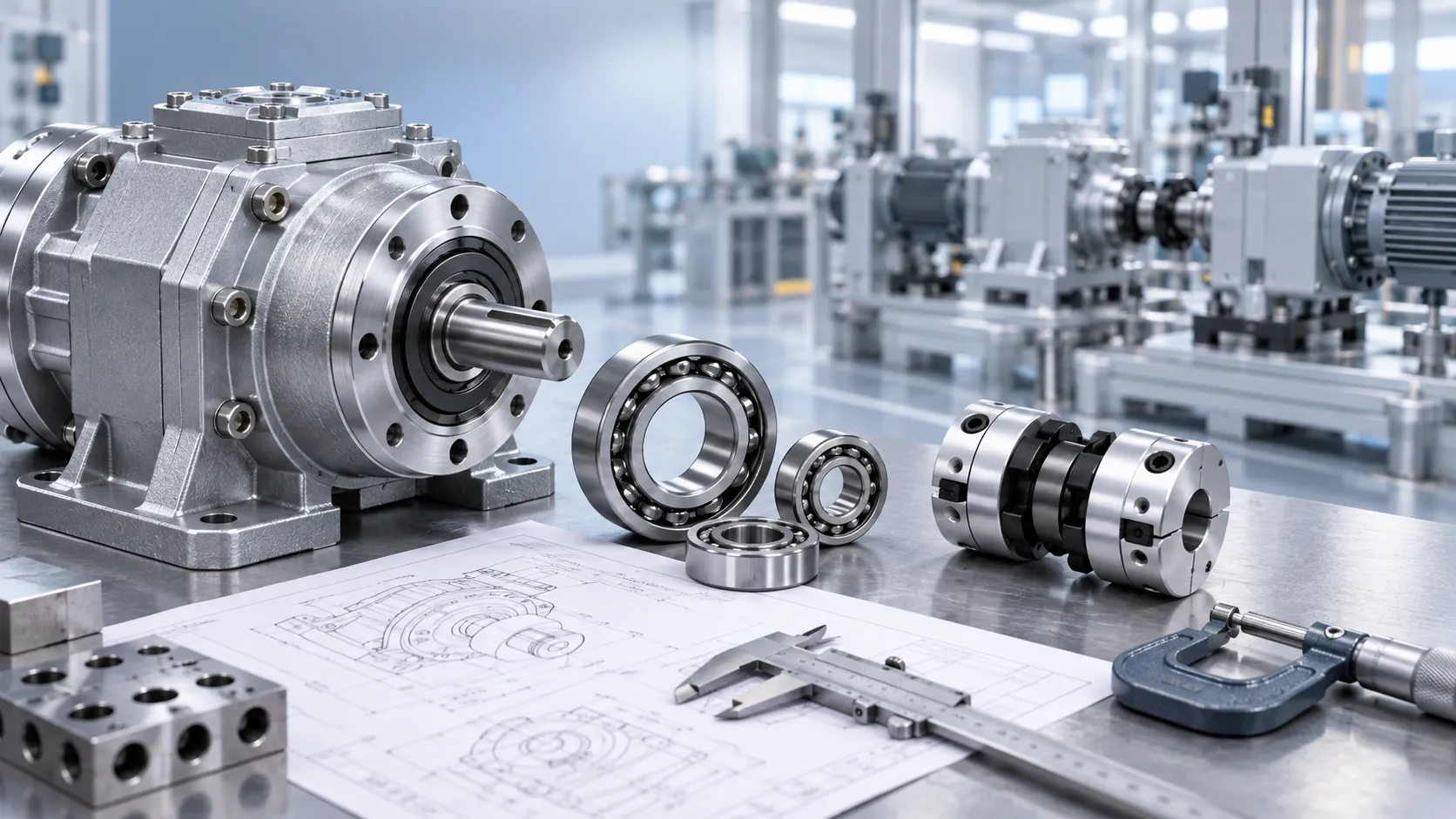
What to Request in Component Specification Resources Before Choosing a Supplier
Industrial component specification resources supplier guide: request drawings, material data, ratings, validation, and change control to choose reliable suppliers and reduce lifecycle risk.
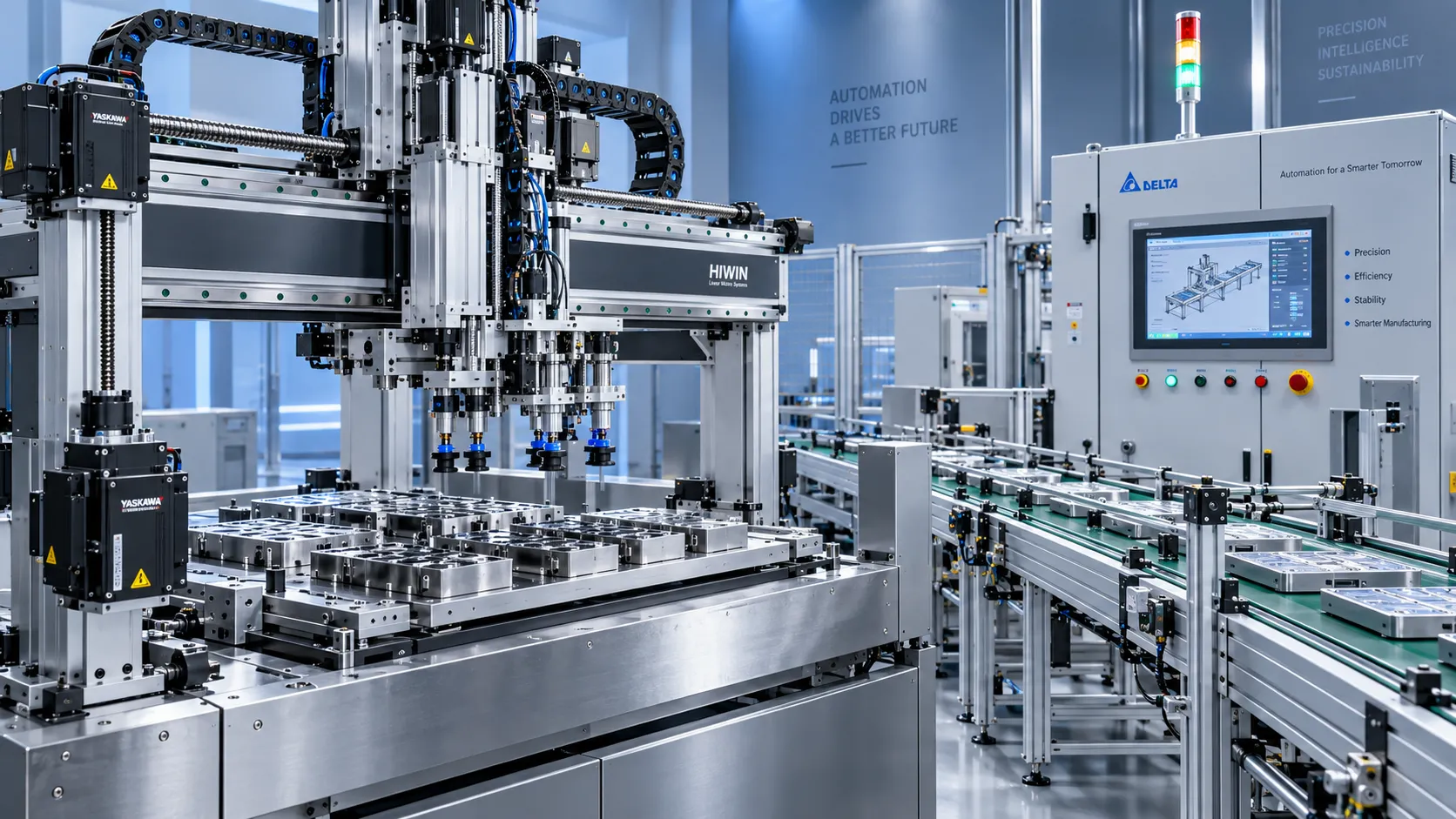
How to Specify Multi-Axis Motion Control for High-Precision Automated Machines
Master multi axis motion control for high-precision automation—optimize synchronization, feedback, mechanics, safety, and lifecycle reliability.
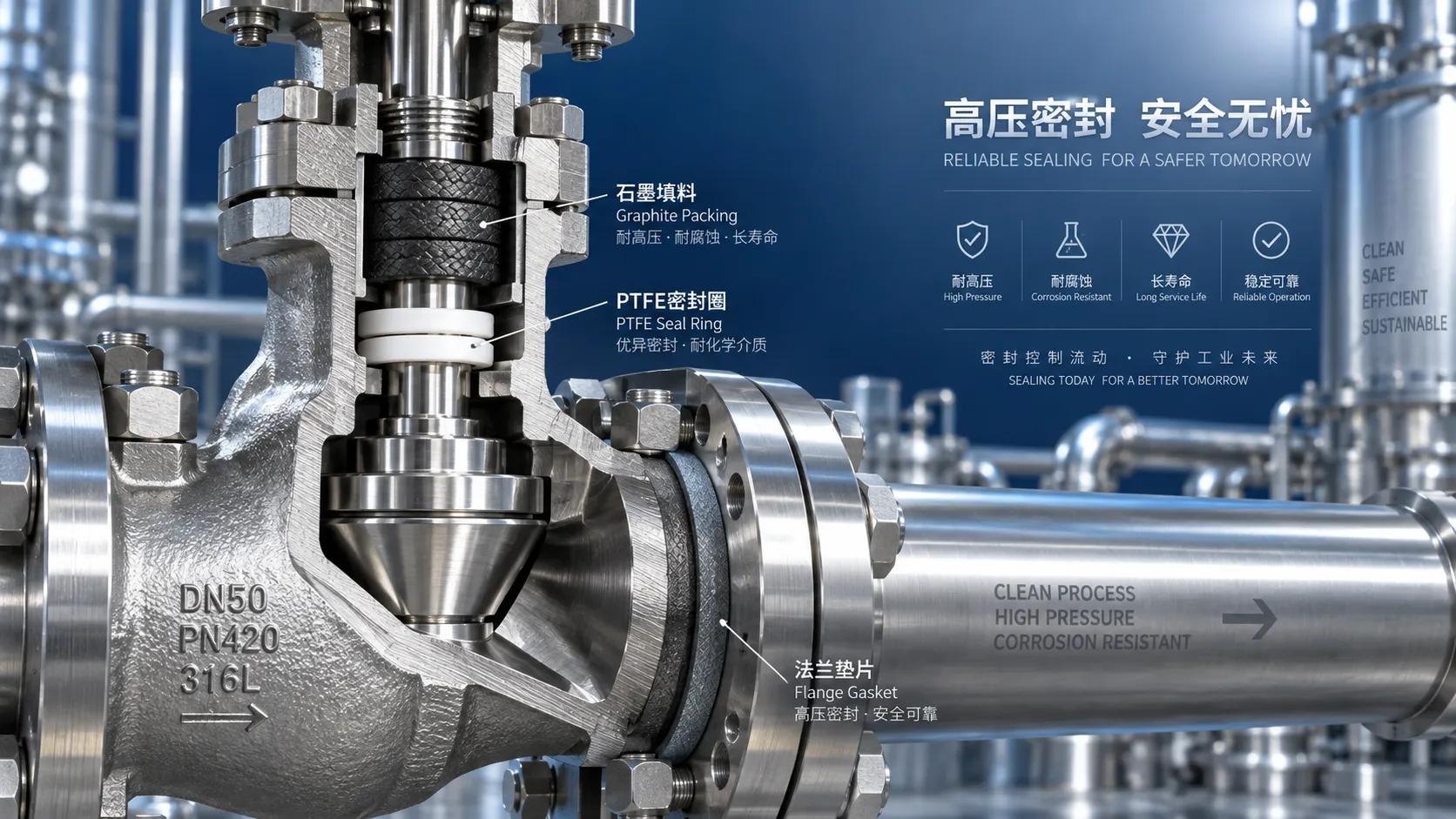
Selecting Valve Sealing Solutions for High-Pressure and Corrosive Service
Industrial sealing solutions for valves: learn how to select reliable systems for high-pressure, corrosive service, control fugitive emissions, and reduce lifecycle leakage risks.
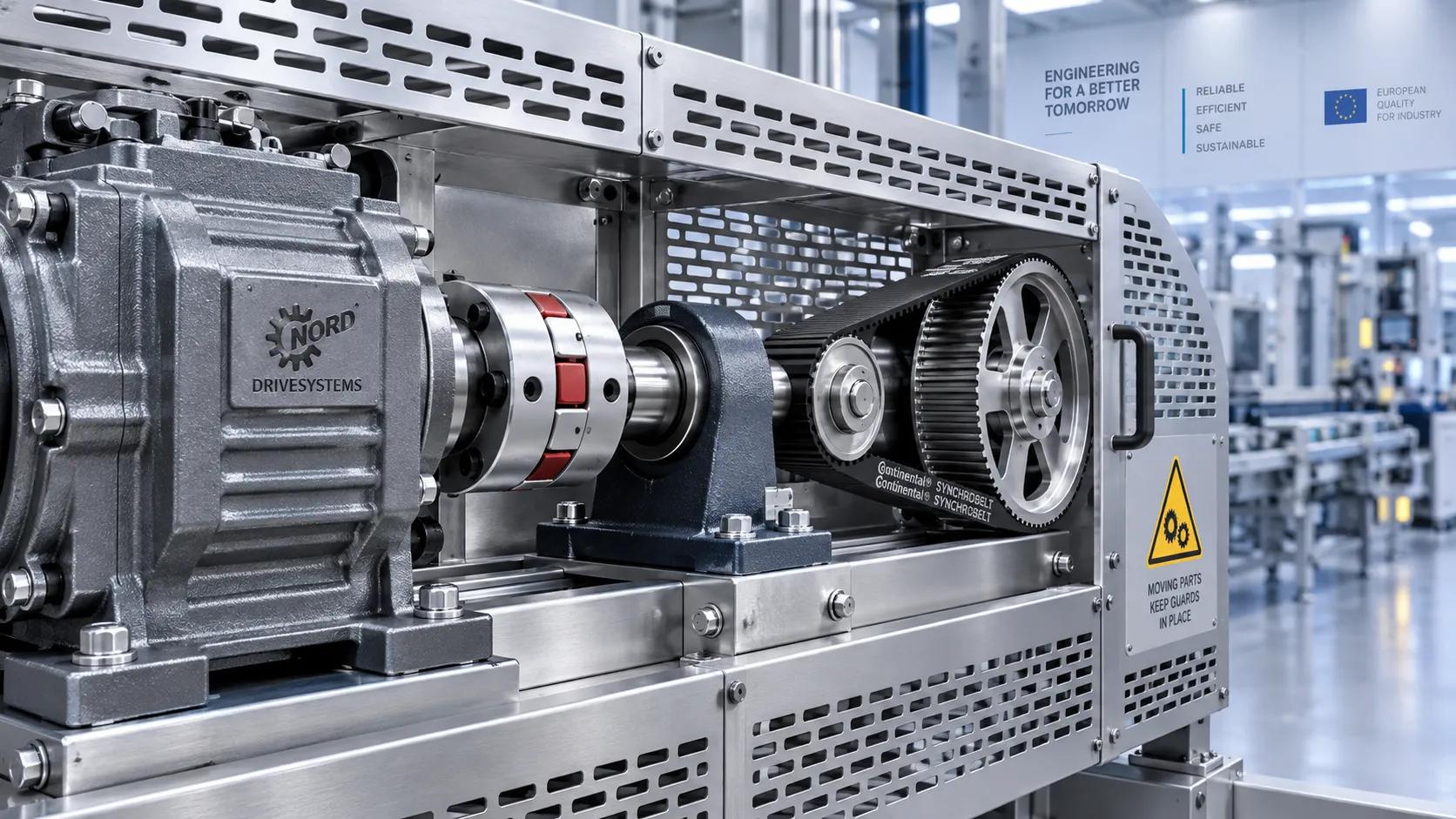
Which European Standards Matter When Specifying Industrial Power Transmission Systems?
Standardized transmission systems Europe: discover the key EN and ISO standards for safer, compliant gear units, belts, couplings, bearings, seals, and ATEX applications.
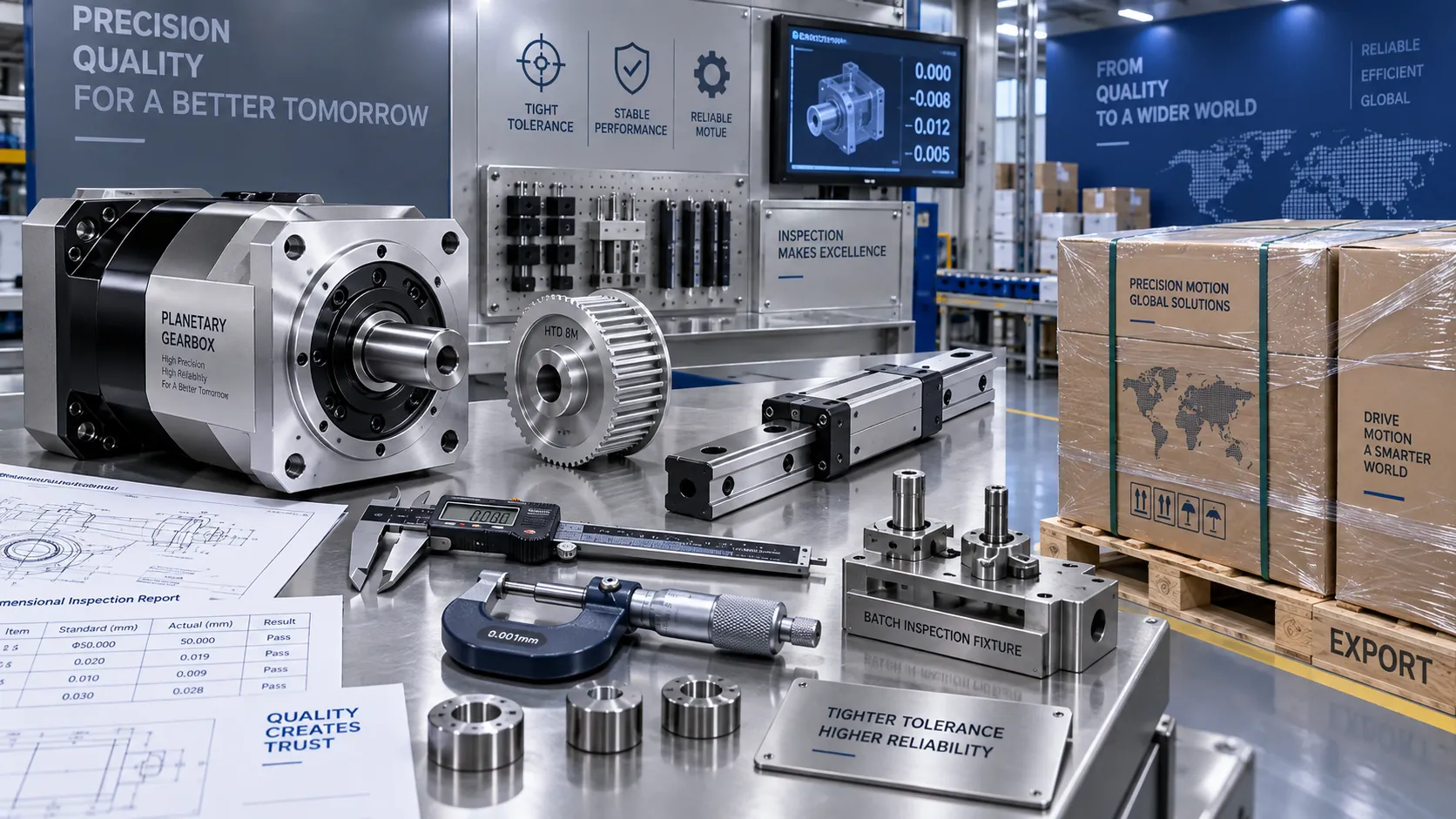
How to Vet a Motion Control Components Exporter for Global OEM Supply?
Motion control components exporter vetting guide for global OEMs: assess quality, traceability, export readiness, landed cost, and supply resilience before you buy.