
Industry News
Curation by industry experts
Hot Articles
Popular Tags
Why Material Science Is Changing Seal Life Expectations
Material science is redefining what engineers and technical evaluators should expect from seal life. From advanced polymers and engineered elastomers to surface treatments and composite structures, new material choices are improving resistance to heat, friction, chemicals, and pressure. For teams assessing reliability, maintenance intervals, and lifecycle cost, understanding these shifts is essential to making better sealing decisions in increasingly demanding industrial environments.
Seal life expectations are moving from “acceptable wear” to “predictable durability”
Across manufacturing, energy, processing, mobility, water systems, and automated equipment, the conversation around sealing performance is changing. For years, many organizations treated seal replacement as a routine maintenance event. Today, that mindset is under pressure. Higher operating temperatures, more aggressive fluids, tighter emissions rules, extended service intervals, and the rising cost of unplanned downtime are pushing technical teams to reassess what good seal life actually means.
This is where material science becomes a strategic decision factor rather than a background specification. Seals are no longer judged only by whether they fit a groove or survive a startup cycle. They are increasingly evaluated by how their material systems behave over time under dynamic friction, thermal cycling, pressure spikes, contamination, and chemical exposure. That shift is changing procurement logic, qualification criteria, and reliability models in nearly every industrial segment.
For technical evaluators, the key signal is clear: seal life is no longer defined only by geometry or installation quality. It is increasingly defined by how far material science can push the boundary between performance and degradation.
Why the pressure on sealing materials is intensifying
Several trend lines are converging at once. Equipment is being asked to run harder, longer, and with less maintenance intervention. Fluids are changing as industries adopt bio-based lubricants, new coolants, more aggressive cleaning agents, and alternative fuels. Compact equipment design is increasing localized heat and shaft speed. At the same time, operators want lower leakage risk, longer mean time between failures, and better energy efficiency.
Under these conditions, traditional assumptions about elastomer swelling, compression set, wear resistance, and thermal stability can quickly become outdated. A seal material that was reliable in a previous operating envelope may no longer perform consistently in a more electrified, automated, or chemically variable environment. This is why material science is gaining influence not only in product development, but also in field reliability reviews and supplier comparisons.
The biggest material science shifts reshaping seal performance
The most important development is not a single breakthrough material, but a broader upgrade in how sealing materials are engineered. Advanced material science is producing compounds tailored to application-specific failure modes rather than general-purpose performance averages. That means more seals are being designed around real thermal, tribological, and chemical stress profiles.
Engineered elastomers are becoming more targeted
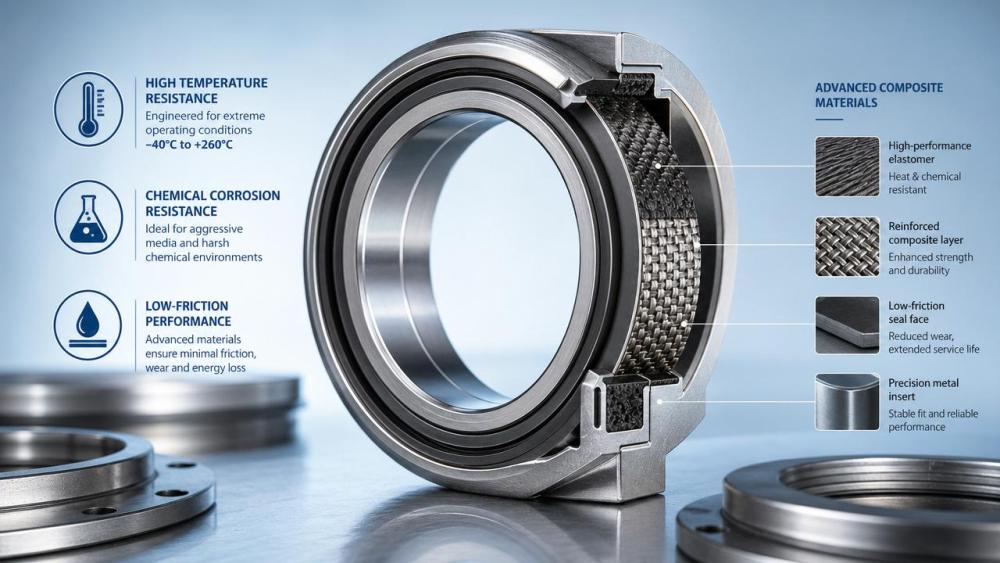
Improved fluoroelastomers, hydrogenated nitrile compounds, perfluoroelastomers, and specialty blends are helping seal designers balance flexibility with resistance to heat, oils, solvents, and oxidative aging. The practical change for evaluators is that material selection can no longer stop at a generic family name. Two seals labeled within the same base material category may deliver very different life outcomes depending on fillers, cure systems, and formulation quality.
Thermoplastics and composites are expanding design options
In demanding dynamic applications, PTFE-based compounds, reinforced thermoplastics, and layered composite structures are increasingly used to reduce friction, improve dimensional stability, and extend service life. Material science here is enabling seals that can tolerate dry running events better, maintain lower wear rates, and survive broader pressure or chemical windows than traditional options.
Surface engineering now matters as much as base material choice
Seal life is heavily influenced by the mating surfaces and interfaces around the seal. Coatings, micro-finish control, texturing strategies, and harder counterface materials all interact with seal compounds. Modern material science is therefore not limited to the seal body itself. It increasingly includes the full contact system, because wear, friction, heat generation, and lubricant film behavior emerge from the interface, not from one component alone.
What this trend means for technical evaluators and qualification teams
For technical evaluators, the rise of material science in sealing decisions changes both the questions asked and the evidence required. It is no longer enough to compare price, nominal temperature range, or catalog compatibility. Evaluators increasingly need to understand failure mechanisms, not just product descriptions.
In practice, this means qualification teams should look for better data on compression set retention, abrasion resistance, friction behavior, media-specific aging, and performance under cycling rather than static exposure alone. A material that appears strong on paper may still perform poorly if its behavior changes under repeated pressure pulses, shaft eccentricity, or intermittent lubrication.
This trend also changes how buyers compare suppliers. The more advanced the application, the more important it becomes to assess compounding consistency, validation methods, and application engineering support. Material science creates opportunity, but it also increases variation between suppliers who appear similar at a glance.
The business impact goes beyond maintenance cost
A longer-lasting seal does more than delay replacement. It can improve equipment uptime, stabilize process quality, reduce lubricant loss, support environmental compliance, and lower total cost of ownership. In many operations, one sealing failure triggers secondary costs: contamination, wasted production, bearing damage, fluid cleanup, labor overtime, and emergency inventory movement.
That is why material science is drawing attention not only from design engineers, but also from maintenance planners, sourcing managers, reliability analysts, and sustainability teams. The value of better seal life is spreading across multiple decision layers. This is especially true where assets are remote, downtime is expensive, or process integrity is tightly regulated.
Signals that the market is entering a more material-driven seal selection era
Several practical signals suggest that this shift is accelerating. More OEMs are narrowing approved material lists based on application testing rather than broad equivalence. More end users are asking for validation under realistic duty cycles. More distributors and technical portals, including intelligence-focused industry platforms such as GPM-Matrix, are tracking not just product launches but the deeper interaction between material breakthroughs, tribology, and mechanical reliability.
Another strong signal is the growing importance of cross-functional evaluation. Seal material decisions are increasingly made with input from design, reliability, maintenance, sourcing, and environmental compliance teams. That is usually a sign that component failure is being viewed as a system-level business risk rather than an isolated part issue.
How to judge new seal material claims more carefully
As material science gains visibility, technical evaluators should also be careful about overgeneralized claims. Not every “high-performance” material will deliver superior seal life in every environment. A better approach is to review new materials through a structured decision lens.
- Match the material to the actual failure mode: heat, abrasion, extrusion, chemical attack, compression set, or frictional instability.
- Ask whether the test data reflects dynamic operating conditions rather than simple laboratory immersion or short static trials.
- Check how the material interacts with shaft finish, lubrication regime, pressure fluctuations, and contamination.
- Review batch consistency and manufacturing control, because advanced compounds can be sensitive to process variation.
- Evaluate total value, including downtime avoidance and maintenance savings, not just unit price.
What organizations should monitor over the next few years
The next phase of change will likely come from how material science integrates with digital reliability and application-specific engineering. More organizations will connect field failure data with material performance history. That can improve seal selection accuracy and shorten requalification cycles. At the same time, sustainability pressure may push demand toward materials that balance durability with lower leakage and better energy performance.
Technical teams should also monitor how electrification, alternative fluids, stricter cleanliness standards, and faster automated motion are changing seal duty profiles. These shifts may not always require a completely new seal design, but they often require a new material assumption. In that sense, material science is becoming a leading indicator of reliability change across industrial systems.
A practical decision framework for the current transition
For companies reviewing their sealing strategy, the immediate priority is not to chase every new compound on the market. It is to identify where existing seal life expectations are no longer aligned with real operating conditions. Start with applications where downtime is expensive, fluids have changed, thermal loads are rising, or maintenance intervals have been extended. These are the areas where material science is most likely to deliver measurable value.
Then ask a more strategic set of questions. Which failures are truly material-limited? Which current specifications were inherited from older equipment conditions? Which suppliers can explain the link between formulation, tribology, and field performance? And where can improved seal life reduce broader operational risk?
For technical evaluators, that is the central takeaway: seal life expectations are changing because industrial conditions are changing, and material science is now one of the clearest tools for responding. If an organization wants to judge how this trend affects its own business, it should focus on four checkpoints: actual failure modes, evolving operating conditions, supplier validation depth, and lifecycle economics. Those questions will reveal whether current sealing choices are still sufficient—or whether the next reliability advantage will come from a smarter material decision.
Recommended News
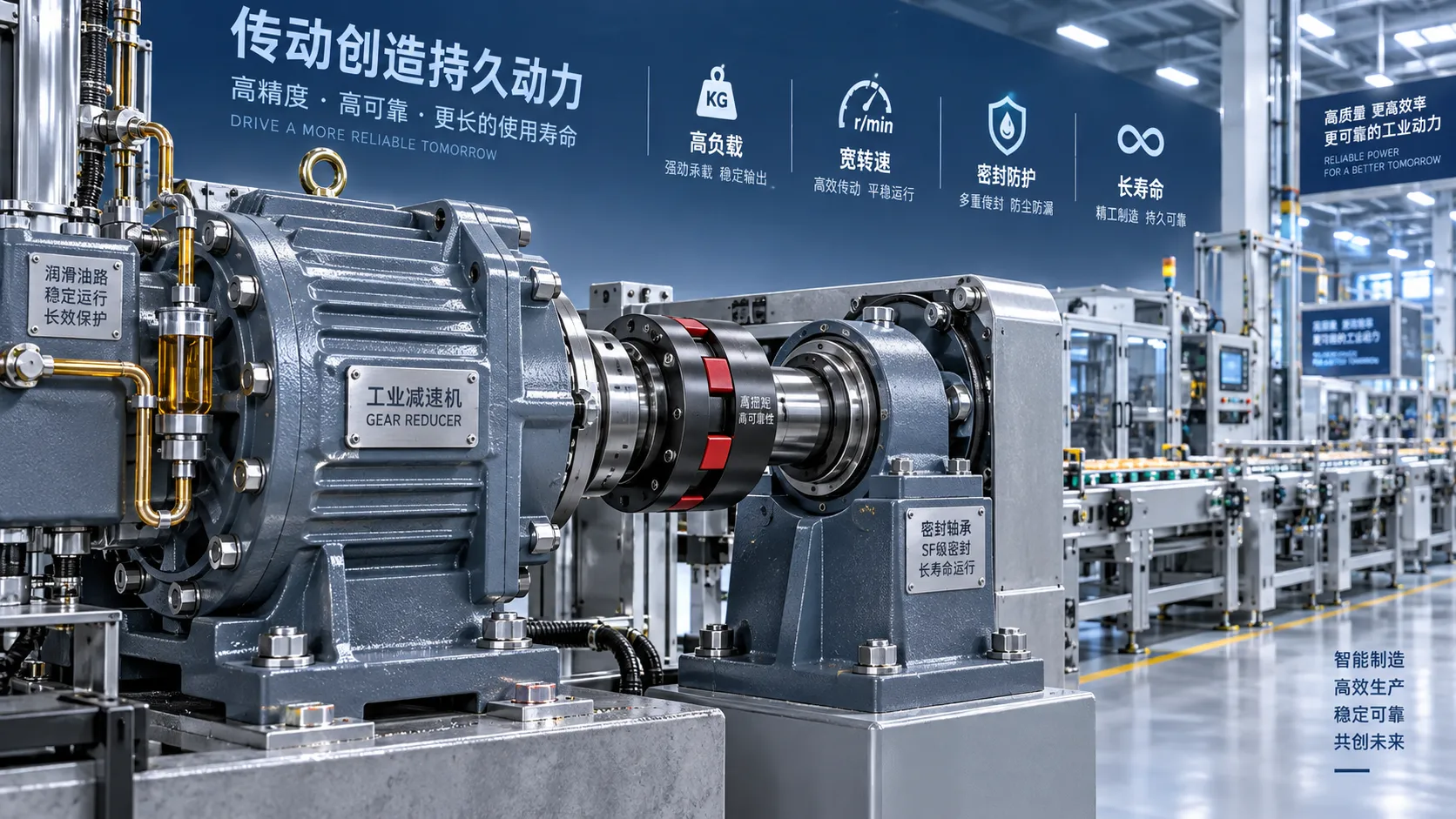
Mechanical Component Selection: Key Criteria for Load, Speed, Environment, and Service Life
Mechanical component selection made practical: evaluate load, speed, environment, lubrication, and service life to improve reliability, reduce downtime, and control lifecycle costs.
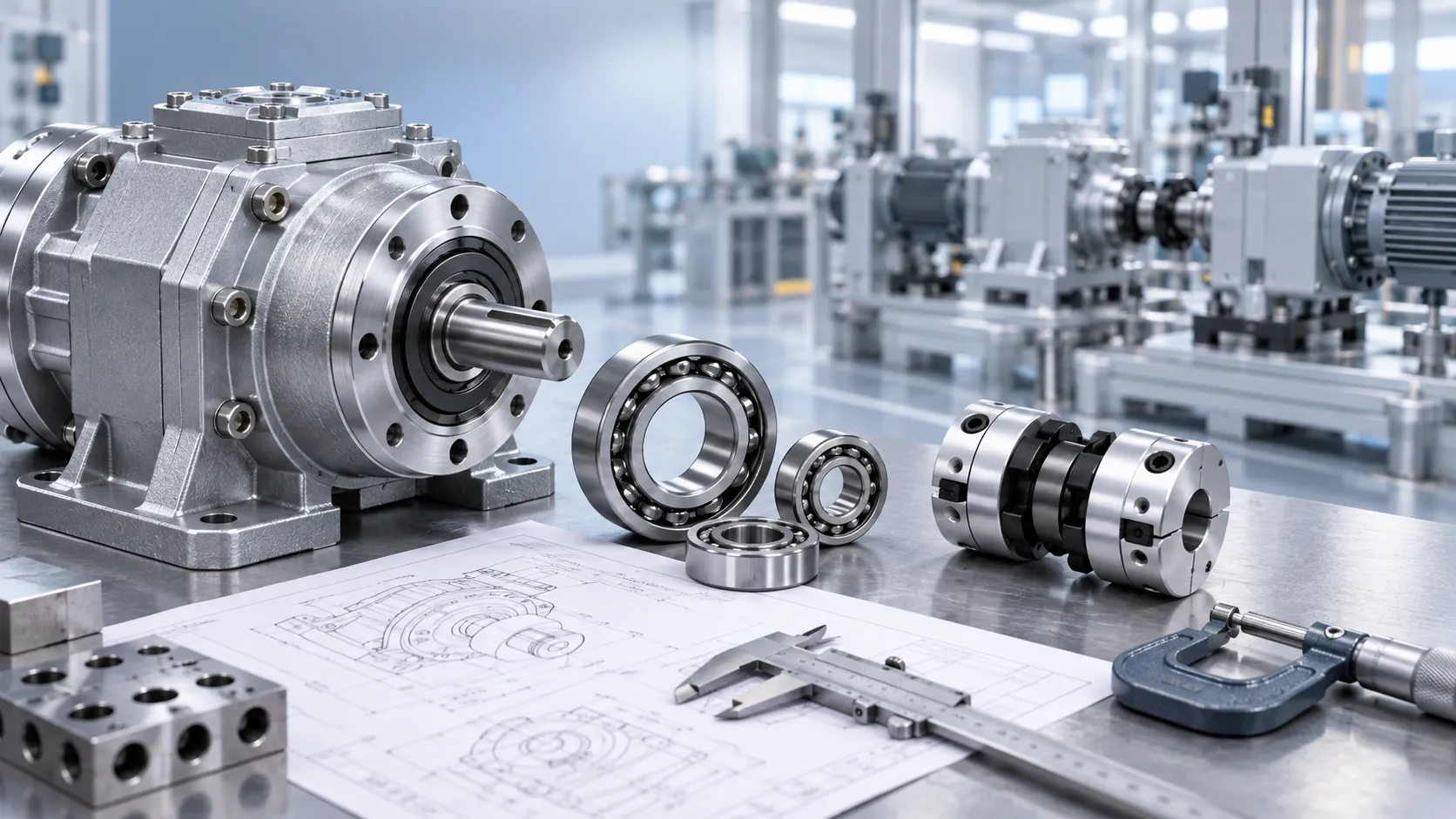
What to Request in Component Specification Resources Before Choosing a Supplier
Industrial component specification resources supplier guide: request drawings, material data, ratings, validation, and change control to choose reliable suppliers and reduce lifecycle risk.
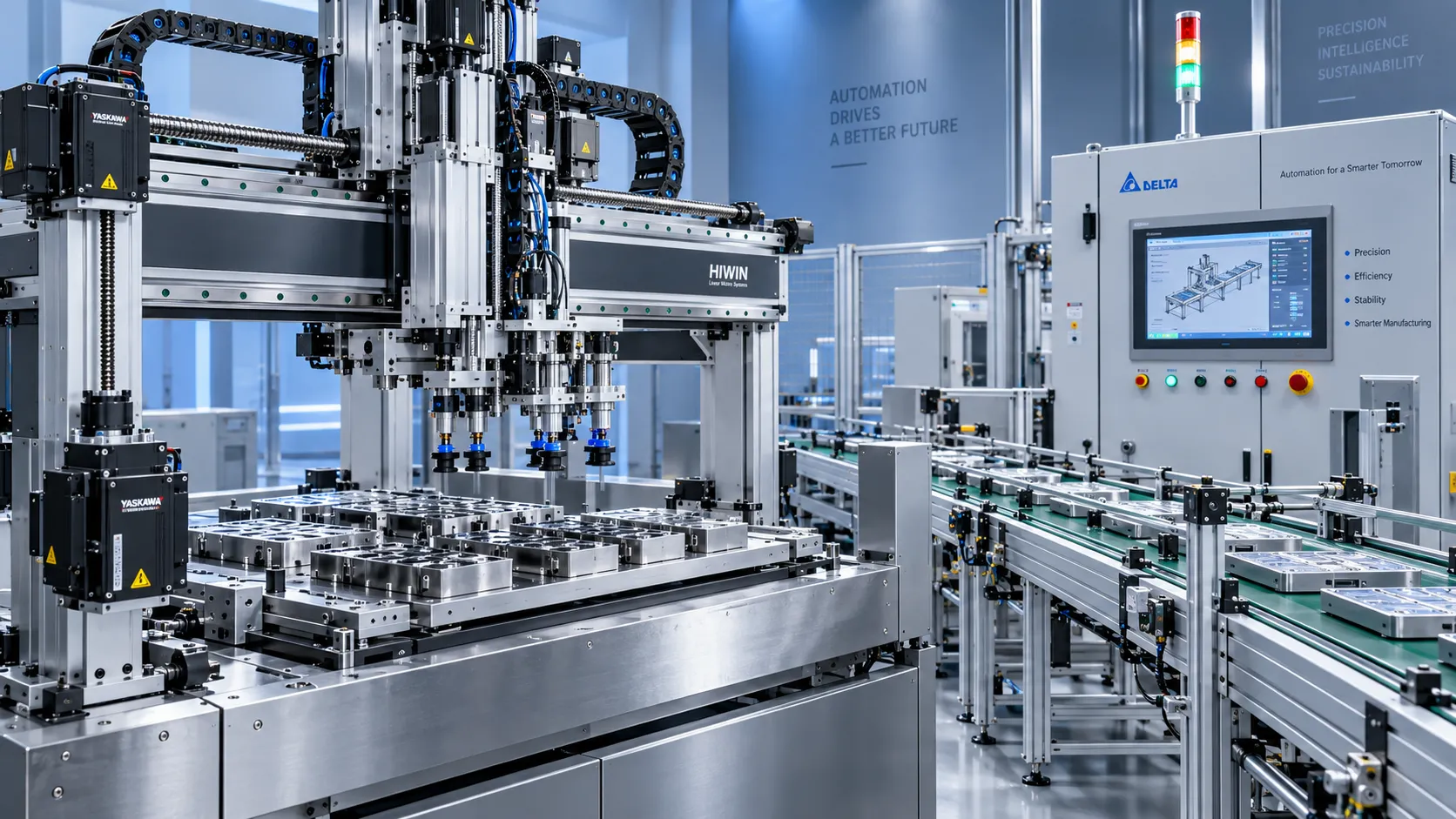
How to Specify Multi-Axis Motion Control for High-Precision Automated Machines
Master multi axis motion control for high-precision automation—optimize synchronization, feedback, mechanics, safety, and lifecycle reliability.
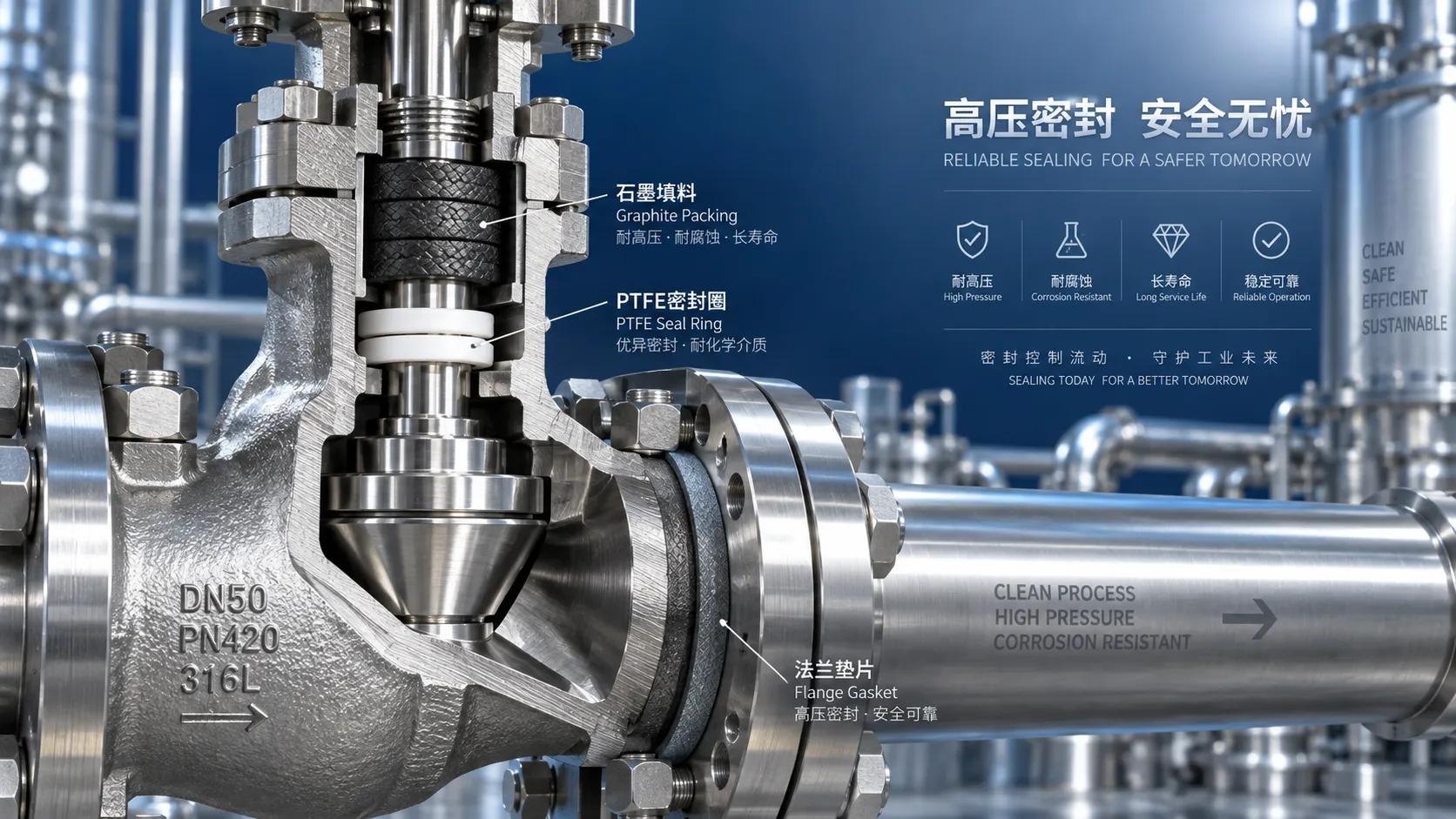
Selecting Valve Sealing Solutions for High-Pressure and Corrosive Service
Industrial sealing solutions for valves: learn how to select reliable systems for high-pressure, corrosive service, control fugitive emissions, and reduce lifecycle leakage risks.
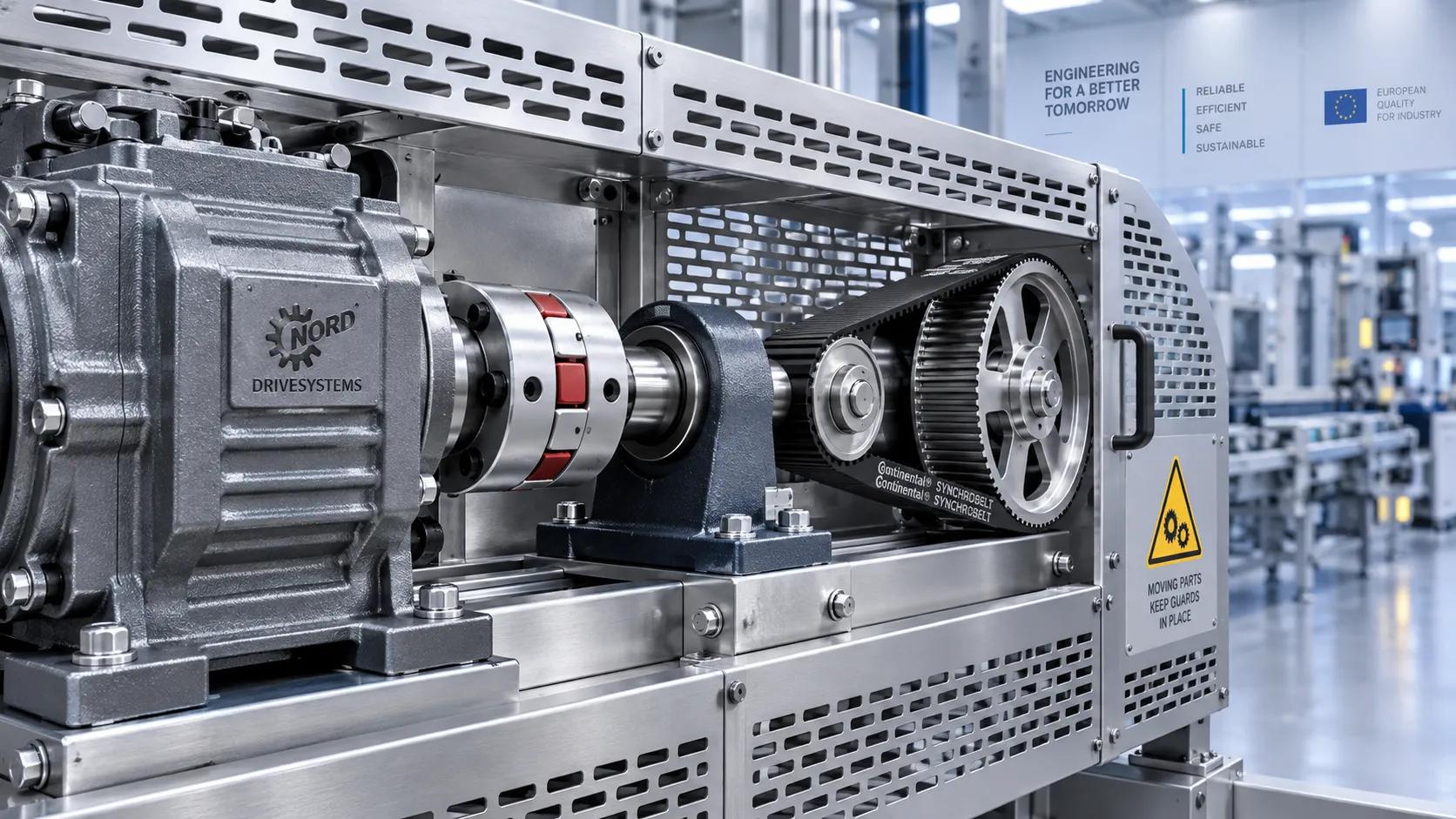
Which European Standards Matter When Specifying Industrial Power Transmission Systems?
Standardized transmission systems Europe: discover the key EN and ISO standards for safer, compliant gear units, belts, couplings, bearings, seals, and ATEX applications.
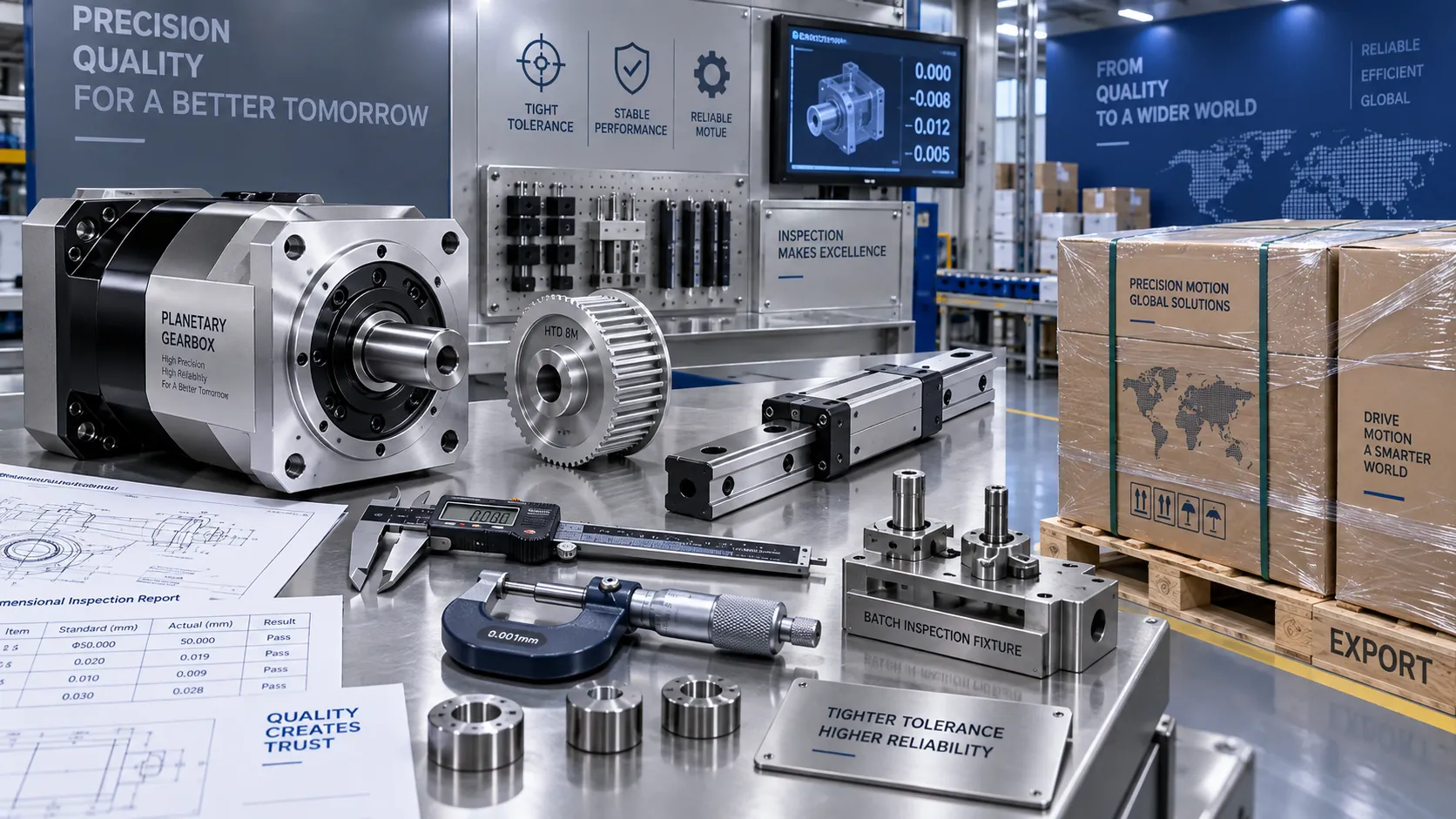
How to Vet a Motion Control Components Exporter for Global OEM Supply?
Motion control components exporter vetting guide for global OEMs: assess quality, traceability, export readiness, landed cost, and supply resilience before you buy.
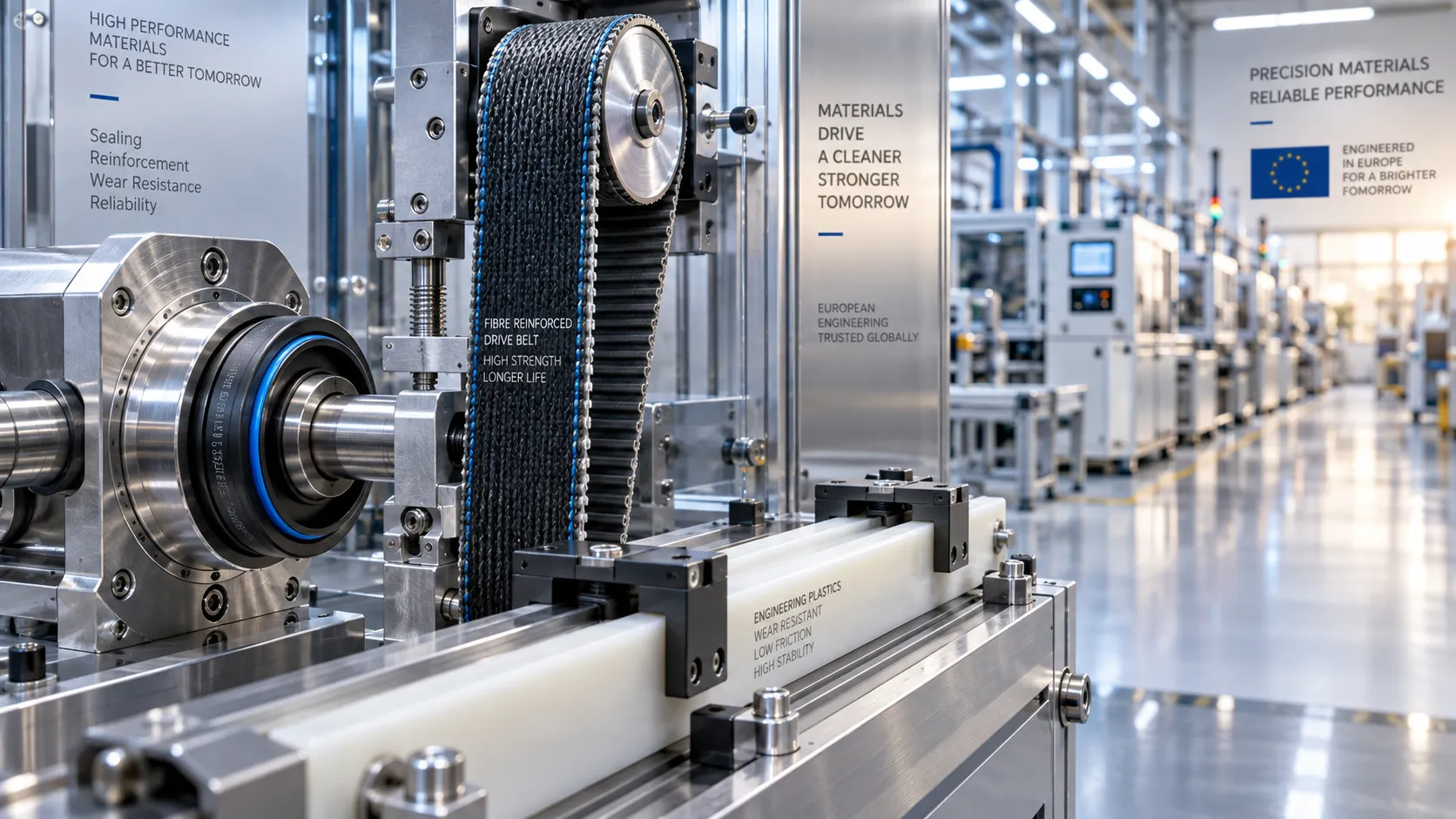
High-Performance Materials in Europe: Sourcing Criteria for Critical Industrial Applications
High-performance materials Europe: learn how to source critical industrial materials using proven criteria for durability, compliance, traceability, lifecycle cost, and supply resilience.
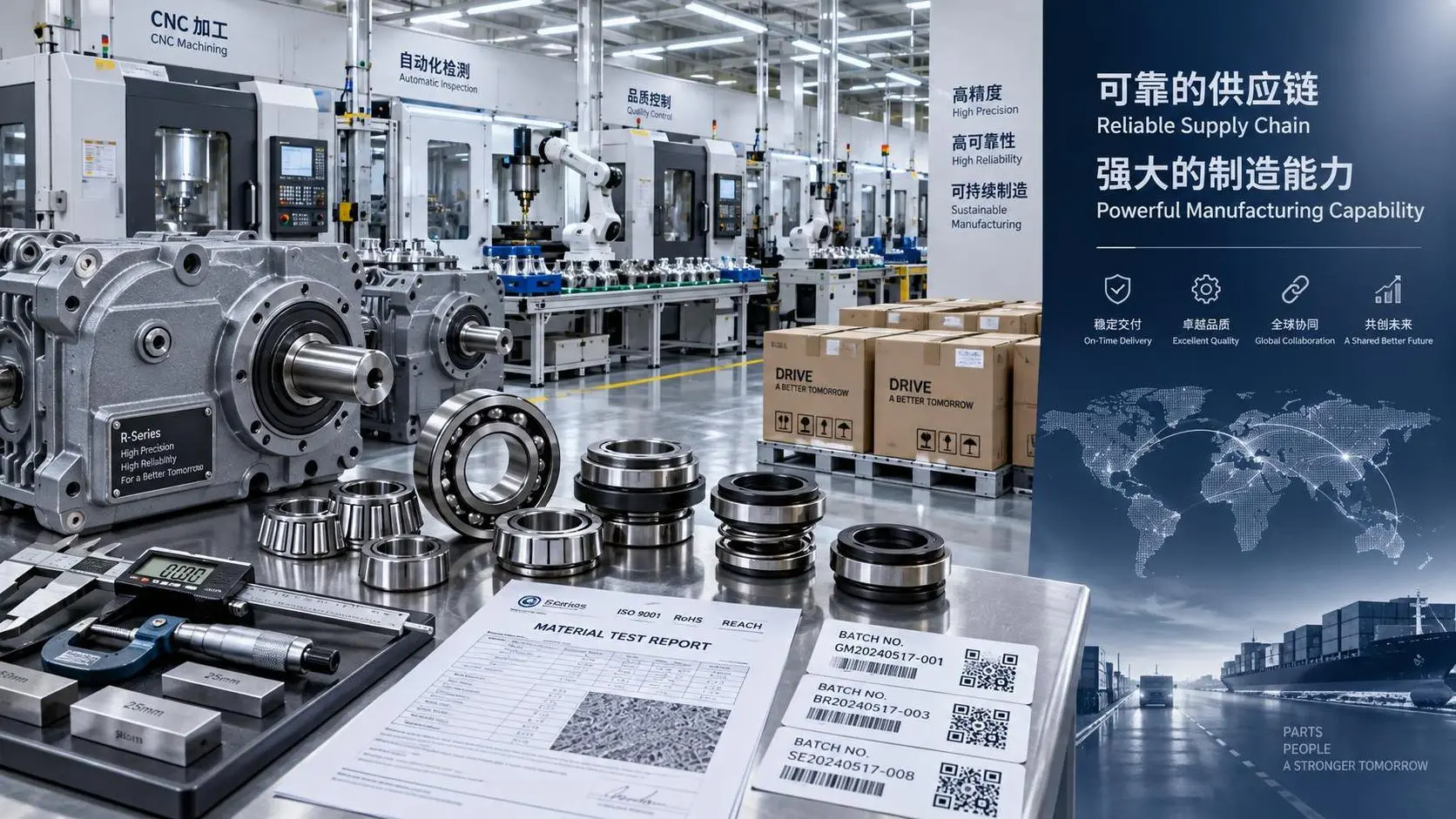
How to Assess a Global Supplier’s Capability Before Awarding a Critical Contract
Global supplier capability review: learn how to verify technical control, quality systems, global delivery resilience, compliance, and service support before awarding a critical contract.
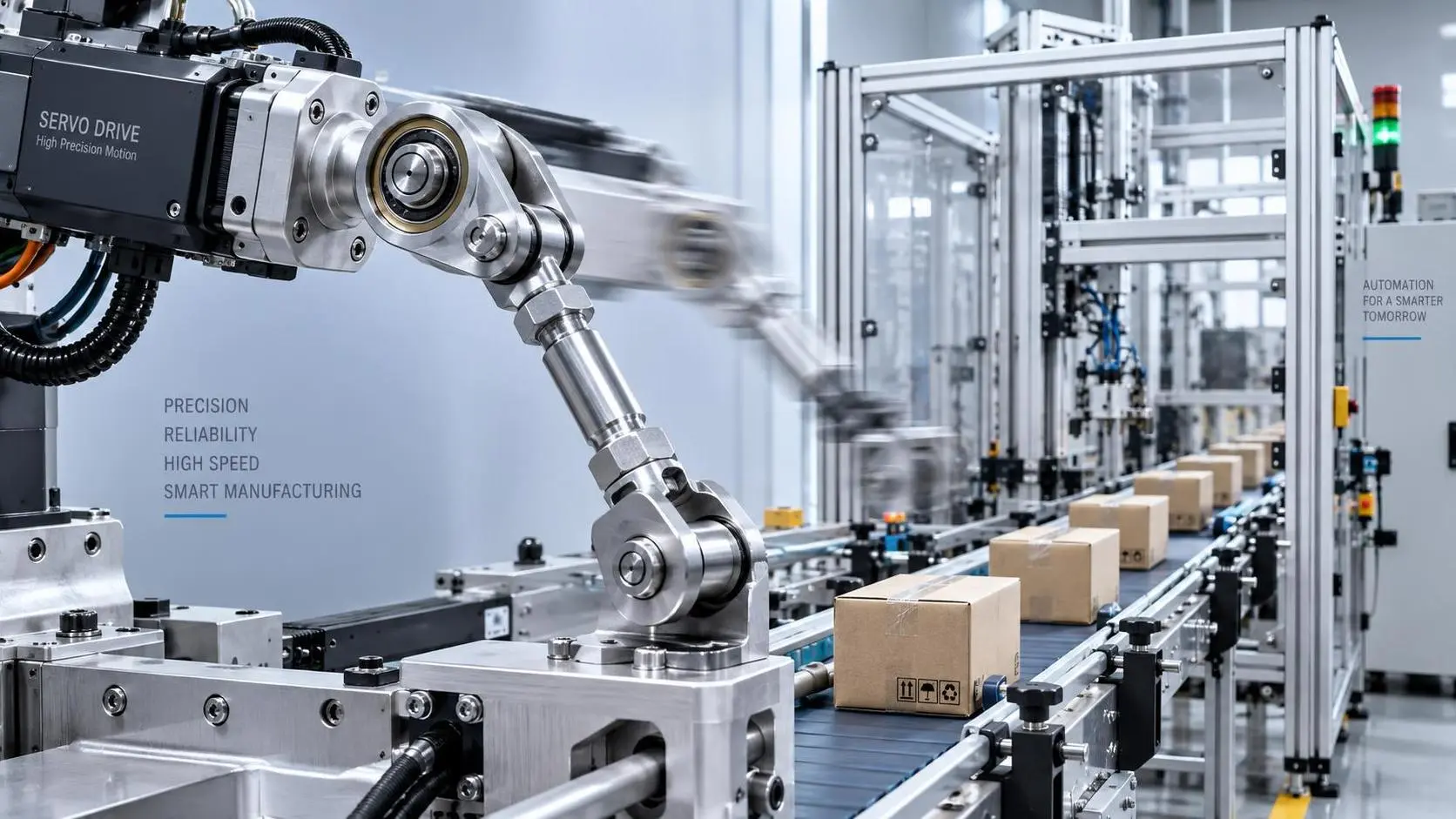
How to Select Mechanical Linkage Components for High-Cycle Automation Equipment
Mechanical linkage technology components: learn how to select reliable rod ends, pins, and joints for high-cycle automation, reducing wear, backlash, downtime, and maintenance risk.