
Industry News
Curation by industry experts
Hot Articles
Popular Tags
Motion Control Issues That Look Electrical but Are Not
Many motion control faults appear to be electrical at first glance—random stops, unstable speed, alarm triggers—but the real cause often lies in mechanical wear, misalignment, lubrication failure, or transmission component damage. For after-sales maintenance teams, identifying these hidden issues quickly is critical to reducing downtime, avoiding repeated troubleshooting, and restoring system reliability with greater precision.
Why motion control problems are often misdiagnosed as electrical faults
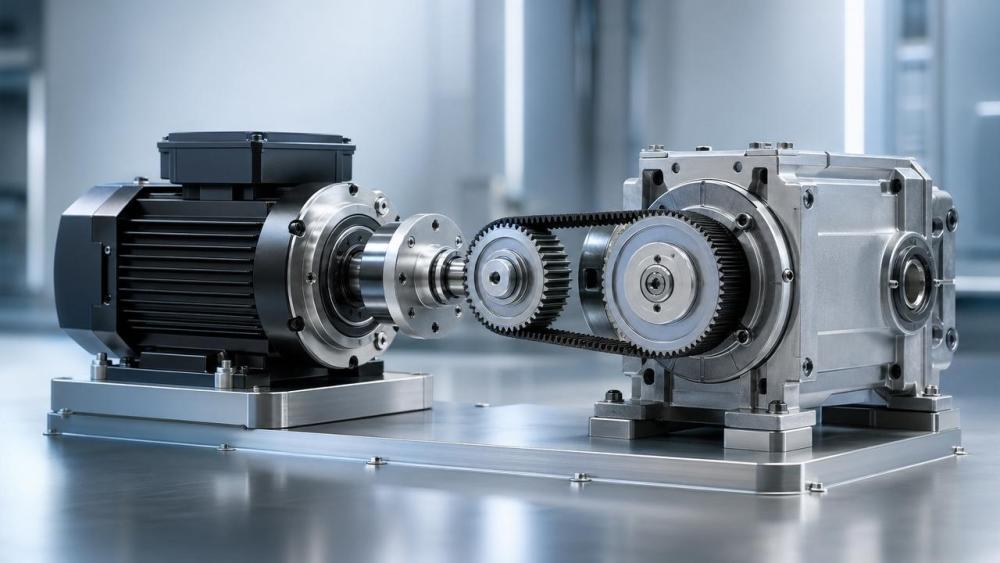
In real industrial environments, motion control systems rarely fail in a clean, textbook manner. A servo alarm may appear on the HMI, a drive may trip on overload, or a positioning axis may start hunting. Because the visible symptom is electrical, many teams begin with cables, I/O, encoders, drives, and PLC logic. That approach is understandable, but it can waste hours if the true fault is mechanical.
Across packaging lines, conveyors, CNC equipment, robotic cells, pumps, mixers, textile machines, printing systems, and automated assembly, the same pattern repeats: degraded power transmission changes load behavior, and the control system reacts. The electronics do not create the fault; they report it. For after-sales maintenance personnel, this distinction matters because repeated electrical replacement without mechanical verification increases downtime, spare-part cost, and customer frustration.
This is where disciplined fault isolation becomes valuable. GPM-Matrix focuses on industrial power transmission, motion control, and critical sealing technologies, which makes it especially useful when symptoms cross the boundary between electrical alarms and mechanical root causes. Instead of treating the drive alone as the problem, maintenance teams can evaluate the full chain: motor, coupling, gearbox, belts, chains, bearings, seals, lubrication, alignment, load inertia, and operating conditions.
- A drive overcurrent event may be triggered by shaft misalignment, bearing drag, or a seized mechanical seal rather than a defective drive module.
- Speed instability may come from belt tooth wear, coupling backlash, gearbox damage, or intermittent load binding, not from poor tuning alone.
- Encoder-related alarms can be secondary effects of vibration, excessive axial play, thermal expansion, or loosened mounting hardware.
Which non-electrical issues most often imitate motion control faults?
When troubleshooting motion control equipment, after-sales teams should focus first on the mechanical conditions that alter torque demand, positional accuracy, and system feedback stability. The table below summarizes common symptoms that appear electrical but frequently originate from mechanical transmission or sealing problems.
The key takeaway is simple: in motion control, alarms often describe the effect rather than the cause. If a technician replaces a drive before verifying shaft alignment or transmission health, the machine may restart briefly and fail again under real load.
The four mechanical categories that deserve early inspection
- Load path issues: bent shafts, seized bearings, contaminated guideways, or product jams raise torque demand suddenly.
- Transmission wear: chains elongate, synchronous belts lose engagement quality, and couplings develop backlash or cracking.
- Lubrication and sealing failure: grease starvation, wrong oil viscosity, seal drag, or contamination can destabilize motion control behavior.
- Structural looseness: mounting plates, motor feet, reducer brackets, and sensor supports may shift under vibration or thermal cycling.
How after-sales maintenance teams can isolate the real root cause faster
A fast response matters, but speed without method creates repeat visits. For motion control troubleshooting, the most effective field workflow is a staged verification process that separates control-side evidence from load-side evidence. This reduces unnecessary component replacement and helps technicians explain the repair logic clearly to customers.
Recommended diagnostic sequence
- Capture the fault context: note product type, machine state, cycle point, ambient temperature, recent maintenance, and whether the issue occurs under acceleration, steady speed, or deceleration.
- Review control data first, but do not stop there: trend motor current, torque, speed deviation, following error, alarm history, and cycle time drift.
- Decouple the load where safe and practical: test manual rotation, no-load operation, and backlash or stiffness changes across the travel range.
- Inspect the transmission chain physically: coupling hubs, keyways, set screws, belt teeth, sprocket wear, gearbox noise, seal leakage, and bearing temperature.
- Verify lubrication condition: correct grade, contamination level, over-greasing, under-greasing, and relubrication interval compliance.
- Re-test after correction with the same duty cycle that originally triggered the fault, not only at idle speed.
This workflow is especially useful in multi-industry service because machines differ, but failure logic often does not. A packaging machine and a material handling conveyor may use different controls, yet both can suffer from the same misalignment or bearing drag that triggers motion control instability.
Mechanical vs electrical clues: what to compare before replacing parts
Before ordering a new drive, servo motor, or feedback device, compare the symptom pattern carefully. Motion control faults caused by electronics and those caused by mechanical deterioration often behave differently over time, load, and temperature.
For after-sales teams under time pressure, this comparison helps prioritize field checks. It does not replace electrical testing, but it prevents the common mistake of treating the alarm code as the root cause. In many motion control cases, the alarm is only the messenger.
Common high-risk components that deserve closer attention
- Flexible couplings in servo axes, especially where installation tolerances are tight and thermal movement is present.
- Timing belts and pulleys in indexing and synchronized transport systems where tooth wear changes positional repeatability.
- Gear reducers in high-cycle duty applications where backlash growth is gradual and often mistaken for tuning drift.
- Bearings and seals in dusty, wet, or washdown environments where contamination and drag alter motor load unexpectedly.
What to inspect in different application scenarios
Motion control behavior changes by application. A useful maintenance strategy is not only to ask what alarm occurred, but also where the axis operates and what mechanical stresses dominate that environment. The table below supports scenario-based troubleshooting and replacement planning.
Scenario-based inspection helps maintenance teams choose the right spare parts and service sequence. It also supports better communication with operations staff, who may report symptoms in process terms rather than technical fault language.
How to make better replacement and procurement decisions under service pressure
After-sales maintenance is not only about diagnosis. It also involves urgent procurement, substitution judgment, delivery risk, and long-term reliability. If a motion control issue is actually mechanical, buying the wrong electrical part wastes both budget and service credibility. A structured selection process is therefore essential.
Key selection questions before ordering components
- Has the failed component been identified by direct inspection, not just by alarm code or operator description?
- Will replacing one part without correcting alignment, lubrication, or contamination simply recreate the same motion control failure?
- Is the spare part dimensionally compatible under actual mounting constraints, torque, speed, and ambient conditions?
- Are there compliance or material requirements for food contact, washdown, dust exposure, chemical resistance, or temperature range?
- Is a short-term substitute acceptable, or will it increase maintenance frequency, vibration, or efficiency loss?
GPM-Matrix is especially valuable here because it connects technical performance with market and supply-chain intelligence. For maintenance teams and distributors, that means decisions can include not only fit and function, but also lifecycle reliability, material trends, expected maintenance burden, and delivery practicality across regions.
What service teams should verify with suppliers or technical advisors
- Operating parameters such as torque, speed, duty cycle, shock load, alignment tolerance, and lubrication method.
- Material and environment fit, including corrosion exposure, washdown frequency, abrasive contamination, and thermal cycling.
- Expected lead time, stock alternatives, and whether dimensional or performance substitutions affect motion control behavior.
- Documentation needs such as installation guidance, maintenance intervals, and any general standards relevant to industrial safety and equipment compatibility.
Standards, reliability, and maintenance practices that reduce repeat motion control failures
Not every plant uses the same standards, but good maintenance discipline is widely transferable. In motion control systems, repeat failures often happen because teams restore operation without correcting the underlying mechanical condition or without documenting the trigger pattern for future service.
Practical reliability measures
- Use alignment checks after motor, reducer, or seal replacement, especially where couplings run at high speed or under variable thermal load.
- Document baseline current, vibration, and temperature after repair so future motion control changes can be detected earlier.
- Match lubricant type and relubrication interval to actual duty and contamination risk instead of following generic intervals blindly.
- Treat leakage, dust ingress, and seal wear as reliability warnings, not cosmetic issues, because they often change friction and bearing life.
- Review mounting rigidity and fastener retention in systems with frequent reversals, high acceleration, or heavy load transitions.
General industrial standards for safety, machine documentation, lubrication handling, and equipment installation may apply depending on the sector and region. Even when a service team is not working in a highly regulated environment, consistent documentation and traceable repair logic improve reliability and customer confidence.
FAQ: what after-sales teams often ask about motion control faults
How can I tell whether a motion control overload alarm is mechanical or electrical?
Start with trend behavior. If current rises with load, temperature, or a specific axis position, a mechanical restriction is likely. If the alarm is random and unrelated to motion state, electrical supply, wiring, grounding, or feedback quality may deserve more attention. Always compare control data with physical inspection before replacing expensive electronics.
Which components are most often overlooked during motion control troubleshooting?
Couplings, bearings, timing belts, gear reducers, seal interfaces, and mounting structures are often underestimated. These parts may not trigger a dedicated alarm, but they change torque demand and positional behavior. In many service cases, they are the true reason behind repeated motion control instability.
Is it acceptable to use a substitute part to restore production quickly?
Sometimes yes, but only after checking torque capacity, speed rating, backlash, chemical compatibility, sealing performance, and dimensional fit. A temporary substitute may restore operation, yet it can introduce vibration, faster wear, or reduced control accuracy. For critical axes, short-term recovery should be paired with a plan for permanent correction.
What data should be recorded after a repair?
Record the original alarm, operating condition, replaced parts, alignment findings, lubrication status, baseline current, housing temperature, and vibration observations. These simple records help future technicians distinguish a new electrical issue from a recurring mechanical degradation pattern.
Why choose us when motion control faults are hard to classify?
When a machine fault looks electrical but behaves mechanically, maintenance teams need more than a parts catalog. They need decision support that connects motion control symptoms with power transmission, tribology, sealing reliability, and supply-chain reality. That is the practical value of GPM-Matrix.
Through its Strategic Intelligence Center, GPM-Matrix helps technical and commercial teams evaluate not only what failed, but also why it failed, which component families deserve closer review, and how material, operating environment, and delivery conditions affect the next repair decision. This is especially useful for distributors and after-sales organizations serving multiple industries with limited diagnosis time and strict uptime expectations.
- Consult on parameter confirmation for couplings, belts, reducers, bearings, seals, and related motion control transmission parts.
- Discuss product selection based on load characteristics, operating environment, maintenance interval targets, and installation constraints.
- Review delivery cycle options, substitute strategies, and supply risk for urgent maintenance projects.
- Explore customized solutions where standard transmission components do not fully match duty cycle, sealing needs, or reliability expectations.
- Confirm general documentation, application requirements, sample support possibilities, and quotation details before procurement moves forward.
If your team is dealing with repeated motion control alarms, unstable axis behavior, or difficult root-cause decisions between electronics and mechanics, a structured technical discussion can save time and prevent unnecessary replacement. Share the symptom pattern, transmission structure, operating condition, and urgency level, and the next step can focus on the right checks, the right parts, and the right service timeline.
Recommended News
Mechanical Component Selection: Key Criteria for Load, Speed, Environment, and Service Life
Mechanical component selection made practical: evaluate load, speed, environment, lubrication, and service life to improve reliability, reduce downtime, and control lifecycle costs.
What to Request in Component Specification Resources Before Choosing a Supplier
Industrial component specification resources supplier guide: request drawings, material data, ratings, validation, and change control to choose reliable suppliers and reduce lifecycle risk.
How to Specify Multi-Axis Motion Control for High-Precision Automated Machines
Master multi axis motion control for high-precision automation—optimize synchronization, feedback, mechanics, safety, and lifecycle reliability.
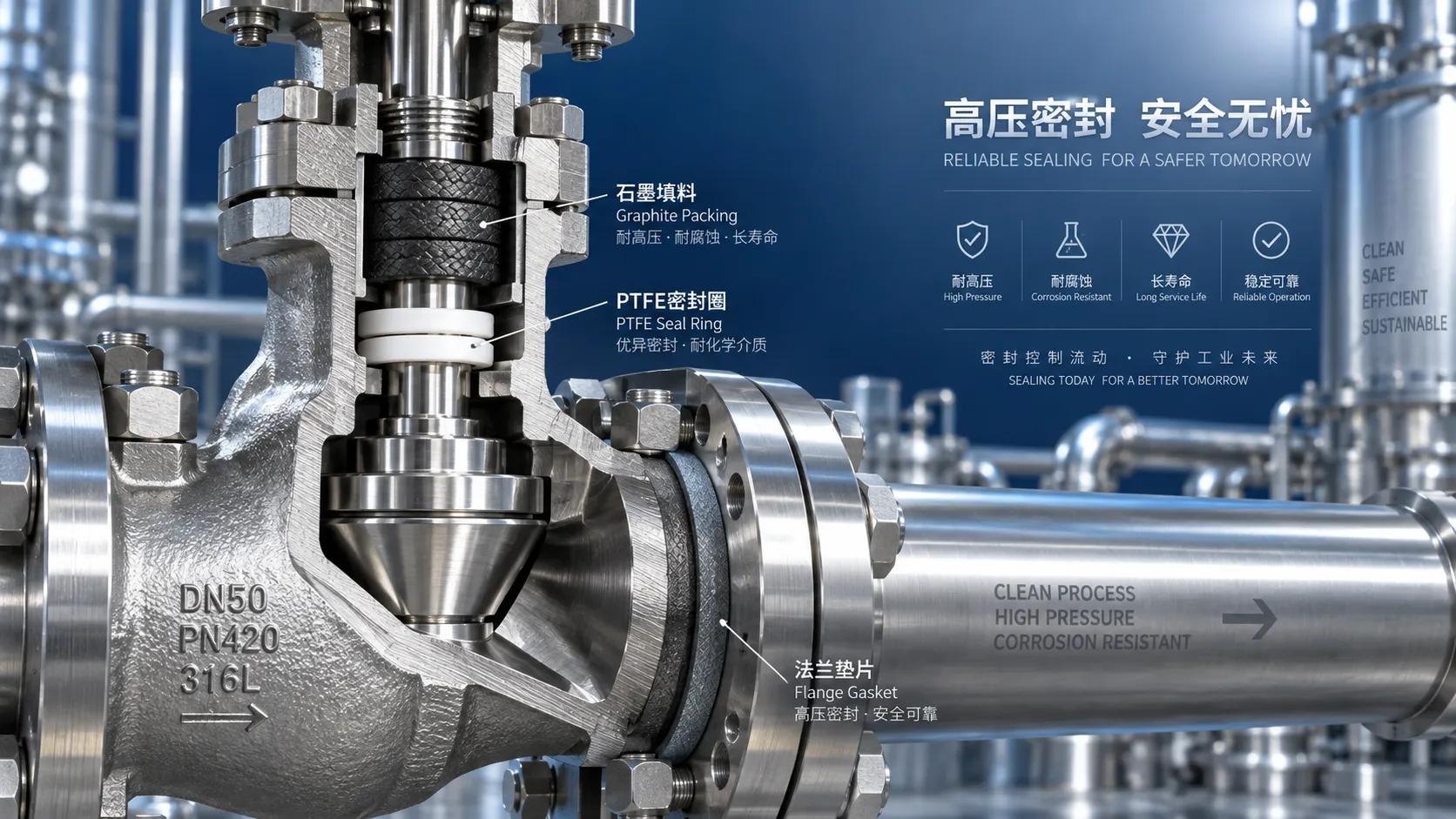
Selecting Valve Sealing Solutions for High-Pressure and Corrosive Service
Industrial sealing solutions for valves: learn how to select reliable systems for high-pressure, corrosive service, control fugitive emissions, and reduce lifecycle leakage risks.
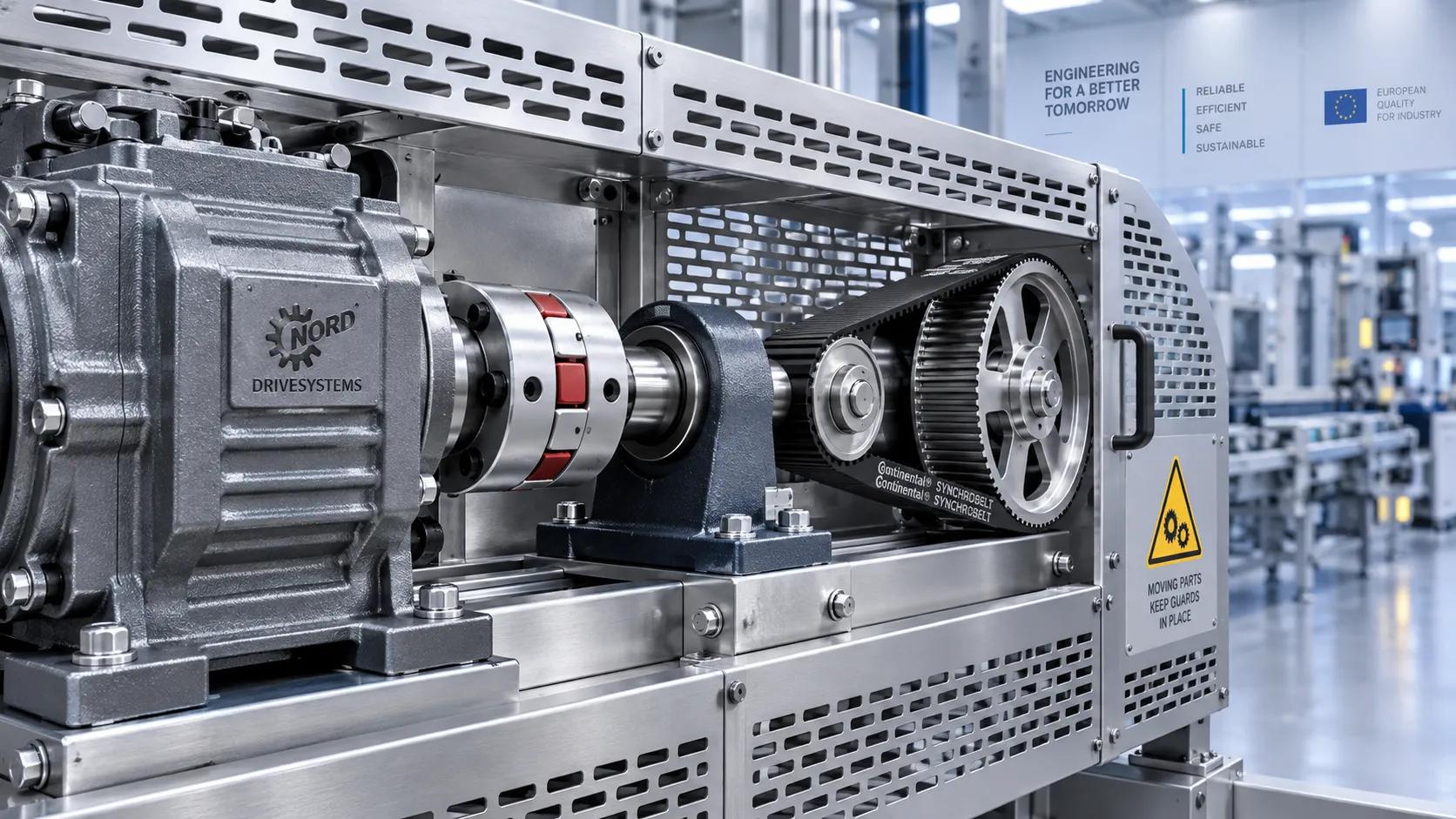
Which European Standards Matter When Specifying Industrial Power Transmission Systems?
Standardized transmission systems Europe: discover the key EN and ISO standards for safer, compliant gear units, belts, couplings, bearings, seals, and ATEX applications.
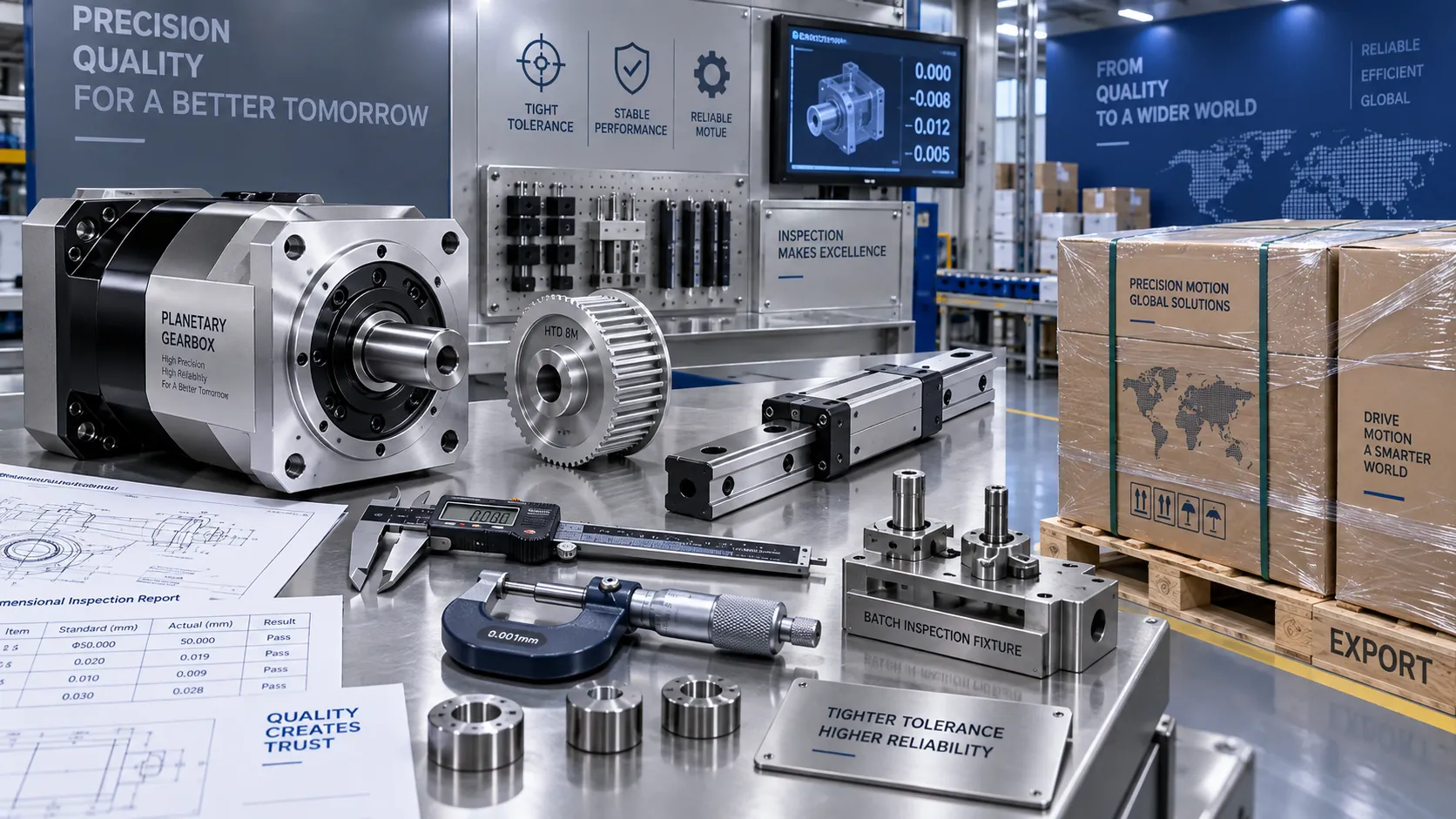
How to Vet a Motion Control Components Exporter for Global OEM Supply?
Motion control components exporter vetting guide for global OEMs: assess quality, traceability, export readiness, landed cost, and supply resilience before you buy.
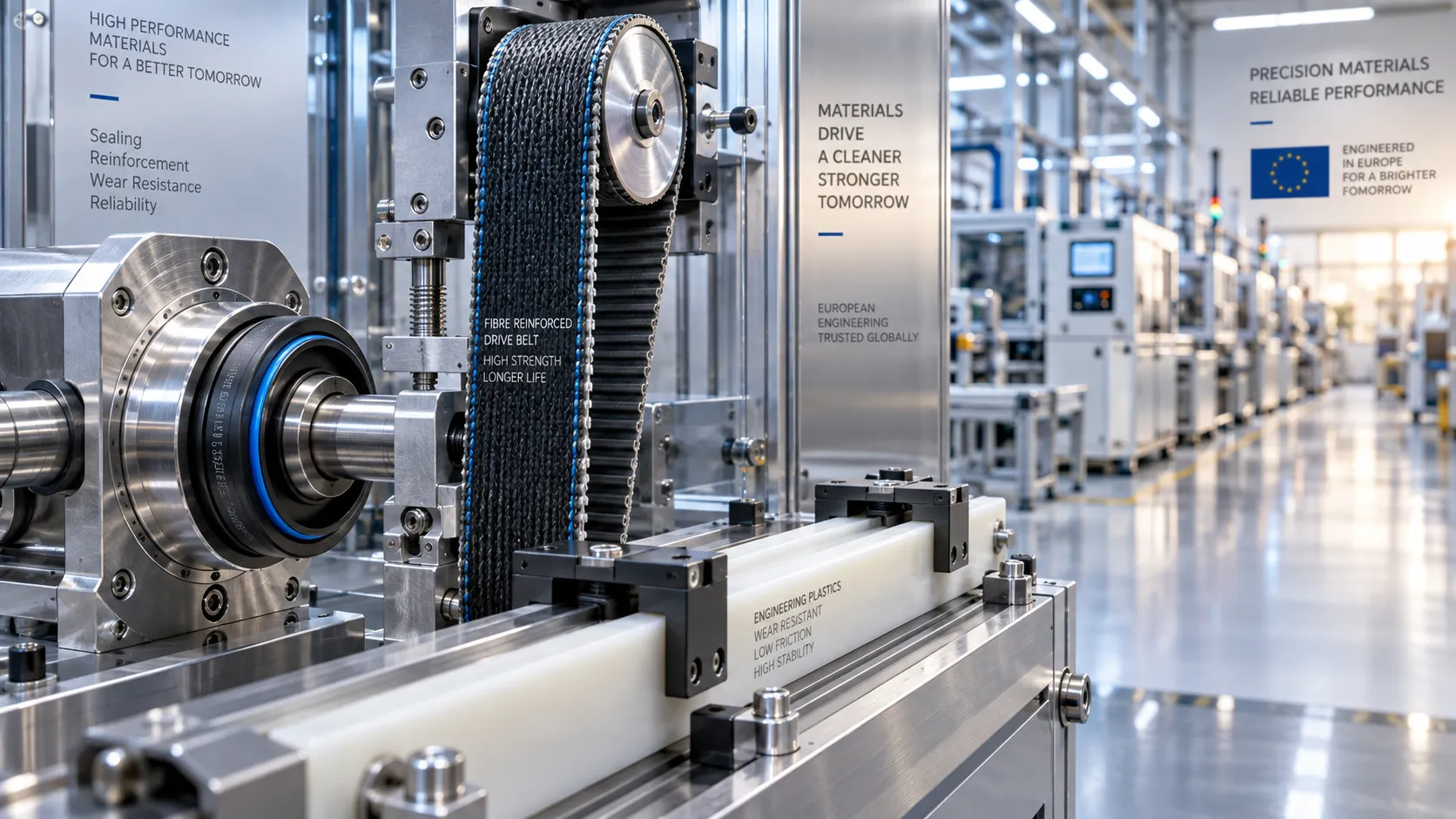
High-Performance Materials in Europe: Sourcing Criteria for Critical Industrial Applications
High-performance materials Europe: learn how to source critical industrial materials using proven criteria for durability, compliance, traceability, lifecycle cost, and supply resilience.
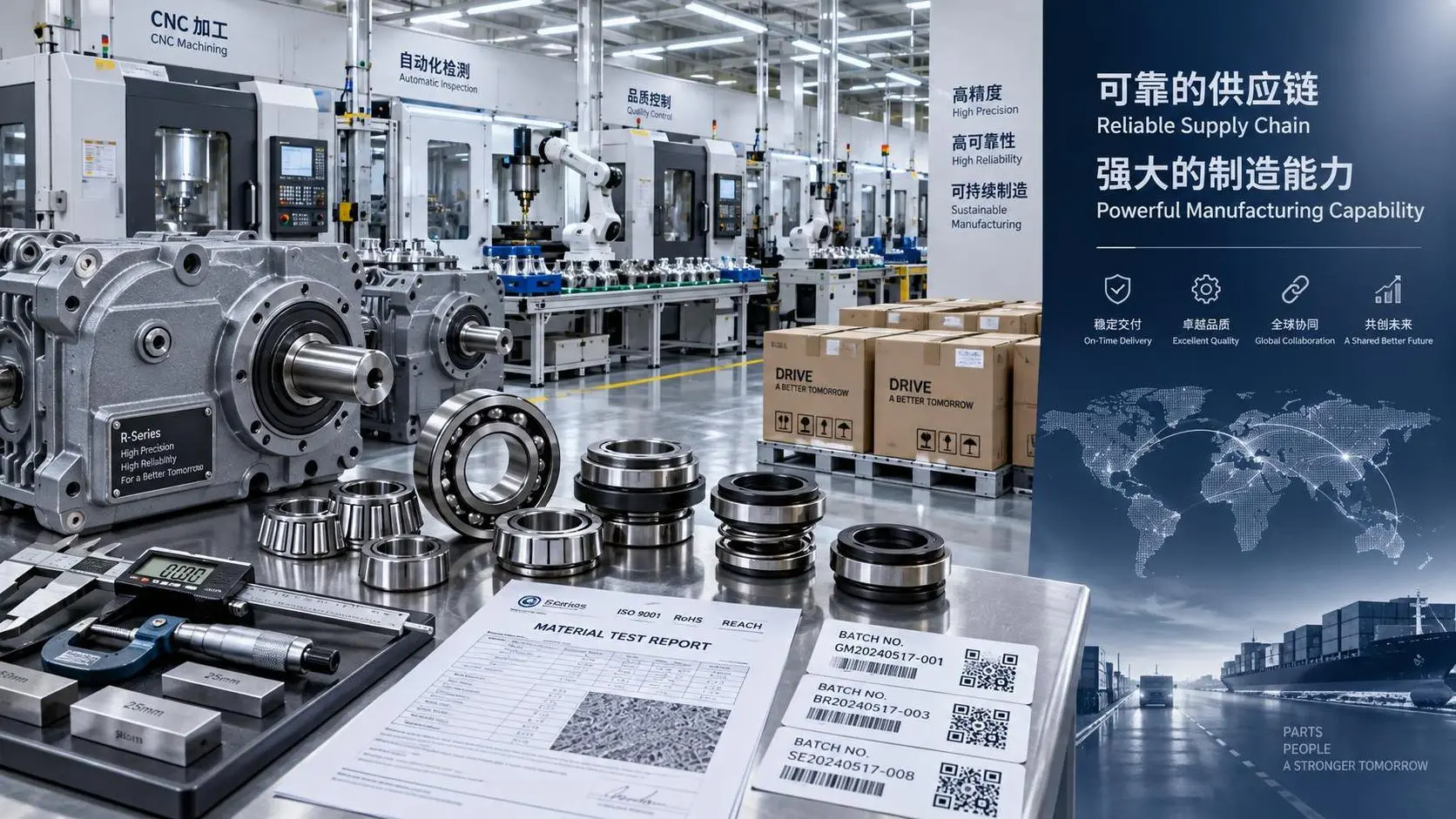
How to Assess a Global Supplier’s Capability Before Awarding a Critical Contract
Global supplier capability review: learn how to verify technical control, quality systems, global delivery resilience, compliance, and service support before awarding a critical contract.
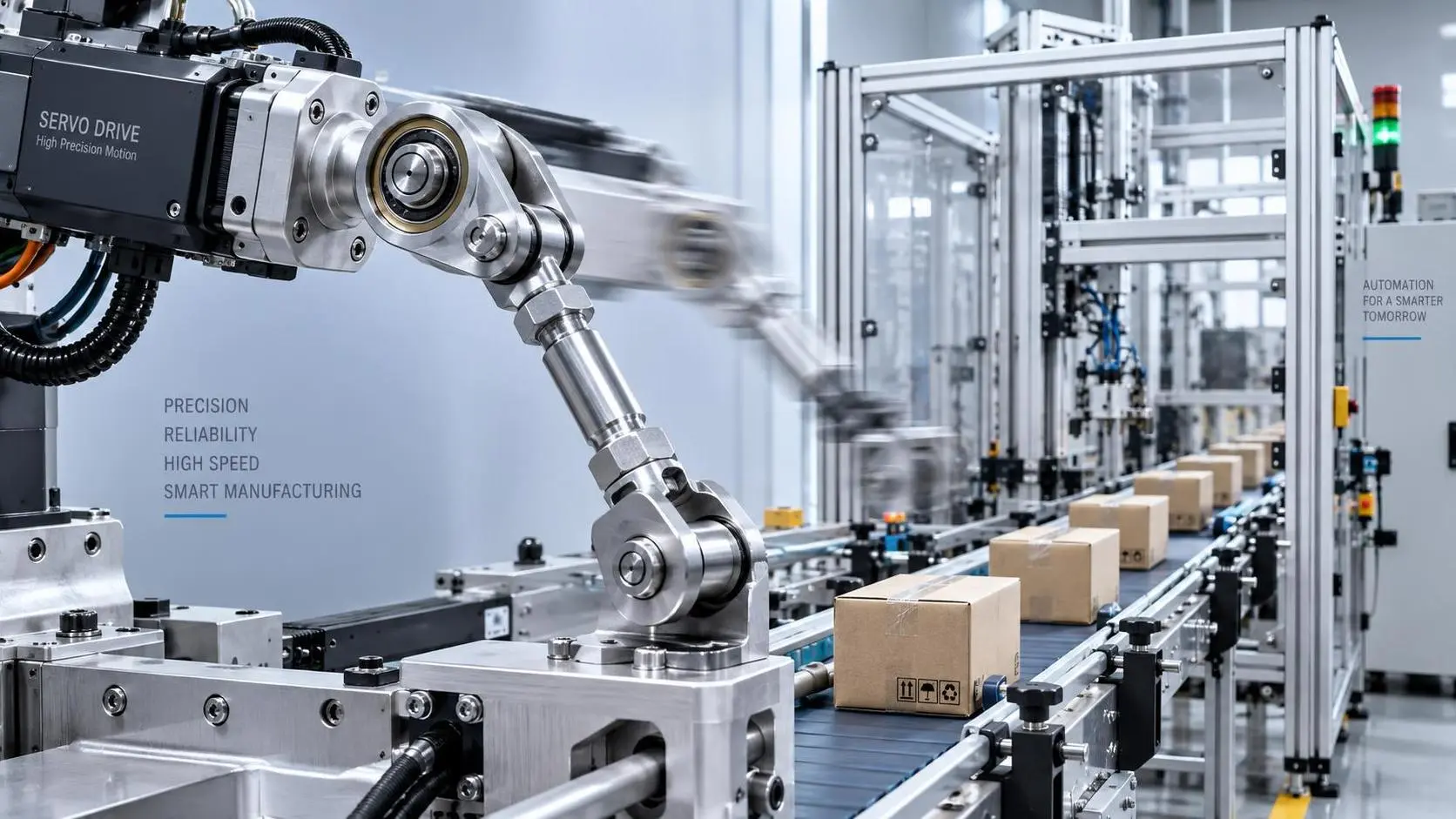
How to Select Mechanical Linkage Components for High-Cycle Automation Equipment
Mechanical linkage technology components: learn how to select reliable rod ends, pins, and joints for high-cycle automation, reducing wear, backlash, downtime, and maintenance risk.