
Industry News
Curation by industry experts
Hot Articles
Popular Tags
Power Transmission Issues That Damage Heavy Equipment Early
In heavy industries, overlooked faults in heavy equipment power transmission systems can trigger premature wear, safety risks, and costly downtime long before major failure appears.
Small transmission defects often begin as noise, heat, vibration, leakage, or unstable load transfer. Left untreated, they shorten component life across engines, gearboxes, couplings, shafts, belts, chains, and seals.
This guide explains the early issues that damage equipment faster, how to spot them, and what actions improve reliability, safety, and total operating value.
Why structured checks matter for heavy equipment power transmission systems
Many failures do not start with broken parts. They start with slow efficiency loss inside heavy equipment power transmission systems, where friction, imbalance, contamination, and misalignment build damage over time.
A structured review helps identify hidden wear patterns before they spread into bearings, reducers, hydraulic interfaces, or driven components. It also creates a repeatable maintenance baseline.
For mixed fleets and demanding duty cycles, check-based evaluation is more reliable than reacting only after visible breakdown. Early decisions protect uptime and reduce secondary failures.
Key issues that damage equipment early
Use the following points to review heavy equipment power transmission systems during inspections, maintenance intervals, commissioning, and after unusual loading events.
- Check shaft alignment at operating temperature, not only at installation, because thermal growth can shift centers and overload bearings, couplings, seals, and gearbox input stages.
- Inspect lubrication condition, viscosity, level, and contamination, since incorrect lubricant or dirty oil quickly increases friction, heat, micropitting, and accelerated wear inside gears and bearings.
- Measure vibration trends rather than isolated readings, because rising patterns often reveal imbalance, looseness, misalignment, gear mesh defects, or damaged rolling elements before shutdown occurs.
- Review belt or chain tension carefully, as over-tension loads shafts and bearings, while under-tension creates slip, shock loading, tooth damage, and unstable power transfer.
- Examine couplings for wear, backlash, elastomer cracking, and bolt condition, because coupling deterioration transfers impact forces directly into connected heavy equipment power transmission systems.
- Monitor operating temperature at housings, oil sumps, and seals, since abnormal heat commonly signals poor lubrication, overload, internal friction, cooling loss, or component distress.
- Look for contamination entry points around breathers, seals, covers, and service ports, because dust, moisture, and metal particles rapidly degrade transmission surfaces and lubricant health.
- Confirm load conditions match design assumptions, as repeated shock loads, starts, reversals, or overcapacity operation can fatigue gears, keys, splines, and torque-limiting elements early.
- Inspect fasteners, mounting bases, and structural supports, because looseness changes alignment and creates cyclic stress that spreads through heavy equipment power transmission systems.
- Check seals for leakage, hardening, or groove wear, since seal failure often introduces contamination first and visible fluid loss later, masking deeper mechanical damage.
- Review start-up and shutdown procedures, because poor sequencing can create dry running, torque spikes, reverse loading, and harmful transient conditions in transmission assemblies.
- Compare actual replacement intervals with condition data, because calendar-only maintenance may miss severe-duty wear or replace healthy parts without solving root transmission problems.
What each warning sign usually means
Unusual vibration
Persistent vibration usually points to imbalance, misalignment, looseness, gear wear, or bearing damage. In heavy equipment power transmission systems, vibration rarely stays isolated for long.
If amplitude rises after load changes, inspect coupling condition, rotor balance, foundation rigidity, and backlash. Trend history is more useful than a single peak reading.
Heat buildup
Excessive heat often means energy is being lost through friction. Common causes include low oil level, wrong viscosity, blocked cooling paths, over-tensioned belts, and overloaded gear meshes.
Heat also hardens seals and degrades lubricant additives. Once that cycle begins, transmission wear accelerates even if equipment still appears to run normally.
Noise changes
Whine, clicking, grinding, and intermittent knocking often indicate tooth damage, poor lubrication film, chain elongation, coupling wear, or bearing surface distress.
Noise should be correlated with speed, load, and direction changes. That relationship helps isolate which section of heavy equipment power transmission systems is degrading first.
Leaks and contamination
Leakage is not only a cleanliness issue. It often signals seal wear, shaft damage, pressure imbalance, housing distortion, or breather blockage.
When dirt or moisture enters with leaking oil, the transmission sees both lubrication loss and abrasive contamination. That combination causes fast internal damage.
Application-specific points to review
Construction and earthmoving equipment
Machines operating in dust, mud, and variable loads face high contamination risk. Pay close attention to seals, breathers, driveshaft joints, and shock-loading evidence.
Frequent starts, reversals, and impact events place extra stress on heavy equipment power transmission systems. Inspect spline wear and mounting looseness more often.
Mining and bulk material handling
Conveyors, crushers, and feeders often run long hours at high torque. Focus on gearbox temperature, chain elongation, reducer oil cleanliness, and misalignment from structural settlement.
Even small alignment shifts can create large stress under continuous duty. Monitor load sharing and inspect supports after any impact or jam event.
Agricultural and mobile field equipment
Seasonal use creates storage-related risks. Moisture, idle corrosion, aged grease, and hardened seals can damage heavy equipment power transmission systems before peak work begins.
Pre-season checks should include PTO shafts, chain drives, belt tracking, and lubricant condition rather than only visual start-up confirmation.
Industrial processing lines
Processing equipment often requires stable speed and precise torque transfer. Slight backlash changes or coupling wear can reduce product consistency and increase mechanical stress.
In these settings, condition monitoring and lubrication discipline are especially important for maintaining efficient heavy equipment power transmission systems.
Commonly overlooked causes of early transmission damage
Ignoring thermal alignment is a major mistake. Machines aligned cold may move significantly after reaching operating temperature, creating hidden bearing and seal loads.
Using the wrong lubricant is another frequent problem. Matching oil only by availability, not specification, can reduce film strength and additive performance.
Replacing failed parts without finding the root cause often repeats the same failure. New bearings or couplings cannot survive unresolved misalignment or contamination.
Short-term overload acceptance also creates long-term cost. Repeated operation beyond design torque may not stop production immediately, but it shortens transmission life sharply.
Poor storage and handling damage spare components before installation. Dirt ingress, moisture exposure, and accidental impacts can compromise heavy equipment power transmission systems from day one.
Practical actions that improve transmission life
- Set inspection points for vibration, temperature, leakage, lubrication, and alignment, then record trends in a consistent format after each maintenance cycle.
- Prioritize contamination control by improving breathers, seal checks, oil handling, and cleaning methods around service access points.
- Align equipment under realistic operating conditions whenever possible, especially where thermal growth or flexible structures affect shaft position.
- Use oil analysis and wear debris review to detect internal distress early, particularly in enclosed gear drives and high-value reducers.
- Standardize start-up, shutdown, and restart procedures after jams, outages, or repairs to reduce shock events in heavy equipment power transmission systems.
- Review component selection against real duty cycle, not nominal nameplate values, when repeated failures suggest underdesigned transmission elements.
FAQ about heavy equipment power transmission systems
How often should transmission checks be performed?
Frequency depends on duty severity, contamination exposure, and criticality. High-load or continuous-duty assets usually need more frequent trend-based review than calendar-only checks.
Which issue causes the fastest hidden damage?
Contamination is often the most destructive hidden factor. It harms lubricant quality, scratches surfaces, and accelerates wear across multiple components at once.
Can normal operation continue if minor leakage is present?
Minor leakage should never be dismissed automatically. It may indicate a deeper seal, shaft, pressure, or alignment problem inside heavy equipment power transmission systems.
Conclusion and next actions
Early damage in heavy equipment power transmission systems rarely comes from one dramatic event. It usually grows from small, repeated mechanical and lubrication failures.
The most effective response is disciplined observation, consistent trend recording, and fast correction of root causes such as misalignment, contamination, overload, and seal degradation.
For organizations tracking industrial reliability, platforms such as GPT-Matrix support better understanding of component performance, transmission trends, and long-life maintenance priorities across global equipment environments.
Start with one transmission review cycle, document recurring warning signs, and convert findings into a standard inspection routine that protects uptime and equipment life.
Recommended News
How to Qualify an Industrial Component Supplier for Critical Production Parts
Industrial component supplier qualification guide: reduce downtime risk, verify quality, traceability, change control, and total cost for critical production parts.
How to Evaluate an Extreme-Condition System Supplier for High-Risk Operations
Extreme condition system supplier evaluation guide: compare engineering evidence, material control, testing, and lifecycle support to reduce high-risk operational failures.

Motion Control Reference Projects: How to Adapt Proven Solutions to Your Machine
Industrial solution references motion control guide: learn how to adapt proven servo architectures, validate machine-specific risks, and accelerate reliable commissioning.

How to Evaluate an Industrial Motion Control Solutions Supplier for Automation Projects
Evaluate an industrial motion control solutions supplier with confidence. Compare sizing, integration, quality, support, and lifecycle value for reliable automation projects.

Key Semiconductor Industry Components and Their Roles in Chip Manufacturing
Semiconductor industry components explained: explore wafers, lithography, deposition, etching, packaging, and the critical roles that drive chip quality and yield.
Mechanical Component Selection: Key Criteria for Load, Speed, Environment, and Service Life
Mechanical component selection made practical: evaluate load, speed, environment, lubrication, and service life to improve reliability, reduce downtime, and control lifecycle costs.
What to Request in Component Specification Resources Before Choosing a Supplier
Industrial component specification resources supplier guide: request drawings, material data, ratings, validation, and change control to choose reliable suppliers and reduce lifecycle risk.
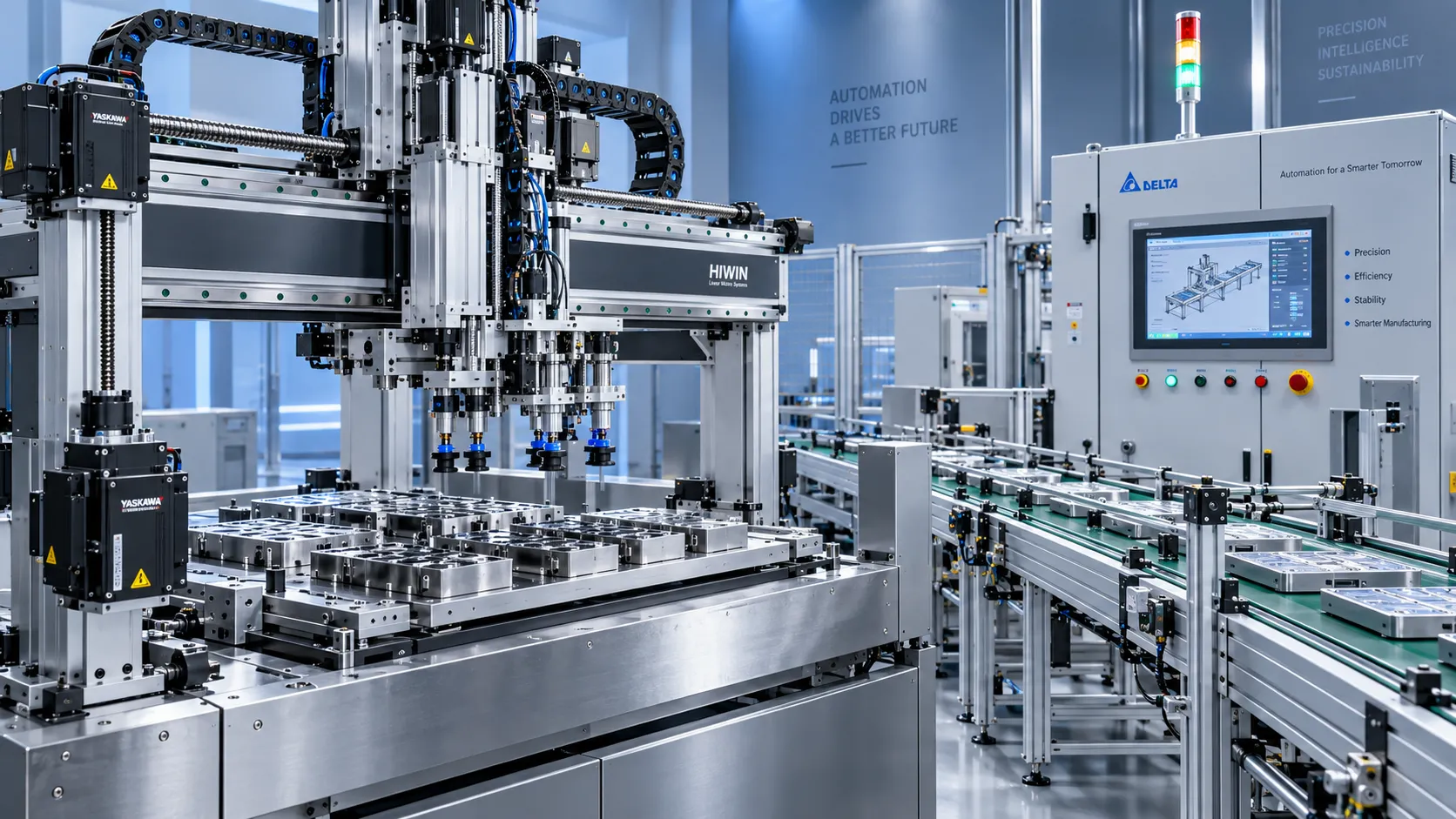
How to Specify Multi-Axis Motion Control for High-Precision Automated Machines
Master multi axis motion control for high-precision automation—optimize synchronization, feedback, mechanics, safety, and lifecycle reliability.
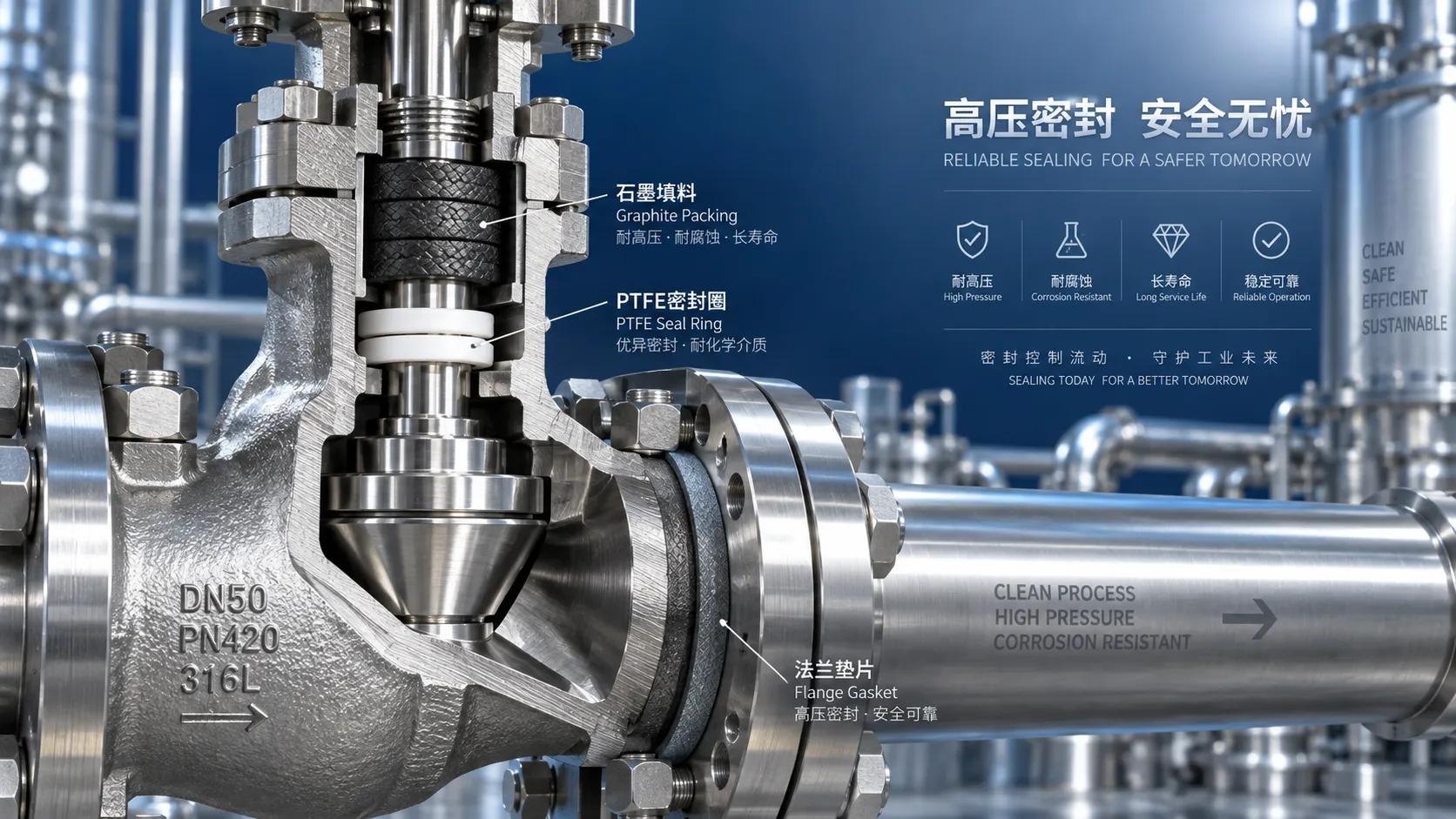
Selecting Valve Sealing Solutions for High-Pressure and Corrosive Service
Industrial sealing solutions for valves: learn how to select reliable systems for high-pressure, corrosive service, control fugitive emissions, and reduce lifecycle leakage risks.