
Industry News
Curation by industry experts
Hot Articles
Popular Tags
Advanced Materials Changing Industrial Performance Limits
As industrial systems face tougher efficiency, durability, and sustainability demands, advanced material science for industrial use is redefining what modern manufacturing can achieve. From power transmission components to critical sealing technologies, material innovation now shapes reliability, energy performance, and lifecycle value. For business decision-makers, understanding these shifts is essential to building resilient operations, smarter investments, and stronger competitive positioning in a rapidly evolving global industry.
Why are advanced materials now a board-level industrial decision?
For many manufacturers, the question is no longer whether materials matter. The real issue is how material choice affects uptime, energy cost, maintenance intervals, and supply-chain resilience across mixed industrial environments.
Advanced material science for industrial use has moved from the engineering department into capital planning because performance bottlenecks often originate in belts, reducers, couplings, bearings, and seals rather than in core machine architecture.
- Higher line speeds increase friction, heat, and fatigue stress in transmission and motion-control assemblies.
- Longer operating cycles demand components that resist wear, compression set, corrosion, and lubricant degradation.
- Energy-saving targets force closer evaluation of mechanical losses caused by poor surface behavior, mass, and material mismatch.
- Global sourcing volatility makes material substitution riskier, especially when failure consequences involve safety, contamination, or unplanned shutdowns.
This is exactly where GPT-Matrix provides value. Its Strategic Intelligence Center connects material breakthroughs with transmission logic, tribology trends, and commercial implications, helping decision-makers understand not only what a material is, but also where it creates measurable industrial advantage.
Where material strategy creates the fastest return
In industrial power systems, the fastest return usually comes from components that fail often, consume maintenance labor, or drive hidden energy loss. These are rarely the most visible items, but they heavily influence throughput and reliability.
- Drive belts and synchronous belts where tensile stability, thermal resistance, and tooth wear define efficiency.
- Gear reducers where metallurgy, surface treatment, and lubricant compatibility affect shock resistance and service life.
- Mechanical seals where face materials and elastomer selection determine leakage control under pressure and temperature fluctuation.
- Bushings, liners, and couplings where friction pairs directly influence vibration, noise, and maintenance frequency.
Which advanced materials matter most in industrial power transmission and sealing?
Business leaders do not need a lab-level taxonomy. They need a practical view of which material families support industrial decision-making in demanding production systems.
The table below summarizes common advanced material science for industrial use across transmission and sealing applications, with a focus on decision relevance rather than academic detail.
The right choice depends on load profile, fluid exposure, temperature range, shaft speed, contamination risk, and maintenance philosophy. A stronger material on paper may still be the wrong selection if it creates installation complexity or poor compatibility with the surrounding system.
Why material pairing matters more than single-material performance
A recurring mistake in advanced material science for industrial use is evaluating one component in isolation. In reality, performance is often governed by interfaces: seal face against shaft, belt tooth against pulley, gear surface against lubricant, polymer liner against metal housing.
GPT-Matrix tracks this interaction logic through tribology and application intelligence. That helps procurement teams avoid expensive upgrades that improve one parameter while increasing wear, vibration, leakage, or replacement complexity elsewhere.
How do advanced materials change performance limits in real operating scenarios?
Decision-makers often need proof in context. Material innovation creates value differently across automated production, heavy equipment, fluid handling, packaging, and energy-intensive manufacturing.
Scenario 1: High-speed automated lines
In automated lines, advanced belt compounds and tensile members can improve tracking stability, reduce elongation, and support longer maintenance intervals. That matters when a short stoppage interrupts synchronized production cells.
Scenario 2: Heavy-load and shock-load equipment
Reducers, couplings, and shafts in heavy-duty systems benefit from improved fatigue strength, surface hardness control, and better crack resistance. Here, the value is less about top speed and more about predictable endurance under stress spikes.
Scenario 3: Chemical or fluid-exposed systems
Mechanical seals and elastomer elements must tolerate heat, media compatibility challenges, and pressure cycling. Material mismatch in these systems can lead to swelling, hardening, leakage, and repeated downtime.
Scenario 4: Energy-sensitive operations
Low-friction surfaces, reduced rotating mass, and better contact behavior can lower energy losses across motion systems. Even modest efficiency gains can become financially meaningful across large installed equipment bases.
The following comparison helps leadership teams assess where advanced material science for industrial use has the strongest business impact by scenario.
This view is especially useful when capital budgets are tight. It helps prioritize upgrades in the assets where material changes solve the most expensive operating problems first.
Procurement guide: what should decision-makers evaluate before buying?
Procurement failure rarely comes from choosing a low-grade material alone. More often, it comes from unclear operating data, poor supplier comparison, or selecting to initial price instead of lifecycle economics.
A practical evaluation checklist
- Define the real duty cycle, not just nominal design values. Peak temperature, startup shock, contamination level, and off-spec operation often drive failure faster than average conditions.
- Ask how the material behaves over time. Creep, fatigue, oxidation, compression set, and lubricant interaction are usually more important than a single headline property.
- Check installation sensitivity. Some advanced materials require tighter tolerances, cleaner handling, or specific alignment discipline to deliver expected life.
- Review supply continuity. A premium material is strategically weak if sourcing is unstable, lead times are unpredictable, or equivalents are poorly documented.
- Evaluate total cost of ownership. Downtime exposure, maintenance labor, spare inventory, and energy losses can outweigh purchase price by a wide margin.
The table below can support cross-functional review when comparing advanced material science for industrial use in sourcing decisions.
For distributors, OEMs, and plant groups, this framework supports internal alignment between engineering, purchasing, and finance. GPT-Matrix strengthens that process by connecting commercial insights with material and application intelligence.
Cost, alternatives, and common trade-offs: when is premium material worth it?
A more expensive material is not automatically the better decision. The key is whether the premium resolves a costly failure mode or removes a recurring operational burden.
When to pay more
Premium material usually makes sense when replacement access is difficult, downtime cost is high, leakage risk has compliance implications, or energy consumption accumulates across multiple machines and shifts.
When alternatives may be sufficient
Standard material grades may remain appropriate in lightly loaded systems, stable indoor environments, or noncritical auxiliary equipment where service access is easy and downtime exposure is modest.
- Do not upgrade only because a material is newer or marketed as high-tech.
- Do upgrade when the current failure pattern is understood and the material change directly addresses it.
- Consider phased implementation on critical assets before site-wide standardization.
What standards and compliance points should be reviewed?
In industrial procurement, material performance must be supported by documentation discipline. Depending on the application, buyers may need to review traceability, mechanical test references, chemical compatibility data, dimensional control, or industry-specific standard alignment.
Common reference points can include ISO-based quality processes, ASTM test methods for material characterization, and application-relevant sealing or power transmission specifications. The exact standard set varies by geography, end use, and customer contract requirements.
Three compliance questions worth asking early
- Will the material documentation support customer audits or regulated operating environments?
- Are testing references relevant to the actual duty condition, or only to generic laboratory conditions?
- Can equivalent substitutes be validated without restarting the entire qualification cycle?
FAQ: what do decision-makers usually ask about advanced material science for industrial use?
How do we know whether a material upgrade will really reduce downtime?
Start with failure records. If stoppages repeatedly involve wear, leakage, fatigue cracking, belt instability, or thermal degradation, material redesign is a valid path. The next step is to match the failure mode with an application-specific material change rather than replacing like for like.
Is advanced material science for industrial use only relevant for high-end plants?
No. It is often most valuable where maintenance resources are stretched, production is continuous, or equipment operates in inconsistent conditions. Even mid-level operations can gain from better seal life, lower friction loss, and reduced replacement frequency.
What is the biggest procurement mistake?
Treating material selection as a catalog choice instead of a system decision. Many purchasing problems come from ignoring interface conditions, lubricant behavior, shaft finish, contamination, or installation tolerances.
How long does evaluation usually take?
It depends on application criticality. A noncritical substitution may be reviewed quickly if operating data is clear. Critical transmission or sealing components often need cross-functional validation involving engineering, procurement, maintenance, and supplier documentation review.
Why many industrial teams use GPT-Matrix before making a material decision
Material selection is no longer just a technical purchase. It is tied to energy volatility, raw material supply shifts, automation strategy, and maintenance economics. That complexity is exactly why industrial decision-makers need more than isolated product data.
GPT-Matrix brings together sector news, evolutionary trends, tribology insight, and commercial modeling to help businesses assess long-life, low-maintenance transmission and sealing solutions with stronger clarity. Its focus on the mechanical joints and power hearts of industry makes the platform especially relevant for buyers balancing performance, risk, and global sourcing realities.
Why choose us
If your team is evaluating advanced material science for industrial use, GPT-Matrix can support decisions that go beyond product claims. You can consult on parameter confirmation, material comparison logic, component selection priorities, expected delivery constraints, and the fit between operating conditions and lifecycle targets.
You can also engage on specific needs such as transmission component selection, sealing material suitability, replacement strategy for high-maintenance assets, certification and documentation expectations, sample assessment pathways, and quotation discussions linked to performance rather than only unit cost.
For enterprises building around Industry 4.0 and green manufacturing goals, a better material decision can improve far more than component life. It can strengthen reliability planning, reduce hidden operating loss, and support a more resilient industrial value chain. Power driving industry, intelligence connecting the globe starts with better judgment at the material level.
- power transmission
- sealing technologies
- mechanical seals
- drive belts
- gear reducers
- tribology
- heavy equipment
- material science
- Industry 4.0
- green manufacturing
- transmission components
- synchronous belts
- automated production
- industrial power transmission
- critical sealing
- advanced material science for industrial use
Recommended News
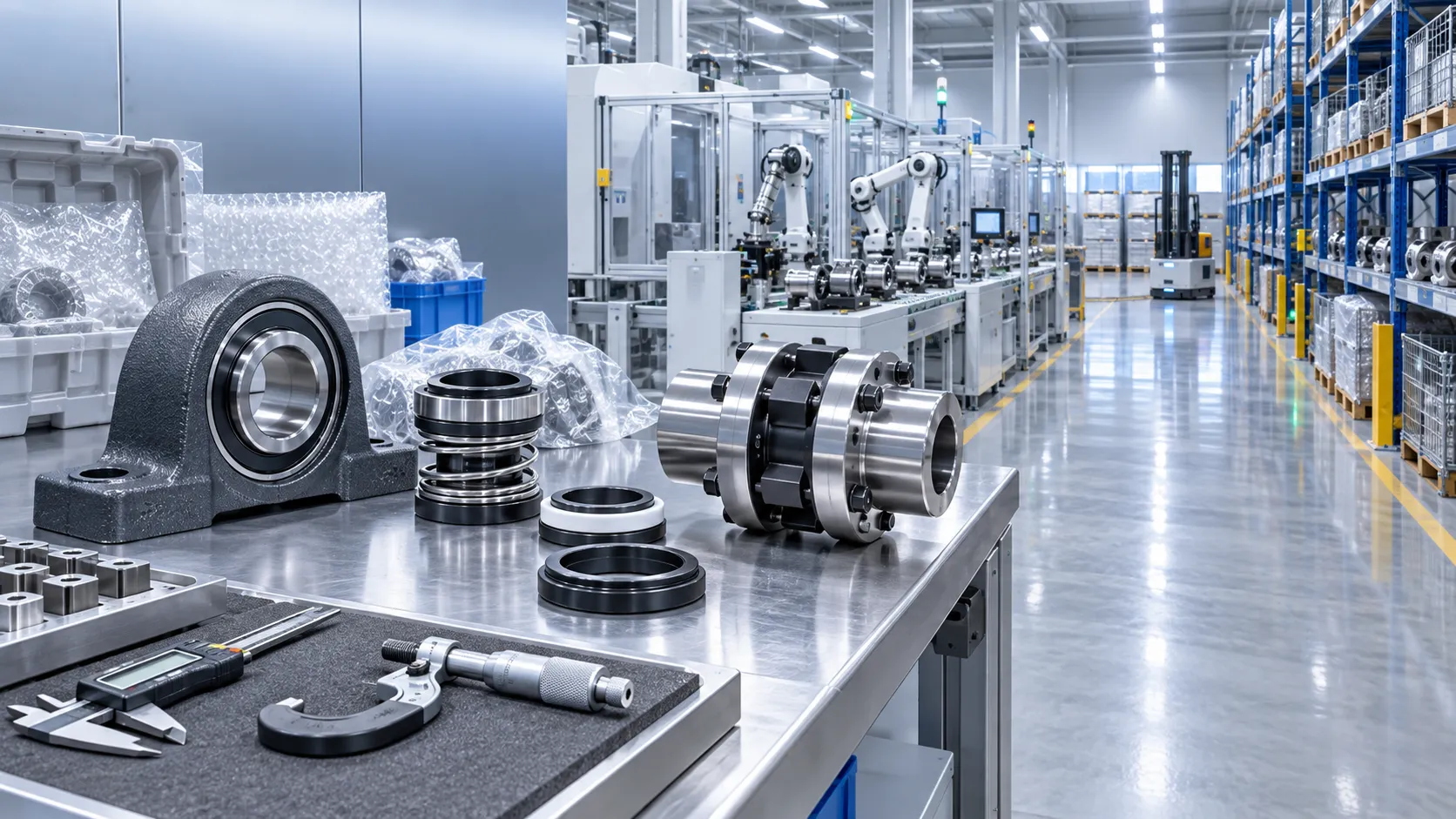
How to Qualify an Industrial Component Supplier for Critical Production Parts
Industrial component supplier qualification guide: reduce downtime risk, verify quality, traceability, change control, and total cost for critical production parts.

How to Evaluate an Extreme-Condition System Supplier for High-Risk Operations
Extreme condition system supplier evaluation guide: compare engineering evidence, material control, testing, and lifecycle support to reduce high-risk operational failures.

Motion Control Reference Projects: How to Adapt Proven Solutions to Your Machine
Industrial solution references motion control guide: learn how to adapt proven servo architectures, validate machine-specific risks, and accelerate reliable commissioning.
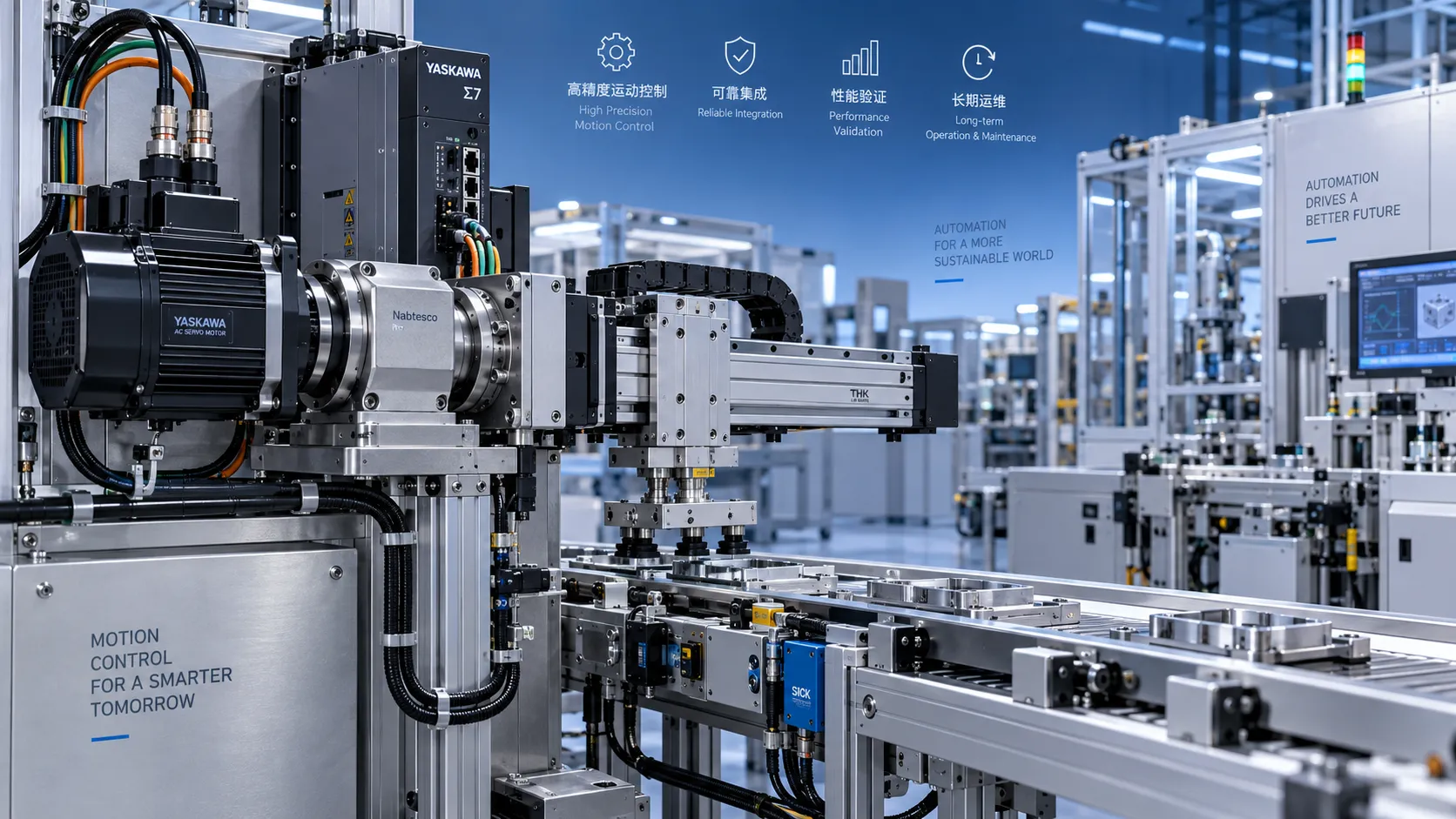
How to Evaluate an Industrial Motion Control Solutions Supplier for Automation Projects
Evaluate an industrial motion control solutions supplier with confidence. Compare sizing, integration, quality, support, and lifecycle value for reliable automation projects.
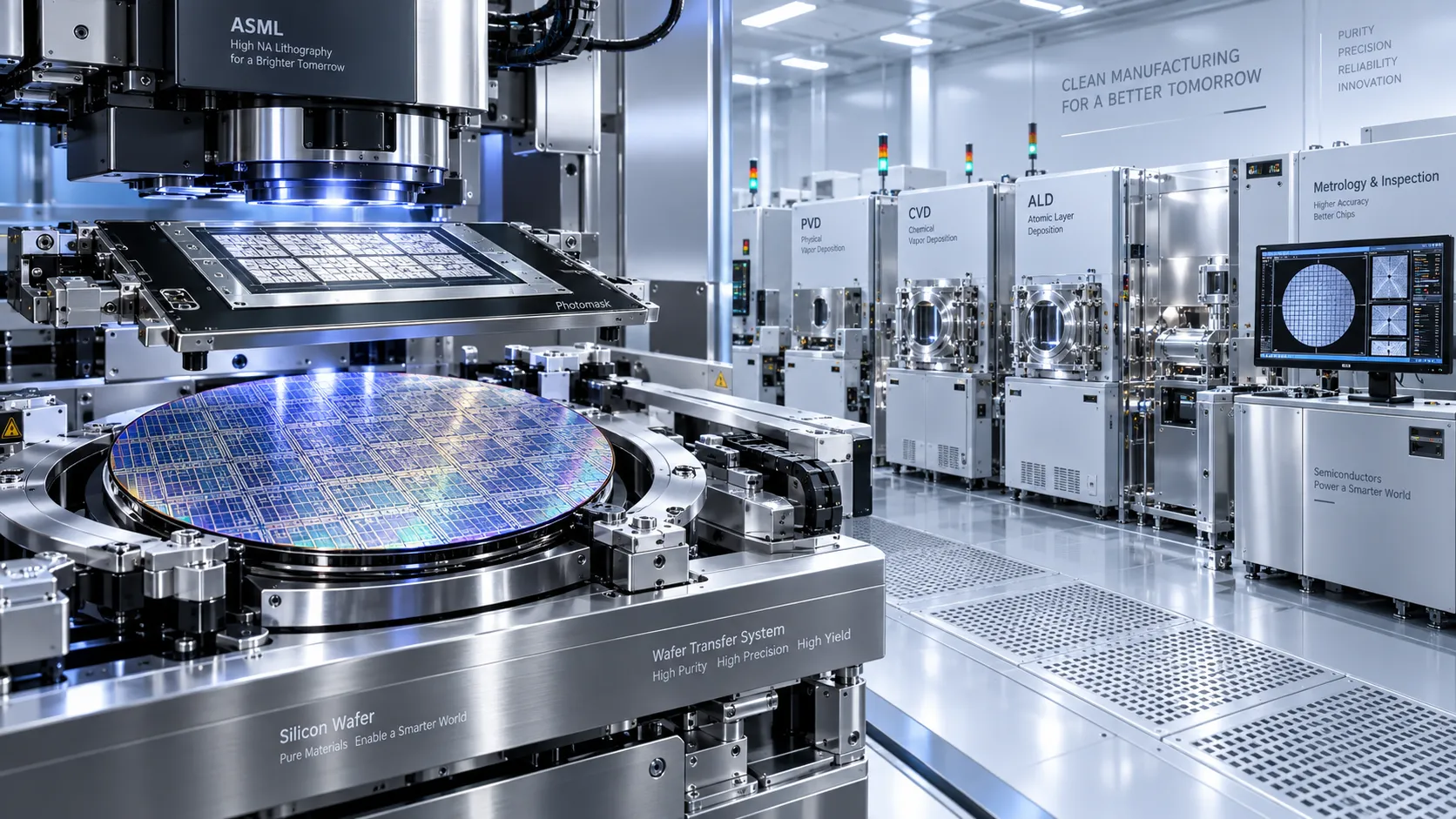
Key Semiconductor Industry Components and Their Roles in Chip Manufacturing
Semiconductor industry components explained: explore wafers, lithography, deposition, etching, packaging, and the critical roles that drive chip quality and yield.
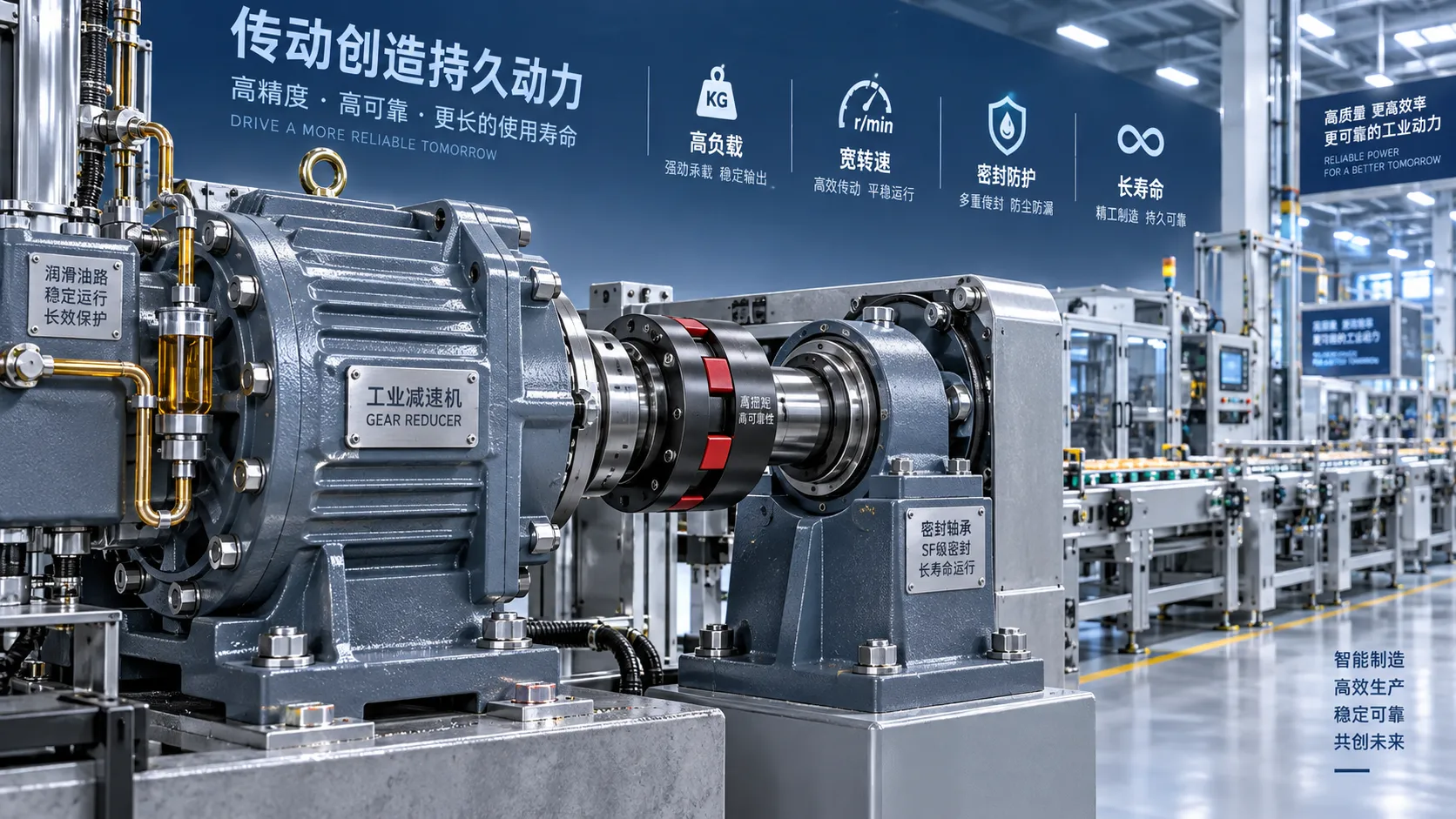
Mechanical Component Selection: Key Criteria for Load, Speed, Environment, and Service Life
Mechanical component selection made practical: evaluate load, speed, environment, lubrication, and service life to improve reliability, reduce downtime, and control lifecycle costs.
What to Request in Component Specification Resources Before Choosing a Supplier
Industrial component specification resources supplier guide: request drawings, material data, ratings, validation, and change control to choose reliable suppliers and reduce lifecycle risk.
How to Specify Multi-Axis Motion Control for High-Precision Automated Machines
Master multi axis motion control for high-precision automation—optimize synchronization, feedback, mechanics, safety, and lifecycle reliability.
Selecting Valve Sealing Solutions for High-Pressure and Corrosive Service
Industrial sealing solutions for valves: learn how to select reliable systems for high-pressure, corrosive service, control fugitive emissions, and reduce lifecycle leakage risks.