
Industry News
Curation by industry experts
Hot Articles
Popular Tags
When Mechanical Seals Fail Early in Industrial Service
Early failure in mechanical seals can stop production faster than many teams expect. It often begins as a small leak, heat rise, or vibration change.
When that warning is missed, downtime, spare consumption, and repair costs increase quickly. In severe cases, seal damage also affects bearings, shafts, and nearby process equipment.
For systems using mechanical seals for industrial applications, a structured review is the fastest way to identify root causes and prevent repeat failures.
This guide explains what to check first, which conditions shorten seal life, and how to improve reliability in real operating environments.
Why a structured review matters
Mechanical seal failure rarely comes from one factor alone. Most early failures develop from a chain of installation errors, poor operating conditions, and material mismatch.
A checklist reduces guesswork. It helps compare equipment condition, process changes, and seal design requirements in a repeatable way.
This approach is especially useful for mechanical seals for industrial applications because service conditions vary widely across pumps, mixers, compressors, and rotating support systems.
Core checks for early failure in mechanical seals for industrial applications
Use the following points during inspection, failure review, or restart planning. They cover the most common reasons seals fail before expected service life.
- Confirm whether seal materials match fluid chemistry, solids content, temperature range, and pressure cycling during both normal operation and upset conditions.
- Check shaft runout, sleeve wear, bearing condition, and coupling alignment because face instability often begins with rotating equipment defects.
- Review flush plan performance, barrier fluid quality, and cooling flow to ensure the seal faces receive adequate lubrication and heat removal.
- Inspect installation records for incorrect spring compression, damaged O-rings, contamination, or improper handling during assembly and startup.
- Measure vibration levels and compare them with baseline data since repeated movement can chip faces and accelerate secondary seal wear.
- Verify that dry running did not occur during priming, venting, or low-flow operation because even brief contact can destroy seal faces.
- Examine process changes such as new solvents, higher solids, faster cycling, or different cleaning routines that may exceed original seal assumptions.
- Look for cavitation, flashing, or vapor formation near the seal chamber because unstable fluid conditions disturb the lubricating film.
- Check for clogged flush lines, dirty filters, and scale buildup that restrict support systems and reduce protection for mechanical seals for industrial applications.
- Confirm storage and spare handling conditions since elastomers, carbon faces, and metal parts can degrade before installation.
The most common warning signs
Small leaks are the obvious sign, but they are not the only one. A rising case temperature often appears first.
Other clues include squealing noise, visible face scoring, black dust from carbon wear, sudden barrier fluid loss, and unstable motor load.
Tracking these indicators helps improve service planning for mechanical seals for industrial applications before a full shutdown becomes necessary.
Failure modes that appear again and again
Heat damage
Overheating can glaze faces, harden elastomers, and distort mating surfaces. Common causes include low flush flow, dry running, and excessive face loading.
Abrasion and contamination
Solids, rust, crystallized product, and scale can scratch seal faces. Once the surface film breaks down, leakage usually accelerates fast.
Chemical attack
An elastomer may swell, crack, or lose elasticity if fluid compatibility is poor. Corrosion can also weaken metal hardware and reduce spring function.
Mechanical instability
Misalignment, shaft deflection, and bearing looseness create uneven face contact. The result is localized wear, heat spots, and shortened seal life.
Application notes for different operating situations
Water and utility pumps
These systems often seem simple, yet early failures are common when alignment is ignored after motor replacement or base movement.
Check suction stability, seal chamber venting, and intermittent dry running. In water service, solids and poor start-stop control also matter.
Chemical process equipment
Chemical duty demands careful material selection. Mechanical seals for industrial applications in this area must handle temperature shifts, corrosion, and solvent exposure.
Review every fluid change, even temporary cleaning media. A seal that works in production fluid may fail during washdown or solvent flushing.
Slurry and solids-handling service
Abrasive service quickly exposes weak support systems. Face wear rises if flush plans are undersized or solids settle during low-speed operation.
Pay attention to particle size, concentration, and recirculation zones. Hard faces alone do not solve a poor chamber environment.
High-temperature rotating equipment
Thermal distortion becomes more likely as temperature climbs. Cooling reliability, face flatness, and secondary seal limits must be reviewed together.
In these cases, mechanical seals for industrial applications need stable support conditions more than simply higher-grade materials.
Often missed risks that shorten seal life
One common mistake is treating leakage as only a seal problem. In reality, upstream piping stress and poor equipment base condition may be the trigger.
Another missed issue is startup procedure. Seals can be damaged before full operation if venting, priming, or flush activation is delayed.
Storage practices are also overlooked. Old elastomers, dirty sleeves, and damaged faces can create immediate problems after installation.
Documentation gaps make repeat failure more likely. Without failure photos, operating data, and removed-part inspection notes, root cause analysis stays incomplete.
Practical actions to improve reliability
- Create a standard seal failure form that records fluid, temperature, pressure, vibration, leakage pattern, and support system condition.
- Inspect shaft and bearing condition before replacing the seal. A new seal rarely survives long on unstable rotating hardware.
- Validate seal chamber dimensions, flush plan piping, and cooling capacity whenever equipment is modified or repurposed.
- Use startup check steps that confirm lubrication, venting, rotation direction, and support system flow before reaching operating speed.
- Trend leakage, temperature, and vibration instead of waiting for visible failure. Small deviations often predict seal distress early.
- Review whether the selected mechanical seals for industrial applications still match current process duty after production or cleaning changes.
A simple review table
Common questions
How fast can a seal fail during dry running?
Very quickly. Some seal face combinations can suffer serious damage within seconds if lubrication disappears.
Do harder face materials always last longer?
Not always. Hard faces help in abrasive duty, but poor alignment, heat, or chemical mismatch can still cause early failure.
Why do repeat failures happen after seal replacement?
Because the original cause often remains. Replacing parts without correcting equipment or process conditions usually repeats the same failure mode.
Final takeaways and next steps
Early failure in mechanical seals for industrial applications is usually preventable. The key is to inspect the whole system, not only the seal cartridge.
Start with material fit, equipment condition, support system performance, and actual operating behavior. Then compare findings against failure evidence and service history.
A disciplined review process improves uptime, reduces spare waste, and supports longer service life across industrial sealing systems.
For ongoing reliability, keep a standard checklist, capture operating data at every event, and reassess mechanical seals for industrial applications whenever duty conditions change.
Recommended News
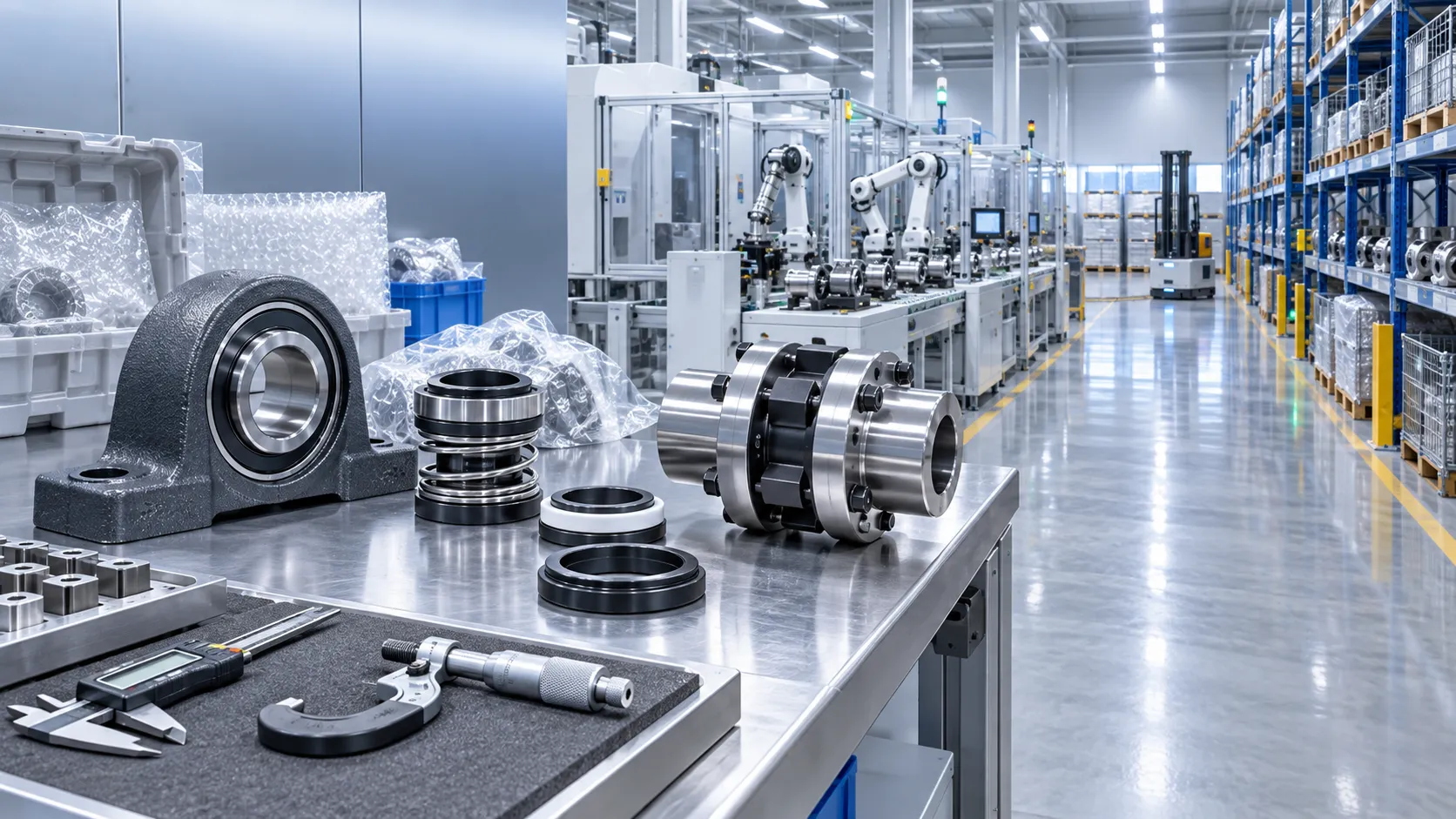
How to Qualify an Industrial Component Supplier for Critical Production Parts
Industrial component supplier qualification guide: reduce downtime risk, verify quality, traceability, change control, and total cost for critical production parts.
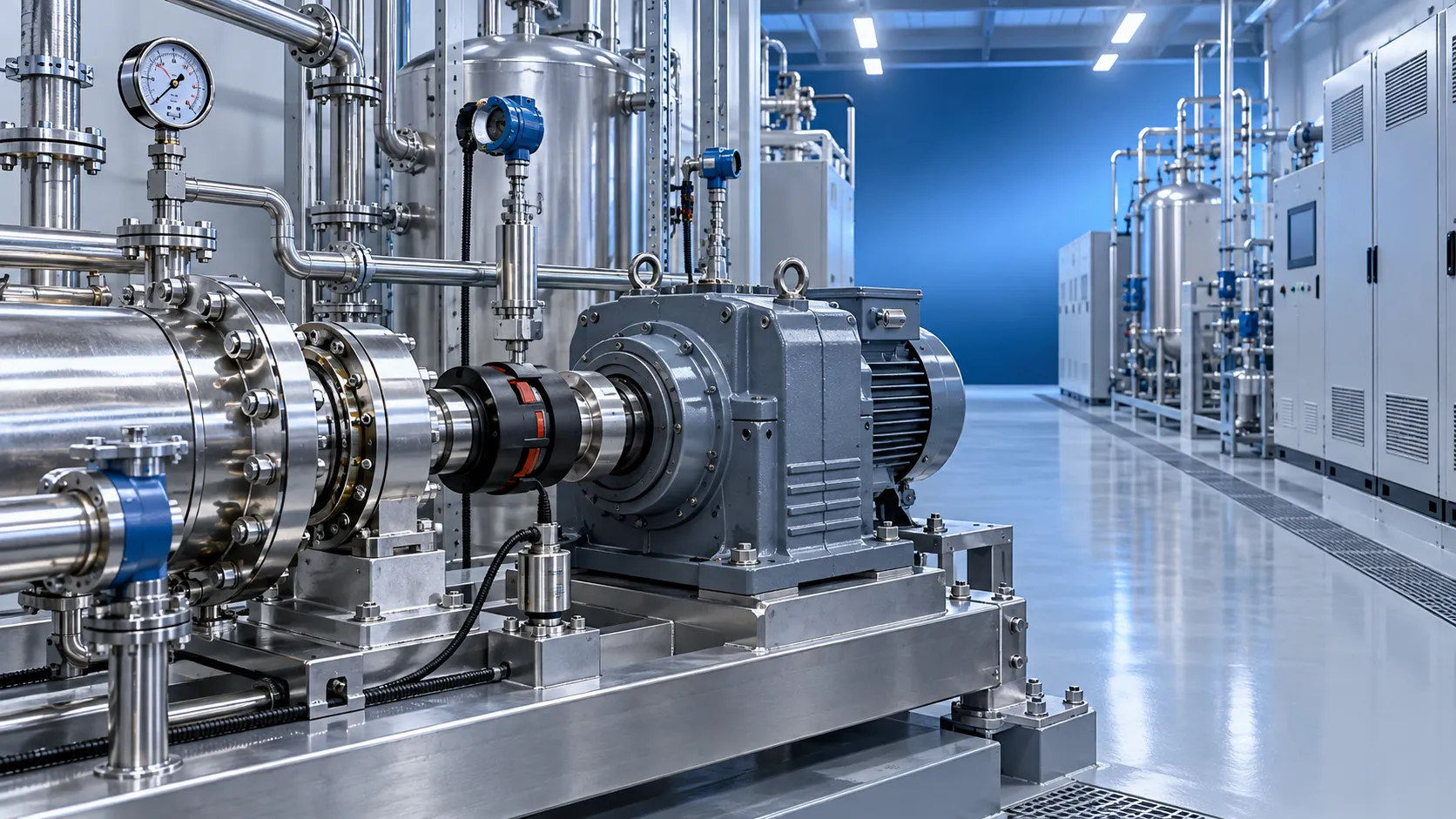
How to Evaluate an Extreme-Condition System Supplier for High-Risk Operations
Extreme condition system supplier evaluation guide: compare engineering evidence, material control, testing, and lifecycle support to reduce high-risk operational failures.
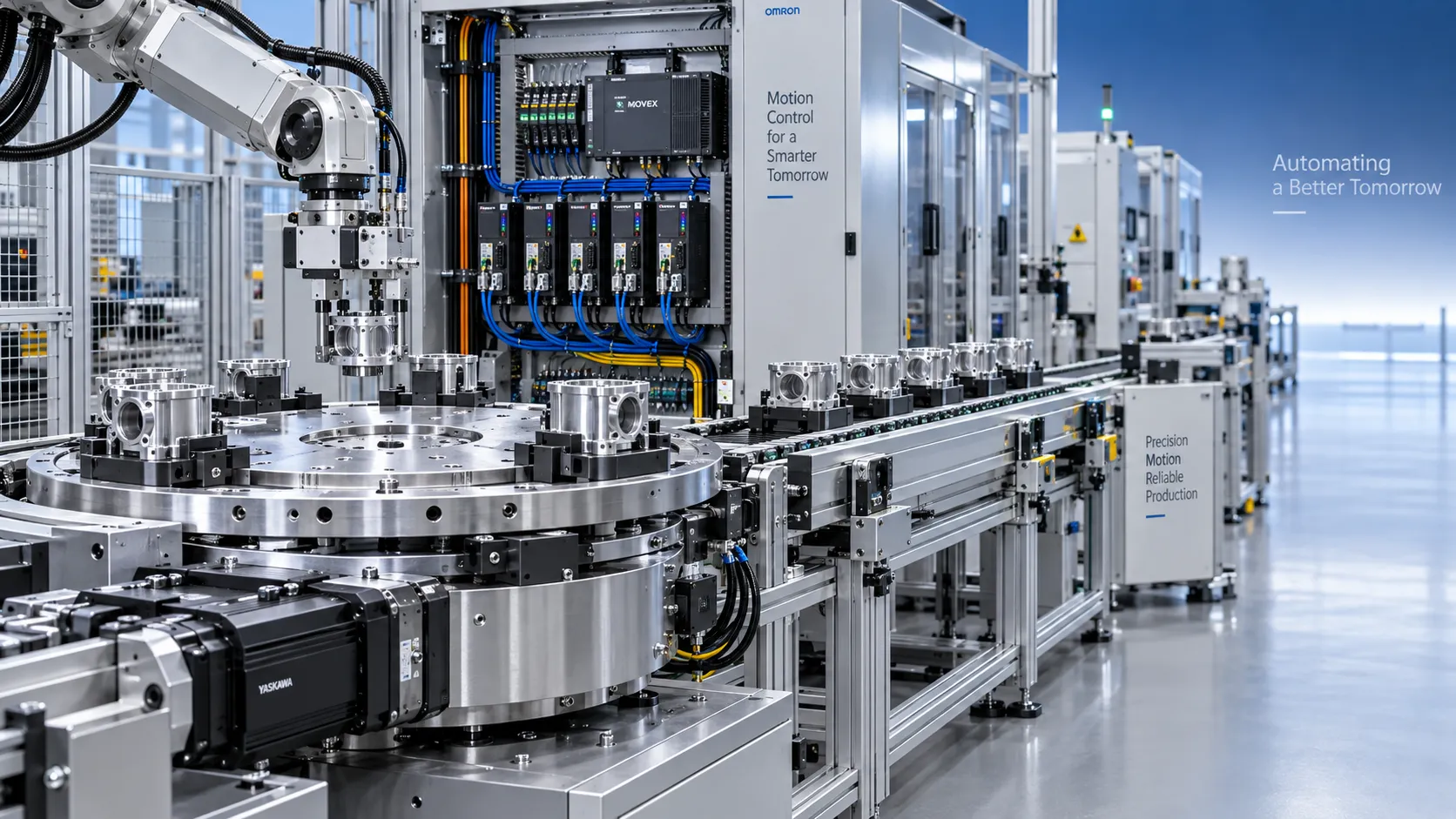
Motion Control Reference Projects: How to Adapt Proven Solutions to Your Machine
Industrial solution references motion control guide: learn how to adapt proven servo architectures, validate machine-specific risks, and accelerate reliable commissioning.
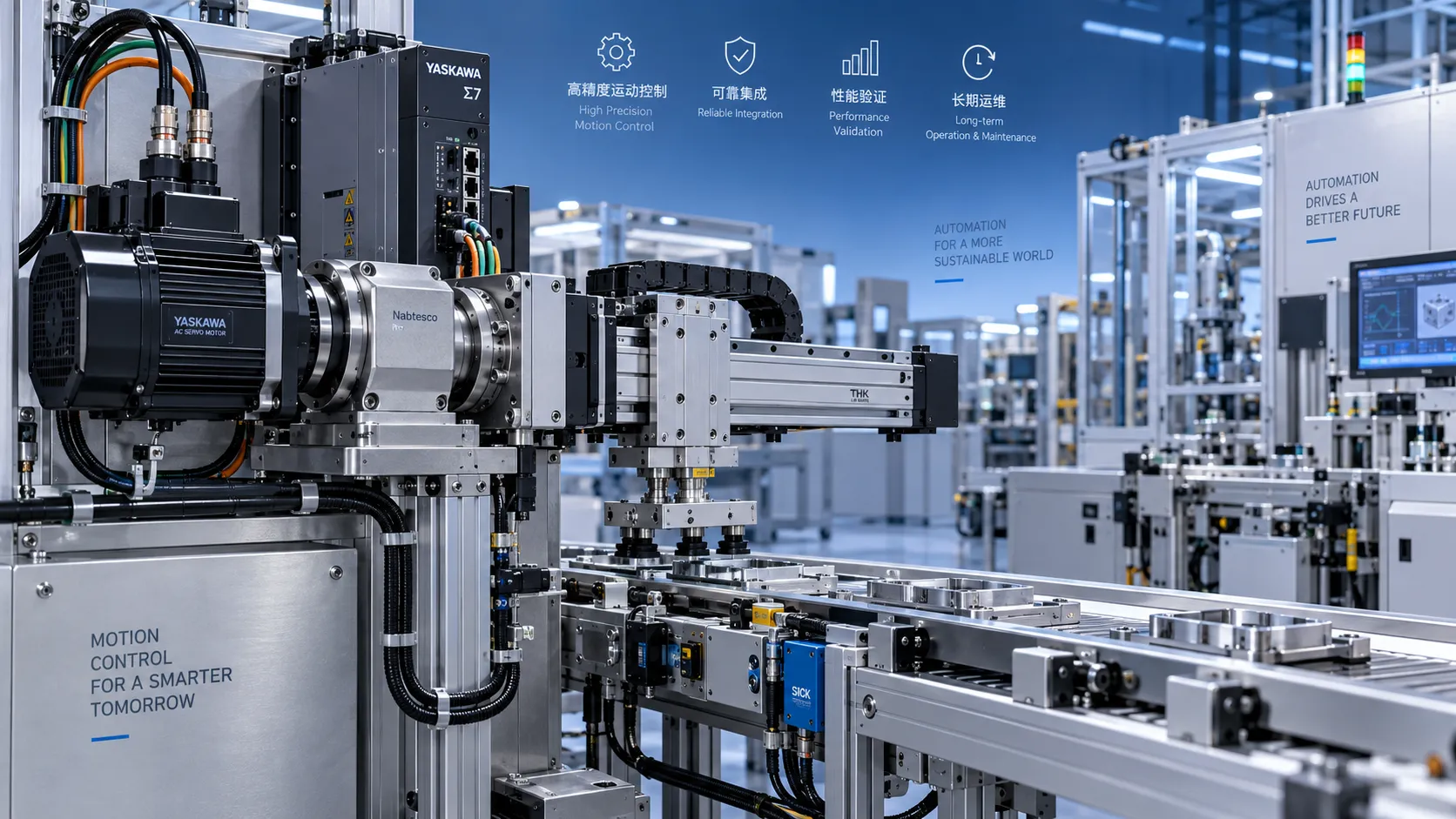
How to Evaluate an Industrial Motion Control Solutions Supplier for Automation Projects
Evaluate an industrial motion control solutions supplier with confidence. Compare sizing, integration, quality, support, and lifecycle value for reliable automation projects.
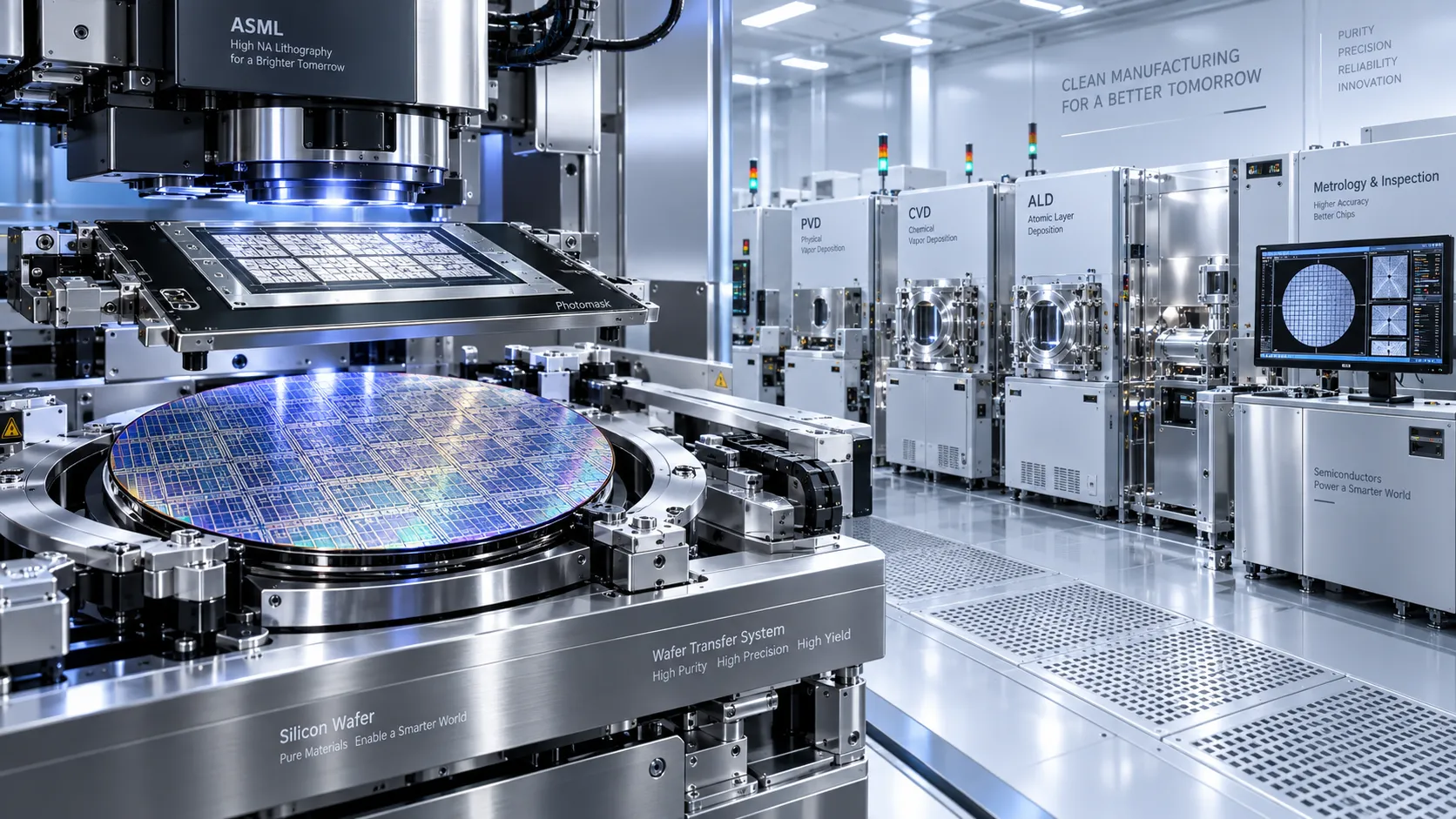
Key Semiconductor Industry Components and Their Roles in Chip Manufacturing
Semiconductor industry components explained: explore wafers, lithography, deposition, etching, packaging, and the critical roles that drive chip quality and yield.
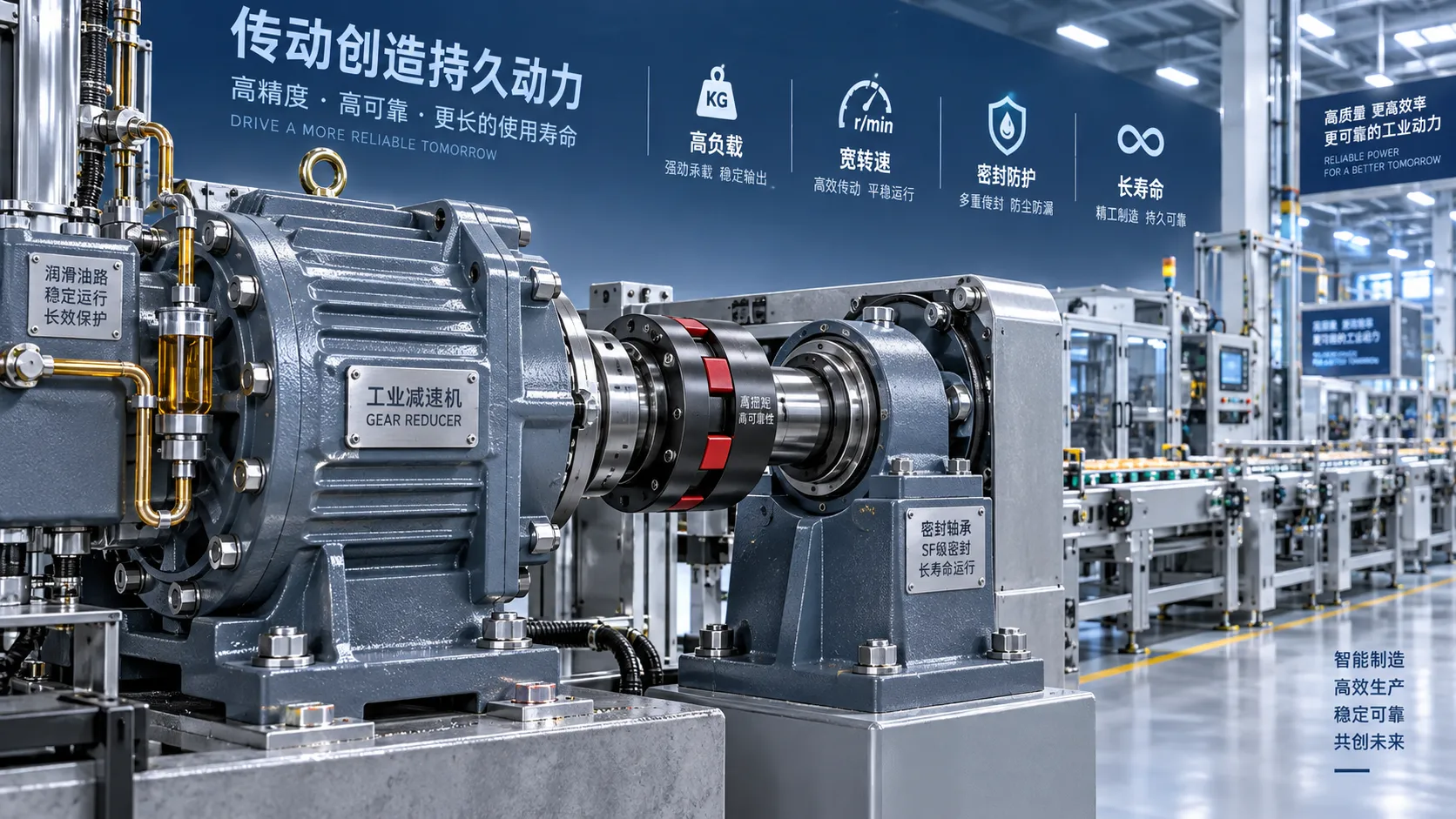
Mechanical Component Selection: Key Criteria for Load, Speed, Environment, and Service Life
Mechanical component selection made practical: evaluate load, speed, environment, lubrication, and service life to improve reliability, reduce downtime, and control lifecycle costs.
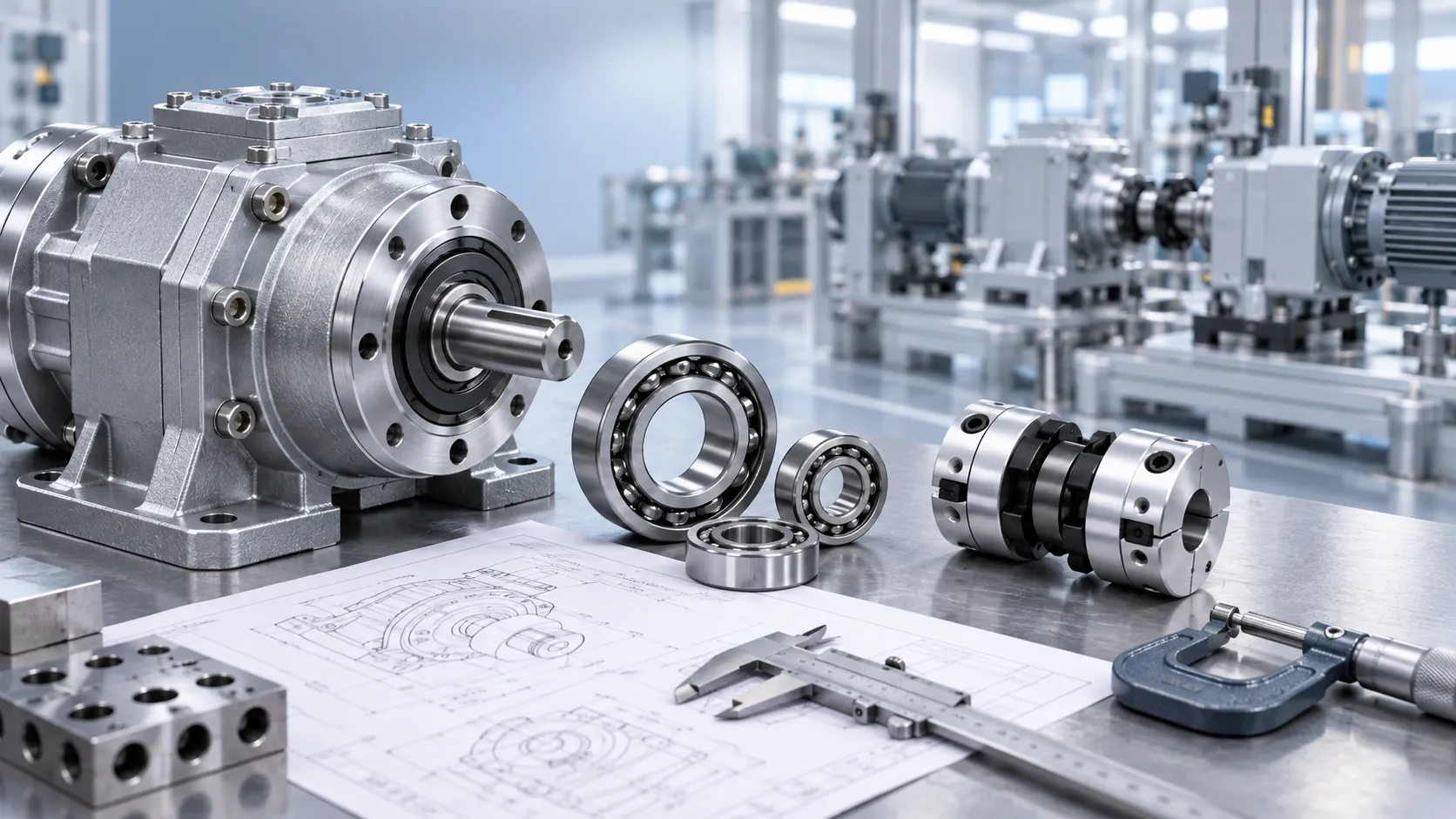
What to Request in Component Specification Resources Before Choosing a Supplier
Industrial component specification resources supplier guide: request drawings, material data, ratings, validation, and change control to choose reliable suppliers and reduce lifecycle risk.
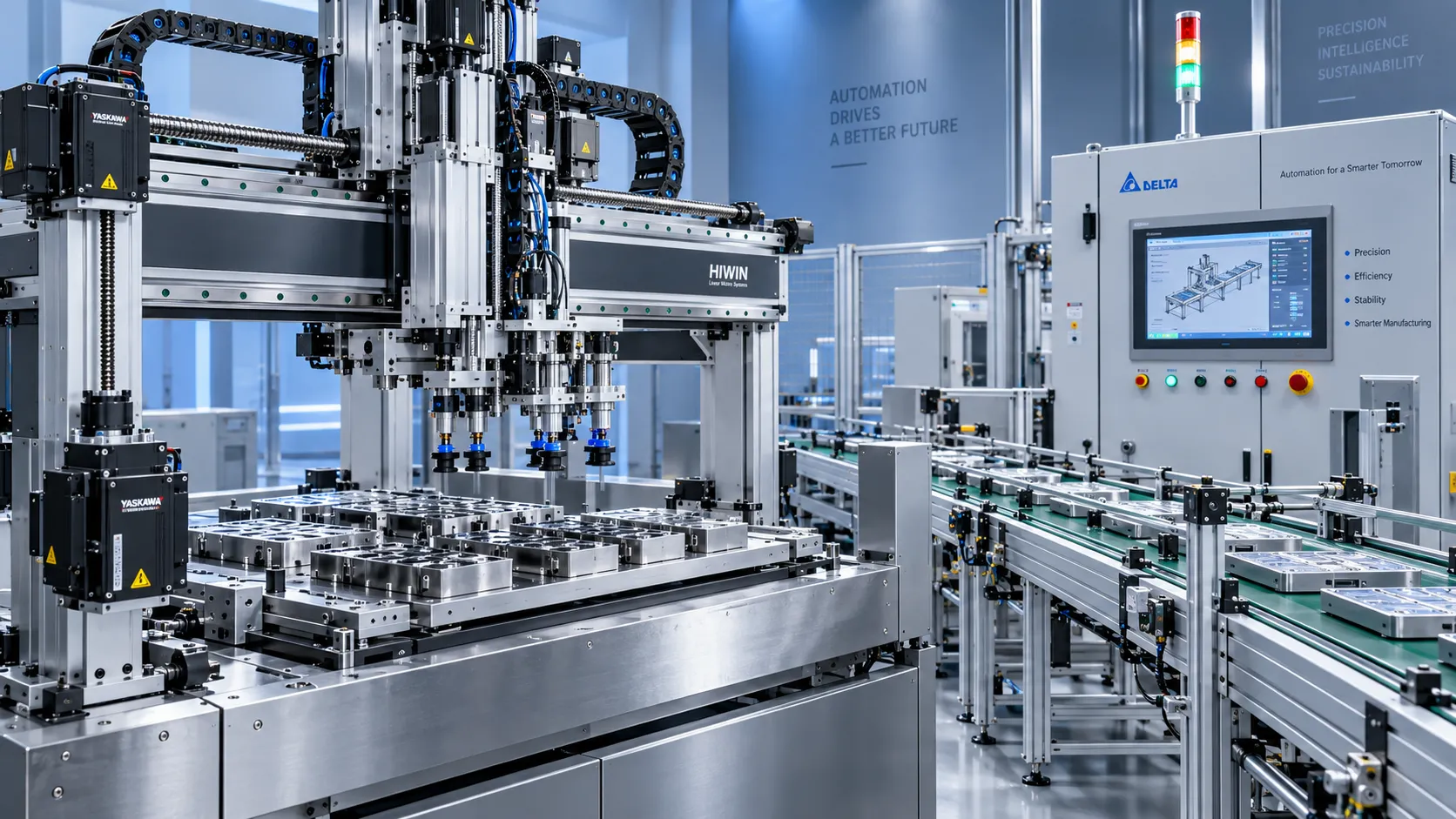
How to Specify Multi-Axis Motion Control for High-Precision Automated Machines
Master multi axis motion control for high-precision automation—optimize synchronization, feedback, mechanics, safety, and lifecycle reliability.
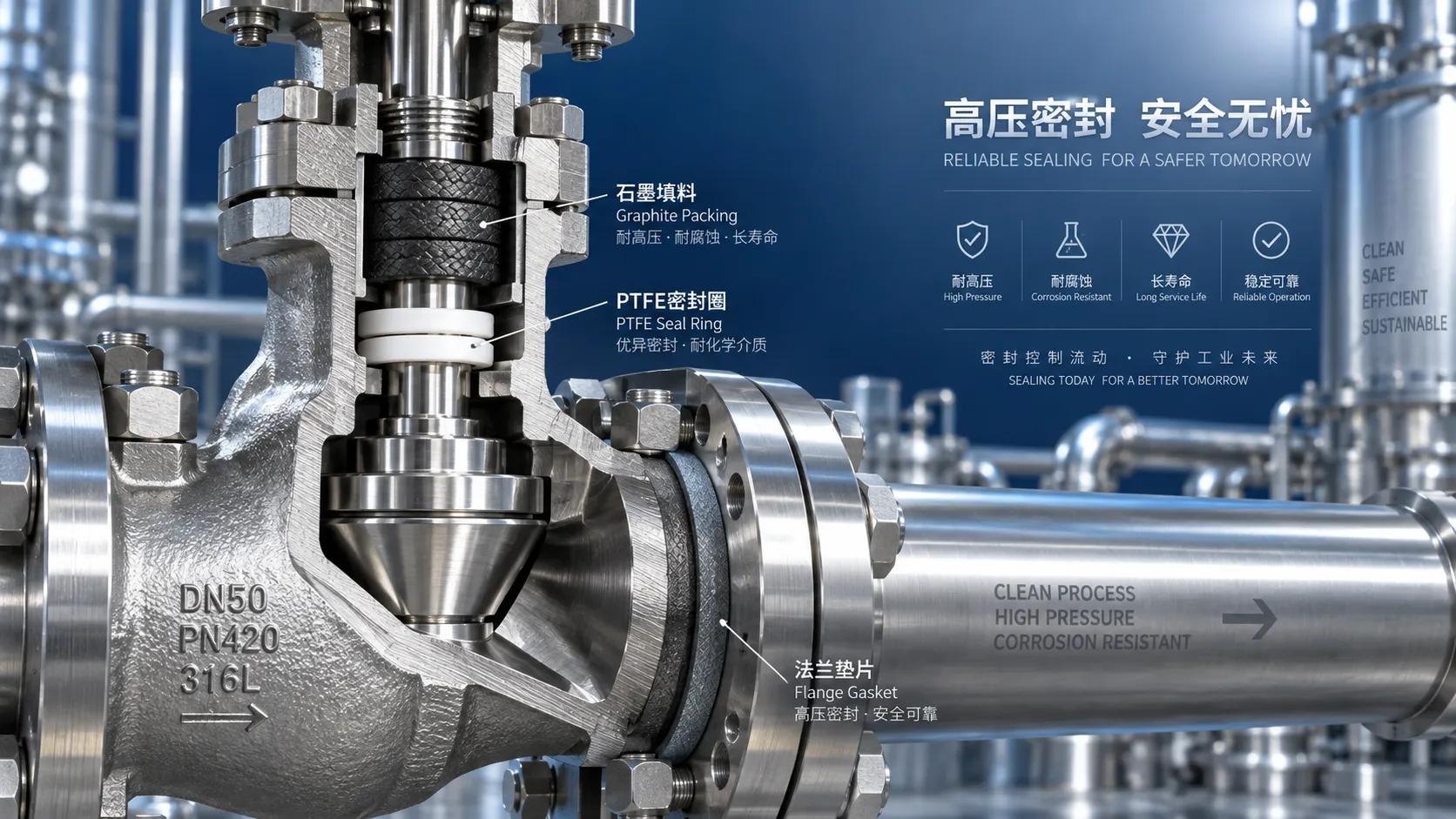
Selecting Valve Sealing Solutions for High-Pressure and Corrosive Service
Industrial sealing solutions for valves: learn how to select reliable systems for high-pressure, corrosive service, control fugitive emissions, and reduce lifecycle leakage risks.