
Industry News
Curation by industry experts
Hot Articles
Popular Tags
Where Tribology Improves Uptime on Manufacturing Lines
Across modern production lines, small friction failures can trigger major downtime, energy loss, and maintenance costs. Understanding tribology applications in manufacturing helps technical evaluators identify where lubrication, wear control, and surface engineering can improve component life and system reliability. This article explores how tribology strengthens uptime, supports smarter mechanical decisions, and creates measurable value in high-demand manufacturing environments.
Where uptime pressure is changing the value of tribology
Manufacturing lines are running faster, more automated, and less forgiving. As equipment density rises, failures that once stayed local can now spread through an entire line. That is why tribology applications in manufacturing are no longer limited to bearings or greases. They now influence power transmission, sealing, guides, couplings, and any interface that sees load, heat, or sliding contact.
The shift is also strategic. Plants want fewer unplanned stops, lower lubrication waste, and more predictable service intervals. In this context, tribology becomes a practical uptime tool, not a narrow engineering discipline. It helps identify where wear begins, how failure accelerates, and which design choices preserve output under continuous duty.
 The main signals behind this shift
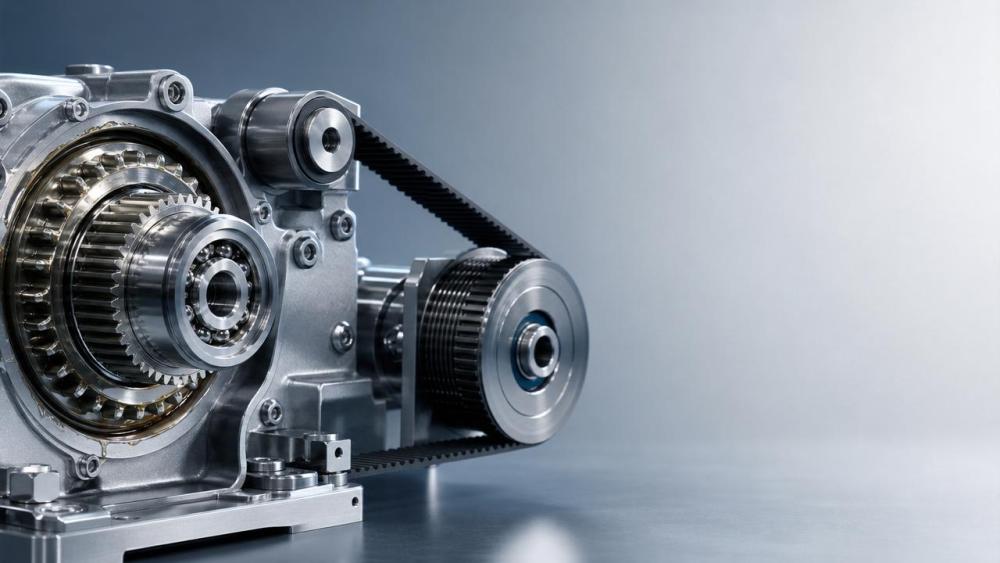 The main signals behind this shift
Several signals show why tribology applications in manufacturing are gaining attention across industrial systems.
- Higher line speeds increase heat and contact stress.
- Energy efficiency targets expose drag, friction, and poor lubrication.
- Maintenance teams need longer intervals between interventions.
- Compact machinery leaves less room for heat dissipation.
- Mixed-material assemblies create more sensitive wear behavior.
Why tribology improvements deliver measurable uptime gains
The business case is straightforward. Friction consumes energy, wear changes geometry, and contamination turns minor surface damage into repeated stoppages. When tribology is improved, the system typically needs less corrective maintenance and shows more stable performance over time. That stability is especially valuable in continuous-process environments where one failed component can affect upstream and downstream stages.
The strongest results usually come from combining three actions: selecting the right lubricant, improving surface finish or coating, and controlling contaminants. Each step reduces the probability that a contact surface will degrade before its planned service life. In practical terms, this can mean fewer bearing replacements, lower seal leakage, smoother gearbox behavior, and less belt slip.
Which line elements benefit most from tribology applications in manufacturing
Not every component fails in the same way, but the most uptime-sensitive parts share a common trait: they operate under repeated contact, load variation, or contamination exposure. That makes them ideal targets for tribology applications in manufacturing. Power transmission parts often need attention first, because friction losses there can quickly affect torque delivery and heat balance.
Bearings, gear reducers, mechanical seals, and synchronous belt systems are common examples. In each case, tribology helps extend service life by controlling surface interaction rather than only reacting after failure. This is especially useful where access is limited, shutdowns are expensive, or product quality depends on stable motion.
- Bearings: reduced rolling resistance and better grease retention.
- Gear reducers: lower tooth wear and improved thermal stability.
- Mechanical seals: better face compatibility and leakage control.
- Belts and pulleys: less slip, less heat, and more stable transmission.
- Sliding guides: smoother motion and less debris-induced abrasion.
Who feels the impact first
The first impact usually appears in maintenance planning. When tribology improves, inspection intervals become more meaningful, and failure patterns are easier to predict. Operators also benefit from steadier line behavior, because friction-related variation often shows up as noise, temperature rise, vibration, or inconsistent motion.
Energy performance is another visible effect. Even small friction reductions can matter when machines run around the clock. Over time, this lowers total operating cost and supports broader efficiency goals without requiring a full equipment replacement.
What should be monitored before tribology improvements are scaled
Before expanding any tribology program, it is important to focus on the conditions that shape failure. The most useful checks are simple, repeatable, and linked to actual operating stress. This makes tribology applications in manufacturing more actionable and easier to justify.
- Operating temperature and heat spikes
- Lubricant condition, viscosity, and contamination
- Surface roughness and contact compatibility
- Vibration, noise, and torque variation
- Seal integrity and ingress risk
- Duty cycle changes during peak production
These indicators help separate isolated defects from systematic wear behavior. They also support better decisions about material selection, coating choices, and maintenance timing.
How to turn tribology insight into a practical uptime strategy
A useful approach is to rank assets by friction sensitivity and downtime cost. High-risk interfaces should receive the most detailed review, especially where replacement is difficult or failure cascades through multiple stations. From there, teams can set a baseline for temperature, wear particles, vibration, and lubrication life.
The best programs do not treat tribology as a one-time fix. They connect it to inspection routines, failure analysis, and component specification. That creates a cycle of learning that steadily improves reliability.
A practical next step for higher reliability
For operations that want better uptime, the next step is to identify one recurring friction-related failure and trace it back to its root contact conditions. Review the lubricant, the surface pair, the contamination path, and the thermal load together. That single review often reveals where tribology applications in manufacturing can produce the fastest return.
When tribology is treated as part of the reliability plan, manufacturing lines gain more than longer component life. They gain steadier output, lower energy waste, and more predictable maintenance decisions. In a competitive industrial environment, that combination is what keeps uptime moving in the right direction.
Recommended News
How to Qualify an Industrial Component Supplier for Critical Production Parts
Industrial component supplier qualification guide: reduce downtime risk, verify quality, traceability, change control, and total cost for critical production parts.
How to Evaluate an Extreme-Condition System Supplier for High-Risk Operations
Extreme condition system supplier evaluation guide: compare engineering evidence, material control, testing, and lifecycle support to reduce high-risk operational failures.
Motion Control Reference Projects: How to Adapt Proven Solutions to Your Machine
Industrial solution references motion control guide: learn how to adapt proven servo architectures, validate machine-specific risks, and accelerate reliable commissioning.
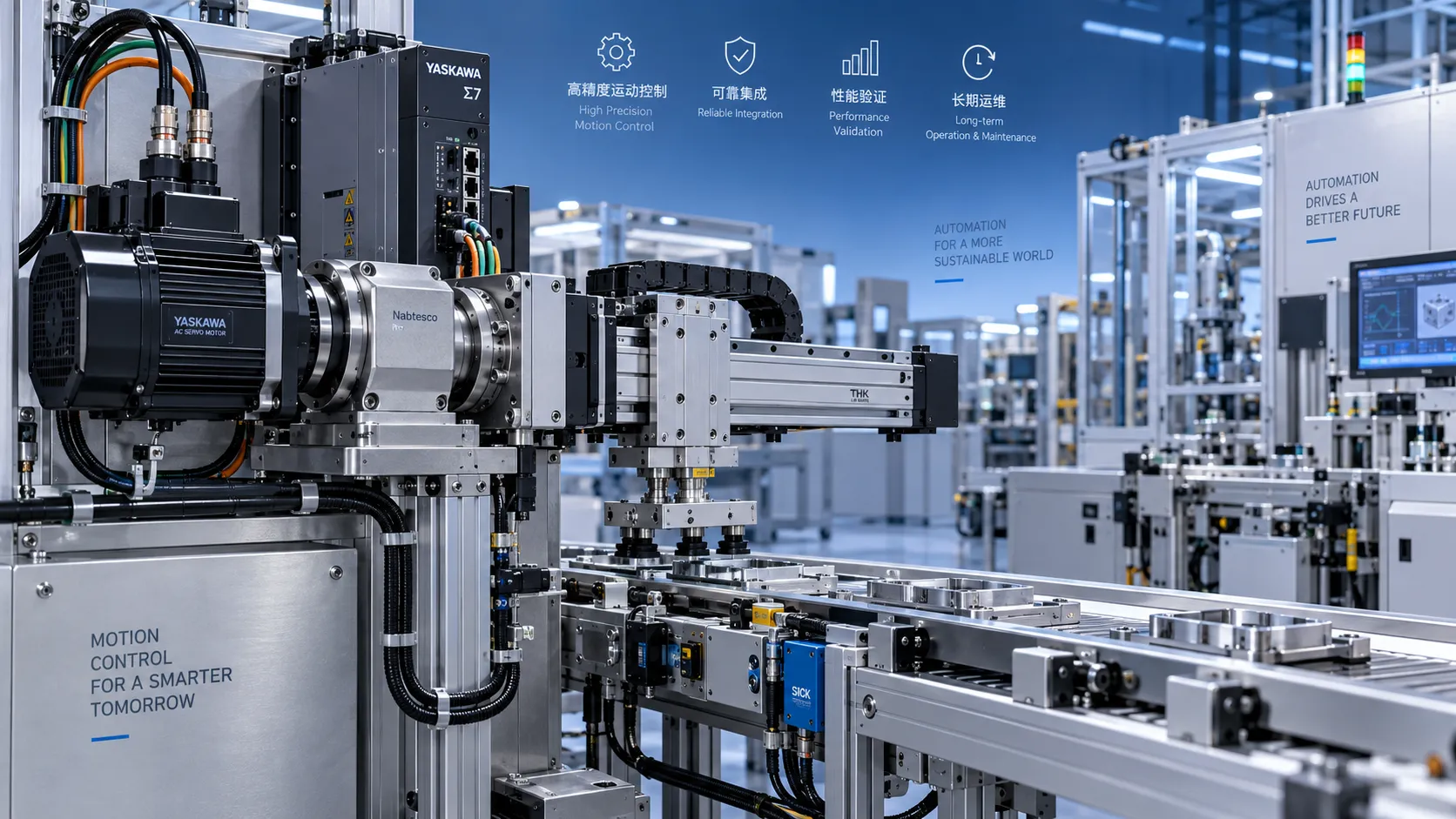
How to Evaluate an Industrial Motion Control Solutions Supplier for Automation Projects
Evaluate an industrial motion control solutions supplier with confidence. Compare sizing, integration, quality, support, and lifecycle value for reliable automation projects.
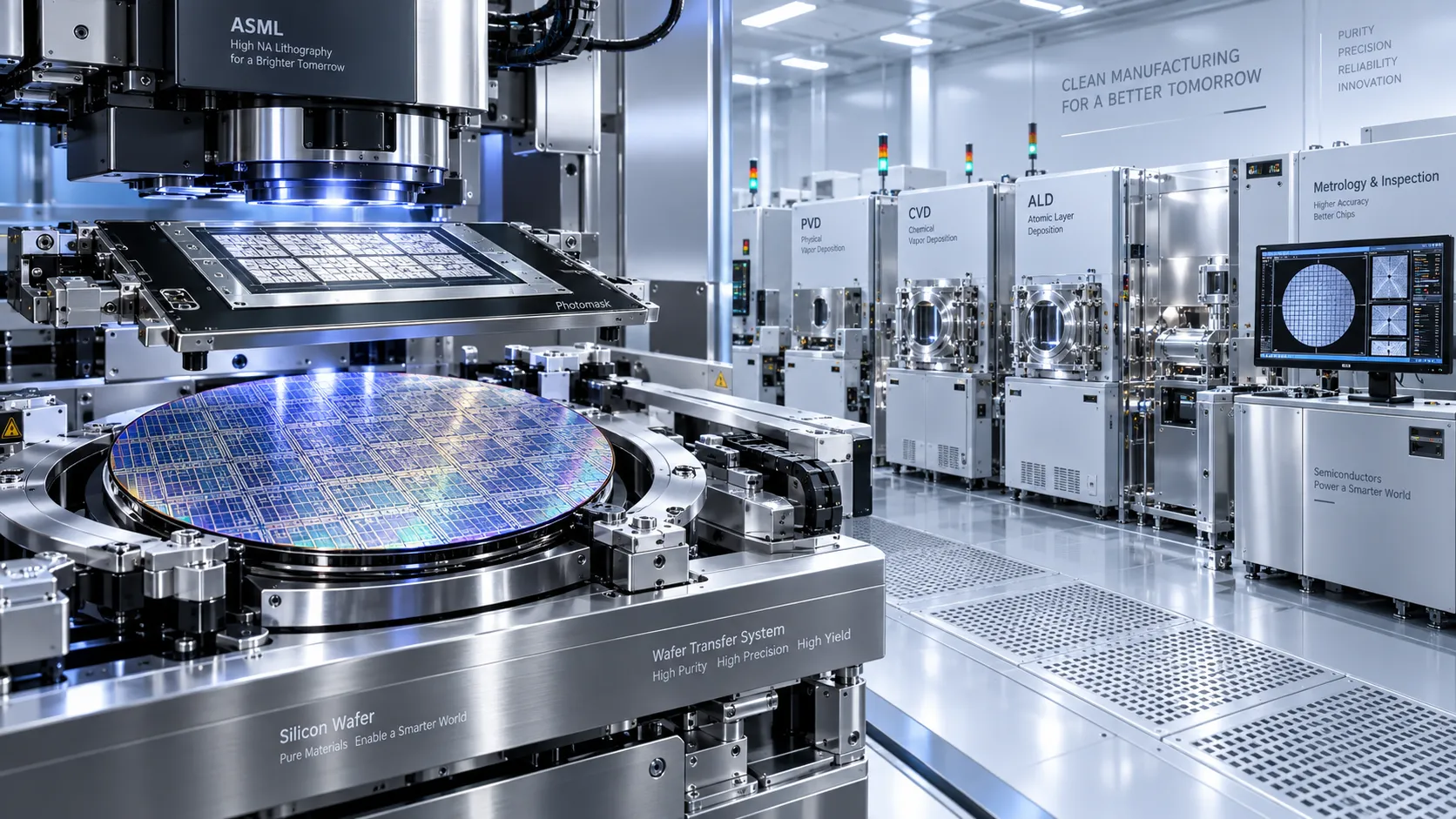
Key Semiconductor Industry Components and Their Roles in Chip Manufacturing
Semiconductor industry components explained: explore wafers, lithography, deposition, etching, packaging, and the critical roles that drive chip quality and yield.
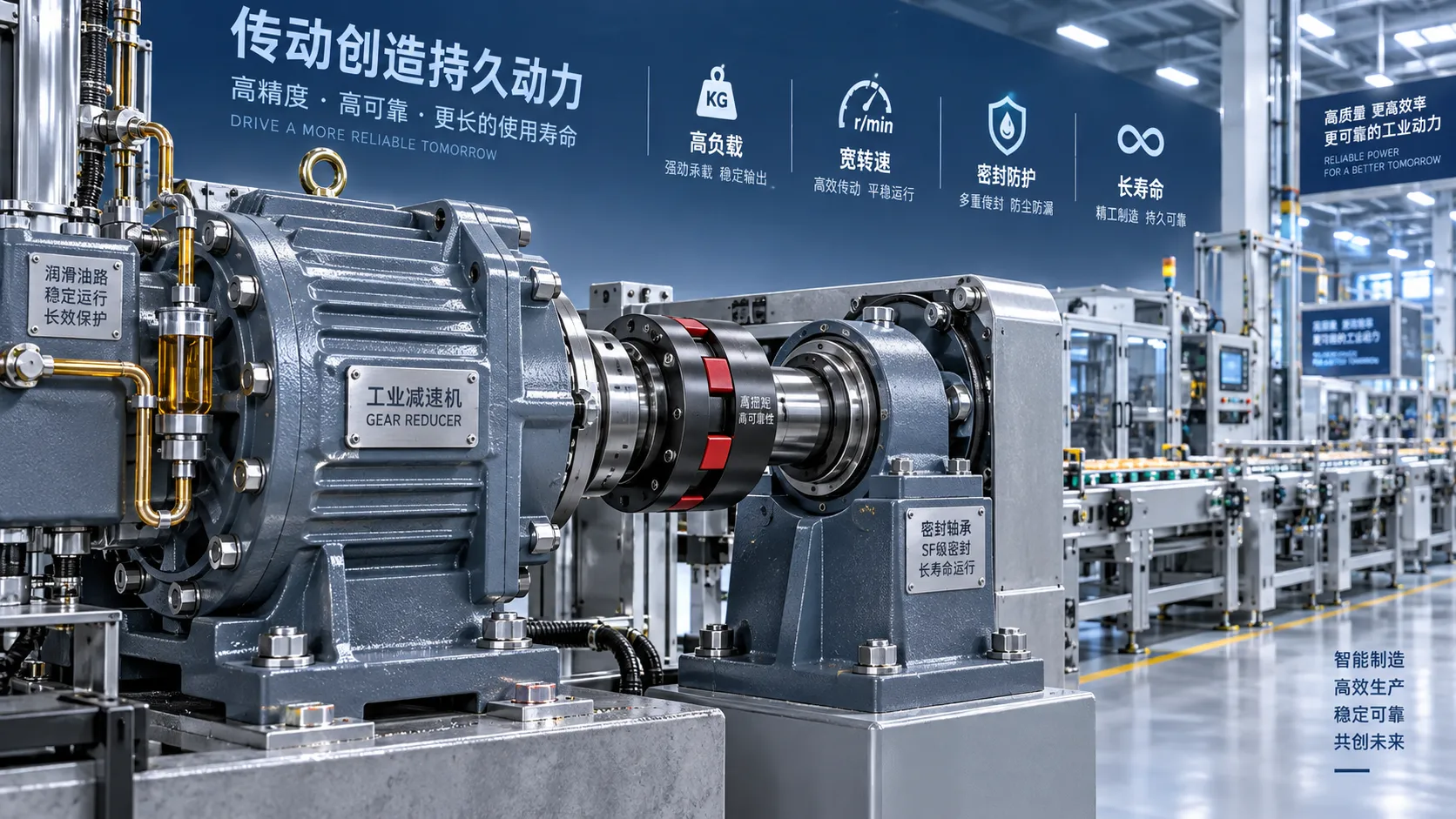
Mechanical Component Selection: Key Criteria for Load, Speed, Environment, and Service Life
Mechanical component selection made practical: evaluate load, speed, environment, lubrication, and service life to improve reliability, reduce downtime, and control lifecycle costs.
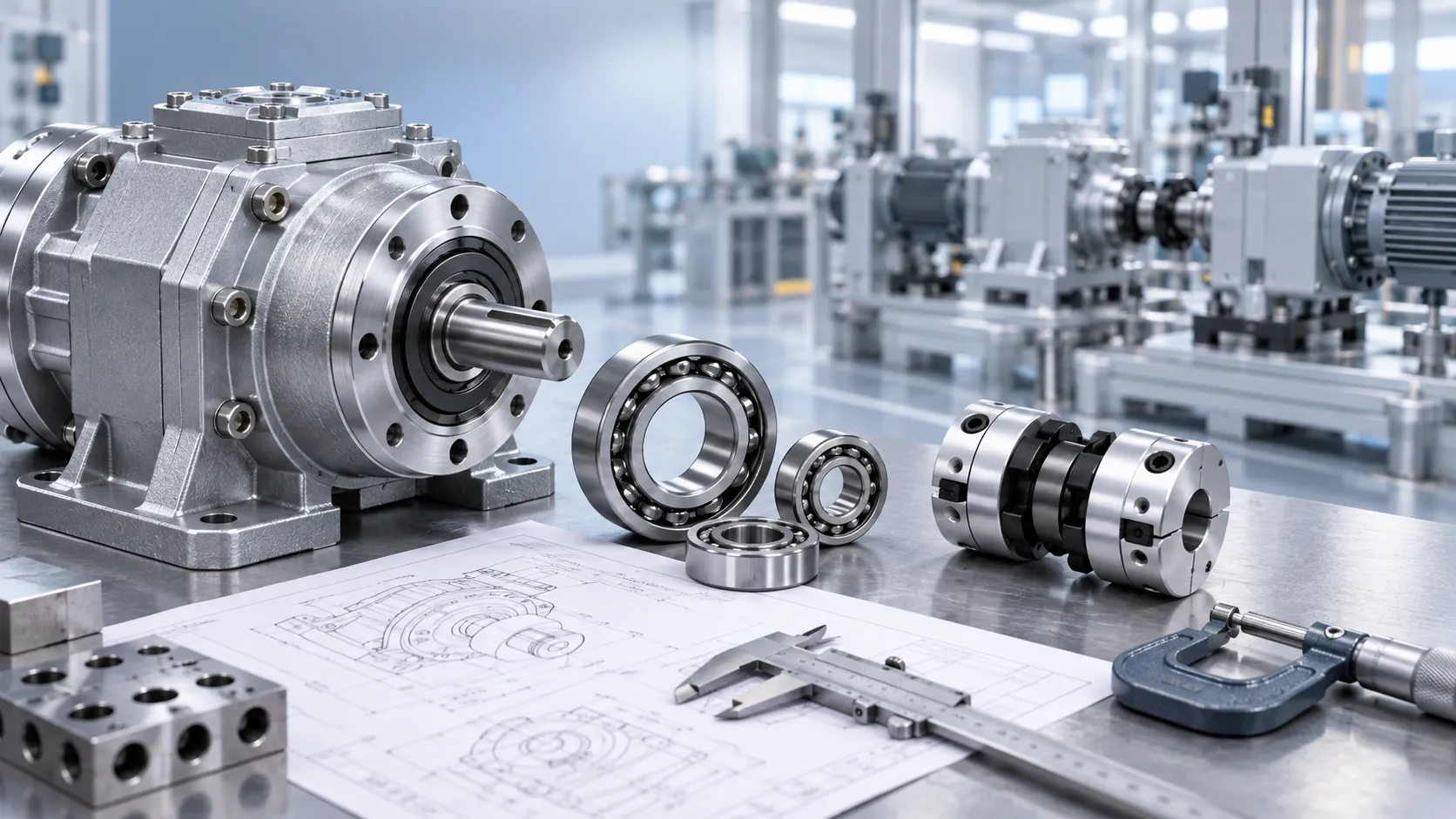
What to Request in Component Specification Resources Before Choosing a Supplier
Industrial component specification resources supplier guide: request drawings, material data, ratings, validation, and change control to choose reliable suppliers and reduce lifecycle risk.
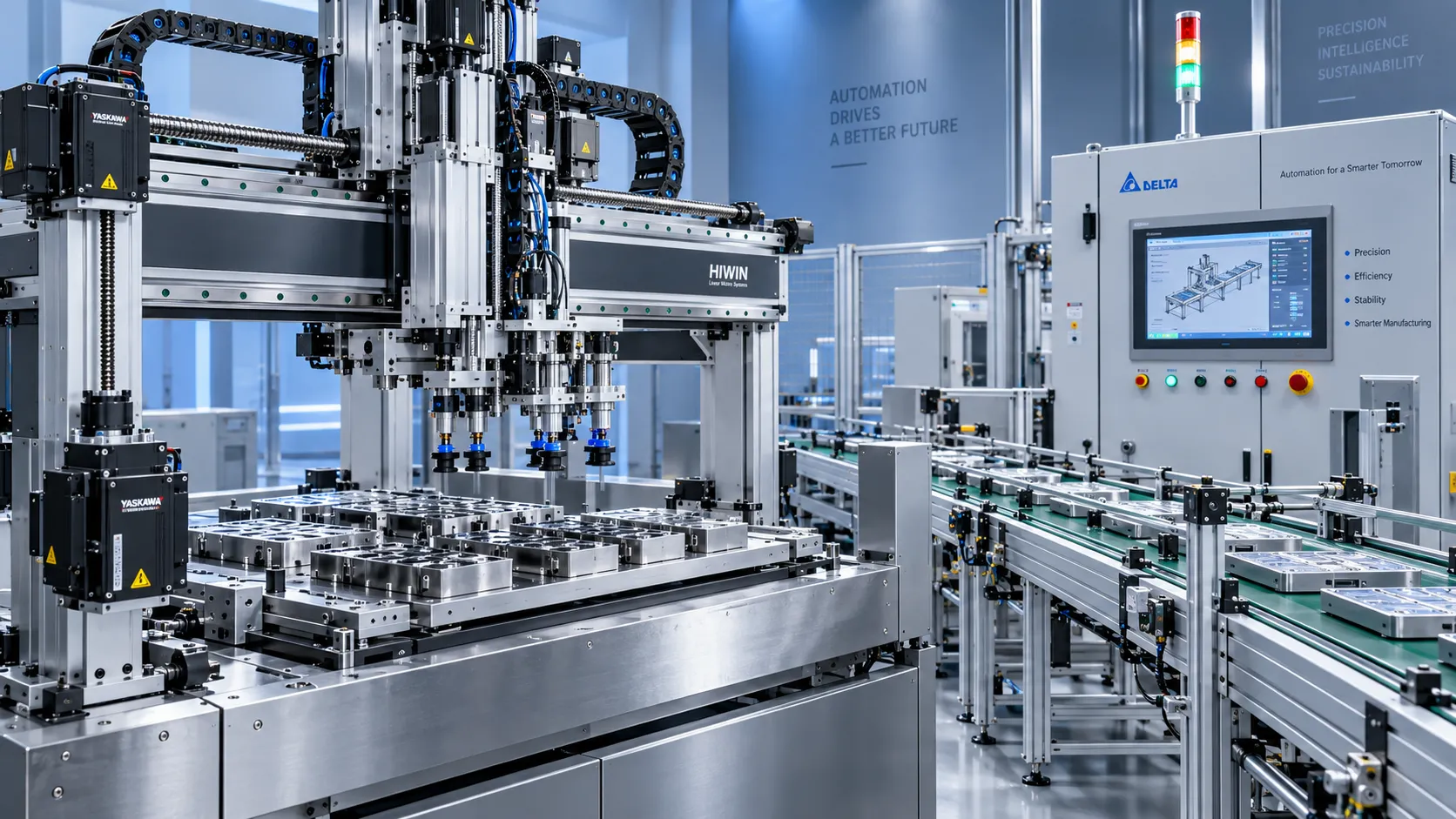
How to Specify Multi-Axis Motion Control for High-Precision Automated Machines
Master multi axis motion control for high-precision automation—optimize synchronization, feedback, mechanics, safety, and lifecycle reliability.
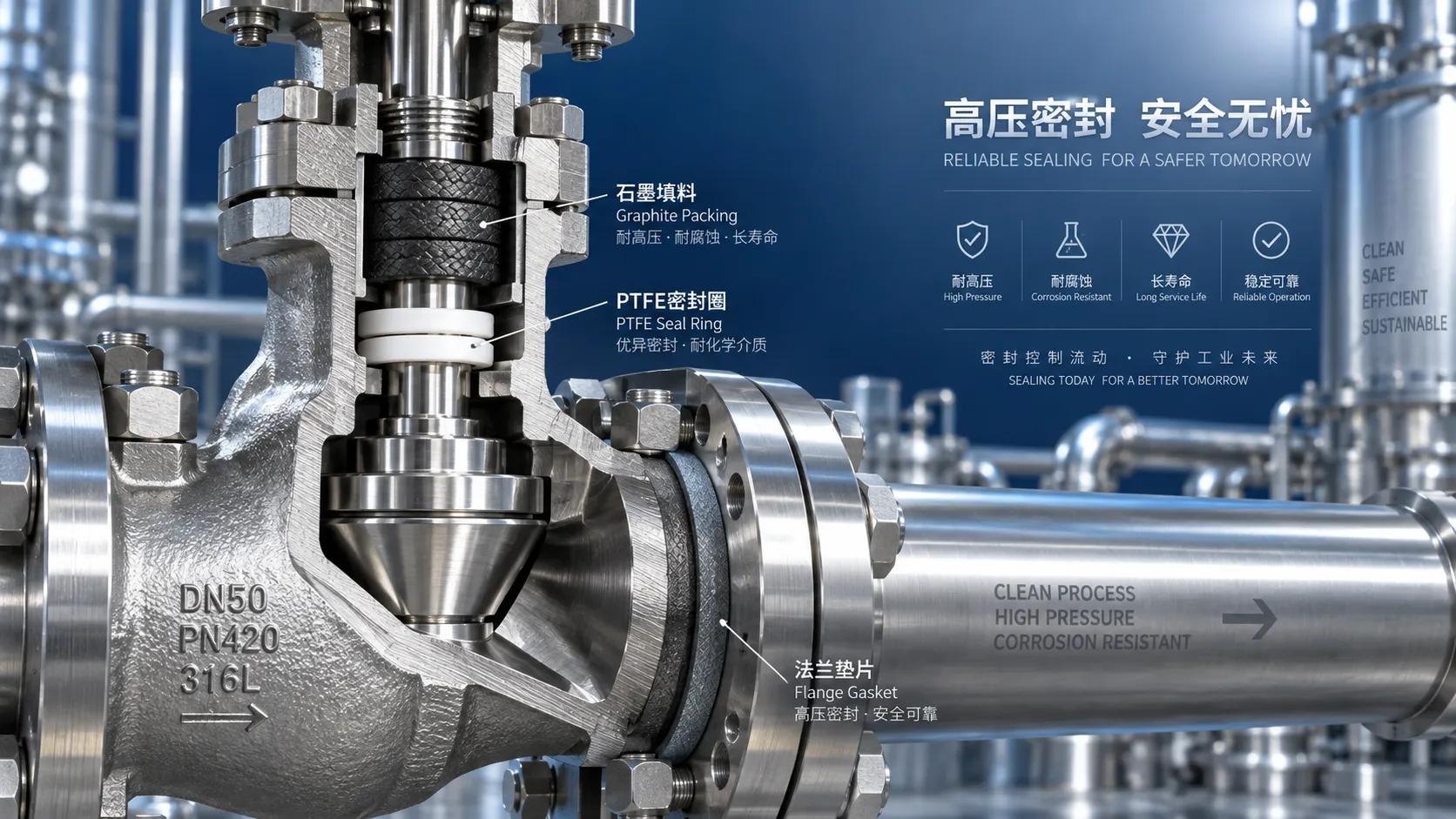
Selecting Valve Sealing Solutions for High-Pressure and Corrosive Service
Industrial sealing solutions for valves: learn how to select reliable systems for high-pressure, corrosive service, control fugitive emissions, and reduce lifecycle leakage risks.