
Industry News
Curation by industry experts
Hot Articles
Popular Tags
Energy Saving Claims That Deserve a Closer Look
Energy saving claims are everywhere, but for business evaluators, not all promises translate into measurable operational value. In industrial power transmission and mechanical systems, true efficiency depends on material performance, load stability, lifecycle cost, and system integration. This article takes a closer look at where energy saving claims hold up, where they require deeper verification, and how decision-makers can assess them with greater confidence.
Why a checklist approach is the smartest way to evaluate energy saving claims
For business evaluators, the main risk is not missing a bold marketing statement. The real risk is approving an investment based on incomplete assumptions. Energy saving messaging often sounds convincing because it focuses on a single performance advantage: lower friction, lighter weight, smarter controls, or reduced heat loss. Yet in actual operations, industrial efficiency is shaped by a chain of factors that interact with each other, including duty cycle, maintenance quality, alignment, lubrication, sealing integrity, and load variation.
That is why a checklist works better than a general discussion. It forces teams to verify what can be measured, what is only estimated, and what depends on site conditions. In sectors influenced by power transmission components, motion control, belts, bearings, reducers, couplings, and mechanical seals, an energy saving improvement is only credible when the entire operating context is considered. A structured review also makes it easier to compare suppliers, identify hidden costs, and prevent overestimating payback.
Start here: the first five things to confirm before trusting any energy saving claim
- Confirm the baseline. Ask what equipment, runtime, load profile, and maintenance condition were used to calculate the claimed energy saving result.
- Check the test environment. A laboratory gain may not match a dusty, hot, wet, variable-load, or poorly aligned field installation.
- Separate component efficiency from system efficiency. A more efficient part does not always create an equally efficient line.
- Verify lifecycle impact. Lower power draw means little if replacement frequency, downtime, or lubrication costs rise.
- Look for measurable proof. Credible energy saving claims should be backed by test data, field references, operating curves, or third-party validation.
These first checks matter because they quickly reveal whether a claim is based on engineering evidence or on selective presentation. For evaluators handling capital reviews, supplier comparisons, or commercial due diligence, this initial filter can save time and reduce decision noise.
Core checklist: how to judge whether an energy saving promise is likely to deliver
1. Examine the operating load, not just the rated load
Many energy saving figures are presented under ideal or steady-state conditions. Real plants rarely operate like that. Start by asking whether the system runs continuously, intermittently, or under frequent starts and stops. Check average torque, peak torque, and load fluctuation. Components such as belts, gear reducers, and seals may perform efficiently at one point and much less efficiently outside that band. If the claim ignores actual load behavior, projected savings may be overstated.
2. Review friction, heat, and losses across the transmission path
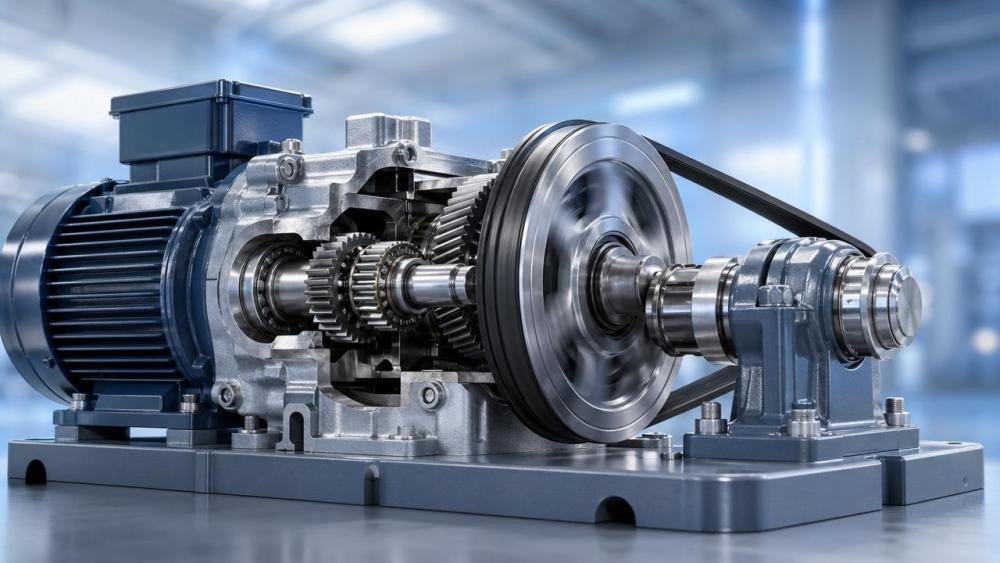
Energy saving in mechanical systems often comes from reducing frictional losses, improving power transfer, or minimizing leakage. However, gains must be checked at every transfer point. Ask whether the claimed improvement comes from better belt flex resistance, optimized gear geometry, lower seal drag, reduced bearing resistance, or smarter lubrication behavior. Then ask how those gains change as temperature rises, contamination increases, or wear develops over time.
3. Compare maintenance requirements with the promised energy saving result
A claim can look attractive on an electricity spreadsheet and still fail commercially if it creates more maintenance events. For example, a lower-friction component may require tighter installation tolerances, more frequent inspection, or more specialized lubrication. Business evaluators should ask whether the energy saving benefit remains valid under standard maintenance practice, not only under expert handling. Total value depends on labor, uptime, spare stock, and failure risk, not just on power consumption.
4. Check durability under real environmental stress
Material science plays a central role in whether energy saving performance lasts. Heat-resistant elastomers, advanced surface finishes, optimized polymers, and improved sealing faces can all contribute to better efficiency. But the claim deserves a closer look when the application involves abrasive particles, moisture, chemicals, shock loading, or thermal cycling. A small initial efficiency gain can disappear quickly if the material degrades faster than expected.
5. Distinguish between direct and indirect energy saving effects
Some solutions reduce energy use directly, such as lowering drive losses. Others create indirect energy saving value by preventing leakage, reducing cooling demand, stabilizing line speed, or extending maintenance intervals. Both matter, but they should not be mixed carelessly. Direct savings are usually easier to quantify. Indirect savings are often real, yet they require better evidence and more careful assumptions in business cases.
A practical evaluation table for business reviewers
Use the following table to turn broad energy saving claims into reviewable decision points.
Scenario-based checks: where energy saving claims often change meaning
For automated production lines
Focus on consistency, precision, and duty cycle. In high-throughput operations, even a modest energy saving percentage may be valuable if it also reduces heat generation, preserves speed stability, and lowers unplanned stoppages. Confirm whether the claim holds at full line speed and during frequent acceleration cycles.
For heavy equipment and high-load environments
Durability usually matters as much as nominal efficiency. In these applications, friction reduction is useful only if shock resistance, sealing reliability, and load-bearing performance remain strong. Ask whether the energy saving advantage survives under overload events, vibration, and contamination.
For retrofit projects
Energy saving claims can weaken during retrofit because older systems may have alignment issues, worn shafts, outdated controls, or inconsistent lubrication practices. A retrofit assessment should include installation quality, adjacent component condition, and operator capability. Otherwise, the new component may inherit legacy inefficiencies.
Common blind spots that can distort an energy saving decision
- Assuming a percentage improvement scales uniformly across all operating modes.
- Treating supplier projections as bankable savings without field verification.
- Ignoring installation quality, especially tensioning, alignment, and sealing setup.
- Failing to include downtime and reliability effects in the value model.
- Comparing a new premium component against a poorly maintained old one rather than against a correctly maintained equivalent.
- Overlooking the impact of raw material quality and manufacturing consistency on long-term performance.
These blind spots are especially important in industrial intelligence work. At GPM-Matrix, the wider picture often reveals that the strongest energy saving outcome is not always tied to the most aggressively marketed part. It frequently comes from a better combination of component quality, system matching, and maintenance strategy.
Execution advice: how to test energy saving claims before full approval
- Build a site-specific baseline using actual operating hours, loads, and maintenance records.
- Request transparent technical documentation, including test conditions and assumptions.
- Run a pilot on representative equipment rather than on the easiest application.
- Measure both energy saving results and reliability indicators during the trial period.
- Convert results into total cost of ownership, not just utility savings.
- Review whether the benefit is repeatable across sites, shifts, and seasonal conditions.
This process helps decision-makers avoid a common trap: approving a technically plausible claim that is commercially fragile. A sound evaluation should connect engineering facts with procurement logic, budget discipline, and long-term operational value.
FAQ: quick answers business evaluators often need
Are all energy saving claims exaggerated?
No. Many are valid, especially when linked to proven reductions in friction, leakage, slip, or thermal loss. The issue is not whether energy saving is possible, but whether the claim is transferable to your operating conditions.
What type of evidence is most reliable?
The strongest evidence combines controlled test data, field application references, and lifecycle operating records. A single percentage claim without context is much weaker than a documented before-and-after analysis.
Should energy saving outweigh reliability in procurement decisions?
Usually no. In critical systems, reliability and maintainability often carry equal or greater economic weight. The best choice is the one that improves efficiency without introducing hidden operational risk.
Final decision guide: what to prepare before moving forward
If your team needs to move from interest to action, prepare a short decision file before approving any energy saving proposal. Include baseline energy use, equipment configuration, operating environment, maintenance history, expected service life, and the supplier’s proof package. Also confirm whether the claim depends on special materials, tighter tolerances, digital monitoring, or upgraded support practices.
For commercial evaluation, the most useful next questions are practical: Which parameters most affect the promised energy saving outcome? What site conditions can reduce the benefit? What is the expected payback under normal rather than ideal use? How does the proposal affect reliability, replacement cycles, and spare strategy? And if implementation scales across multiple plants, what support model is required?
A closer look at energy saving claims does not slow good decisions. It improves them. When evaluators apply a disciplined checklist, compare system-level evidence, and connect efficiency to total business value, they are far more likely to identify solutions that deliver lasting performance rather than short-lived promise.
Recommended News
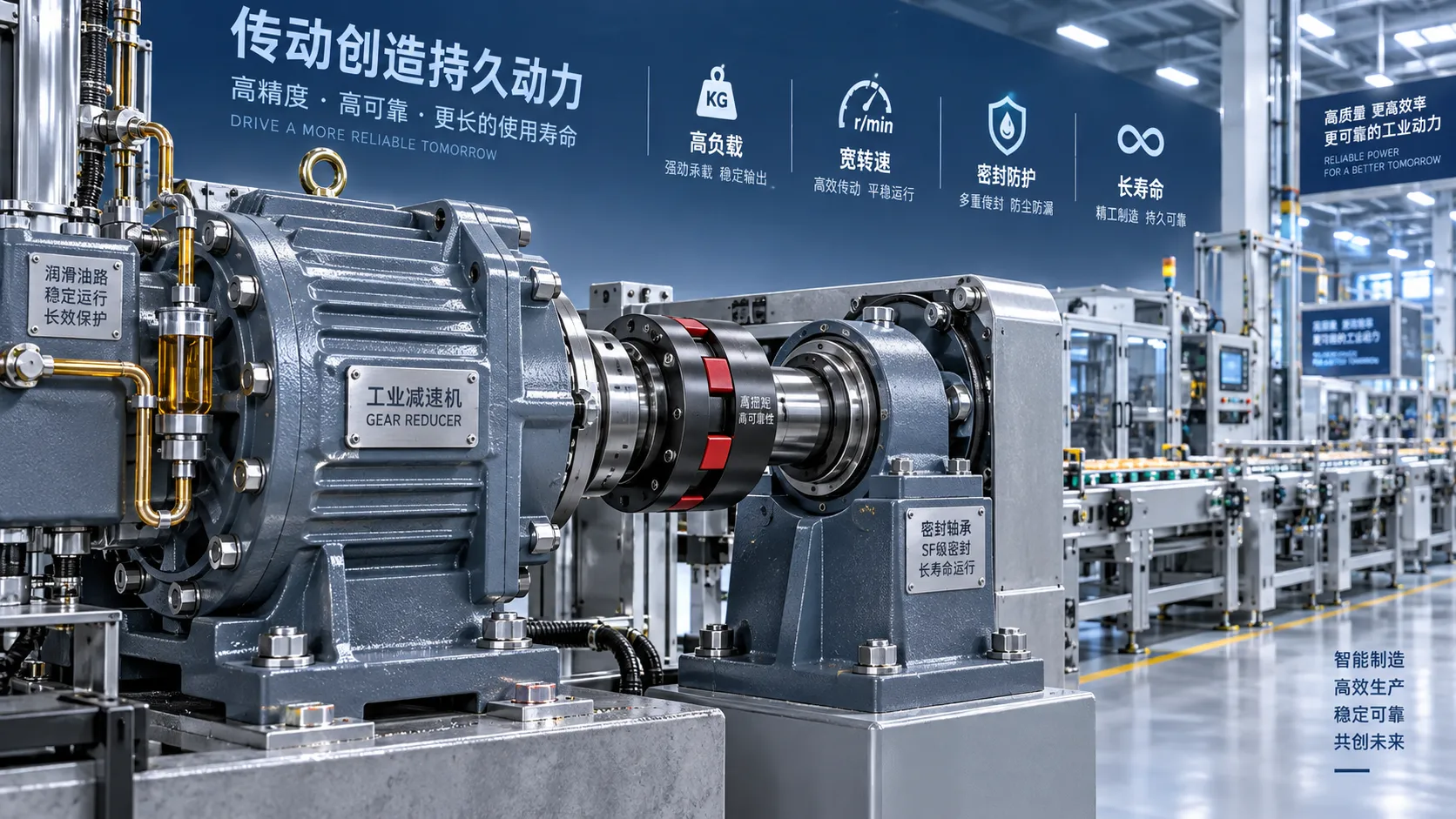
Mechanical Component Selection: Key Criteria for Load, Speed, Environment, and Service Life
Mechanical component selection made practical: evaluate load, speed, environment, lubrication, and service life to improve reliability, reduce downtime, and control lifecycle costs.
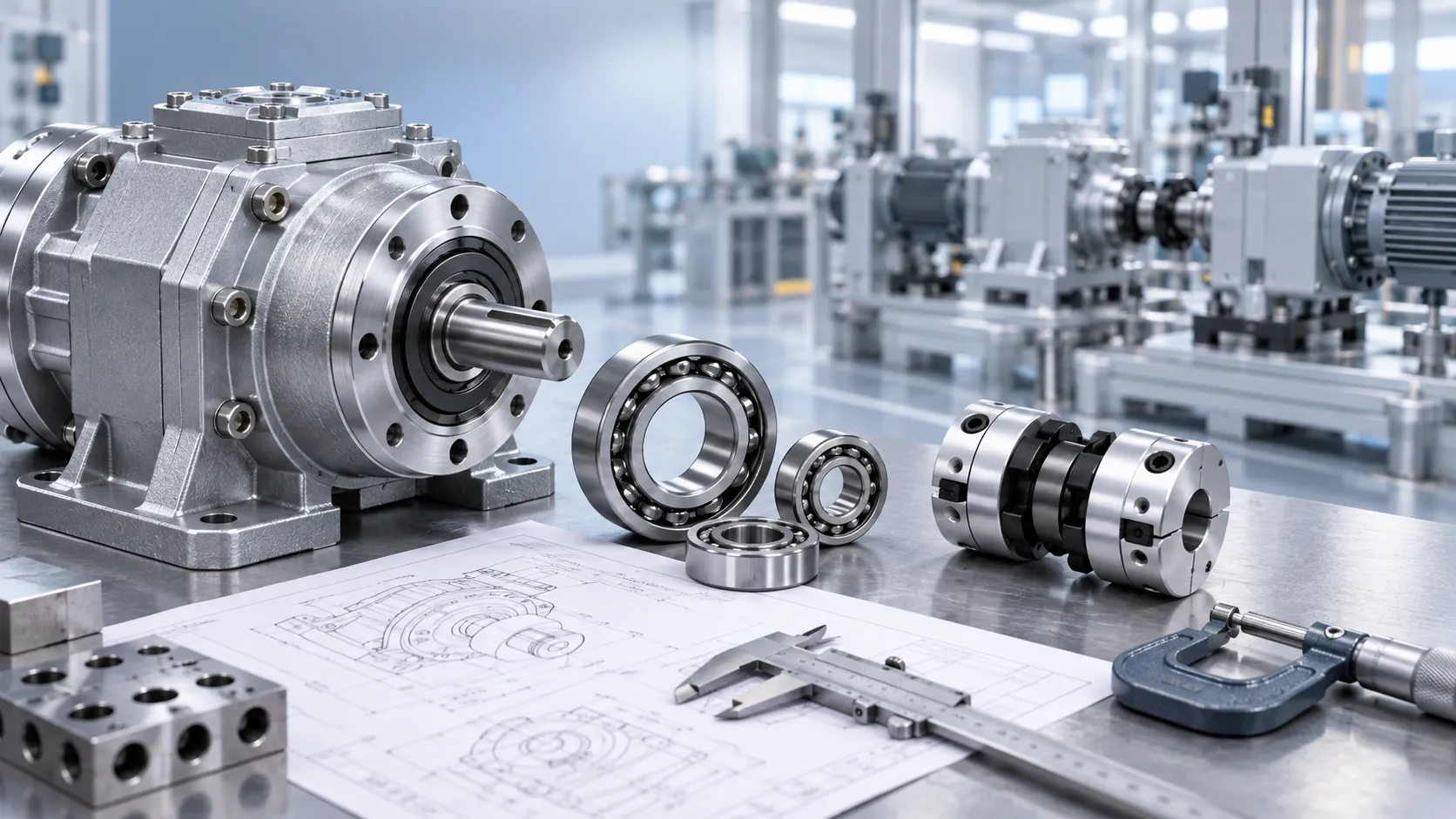
What to Request in Component Specification Resources Before Choosing a Supplier
Industrial component specification resources supplier guide: request drawings, material data, ratings, validation, and change control to choose reliable suppliers and reduce lifecycle risk.

How to Specify Multi-Axis Motion Control for High-Precision Automated Machines
Master multi axis motion control for high-precision automation—optimize synchronization, feedback, mechanics, safety, and lifecycle reliability.
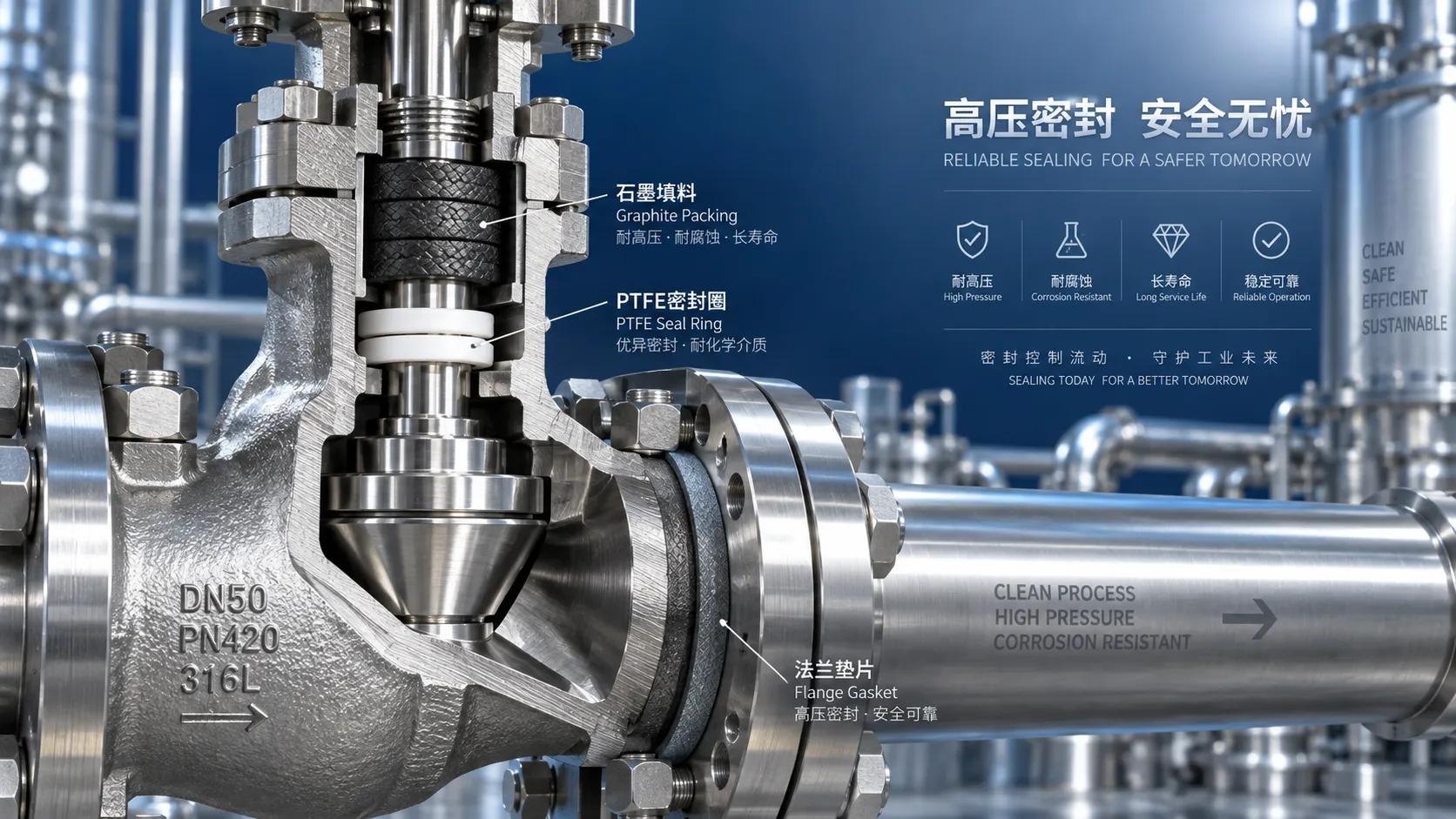
Selecting Valve Sealing Solutions for High-Pressure and Corrosive Service
Industrial sealing solutions for valves: learn how to select reliable systems for high-pressure, corrosive service, control fugitive emissions, and reduce lifecycle leakage risks.
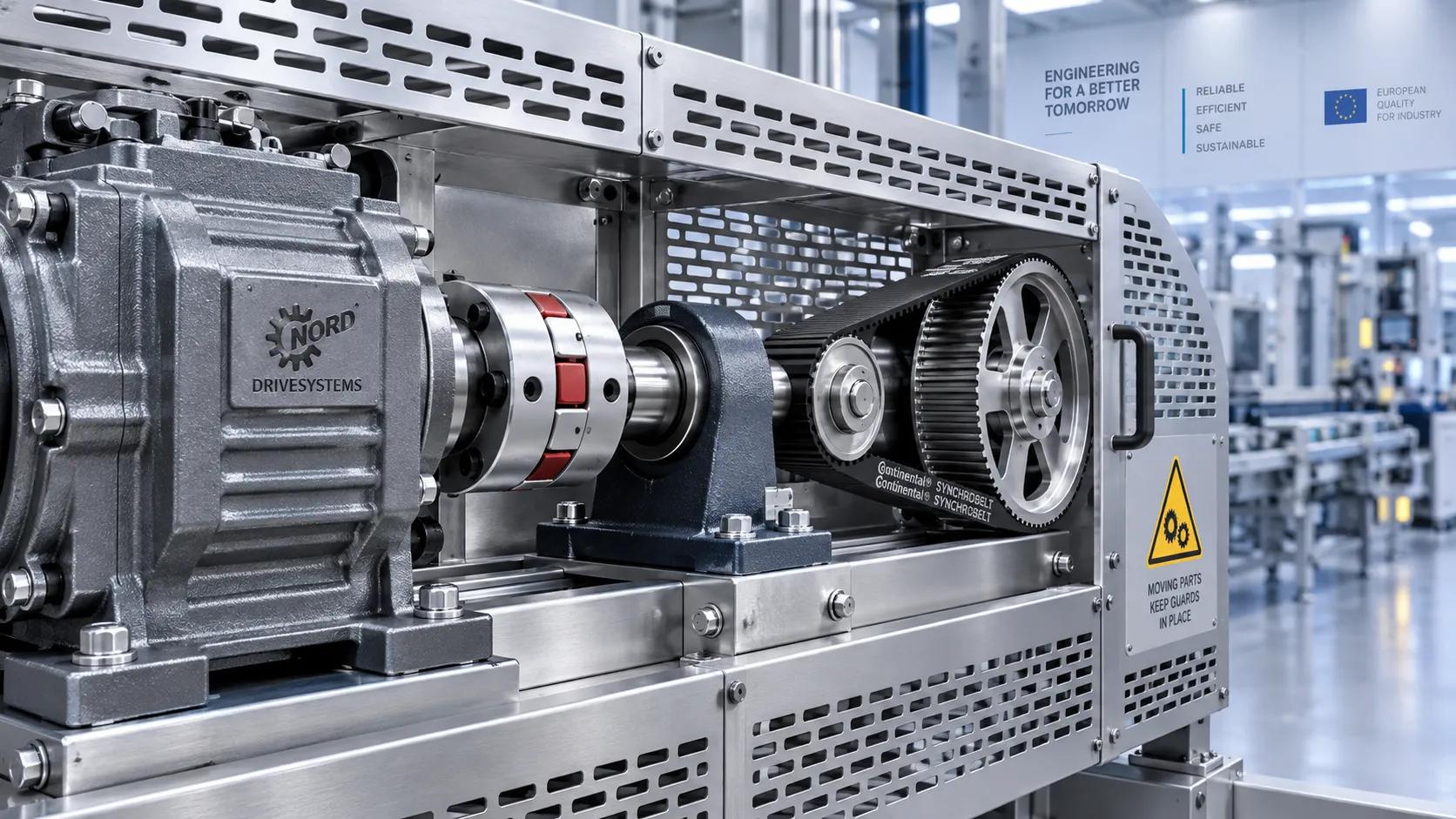
Which European Standards Matter When Specifying Industrial Power Transmission Systems?
Standardized transmission systems Europe: discover the key EN and ISO standards for safer, compliant gear units, belts, couplings, bearings, seals, and ATEX applications.
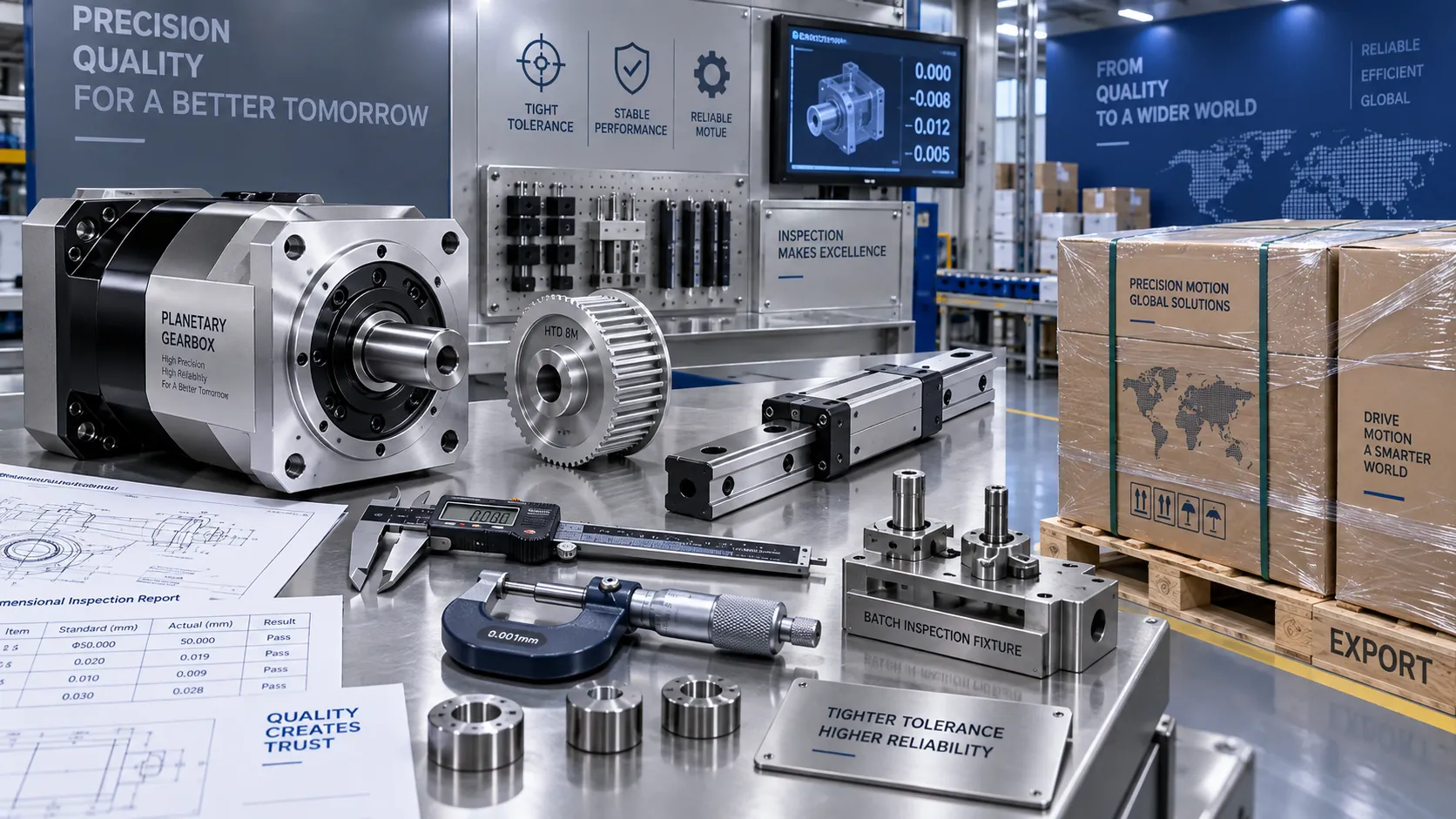
How to Vet a Motion Control Components Exporter for Global OEM Supply?
Motion control components exporter vetting guide for global OEMs: assess quality, traceability, export readiness, landed cost, and supply resilience before you buy.
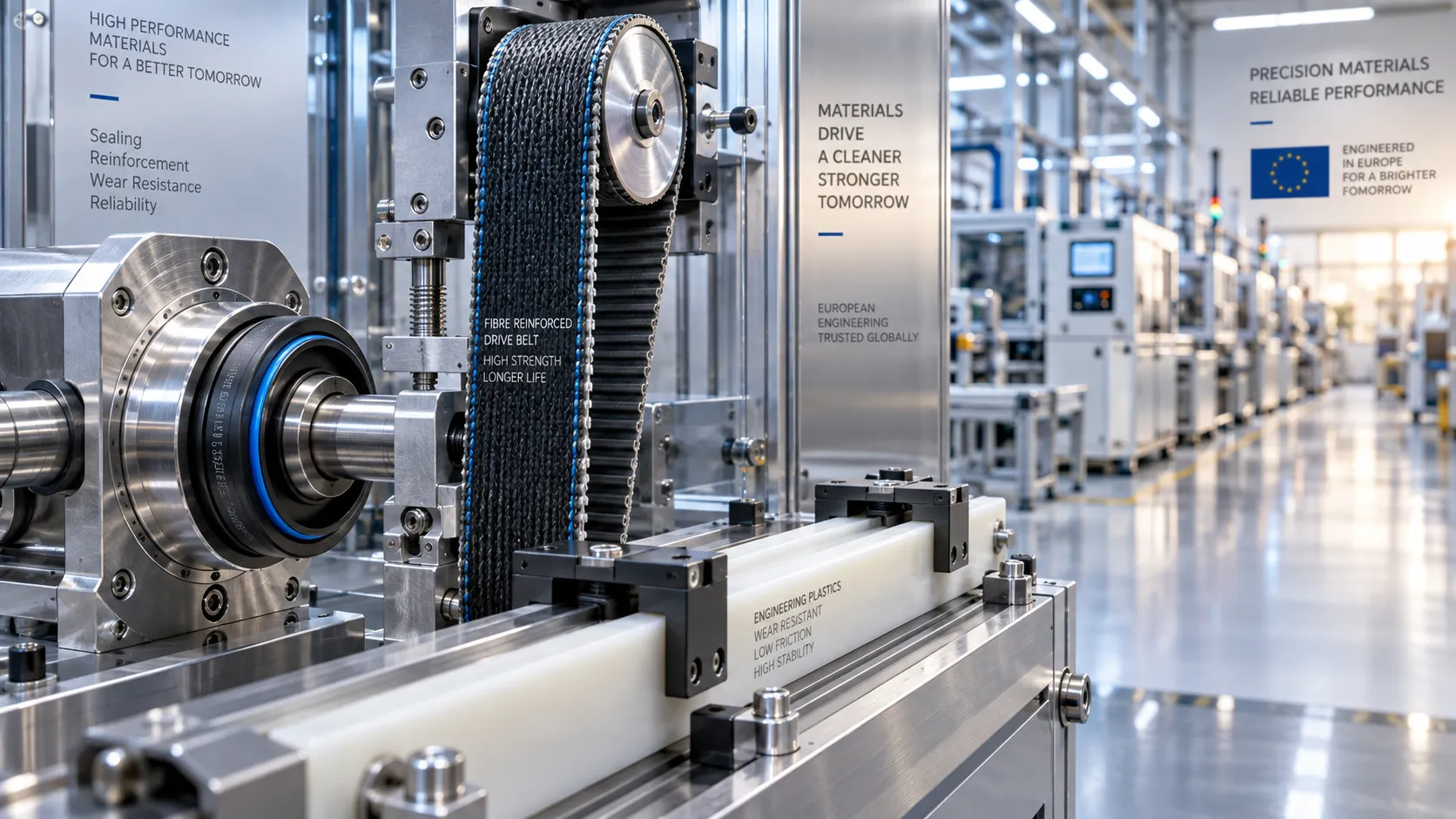
High-Performance Materials in Europe: Sourcing Criteria for Critical Industrial Applications
High-performance materials Europe: learn how to source critical industrial materials using proven criteria for durability, compliance, traceability, lifecycle cost, and supply resilience.
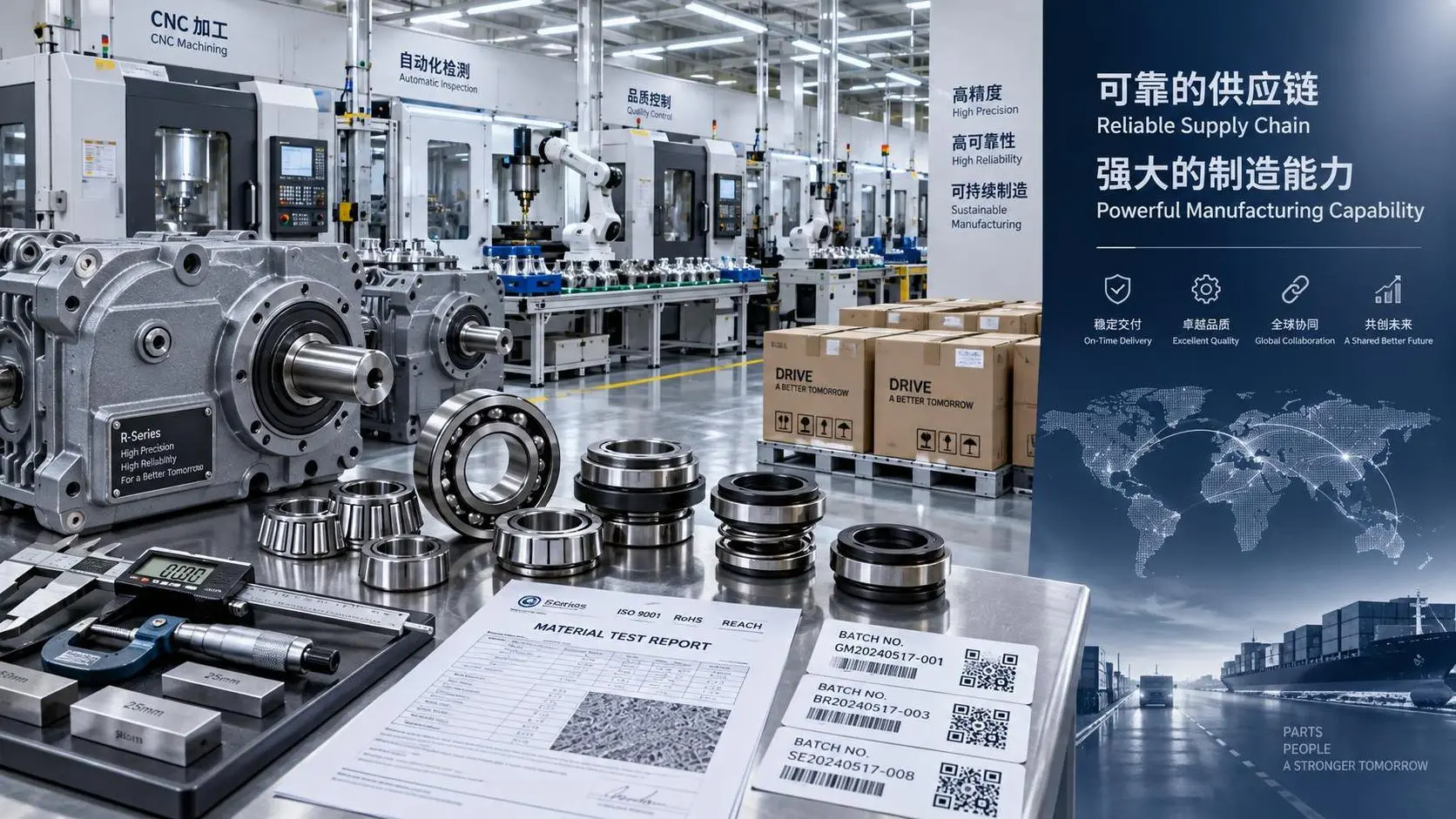
How to Assess a Global Supplier’s Capability Before Awarding a Critical Contract
Global supplier capability review: learn how to verify technical control, quality systems, global delivery resilience, compliance, and service support before awarding a critical contract.

How to Select Mechanical Linkage Components for High-Cycle Automation Equipment
Mechanical linkage technology components: learn how to select reliable rod ends, pins, and joints for high-cycle automation, reducing wear, backlash, downtime, and maintenance risk.