
Industry News
Curation by industry experts
Hot Articles
Popular Tags
Mechanical Seals Fail Early for Reasons Beyond Leakage
Mechanical seals rarely fail early because of leakage alone. For operators, the real causes often hide in heat, misalignment, vibration, dry running, and poor installation practices that quietly shorten service life. Understanding why mechanical seals break down before visible leakage appears is essential for reducing downtime, protecting equipment, and improving reliability across demanding industrial applications.
What Early Failure of Mechanical Seals Really Means
In everyday plant operation, many people treat leakage as the only sign that mechanical seals are in trouble. In reality, leakage is often the final symptom, not the first cause. Mechanical seals usually begin to fail when the sealing faces, elastomers, springs, or metal components are exposed to conditions outside their design limits. By the time drips become visible, damage may already be advanced.
A mechanical seal is designed to control fluid along a rotating shaft while balancing friction, lubrication, pressure, and temperature. That balance is delicate. Even a small shift in shaft alignment, fluid quality, or startup procedure can disturb the contact between the rotating and stationary faces. Once that happens, heat rises, surfaces wear faster, and the seal loses the stable film it needs to survive.
For operators across processing, water treatment, mining, food production, energy, chemicals, and general manufacturing, this matters because seal failure is rarely an isolated event. It can trigger pump shutdowns, contaminate product, damage bearings, increase maintenance hours, and reduce overall equipment effectiveness. That is why mechanical seals deserve attention long before external leakage appears.
Why the Industry Pays Close Attention to Mechanical Seals
Across industries, equipment reliability is now tied to energy efficiency, maintenance planning, and asset life. Mechanical seals sit at the center of that conversation because they directly affect pumps, mixers, compressors, agitators, and other rotating equipment that keep production moving. In modern plants, operators are expected not only to run equipment but also to recognize small condition changes before they become expensive failures.
This is also where intelligence platforms such as GPM-Matrix provide practical value. Reliable operation depends on understanding material behavior, lubrication regimes, shaft dynamics, and operating context together, not as separate topics. High-quality industry analysis helps operators connect what they hear in the field—noise, heat, intermittent leakage, vibration—with the deeper mechanical logic behind seal reliability.
The increasing use of automated lines, higher rotational speeds, variable-frequency drives, and stricter environmental standards has made seal performance even more important. Mechanical seals are now expected to run longer, tolerate more variable conditions, and support lower maintenance strategies. That raises the cost of poor installation and weak operating discipline.
The Main Reasons Mechanical Seals Fail Before Major Leakage Appears
Heat build-up and poor lubrication
The sealing faces need a controlled fluid film to limit friction and carry away heat. If that film becomes too thin or disappears, face temperature rises rapidly. This can happen during dry running, poor venting, blocked flush lines, low product flow, or operation away from the equipment’s intended range. Excess heat can crack faces, harden elastomers, distort metal parts, and create carbon deposits that further reduce seal performance.
Misalignment and shaft movement
Mechanical seals are sensitive to shaft deflection, excessive runout, soft foot conditions, and coupling misalignment. When the shaft does not rotate smoothly on its intended centerline, the seal faces cannot maintain even contact. Uneven loading creates hot spots, rapid wear, and unstable leakage paths. Operators may first notice this as unusual vibration, temperature rise, or repeated seal replacements on the same machine.
Vibration from the wider machine system
A seal may be correctly selected yet still fail because the surrounding machine is unstable. Cavitation, pipe strain, bearing wear, imbalance, resonance, or unstable process conditions can all produce vibration that shortens seal life. In these cases, replacing the seal alone will not solve the root cause. Mechanical seals often reveal machine health problems before other components do.
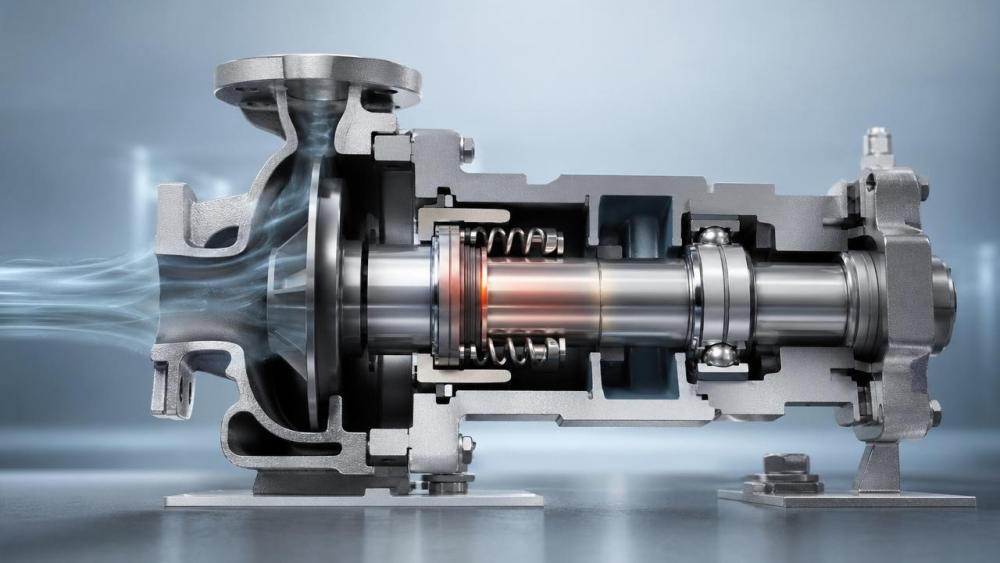
Dry running during startup or upset conditions
Dry running is one of the fastest ways to destroy mechanical seals. It may occur when a pump is started without proper priming, when suction is lost, when valves are incorrectly positioned, or when process interruptions starve the seal faces of fluid. Even a short dry-running event can scorch face materials and permanently change surface flatness, making future leakage much more likely.
Incorrect installation and handling damage
Many early seal failures begin in the workshop, not on the production line. Common issues include scratched faces, damaged O-rings, incorrect setting length, contaminated components, poor shaft sleeve condition, and failure to follow torque or alignment procedures. Mechanical seals are precision assemblies. Small handling mistakes can quietly reduce life long before the equipment returns to service.
Fluid contamination and unsuitable media conditions
Abrasive solids, crystallizing fluids, sticky product, corrosion, entrained air, or sudden temperature shifts can all damage mechanical seals. Operators sometimes focus on the seal model but overlook how the process fluid behaves in real service. A seal working well in clean water may fail quickly in slurry, hot hydrocarbons, or chemically aggressive media unless the support system and material pair are suitable.
Common Operating Conditions and Their Effect on Mechanical Seals
The table below gives operators a practical view of how typical plant conditions influence seal reliability. It is useful because mechanical seals do not fail from a single universal cause; they fail when operating conditions repeatedly push the seal beyond a stable thermal and mechanical balance.
Where Early Seal Failure Creates the Greatest Operational Impact
Mechanical seals are used in many sectors, but the consequences of premature failure vary by application. In water and wastewater systems, seal failure can interrupt continuous pumping and raise maintenance frequency across distributed assets. In chemical and petrochemical service, the risk expands to safety, emissions control, and process stability. In food, beverage, and pharmaceuticals, leakage may threaten hygiene and batch integrity. In mining and heavy industry, abrasive fluids and difficult access make every unplanned seal change more costly.
For operators, the practical lesson is clear: the same visible symptom can have very different root causes depending on the machine, media, duty cycle, and support system. That is why field observations should always be linked to operating context. A warm seal chamber in one application may be normal; in another, it may be an early warning of thermal overload.
Application-Oriented View for Operators
The value of understanding mechanical seals is highest when it supports better operating decisions. The table below groups typical operator concerns by application type and shows where attention should be focused.
Practical Steps to Extend the Life of Mechanical Seals
Operators do not need to become seal designers to improve reliability, but they do need a disciplined routine. First, protect the startup condition. Confirm priming, venting, valve position, flush availability, and normal process flow before bringing equipment online. Second, pay attention to trends rather than waiting for visible leakage. Changes in temperature, sound, vibration, and power consumption often appear earlier than external dripping.
Third, treat repeated seal replacement as a system problem. If the same machine consumes mechanical seals at short intervals, the issue may involve alignment, bearings, operating point, pipe loads, or fluid behavior. Replacing the seal without reviewing those conditions only repeats the cycle. Fourth, keep installation standards high. Cleanliness, component inspection, shaft condition, and correct assembly practices directly influence service life.
Finally, document failure patterns carefully. Photos of faces, notes on process conditions, bearing readings, and startup history can reveal whether the seal suffered heat checking, abrasion, chemical attack, or distortion. This kind of structured feedback is especially valuable in reliability-centered operations and aligns with the broader industrial intelligence approach promoted by GPM-Matrix: connect material evidence, machine behavior, and operating data to make better decisions.
What to Check Before a Seal Problem Becomes a Shutdown
A short operator checklist can prevent many common failures. Check whether the pump or rotating equipment is running near its intended duty point. Verify that cooling or flush lines are open and clean. Listen for cavitation or unstable flow. Review vibration levels and bearing condition. Inspect for signs of pipe strain after maintenance. Confirm that recent seal installation followed the specified procedure and that the stored spare was protected from dirt, impact, and aging.
These checks matter because mechanical seals do not work alone. Their life depends on the surrounding machine, the process fluid, and the habits of the people operating and maintaining the equipment. In other words, early seal failure is often a reliability message from the system itself.
A Reliable Way to Think About Mechanical Seals
The most useful mindset for operators is to stop viewing mechanical seals only as leakage-control parts and start seeing them as precision reliability components. When they fail early, the root cause is often hidden in thermal stress, unstable lubrication, shaft behavior, installation quality, or fluid conditions. That wider view helps explain why some seals last for years while others fail quickly under what appears to be similar service.
If your operation depends on pumps, mixers, compressors, or sealed rotating equipment, improving seal life begins with better observation, stronger routines, and better use of technical intelligence. By connecting daily operating signals with deeper mechanical understanding, teams can reduce unplanned downtime, protect assets, and get more value from every set of mechanical seals in service.
Recommended News
Mechanical Component Selection: Key Criteria for Load, Speed, Environment, and Service Life
Mechanical component selection made practical: evaluate load, speed, environment, lubrication, and service life to improve reliability, reduce downtime, and control lifecycle costs.
What to Request in Component Specification Resources Before Choosing a Supplier
Industrial component specification resources supplier guide: request drawings, material data, ratings, validation, and change control to choose reliable suppliers and reduce lifecycle risk.
How to Specify Multi-Axis Motion Control for High-Precision Automated Machines
Master multi axis motion control for high-precision automation—optimize synchronization, feedback, mechanics, safety, and lifecycle reliability.
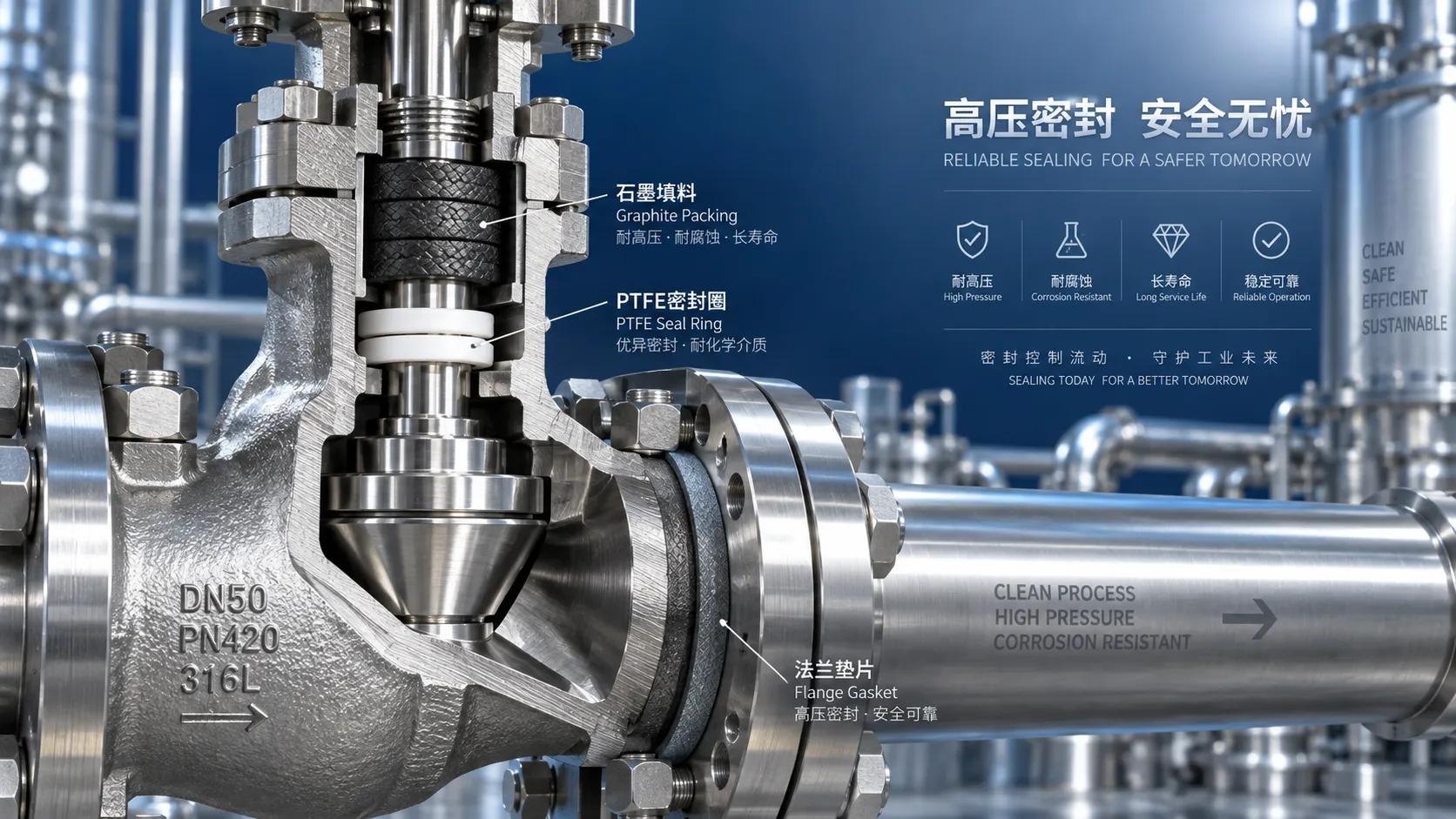
Selecting Valve Sealing Solutions for High-Pressure and Corrosive Service
Industrial sealing solutions for valves: learn how to select reliable systems for high-pressure, corrosive service, control fugitive emissions, and reduce lifecycle leakage risks.
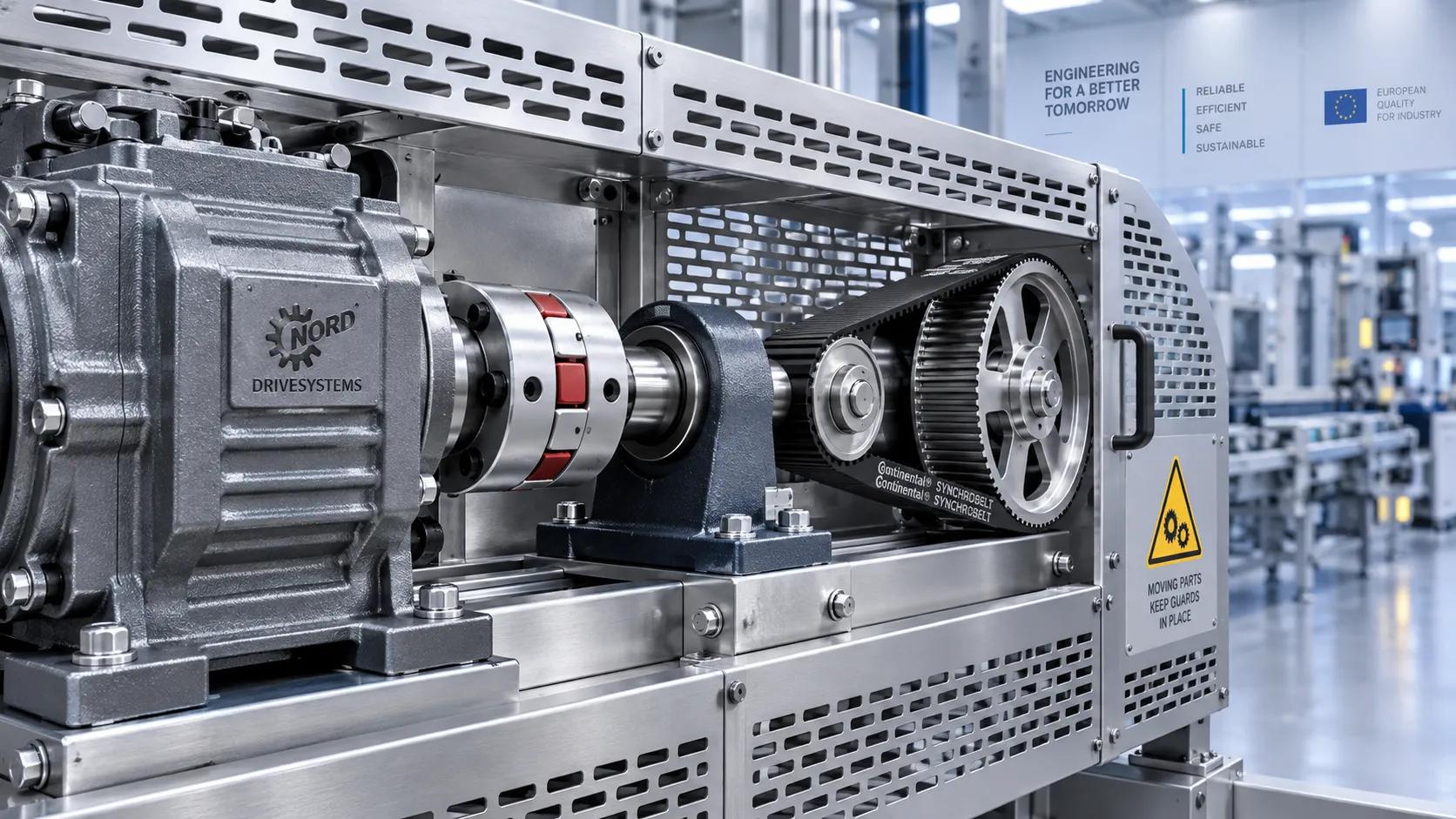
Which European Standards Matter When Specifying Industrial Power Transmission Systems?
Standardized transmission systems Europe: discover the key EN and ISO standards for safer, compliant gear units, belts, couplings, bearings, seals, and ATEX applications.
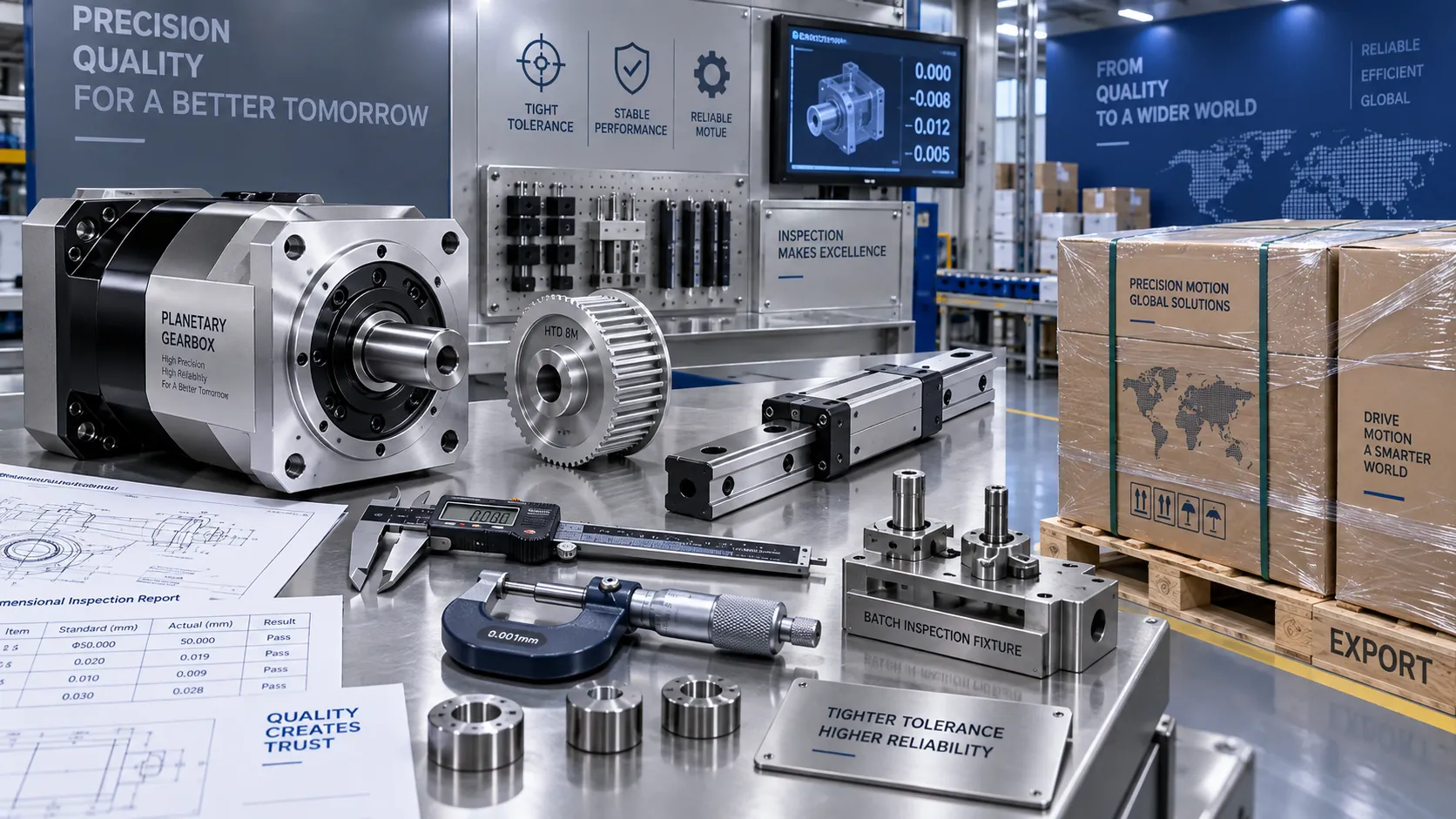
How to Vet a Motion Control Components Exporter for Global OEM Supply?
Motion control components exporter vetting guide for global OEMs: assess quality, traceability, export readiness, landed cost, and supply resilience before you buy.
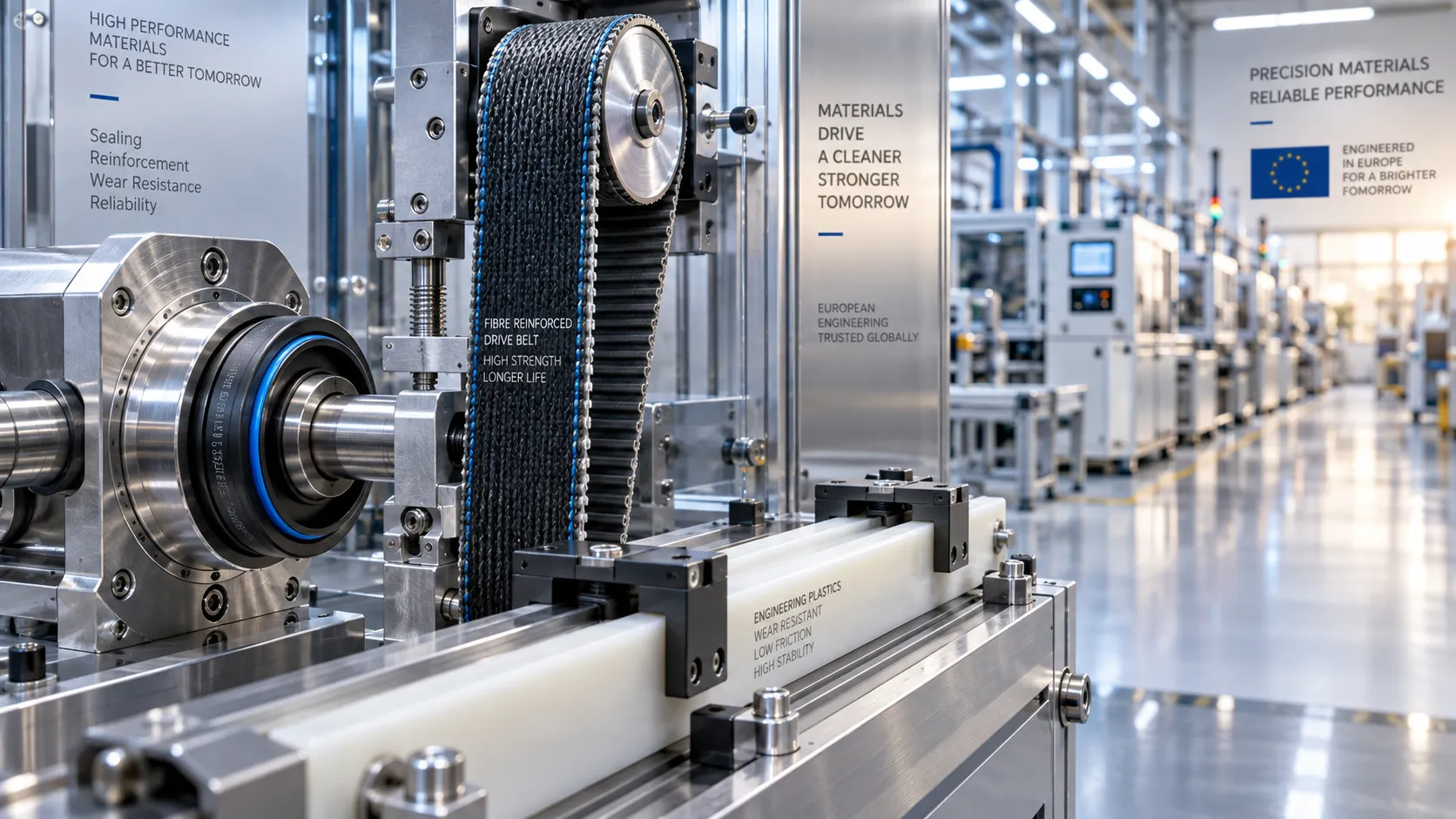
High-Performance Materials in Europe: Sourcing Criteria for Critical Industrial Applications
High-performance materials Europe: learn how to source critical industrial materials using proven criteria for durability, compliance, traceability, lifecycle cost, and supply resilience.
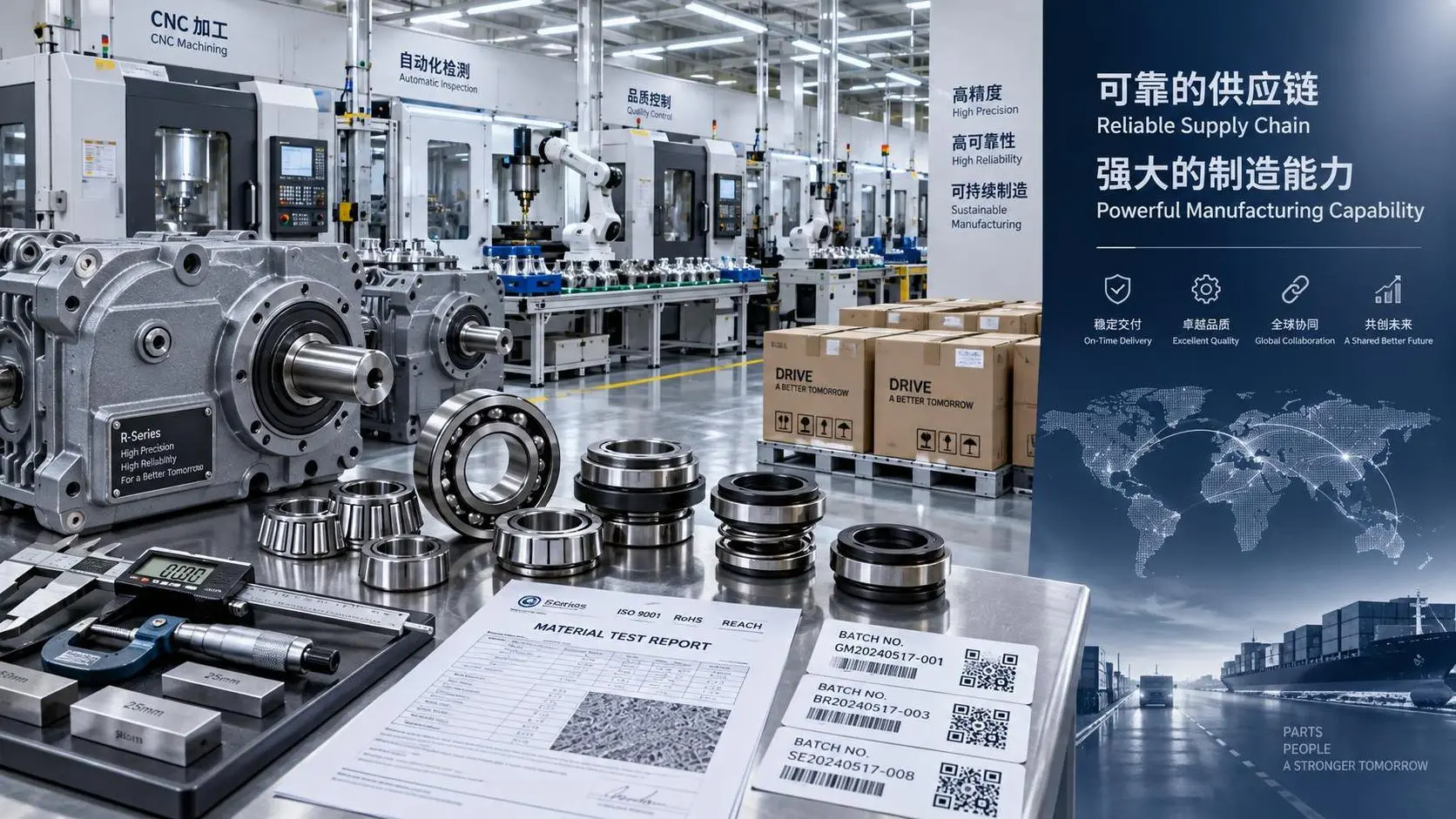
How to Assess a Global Supplier’s Capability Before Awarding a Critical Contract
Global supplier capability review: learn how to verify technical control, quality systems, global delivery resilience, compliance, and service support before awarding a critical contract.
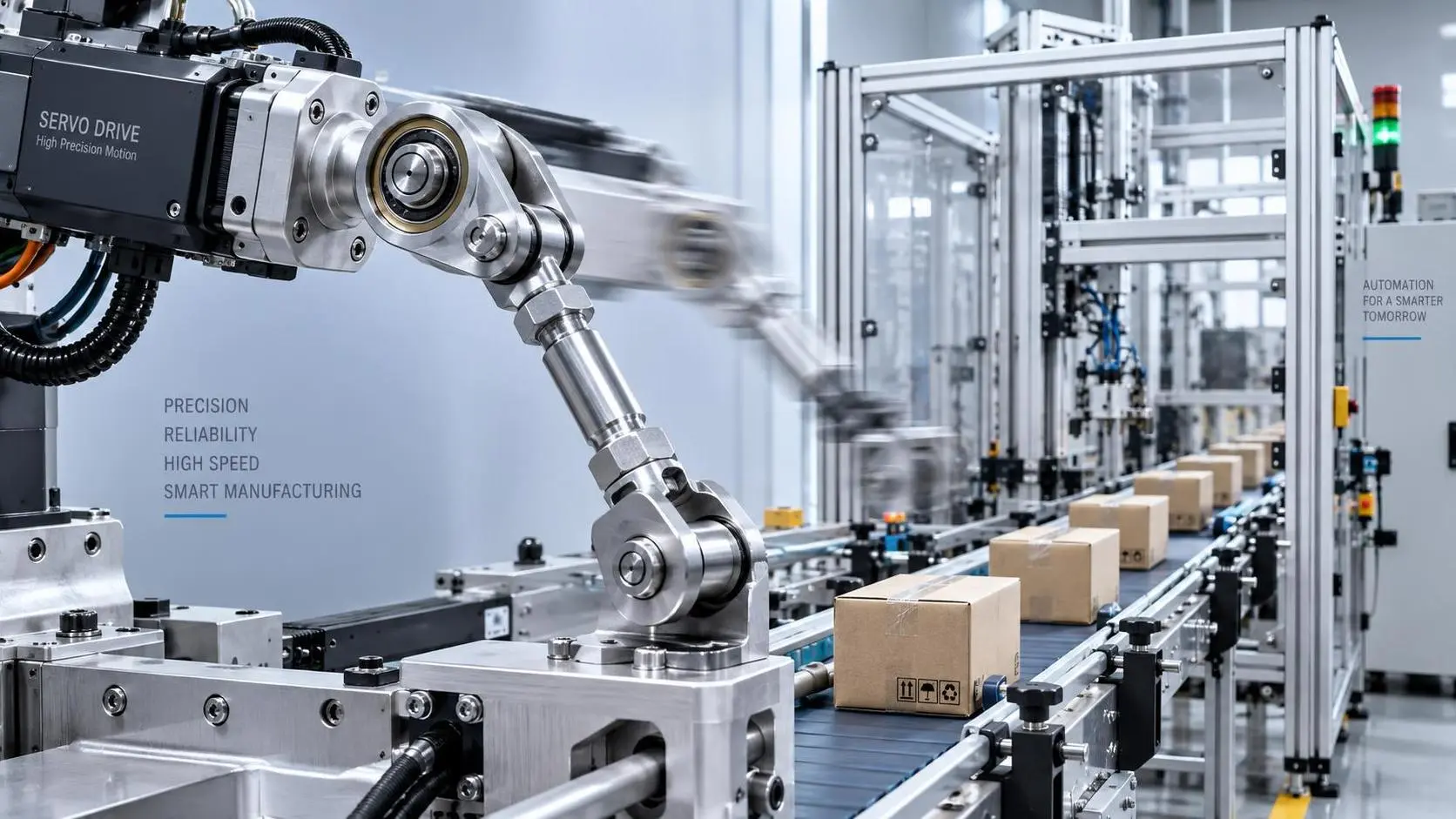
How to Select Mechanical Linkage Components for High-Cycle Automation Equipment
Mechanical linkage technology components: learn how to select reliable rod ends, pins, and joints for high-cycle automation, reducing wear, backlash, downtime, and maintenance risk.