
Industry News
Curation by industry experts
Hot Articles
Popular Tags
Industrial Automation Upgrades That Pay Back Too Slowly
For finance approvers, industrial automation is not just about innovation—it is about disciplined capital allocation. Some upgrades promise efficiency gains yet tie up budgets for too long before delivering measurable returns. Understanding which automation investments recover value too slowly helps decision-makers reduce risk, protect cash flow, and prioritize projects that align operational improvement with stronger financial performance.
What “pay back too slowly” means in industrial automation
In practical terms, a slow-payback industrial automation project is one where the expected productivity, labor, quality, energy, or maintenance gains arrive later than the business can comfortably absorb. The problem is not that the technology is bad. Many systems are technically sound, strategically relevant, and even necessary over the long term. The issue is timing. When cash is committed now but meaningful return is delayed by long commissioning cycles, weak utilization, integration complexity, or uncertain demand, financial pressure rises.
For financial decision-makers across industries, the concern is especially important because industrial automation often carries hidden cost layers. Hardware may be only the visible portion. Software licensing, control integration, mechanical modifications, training, production interruption, spare parts, reliability tuning, and post-installation support can materially change total cost of ownership. That is why disciplined evaluation matters more than headline efficiency claims.
Why slow-return upgrades are receiving more scrutiny
Across manufacturing, logistics, energy, processing, and heavy equipment environments, industrial automation has moved from optional modernization to a core operating strategy. Yet capital has become more selective. Higher borrowing costs, volatile raw material pricing, labor uncertainty, and tighter EBITDA expectations have changed the approval environment. Finance teams now expect projects to show not only technical merit, but also resilience under different production volumes and cost scenarios.
This is where intelligence from platforms such as GPM-Matrix becomes useful. In automation systems, the economic result is often shaped by power transmission, motion control, reducers, belts, couplings, bearings, and sealing reliability—not just the digital layer. A robotic cell with unstable mechanical transmission performance or premature sealing failure may miss throughput targets and delay return. In other words, a slow payback is often caused by the interaction between controls, mechanics, maintenance, and operating conditions.
Common industrial automation upgrades that often recover value too slowly
Not every upgrade underperforms, but several categories repeatedly create longer-than-expected payback windows when they are approved without enough operational context.
1. Fully automated lines replacing semi-automated cells too early
A full line redesign can look attractive on paper because it promises labor reduction, consistency, and future scalability. However, if product mix is still changing, order volumes are uneven, or process capability is not mature, the utilization rate may remain too low for years. In such cases, modular upgrades often outperform full replacement from a capital efficiency standpoint.
2. High-end robotics in low-repeatability or low-volume applications
Robotics can deliver major benefits, but only when cycle time, repeatability, uptime, and tooling stability are predictable. In low-volume production or highly customized workflows, programming effort and changeover complexity can erode expected gains. The result is expensive industrial automation with weak asset utilization.
3. Overengineered predictive maintenance platforms
Condition monitoring and predictive analytics can be valuable, especially for critical gearboxes, bearings, seals, and drives. But some companies invest in broad platforms before they have baseline maintenance discipline, equipment hierarchy, or usable failure data. Without those foundations, alerts are noisy, interventions are inconsistent, and savings are difficult to verify.
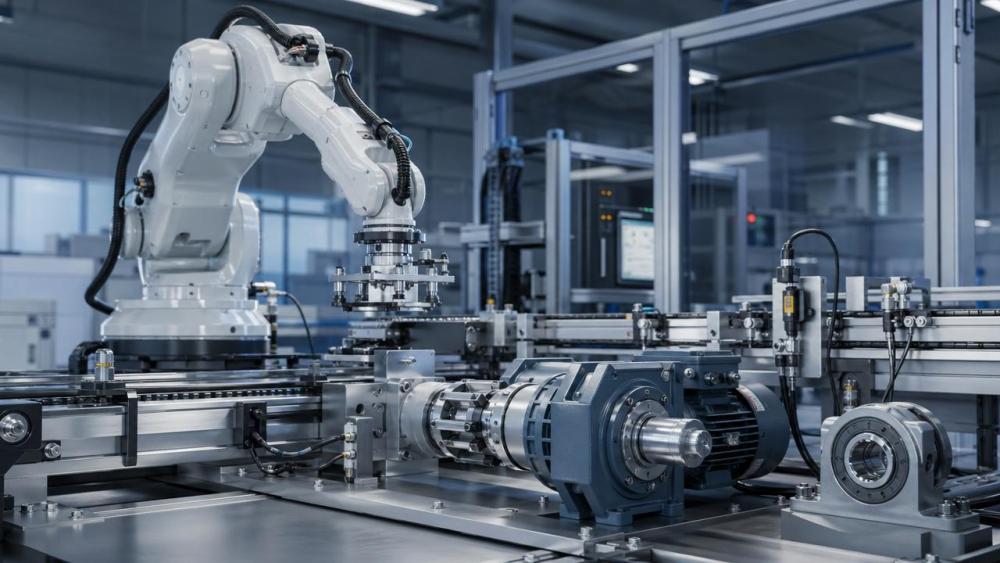
4. Energy optimization retrofits with small operational impact
Variable speed control, motor upgrades, and transmission optimization can support green manufacturing goals, yet not every application justifies the cost at current utilization levels. If equipment runs intermittently, already operates near efficient load points, or has limited annual operating hours, the energy savings may not justify the investment horizon.
5. Plant-wide software layers without process readiness
MES, advanced scheduling, digital twins, and centralized performance dashboards can improve visibility. Still, when data quality is inconsistent and frontline workflows are not standardized, software becomes an expensive overlay. In these situations, industrial automation investments in sensing, transmission reliability, and process control basics may create faster and more measurable return.
A practical overview of slow-payback risk by upgrade type
Finance approvers benefit from comparing projects not only by strategic importance, but by the sources of delay that commonly slow realized value.
Where mechanical realities make industrial automation returns slower
One recurring mistake is evaluating industrial automation as if software and controls alone determine ROI. In reality, many returns are delayed by mechanical bottlenecks. Gear reducers that are undersized for duty cycles, belt drives that lose efficiency under contamination, couplings that introduce alignment problems, or seals that fail in aggressive media can all reduce uptime and increase maintenance burden. When these issues emerge after launch, the approved project carries a longer financial recovery period than expected.
That is why cross-functional review matters. A credible automation business case should test the reliability of mechanical joints and power transmission components under actual load, speed, thermal variation, lubrication conditions, and maintenance capability. High-authority intelligence on component evolution, durability, and lifecycle behavior can be as important as the automation concept itself.
Which situations justify patience and which do not
Not every long-payback investment should be rejected. Some industrial automation upgrades support regulatory compliance, workforce safety, strategic customer requirements, or long-term competitive positioning. The key is to separate strategic patience from vague optimism.
A slower payback may still be acceptable when the upgrade protects business continuity, enables entry into higher-value markets, reduces chronic quality escapes, or addresses equipment obsolescence that threatens production. By contrast, caution is warranted when the investment depends on aggressive utilization assumptions, poorly quantified labor savings, or benefits that cannot be tracked through operational KPIs and financial reporting.
How finance approvers can assess industrial automation more effectively
A stronger approval method does not require rejecting innovation. It requires framing industrial automation as staged value creation rather than one-time capital enthusiasm.
Use phased investment logic
Instead of approving the largest architecture immediately, evaluate whether a pilot cell, one production island, or one critical asset class can prove the economics first. This protects cash flow while building operational evidence.
Demand measurable baselines
Every industrial automation proposal should state current labor hours, scrap rates, maintenance events, throughput losses, energy use, and downtime cost. Without a baseline, post-project success becomes subjective, making future capital governance weaker.
Stress-test the ramp-up period
Ask what happens if commissioning takes twice as long, operator adoption is slower, or the first year runs at 70% of planned volume. If returns disappear under moderate stress, the project may be too fragile.
Evaluate component reliability as part of ROI
Automation economics improve when core transmission and sealing elements are selected for durability, maintenance simplicity, and fit with actual operating conditions. Better mechanical architecture often delivers faster payback than more software alone.
Typical decision priorities by business context
The same industrial automation upgrade can look attractive in one setting and too slow in another. Context drives financial suitability.
Practical guidance for balancing modernization and capital discipline
The best industrial automation strategy for finance approvers is rarely “automate everything” or “delay everything.” It is to rank investments by speed of value capture, operational dependence, mechanical reliability, and strategic necessity. Fast-payback projects usually remove visible bottlenecks, improve uptime on critical equipment, cut recurring waste, or strengthen dependable throughput. Slower-payback projects may still proceed, but they should earn approval through stronger scenario analysis, milestone controls, and clearer non-financial justification.
This is especially true in sectors where power transmission efficiency, component longevity, and maintenance access strongly influence output. Better intelligence on reducers, belts, couplings, bearings, and sealing systems can narrow uncertainty before capital is committed. When the mechanical foundation is well understood, industrial automation becomes easier to justify and faster to convert into real financial return.
Conclusion
Industrial automation remains essential to modern industry, but not every upgrade deserves immediate approval. Projects that pay back too slowly usually suffer from weak utilization assumptions, underestimated integration cost, fragile adoption, or overlooked mechanical reliability issues. For finance approvers, the smarter path is selective modernization: fund automation where outcomes are measurable, assumptions are stress-tested, and component-level realities support the business case. With informed evaluation and better industrial intelligence, organizations can modernize with confidence while protecting cash flow and improving long-term operating performance.
Recommended News
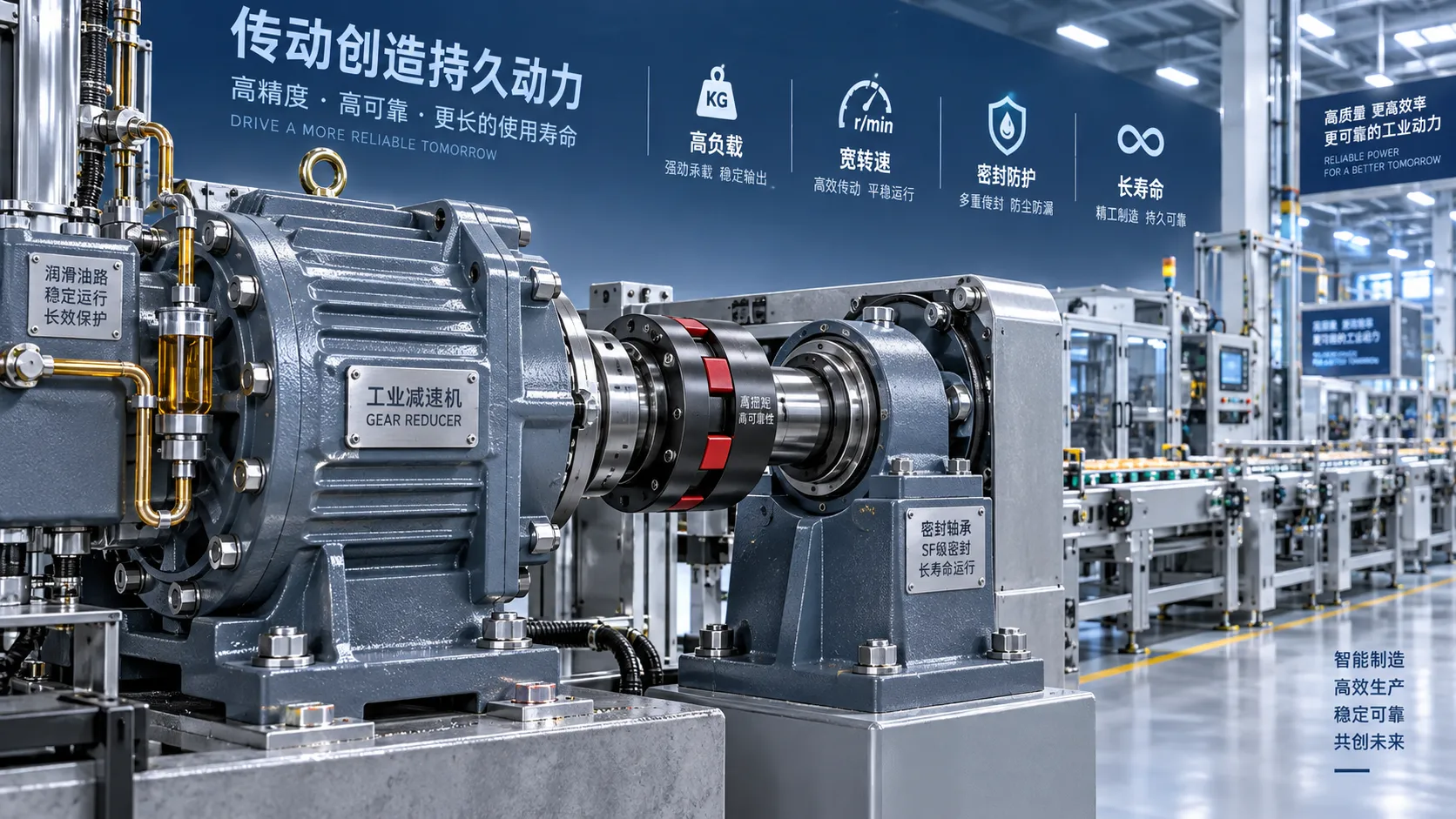
Mechanical Component Selection: Key Criteria for Load, Speed, Environment, and Service Life
Mechanical component selection made practical: evaluate load, speed, environment, lubrication, and service life to improve reliability, reduce downtime, and control lifecycle costs.
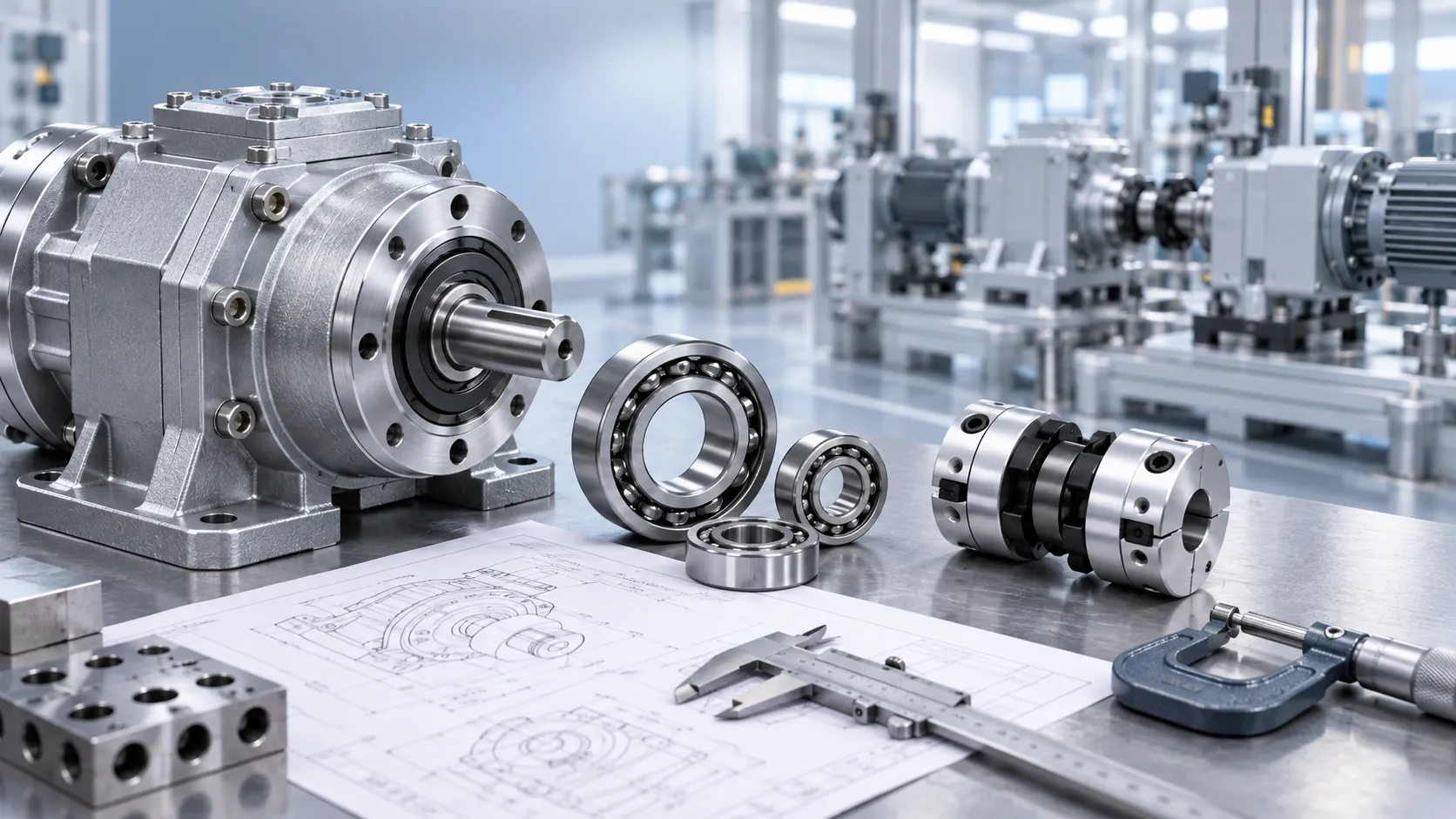
What to Request in Component Specification Resources Before Choosing a Supplier
Industrial component specification resources supplier guide: request drawings, material data, ratings, validation, and change control to choose reliable suppliers and reduce lifecycle risk.
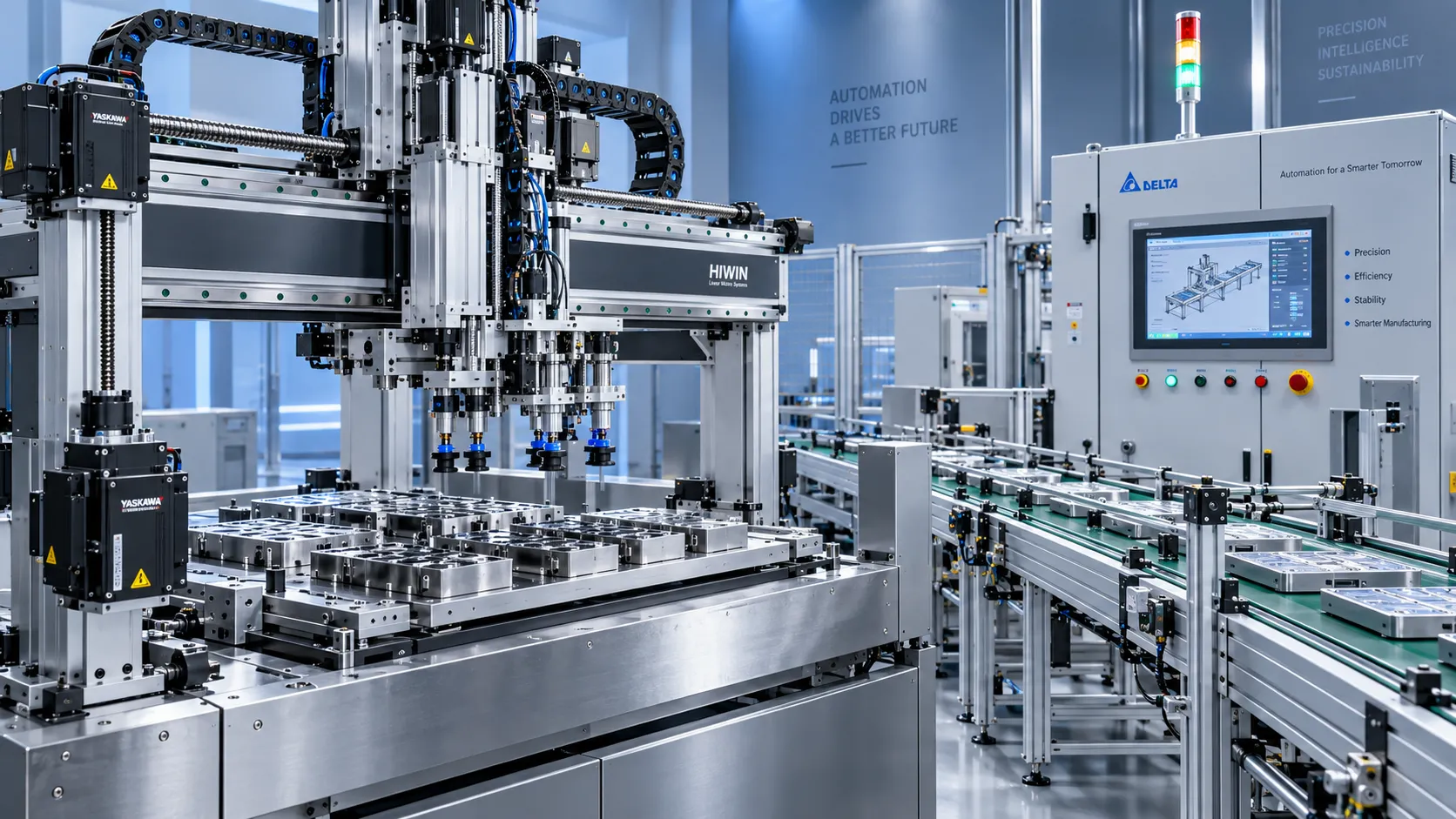
How to Specify Multi-Axis Motion Control for High-Precision Automated Machines
Master multi axis motion control for high-precision automation—optimize synchronization, feedback, mechanics, safety, and lifecycle reliability.
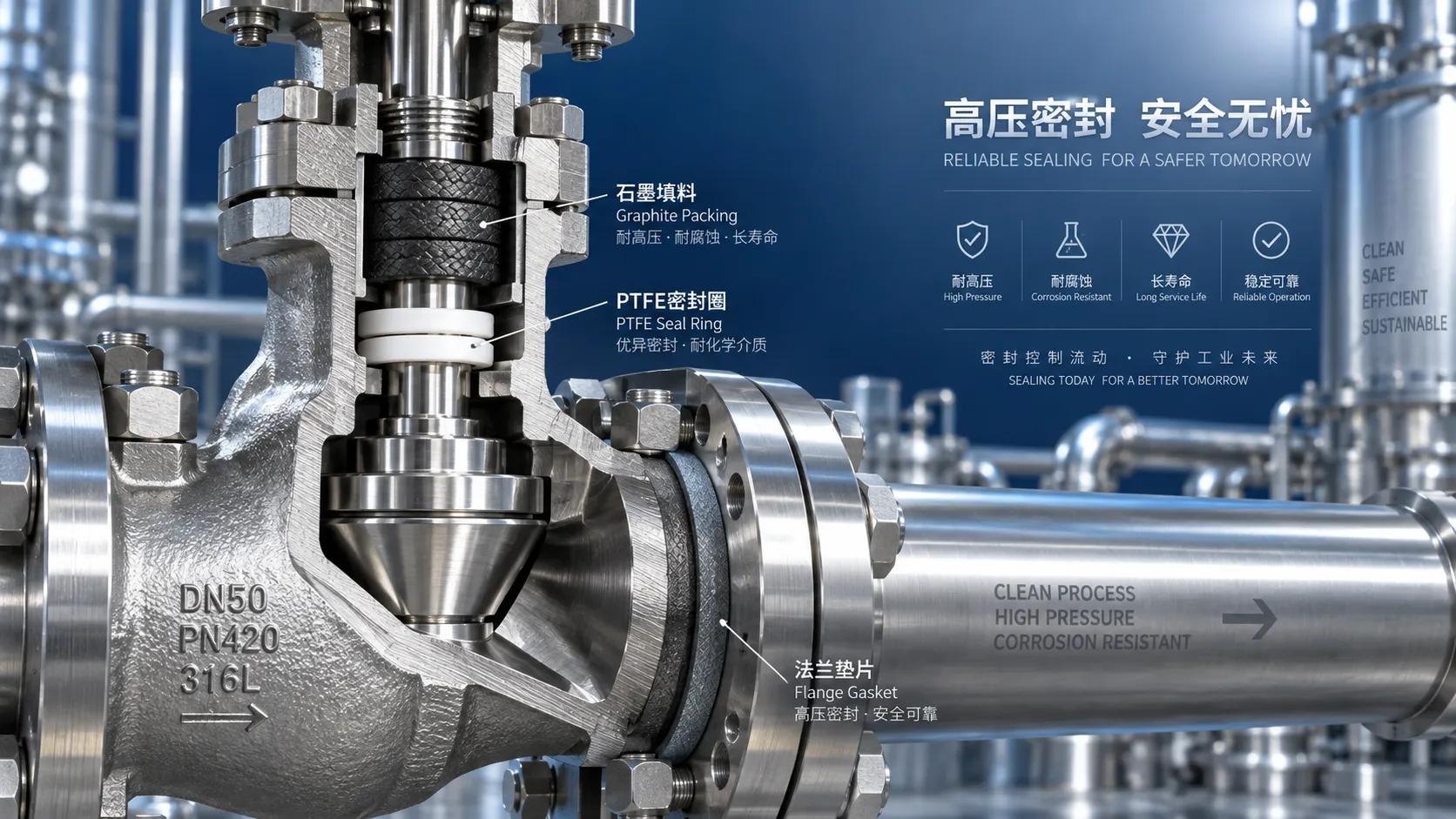
Selecting Valve Sealing Solutions for High-Pressure and Corrosive Service
Industrial sealing solutions for valves: learn how to select reliable systems for high-pressure, corrosive service, control fugitive emissions, and reduce lifecycle leakage risks.
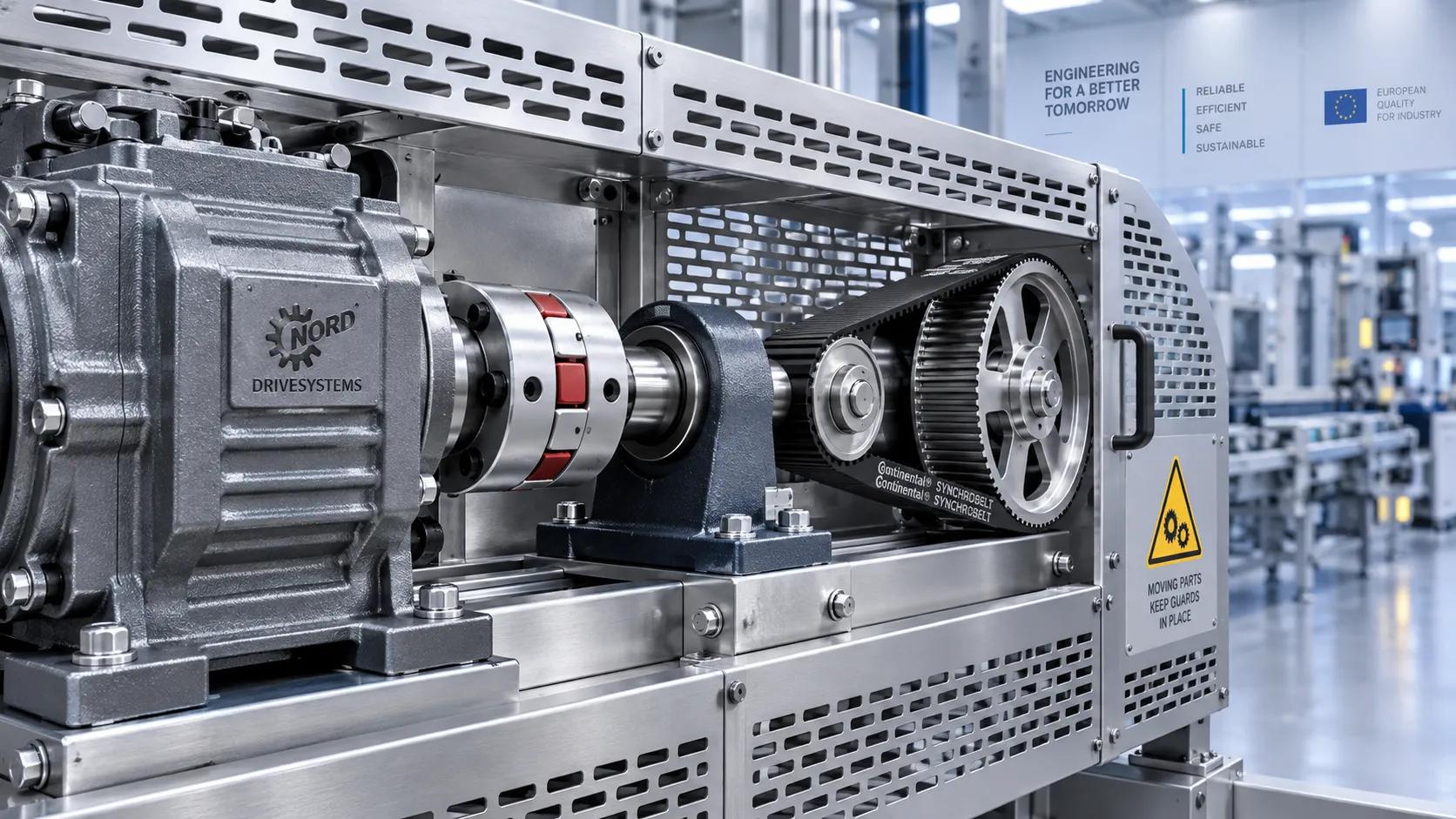
Which European Standards Matter When Specifying Industrial Power Transmission Systems?
Standardized transmission systems Europe: discover the key EN and ISO standards for safer, compliant gear units, belts, couplings, bearings, seals, and ATEX applications.
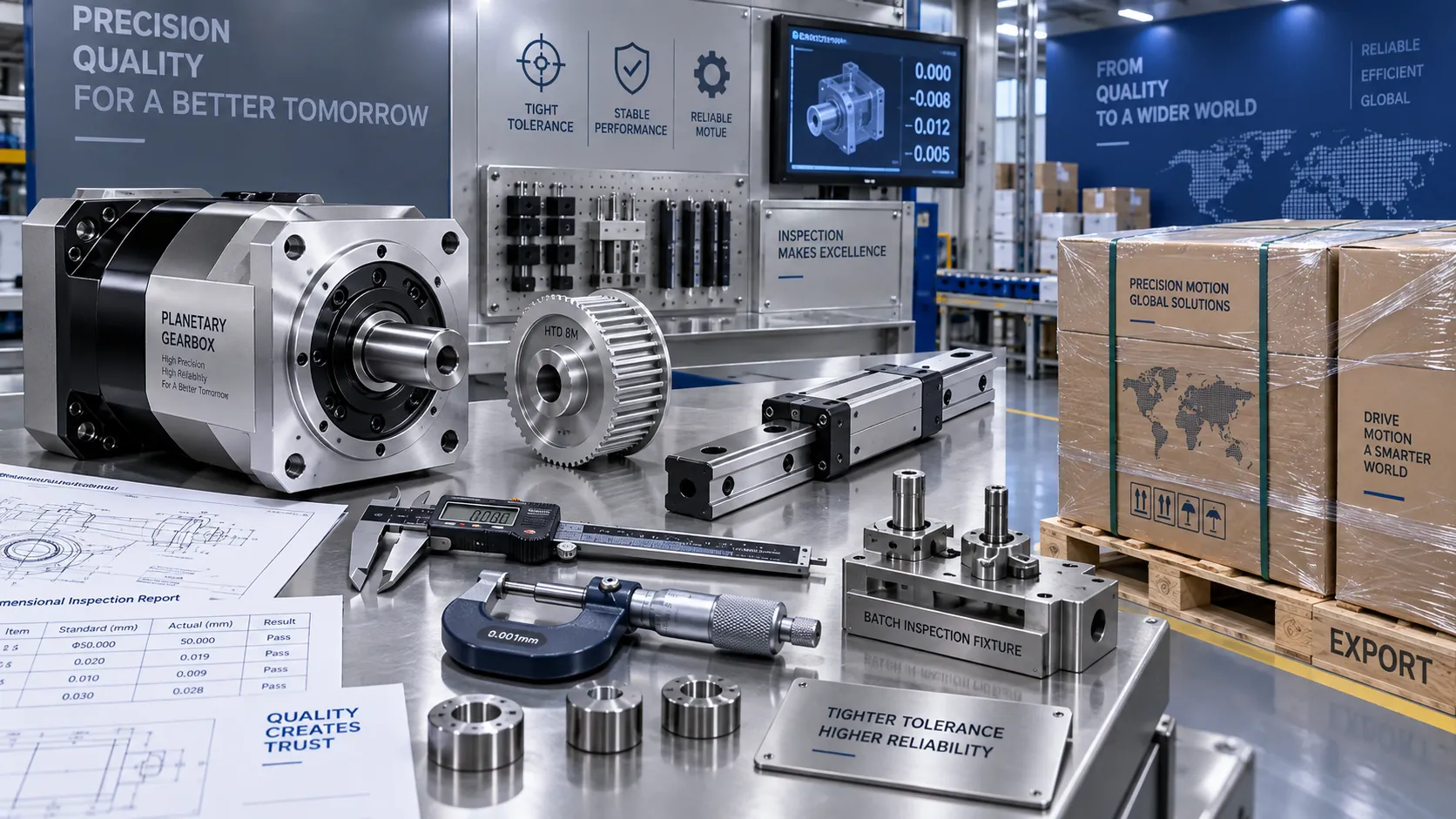
How to Vet a Motion Control Components Exporter for Global OEM Supply?
Motion control components exporter vetting guide for global OEMs: assess quality, traceability, export readiness, landed cost, and supply resilience before you buy.
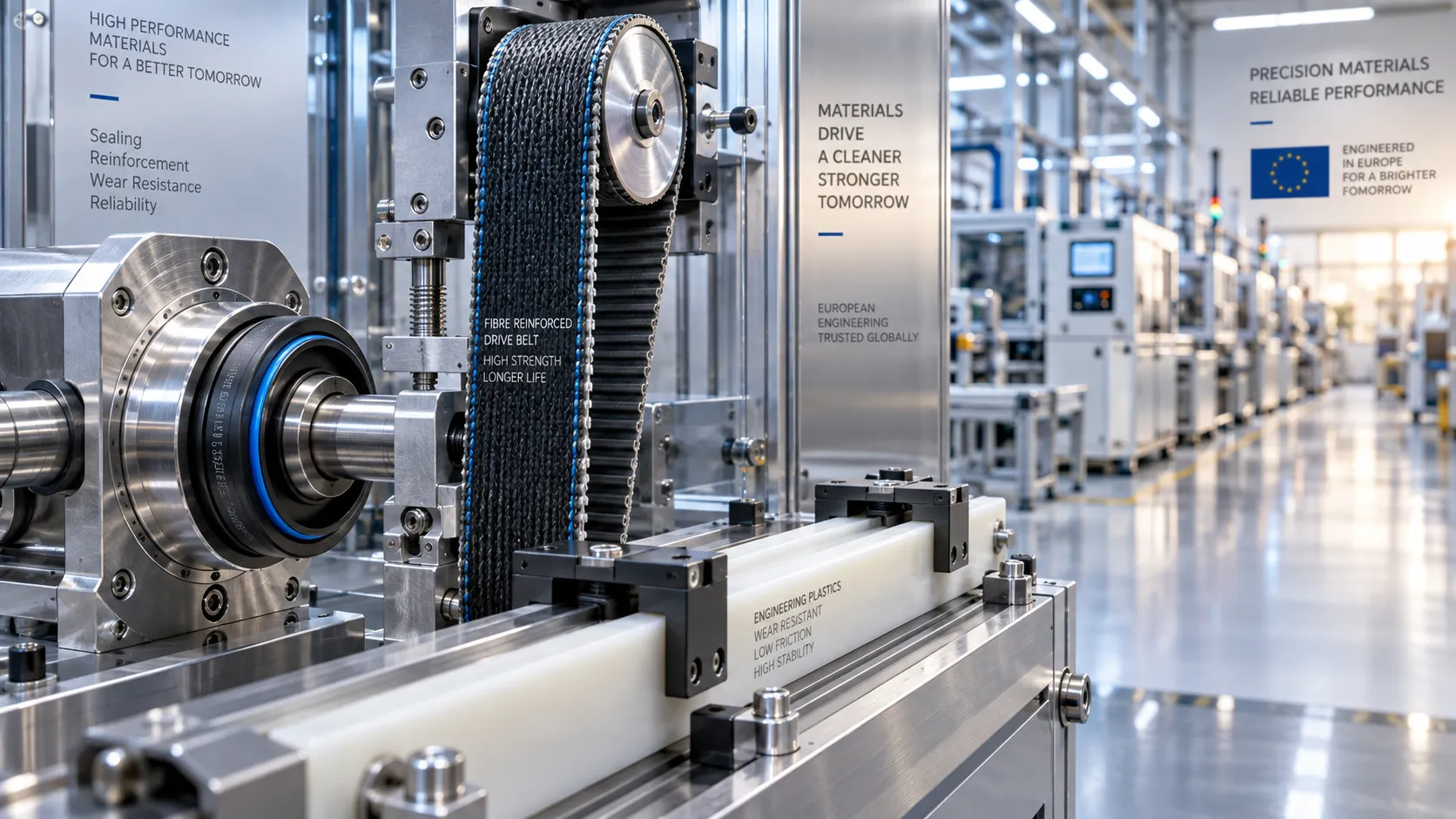
High-Performance Materials in Europe: Sourcing Criteria for Critical Industrial Applications
High-performance materials Europe: learn how to source critical industrial materials using proven criteria for durability, compliance, traceability, lifecycle cost, and supply resilience.
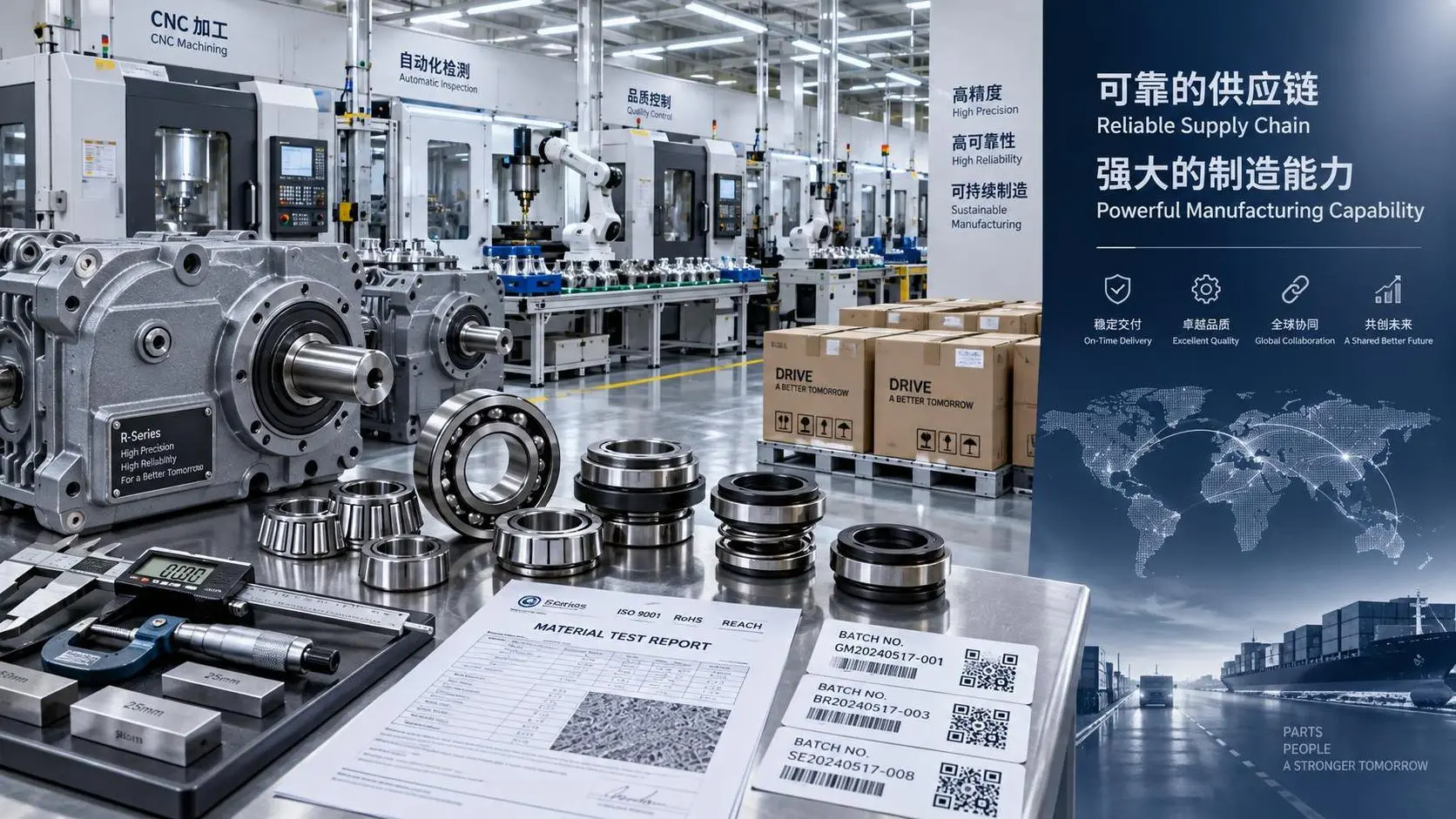
How to Assess a Global Supplier’s Capability Before Awarding a Critical Contract
Global supplier capability review: learn how to verify technical control, quality systems, global delivery resilience, compliance, and service support before awarding a critical contract.
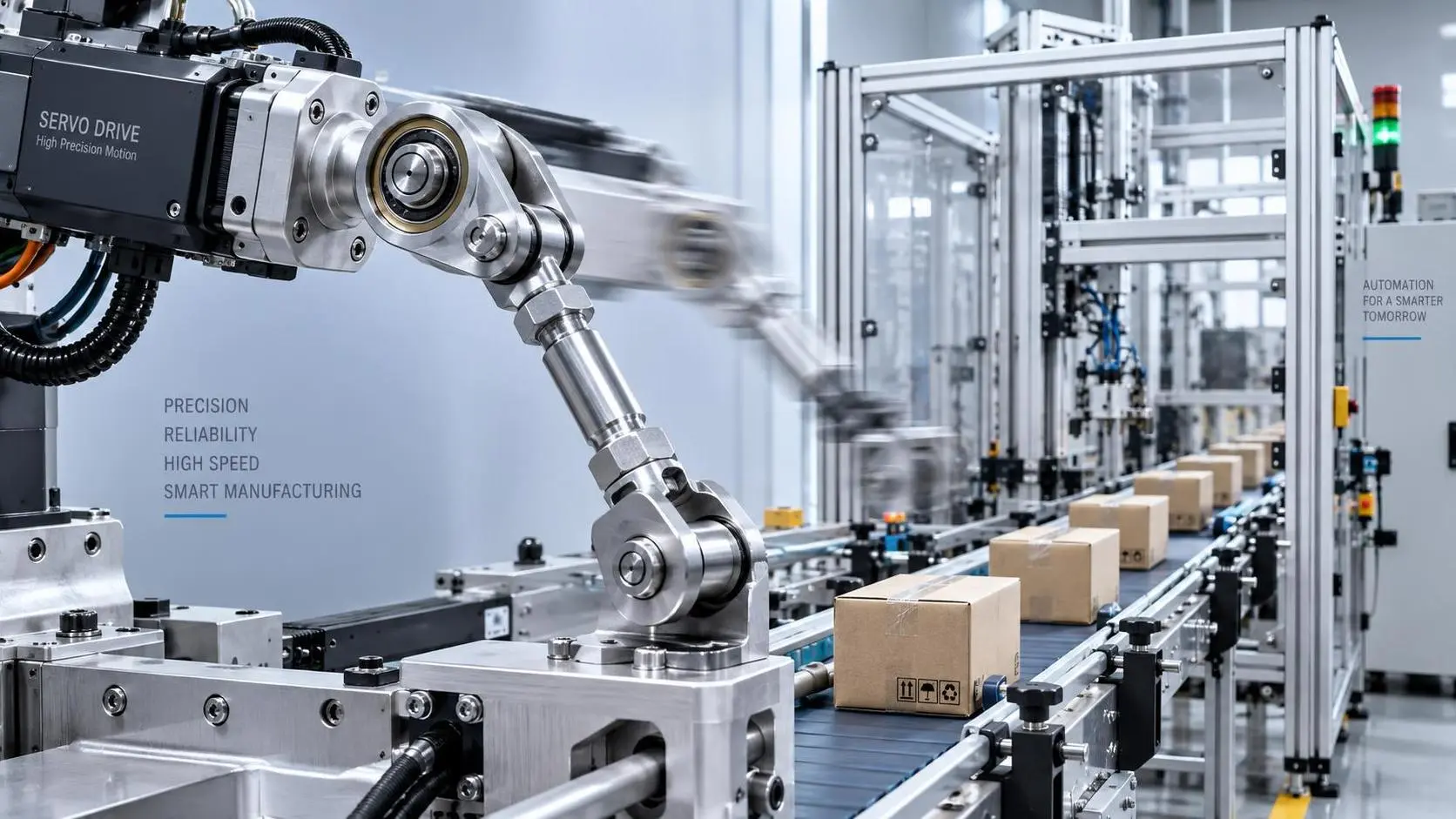
How to Select Mechanical Linkage Components for High-Cycle Automation Equipment
Mechanical linkage technology components: learn how to select reliable rod ends, pins, and joints for high-cycle automation, reducing wear, backlash, downtime, and maintenance risk.